

Free Knokke-Heist Travel Guide & Mobile App
Plan your Knokke-Heist trip with Evendo. Get free guides to top attractions, restaurants, hotels, and bars. Web access or download the mobile app.


Knokke-Heist blends Belgian North Sea beaches, the Zwin wetlands, contemporary art, elegant shopping, coastal cycling and seafood in a stylish seaside town.
Belgium’s North Sea Resort
Knokke-Heist stretches along Belgium’s northern coast, where broad sandy beaches meet a resort landscape shaped by dunes, polders and the North Sea. The municipality brings together several distinct areas: the lively seaside centre of Knokke, the elegant villas and galleries of Het Zoute, the quieter residential character of Duinbergen, and the former fishing community of Heist. This variety gives the destination a more layered identity than its reputation as a fashionable beach resort might suggest.Read more about Knokke-Heist
Art, Architecture and Coastal Life
The Zwin and the Polder Landscape
When is the best time to visit Knokke-Heist?
Best: June–August · 23–25°C| Month | High (°C) | Rainfall (mm) |
|---|---|---|
| January | 6 | 90 |
| February | 7 | 80 |
| March | 9 | 70 |
| April | 13 | 60 |
| May | 20 | 60 |
| June (best) | 23 | 70 |
| July (best) | 25 | 80 |
| August (best) | 25 | 80 |
| September | 21 | 70 |
| October | 17 | 90 |
| November | 12 | 100 |
| December | 8 | 100 |
Getting to and around Knokke-Heist
How to get there
Transportation
Best attractions in Knokke-Heist
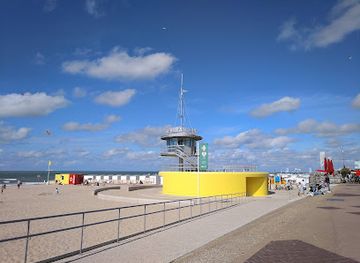
Knokke-Heist’s attractions range from open coastal landscapes to museums and contemporary art. The Zwin Nature Park, near the Dutch border, introduces visitors to tidal marshes, dunes and bird-rich habitats through trails and observation points. In Heist, Sincfala Museum explores the history of the coastal region, including fishing, local communities and the changing shoreline. The For Freedom Museum in Ramskapelle presents the Second World War from a regional perspective, with military objects and accounts of the liberation of the Belgian coast. Central Knokke offers long beaches, a broad promenade and streets lined with galleries, while Het Zoute adds woodland paths, villas and access to the Zwin area. Cycling routes cross the flat polders and connect the separate districts, providing a quieter counterpoint to the resort centre. Seasonal public art and the wider Beaufort tradition have also made the Belgian coast an important setting for outdoor contemporary art.
-
Nature preserve
Zwin Natuur Park
Explore Zwin Natuur Park in Knokke-Heist, a stunning nature preserve known for its diverse wildlife, beautiful landscapes, and engaging educational experiences.
16 min drive · 5.4 km from city centre
-
Event venue
Belgium Pier
Experience the vibrant atmosphere and stunning views at Belgium Pier in Blankenberge, a seaside attraction that blends dining, entertainment, and relaxation.
30 min drive · 10 km from city centre
-
Tourist attraction
Huisje van Majutte
Explore the maritime history of Blankenberge at Huisje van Majutte, where tradition meets a warm pub atmosphere.
31 min drive · 11 km from city centre
-
Tourist attraction
For Freedom Museum
Explore the For Freedom Museum in Knokke-Heist: A profound journey through the sacrifices of World War II and the enduring quest for freedom.
9 min drive · 3.1 km from city centre


Best landmarks in Knokke-Heist
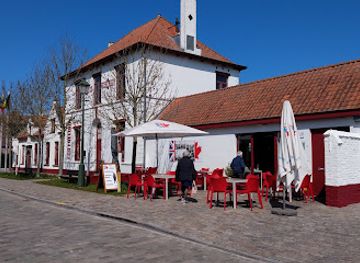
The most recognisable landmarks of Knokke-Heist express its transition from fishing settlements to an international seaside resort. The Church of Our Lady of the Visitation in Heist anchors the historic community and reflects the district’s long maritime association, while the modern Heilig Hartkerk in Knokke represents the expansion of the resort during the twentieth century. The Casino Knokke, on the seafront, is a prominent symbol of the town’s entertainment and tourism culture and is noted for its large interior art commissions. In the surrounding landscape, Zwin boundary markers and the protected estuary recall the former waterway that connected the region with Bruges. Military remains and interpretation at Ramskapelle provide another layer, linking the present resort to the wartime defence of the Belgian coast. Together these places show a municipality shaped by religion, fishing, leisure, art and military geography.
-
Nature preserve
Zwin Natuur Park
Explore the enchanting Zwin Natuur Park, a captivating nature preserve on the Belgian coastline, perfect for wildlife observation and serene walks.
16 min drive · 5.4 km from city centre
-
Event venue
Belgium Pier
Experience the perfect blend of dining and entertainment at Belgium Pier, where coastal charm meets vibrant events in Blankenberge.
30 min drive · 10 km from city centre
-
Beach
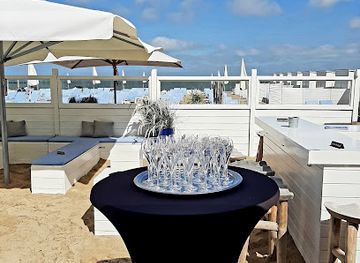
Knokke-Strand Beach Bar
Experience the serene beauty and vibrant culture of Knokke-Strand Beach Bar in Belgium, a perfect getaway for sun and leisure.
7 min drive · 2.4 km from city centre
-
War museum
For Freedom Museum
Explore the For Freedom Museum in Knokke-Heist, a captivating war museum dedicated to honoring the sacrifices of World War II and celebrating the journey to freedom.
9 min drive · 3.1 km from city centre



Explore Knokke-Heist on the map
Plan your Knokke-Heist trip on one map. See where the top attractions, landmarks, restaurants, bars and hotels are, find what's near where you're staying, and book hotels and experiences in a few clicks.
Best hotels in Knokke-Heist
Best restaurants in Knokke-Heist
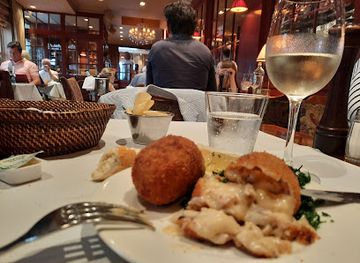
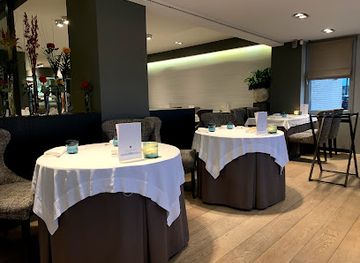
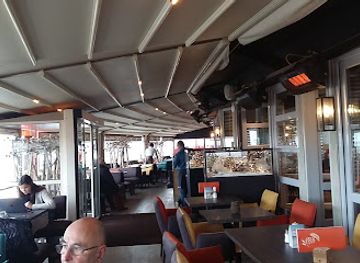
Dining in Knokke-Heist reflects both its North Sea location and its position within Belgian culinary culture. Seafood features prominently, from North Sea fish and grey shrimp to mussels, oysters and preparations served in brasseries close to the promenade. Belgian staples such as fries, croquettes, waffles and chocolate appear alongside more formal cuisine shaped by French and Flemish traditions. Heist and the central resort areas offer relaxed cafés, bakeries and seafood restaurants, while Het Zoute is associated with polished dining rooms, hotel restaurants and contemporary culinary propositions. Fish shops and seasonal beach establishments provide a more informal taste of the coast, although opening patterns can vary. The municipality’s food culture also reflects its affluent, international clientele, with a broader range of modern European and global cooking than its fishing heritage alone might suggest.
-
Belgian
Rubens
Experience exquisite Belgian cuisine at Rubens in Knokke-Heist – where culinary tradition meets modern elegance along the stunning coast.
6 min drive · 2.1 km from city centre
-
Belgian
Royale
Discover the heart of Belgian cuisine at Royale in Knokke-Heist – where tradition meets coastal charm.
6 min drive · 1.9 km from city centre
-
Fine Dining
Sel Gris
Discover Sel Gris in Knokke-Heist: A fine dining experience where exquisite cuisine meets stunning coastal views.
7 min drive · 2.2 km from city centre
-
Restaurant
Sable Blanc
Discover authentic Belgian cuisine at Sable Blanc, where delicious food meets stunning coastal views in Knokke-Heist.
5 min drive · 1.8 km from city centre
Best bars in Knokke-Heist
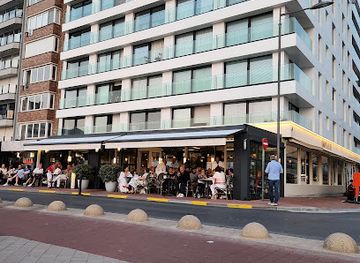
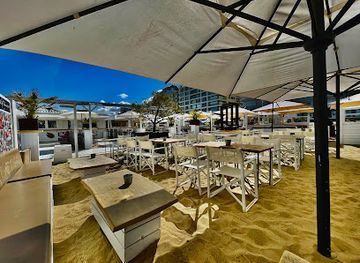
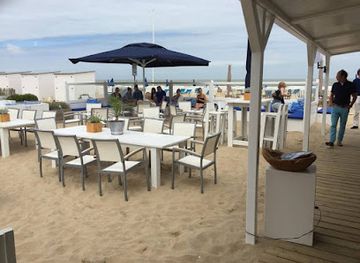
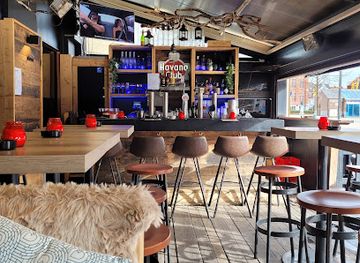
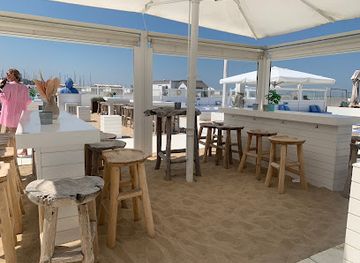
Evenings in Knokke-Heist are generally more polished and sociable than club-focused, with beach bars, hotel lounges, wine bars and brasseries providing much of the year-round atmosphere. The promenade and central streets become lively during the holiday season, while Het Zoute offers stylish places for drinks after gallery visits or dinner. Live music and cultural programming appear in seasonal venues and established entertainment spaces, though the scale and opening pattern of nightlife depend strongly on the time of year. Heist has a more local, relaxed evening character, with cafés and neighbourhood bars rather than a concentrated club district. Visitors seeking late-night entertainment should check current arrangements locally, as coastal venues can be seasonal and many evenings remain centred on dining, conversation and the sea air.
-
Bar
Beach Number 1
Discover Beach Number 1 in Knokke-Heist: Your ultimate seaside destination for drinks, relaxation, and vibrant atmosphere.
8 min drive · 2.6 km from city centre
-
Bar
INDI KNOKKE BEACH CLUB
Experience the vibrant atmosphere and stunning views at Indi Knokke Beach Club, the perfect beachside retreat in Knokke-Heist.
7 min drive · 2.3 km from city centre
-
Bar
Yssis Café
Yssis Café in Knokke-Heist: A vibrant bar and brasserie offering a lively nightlife experience with delicious food and drinks.
16 min walk · 1.2 km from city centre
-
Bar
Blue Buddha Beachclub (Pop Up Bar)
Discover relaxation at Blue Buddha Beachclub, a stylish pop-up bar in Knokke-Heist offering stunning views and refreshing drinks on the Belgian coast.
7 min drive · 2.2 km from city centre
Best nightclubs in Knokke-Heist
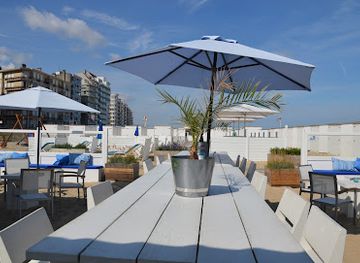
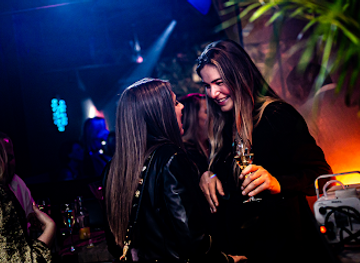
Evenings in Knokke-Heist are generally more polished and sociable than club-focused, with beach bars, hotel lounges, wine bars and brasseries providing much of the year-round atmosphere. The promenade and central streets become lively during the holiday season, while Het Zoute offers stylish places for drinks after gallery visits or dinner. Live music and cultural programming appear in seasonal venues and established entertainment spaces, though the scale and opening pattern of nightlife depend strongly on the time of year. Heist has a more local, relaxed evening character, with cafés and neighbourhood bars rather than a concentrated club district. Visitors seeking late-night entertainment should check current arrangements locally, as coastal venues can be seasonal and many evenings remain centred on dining, conversation and the sea air.
-
Bar
INDI KNOKKE BEACH CLUB
Discover the lively atmosphere and stunning views at INDI Knokke Beach Club, a must-visit for tourists in Knokke-Heist.
7 min drive · 2.3 km from city centre
-
Night club
Yssis Café
Discover the lively atmosphere and delectable cuisine at Yssis Café, a premier nightlife destination in Knokke-Heist.
16 min walk · 1.2 km from city centre
-
Bar
Blue Buddha Beachclub (Pop Up Bar)
Discover the vibrant Blue Buddha Beachclub, a perfect blend of beach relaxation and lively socializing in Knokke-Heist.
7 min drive · 2.2 km from city centre
-
Blues club
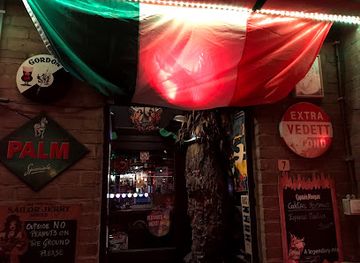
Tracks & Tr@vellers
Discover the vibrant blues scene at Tracks & Tr@vellers, a lively club in Knokke-Heist blending live music and cocktails for an unforgettable night.
11 min walk · 0.9 km from city centre
Best shops in Knokke-Heist
Shopping is one of Knokke-Heist’s defining urban experiences, particularly in Knokke and Het Zoute. Kustlaan and nearby streets are associated with fashion, interior design, jewellery, art galleries and premium international labels, while Lippenslaan and Dumortierlaan provide a broader mix of everyday shops, cafés and Belgian businesses. Independent galleries are an important part of the town’s cultural identity, with contemporary art displayed alongside design and decorative objects. Visitors can also find Belgian chocolates, biscuits, beer and other regional food products, as well as coastal souvenirs and pieces from local or national designers. Heist has a more neighbourhood-oriented retail character, and seasonal markets add a less formal dimension when taking place. The contrast between gallery-lined resort avenues and practical local shopping streets gives the municipality a varied retail landscape.
-
Gift shop
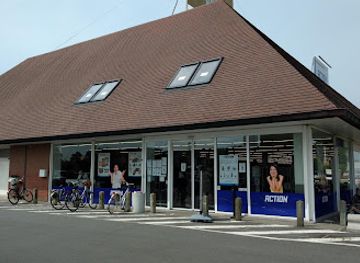
Action
Discover a treasure trove of unique gifts, home decor, and DIY supplies in Knokke-Heist's charming gift shop!
15 min walk · 1.2 km from city centre
-
Outdoor clothing and equipment shop
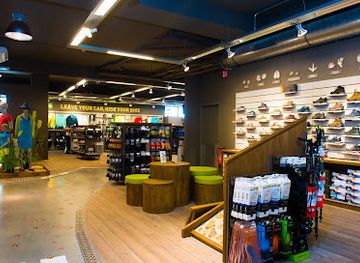
A.S.Adventure
Explore the great outdoors with A.S.Adventure in Knokke-Heist, your go-to destination for top-notch outdoor clothing and equipment.
9 min walk · 0.7 km from city centre
-
Leather goods store
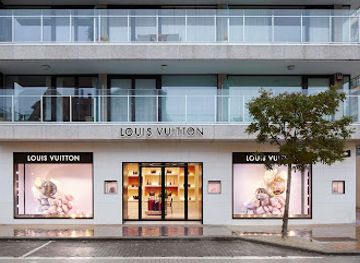
Louis Vuitton Knokke Heist
Discover unparalleled luxury at Louis Vuitton Knokke Heist, where exquisite craftsmanship meets coastal elegance in a premier shopping destination.
9 min drive · 2.9 km from city centre
-
Clothing store
H&M
Explore trendy men's fashion at H&M Knokke-Heist, where style meets affordability in a vibrant shopping atmosphere.
6 min drive · 1.9 km from city centre

Get your free copy of our complete guide to Knokke-Heist, delivered straight to you.
Everything on this page, from attractions and restaurants to essentials and local phrases, in one PDF you can read offline, print or share.
Already have an account? Sign in
Your Knokke-Heist guide is ready.
We'll send it to · Not you? Sign out

Getting your guide ready…
We are putting together a fresh copy of the Knokke-Heist guide. This can take up to a minute.
This can take a few moments. If your browser asks, choose Allow so the download can start. You'll find the guide in your Downloads folder.
Nothing happened? Download it again
Sorry, the guide is taking longer than usual. Please try again in a minute, or get it by email instead.
Knokke-Heist essentials
Currency and Payment
Safety
Emergency Situations
Do's and Don'ts
Local Tips
From Eve
Local phrases worth knowing
You don't need to get them perfect. A few words go a long way, and locals appreciate the effort.
Basics
| English | Local | Say it |
|---|---|---|
| Hello | Hallo | [HAH-loh] |
| Goodbye | Tot ziens | [tot zeens] |
| Yes | Ja | [yah] |
| No | Nee | [nee] |
| Please/You're welcome | Alsjeblieft | [als-ye-bleeft] |
| Thank you | Dank je | [dahnk yuh] |
| Excuse me/Sorry | Sorry | [sor-ee] |
| How are you? | Hoe gaat het? | [hoo gahht het] |
| Fine. And you? | Goed. En met jou? | [goot. en met yow] |
| Do you speak English? | Spreek je Engels? | [spreek yuh eng-els] |
| I don't understand | Ik begrijp het niet | [ick buh-grayp het neeht] |
Eating & Drinking
| English | Local | Say it |
|---|---|---|
| I'd like to see the menu, please | Ik zou graag de menukaart zien, alstublieft | [ick zow graagh duh menu-kahrt seen, al-stew-bleeft] |
| I don't eat meat | Ik eet geen vlees | [ick ayt khayn flays] |
| Cheers! | Proost! | [prohst] |
| I would like to pay, please | Ik zou graag betalen, alstublieft | [ick zow graagh buh-tah-luhn, al-stew-bleeft] |
Emergencies
| English | Local | Say it |
|---|---|---|
| Help! | Help! | [help] |
| Go away! | Ga weg! | [gah wegh] |
| Call the Police! | Bel de politie! | [bel duh poh-lee-see] |
| Call a doctor! | Bel een dokter! | [bel ain dohk-tuhr] |
| I'm lost | Ik ben verdwaald | [ick ben vur-dwahld] |
| I'm ill | Ik ben ziek | [ick ben zeek] |
Shopping
| English | Local | Say it |
|---|---|---|
| I'd like to buy... | Ik zou graag kopen... | [ick zow graagh koh-puhn] |
| I'm just looking | Ik ben alleen aan het kijken | [ick ben all-ain ahn het kee-ken] |
| How much is it? | Hoeveel kost het? | [hoo-veyl kost het] |
| That's too expensive | Dat is te duur | [daht is tuh dur] |
| Can you lower the price? | Kan je de prijs verlagen? | [kahn yuh duh prays vur-lah-ghun] |
Time & Numbers
| English | Local | Say it |
|---|---|---|
| What time is it? | Hoe laat is het? | [hoo laht is het] |
| It's one o'clock | Het is een uur | [het is ain oor] |
| Half past (10) | Half tien | [half teen] |
| Morning | Ochtend | [ohk-tuhnt] |
| Afternoon | Namiddag | [nah-mee-dahkh] |
| Evening | Avond | [ah-vohnt] |
| Yesterday | Gisteren | [ghis-tuh-run] |
| Today | Vandaag | [vahn-dahkh] |
| Tomorrow | Morgen | [mohr-khun] |
| 1 | Een | [ayn] |
| 2 | Twee | [tway] |
| 3 | Drie | [dree] |
| 4 | Vier | [veer] |
| 5 | Vijf | [vayf] |
| 6 | Zes | [zehs] |
| 7 | Zeven | [zay-vuhn] |
| 8 | Acht | [ahkht] |
| 9 | Negen | [nay-khun] |
| 10 | Tien | [teen] |
Transport & Directions
| English | Local | Say it |
|---|---|---|
| Where's a/the...? | Waar is de... | [vahr is duh] |
| What's the address? | Wat is het adres? | [vaht is het ah-dres] |
| Can you show me (on the map)? | Kan je me dat tonen (op de kaart)? | [kahn yuh muh daht toh-nun (op duh kart)] |
| When's the next (bus)? | Wanneer is de volgende (bus)? | [vahn-er is duh vohl-hun-duh (bus)] |
| A ticket (to ....) | Een ticket (naar ....) | [ayn ticket (nahr)] |
History of Knokke-Heist
Medieval Polders and the Zwin Estuary
The history of Knokke-Heist is closely tied to the former Zwin estuary, the tidal inlet that once connected the North Sea with the trading city of Bruges. Medieval settlement developed amid salt marshes, dunes and reclaimed polder land, with communities adapting to flooding, changing waterways and maritime commerce. The original village of Knokke stood inland from the beach, while Heist developed as a separate coastal settlement with fishing connections. As the Zwin gradually silted up, Bruges lost direct maritime access, but the surrounding landscape continued to support agriculture, grazing and small-scale coastal livelihoods. The present municipality still preserves this relationship between sea, estuary and reclaimed land in its nature reserves, drainage channels and open polder views.
Heist’s Fishing Community
Heist grew as a fishing village whose inhabitants relied on the North Sea and the seasonal movement of fish. Before modern harbours and transport systems transformed the coast, fishing families worked from the beach and used small boats suited to local conditions. The community’s identity was also shaped by religious life, local associations and the uncertainties of storms and poor catches. Although commercial fishing no longer defines the municipality, traces of Heist’s earlier character survive in its historic church, local traditions and the Sincfala Museum, which interprets the coastal region’s maritime and social history. The development of railways and tourism later brought Heist into a much wider economic network, reducing its isolation and changing the shoreline permanently.
Railways and the Rise of Coastal Tourism
From the nineteenth century onwards, improved rail connections made the Belgian coast more accessible to visitors from inland cities. Knokke and Heist began to develop as seaside resorts, with hotels, villas, promenades and bathing facilities gradually replacing parts of the older village economy. Tourism expanded further in the early twentieth century as the coast became associated with leisure, health, sea bathing and seasonal residence. New districts such as Duinbergen were planned with holiday villas and apartment buildings, while the beach became an organised recreational space. The arrival of visitors did not erase the older settlements, but it created a layered urban landscape in which fishing heritage, residential neighbourhoods and resort architecture stand close together.
War, Occupation and Coastal Defence
The strategic position of the Belgian coast brought military construction and wartime disruption during both world wars. The German occupation in the First World War and, more extensively, the Atlantic Wall built during the Second World War left defensive traces across the dunes and polders. In the wider Knokke-Heist area, bunkers, observation positions and anti-tank obstacles formed part of a coastal system intended to prevent Allied landings. The For Freedom Museum in Ramskapelle, within the municipality, documents the Second World War in the region and gives particular attention to the fighting around the Scheldt estuary and the liberation of the Belgian coast. These remains add a military dimension to an otherwise leisure-oriented shoreline.
The Modern Art and Resort Identity
After the Second World War, Knokke increasingly became known for affluent tourism, modern apartment construction, high-end retail and contemporary art. Galleries, collectors and cultural events helped establish the town as one of Belgium’s principal art-oriented resort centres, particularly around Het Zoute. The municipality also invested in public spaces, coastal infrastructure and cultural attractions while maintaining access to its beaches and natural areas. The Zwin, threatened at different times by erosion and development, gained stronger protection as a valuable tidal landscape and bird habitat. Today Knokke-Heist combines resort architecture and commercial sophistication with older villages, polder scenery, maritime museums and protected nature, reflecting a twentieth-century transformation that never entirely displaced its coastal past.
Knokke-Heist in Photos
Browse through our photo collection highlighting the charm and character of the destination.
Cities near Knokke-Heist
The closest cities to Knokke-Heist, if you have time for more than one stop.
-

-

-

-

-


Swipe for more cities
Explore more

Explore more of Belgium
Discover Belgium: A blend of medieval charm, culinary delights, and stunning landscapes. Explore historic cities, savor exquisite chocolates, and enjoy a perfect getaway.
Explore Belgium