

Free Blankenberge Travel Guide & Mobile App
Plan your Blankenberge trip with Evendo. Get free guides to top attractions, restaurants, hotels, and bars. Web access or download the mobile app.


Blankenberge, Belgium, pairs a broad North Sea beach with Belle Époque streets, a historic pier, seafood, coastal cycling and lively seaside culture.
A Seaside Town with Character
Blankenberge stretches along Belgium’s North Sea coast in West Flanders, combining a broad sandy beach with the easy-going traditions of a long-established seaside resort. Its promenade is lined with cafés, terraces and views across the water, while the distinctive Belgium Pier extends into the sea as one of the town’s most recognisable landmarks. Behind the waterfront, the centre is compact enough to explore on foot, with shopping streets, seafood restaurants and traces of the elegant resort architecture that flourished during the Belle Époque.Read more about Blankenberge
Beach, Pier and Belle Époque Heritage
A Gateway to the Belgian Coast
When is the best time to visit Blankenberge?
Best: June–August · 22–24°C| Month | High (°C) | Rainfall (mm) |
|---|---|---|
| January | 6 | 81 |
| February | 6 | 61 |
| March | 9 | 61 |
| April | 13 | 51 |
| May | 17 | 51 |
| June (best) | 22 | 41 |
| July (best) | 24 | 41 |
| August (best) | 24 | 51 |
| September | 21 | 61 |
| October | 18 | 71 |
| November | 13 | 81 |
| December | 9 | 81 |
Getting to and around Blankenberge
How to get there
Transportation
Best attractions in Blankenberge
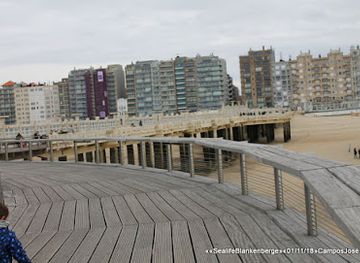
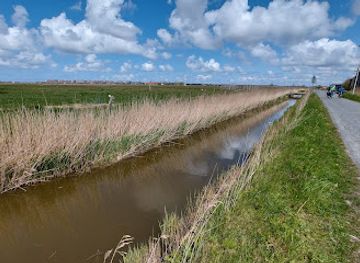
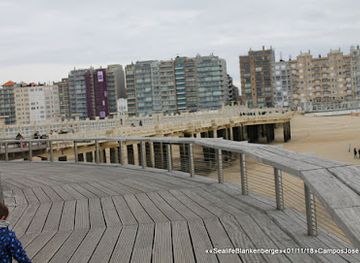
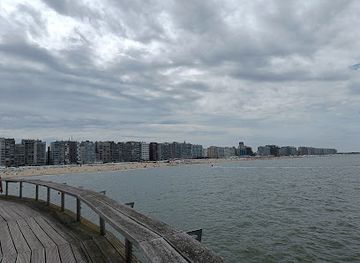
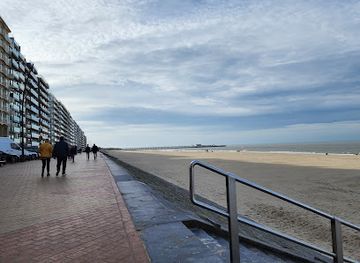
Blankenberge’s principal attraction is its broad North Sea beach, backed by a long promenade where visitors can walk, cycle and watch the changing light over the water. The Belgium Pier is the town’s defining seafront structure, extending into the sea and offering a memorable perspective back towards the coast. Inland, the Belle Époque Centre occupies the former Maison du Tourisme and explores the architecture, fashion and social rituals of the resort’s golden age. The marina and harbour introduce a more working maritime atmosphere, while the adjacent streets contain villas and details from Blankenberge’s development as a nineteenth-century bathing town. Families may be drawn to Sea Life Blankenberge, an aquarium and marine-life attraction near the waterfront. Beyond the urban centre, the Uitkerkse Polder provides open grassland, drainage channels and important bird habitat, offering a contrasting landscape to the built-up shore and a rewarding destination for walkers and cyclists.
-
Tourist attraction
Sea Life Blankenberge
Explore an amazing underwater world with diverse marine life, interactive exhibits, and a renowned seal rescue sanctuary in Blankenberge.
11 min walk · 0.9 km from city centre
-
Event venue
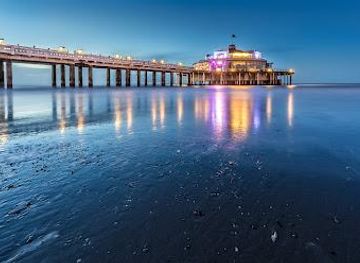
Belgium Pier
Experience breathtaking views and seaside charm at Blankenberge's iconic Belgium Pier, a historic landmark offering dining and events.
7 min walk · 0.6 km from city centre
-
Tourist attraction
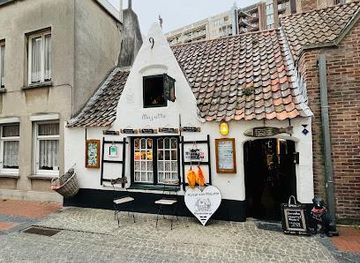
Huisje van Majutte
Explore the unique blend of history and hospitality at Huisje van Majutte, the must-visit museum and pub in Blankenberge, Belgium.
7 min walk · 0.6 km from city centre
-
Tourist attraction
Uitkerkse Polders
Explore the serene Uitkerkse Polders, a nature preserve in Blankenberge, where lush landscapes and tranquil waters await your discovery.
9 min drive · 2.9 km from city centre
Best landmarks in Blankenberge
The Belgium Pier is Blankenberge’s most recognisable landmark, a projecting structure that expresses the town’s identity as a purpose-built seaside resort and provides a long view back along the coast. In the historic centre, the Belle Époque Centre occupies a former villa and is significant both as an exhibition space and as a surviving example of the architectural world created for early seaside tourism. The Town Hall and surrounding streets contribute civic and urban character, while the Sint-Antonius Abt Church recalls the older settlement behind the resort frontage. The marina and harbour are landmarks of a different kind, linking present-day Blankenberge with its maritime and fishing past. Belle Époque villas and façades scattered through the centre complete the architectural story, showing how rail access and fashionable bathing culture reshaped the town in the nineteenth and early twentieth centuries.
-
Aquarium
Sea Life Blankenberge
Experience the magic of the ocean at Sea Life Blankenberge, where families and marine enthusiasts explore the underwater world of vibrant sea life.
11 min walk · 0.9 km from city centre
-
Beach
Blankenberge beach
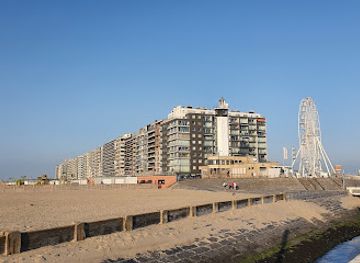
Experience the vibrant atmosphere of Blankenberge Beach, a classic Belgian seaside resort with a wide sandy beach and iconic pier.
3 min walk · 0.2 km from city centre
-
Event venue
Belgium Pier
Discover the vibrant atmosphere, stunning views, and delicious cuisine at Belgium Pier, the ultimate seaside destination in Blankenberge.
7 min walk · 0.6 km from city centre
-
Dessert shop
Silversand
Experience the sweetest side of Blankenberge at Silversand, where delightful desserts and stunning sea views create an unforgettable treat.
9 min walk · 0.7 km from city centre
Explore Blankenberge on the map
Plan your Blankenberge trip on one map. See where the top attractions, landmarks, restaurants, bars and hotels are, find what's near where you're staying, and book hotels and experiences in a few clicks.
Best hotels in Blankenberge
Best restaurants in Blankenberge
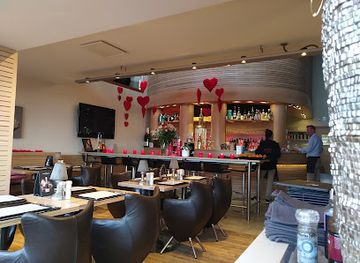
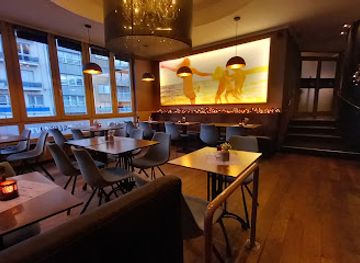
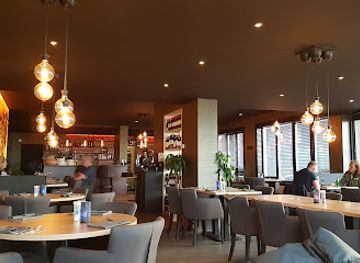
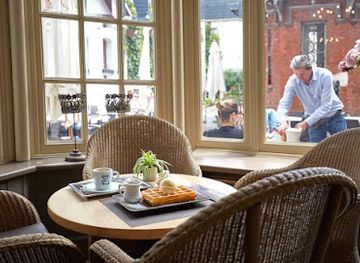
Blankenberge’s dining scene reflects its position on the Belgian coast, with North Sea fish, prawns, mussels and other seafood appearing prominently in restaurants near the promenade, harbour and central streets. Fish shops and casual eateries provide simpler options, while cafés serve Belgian specialities such as waffles, pancakes and ice cream alongside coffee and beer. Moules-frites, sole, grey shrimp and croquettes are familiar coastal choices, though menus vary with season and supply. The town also has brasseries and international restaurants suited to its long-established holiday trade, with terraces particularly active in warmer weather. The centre around Kerkstraat and the seafront has the greatest concentration of food businesses, while the harbour offers a more maritime setting. Visitors should distinguish enduring local food traditions from the seasonal concessions and snack bars that appear chiefly during the busiest beach months.
-
Seafood
Venitien
Discover Venitien: A delightful seafood restaurant in Blankenberge serving fresh dishes with stunning beach views.
7 min walk · 0.6 km from city centre
-
Restaurant
Restaurant Bel Air
Discover delightful seafood dishes at Restaurant Bel Air in Blankenberge – where stunning ocean views meet exquisite dining experiences.
2 min walk · 0.2 km from city centre
-
Restaurant
La Cuisine
Experience the flavors of Belgium at La Cuisine in Blankenberge - where every meal is crafted with passion and quality ingredients.
1 min walk · 0.1 km from city centre
-
Belgian
't Koetshuis
Experience authentic Belgian cuisine at 't Koetshuis in Blankenberge – perfect for breakfast, lunch, or a delightful coffee break.
4 min walk · 0.4 km from city centre
Best bars in Blankenberge
Blankenberge’s evening life is closely tied to the seaside season, with promenade terraces, cafés and bars providing the main social focus after sunset. The centre and waterfront offer places for Belgian beer, cocktails and relaxed conversation, while the casino forms part of the town’s long tradition of organised seaside entertainment, subject to entry rules and legal age requirements. During summer and holiday periods, concerts, events and late-opening venues give the resort a livelier atmosphere, although the scale is more seasonal than that of Brussels, Antwerp or Ghent. The casino and cultural programme can also provide evening entertainment when the weather is unsuitable for the beach. Outside peak periods, evenings are quieter, with visitors generally favouring restaurants, hotel bars and cafés around the central streets rather than a large club scene.
-
Pub
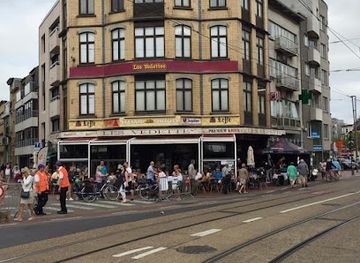
Les Vedettes
Discover the charm of Les Vedettes, Blankenberge's beloved pub offering local brews and a cozy atmosphere for tourists and locals alike.
10 min walk · 0.8 km from city centre
-
Bar
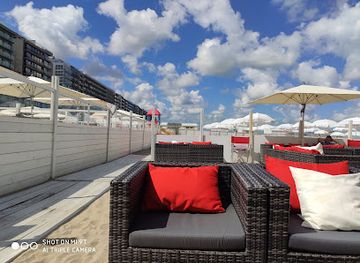
Sun Beach Blankenberge
Experience the vibrant beach culture at Sun Beach Blankenberge, where relaxation meets fun along the stunning Belgian coastline.
10 min walk · 0.8 km from city centre
-
Bar
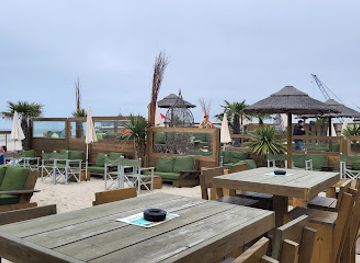
Salito Beach
Discover the vibrant atmosphere and stunning views at Salito Beach, the perfect bar for relaxation and socializing on the Belgian coast.
2 min walk · 0.2 km from city centre
-
Pub
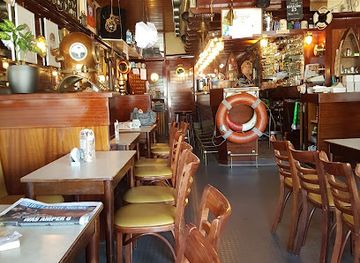
't Kapiteintje
Discover the cozy charm of 't Kapiteintje, a must-visit pub in Blankenberge for a delightful drink and vibrant atmosphere.
11 min walk · 0.9 km from city centre
Best nightclubs in Blankenberge
Blankenberge’s evening life is closely tied to the seaside season, with promenade terraces, cafés and bars providing the main social focus after sunset. The centre and waterfront offer places for Belgian beer, cocktails and relaxed conversation, while the casino forms part of the town’s long tradition of organised seaside entertainment, subject to entry rules and legal age requirements. During summer and holiday periods, concerts, events and late-opening venues give the resort a livelier atmosphere, although the scale is more seasonal than that of Brussels, Antwerp or Ghent. The casino and cultural programme can also provide evening entertainment when the weather is unsuitable for the beach. Outside peak periods, evenings are quieter, with visitors generally favouring restaurants, hotel bars and cafés around the central streets rather than a large club scene.
-
Bar
Sun Beach Blankenberge
Experience the lively atmosphere and stunning views at Sun Beach Blankenberge, the perfect seaside bar for relaxation and entertainment.
10 min walk · 0.8 km from city centre
-
Bar
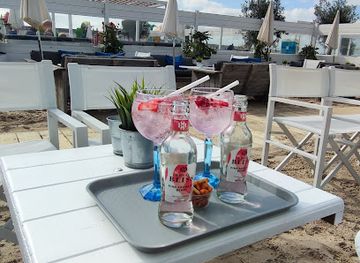
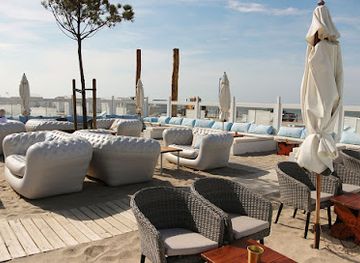
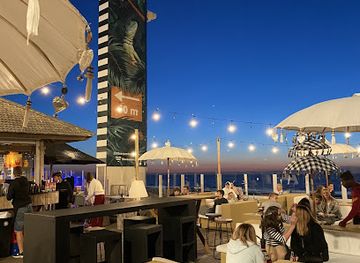
Karma Beach Bar
Experience the vibrant atmosphere and stunning ocean views at Karma Beach Bar in Blankenberge, the ultimate beachside retreat.
7 min walk · 0.6 km from city centre
-
Bar
buddha bar
Discover the vibrant ambiance and delightful drinks at Buddha Bar in Blankenberge, a perfect spot for tourists seeking relaxation and socializing.
3 min walk · 0.3 km from city centre
-
Bar
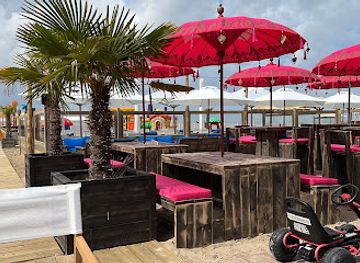
Nusa Dua Beach Bar
Discover the vibrant atmosphere and stunning views at Nusa Dua Beach Bar, the perfect coastal retreat in Blankenberge.
8 min walk · 0.7 km from city centre
Best shops in Blankenberge
Shopping in Blankenberge centres on Kerkstraat and the adjoining streets leading between the railway station, town centre and beach. The area combines everyday Belgian retailers with fashion shops, cafés, souvenir stores and businesses geared towards seasonal visitors. Along the promenade, shops tend towards beach goods, gifts and holiday conveniences, while the centre offers a broader range of practical purchases. Traditional Belgian food products, chocolate, biscuits, beer and locally sourced seafood make suitable gifts, although visitors should distinguish packaged regional produce from generic resort merchandise. Seasonal markets and stalls may add colour during holidays and summer events, but their locations and schedules vary. The town is better suited to relaxed high-street browsing and seaside souvenirs than to a dedicated luxury-shopping experience, with the strongest retail atmosphere concentrated around the central streets rather than the quieter harbour and polder edges.
-
Gift shop
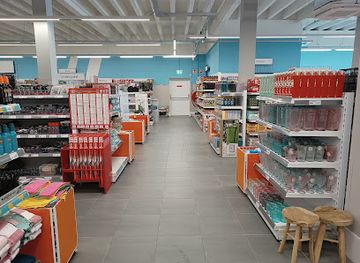
Action Blankenberge
Discover unique gifts and home goods at Action Blankenberge, your one-stop shop for souvenirs and DIY projects in the heart of Blankenberge.
6 min drive · 1.9 km from city centre
-
Clothing store
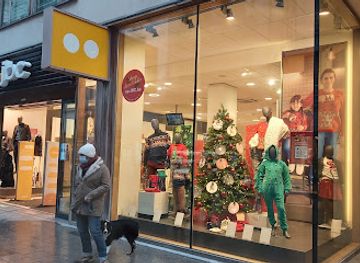
JBC
Explore JBC in Blankenberge for an exceptional shopping experience with stylish clothing for the whole family.
4 min walk · 0.3 km from city centre
-
Gift shop
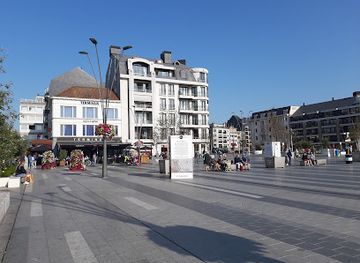
Hema
Explore Hema in Blankenberge for unique gifts, trendy clothing, and practical essentials, offering a delightful shopping experience for every visitor.
4 min walk · 0.3 km from city centre
-
Vintage clothing store
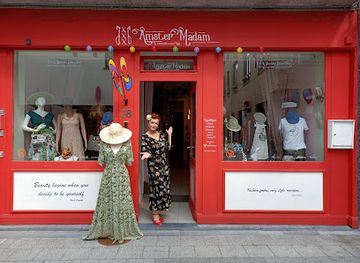
Amster'Madam
Discover unique vintage fashion at Amster'Madam, a charming clothing store in Blankenberge that offers timeless treasures for every style.
5 min walk · 0.4 km from city centre
Get your free copy of our complete guide to Blankenberge, delivered straight to you.
Everything on this page, from attractions and restaurants to essentials and local phrases, in one PDF you can read offline, print or share.
Already have an account? Sign in
Your Blankenberge guide is ready.
We'll send it to · Not you? Sign out

Getting your guide ready…
We are putting together a fresh copy of the Blankenberge guide. This can take up to a minute.
This can take a few moments. If your browser asks, choose Allow so the download can start. You'll find the guide in your Downloads folder.
Nothing happened? Download it again
Sorry, the guide is taking longer than usual. Please try again in a minute, or get it by email instead.
Blankenberge essentials
Currency and Payment
Safety
Emergency Situations
Do's and Don'ts
Local Tips
From Eve
Local phrases worth knowing
You don't need to get them perfect. A few words go a long way, and locals appreciate the effort.
Basics
| English | Local | Say it |
|---|---|---|
| Hello | Hallo | [ha-loh] |
| Goodbye | Tot ziens | [tot zeens] |
| Yes | Ja | [yah] |
| No | Nee | [nee] |
| Please/You're welcome | Alstublieft | [ahl-stu-bleeft] |
| Thank you | Dank u | [dank oo] |
| Excuse me/Sorry | Sorry | [so-ree] |
| How are you? | Hoe gaat het? | [hoo gat het] |
| Fine. And you? | Goed. En met jou? | [khoot. en met yow] |
| Do you speak English? | Spreekt u Engels? | [spreekt oo en-gels] |
| I don't understand | Ik begrijp het niet | [ik buh-greip het neet] |
Eating & Drinking
| English | Local | Say it |
|---|---|---|
| I'd like to see the menu, please | Mag ik de menukaart zien, alstublieft | [maakh ik de me-nuu-kahrt seen, ahl-stu-bleeft] |
| I don't eat meat | Ik eet geen vlees | [ik ayt khayn vleys] |
| Cheers! | Proost! | [prohst] |
| I would like to pay, please | Ik wil graag betalen, alstublieft | [ik vil khrahg buh-tah-luhn, ahl-stu-bleeft] |
Emergencies
| English | Local | Say it |
|---|---|---|
| Help! | Help! | [help] |
| Go away! | Ga weg! | [ga vekh] |
| Call the Police! | Bel de politie! | [bel duh poh-lee-see] |
| Call a doctor! | Bel een dokter! | [bel ayn dohk-ter] |
| I'm lost | Ik ben verloren | [ik ben vur-loh-run] |
| I'm ill | Ik ben ziek | [ik ben zeek] |
Shopping
| English | Local | Say it |
|---|---|---|
| I'd like to buy... | Ik wil graag kopen... | [ik vil khrahg koh-puhn] |
| I'm just looking | Ik kijk alleen maar | [ik kayk aylayn mahr] |
| How much is it? | Hoeveel kost het? | [hoo-vayl kohst het] |
| That's too expensive | Dat is te duur | [dat is tay dur] |
| Can you lower the price? | Kan u de prijs verlagen? | [kan oo duh prays vur-lah-ghun] |
Time & Numbers
| English | Local | Say it |
|---|---|---|
| What time is it? | Hoe laat is het? | [hoo laht is het] |
| It's one o'clock | Het is een uur | [het is ayn ohr] |
| Half past (10) | Half tien | [half teen] |
| Morning | Ochtend | [ohk-tuhnd] |
| Afternoon | Namiddag | [nah-mid-dahkh] |
| Evening | Avond | [ah-vohnd] |
| Yesterday | Gisteren | [khis-tuh-run] |
| Today | Vandaag | [van-dakh] |
| Tomorrow | Morgen | [mor-khun] |
| 1 | Een | [ayn] |
| 2 | Twee | [tvay] |
| 3 | Drie | [dree] |
| 4 | Vier | [feer] |
| 5 | Vijf | [vayf] |
| 6 | Zes | [zehs] |
| 7 | Zeven | [zay-vun] |
| 8 | Acht | [ahkh-t] |
| 9 | Negen | [nay-khun] |
| 10 | Tien | [teen] |
Transport & Directions
| English | Local | Say it |
|---|---|---|
| Where's a/the...? | Waar is een/de...? | [vahr is ayn/de] |
| What's the address? | Wat is het adres? | [vaht is het ah-dres] |
| Can you show me (on the map)? | Kunt u mij dat tonen (op de kaart)? | [kunt oo may daht toh-nun (op duh kart)] |
| When's the next (bus)? | Wanneer is de volgende (bus)? | [vahn-ayr is duh vohl-hun-duh (bus)] |
| A ticket (to ....) | Een ticket (naar ....) | [ayn tick-it (nar)] |
History of Blankenberge
Fishing Village on the North Sea
Blankenberge developed as a coastal settlement whose inhabitants relied heavily on fishing and maritime trade. The town’s position on the North Sea gave it access to rich fishing grounds, although life was shaped by difficult weather, shifting sands and the risks of small-boat seafaring. Fishing remained central to local identity for centuries, and the harbour area still recalls this maritime past even though the modern town is principally associated with tourism. The name Blankenberge is generally connected with the coastal landscape and its pale sandy appearance, while the settlement itself grew gradually around work, worship and connections with neighbouring communities in the Flemish coastal plain.
Railways Bring Seaside Tourism
The arrival of the railway in the nineteenth century changed Blankenberge’s fortunes. Improved connections with Bruges, Brussels and other Belgian towns made the coast accessible to a much wider public, encouraging the growth of hotels, villas, bathing facilities and leisure businesses. Like other Belgian resorts, Blankenberge began to serve an expanding urban middle class seeking sea air and recreation. The new visitors altered the town’s economy and appearance, as older fishing-related activity increasingly shared the waterfront with promenades, cafés and holiday accommodation. Many of the resort’s Belle Époque buildings and urban details belong to this period of rapid transformation.
Belle Époque Resort Culture
Around the turn of the twentieth century, Blankenberge became one of Belgium’s best-known bathing resorts. Seaside holidays developed into a social ritual, with promenading, bathing machines, concerts and elegant architecture forming part of the experience. The Belle Époque Centre, located in a restored villa, is closely associated with this history and presents the resort culture that shaped the town between the late nineteenth century and the First World War. Tourism did not erase Blankenberge’s maritime identity, but it redirected the town’s public image towards leisure, architecture and organised entertainment for visitors arriving by rail.
War and Coastal Disruption
Blankenberge, like the rest of the Belgian coast, experienced major disruption during the two world wars. The coast’s strategic position brought military activity, restrictions and damage, while tourism and ordinary maritime life were interrupted. During the Second World War, the German occupation formed part of the wider fortification of the Belgian coastline, including the Atlantic Wall, whose remains can still be found in parts of the region. Post-war recovery eventually restored the resort economy, although reconstruction and later redevelopment altered sections of the historic seaside environment. The town’s twentieth-century history therefore combines continuity in tourism with the physical and social consequences of conflict.
Modern Coastal Destination
After 1945, Blankenberge expanded as a mass-market holiday destination, reflecting rising car ownership, higher household incomes and the popularity of short seaside breaks. Apartment buildings and larger visitor facilities joined older villas and hotels, giving the skyline a more varied character. The Belgium Pier, rebuilt in its present form in the 1930s after earlier structures, became a defining symbol of the resort. Today, Blankenberge balances beach tourism and entertainment with efforts to preserve its Belle Époque heritage, harbour setting and surrounding polder landscape. Its identity remains shaped by the meeting of working coast, seasonal leisure and accessible Flemish urban culture.
Blankenberge in Photos
Browse through our photo collection highlighting the charm and character of the destination.
Cities near Blankenberge
The closest cities to Blankenberge, if you have time for more than one stop.
-

-

-

-

-


Swipe for more cities
Explore more

Explore more of Belgium
Discover Belgium: A blend of medieval charm, culinary delights, and stunning landscapes. Explore historic cities, savor exquisite chocolates, and enjoy a perfect getaway.
Explore Belgium