

Malmedy Travel Guide - Free Web & App
Your ultimate guide to Malmedy. Discover top landmarks, proposed trips, and local tips. Free on the web or via the Evendo companion app.


Malmedy, Belgium, combines Ardennes forests, Hautes Fagnes landscapes, heritage streets, outdoor trails, local food and lively cultural traditions.
Ardennes Landscapes and Local Character
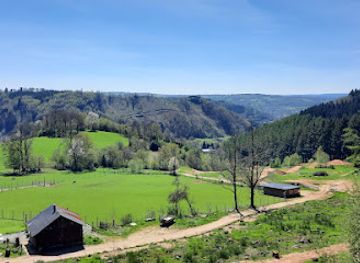
Malmedy lies in eastern Belgium, in the province of Liège, where the wooded valleys of the Ardennes rise towards the open uplands of the Hautes Fagnes. The town is the principal urban centre of a rural area shaped by steep hills, clear streams, forests and scattered villages. Its compact centre combines reconstructed historic streets with cafés, shops and important religious and cultural buildings, while the surrounding countryside provides a varied setting for walking, cycling and winter excursions.Read more about Malmedy
A Town Between Cultures
Exploring the Wider Area
When is the best time to visit Malmedy?
Best: June–August · 25–27°C| Month | High (°C) | Rainfall (mm) |
|---|---|---|
| January | 4 | 70 |
| February | 2 | 60 |
| March | 8 | 60 |
| April | 16 | 50 |
| May | 20 | 70 |
| June (best) | 25 | 80 |
| July (best) | 27 | 90 |
| August (best) | 26 | 90 |
| September | 22 | 80 |
| October | 15 | 70 |
| November | 8 | 80 |
| December | 3 | 80 |
Getting to and around Malmedy
How to get there
Transportation
Best attractions in Malmedy
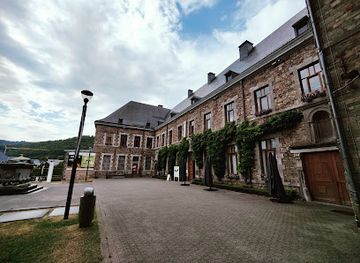
Malmedy's compact centre is anchored by the former cathedral, now the Cathedral of Saints-Pierre, Paul and Quirin, and the Malmundarium, where exhibitions interpret the town's abbey, textile, paper-making and carnival heritage. Beyond the streets, the landscape changes quickly into wooded valleys, rolling farmland and upland heath. The Hautes Fagnes nature area, reached in the wider eastern Ardennes rather than confined to the town centre, offers open peatland scenery, elevated boardwalks and marked walking routes whose conditions vary with weather. Lake Robertville and Reinhardstein Castle are notable excursions in neighbouring Waimes, while Stavelot combines abbey heritage with access to the Amblève valley. The surrounding region also provides viewpoints, cycling roads and forest walks rather than a single concentrated attraction circuit, so a car or careful regional planning is useful for linking the sites.
-
 Tourist attraction
Abbey of Stavelot
Explore the Abbey of Stavelot, a captivating blend of history, culture, and serene beauty nestled in the heart of Belgium's enchanting Stavelot.
-
Hiking area
Canyon du Trôs-Marèts
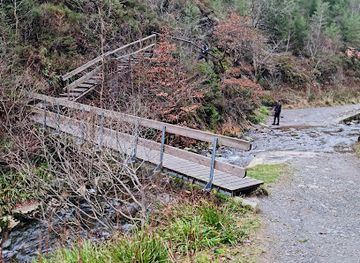
Explore the breathtaking beauty of Canyon du Trôs-Marêts, a serene hiking area in Malmedy, Belgium, with stunning views, waterfalls, and lush landscapes.
-
Hiking area
Promenade vers la cascade du Bayehon
Explore the breathtaking Bayehon Waterfall Trail in the Belgian Ardennes, where nature's beauty awaits every hiker.
-
Tourist attraction
Panorama sur les Hautes Fagnes / Hohes Venn
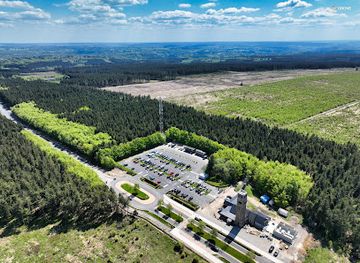
Explore the breathtaking landscapes of Hautes Fagnes, Belgium's pristine high plateau, perfect for nature lovers and outdoor enthusiasts.
Best landmarks in Malmedy
The former cathedral of Saints-Pierre, Paul and Quirin is Malmedy's defining architectural landmark, with its religious history tied to the old abbey settlement. The Malmundarium occupies the former monastery complex and links surviving heritage with the town's textile, paper-making and carnival traditions. The wooded Ardennes valleys and the elevated peatlands of the Hautes Fagnes form the area's principal natural landmarks, contrasting enclosed streams and forests with broad, windswept upland horizons. Outside Malmedy itself, Reinhardstein Castle stands above the Warche valley in neighbouring Waimes, while Lake Robertville is a prominent regional water landscape. These features illustrate the area's changing relationship with religion, industry, farming, water and protected habitats without reducing the destination to a single monument.
-
Nature preserve
Cascade du Bayehon
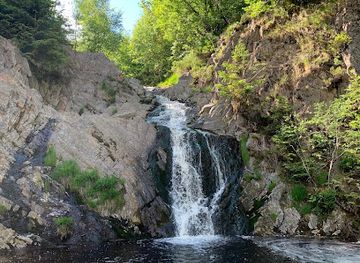
Experience the breathtaking beauty of Cascade du Bayehon, a stunning waterfall nestled in the verdant landscapes of Malmedy, Belgium.
-
Abbey
Abbey
Explore the serene beauty and historical significance of Malmedy Abbey, a peaceful retreat in the heart of Belgium's Ardennes region.
-
Local history museum
Malmundarium
Explore the cultural heritage of Malmedy at Malmundarium, a captivating local history museum showcasing the region's rich history.
-
Scenic spot
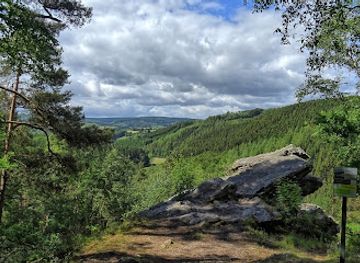
Rocher De Falize
Explore the stunning panoramic views of Rocher De Falize, a scenic spot in Belgium, perfect for nature lovers and photography enthusiasts.
Explore Malmedy on the map
Plan your trip on one map. See where the top attractions, landmarks, restaurants and hotels are, and book hotels and experiences in a few clicks.
Best hotels in Malmedy
Best restaurants in Malmedy
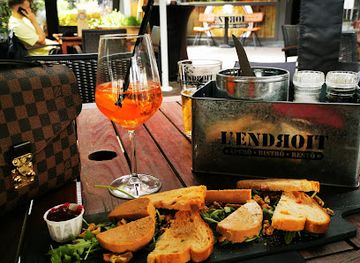
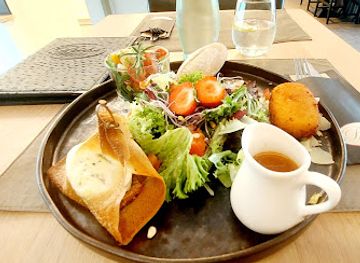
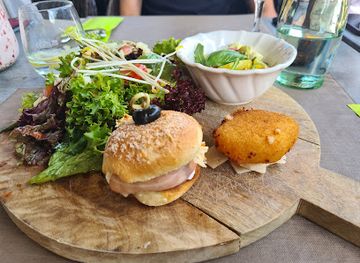
Dining in Malmedy centres on Belgian and Ardennes cooking, with restaurants, brasseries, cafés and traditional food businesses concentrated in the town and nearby villages rather than beside remote trailheads. Regional specialities may include Ardennes ham, pâté, game when in season, trout from local waterways and hearty dishes suited to the wooded upland climate. Belgian pommes frites, local cheeses, breads and pastries are widely encountered, while nearby breweries contribute regional beer to the table. The area also has links to rice tart and other Walloon baking traditions. Visitors exploring the Hautes Fagnes should plan meals in Malmedy, Waimes, Robertville or another established settlement, as countryside facilities are scattered and may not operate continuously. Markets and farm shops can provide local produce, but their opening arrangements vary.
-
Greek
Le Sparta
Discover the taste of Greece in Malmedy at Le Sparta - where authentic flavors meet warm hospitality.
-
Resort hotel
Arimont Valley Hotel
Experience tranquility and luxury at Arimont Valley Hotel in Malmedy - your gateway to nature's wonders in Belgium.
-
Belgian
L'Endroit
Experience authentic Belgian cuisine at L'Endroit in Malmedy - where local flavors meet warm hospitality.
-
Breakfast
Au Péché Mignon
Experience the best breakfast at Au Péché Mignon in Malmedy—where local flavors meet cozy ambiance for an unforgettable start to your day.
Best bars in Malmedy
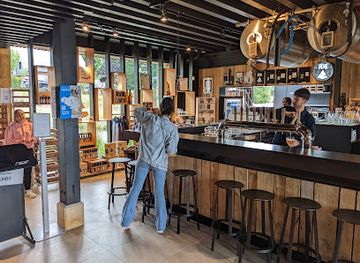
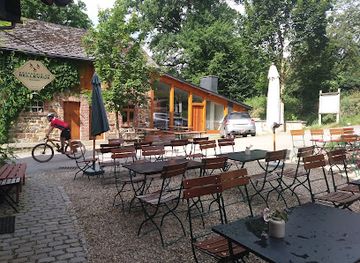
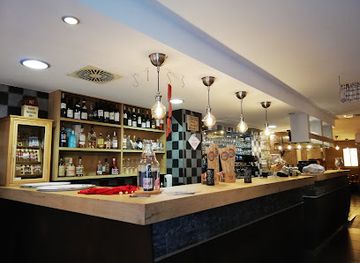
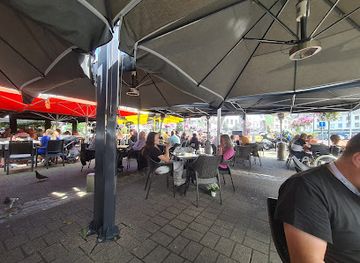
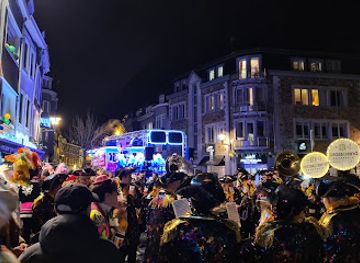
Malmedy's evening scene is centred on quiet Belgian cafés, brasseries and pubs in and around the town centre rather than nightclubs or a large entertainment district. Evenings typically combine local beer, food and conversation, with a more convivial atmosphere during carnival and other community celebrations. Some hotels and restaurants provide an evening base, while nearby Spa offers a broader selection of bars and entertainment as a separate regional excursion. In smaller villages around the Hautes Fagnes, traditional inns may serve as social meeting places, but opening patterns and seasonal activity vary. Visitors should not expect nightlife beside remote nature areas, where darkness and limited transport make a planned return to town particularly important.
-
Brewpub
Belgium Peak Beer
Discover the essence of Belgian brewing at Belgium Peak Beer, where local flavors and craftsmanship come together in a picturesque setting.
-
Brewpub
Brasserie de Bellevaux
Discover the flavors of Belgium at Brasserie de Bellevaux, a charming brewpub in Malmedy offering local beers and delicious cuisine.
-
Belgian
L'Endroit
Discover the authentic flavors of Belgium at L'Endroit in Malmedy, where local ingredients meet culinary tradition in a welcoming atmosphere.
-
Breakfast
Au Péché Mignon
Explore the charming Au Péché Mignon for a delightful breakfast experience in the heart of Malmedy, offering a variety of mouthwatering dishes and a cozy atmosphere.
Best nightclubs in Malmedy
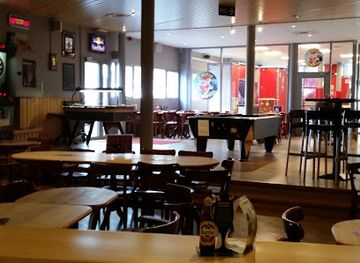
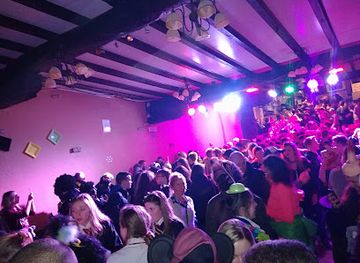
Malmedy's evening scene is centred on quiet Belgian cafés, brasseries and pubs in and around the town centre rather than nightclubs or a large entertainment district. Evenings typically combine local beer, food and conversation, with a more convivial atmosphere during carnival and other community celebrations. Some hotels and restaurants provide an evening base, while nearby Spa offers a broader selection of bars and entertainment as a separate regional excursion. In smaller villages around the Hautes Fagnes, traditional inns may serve as social meeting places, but opening patterns and seasonal activity vary. Visitors should not expect nightlife beside remote nature areas, where darkness and limited transport make a planned return to town particularly important.
-
Bowling alley
Bowling 362
Experience fun and excitement at Bowling 362, Malmedy’s premier bowling alley with diverse entertainment options for all ages.
-
Bar
Scotch Inn
Scotch Inn in Malmedy: A cozy bar and pub offering local drinks, delicious cuisine, and a vibrant atmosphere perfect for tourists.
-
Restaurant
L'AdamRé
Experience the vibrant flavors of Malmedy at L'AdamRé, a prime destination for culinary enthusiasts and casual diners alike.
-
Pub
Taverne de Rome
Discover the charm of Taverne de Rome in Malmedy, where delicious Belgian cuisine meets a warm pub atmosphere.
Best shops in Malmedy
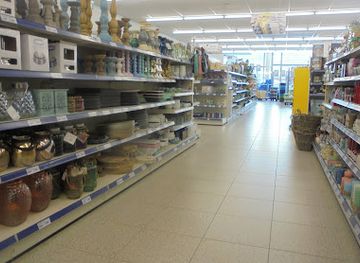
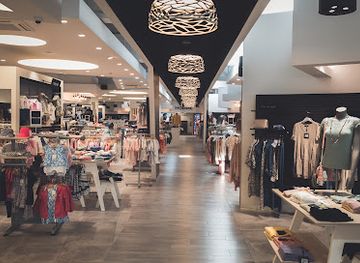
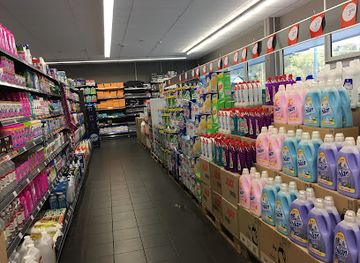
Shopping in Malmedy is practical and regional, with independent food shops, bakeries, cafés, general retailers and small businesses concentrated in the town centre. Visitors can look for Ardennes ham, pâté, local cheeses, beer, biscuits and other food products associated with Wallonia and the eastern Ardennes, although individual stock varies. Craft and cultural goods connected with Malmedy's carnival and local heritage may appear through specialist businesses or seasonal events rather than a permanent craft quarter. Farm shops and village stores around the wider area provide additional local produce, while larger retail choices are found in regional towns such as Verviers. Remote nature areas have little retail provision, so food, drink, walking essentials and any specialist outdoor equipment are best obtained before leaving the main settlements.
-
Gift shop
Action
Explore Action in Malmedy for unique gifts, home goods, DIY supplies, and more in a friendly shopping environment.
-
Clothing store
Espace Mode Malmedy
Discover the latest fashion trends for all ages at Espace Mode Malmedy, a premier clothing store offering stylish selections for every occasion.
-
Home goods store
Extra Shop Malmedy
Discover unique home goods and local charm at Extra Shop Malmedy, the perfect stop for souvenirs and everyday essentials in the heart of Belgium.
-
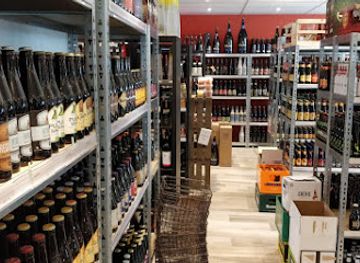
Alcohol retail monopoly
Rond Point
Explore the best of Malmedy at Rond Point, where local beers, fine cigars, and gourmet treats await every traveler.
Get your free copy of our complete guide to Malmedy, delivered straight to you.
Everything on this page, from attractions and restaurants to essentials and local phrases, in one PDF you can read offline, print or share.
Already have an account? Sign in
Your Malmedy guide is ready.
We'll send it to · Not you? Sign out

Getting your guide ready…
We are putting together a fresh copy of the Malmedy guide. This can take up to a minute.
This can take a few moments. If your browser asks, choose Allow so the download can start. You'll find the guide in your Downloads folder.
Nothing happened? Download it again
Sorry, the guide is taking longer than usual. Please try again in a minute, or get it by email instead.
Malmedy essentials
Currency and Payment
Safety
Emergency Situations
Do's and Don'ts
Local Tips
From Eve
Local phrases worth knowing
You don't need to get them perfect. A few words go a long way, and locals appreciate the effort.
Basics
| English | Local | Say it |
|---|---|---|
| Hello | Hallo | [hah-loh] |
| Goodbye | Auf Wiedersehen | [owf vee-der-zay-en] |
| Yes | Ja | [yah] |
| No | Nein | [nine] |
| Please/You're welcome | Bitte | [bit-teh] |
| Thank you | Danke | [dahn-keh] |
| Excuse me/Sorry | Entschuldigung | [ent-shool-di-goong] |
| How are you? | Wie geht es Ihnen? | [vee gayt es een-en] |
| Fine. And you? | Gut. Und dir? | [goot oont deer] |
| Do you speak English? | Sprechen Sie Englisch? | [shpre-khen zee eng-leesh] |
| I don't understand | Ich verstehe nicht | [ikh fer-shtay-eh nikht] |
Eating & Drinking
| English | Local | Say it |
|---|---|---|
| I'd like to see the menu, please | Ich hätte gerne die Speisekarte, bitte | [ikh het-eh gern-eh dee spay-zeh-kart-eh, bit-teh] |
| I don't eat meat | Ich esse kein Fleisch | [ikh es-eh kine fly-sh] |
| Cheers! | Prost! | [prohst] |
| I would like to pay, please | Ich möchte bitte zahlen | [ikh merkht-eh bit-teh tsah-len] |
Emergencies
| English | Local | Say it |
|---|---|---|
| Help! | Hilfe! | [hil-fuh] |
| Go away! | Geh weg! | [geh vekh] |
| Call the Police! | Rufen Sie die Polizei! | [roo-fen zee dee poh-lee-tsay] |
| Call a doctor! | Rufen Sie einen Arzt! | [roo-fen zee i-nen ar-tst] |
| I'm lost | Ich bin verloren | [ikh been fer-loh-ren] |
| I'm ill | Ich bin krank | [ikh been krank] |
Shopping
| English | Local | Say it |
|---|---|---|
| I'd like to buy... | Ich möchte kaufen... | [ikh merkht-eh kow-fen] |
| I'm just looking | Ich schaue nur | [ikh shaw-eh noor] |
| How much is it? | Wie viel kostet es? | [vee feel kaw-stet es] |
| That's too expensive | Das ist zu teuer | [dahs ist tsoo toy-er] |
| Can you lower the price? | Können Sie den Preis senken? | [ker-nen zee den price zen-ken] |
Time & Numbers
| English | Local | Say it |
|---|---|---|
| What time is it? | Wie spät ist es? | [vee shpayt ist es] |
| It's one o'clock | Es ist ein Uhr | [es ist iyn oohr] |
| Half past (10) | Halb zehn | [halb tsayn] |
| Morning | Morgen | [mohr-ghen] |
| Afternoon | Nachmittag | [nahk-mit-tahk] |
| Evening | Abend | [ah-bent] |
| Yesterday | Gestern | [geh-stern] |
| Today | Heute | [hoi-teh] |
| Tomorrow | Morgen | [mohr-ghen] |
| 1 | Eins | [ayns] |
| 2 | Zwei | [tsvay] |
| 3 | Drei | [dry] |
| 4 | Vier | [feer] |
| 5 | Fünf | [foonf] |
| 6 | Sechs | [zeks] |
| 7 | Sieben | [zee-ben] |
| 8 | Acht | [ahkt] |
| 9 | Neun | [noyn] |
| 10 | Zehn | [tsayn] |
Transport & Directions
| English | Local | Say it |
|---|---|---|
| Where's a/the...? | Wo ist ein/der...? | [vo ist iyn/dehr] |
| What's the address? | Was ist die Adresse? | [vas ist dee ah-dreh-suh] |
| Can you show me (on the map)? | Können Sie mir zeigen (auf der Karte)? | [ker-nen zee meer tsie-gen (owf dehr kahr-teh)] |
| When's the next (bus)? | Wann kommt der nächste (Bus)? | [vahn kohmt dehr naykhs-teh (boos)] |
| A ticket (to ....) | Eine Fahrkarte (nach ....) | [iyn-eh fahr-kahr-teh (nahkh)] |
History of Malmedy
From Abbey Foundation to Town
Malmedy's origins are closely connected with the Benedictine abbey founded in the seventh century by Saint Remaclus, traditionally dated to 648. Together with nearby Stavelot, it formed the well-known double abbey of Stavelot-Malmedy, whose religious and political influence extended across the Ardennes. The settlement developed around the abbey and its religious institutions, while woodland, farming and watercourses shaped the surrounding economy. The abbey's long history remains visible in the town's ecclesiastical heritage and in the cultural complex now known as the Malmundarium.
An Abbey Principality
For centuries, Malmedy was governed with Stavelot as part of an imperial abbey principality within the Holy Roman Empire. The abbots exercised both religious and secular authority, giving the town a status distinct from many neighbouring communities. This arrangement ended during the upheavals that followed the French Revolution, when the abbey territories were absorbed into the French state. The political changes brought new administrative structures and connected Malmedy's history to the wider transformation of the Low Countries at the turn of the nineteenth century.
Industry and the German Borderlands
The nineteenth century brought stronger commercial and industrial development. Textile production became particularly important, supported by watercourses and regional trade, while roads and later rail connections improved links with the rest of the Ardennes. After the defeat of Napoleon, Malmedy became part of the Kingdom of Prussia in 1815, and German administrative influence shaped public life for much of the period before the First World War. The region's mixed linguistic and cultural character reflects these successive political affiliations rather than a simple division between French and German traditions.
War and Reconstruction
Malmedy became Belgian after the First World War under the Treaty of Versailles, alongside the neighbouring eastern cantons. The Second World War brought renewed occupation and severe disruption. During the Battle of the Bulge in December 1944, Malmedy was affected by fighting, bombardment and the movement of front lines through the Ardennes. Much of the town required reconstruction after the war, which helps explain why its present appearance combines surviving religious and civic elements with later buildings. The wartime history remains part of the wider memory of the eastern Ardennes.
Heritage, Carnival and Conservation
In the post-war period Malmedy developed as a service and tourism centre for the eastern Ardennes, while older industries declined or changed character. Cultural preservation became increasingly important, including the interpretation of abbey history, local crafts and regional traditions at the Malmundarium. The Cwarmê carnival, with its local characters, costumes and Walloon cultural expressions, remains a major marker of community identity. At the same time, protection and careful management of the Hautes Fagnes and surrounding woodland have supported walking, nature tourism and greater public awareness of sensitive peatland environments.
Malmedy in Photos
Browse through our photo collection highlighting the charm and character of the destination.
Cities in Malmedy
The towns and cities of Malmedy, and the easiest places to base yourself.

Swipe for more cities
Neighbouring destination travel guides
The closest destinations to Malmedy, if you have time for more than one.
-

-
-

-

-


Swipe for more destinations
Explore more

Explore more of Liège
Explore Liège: A cultural hub in Wallonia, Belgium, offering stunning architecture, vibrant markets, rich history, and delicious local cuisine year-round.
Explore Liège
Explore more of Belgium
Discover Belgium: A blend of medieval charm, culinary delights, and stunning landscapes. Explore historic cities, savor exquisite chocolates, and enjoy a perfect getaway.
Explore Belgium