

Free Aachen Travel Guide & Mobile App
Plan your Aachen trip with Evendo. Get free guides to top attractions, restaurants, hotels, and bars. Web access or download the mobile app.


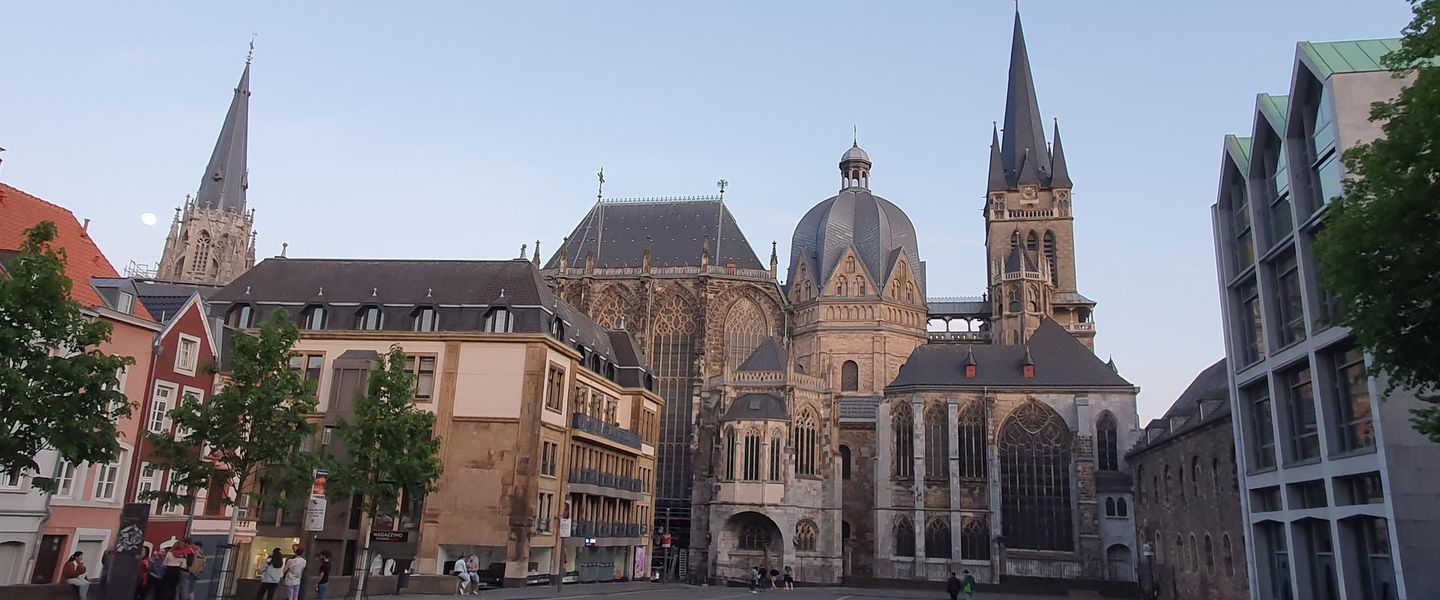


Aachen, Germany, blends Charlemagne’s imperial legacy, cathedral architecture, healing thermal springs, museums and lively borderland culture for curious travellers.
Charlemagne’s Imperial City
Aachen stands at Germany’s western frontier, close to Belgium and the Netherlands, where Roman foundations, Carolingian grandeur and modern European life meet. Its historic centre is shaped above all by the cathedral and the former imperial palace of Charlemagne, whose court made Aachen the political and cultural centre of his empire in the early ninth century. The cathedral’s octagonal core, begun around 790, remains the city’s defining interior space and one of Europe’s most significant medieval monuments.Read more about Aachen
Streets, Springs and Student Life
A Gateway to the Borderlands
When is the best time to visit Aachen?
Best: June–August · 21–23°C| Month | High (°C) | Rainfall (mm) |
|---|---|---|
| January | 6 | 52 |
| February | 6 | 40 |
| March | 10 | 40 |
| April | 14 | 39 |
| May | 18 | 50 |
| June (best) | 21 | 69 |
| July (best) | 23 | 75 |
| August (best) | 22 | 73 |
| September | 18 | 56 |
| October | 14 | 49 |
| November | 9 | 52 |
| December | 6 | 58 |
Getting to and around Aachen
How to get there
Transportation
Best attractions in Aachen
Aachen’s principal sights cluster around the historic centre, beginning with the cathedral’s extraordinary Palatine Chapel and its later Gothic choir. The adjoining Cathedral Treasury presents reliquaries, manuscripts and ceremonial objects linked to the city’s imperial and pilgrimage history. Across the square, the Rathaus occupies part of the former palace area and contains grand rooms associated with Aachen’s relationship to the Holy Roman Empire. The Couven Museum recreates an eighteenth-century bourgeois interior, offering a more intimate view of domestic life, while the Suermondt-Ludwig-Museum ranges across painting, sculpture and applied art. The Elisenbrunnen marks the continuing importance of the thermal springs, and the Centre Charlemagne places local history within a modern museum setting. Beyond the centre, Lousberg provides a green viewpoint over the city, while the nearby Dreiländerpunkt introduces the distinctive landscape where Germany, Belgium and the Netherlands meet.
-
Catholic cathedral
Aachen Cathedral
Explore Aachen Cathedral, a UNESCO site with stunning architecture, rich history, and Charlemagne's legacy in the heart of Europe.
2 min walk · 0.2 km from city centre
-
Thermal baths
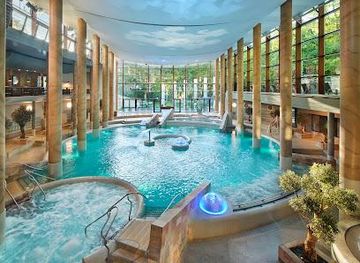
Carolus Thermen
Experience Aachen's ancient thermal tradition at Carolus Thermen, a modern spa offering relaxation and wellness.
15 min walk · 1.2 km from city centre
-
Tourist attraction
Labyrinth Three Countries Point
Explore where the Netherlands, Germany, & Belgium meet! A maze, hiking, & stunning views await at this unique tri-border landmark.
15 min drive · 5.1 km from city centre
-
Tourist attraction
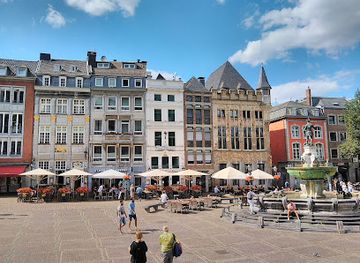
Elisenbrunnen
Discover Elisenbrunnen in Aachen, a historic fountain with thermal springs, stunning architecture, and a serene atmosphere perfect for relaxation.
4 min walk · 0.3 km from city centre


Best landmarks in Aachen
Aachen Cathedral is the city’s central landmark, beginning with Charlemagne’s Palatine Chapel and later expanded with the Gothic choir; its octagonal form and imperial associations make it an exceptional monument of early medieval Europe. The cathedral Treasury holds further symbolic importance through its relics and liturgical objects. The Gothic Rathaus, built over elements of the former palace, displays the city’s long connection with kingship and imperial ceremony, while its façade is lined with statues of German rulers. The Elisenbrunnen is a nineteenth-century neoclassical expression of Aachen’s thermal identity, with mineral water still associated with the city’s springs. The Ponttor and Marschiertor, surviving medieval gates, provide tangible reminders of the former walls. Together these buildings trace Aachen’s transformation from Roman spa settlement and Carolingian residence to medieval civic centre and modern border city.
-
 Cathedral
Aachen Cathedral
Discover the artistic fusion of Romanesque and Gothic architecture at Aachen Cathedral, a UNESCO World Heritage Site steeped in history and beauty.
2 min walk · 0.2 km from city centre
-
Historical landmark
Elisenbrunnen
Discover the historic Elisenbrunnen in Aachen, where stunning architecture meets therapeutic springs in a serene atmosphere.
4 min walk · 0.3 km from city centre
-
Zoo
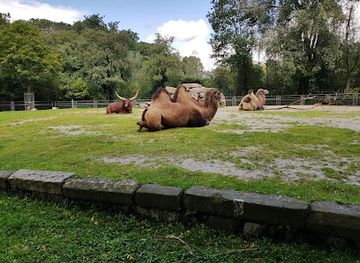
Aachener Tierpark Euregiozoo
Explore the enchanting Aachener Tierpark Euregiozoo, a vibrant animal park in Aachen, Germany, perfect for family fun and wildlife education.
8 min drive · 2.6 km from city centre
-
Book store
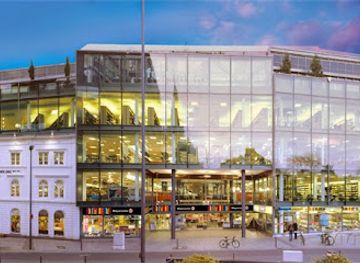
Mayersche Aachen
Discover the charm of Mayersche Aachen, a cultural treasure offering books, DVDs, and toys for all ages in an inviting, library-like atmosphere.
2 min walk · 0.2 km from city centre
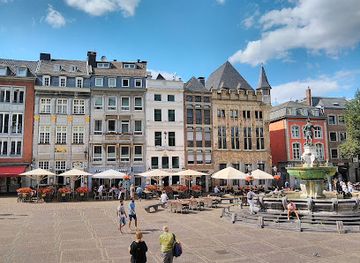
Explore Aachen on the map
Plan your Aachen trip on one map. See where the top attractions, landmarks, restaurants, bars and hotels are, find what's near where you're staying, and book hotels and experiences in a few clicks.
Best hotels in Aachen
Best restaurants in Aachen
Aachen’s food culture reflects its position between the Rhineland and the Low Countries. The city’s best-known speciality is Aachener Printen, a firm, aromatic spiced biscuit traditionally associated with Christmas but available throughout the year. Menus in traditional German restaurants may include hearty Rhineland dishes, seasonal vegetables, potato-based sides and regional beers, while Belgian influences appear in beer selection, confectionery and café culture. The old town and Pontstraße provide a mixture of established restaurants, student-oriented eateries, bakeries and international food, with cafés particularly prominent around the central squares. Market stalls and specialist shops add opportunities to sample local baking and everyday regional produce. Dining ranges from historic-style German cooking to contemporary kitchens, reflecting Aachen’s university population and its cross-border connections rather than a single, narrowly defined cuisine.
-
Lebanese
AKL Libanesisches Restaurant
Savor authentic Lebanese flavors at AKL Libanesisches Restaurant in Aachen - a delightful spot for Mediterranean food lovers.
1 min walk · 0.1 km from city centre
-
Restaurant
The ASH Aachen
Experience upscale dining at The ASH Aachen, where local flavors meet modern cuisine in a vibrant atmosphere.
9 min drive · 2.9 km from city centre
-
Hamburger
HOMEBURGERS
Experience gourmet burgers like never before at Homeburgers - Aachen's top American fast-food destination.
4 min walk · 0.3 km from city centre
-
American
Louisiana Aachen
Experience authentic American cuisine at Louisiana Aachen - where flavors meet fun in the heart of Germany.
5 min walk · 0.4 km from city centre


Best bars in Aachen
Aachen’s evening life is shaped by its large student population, compact centre and cross-border setting. Pontstraße is the best-known concentration of casual pubs, bars and late-night eateries, with a youthful atmosphere that changes according to the university calendar. Around the old town, visitors will find traditional German establishments, relaxed beer bars, cafés that stay open into the evening and venues with a more contemporary style. The city also supports live music, theatre and cultural performances, although its nightlife is more intimate than that of Germany’s largest cities. Some evenings centre on seasonal events, concerts or performances at established cultural institutions rather than clubs. As elsewhere in Germany, carry identification, use marked cycle routes carefully and check current venue information, since opening patterns and programmes can vary.
-
Pub
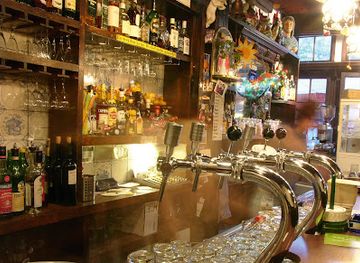
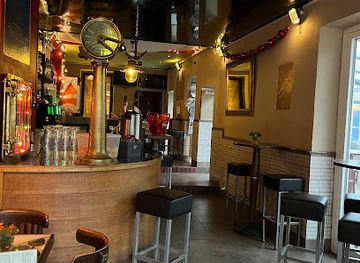
Domkeller
Discover the vibrant atmosphere of Domkeller, a unique pub and café in Aachen offering delicious food, refreshing drinks, and live music entertainment.
1 min walk · 0.1 km from city centre
-
Irish pub
Guinness House
Discover the vibrant atmosphere of Guinness House, Aachen's premier Irish pub, offering delicious food, drinks, and live entertainment.
2 min walk · 0.2 km from city centre
-
Bar
SOWISO / OCEAN
Experience the vibrant atmosphere of SOWISO / OCEAN in Aachen, where delicious local cuisine meets a lively bar scene that welcomes everyone.
8 min walk · 0.6 km from city centre
-
Bar
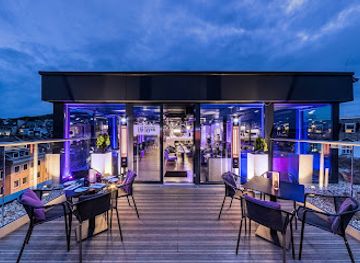
UpTown Sky Lounge & Restaurant - Aachen
Discover the elegance of UpTown Sky Lounge & Restaurant in Aachen - where modern European cuisine meets stunning views and a vibrant atmosphere.
6 min walk · 0.5 km from city centre

Best nightclubs in Aachen
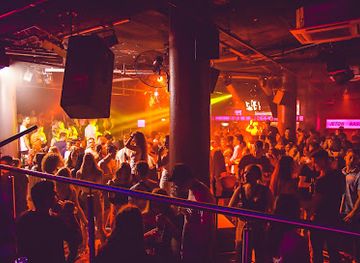
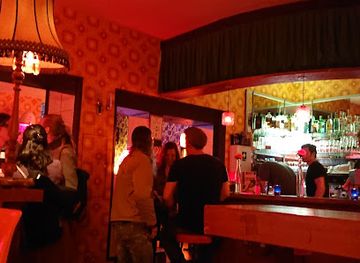
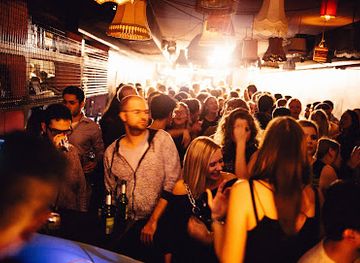
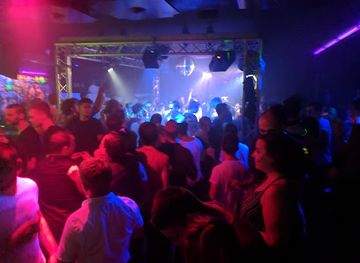
Aachen’s evening life is shaped by its large student population, compact centre and cross-border setting. Pontstraße is the best-known concentration of casual pubs, bars and late-night eateries, with a youthful atmosphere that changes according to the university calendar. Around the old town, visitors will find traditional German establishments, relaxed beer bars, cafés that stay open into the evening and venues with a more contemporary style. The city also supports live music, theatre and cultural performances, although its nightlife is more intimate than that of Germany’s largest cities. Some evenings centre on seasonal events, concerts or performances at established cultural institutions rather than clubs. As elsewhere in Germany, carry identification, use marked cycle routes carefully and check current venue information, since opening patterns and programmes can vary.
-
Night club
NOX - Aachen
Discover the heartbeat of Aachen's nightlife at NOX, where vibrant music, diverse crowds, and unforgettable experiences await every weekend.
6 min walk · 0.5 km from city centre
-
Night club
Dein Hotel Europa - Aachen
Unleash your nightlife spirit at Dein Hotel Europa, Aachen's premier destination for live music, dancing, and unforgettable moments.
14 min walk · 1.1 km from city centre
-
Night club
Lessie Fair
Discover Aachen's nightlife at Lessie Fair, a vibrant night club where music and fun unite for an unforgettable experience.
7 min walk · 0.6 km from city centre
-
Night club
Club Nightlife
Discover the vibrant nightlife of Aachen at Club Nightlife, where exciting music and a lively atmosphere await you every weekend.
5 min walk · 0.4 km from city centre
Best shops in Aachen
Aachen’s main shopping streets include Adalbertstraße and Krämerstraße, where high-street retailers stand alongside smaller businesses leading towards the cathedral. The historic centre is particularly rewarding for specialist purchases: Aachener Printen, local confectionery, regional beer and carefully packaged food products make practical edible souvenirs. Independent shops and craft-oriented retailers appear among the old-town lanes, while regular markets bring flowers, produce and everyday goods to central squares. Seasonal Christmas markets around the cathedral and Rathaus are a major feature, though their stalls and dates are temporary. Visitors interested in traditional German goods can also look for ceramics, textiles and handmade items, while the city’s border position adds Belgian and Dutch products to the retail mix. Shopping streets may be pedestrianised, so plan to carry purchases rather than rely on a car close to the centre.
-
Shopping mall
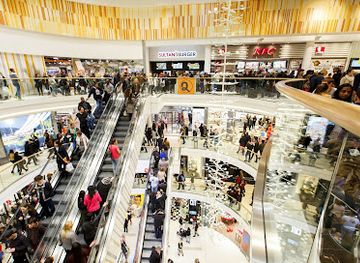
Aquis Plaza
Experience the best of shopping, dining, and entertainment at Aquis Plaza in Aachen, where modernity meets tradition.
9 min walk · 0.7 km from city centre
-
Chocolate shop
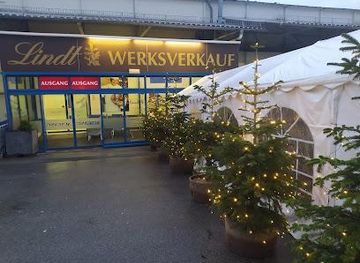
Lindt Werksverkauf Aachen
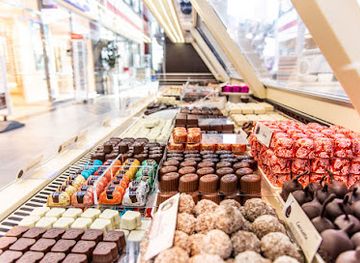
Explore a chocolate lover's haven at Lindt Werksverkauf Aachen, where exquisite Swiss chocolates await your discovery.
5 min drive · 1.6 km from city centre
-
Department store
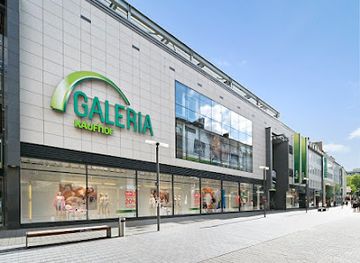
GALERIA Aachen
Experience the vibrant shopping culture at GALERIA Aachen, where fashion meets flavor in a lively department store setting.
5 min walk · 0.4 km from city centre
-
Shopping mall
Hirsch Center Aachen
Experience the best of shopping, dining, and entertainment at Hirsch Center Aachen, a vibrant hub in the heart of the city.
8 min drive · 2.6 km from city centre
Get your free copy of our complete guide to Aachen, delivered straight to you.
Everything on this page, from attractions and restaurants to essentials and local phrases, in one PDF you can read offline, print or share.
Already have an account? Sign in
Your Aachen guide is ready.
We'll send it to · Not you? Sign out

Getting your guide ready…
We are putting together a fresh copy of the Aachen guide. This can take up to a minute.
This can take a few moments. If your browser asks, choose Allow so the download can start. You'll find the guide in your Downloads folder.
Nothing happened? Download it again
Sorry, the guide is taking longer than usual. Please try again in a minute, or get it by email instead.
Aachen essentials
Currency and Payment
Safety
Emergency Situations
Do's and Don'ts
Local Tips
From Eve
Local phrases worth knowing
You don't need to get them perfect. A few words go a long way, and locals appreciate the effort.
Basics
| English | Local | Say it |
|---|---|---|
| Hello | Hallo | [hah-loh] |
| Goodbye | Auf Wiedersehen | [owf vee-der-zay-en] |
| Yes | Ja | [yah] |
| No | Nein | [nine] |
| Please/You're welcome | Bitte | [bit-teh] |
| Thank you | Danke | [dahn-keh] |
| Excuse me/Sorry | Entschuldigung | [ent-shool-di-goong] |
| How are you? | Wie geht es dir? | [vee gayt es deer] |
| Fine. And you? | Gut. Und dir? | [goot oont deer] |
| Do you speak English? | Sprechen Sie Englisch? | [shpre-khen zee eng-lish] |
| I don't understand | Ich verstehe nicht | [ikh fer-shtay-eh nikht] |
Eating & Drinking
| English | Local | Say it |
|---|---|---|
| I'd like to see the menu, please | Ich möchte bitte die Speisekarte sehen | [ikh merkht-eh bit-teh dee shpy-ze-kahr-teh zay-en] |
| I don't eat meat | Ich esse kein Fleisch | [ikh ess-eh kine flysh] |
| Cheers! | Prost! | [prohst] |
| I would like to pay, please | Ich möchte bitte bezahlen | [ikh merkht-eh bit-teh bez-al-en] |
Emergencies
| English | Local | Say it |
|---|---|---|
| Help! | Hilfe! | [hil-feh] |
| Go away! | Gehen Sie weg! | [gey-en zee vehk] |
| Call the Police! | Rufen Sie die Polizei! | [roo-fen zee dee poh-lee-tsai] |
| Call a doctor! | Rufen Sie einen Arzt! | [roo-fen zee ine-en ahrts] |
| I'm lost | Ich habe mich verlaufen | [ikh hah-beh mikh fer-lou-fen] |
| I'm ill | Ich bin krank | [ikh been kr-ahnk] |
Shopping
| English | Local | Say it |
|---|---|---|
| I'd like to buy... | Ich möchte ... kaufen | [ikh merkht-eh ... kow-fen] |
| I'm just looking | Ich schaue nur | [ikh sh-ow-eh noor] |
| How much is it? | Wie viel kostet es? | [vee feel kaws-tet es] |
| That's too expensive | Das ist zu teuer | [dahs ist tsoo toy-er] |
| Can you lower the price? | Können Sie den Preis senken? | [kern-en zee den prys zen-ken] |
Time & Numbers
| English | Local | Say it |
|---|---|---|
| What time is it? | Wie spät ist es? | [vee shpayt ist es] |
| It's one o'clock | Es ist ein Uhr | [es ist ighn oor] |
| Half past (10) | Halb (zehn) | [halb (tsayn)] |
| Morning | Morgen | [mohr-gehn] |
| Afternoon | Nachmittag | [nahkh-mit-tahk] |
| Evening | Abend | [ah-bent] |
| Yesterday | Gestern | [geh-stern] |
| Today | Heute | [hoy-teh] |
| Tomorrow | Morgen | [mohr-gehn] |
| 1 | Eins | [ayns] |
| 2 | Zwei | [tsvay] |
| 3 | Drei | [dry] |
| 4 | Vier | [feer] |
| 5 | Fünf | [foonf] |
| 6 | Sechs | [zeks] |
| 7 | Sieben | [zee-ben] |
| 8 | Acht | [akht] |
| 9 | Neun | [noyn] |
| 10 | Zehn | [tsayn] |
Transport & Directions
| English | Local | Say it |
|---|---|---|
| Where's a/the...? | Wo ist ein/der...? | [vo ist ighn/dehr] |
| What's the address? | Was ist die Adresse? | [vas ist dee ah-dreh-seh] |
| Can you show me (on the map)? | Können Sie mir zeigen (auf der Karte)? | [kern-en zee meer tsey-gen (owf dehr kar-teh)] |
| When's the next (bus)? | Wann kommt der nächste (Bus)? | [vahn komt dehr nekh-steh (boos)] |
| A ticket (to ....) | Eine Fahrkarte (nach ....) | [i-ne fahr-kahr-teh (nakh)] |
History of Aachen
Roman Springs and Early Settlement
Aachen developed around hot mineral springs already valued by the Romans, who called the settlement Aquae Granni, linking the waters to the Celtic or local deity Grannus. Roman bathing facilities and roads established the importance of the site, although the later medieval city grew from a different political foundation. The springs remained central to Aachen’s identity across the centuries, helping explain the city’s German name, Aachen, and its continuing reputation as a spa town. Archaeological evidence around the old centre demonstrates the long relationship between settlement, water and movement across this western border region.
Charlemagne’s Palace and Capital
Charlemagne selected Aachen as a principal royal residence in the late eighth century, and the palace complex became the centre of his rule during the final decades of his reign. The palace chapel, begun around 790 and later known as the cathedral’s Palatine Chapel, drew on Roman and Byzantine architectural ideas and was consecrated in 805. Charlemagne’s death in Aachen in 814 strengthened the city’s symbolic importance. His court attracted scholars, clergy and administrators, making Aachen a major centre of the Carolingian Renaissance and leaving a political and architectural legacy that still defines the city.
Medieval Coronations and Pilgrimage
After the Carolingian period, Aachen retained exceptional ceremonial status within the Holy Roman Empire. German kings were traditionally crowned in the cathedral from 936 until 1531, making the city a stage for imperial authority and a destination for courts, clergy and diplomats. Pilgrimage added another dimension: relics associated with the Virgin Mary, Christ and Saint John the Baptist were displayed during the Heiligtumsfahrt, a pilgrimage held at intervals that continues as a major religious tradition. The growing town developed around its sacred and political institutions, while trade benefited from the movement of people through the region.
Town, Trade and Religious Conflict
Aachen’s medieval prosperity rested on craft production, trade and its position between the Rhineland and the Low Countries. The city received important privileges, including imperial recognition as a free imperial city, but its religious and political life became contested during the Reformation. Protestant influence grew in the sixteenth century, while Catholic institutions retained deep roots and later regained strength during the Counter-Reformation. Wars and shifting alliances repeatedly affected the city. The surviving Rathaus, built partly over the medieval palace complex, and sections of the old urban fabric reflect Aachen’s development from imperial centre to self-governing commercial town.
Revolution, France and Prussia
French revolutionary forces occupied Aachen in 1792, and the city was incorporated into France in 1801. French administration brought legal and institutional changes, including the Napoleonic system, before Aachen passed to the Kingdom of Prussia after 1815. The nineteenth century brought industrial expansion, improved transport links and a renewed interest in the thermal springs. Aachen also became known for textile manufacturing, engineering and later electrical industries. Urban growth extended beyond the medieval centre, while railway connections strengthened the city’s role as a commercial and industrial gateway between Germany, Belgium and the Netherlands.
War, Reconstruction and European Identity
Aachen suffered extensive destruction during the Second World War, particularly in 1944, when it became the first major German city captured by Allied forces. Reconstruction restored much of the historic centre, although the post-war city also acquired modern buildings and infrastructure. In 1950 Aachen received the first Charlemagne Prize, an annual award recognising contributions to European unity. The foundation and expansion of RWTH Aachen University further shaped the modern city as a centre for engineering, research and international education. Today, its cathedral heritage, borderland economy and European institutions coexist within a city rebuilt yet strongly anchored in its medieval past.
Aachen in Photos
Browse through our photo collection highlighting the charm and character of the destination.
Cities near Aachen
The closest cities to Aachen, if you have time for more than one stop.
-

-

-

-

-


Swipe for more cities
Explore more

Explore more of Germany
Experience Germany: where history meets innovation, and urban energy blends with natural beauty. Discover diverse cultures, delicious cuisine, and stunning landscapes.
Explore Germany