Nxai Pan, Kalahari Desert Travel Guide
Discover Botswana's hidden gem: Nxai Pan National Park, where ancient landscapes meet spectacular wildlife migrations.
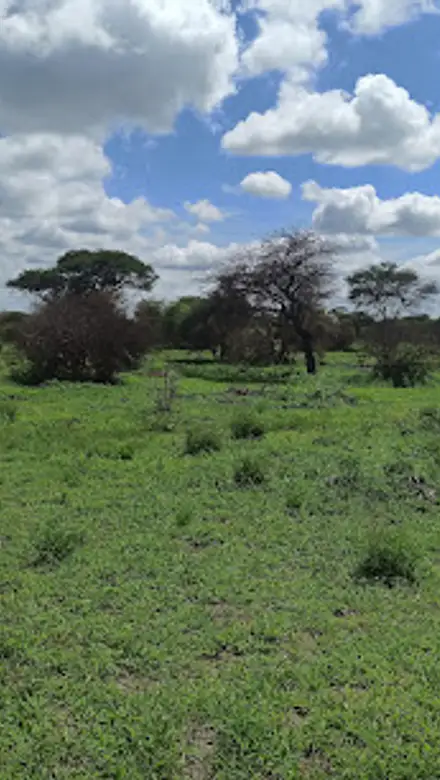
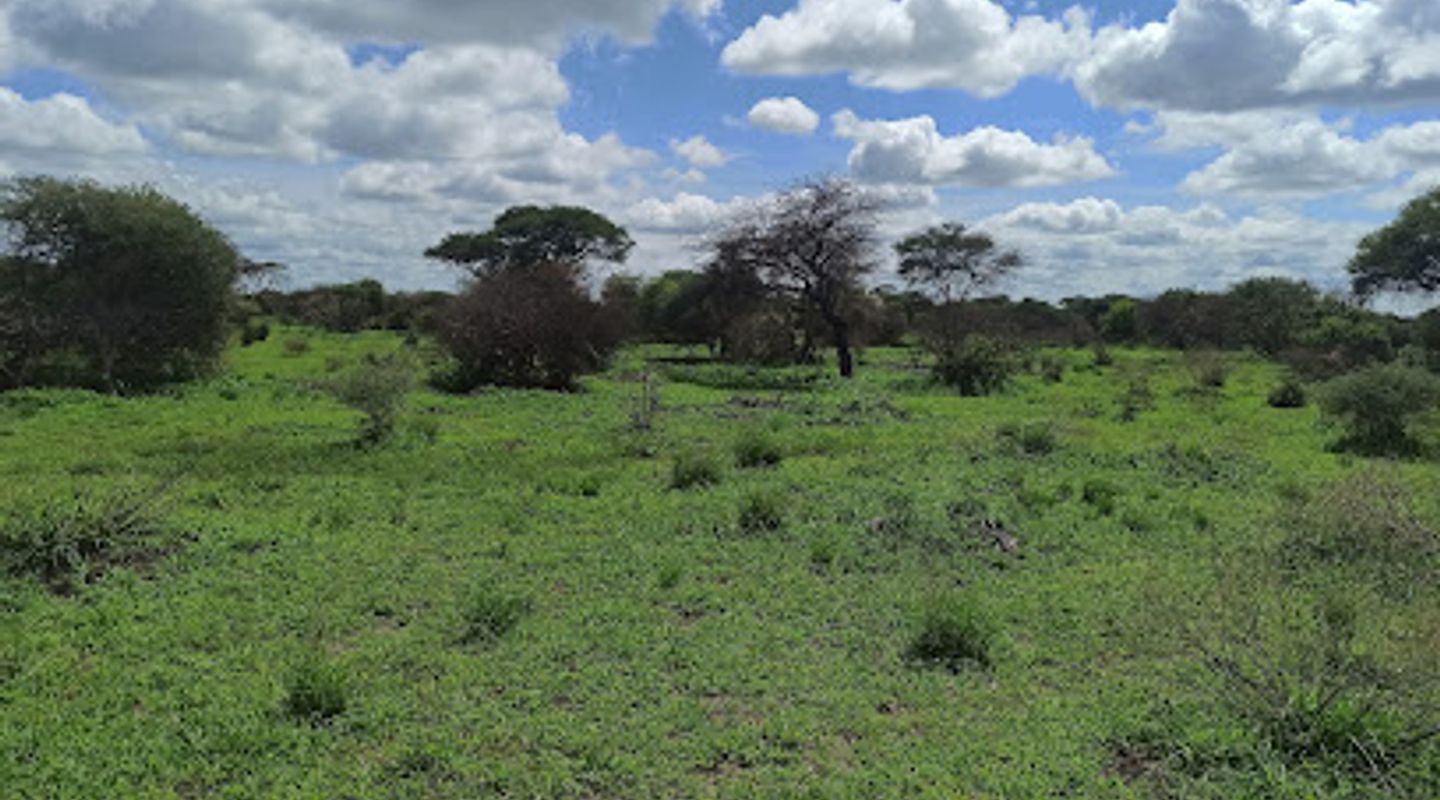
Nxai Pan National Park, located in northeastern Botswana, is a captivating landscape of vast salt flats, open grasslands and iconic baobab trees. This unique park offers a seasonal spectacle, transforming from a seemingly barren expanse into a thriving ecosystem with abundant wildlife after the rains.
A brief summary to Nxai Pan
- BW

Know before you go
Hi, I'm Eve. Here are a few practical things to know before exploring Nxai Pan.
- A 4x4 vehicle is essential for navigating the sandy roads within Nxai Pan National Park.
- The best time for wildlife viewing is during the rainy season (Dec-Apr) when animals congregate around the pans.
- Book campsites in advance, especially during peak season.
- Bring sufficient water and supplies as there are limited facilities within the park.
- Don't miss a visit to Baines' Baobabs, a cluster of ancient trees that offer a glimpse into the past.
Do you manage this location?
Take control to get all the benefits, like improved information, better appearance, and stronger visibility across AI-powered discovery. Learn more about listing your business on Evendo
Activate your presenceOther nearby places you may find interesting
The closest places of the same kind, if this one is not quite what you had in mind.

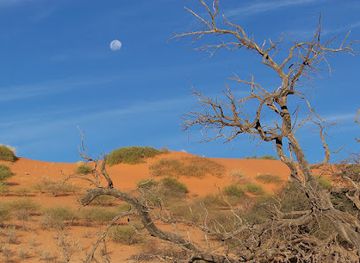
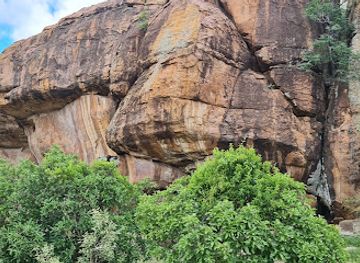
Explore Nxai Pan on the Map
A handpicked selection of must-see spots near Nxai Pan, mapped for you.
Getting There
-
Road
Nxai Pan National Park is accessible via the A3 highway between Maun and Nata. The main entrance is approximately 140 km east of Maun and 160 km west of Nata. A 4x4 vehicle is highly recommended due to sandy and potentially challenging road conditions, especially during the rainy season. Park entry fees are approximately $10 USD per person per day, plus $4.20 USD for the vehicle. Ensure you have Botswana Pula (BWP) in cash for payment.
Discover more about Nxai Pan













Your all‑in‑one travel companion app
Explore expert travel guides, compare and book tours, experiences, hotels, and more—all from the palm of your hand. Download now for seamless trip planning wherever your wanderlust takes you.


Explore More of Kalahari Desert
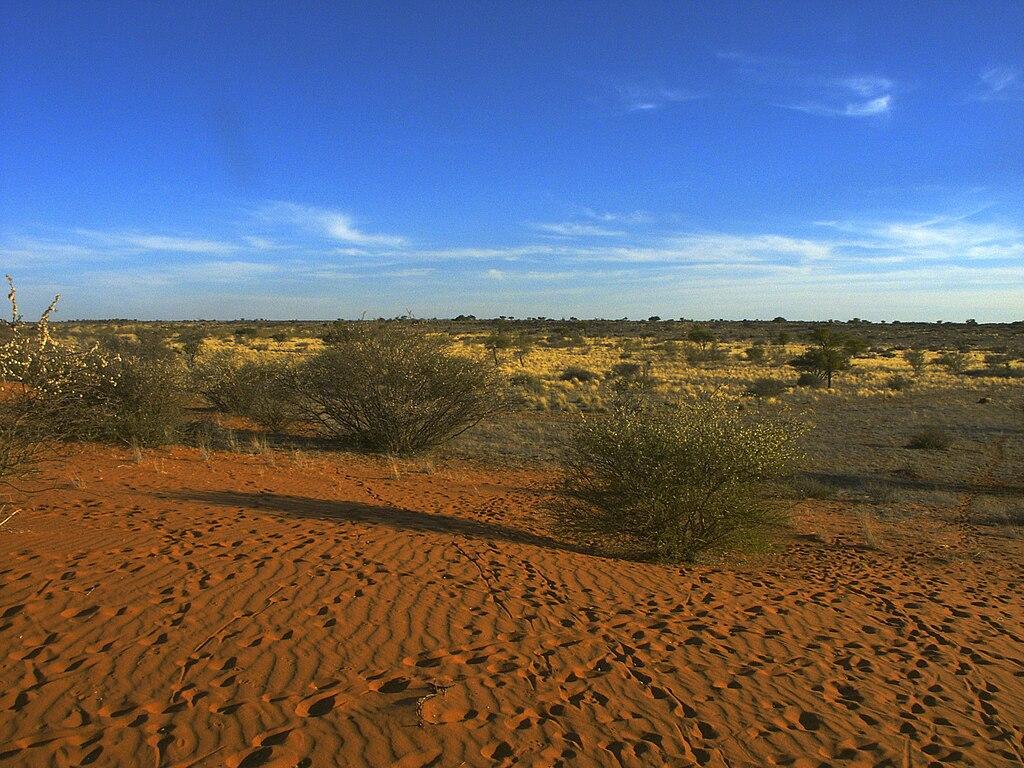
Looking beyond Nxai Pan? Discover Kalahari Desert for broader travel guides, local hot-spots, and regional highlights.
Explore Kalahari Desert
Experience an authentic Botswana safari at Meno-A-Kwena, overlooking the wildlife-rich Boteti River and the vast Makgadikgadi Pans.
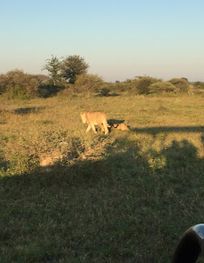
Experience the Kalahari's raw beauty at Nxai Pan North Camp, a remote campsite in Botswana's wildlife-rich Nxai Pan National Park.