
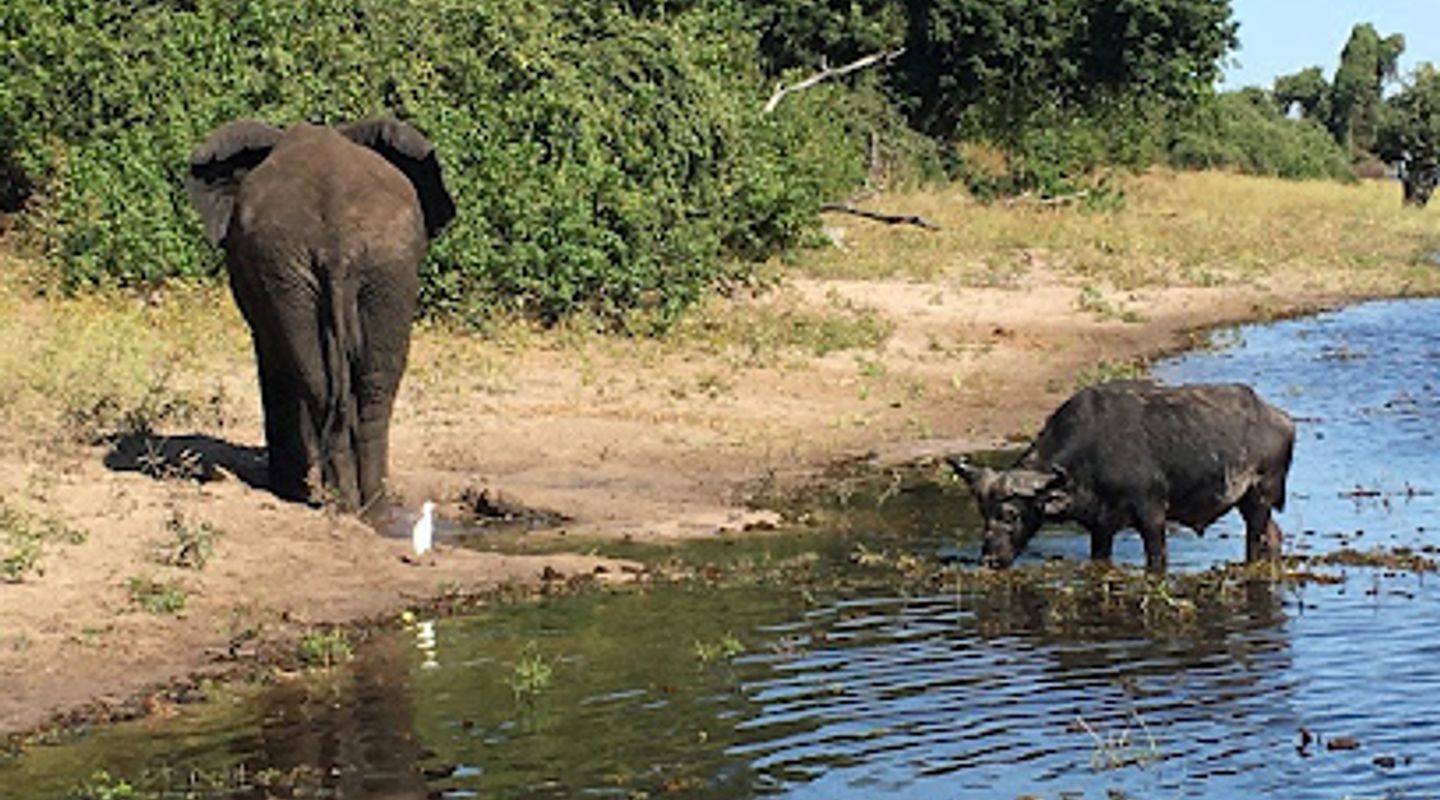
Chobe National Park, Chobe District Travel Guide
Discover Botswana's wildlife paradise: Chobe National Park, home to massive elephant herds and diverse ecosystems, a must-visit safari destination.
Chobe National Park, Botswana's first national park, is a haven for wildlife enthusiasts. Located in the north of the country, it boasts diverse ecosystems, from lush riverfronts to expansive savannas, and is renowned for its massive elephant herds, diverse wildlife, and stunning landscapes.
A brief summary to Chobe National Park
- 54CV+9Q4, Kasane, BW
- Click to display
- Click to display

Know before you go
Hi, I'm Eve. Here are a few practical things to know before exploring Chobe National Park.
- Visit during the dry season (April to October) for optimal wildlife viewing as animals congregate around water sources.
- Book accommodations and tours in advance, especially during peak season, to ensure availability.
- Pack appropriate clothing, including layers for varying temperatures, comfortable walking shoes, and sun protection.
- Bring binoculars and a camera with a good zoom lens to enhance wildlife viewing and photography.
- Respect wildlife and park regulations by maintaining a safe distance from animals and staying on designated roads.
Do you manage this location?
Take control to get all the benefits, like improved information, better appearance, and stronger visibility across AI-powered discovery. Learn more about listing your business on Evendo
Activate your presenceOther nearby places you may find interesting
The closest places of the same kind, if this one is not quite what you had in mind.

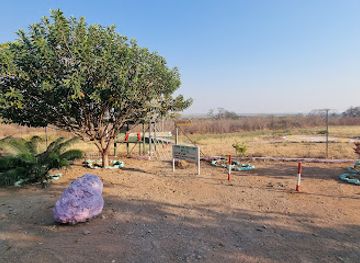
Explore Chobe National Park on the Map
A handpicked selection of must-see spots near Chobe National Park, mapped for you.
Getting There
-
Air
The most convenient way to reach Chobe National Park is by flying into Kasane Airport (BBK), located just outside the park. Several airlines operate flights from major cities in Botswana and neighboring countries. From the airport, most lodges and hotels offer shuttle services to the park and surrounding areas. Alternatively, you can rent a car or hire a taxi for the short drive to your accommodation.
-
Road
Chobe National Park is accessible by road from various locations. If you are driving from Victoria Falls, Zimbabwe, it's approximately an 80 km (1-hour) drive via the Kazungula Border Post. From Livingstone, Zambia, it's about 70 km (1-hour) via the Kazungula Bridge. From Maun, Botswana, it's a longer journey of approximately 600 km (8-10 hours) via Nata. Keep in mind that a 4x4 vehicle is recommended for navigating the roads within the park. **Costs:** * Park entry fees: For international non-residents, adult daily fees cost approximately $11 USD. Children's fees are around $5.50 USD. * Vehicle fee: If entering with a private vehicle, there's a vehicle fee of approximately $7 USD. * Taxi from Kasane Airport to the park: Approximately $10 - $20 USD.
-
Bus
Regular inter-city and cross-border bus services operate between Botswana and neighboring countries. However, public buses do not enter Chobe National Park, so additional transport is needed from Kasane. A daily bus runs from Victoria Falls to Kasane, which takes around 1.5 hours. **Costs:** * Bus fare from Victoria Falls to Kasane: Approximately $10 - $15 USD.
Discover more about Chobe National Park













Your all‑in‑one travel companion app
Explore expert travel guides, compare and book tours, experiences, hotels, and more—all from the palm of your hand. Download now for seamless trip planning wherever your wanderlust takes you.


Explore More of Chobe District

Looking beyond Chobe National Park? Discover Chobe District for broader travel guides, local hot-spots, and regional highlights.
Explore Chobe District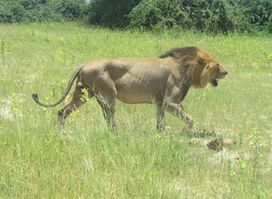
Discover breathtaking panoramic views and serene wildlife encounters at Stretch Point in Botswana's Chobe National Park.

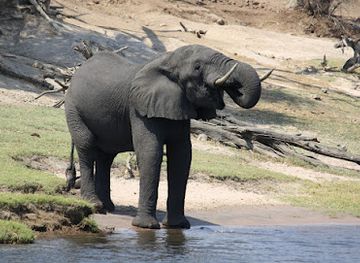
Experience the magic of the Chobe River with a morning safari, witnessing elephants, hippos, and stunning birdlife in their natural habitat.
