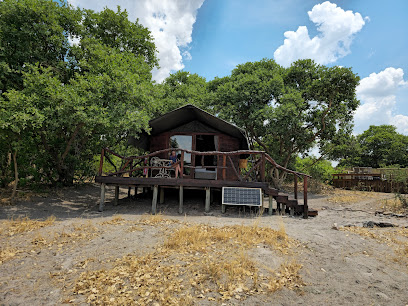
Chobe National Park: Botswana's Wildlife Jewel
Discover Botswana's premier wildlife destination: Chobe National Park, home to diverse species and stunning riverfront views.
Chobe National Park, located in northern Botswana, is renowned for its large elephant population and diverse wildlife. The park offers stunning landscapes, including the Chobe River, lush floodplains, and dense forests, making it a premier safari destination. Visitors can experience exceptional game viewing, bird watching, and photographic opportunities throughout the year.
A brief summary to Chobe-Nationalpark
- Chobe National Park, Ngoma Bridge Border Control, A33, Ngoma Bridge, BW
Local tips
- Book accommodations and activities in advance, especially during the peak season (July to August), as lodges and campsites fill up quickly.
- Bring binoculars for enhanced wildlife viewing and bird watching, as the Chobe River is home to around 500 bird species.
- Pack light clothing for the day and warmer layers for the cooler evenings, especially during the dry season.
- Consider a boat safari for unique wildlife viewing opportunities along the Chobe River, particularly to see elephants.
- A 4x4 vehicle is recommended for self-drive safaris to navigate the park's roads, except for the main road to Namibia.

Getting There
-
Air
The most common way to reach Chobe National Park is by flying into Kasane Airport (BBK), located a short drive from the park's main entrance. Several airlines operate regular flights to Kasane from major locations such as Johannesburg, Windhoek, Maun, and Gaborone. From the airport, you can hire a taxi or arrange a transfer with your lodge. Some lodges offer 'lodge hops,' scenic air transfers via small aircraft.
-
Road
Chobe National Park is accessible by road from neighboring countries. From Victoria Falls, Zimbabwe, it's approximately 80 km (1 hour) via the Kazungula Border Post. From Livingstone, Zambia, it's about 70 km (1 hour) via the Kazungula Bridge. From Namibia (Caprivi Strip), it's roughly 2 hours via the Ngoma Border Post. If driving from Maun (Okavango Delta), the journey is approximately 600 km (8-10 hours) via Nata. Note that public buses do not enter Chobe National Park, so additional transport is needed from Kasane. Taxis are available in Kasane for local transport. Park entry fees for international visitors are approximately BWP 270 (≈USD 20) per adult per day. Vehicle fees are around BWP 190 per day for a 4x4. It's advisable to have Botswana Pula (BWP) for smaller expenses.
Discover more about Chobe-Nationalpark
Iconic landmarks you can’t miss

Ngoma Safari Lodge - Machaba Safaris
2.1 km
Experience luxurious safari living at Ngoma Safari Lodge in Botswana's Chobe Forest Reserve, with stunning views and exceptional wildlife encounters.
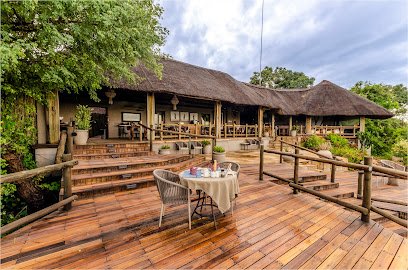
Muchenje Safari Lodge
2.7 km
Experience an intimate Chobe safari at Muchenje Safari Lodge: stunning views, diverse activities, and personalized service in Botswana's wildlife haven.

Chobe River Camp, Gondwana Collection Namibia
3.1 km
Discover family-friendly adventures and breathtaking landscapes at Chobe River Camp, Namibia, where nature and comfort meet along the Chobe River.
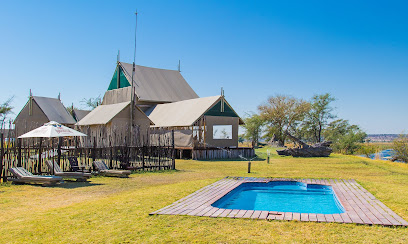
Chobe Elephant Camp
3.2 km
Experience eco-friendly safari lodging with stunning views of the Chobe River and abundant wildlife encounters in Botswana's premier elephant country.
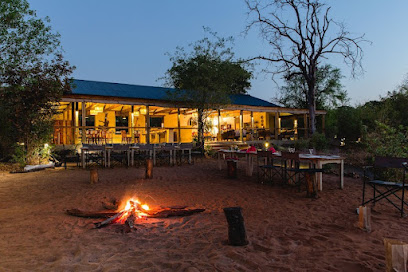
Muchenje Campsite & Cottages
5.6 km
Discover tranquility near Chobe National Park at Muchenje Campsite & Cottages, offering comfortable lodging and easy access to wildlife adventures.
Chobe
9.2 km
Discover Botswana's Chobe National Park: Home to massive elephant herds, diverse wildlife, and stunning riverfront landscapes.
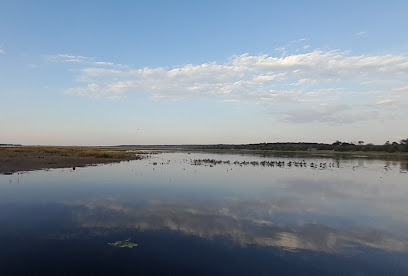
Chobe River
9.6 km
Experience Botswana's wildlife paradise: Cruise the Chobe River for unparalleled elephant sightings and birdwatching safaris.
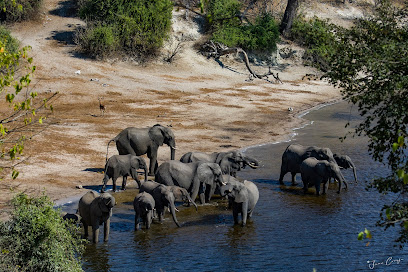
Mwandi View
18.4 km
Experience the tranquility of the Chobe River at Mwandi View, your gateway to Botswana's wildlife and stunning landscapes.
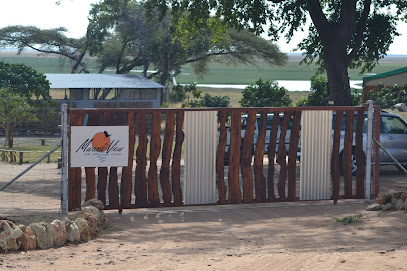
Serondela Lodge
31.7 km
Experience the serene beauty of Serondela Lodge in Kabulabula, where luxury meets the breathtaking landscapes of Namibia's wilderness.
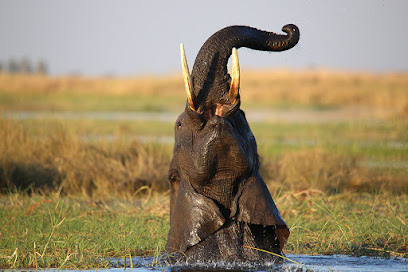
Chobe Savanna Lodge
36.7 km
Experience the beauty of Namibia at Chobe Savanna Lodge, where luxury meets nature along the stunning Chobe River.
Chobe Game Lodge
38.8 km
Experience luxurious safaris and witness diverse wildlife at this eco-conscious lodge nestled in Botswana's renowned Chobe National Park.
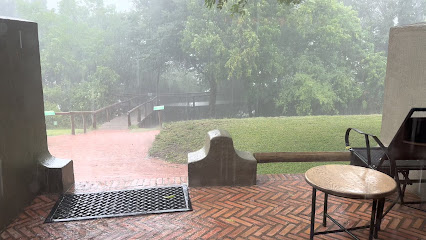
Pangolin Voyager
43.0 km
Experience the Chobe River's wildlife up close from the luxurious Pangolin Voyager houseboat, perfect for intimate safaris and photography.
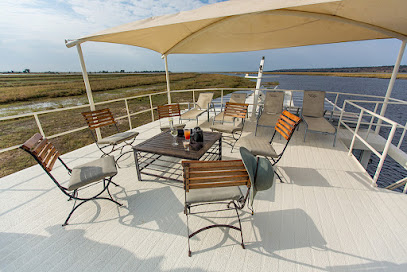
Chobe Water Villas
44.8 km
Experience luxury and wildlife at Chobe Water Villas in Namibia, offering stunning river views and exclusive access to Chobe National Park.
Sanctuary Chobe Chilwero
45.4 km
Experience luxury and wildlife encounters at this exclusive safari lodge on the edge of Chobe National Park, home to the world's largest elephant population.
Zambezi Mubala Lodge - Gondwana Collection Namibia
45.9 km
Discover the beauty of Namibia at Zambezi Mubala Lodge, where luxury meets nature along the captivating Zambezi River.
Unmissable attractions to see

Ngoma Craft center
2.8 km
Explore the vibrant Ngoma Craft Center in Namibia, where local artisans showcase stunning crafts and rich cultural heritage.
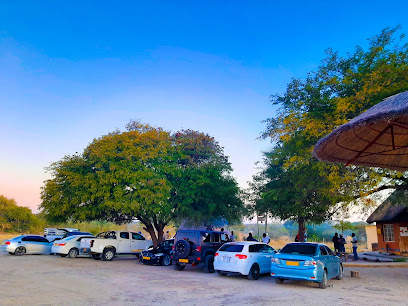
Vuche Vuche Basket Weavers
9.8 km
Discover Botswana's rich cultural heritage through exquisite handwoven baskets and crafts, empowering local women artisans in Legotlhwana.
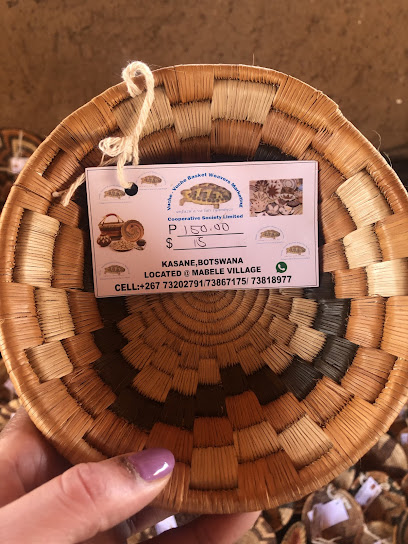
Salambala Conservancy
16.9 km
Experience the beauty of nature at Salambala Conservancy in Namibia, a perfect destination for wildlife enthusiasts and eco-tourists seeking adventure.
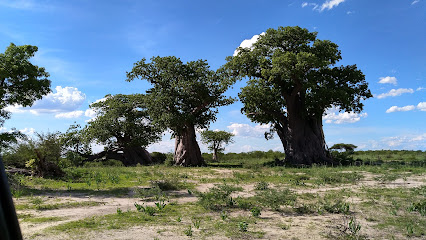
Chobe Sunset River View Safari camp
20.4 km
Experience the tranquility of the Chobe River with stunning sunsets and easy access to Chobe National Park's wildlife.
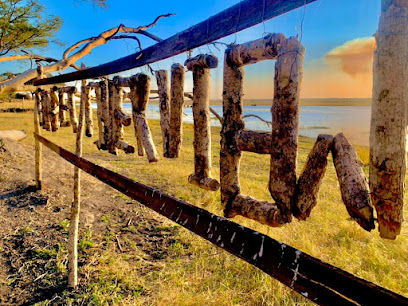
Kasaha(Kabbe)
29.3 km
Explore the tranquil beauty and vibrant ecosystems of Kasaha (Kabbe), a must-visit tourist attraction in Luile, Namibia.
Kabulabula Conservancy Office
35.0 km
Explore Kabulabula Conservancy, Namibia's natural treasure, where diverse wildlife and breathtaking landscapes await every nature lover.
Stretch point
36.2 km
Discover breathtaking panoramic views and serene wildlife encounters at Stretch Point in Botswana's Chobe National Park.
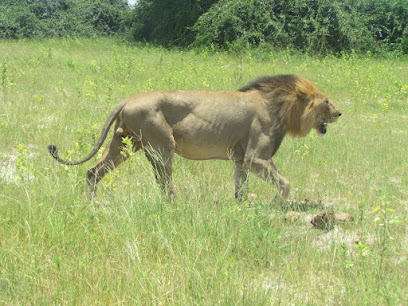
Boita Poloso Lodge and Campsite
37.3 km
Experience the tranquility of Botswana's wilderness at Boita Poloso Lodge and Campsite, your gateway to nature and adventure in Kachikau.

Chobe National Park Stretch Point
39.6 km
Experience breathtaking wildlife and stunning sunsets at Chobe National Park Stretch Point, a must-see destination for nature lovers in Botswana.
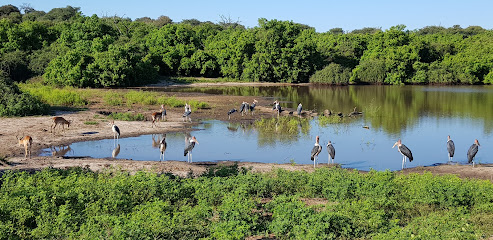
Kasika Conservancy
42.0 km
Discover the breathtaking wildlife and serene landscapes of Kasika Conservancy, a sustainable nature preserve in Namibia, perfect for nature lovers and adventurers.
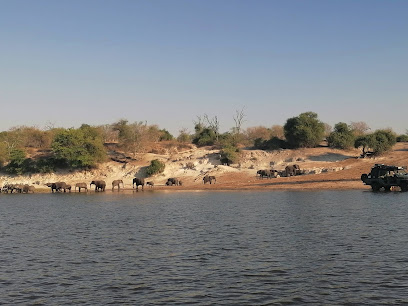
Sedudu Gate
45.6 km
Enter the wild heart of Botswana through Sedudu Gate, your starting point for exploring the breathtaking Chobe National Park.
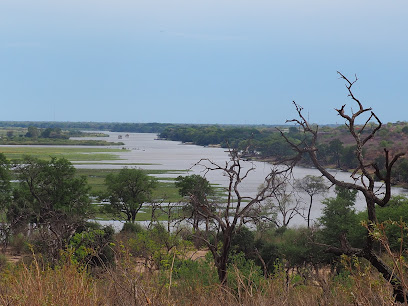
Chobe Morning River Safari
45.8 km
Experience the magic of the Chobe River with a morning safari, witnessing elephants, hippos, and stunning birdlife in their natural habitat.
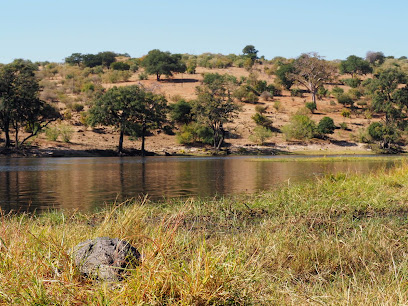
Chobe National Park
46.1 km
Discover Botswana's wildlife paradise: Chobe National Park, home to massive elephant herds and diverse ecosystems, a must-visit safari destination.
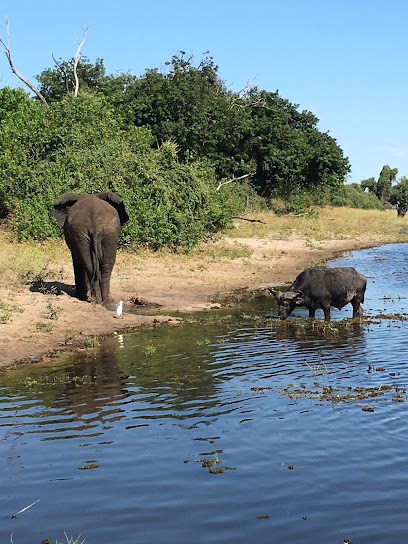
Majestic Africa Tours and safaris
47.0 km
Explore Chobe National Park with expert-guided tours, offering exceptional wildlife encounters and stunning Botswana landscapes.
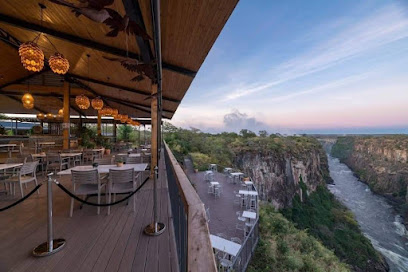
Dreams safaris
47.3 km
Experience Botswana's best wildlife safaris and holiday accommodations in Kasane, gateway to Chobe National Park and Victoria Falls.
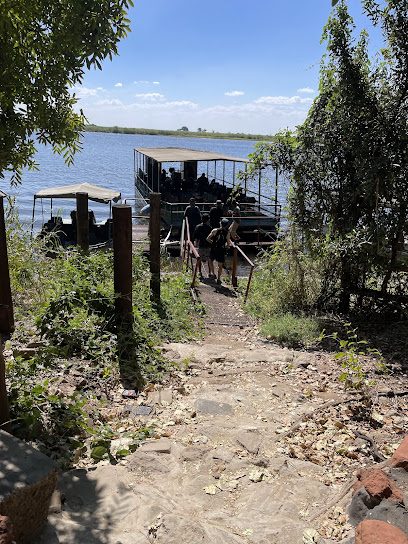
Essential places to dine

Zambezi Queen by Mantis
42.4 km
Discover luxury and adventure aboard Zambezi Queen by Mantis on the Chobe River - where nature meets elegance.
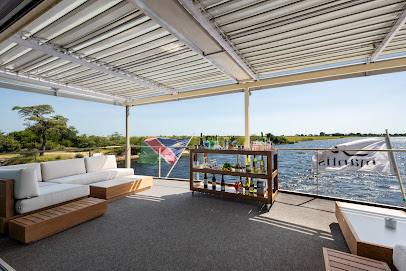
Sedudu Sunset Bar
46.7 km
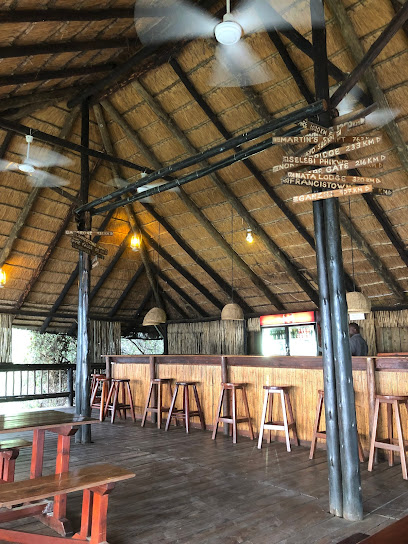
Discover breathtaking sunsets and refreshing drinks at Sedudu Sunset Bar in Kasane, Botswana – a must-visit destination for every traveler.
Tandurei
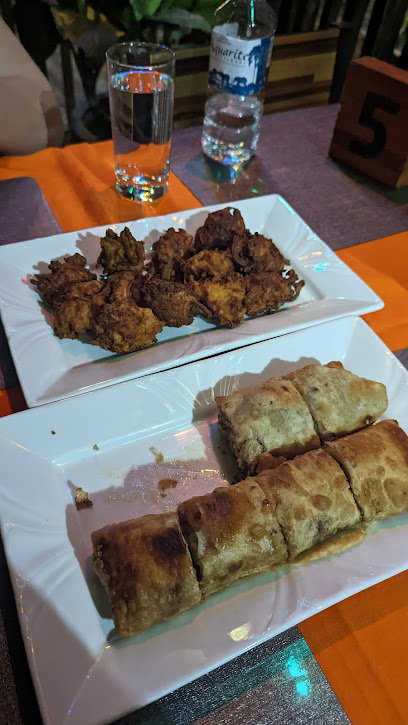
47.1 km
Experience authentic Indian flavors at Tandurei in Kasane—where every bite tells a story of tradition and taste.
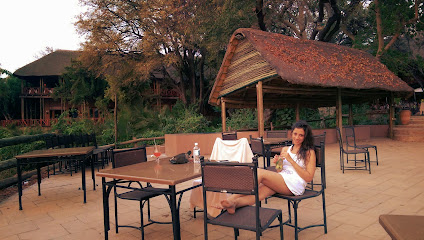
Old Barn
47.5 km
Discover the flavors of Botswana at Old Barn – where every meal is an experience steeped in local tradition.
Pizza Plus Coffee & Curry
48.0 km
Discover the flavors of Botswana at Pizza Plus Coffee & Curry - where delicious pizzas meet aromatic curries in Kasane.
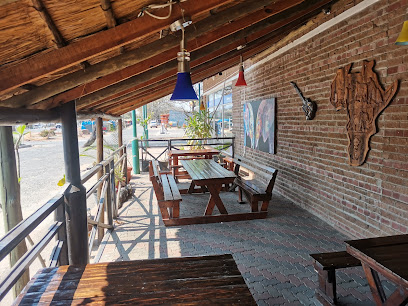
Coffee Chobeano
48.0 km
Discover authentic African flavors and unforgettable tours at Coffee Chobeano along Kasane's picturesque riverfront.
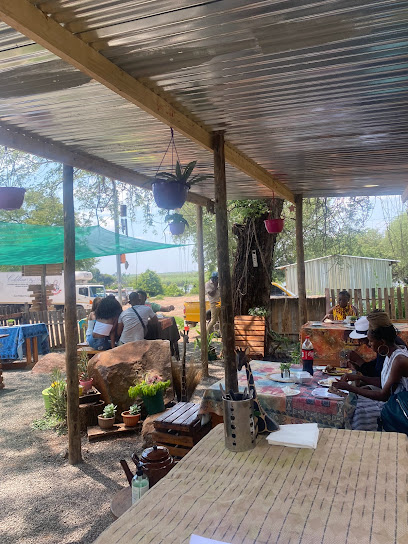
Pepe Nero Ristorante Italiano
48.1 km
Experience the taste of Italy in Kasane at Pepe Nero Ristorante Italiano – where every dish tells a story.
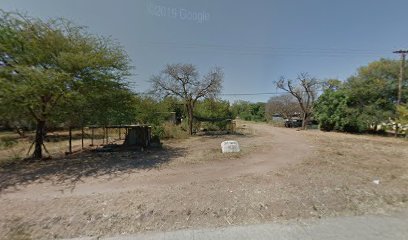
Kwa Massho Shisanyama
48.2 km
Experience authentic African cuisine at Kwa Massho Shisanyama in Kasane - where every meal is a celebration of flavor and culture.
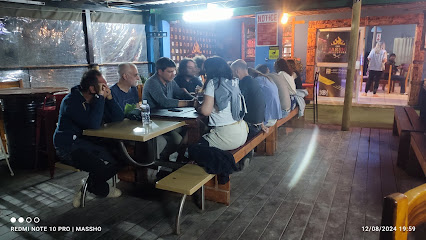
The Coffee Buzz
48.3 km
Discover The Coffee Buzz in Kasane - your cozy haven for quality coffee and delicious bites amidst Botswana's natural beauty.
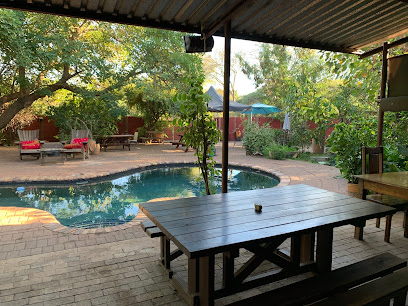
BaaMbazangu
48.4 km
Discover the vibrant flavors of Botswana at BaaMbazangu in Kasane – where every meal is a culinary adventure!
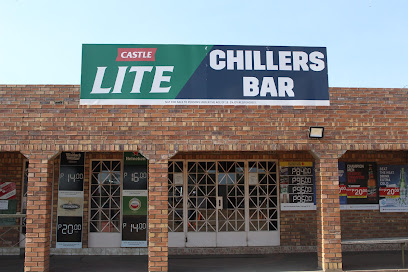
Chillers Bar
48.5 km
Discover the charm of Chillers Bar in Kasane – your perfect retreat for drinks and good vibes after exploring Botswana's wonders.
Kasi Fried Chips
48.5 km
Discover authentic Botswanan flavors at Kasi Fried Chips - where every bite tells a story.
Sevuva Bar
48.6 km
Discover Sevuva Bar in Kasane - Your perfect retreat for refreshing drinks and vibrant social experiences amid Botswana's stunning landscapes.
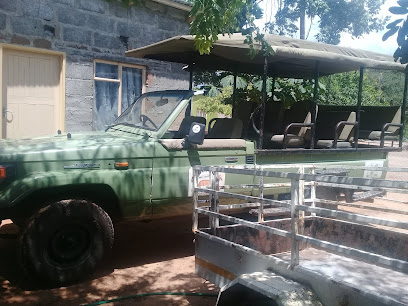
Chiloto Guest House
48.6 km
Experience comfort and warmth at Chiloto Guest House in Kasane - your gateway to Botswana's breathtaking landscapes and wildlife adventures.
Martha's Kitchen
49.0 km
Discover authentic Botswana cuisine at Martha's Kitchen in Kasane – where fresh ingredients meet traditional recipes.
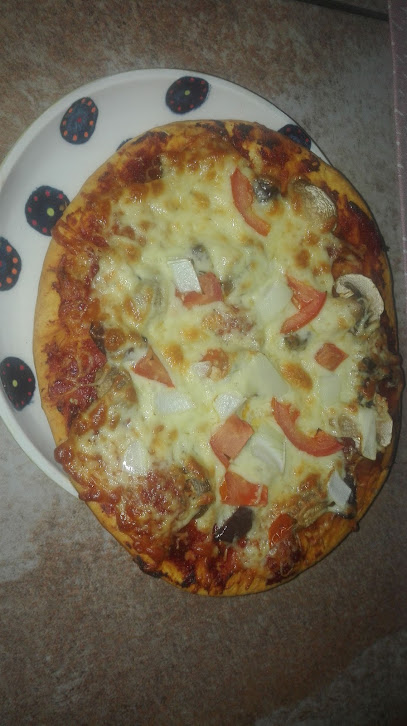
Markets, malls and hidden boutiques

Halfway bottle store and shop
10.3 km
Discover the charm of Namibia at Halfway Bottle Store, a delightful bar offering local drinks in a relaxed atmosphere. Perfect for unwinding after adventures.
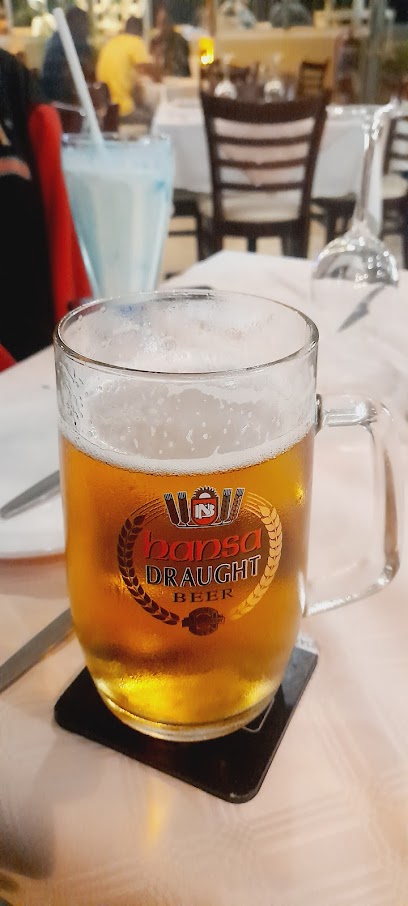
Mukusheba Trading Store
18.1 km
Discover the Mukusheba Trading Store in Lusese for a unique shopping experience that highlights local culture and craftsmanship.
Shalowambe trading cc
25.8 km
Experience local culture at Shalowambe Trading CC, a vibrant shopping mall in Lusese Malimina, offering unique crafts and delicious local food.
andBeyond Chobe Under Canvas
33.8 km
Discover the ultimate safari adventure at andBeyond Chobe Under Canvas, where luxury meets the wild in Botswana's breathtaking landscapes.
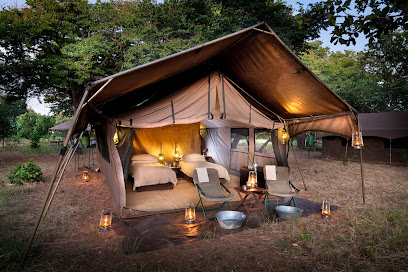
Chobe Craft Center Kachikau
35.1 km
Discover the vibrant arts and crafts of Botswana at Chobe Craft Center in Kachikau, a hub of local artistry and cultural heritage.
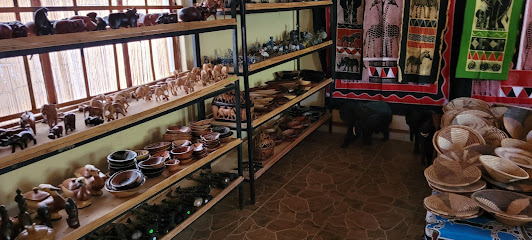
Ngabwe Trading Store
45.3 km
Explore local flavors and culture at Ngabwe Trading Store, Nañombe's charming grocery destination for tourists.
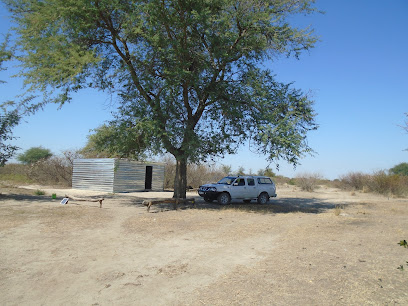
Craft Centre
47.0 km
Explore the Craft Centre in Kasane for unique Botswana souvenirs, showcasing local artistry and cultural heritage in every handcrafted piece.
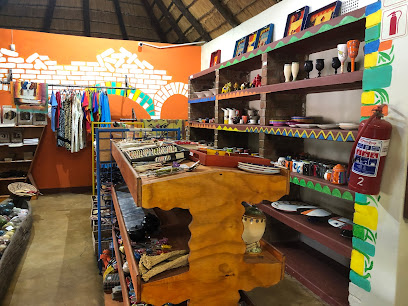
DETA MART
47.2 km
Explore the charm of Kasane at DETA MART, your one-stop shop for authentic local goods and everyday essentials.
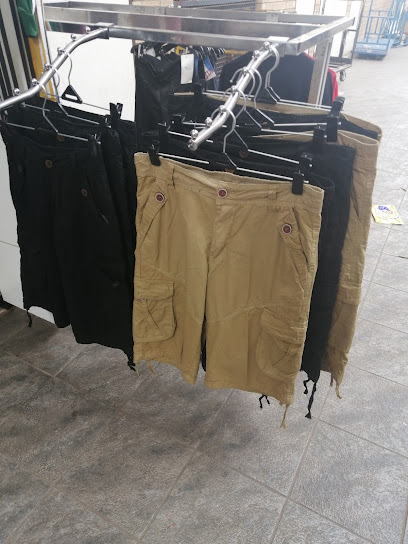
Wire Baobab Art Shop
47.3 km
Discover the vibrant artistry of Botswana at Wire Baobab Art Shop, where culture meets creativity in Kasane's unique craft scene.
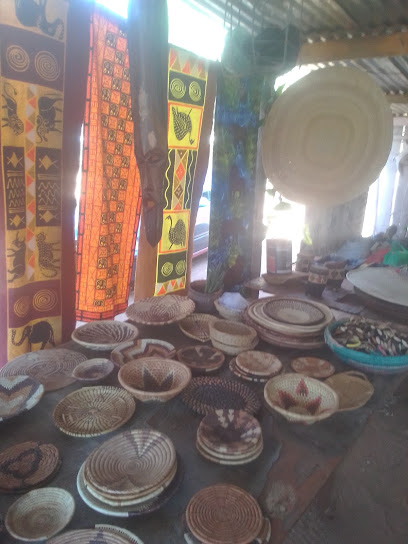
Water Front Mall
47.5 km
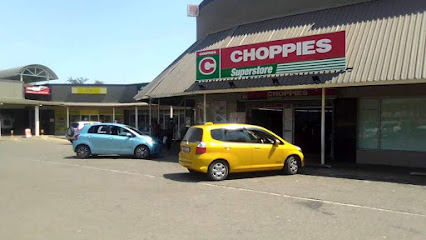
Experience the vibrant shopping and culinary delights at Water Front Mall in Kasane, Botswana, a must-visit for all tourists.
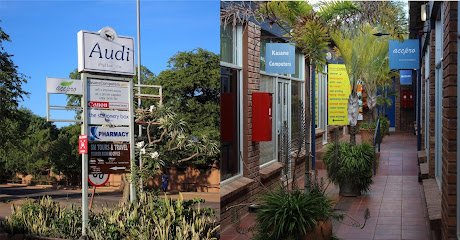
AUDI CENTER
47.5 km
Discover luxury shopping at the Audi Center in Kasane, where modern elegance meets local charm in Botswana's vibrant retail scene.
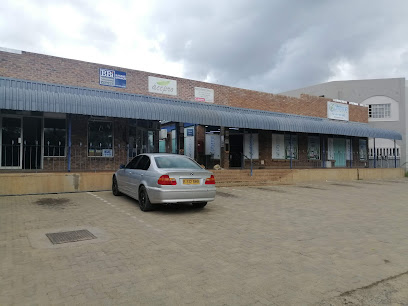
Kasane Computers
47.5 km
Discover top-notch tech solutions at Kasane Computers, your one-stop shop for computer accessories and camera gear in Kasane, Botswana.
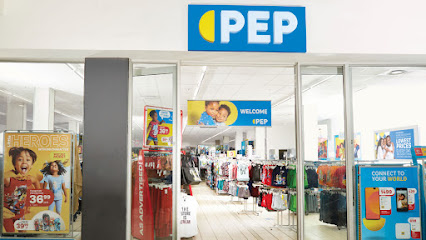
PEP Kasane
47.9 km
Discover stylish, affordable clothing for everyone at PEP Kasane, your go-to shopping destination in the heart of Kasane.
Clicks
47.9 km
Explore Clicks in Kasane for a diverse selection of health, beauty, and everyday essentials in a friendly, convenient environment.
Vision Sports
47.9 km
Discover top-quality sporting goods at Vision Sports in Kasane's Hunters Africa Mall, your gateway to outdoor adventures in Botswana.
Essential bars & hidden hideouts

Ngoma General Dealer
1.4 km
Discover the heart of Ngoma at Ngoma General Dealer - a bar brimming with local culture and lively atmosphere.
Lukulu Bar
1.5 km
Experience the vibrant local culture and savor unique Namibian drinks at Lukulu Bar in Ngoma.
Marasburg
4.8 km
Discover the vibrant Marasburg bar in Ngoma, Namibia, where locals and travelers unite for an unforgettable nightlife experience.
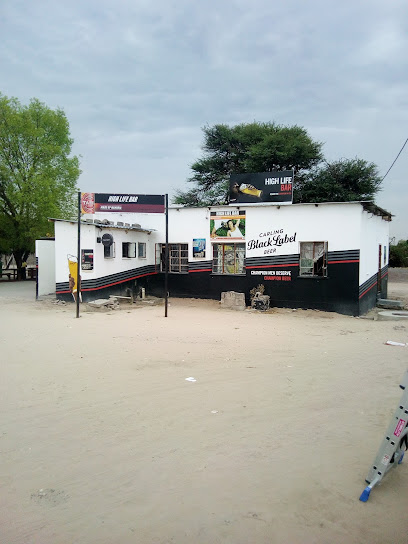
High Life Bar
31.1 km
Explore the vibrant atmosphere of High Life Bar in Bukalo, where local drinks and traditional food come together for an unforgettable experience.
Under One Botswana Sky
47.0 km
Discover the beauty of Botswana from Under One Botswana Sky, a charming hotel offering comfort and adventure near Chobe National Park.
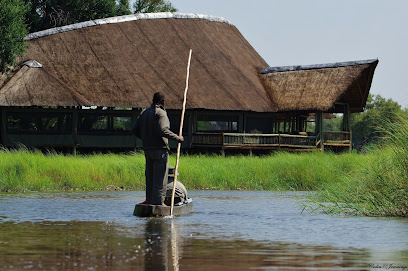
Chobe Hideaway
48.2 km
Experience the beauty of Botswana's wildlife at Chobe Hideaway, the ultimate campground for nature lovers and adventure seekers.
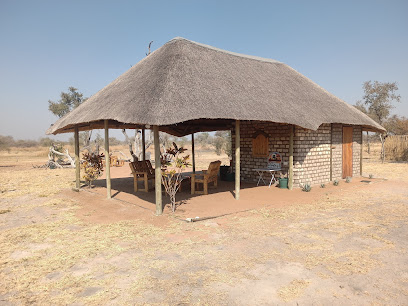
Native Lounge
49.8 km
Dive into the vibrant nightlife at Native Lounge in Kasane, a premier night club featuring electrifying music, great drinks, and an unforgettable atmosphere.
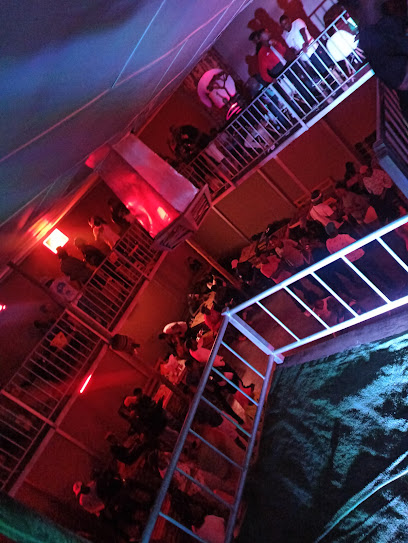
Sesheke Bar
56.8 km
Discover the heart of Botswana's nightlife at Sesheke Bar, where friendly faces and refreshing drinks await you.
Chobe Distributors
56.8 km
Discover a diverse range of beverages at Chobe Distributors, the perfect stop for tourists in Kazungula to enjoy local drinks and refreshments.
G-greeens lodge pub n grill
60.0 km
Experience a delightful dining adventure at G-greeens Lodge Pub n Grill in Kazungula, where delicious pizzas meet a warm, inviting atmosphere.
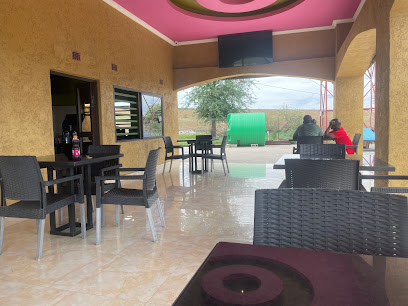
Gogo handsome man
60.5 km
Experience the vibrant nightlife at Gogo Handsome Man, a premier bar in Katima Mulilo offering a delightful taste of local culture.
The Diam Horses Pub and Grill
60.8 km
Discover the lively essence of Kazungula at The Diam Horses Pub and Grill, a perfect blend of local drinks, food, and vibrant atmosphere.
J
60.9 km
Savor the essence of Zambian cuisine at this vibrant grill in Kazungula, where every bite tells a story.
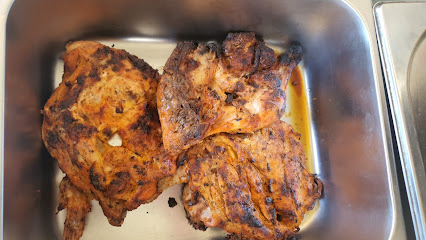
Touch Africa
60.9 km
Discover the vibrant local culture at Touch Africa bar in Katima Mulilo, where refreshing drinks and lively atmosphere await every visitor.
Fun House
63.9 km
Experience the lively ambiance of Fun House in Katima Mulilo, where local culture and entertainment come together in a vibrant lounge setting.
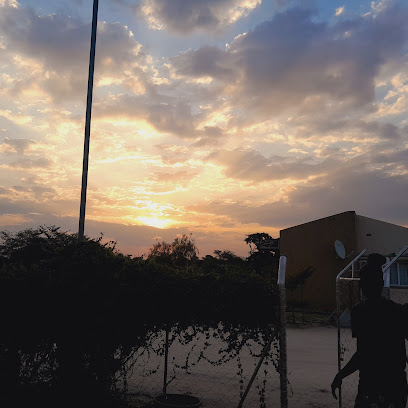
Nightclubs & after hour spots

Trekkers Nite Club
56.5 km
Unleash your spirit in the heart of Kasane's nightlife at Trekkers Nite Club, where music and energy collide for an unforgettable experience.
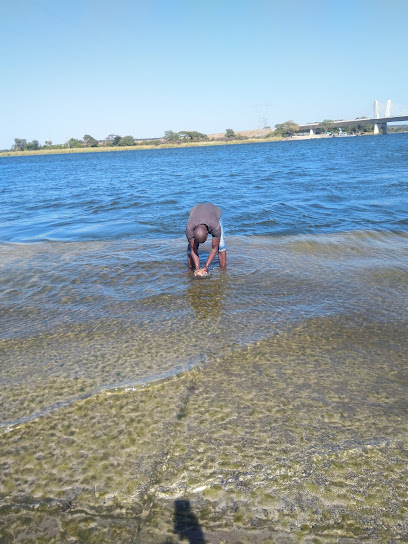
Smart View Bar-Nightclub
63.6 km
Discover the ultimate nightlife experience at Smart View Bar-Nightclub in Katima Mulilo, where vibrant music and delicious cocktails await.
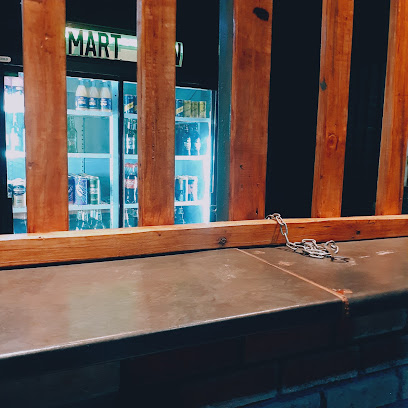
New Millennium,Choto
64.0 km
Dive into the heart of nightlife at New Millennium, Choto in Katima Mulilo, where great music and vibrant energy meet.
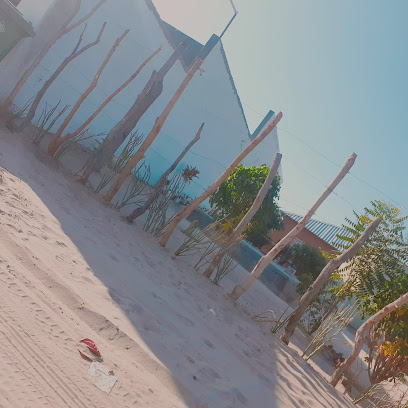
The Biz Bar
65.0 km
Discover The Biz Bar in Katima Mulilo, where vibrant energy meets refreshing drinks in a culturally rich setting perfect for relaxation and socializing.
Trace lounge Katima Mulilo
66.0 km
Discover the vibrant nightlife at Trace Lounge in Katima Mulilo, where delightful drinks and a lively atmosphere await every visitor.
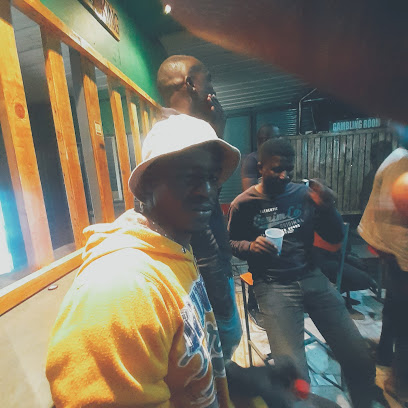
Mix Night Club
66.3 km
Unleash your night at Mix Night Club, Katima Mulilo's premier nightlife destination with diverse music and a vibrant atmosphere.
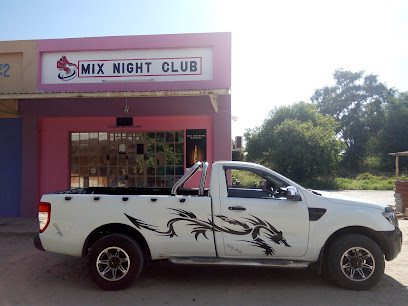
Acacia Night Club
66.3 km
Experience the vibrant nightlife of Katima Mulilo at Acacia Night Club, where music, dancing, and excitement come together for an unforgettable evening.
Miami Night Club
66.4 km
Miami Night Club in Katima Mulilo offers an electrifying nightlife experience with music, dance, and a vibrant atmosphere for all party enthusiasts.
Casablanca Night Club
66.4 km
Discover the vibrant nightlife at Casablanca Night Club in Katima Mulilo, where music, dance, and local culture come alive for an unforgettable experience.
Creations Bar
66.4 km
Experience the pulse of Katima Mulilo's nightlife at Creations Bar, where great drinks and vibrant atmosphere await.
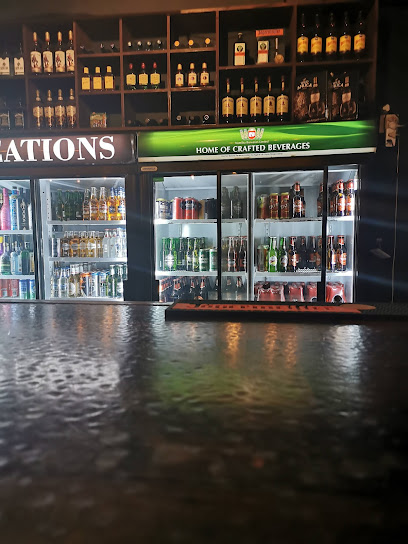
Infinity Lounge
66.6 km
Infinity Lounge: A vibrant bar in Katima Mulilo, offering refreshing drinks and a lively atmosphere for an unforgettable night out.
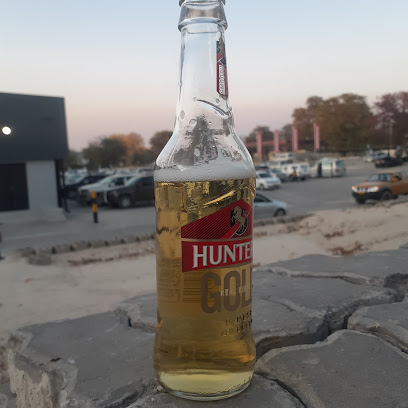
Barotse Night Club
67.9 km
Discover the pulsating nightlife of Sesheke at Barotse Night Club, where music and camaraderie blend for an unforgettable experience.
Goma Night Club
72.0 km
Dive into the vibrant nightlife at Goma Night Club in Sesheke, where music, dance, and local culture come alive for an unforgettable experience.

Linyanti Expeditions
77.5 km
Discover the untouched beauty of Botswana at Linyanti Expeditions, where luxury meets adventure in the African wilderness.
Camp Savuti
85.6 km
Experience the serenity of nature at Camp Savuti, where comfort meets adventure amidst Chobe National Park's stunning wildlife.