
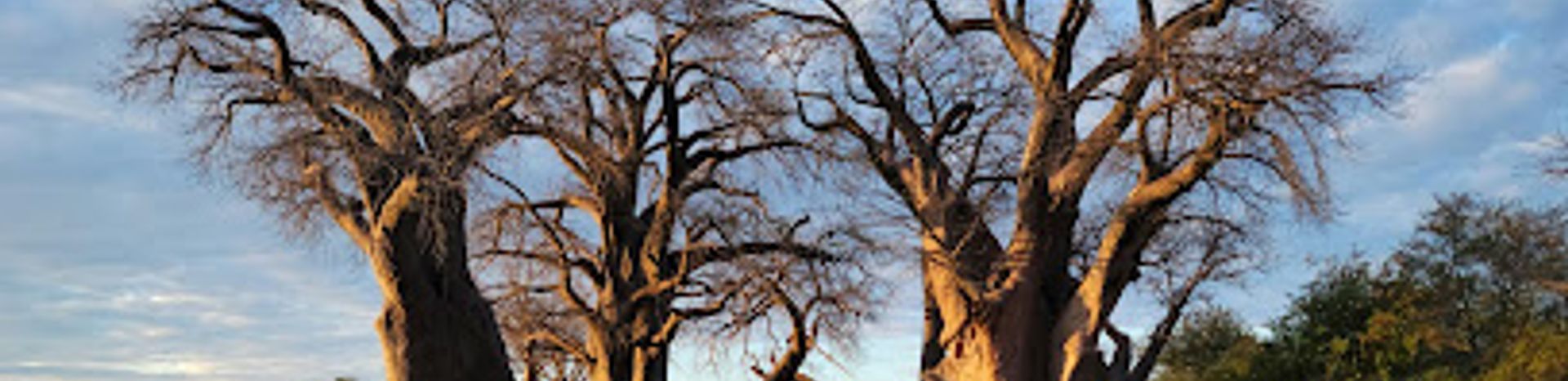
Nxai Pan National Park: A Kalahari Oasis
Experience the dramatic transformation of Nxai Pan, Botswana, where ancient salt pans teem with wildlife and iconic baobabs dot the horizon.
Nxai Pan National Park, located in northeastern Botswana, is a captivating landscape of vast salt pans that comes alive with wildlife during the rainy season. Known for its seasonal migrations of zebra, wildebeest and springbok, as well as the iconic Baines' Baobabs, it offers a unique safari experience.
A brief summary to Nxai Pan National Park
- BW
Local tips
- Visit during the rainy season (November to April) for the best wildlife viewing opportunities, but be prepared for potentially challenging road conditions.
- A 4x4 vehicle is essential for navigating the park's sandy roads, especially during the wet season.
- Bring binoculars for optimal wildlife and bird viewing.
- Pack for both hot days and cold nights, as temperatures can fluctuate dramatically, especially in winter.
- Be self-sufficient with food, water, and fuel, as there are limited supplies available within the park.

Getting There
-
Road
Nxai Pan National Park is accessible by road from Maun (approximately 240 km away) and Nata (approximately 160 km away). The main entrance is located off the A3 highway connecting Maun and Nata. A 4x4 vehicle is highly recommended due to sandy and potentially challenging road conditions, especially during the rainy season. From the A3, follow the signs to the park entrance gate where you will need to check in and pay park fees. Be aware that the nearest fuel station is in Gweta, about 65 km away from the park. Park entry fees are approximately $10 USD per person per day, plus an additional $4.20 USD per vehicle. Camping fees vary depending on the campsite (South Camp or Baines' Baobabs) and are in the range of $38-$50 USD per person per night for international visitors. It is advisable to have Botswana Pula (BWP) in cash for park fees, as credit card facilities may not always be available at the entrance gates.
-
Air
The nearest airstrip to Nxai Pan National Park is the Nxai Pan Airstrip, located just outside the park. Chartered flights from Maun, a common entry point for visitors to the Okavango Delta, are available. The flight typically takes around 30 minutes. Contact a local tour operator for flight costs and booking information.
Discover more about Nxai Pan National Park
Iconic landmarks you can’t miss

Kudiakam Pan
5.8 km
Discover Kudiakam Pan: Botswana's hidden gem offering serene landscapes, diverse wildlife, and the iconic Baines' Baobabs.
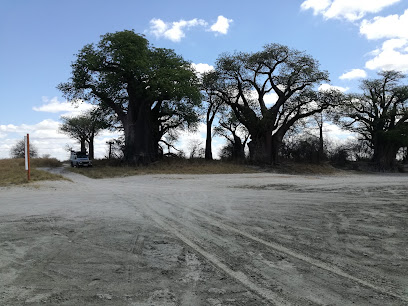
South camp Nxai Pan
18.0 km
Experience Nxai Pan's wildlife spectacle from the comfort of South Camp, your gateway to Botswana's natural wonders.

Nxai Pan North Camp
24.2 km
Experience the Kalahari's raw beauty at Nxai Pan North Camp, a remote campsite in Botswana's wildlife-rich Nxai Pan National Park.
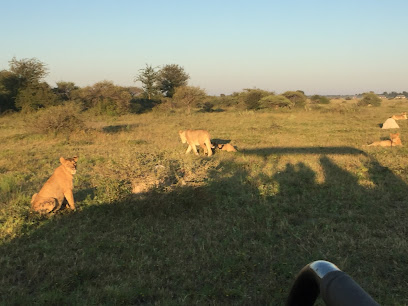
Kwando Nxai Pan Lodge
26.5 km
Experience the magic of Nxai Pan at this exclusive lodge, offering unparalleled access to Botswana's dramatic landscapes and wildlife.
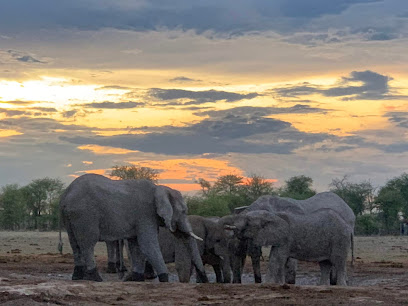
Leroo La Tau
47.0 km
Luxury safari lodge on the Boteti River, offering exceptional wildlife viewing and a unique Kalahari experience in Botswana.
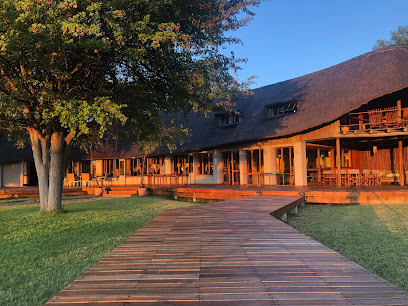
Gweta Lodge
48.5 km
Your comfortable base for exploring the Makgadikgadi Pans, offering wildlife encounters and cultural experiences in the heart of Botswana.
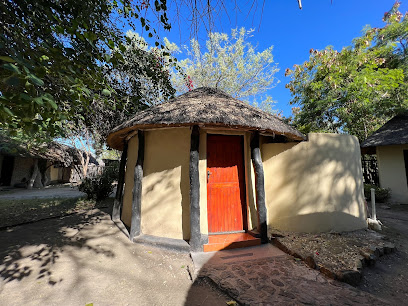
Khumaga Camp Sites
50.3 km
Experience Botswana's wild beauty at Khumaga Camp Sites, your gateway to the Makgadikgadi Pans National Park and the great zebra migration.
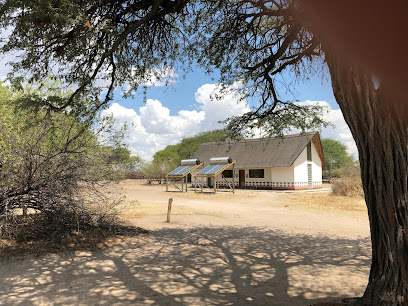
Planet Baobab
52.9 km
Experience Botswana's quirky side at Planet Baobab: Authentic lodging, Kalahari adventures, and unforgettable desert nights near the Makgadikgadi Pans.
Camp Kalahari
53.4 km
Experience the magic of the Kalahari at Camp Kalahari: Adventure, wildlife encounters, and cultural immersion in Botswana's stunning desert landscape.
San Camp
56.0 km
Experience the magic of the Makgadikgadi Pans in luxurious style at San Camp, a unique desert oasis in Botswana's Kalahari.
Jack's Camp
59.3 km
Experience the magic of a 1940s-style safari in the heart of Botswana's Makgadikgadi Pans at the luxurious and iconic Jack's Camp.
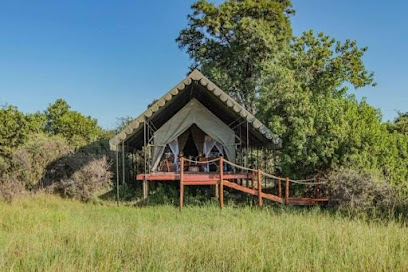
Boteti River
89.9 km
Experience Botswana's dramatic landscapes and abundant wildlife along the Boteti River, a vital artery connecting the Okavango Delta and Makgadikgadi Pans.
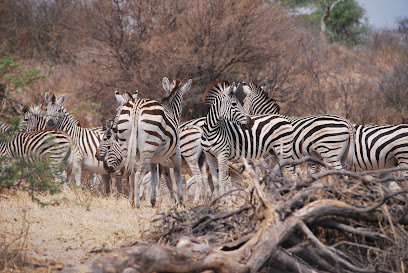
Unmissable attractions to see

Baines Baobabs
4.6 km
Discover the enchanting beauty of Baines Baobabs, home to ancient trees and breathtaking landscapes in Botswana's wilderness.
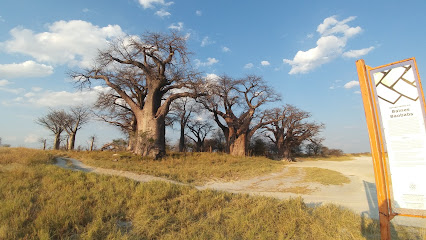
Nxai Pan
23.3 km
Explore Botswana's Nxai Pan: Witness dramatic wildlife migrations, iconic baobabs, and vast landscapes in this unique national park.
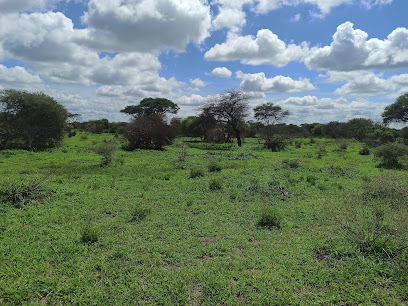
Makgadikgadi Pans National Park
39.5 km
Explore the breathtaking landscapes of Makgadikgadi Pans National Park, renowned for its unique salt pans and diverse wildlife encounters in Botswana.
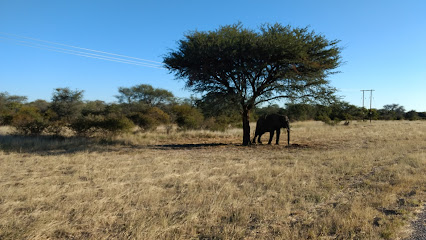
NG/47 Concessionaire
44.4 km
Discover Botswana's hidden gem: NG/47 Concessionaire, a state park offering tranquility, diverse wildlife, and stunning natural beauty.
Boteti River Camp
51.7 km
Explore Botswana's salt pans and wildlife from Boteti River Camp, your comfortable gateway to Makgadikgadi, Nxai Pan, and the Kalahari.
Kumaga Entrance to Makgadikgadi Pans National Park
51.8 km
Discover Botswana's wild heart: Explore the Makgadikgadi Pans through the Kumaga Entrance for unmatched landscapes and wildlife encounters.
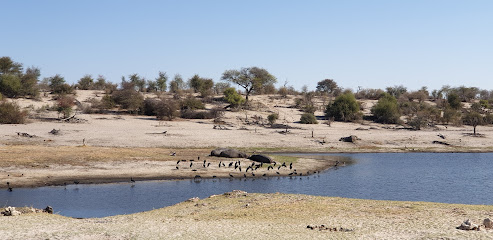
Aardvark
52.2 km
Discover Aardvark in Tutume, Botswana: A blend of culture, nature, and adventure in a welcoming village setting.
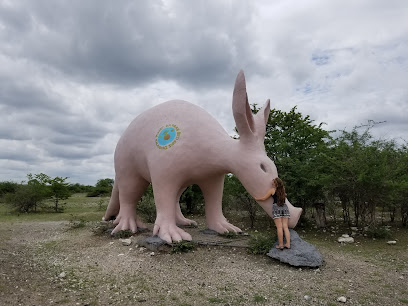
Meno-A-Kwena Tented Camp
57.0 km
Experience Botswana's wildlife at Meno-A-Kwena Tented Camp: stunning views, diverse activities, and a commitment to sustainable tourism on the Boteti River.
Green’s Baobab
57.3 km
Discover Green's Baobab in Botswana: A historical landmark where explorers left their mark on an ancient African icon.
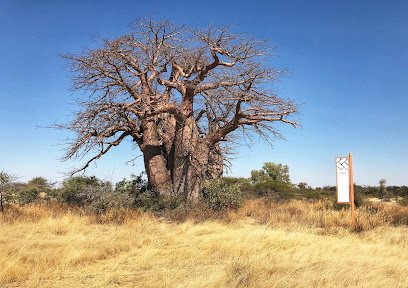
Baobab Chapmana
63.5 km
Explore Baobab Chapmana in Tutume, Botswana - a historical landmark featuring majestic baobab trees and rich local culture.
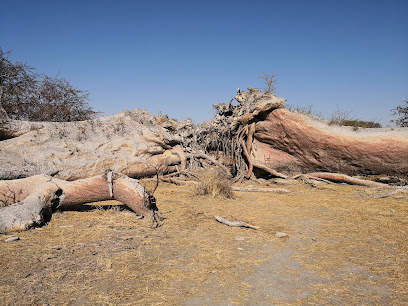
Flughafen
67.0 km
Your starting point for exploring the stunning landscapes and wildlife of Nxai Pan National Park in Botswana.
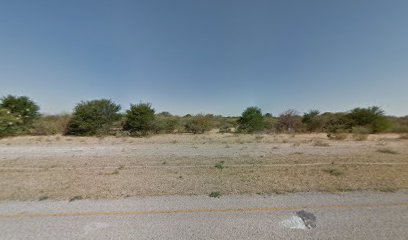
Nwetwe Pan
84.8 km
Discover Botswana's Nwetwe Pan: a seasonal spectacle of wildlife, stunning landscapes, and serene solitude in the heart of the Makgadikgadi.
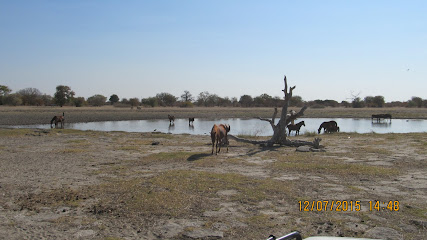
CT/1 Concessionaire (hunting)
85.9 km
Experience Botswana's untamed beauty at CT/1 Concessionaire: a premier wildlife and safari destination for adventurers and nature lovers.
Makgadikgadi Pans
97.4 km
Explore the surreal beauty and vast landscapes of Makgadikgadi Pans, Botswana: wildlife migrations, ancient baobabs, and stark, stunning scenery.
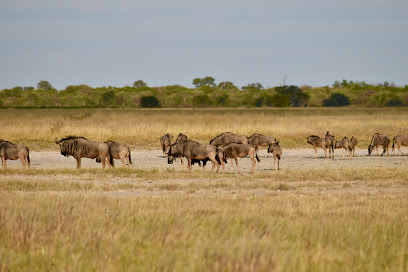
Markets, malls and hidden boutiques

Wings
47.1 km
Explore the vibrant local flavors and artisanal products at Wings in Gweta, a must-visit grocery store for every traveler.
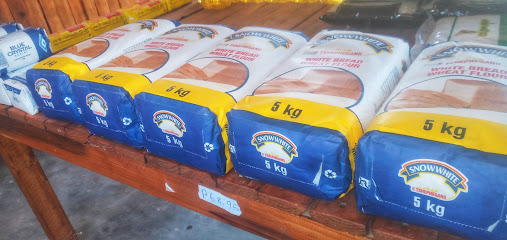
Saverite Gweta
48.5 km
Discover the essence of Botswana with local products at Saverite Gweta - your grocery haven in the heart of Gweta.
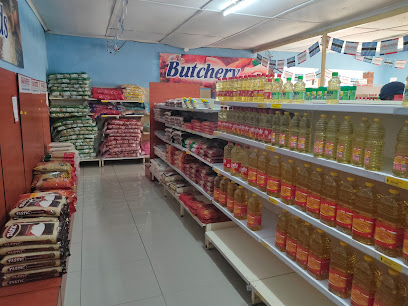
China Shop
48.8 km
Discover local flavors at China Shop in Gweta, a vibrant grocery destination offering a taste of Botswana's culinary delights.
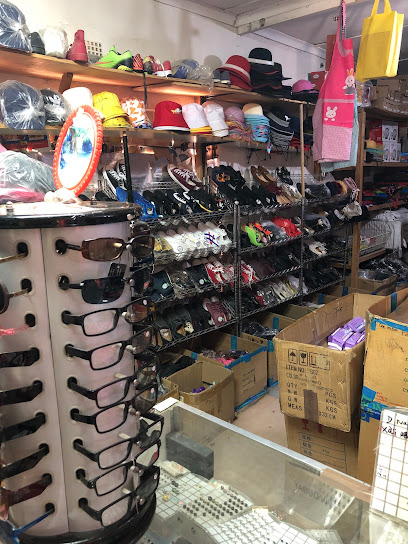
TauTswana
52.4 km
Experience the authentic taste of Botswana at TauTswana, a premier butcher shop in Xhumaga, specializing in locally sourced meats and culinary treasures.
Essential bars & hidden hideouts

Bludot Liquor Store
48.2 km
Discover Bludot Liquor Store in Gweta, Botswana – a serene bar offering excellent service and a perfect retreat for travelers seeking relaxation.
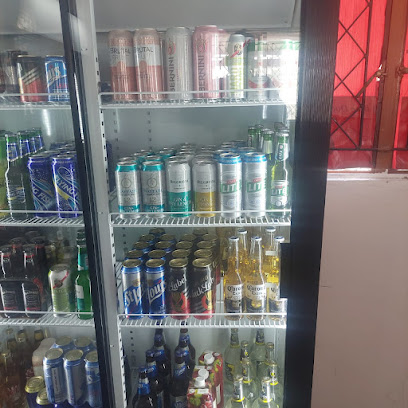
Kwa Ga Xhubus Bar and Grill
48.4 km
Savor the vibrant taste of Botswana at Kwa Ga Xhubus Bar and Grill, the perfect dining destination for tourists in Gweta.
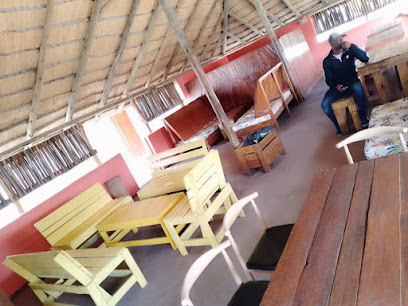
Veracity
48.6 km
Experience the vibrant nightlife and local flavors at Veracity Bar in Gweta, Botswana, a must-visit for all travelers.
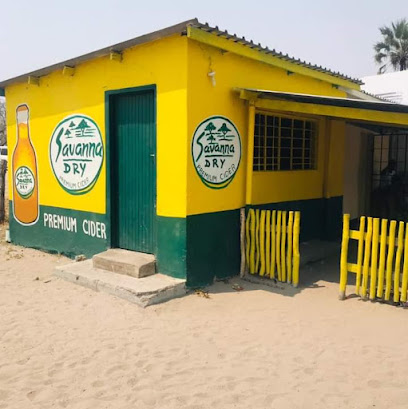
Center Bar
52.0 km
Experience the vibrant nightlife at Center Bar in Xhumaga, where great drinks and an inviting atmosphere await every visitor.


