Makadikadi Basin, Makgadikgadi Pans Travel Guide
Explore the surreal beauty of Botswana's Makgadikgadi Pan: vast salt flats, unique wildlife, and ancient history in the heart of the Kalahari.
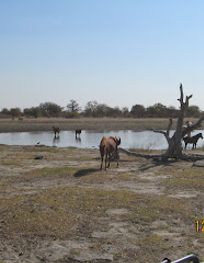
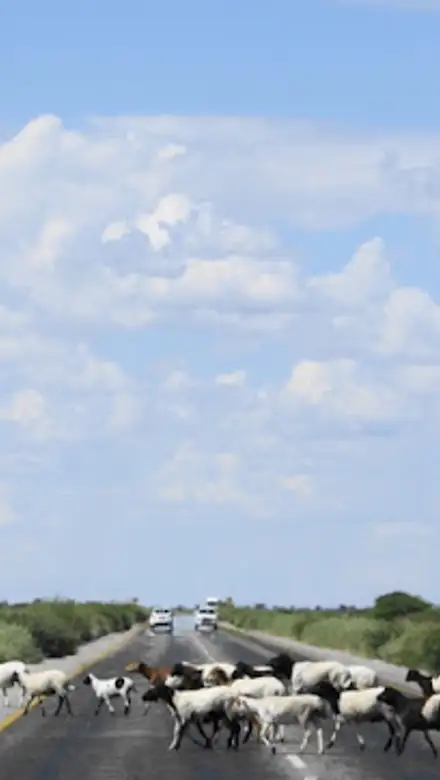
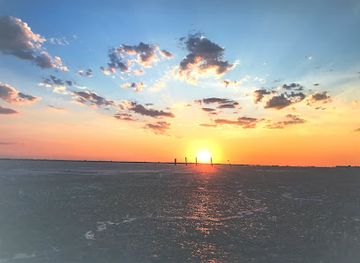
The Makgadikgadi Pan in Botswana, one of the largest salt flats in the world, is what remains of the ancient Lake Makgadikgadi, which was once larger than Switzerland. Today, it's a surreal landscape of expansive, seemingly lifeless plains that seasonally transform into a refuge for wildlife.
A brief summary to Makadikadi Basin
- BW

Know before you go
Hi, I'm Eve. Here are a few practical things to know before exploring Makadikadi Basin.
- The best time to visit for wildlife viewing is during the rainy season (November to April) when the pans fill with water and attract migratory animals.
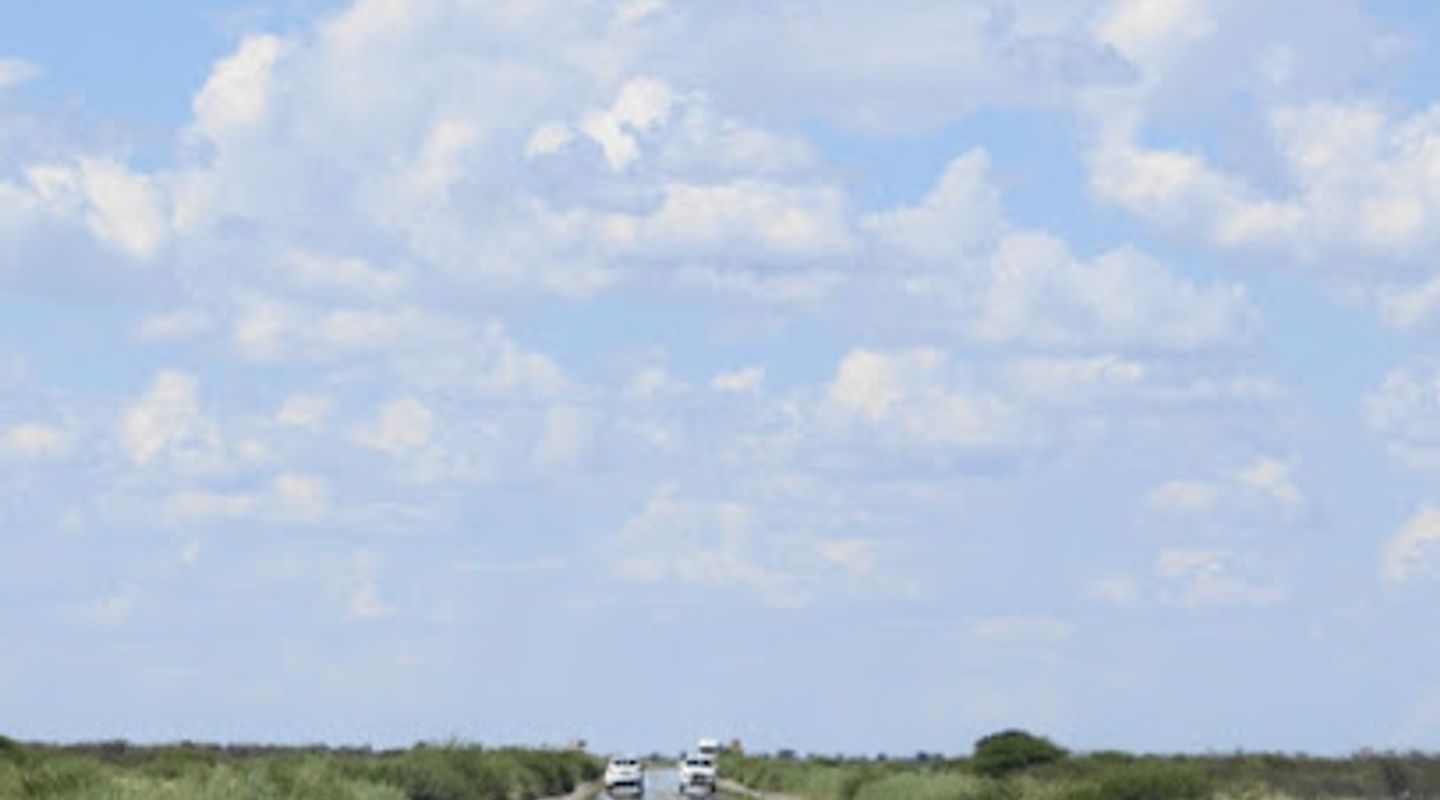
- A 4x4 vehicle is highly recommended for exploring the pans, especially during the wet season when roads can be challenging.
- Bring plenty of water, food, and fuel, as facilities within the national park are limited.
- Consider visiting both Makgadikgadi Pans National Park and Nxai Pan National Park for a more comprehensive experience of the area.
- Respect the environment and wildlife by sticking to designated tracks and avoiding disturbance to breeding colonies of flamingos.
Do you manage this location?
Take control to get all the benefits, like improved information, better appearance, and stronger visibility across AI-powered discovery. Learn more about listing your business on Evendo
Activate your presenceOther nearby places you may find interesting
The closest places of the same kind, if this one is not quite what you had in mind.

Explore Makadikadi Basin on the Map
A handpicked selection of must-see spots near Makadikadi Basin, mapped for you.
Getting There
-
Driving
The most common way to access Makgadikgadi Pan is by 4x4 vehicle. The main entrance to Makgadikgadi Pans National Park is located approximately halfway between Maun and Nata, 45km west of Gweta on the A3 highway. Another entrance is at Xhumaga, about 48km southwest of the park. From the A3, follow the signs to the park entrance gates. Note that roads within the park can be sandy and corrugated, requiring a 4x4 vehicle. Entrance fees are payable at the gate. For international non-residents, the fee is BWP190 (approximately €14 or $15 USD) per person per day, plus BWP75 (approximately €5 or $6 USD) per vehicle per day.
-
Flying
It is possible to fly into one of the airstrips near the park's western boundary via a chartered flight from Maun or Kasane. From the airstrip, you will need to arrange transportation to your accommodation or to explore the pans. Charter flights are typically booked through tour operators as part of a safari package. There are no scheduled flights to Makgadikgadi Pans.
Discover more about Makadikadi Basin













Your all‑in‑one travel companion app
Explore expert travel guides, compare and book tours, experiences, hotels, and more—all from the palm of your hand. Download now for seamless trip planning wherever your wanderlust takes you.


Explore More of Makgadikgadi Pans
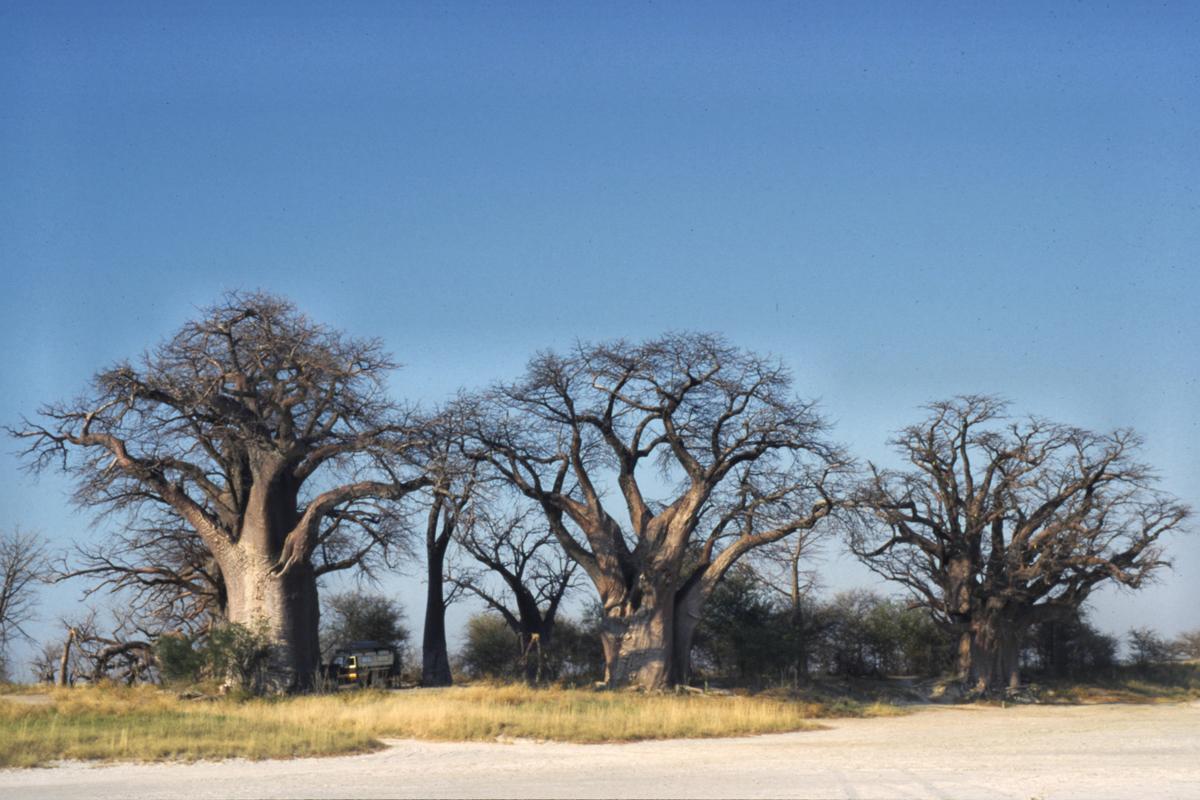
Looking beyond Makadikadi Basin? Discover Makgadikgadi Pans for broader travel guides, local hot-spots, and regional highlights.
Explore Makgadikgadi Pans