Nata Bird Sanctuary, Makgadikgadi Pans Travel Guide
Discover a birding paradise and stunning salt pan landscapes at Nata Bird Sanctuary, a community-run conservation success in Botswana.
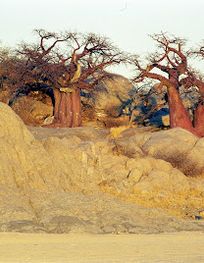
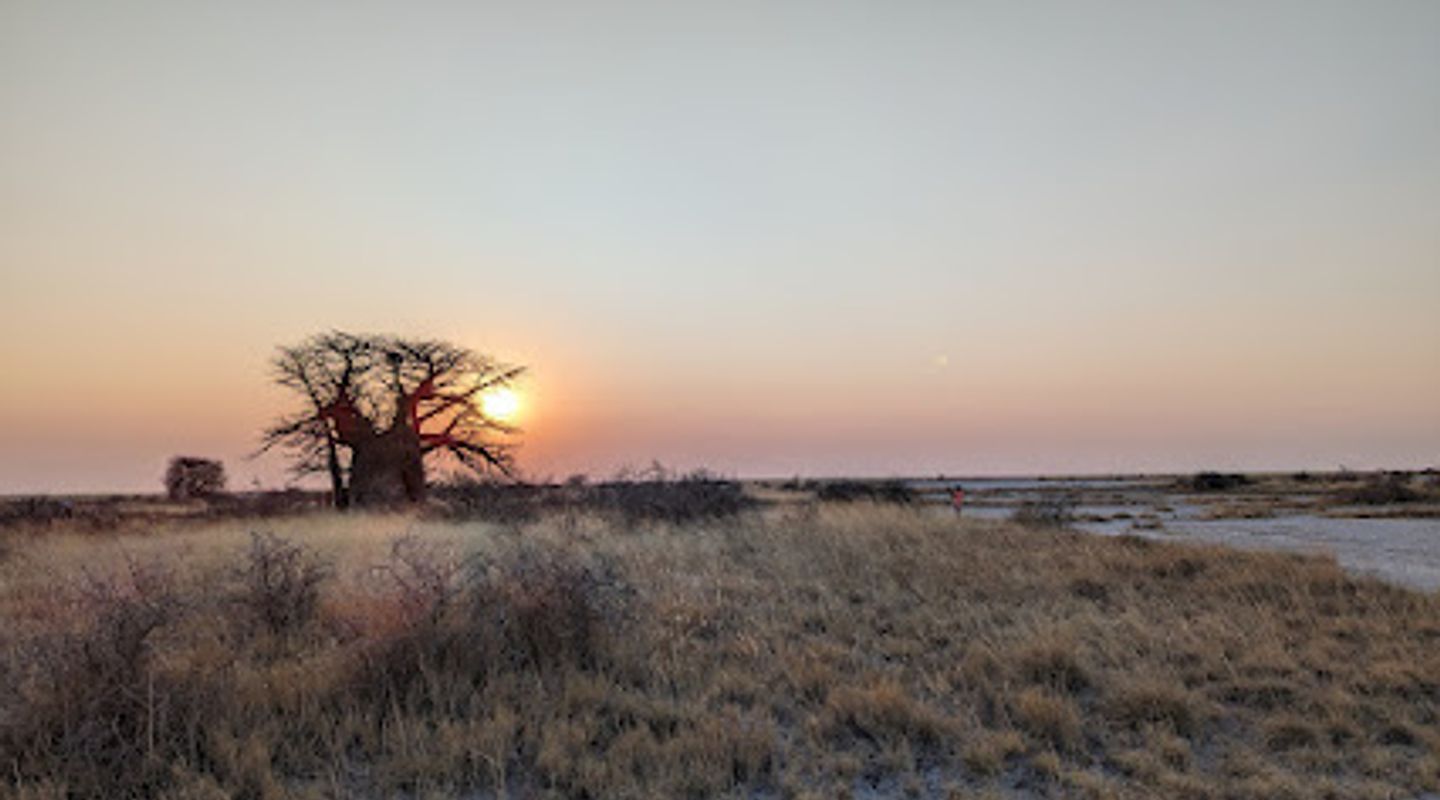
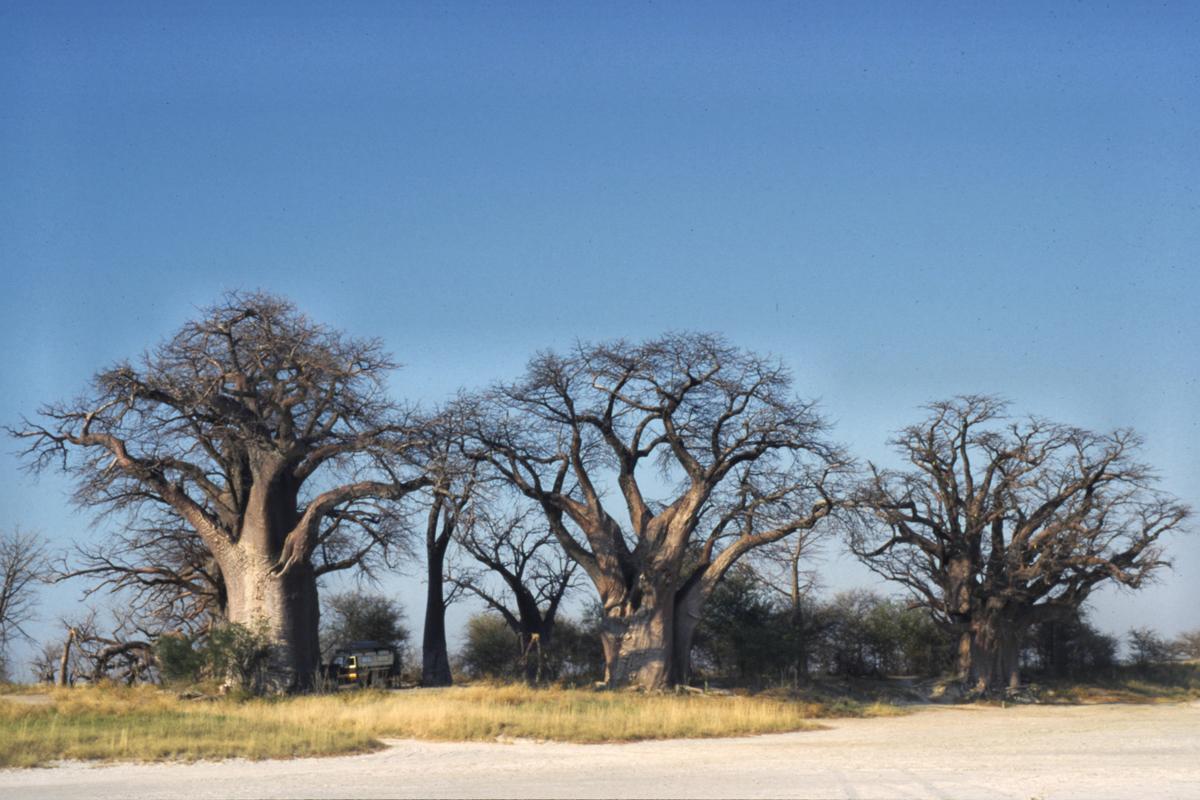
The Nata Bird Sanctuary, a community-managed reserve on the northeastern fringe of the Sowa Pan, protects a vital part of the Makgadikgadi salt pan network. Established in 1993, the sanctuary is home to over 160 bird species, most notably flamingos and pelicans, and offers stunning views of the vast landscape.
A brief summary to Nata Bird Sanctuary
- M773+MJ8, Nata, BW

Know before you go
Hi, I'm Eve. Here are a few practical things to know before exploring Nata Bird Sanctuary.
- Visit during the wet season (November to March) for the best birdwatching opportunities, especially to witness the flamingo breeding season.
- Bring binoculars and a camera with a zoom lens to fully appreciate the diverse birdlife and capture stunning photos.
- A 4x4 vehicle is recommended, especially during the rainy season, to navigate the potentially challenging road conditions within the sanctuary.
- Bring cash in Botswana Pula (BWP) to pay the entrance and vehicle fees at the gate.
Do you manage this location?
Take control to get all the benefits, like improved information, better appearance, and stronger visibility across AI-powered discovery. Learn more about listing your business on Evendo
Activate your presenceOther nearby places you may find interesting
The closest places of the same kind, if this one is not quite what you had in mind.

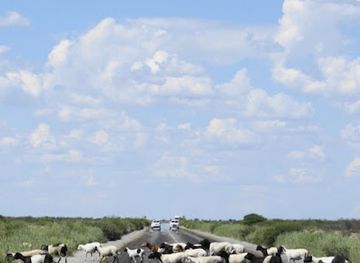
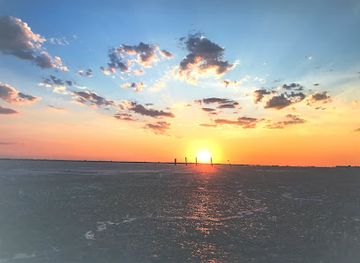
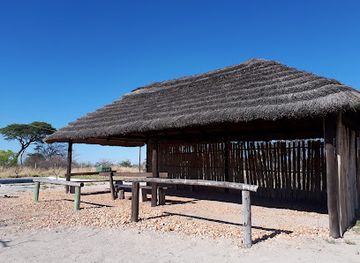
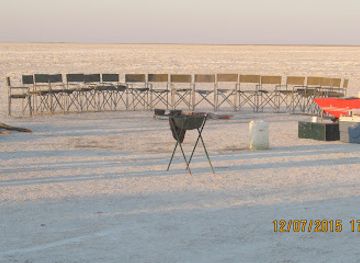
Explore Nata Bird Sanctuary on the Map
A handpicked selection of must-see spots near Nata Bird Sanctuary, mapped for you.
Getting There
-
Driving
From Nata village, head south on the A3 road. After approximately 10 km, you will see signs directing you to the Nata Bird Sanctuary (M773+MJ8). Follow the dirt road for a few kilometers to the sanctuary entrance. Note that a 4x4 vehicle may be required during the rainy season. Entrance fees are BWP 100 per person for non-residents, BWP 70 for Botswana residents, and BWP 50 for citizens. There is also a vehicle fee of BWP 35 for non-residents and BWP 30 for citizens. Ensure you have cash in Botswana Pula.
-
Taxi
From Nata village, hire a local taxi for a round trip to Nata Bird Sanctuary. Negotiate the fare beforehand, typically ranging from BWP 100 to BWP 150. The taxi will take you to the sanctuary entrance, where you will need to pay the entrance fees: BWP 100 per person for non-residents, BWP 70 for Botswana residents, and BWP 50 for citizens. There is also a vehicle fee of BWP 35 for non-residents and BWP 30 for citizens. Confirm with the taxi driver whether the agreed fare includes waiting time while you visit the sanctuary.
Discover more about Nata Bird Sanctuary













Your all‑in‑one travel companion app
Explore expert travel guides, compare and book tours, experiences, hotels, and more—all from the palm of your hand. Download now for seamless trip planning wherever your wanderlust takes you.


Explore More of Makgadikgadi Pans
Looking beyond Nata Bird Sanctuary? Discover Makgadikgadi Pans for broader travel guides, local hot-spots, and regional highlights.
Explore Makgadikgadi Pans