From Eve
Know before you go
Hi, I'm Eve. Here are a few practical things to know before exploring Nxai Pan.
Local know-how to help you travel smarter and make the most of every moment.

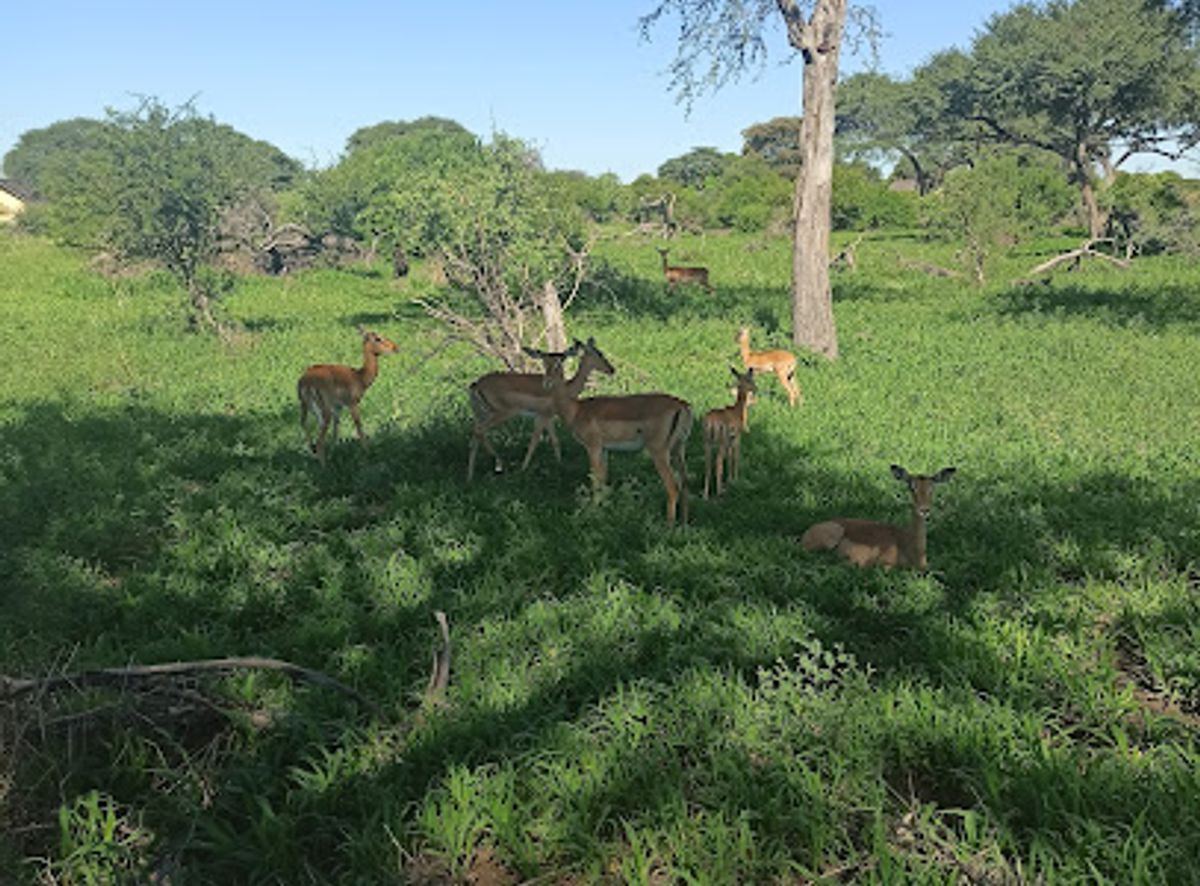
Discover Botswana's hidden gem: Nxai Pan, where dramatic landscapes and thrilling wildlife encounters await in an ancient salt pan setting.
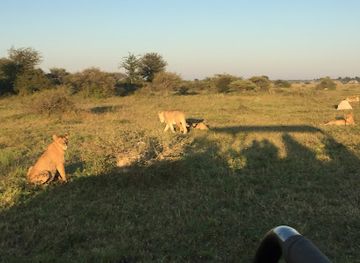
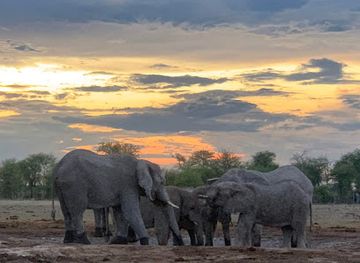
Nxai Pan, a fossil lakebed in Botswana's Makgadikgadi basin, transforms seasonally from a barren expanse to a lush grassland, attracting massive migrations of zebra, wildebeest, and predators. Explore its stark beauty, iconic baobab trees, and experience the raw African wilderness.
Opening times, essentials, and a few local tips gathered into one calmer, easier-to-scan planning section.
Hi, I'm Eve. Here are a few practical things to know before exploring Nxai Pan.
Local know-how to help you travel smarter and make the most of every moment.
Road
Nxai Pan National Park is accessible via the A3 highway between Maun and Nata. The entrance gate is approximately 140 km east of Maun and 160 km west of Nata. A 4x4 vehicle is highly recommended due to sandy and potentially muddy road conditions, especially during the rainy season. Park entry fees are approximately $10 USD per person per day, plus $4.20 USD per vehicle. Payment in Botswana Pula (BWP) is also accepted. Note that credit card facilities may not be available, so it's best to have cash on hand.
Use Nxai Pan as your starting point for nearby food, family ideas, nightlife, and more local discoveries.

Explore expert travel guides, compare and book tours, experiences, hotels, and more—all from the palm of your hand. Download now for seamless trip planning wherever your wanderlust takes you.
Discover Moremi Game Reserve: A wildlife haven in Botswana's Okavango Delta, teeming with diverse species and breathtaking landscapes.
Tell me more about Moremi Game Reserve