

Free Fortaleza Travel Guide & Mobile App
Plan your Fortaleza trip with Evendo. Get free guides to top attractions, restaurants, hotels, and bars. Web access or download the mobile app.


Fortaleza, Brazil blends Atlantic beaches, Ceará cuisine, historic quarters, lively culture and easy access to coastal landscapes for memorable sightseeing.
Coastal Character
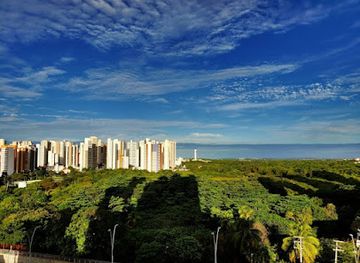
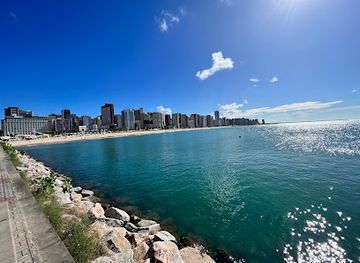
Fortaleza stretches along Brazil’s northeastern coast, where broad urban beaches, warm Atlantic water and a steady tropical breeze shape the rhythm of daily life. The capital of Ceará is a large, energetic city, but its most visited areas are easy to understand: the seafront runs from the central waterfront and Praia de Iracema towards Meireles and Mucuripe, while the historic centre lies inland around the cathedral, markets and former railway district. Avenida Beira-Mar is the city’s principal promenade, used for walking, cycling, sea views and access to evening food stalls and craft sellers.Read more about Fortaleza
History and City Life
Culture, Food and the Coast
When is the best time to visit Fortaleza?
Best: June–August · 30°C| Month | High (°C) | Rainfall (mm) |
|---|---|---|
| January | 31 | 0 |
| February | 31 | 0 |
| March | 31 | 0 |
| April | 31 | 0 |
| May | 31 | 1 |
| June (best) | 30 | 1 |
| July (best) | 30 | 1 |
| August (best) | 30 | 1 |
| September | 31 | 1 |
| October | 31 | 0 |
| November | 31 | 0 |
| December | 31 | 0 |
Getting to and around Fortaleza
How to get there
Transportation
Best attractions in Fortaleza
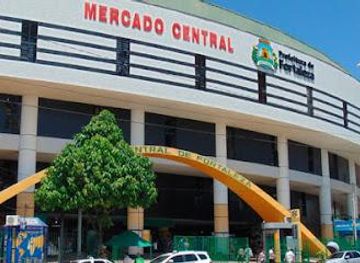
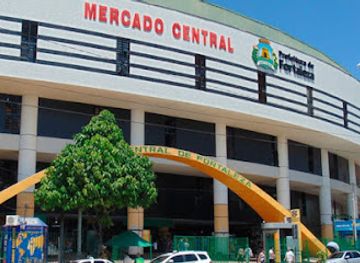
Fortaleza’s attractions range from seafront promenades to museums, markets and cultural venues. Avenida Beira-Mar provides the city’s most accessible introduction, with views across the Atlantic, walking and cycling areas, and the Feira de Artesanato da Beira-Mar, where Ceará crafts and lace are sold. In Praia de Iracema, Centro Cultural Dragão do Mar combines exhibition spaces, cinemas, a planetarium and performance venues within a lively cultural complex. The historic centre leads towards Mercado Central, a large marketplace for lace, leather, food products and souvenirs, while the Museu do Ceará offers context on the state’s history. The Catedral Metropolitana de Fortaleza and Fortaleza de Nossa Senhora de Assunção add historic depth near the centre, and Theatro José de Alencar provides a striking example of the city’s theatrical and architectural heritage. Mucuripe brings a working waterfront perspective, with fishing boats and coastal views distinct from the hotel-lined promenade.
-
Water park
Beach Park
Experience thrilling water rides and beachfront relaxation at one of Latin America's top water parks, a must-visit destination in Aquiraz, Ceará.
40 min drive · 20 km from city centre
-
Market
Mercado Central de Fortaleza
Discover a vibrant marketplace in Fortaleza with over 600 shops offering local crafts, souvenirs, and regional products for an authentic Brazilian experience.
12 min walk · 1.0 km from city centre
-
Stadium
Arena Castelão
Experience the passion of Brazilian football at Arena Castelão, a historic stadium and vibrant event venue in Fortaleza, Ceará.
25 min drive · 8.4 km from city centre
-
Tourist attraction
Parque Estadual do Cocó
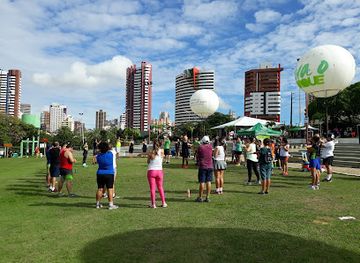
Escape to nature in the heart of Fortaleza at Parque Estadual do Cocó, a vast urban park with trails, wildlife, and recreational activities.
14 min drive · 4.7 km from city centre


Best landmarks in Fortaleza
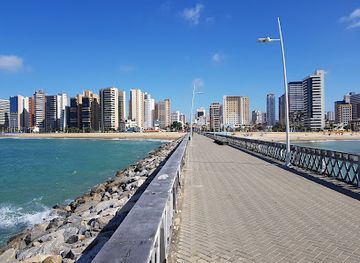
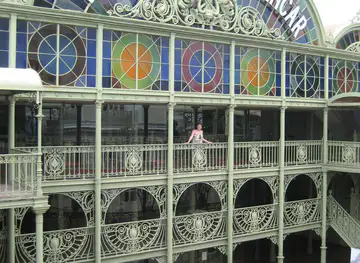
Fortaleza de Nossa Senhora de Assunção is the city’s foundational military landmark, occupying the site associated with the fortifications that gave Fortaleza its name. Nearby, Catedral Metropolitana de Fortaleza dominates the central skyline with its monumental twentieth-century form and remains an important religious and civic reference. Theatro José de Alencar, opened in 1910, is distinguished by its ornate theatre design and cast-iron structure, reflecting the cosmopolitan ambitions of the early twentieth-century city. In Praia de Iracema, Ponte dos Ingleses is a historic pier associated with the waterfront’s changing role, although its condition and access can vary. The Mercado Central represents Fortaleza’s commercial traditions through its extensive craft and food stalls, while Centro Cultural Dragão do Mar symbolises a later shift towards museums, performance and cultural use in the old coastal district. Together these sites connect colonial defence, religious life, commerce, architecture and modern cultural identity.
-
Market
Mercado Central de Fortaleza
Discover a vibrant marketplace in Fortaleza with handicrafts, souvenirs, and local flavors at Mercado Central de Fortaleza.
12 min walk · 1.0 km from city centre
-
State park
Parque Estadual do Cocó
Discover Fortaleza's green heart: Parque Estadual do Cocó, a vast urban oasis with trails, boat trips, and rich biodiversity.
14 min drive · 4.7 km from city centre
-
Tourist attraction
Aterro da Praia de Iracema
Experience the vibrant atmosphere of Fortaleza's Aterro da Praia de Iracema, a coastal paradise blending culture, leisure, and stunning ocean views.
7 min drive · 2.4 km from city centre
-
Handicraft fair
Feirinha da Beira Mar
Discover unique handicrafts, local flavors, and the vibrant culture of Ceará at Fortaleza's lively oceanfront marketplace.
10 min drive · 3.4 km from city centre
Explore Fortaleza on the map
Plan your Fortaleza trip on one map. See where the top attractions, landmarks, restaurants, bars and hotels are, find what's near where you're staying, and book hotels and experiences in a few clicks.
Neighbourhoods in Fortaleza
-

-
-

-

-


Swipe for more neighbourhoods
Best hotels in Fortaleza
Best restaurants in Fortaleza
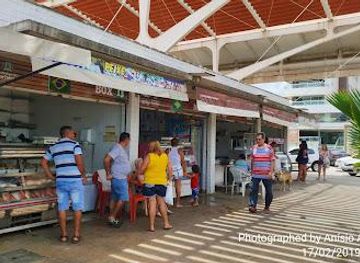
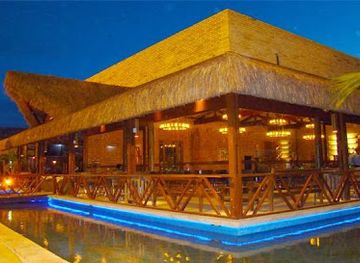
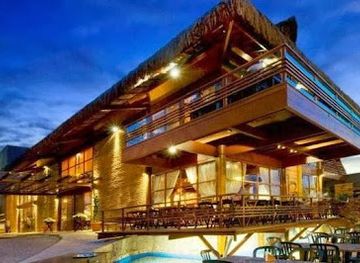
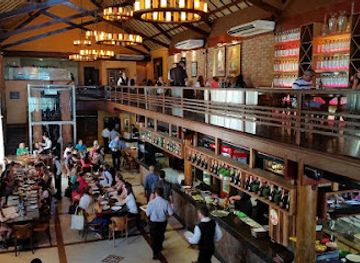
Fortaleza’s food culture draws on Ceará’s coast, dry interior and Indigenous, African and Portuguese influences. Seafood is prominent, particularly peixe, prawns, crab and lobster, while inland traditions appear in carne de sol, sun-dried beef, baião de dois—a combination of rice and beans—and feijão-verde. Tapioca, made from cassava starch, is a common breakfast or snack, and cuscuz, grilled cheese and fried pastries appear in everyday cafés and markets. Fresh coconut, cashew and other tropical fruits are used in juices, sweets and drinks. Along the waterfront, informal kiosks and restaurants serve seafood and regional dishes, while Varjota and Meireles have a broad selection of contemporary Brazilian and international dining. Mercado Central and other central markets are useful for tasting or buying local ingredients, though the most characteristic meals are often found in straightforward family restaurants rather than formal dining rooms.
-
Seafood
Mercado dos Peixes de Fortaleza
Fresh Ceará seafood market on Fortaleza's Beira Mar, where you snag shrimp and fish from vendors, grill them on-site, and dine with epic Mucuripe sunsets amid salty breezes and lively trade.
16 min drive · 5.3 km from city centre
-
Seafood
Coco Bambu Sul
Discover exquisite seafood at Coco Bambu Sul – where Brazilian flavors meet exceptional dining experiences in Fortaleza.
25 min drive · 8.2 km from city centre
-
Seafood
Coco Bambu Beira Mar
Experience exquisite seafood dining at Coco Bambu Beira Mar in Fortaleza—where Brazilian flavors meet breathtaking ocean views.
13 min drive · 4.4 km from city centre
-
Seafood
Coco Bambu - Meireles
Experience the best of Brazilian seafood at Coco Bambu - Meireles; where fresh flavors meet lively entertainment in Fortaleza.
12 min drive · 3.9 km from city centre
Best bars in Fortaleza
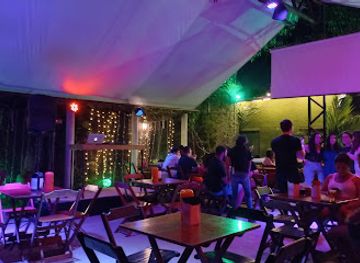
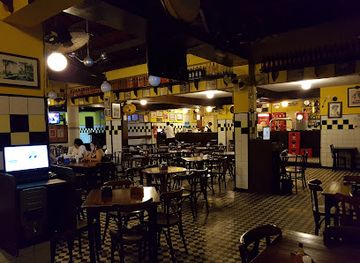
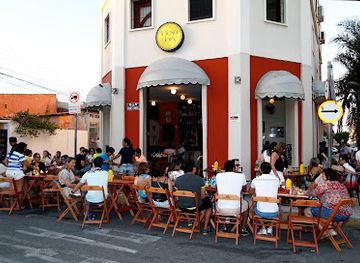
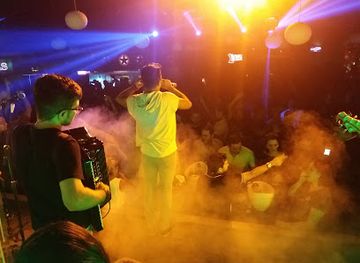
Fortaleza’s evening life is concentrated in Praia de Iracema, Varjota, Meireles and the cultural surroundings of Dragão do Mar. Praia de Iracema offers bars, live music and late-night venues near the seafront, while Dragão do Mar brings cinema, theatre and cultural programming alongside cafés and bars. Varjota is known for a dense restaurant-and-bar scene, with a mixture of relaxed social venues and more energetic late evenings. Forró, the northeastern music and dance tradition, appears in selected venues and cultural events, although the city’s nightlife also includes Brazilian popular music, rock, electronic music and comedy. The waterfront is more suited to an early evening walk and a drink than to uninterrupted nightlife, and visitors should use established venues and booked transport after dark.
-
Bar
The Bar Pub and restaurant
Experience the vibrant nightlife of Fortaleza at The Bar Pub, where delicious food and drinks meet a lively atmosphere.
23 min drive · 7.6 km from city centre
-
Cocktail bar
Barbarians Pub
Experience the vibrant spirit of Fortaleza at Barbarians Pub, a cocktail bar known for its creative drinks and lively atmosphere.
5 min drive · 1.7 km from city centre
-
Bar
Boteco Pub
Discover the vibrant nightlife and delicious cuisine at Boteco Pub in Fortaleza, where every visit is a celebration of Brazilian culture.
11 min drive · 3.8 km from city centre
-
Cocktail bar
Teresa & Jorge
Experience the vibrant flavors of Brazil at Teresa & Jorge, a charming cocktail bar and restaurant in the heart of Fortaleza.
5 min drive · 1.7 km from city centre

Best nightclubs in Fortaleza
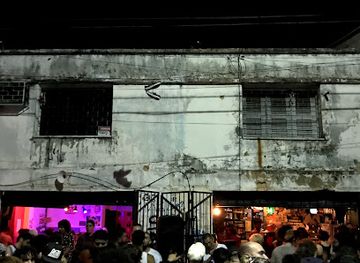
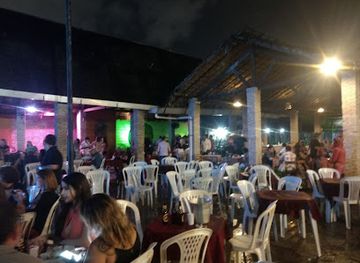
Fortaleza’s evening life is concentrated in Praia de Iracema, Varjota, Meireles and the cultural surroundings of Dragão do Mar. Praia de Iracema offers bars, live music and late-night venues near the seafront, while Dragão do Mar brings cinema, theatre and cultural programming alongside cafés and bars. Varjota is known for a dense restaurant-and-bar scene, with a mixture of relaxed social venues and more energetic late evenings. Forró, the northeastern music and dance tradition, appears in selected venues and cultural events, although the city’s nightlife also includes Brazilian popular music, rock, electronic music and comedy. The waterfront is more suited to an early evening walk and a drink than to uninterrupted nightlife, and visitors should use established venues and booked transport after dark.
-
Night club
The Lights
Discover the vibrant nightlife at The Lights Night Club in Fortaleza, where music, dance, and fun come alive every weekend.
16 min walk · 1.3 km from city centre
-
Night club
Kukukaya - Bar and Restaurant
Experience the vibrant nightlife of Fortaleza at Kukukaya, a lively bar and restaurant with live music and delicious cuisine.
7 min drive · 2.5 km from city centre
-
Night club
Gandaia Bar & Club
Experience the vibrant nightlife at Gandaia Bar & Club in Fortaleza, where music, cocktails, and a welcoming atmosphere come together for unforgettable evenings.
16 min walk · 1.3 km from city centre
-
Night club
Austin Pub
Dive into the vibrant nightlife of Fortaleza at Austin Pub, a premier night club that promises unforgettable music and a lively atmosphere.
11 min drive · 3.7 km from city centre

Best shops in Fortaleza
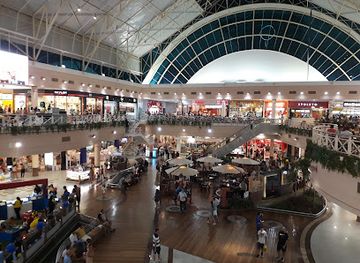
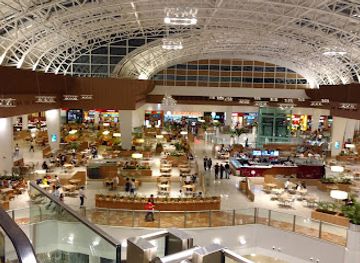
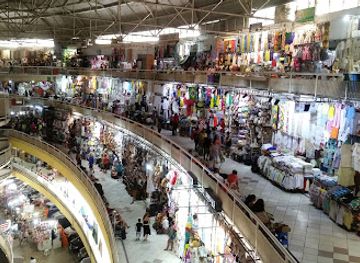
Shopping in Fortaleza combines central markets, specialist streets, craft stalls and large modern retail centres. Mercado Central is the most recognisable traditional marketplace, offering Ceará lace, embroidery, leather goods, woven items, hammocks, food products and small souvenirs in a multi-level setting. Feira de Artesanato da Beira-Mar is convenient for browsing regional crafts beside the ocean, while Avenida Monsenhor Tabosa is associated with clothing, shoes and locally oriented retail near Praia de Iracema. The central Mercado São Sebastião is more closely tied to everyday produce and prepared foods than to tourism, but it offers a useful glimpse of local commerce. In Aldeota and surrounding districts, shopping centres provide national chains, services and air-conditioned browsing, while independent boutiques and contemporary brands are found in commercial areas such as Meireles. Bargaining is more likely in informal markets than in fixed-price shops.
-
Shopping mall
Iguatemi
Iguatemi is a premier shopping destination in Fortaleza, offering a unique blend of retail, dining, and entertainment for an unforgettable experience.
15 min drive · 4.9 km from city centre
-
Shopping mall
Shopping RioMar Fortaleza
Discover Shopping RioMar Fortaleza, the ultimate destination for shopping, dining, and entertainment in Brazil's vibrant coastal city.
19 min drive · 6.3 km from city centre
-
Market
Mercado Central de Fortaleza
Explore the Mercado Central de Fortaleza: A lively marketplace brimming with local crafts, delicious food, and cultural treasures in the heart of Ceará.
12 min walk · 1.0 km from city centre
-
Shopping mall
Shopping Parangaba
Discover the vibrant shopping experience at Shopping Parangaba in Fortaleza, where retail, dining, and entertainment come together in one exciting destination.
19 min drive · 6.3 km from city centre
Get your free copy of our complete guide to Fortaleza, delivered straight to you.
Everything on this page, from attractions and restaurants to essentials and local phrases, in one PDF you can read offline, print or share.
Already have an account? Sign in
Your Fortaleza guide is ready.
We'll send it to · Not you? Sign out

Getting your guide ready…
We are putting together a fresh copy of the Fortaleza guide. This can take up to a minute.
This can take a few moments. If your browser asks, choose Allow so the download can start. You'll find the guide in your Downloads folder.
Nothing happened? Download it again
Sorry, the guide is taking longer than usual. Please try again in a minute, or get it by email instead.
Fortaleza essentials
Currency and Payment
Safety
Emergency Situations
Do's and Don'ts
Local Tips
From Eve
Local phrases worth knowing
You don't need to get them perfect. A few words go a long way, and locals appreciate the effort.
Basics
| English | Local | Say it |
|---|---|---|
| Hello | Oi | [oy] |
| Goodbye | Tchau | [chow] |
| Yes | Sim | [seem] |
| No | Não | [now] |
| Please/You're welcome | Por favor/De nada | [pohr fah-vohr/deh nah-dah] |
| Thank you | Obrigado/Obrigada | [oh-bree-gah-doh/oh-bree-gah-dah] |
| Excuse me/Sorry | Com licença/Desculpe | [kohm lee-sen-sah/dehs-kool-peh] |
| How are you? | Como vai? | [koh-moh vah-ee] |
| Fine. And you? | Bem. E você? | [beng. eh voh-say] |
| Do you speak English? | Você fala inglês? | [voh-say fah-lah een-glehz] |
| I don't understand | Eu não entendo | [eh-oo now ehn-ten-doh] |
Eating & Drinking
| English | Local | Say it |
|---|---|---|
| I'd like to see the menu, please | Eu gostaria de ver o cardápio, por favor | [eh-oo goh-stah-ree-ah jee veh ooh kahr-dah-pee-oh, pohr fah-vohr] |
| I don't eat meat | Eu não como carne | [eh-oo now koh-moh kahr-nee] |
| Cheers! | Saúde! | [sah-ooh-day] |
| I would like to pay, please | Eu gostaria de pagar, por favor | [eh-oo goh-stah-ree-ah jee pah-gahr, pohr fah-vohr] |
Emergencies
| English | Local | Say it |
|---|---|---|
| Help! | Socorro! | [soh-koh-roh] |
| Go away! | Vá embora! | [vah ehm-boh-rah] |
| Call the Police! | Chame a polícia! | [shah-mee ah poh-lee-see-ah] |
| Call a doctor! | Chame um médico! | [shah-mee oom meh-dee-koh] |
| I'm lost | Estou perdido | [ehs-toh pehr-dee-doh] |
| I'm ill | Estou doente | [ehs-toh doh-ehn-teh] |
Shopping
| English | Local | Say it |
|---|---|---|
| I'd like to buy... | Eu gostaria de comprar... | [eh-oo goh-stah-ree-ah jee kohm-prahr...] |
| I'm just looking | Eu só estou olhando | [eh-oo soh ehs-toh oh-lyahn-doh] |
| How much is it? | Quanto custa? | [kwahn-toh koos-tah] |
| That's too expensive | Isso é muito caro | [ee-soh eh moo-ee-toh kah-roh] |
| Can you lower the price? | Você pode baixar o preço? | [voh-say poh-deh bah-ee-shahr ooh preh-soh] |
Time & Numbers
| English | Local | Say it |
|---|---|---|
| What time is it? | Que horas são? | [kee oh-rahz sah-ooh] |
| It's one o'clock | É uma hora | [eh oo-mah oh-rah] |
| Half past (10) | Meio-dia e meia (10) | [may-oh dee-ah ee may-ah (10)] |
| Morning | Manhã | [mahn-yah] |
| Afternoon | Tarde | [tahr-deh] |
| Evening | Noite | [noy-chee] |
| Yesterday | Ontem | [ohn-tem] |
| Today | Hoje | [oh-zhay] |
| Tomorrow | Amanhã | [ah-mahn-yah] |
| 1 | Um | [oom] |
| 2 | Dois | [doh-eez] |
| 3 | Três | [trehz] |
| 4 | Quatro | [kwah-troh] |
| 5 | Cinco | [seen-koh] |
| 6 | Seis | [say-eez] |
| 7 | Sete | [set-ee] |
| 8 | Oito | [oy-toh] |
| 9 | Nove | [noh-veh] |
| 10 | Dez | [dehz] |
Transport & Directions
| English | Local | Say it |
|---|---|---|
| Where's a/the...? | Onde fica o/a...? | [ohn-jee fee-kah oh/ah...?] |
| What's the address? | Qual é o endereço? | [kwah-lee oh ehn-deh-reh-soh?] |
| Can you show me (on the map)? | Você pode me mostrar (no mapa)? | [voh-say poh-deh meh moh-strahr (noh mah-pah)?] |
| When's the next (bus)? | Quando é o próximo (ônibus)? | [kwahn-doh eh oh proh-see-moh (oh-nee-boos)?] |
| A ticket (to ....) | Um bilhete (para ....) | [oom bee-lyeh-chee (pah-rah ....)] |
History of Fortaleza
Indigenous Coast and Early Colonisation
Before Portuguese colonisation, the coast and hinterland of present-day Ceará were inhabited by Indigenous peoples, including groups identified in colonial records as the Potiguara and Tremembé. Portuguese settlement developed slowly compared with Brazil’s northeastern sugar zones, partly because the semi-arid interior and difficult coastal conditions limited early expansion. European occupation brought missions, military outposts and pressure on Indigenous communities, while the coastline became part of wider Atlantic networks linking northeastern Brazil to Portugal and other colonial territories. The region’s history therefore began through cultural encounter and conflict rather than through the immediate creation of a large urban centre.
Fort Schoonenborch and Portuguese Rule
The settlement that became Fortaleza took shape around a fort on the banks of the Pajeú stream. Dutch forces established Fort Schoonenborch in 1649 during their attempt to control parts of northeastern Brazil, but Portuguese forces recovered the site in 1654 after the Dutch withdrawal. The fort was renamed Fortaleza de Nossa Senhora da Assunção, a name that survives in the city’s principal historic military landmark. For much of the colonial period, the settlement remained modest and economically secondary to other northeastern centres, yet its defensive position helped establish it as a point of authority on Ceará’s coast.
The Rise of the Provincial Capital
Fortaleza was formally elevated to city status in 1726 and gradually became the administrative centre of Ceará. Its importance grew as inland cattle raising connected the sertão, or dry interior, with the coast, bringing livestock, leather and agricultural products into expanding commercial networks. The city’s position strengthened further during the nineteenth century, when improvements in trade and the export of cotton linked Ceará to international markets. Public buildings, churches, commercial streets and civic institutions expanded around the central area, creating much of the urban framework that visitors associate with historic Fortaleza.
Abolition and Social Change
Ceará became the first Brazilian province to abolish slavery, on 25 March 1884, four years before abolition was enacted nationally. The movement involved formerly enslaved people, abolitionist activists, journalists, intellectuals and workers, with the jangadeiro Francisco José do Nascimento, known as Dragão do Mar, becoming an enduring symbol after refusing to transport enslaved people from Fortaleza’s port. Abolition did not remove social inequality, and the province remained marked by poverty, drought and exclusion, but the event became central to Ceará’s public memory and is reflected in institutions and commemorations across the city.
Cotton, Port Commerce and Modernisation
In the late nineteenth and early twentieth centuries, cotton exports, commercial growth and improved communications accelerated Fortaleza’s transformation. Railway links connected the capital with parts of the interior, while the port at nearby Mucuripe later assumed increasing importance for maritime trade. The period produced new civic and cultural buildings, including Theatro José de Alencar, opened in 1910, whose iron architecture reflects the international influences entering the expanding city. Urban improvements also widened social divisions, as modern central avenues and formal institutions developed alongside poorer districts shaped by migration from drought-affected areas.
A Twenty-First-Century Coastal Metropolis
Fortaleza expanded rapidly during the twentieth century as Ceará’s political, commercial and cultural capital. Population growth brought new residential districts, shopping areas, hotels and transport infrastructure, while the waterfront became a major focus of leisure and tourism. Praia de Iracema changed from a traditional seaside area into a cultural and entertainment quarter, and Avenida Beira-Mar developed as a prominent public promenade. Contemporary Fortaleza still carries the effects of drought-driven migration, uneven urban development and coastal expansion, while its museums, theatres, markets, music and cuisine express a distinct Ceará identity.
Fortaleza in Photos
Browse through our photo collection highlighting the charm and character of the destination.
Cities near Fortaleza
The closest cities to Fortaleza, if you have time for more than one stop.
-

-

-

-

-


Swipe for more cities

