

Centro (Fortaleza) Travel Guide - Free
Explore Centro in Fortaleza with Evendo's free guide. Find the best shops, historic streets, restaurants, and gems on web or mobile.


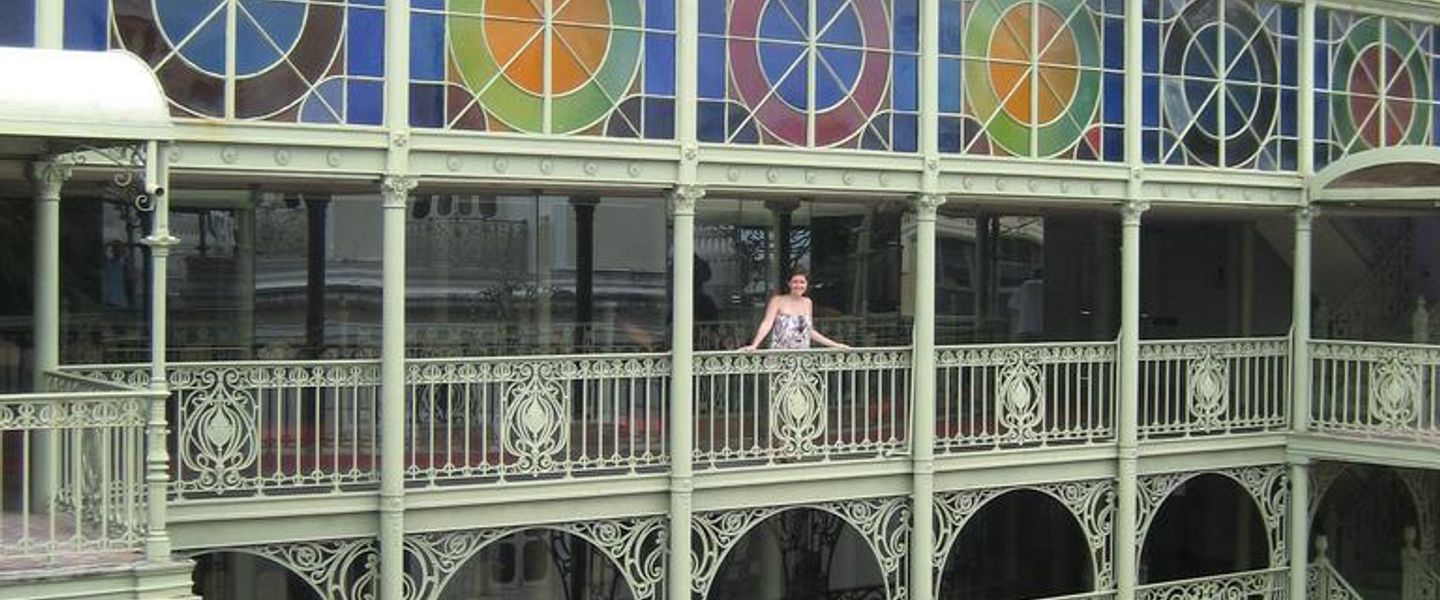


Centro, Fortaleza, brings together Mercado Central, historic squares, theatres, museums, craft shopping and easy links to Ceará’s cultural life.
Historic Core and Civic Life
Centro is Fortaleza’s traditional commercial and civic heart, occupying the inland side of the city centre between the expanding downtown streets and the older waterfront quarters. Its busiest avenues are shaped by trade, public transport and everyday errands rather than resort tourism: Rua Major Facundo, Rua Guilherme Rocha and the surrounding pedestrian passages lead through a dense mixture of shops, offices, churches, markets and historic buildings. Praça do Ferreira remains the area’s principal urban reference, while nearby Passeio Público offers a more spacious setting beneath mature trees.Read more about Centro
Theatre, Markets and Memory
A Working Downtown
Explore Centro on the map
A handpicked selection of must-see spots in Centro, mapped for you.
Best hotels in Centro
Centro essentials
Getting There
Getting Around
Safety
Emergency Situations
Do's and Don'ts
Local Tips
History of Centro
The Fort and the First Settlement
The area that became Centro developed inland from the early settlement associated with the Fortaleza de Nossa Senhora da Assunção, the fort that gave the city its name. The fort itself stands in the adjacent Praia de Iracema area, but its presence shaped the first urban pattern and the gradual concentration of religious, administrative and commercial functions around the central plateau. Fortaleza was elevated to village status in 1726 and later became a city in 1823, as its role within Ceará expanded. Centro’s importance therefore grew from its position between the original coastal settlement, inland routes and the institutions governing the province, rather than from a single planned foundation.
Squares and Commercial Expansion
During the nineteenth century, Fortaleza’s urban core acquired the public squares, churches, civic buildings and commercial streets that still define Centro. Praça do Ferreira became an important meeting place and reference point, while the area around Passeio Público developed as a formal public promenade. Improved roads and the growth of regional trade drew merchants, services and residents towards the centre. The district’s buildings changed repeatedly as prosperity, drought-related migration and expanding administrative importance altered the city, creating a layered streetscape in which modest commercial premises stand beside religious and institutional architecture.
Railways, Theatre and the Modern City
Rail transport strengthened Centro’s role as Fortaleza’s principal urban exchange point in the late nineteenth and early twentieth centuries. The railway complex around Estação João Felipe connected the capital with Ceará’s interior and helped organise flows of passengers and goods. The opening of Teatro José de Alencar in 1910 marked another stage in the district’s cultural development, introducing an ambitious performance venue with a celebrated metal structure. Together, the railway, theatre, markets and civic squares made Centro a place where commerce, public administration, entertainment and regional connections met.
Changing Downtown Identity
In the twentieth and early twenty-first centuries, residential and commercial activity spread towards other parts of Fortaleza, while Centro remained a major destination for retail, public transport and popular commerce. Parts of the historic building stock suffered alteration, vacancy or deterioration, even as cultural institutions and heritage initiatives sought to preserve important sites. The district’s contemporary identity is consequently practical and mixed: it is a working shopping centre, a transport hub and a repository of Fortaleza’s architectural memory. Its markets, theatre, cathedral, squares and former railway spaces continue to connect the city’s present-day routines with its older urban history.
Centro in Photos
Browse through our photo collection highlighting the charm and character of the destination.
Neighbourhoods near Centro
The closest neighbourhoods to Centro, if you have time for more than one stop.
-

-

-

-


Swipe for more neighbourhoods
Explore more

Explore more of Fortaleza
Fortaleza, Brazil blends Atlantic beaches, Ceará cuisine, historic quarters, lively culture and easy access to coastal landscapes for memorable sightseeing.
Explore Fortaleza