Calçada de Copacabana: A Timeless Mosaic
Stroll along Rio's iconic wave-patterned promenade, a vibrant symbol of Copacabana's beach culture and artistic heritage.
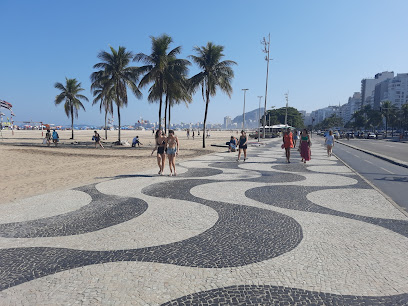
The Calçada de Copacabana is more than just a sidewalk; it's an iconic symbol of Rio de Janeiro. This black and white mosaic walkway, designed with a wave pattern, stretches along Copacabana Beach, reflecting the city's vibrant culture and coastal beauty.
A brief summary to Calçada de Copacabana
- Av. Nossa Sra. de Copacabana, Rio de Janeiro, Copacabana, State of Rio de Janeiro, BR
Local tips
- Take a stroll during sunrise or sunset for stunning views and cooler temperatures.
- Be aware of your surroundings, especially at night, and stick to well-lit areas.
- Enjoy fresh coconut water from one of the many vendors along the calçada.
- Visit Forte de Copacabana at the south end for panoramic views of the beach and coastline.

Getting There
-
Walking
From anywhere along Copacabana Beach, simply walk towards the calçada that runs parallel to the shoreline. The calçada is easily accessible from the beach and Avenida Atlântica. No costs are involved.
-
Public Transport
If arriving by Metro, the closest stations are Cardeal Arcoverde, Siqueira Campos, and Cantagalo. From any of these stations, walk towards Avenida Nossa Senhora de Copacabana and then towards the beach. The calçada is located along the beach. A single metro ticket costs approximately R$6.90.
-
Taxi/Ride-Share
Taxis and ride-sharing services like Uber are readily available in Copacabana. Simply ask your driver to take you to Copacabana Beach (Praia de Copacabana). The calçada runs the entire length of the beach. A short taxi ride within Copacabana typically costs between R$21 and R$40. Be aware that fares may increase at night or on Sundays.
Discover more about Calçada de Copacabana
Iconic landmarks you can’t miss

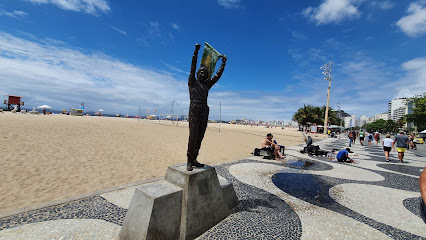
Estátua do Ayrton Senna
0.8 km
A bronze tribute to Ayrton Senna on Copacabana Beach, celebrating the life and legacy of the Formula 1 champion and Brazilian hero.
Copacabana Palace, A Belmond Hotel, Rio de Janeiro
0.9 km
Experience timeless luxury at Rio's iconic Copacabana Palace, a historic beachfront hotel offering world-class service and unforgettable Carioca charm.

Cemitério de São João Batista
1.5 km
Explore the art, architecture, and history within Rio de Janeiro's 'Cemetery of the Stars,' the final resting place of Brazilian icons.

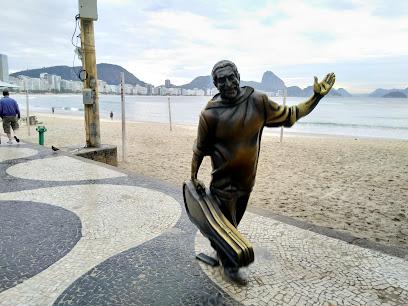
Estátua de Dorival Caymmi
1.7 km
A bronze tribute to Dorival Caymmi, celebrating the composer's love for the sea and his lasting impact on Brazilian music, on Copacabana Beach.
Forte de Copacabana
1.7 km
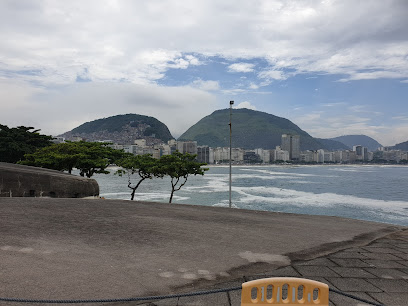
Explore a historic military fort at Copacabana Beach with panoramic views, a military museum, and charming cafes.
Feira Hippie de Ipanema
2.0 km
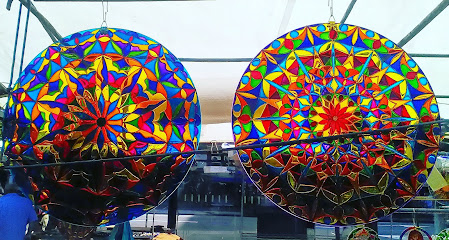
Discover handmade crafts, art, and Brazilian culture at Ipanema's vibrant Sunday market in General Osório Square, a Rio de Janeiro tradition since 1968.
Estátua de Ary Barroso
2.1 km
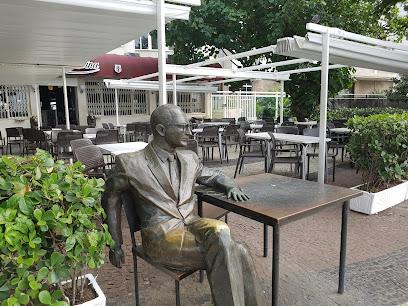
Explore the Ary Barroso statue in Copacabana, a stunning tribute to the legendary Brazilian composer amidst breathtaking coastal views.
Marchezinho
2.2 km
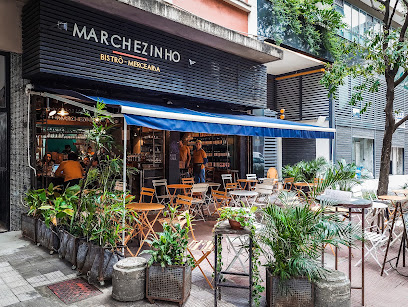
Experience Brazilian flavors with a sustainable twist at this charming Botafogo bistro, bar, and grocery store. Fresh, local ingredients, creative dishes.
Monumento Memorial às Vítimas do Holocausto
2.3 km
Explore the Holocaust Memorial in Rio de Janeiro: A profound tribute to resilience, remembrance, and the importance of tolerance and understanding.
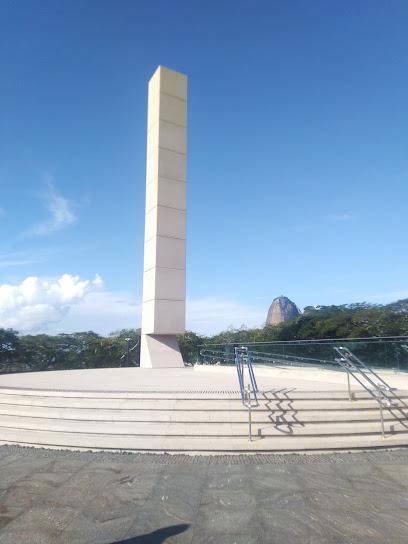
Clarice Lispector statue
2.4 km
A tribute to Brazilian literary icon Clarice Lispector, this statue on Leme Beach offers reflection and stunning ocean views.
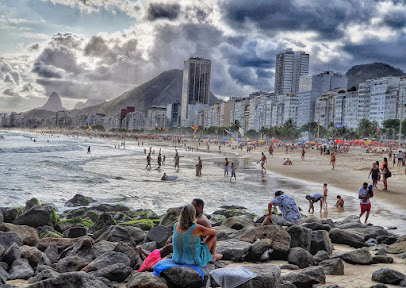
Largo Almirante Índio do Brasil
2.5 km
Escape the city bustle at this charming Botafogo park, offering tranquility and a taste of local Rio culture.

Monumento ao Sen. Pinheiro Machado
2.5 km
Discover a tribute to Brazilian political history at the Monumento ao Senador Pinheiro Machado in the heart of Ipanema, Rio de Janeiro.
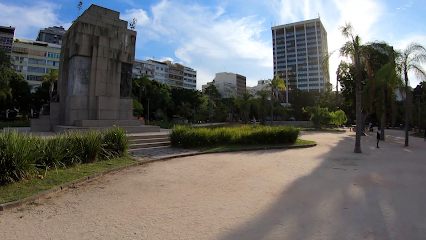
Largo do Cantão
2.6 km
Discover Largo do Cantão in Rio's Botafogo: a vibrant plaza with stunning views, local flavors, and cultural experiences.
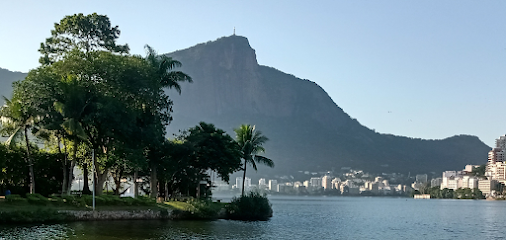
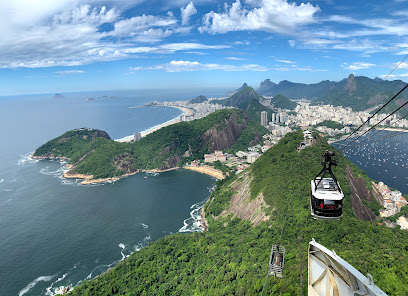
Sugar Loaf cable car
2.6 km
Experience breathtaking views of Rio de Janeiro from the iconic Sugar Loaf cable car, a must-visit tourist attraction offering stunning panoramas.
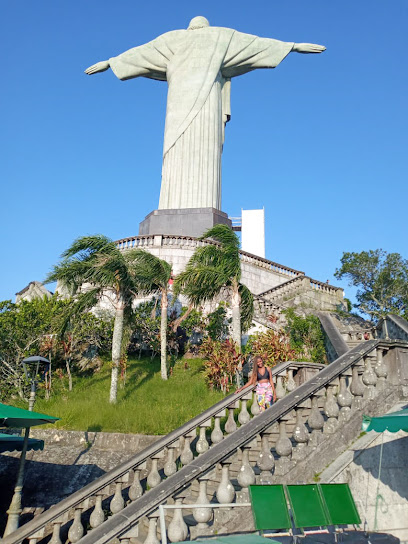
Track Corcovado, Christ Redeemer
2.7 km
Hike through Tijuca National Park to witness Rio's breathtaking views and the iconic Christ the Redeemer statue atop Corcovado Mountain.
Unmissable attractions to see

Orla Copacabana
0.0 km
Experience the vibrant energy of Rio de Janeiro on Copacabana's iconic promenade, a hub of culture, recreation, and breathtaking views.
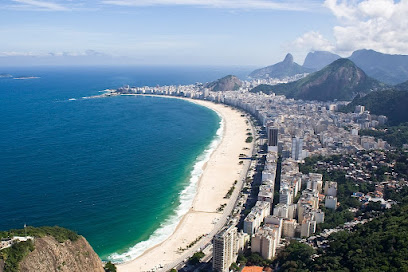
Praia de Copacabana
0.2 km
Experience the vibrant energy of Rio at Copacabana Beach, a world-famous destination with stunning views, lively culture, and endless activities.
Copacabana Beach
0.4 km
Experience the iconic 활기찬 atmosphere of Rio at Copacabana Beach, a world-famous destination offering sun, sand, and cultural experiences.
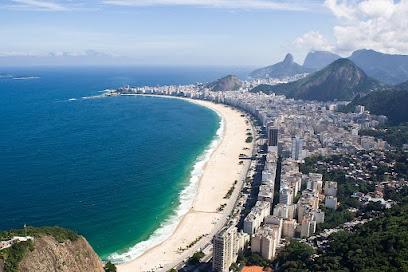
Posto 3 Copacabana
0.4 km
Experience the heart of Copacabana! Sun, sand, culture, and iconic views await at this vibrant Rio de Janeiro beach hotspot.
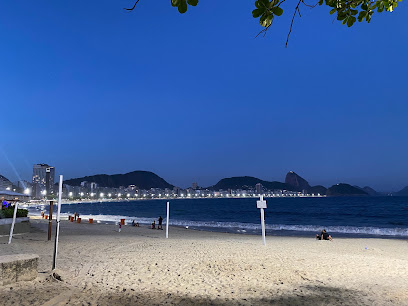
Av. Atlântica
0.5 km
Experience Rio's vibrant beach culture on Avenida Atlântica, Copacabana's iconic seaside promenade with stunning views and endless activities.
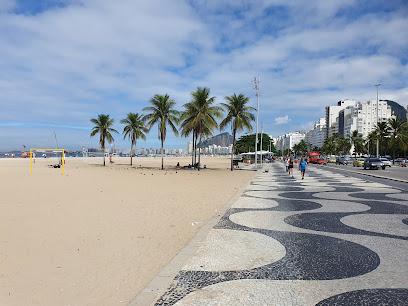
Copacabana
0.6 km
Experience the vibrant energy of Rio de Janeiro at Copacabana Beach, a world-famous destination with stunning views and endless activities.
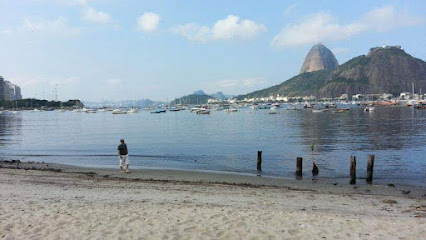
Roxy Dinner Show
0.7 km
Experience Brazil's vibrant culture at the Roxy Dinner Show: a fusion of fine dining and dazzling performances in Copacabana.
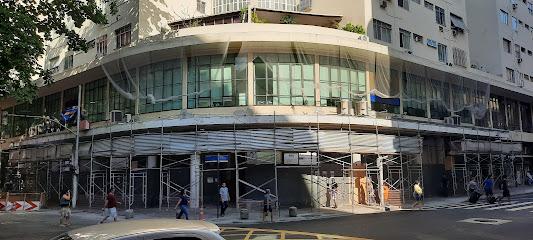
Manuel Campos Square of Peace
0.7 km
Experience tranquility and culture at Manuel Campos Square of Peace, a serene plaza in the vibrant Copacabana district of Rio de Janeiro.
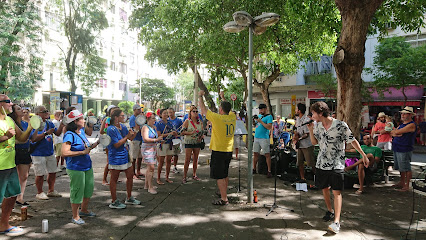
Boardwalk of Copacabana
1.0 km
Stroll along Rio's iconic wave-patterned promenade, a vibrant hub of beach culture, stunning views, and Carioca energy on Copacabana Beach.
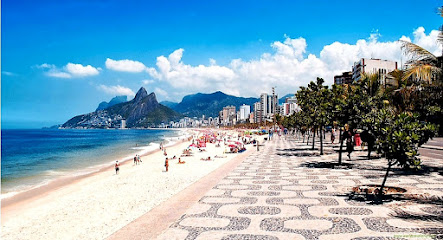
Parque Estadual da Chacrinha
1.1 km
Explore the lush landscapes and rich history of Parque Estadual da Chacrinha, a serene state park in the heart of Copacabana, Rio de Janeiro.
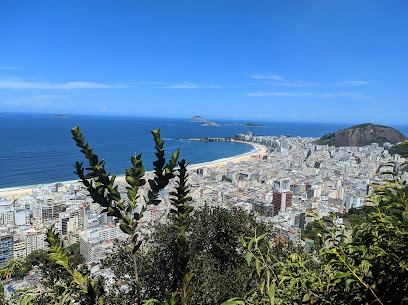
Monumento à Princesa Isabel, a Redentora
1.5 km
Explore the Monumento à Princesa Isabel, a historic landmark in Copacabana that honors the legacy of Princess Isabel and offers stunning views and cultural experiences.
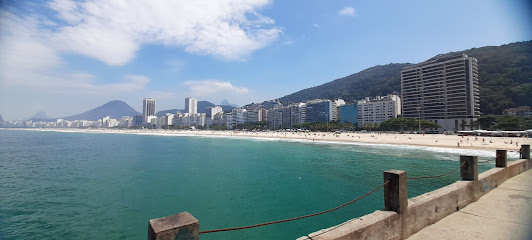
Estátua de Carlos Drummond de Andrade
1.5 km
Sit with the iconic poet Carlos Drummond de Andrade at his bronze statue on Copacabana Beach, a tribute to Brazilian literature and culture.
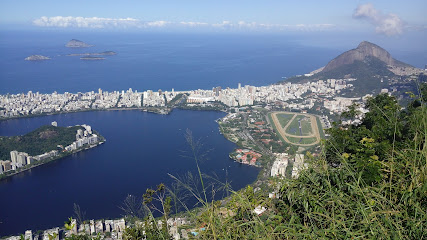
Summit Cannons
1.7 km
Explore the artistic treasures of Summit Cannons, a captivating museum in Copacabana with stunning ocean views and rich cultural heritage.
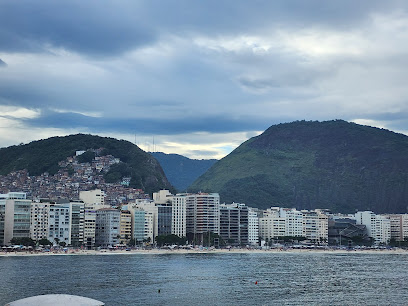
Copacabana Fort
1.7 km
Explore Rio's military history at Copacabana Fort, offering panoramic views, historical exhibits, and charming cafes by the iconic beach.
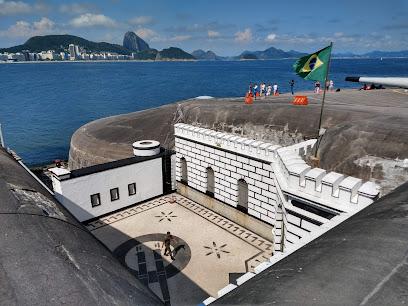
Favela Museum
1.8 km
Explore the Favela Museum in Ipanema, where art and history converge to unveil the vibrant culture of Rio's favelas.
Essential places to dine

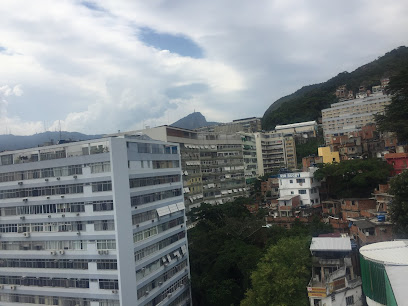
Bistrô Santa Satisfação - Copacabana
0.1 km
Discover the unique flavors of Brazil at Bistrô Santa Satisfação in Copacabana - where tradition meets innovation.
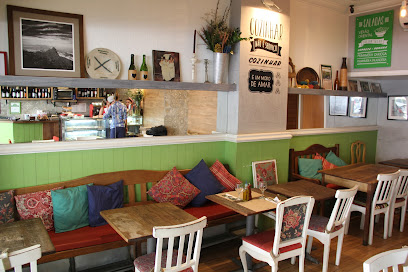
Brasileiro de Copa
0.2 km
Discover authentic Brazilian cuisine and vibrant nightlife at Brasileiro de Copa in Copacabana.
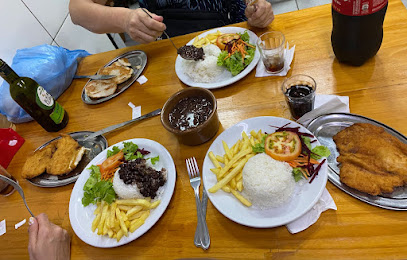
The Carioca
0.2 km
Experience exquisite cuisine and stunning views at The Carioca in Copacabana's JW Marriott Hotel.
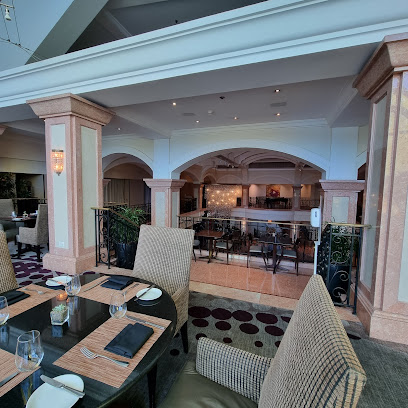
Restaurante La Maison
0.2 km
Experience authentic Brazilian cuisine at Restaurante La Maison in Copacabana - where delicious flavors meet warm hospitality.
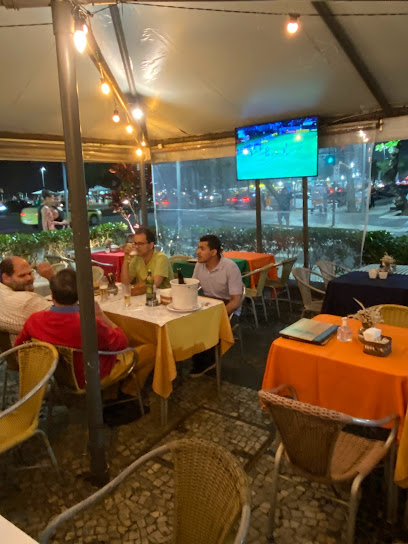
Adega Pérola
0.5 km
Discover the vibrant flavors of Brazil at Adega Pérola in Copacabana - a seafood lover's paradise with delightful cocktails.
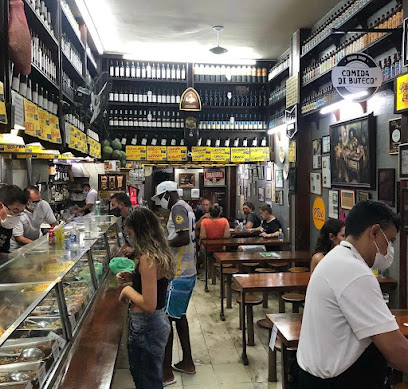
Alfaia Restaurante
0.7 km
Discover Alfaia Restaurante in Copacabana for an unforgettable journey through authentic Portuguese and seafood flavors.
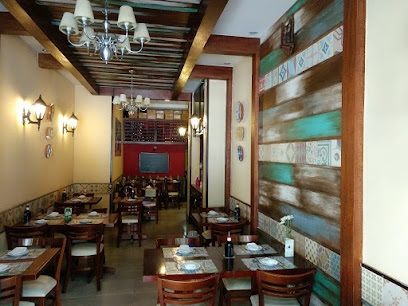
Maxim's Rio - (Copacabana)
0.7 km
Discover Maxim's Rio in Copacabana - where exquisite seafood meets authentic pizza amidst stunning beach views.
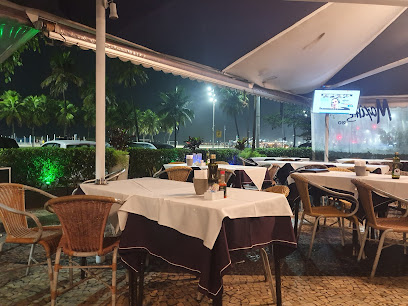
La Trattoria
0.7 km
Experience authentic Italian cuisine at La Trattoria in Copacabana - where every dish tells a story.
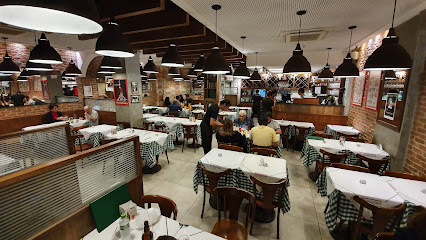
Restaurante Skylab
0.8 km
Experience exquisite dining at Restaurante Skylab with breathtaking views over Copacabana beach in Rio de Janeiro.
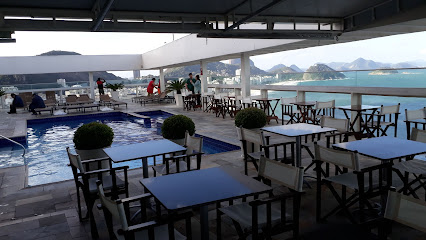
Le Blé Noir
0.8 km
Indulge in authentic French crêpes at Le Blé Noir – where every bite feels like a taste of Paris in Copacabana.
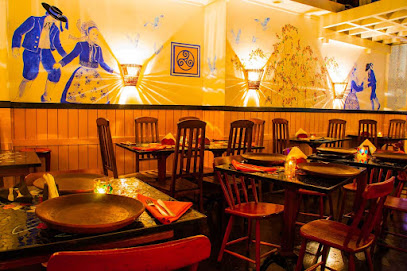
Restaurante Mee
0.8 km
Discover exquisite Asian cuisine at Restaurante Mee in Copacabana, where each dish tells a story amidst breathtaking views.
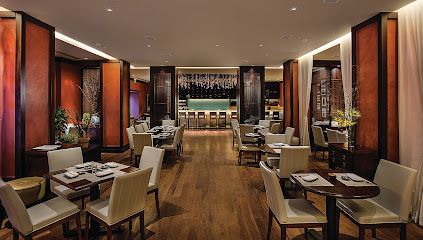
Ristorante Hotel Cipriani
0.9 km
Discover Ristorante Hotel Cipriani in Copacabana: where authentic Italian cuisine meets breathtaking views and exceptional service.
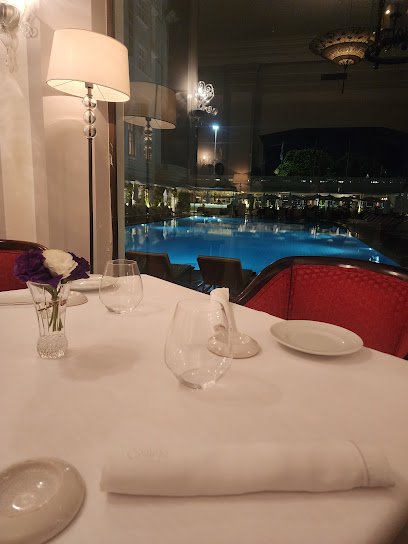
Restaurante Pérgula
0.9 km
Savor exquisite cuisine and breathtaking ocean views at Restaurante Pérgula in Copacabana – where elegance meets local flavor.
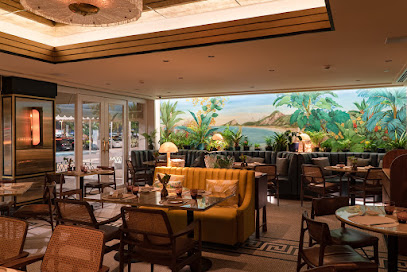
Restaurante Príncipe de Mônaco - (Copacabana)
0.9 km
Experience the best seafood in Copacabana at Restaurante Príncipe de Mônaco – where flavor meets vibrant coastal culture.
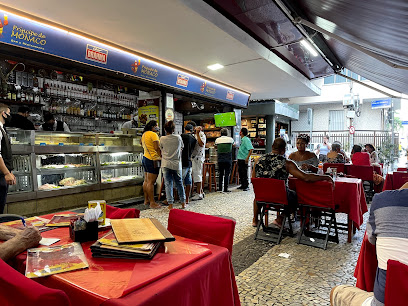
Churrascaria Palace
0.9 km
Experience authentic Brazilian barbecue at Churrascaria Palace in Copacabana - where succulent meats meet vibrant culture.
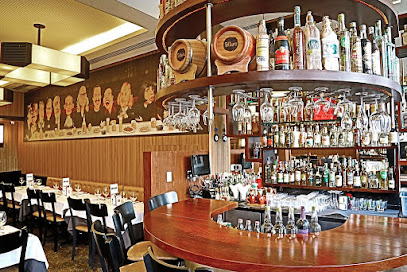
Markets, malls and hidden boutiques

Shopping 680
0.0 km
Experience the best of shopping and dining at Shopping 680 in Copacabana, a vibrant mall with something for everyone.
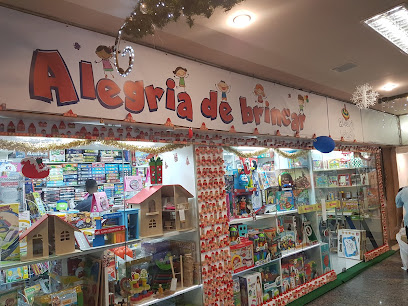
Tiendas
0.1 km
Explore Tiendas, a vibrant shopping mall in Copacabana, offering a unique blend of local culture, shopping, and dining experiences in the heart of Rio de Janeiro.
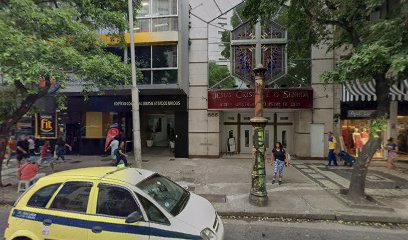
Casa Chang Presentes - Copacabana
0.1 km
Discover unique souvenirs and local treasures at Casa Chang Presentes, the charming gift shop in the heart of Copacabana, Rio de Janeiro.
Gilson Martins Copacabana
0.1 km
Discover unique fashion accessories and stylish luggage at Gilson Martins Copacabana, a vibrant gift shop in the heart of Rio de Janeiro.
Santa Clara 33 Copacabana
0.2 km
Discover the lively shopping experience at Santa Clara 33, the heart of Copacabana's retail and culinary scene.
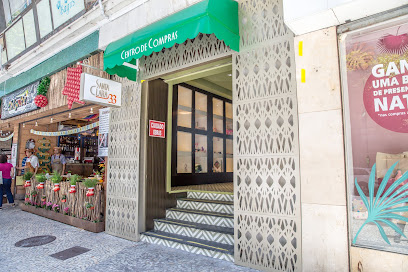
Soho Gift Shop
0.3 km
Explore the vibrant Soho Gift Shop in Copacabana, where unique gifts and kitchen supplies come together, perfect for tourists seeking local treasures.
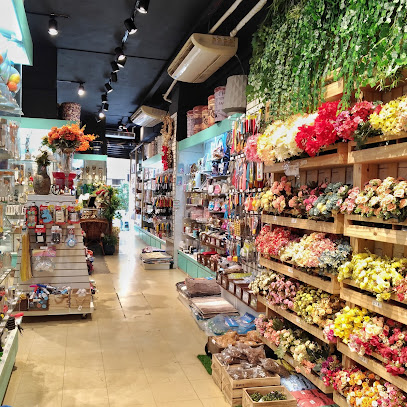
Shopping Anti Quario|cidade Copacabana
0.5 km
Discover the vibrant Shopping Anti Quario in Copacabana, where local charm meets modern shopping amidst the lively spirit of Rio de Janeiro.
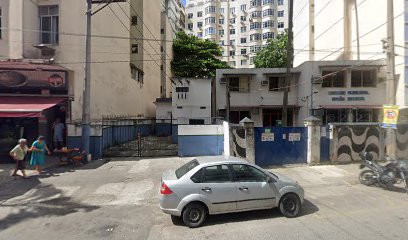
Shopping Cidade Copacabana
0.5 km
Discover Shopping Cidade Copacabana, a vibrant shopping mall in Rio de Janeiro, offering diverse stores, delicious dining, and exciting entertainment options.
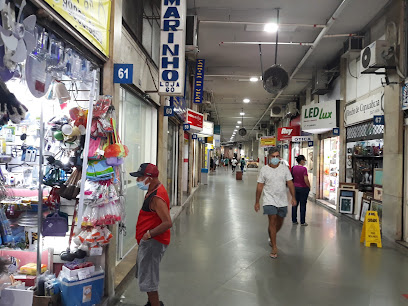
Inter Rio Presentes
0.5 km
Explore Inter Rio Presentes in Copacabana, your go-to gift shop for unique Brazilian souvenirs and local handicrafts, capturing the essence of Rio.
Mohammed Brasil
0.8 km
Mohammed Brasil is your go-to outlet mall in Copacabana for stylish men's clothing and unbeatable deals amidst Rio's vibrant atmosphere.
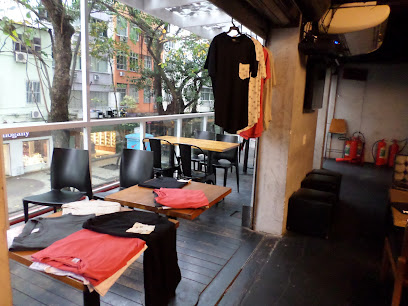
Lido Souvenirs
0.9 km
Explore Lido Souvenirs in Copacabana for unique handcrafted gifts, local handicrafts, and stunning natural stones that capture the essence of Brazil.
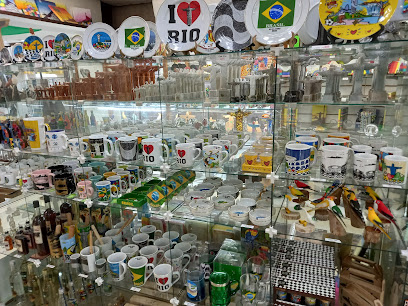
Rio Copa Souvenirs
1.0 km
Explore the vibrant offerings at Rio Copa Souvenirs, where every item tells a story of the beautiful culture of Rio de Janeiro.
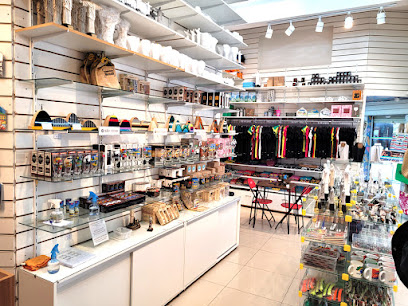
Via BRASIL
1.1 km
Discover unique Brazilian souvenirs at Via BRASIL in Copacabana, where local craftsmanship meets vibrant culture.
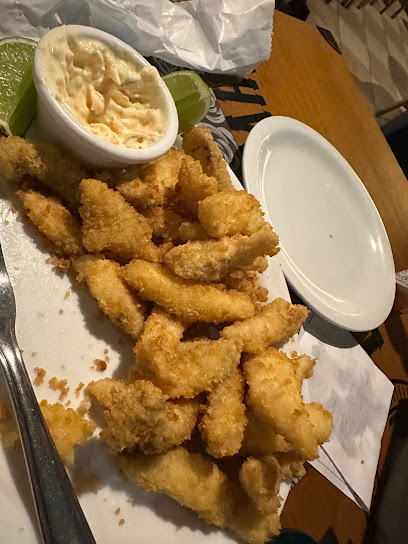
Wanli Presentes
1.3 km
Explore Wanli Presentes in Copacabana for unique Brazilian souvenirs and local crafts that embody the spirit of Rio de Janeiro.
Galeria Shopping Kar
1.4 km
Experience the vibrant shopping and dining scene at Galeria Shopping Kar in the heart of Copacabana, Rio de Janeiro.
Essential bars & hidden hideouts

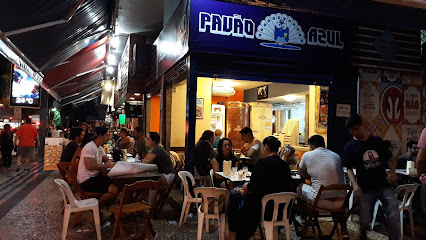
Pavão Azul Bar
0.4 km
Pavão Azul Bar: Enjoy refreshing drinks and delicious Brazilian snacks in the heart of Copacabana's vibrant nightlife.
Deck Bar
0.5 km
Experience luxury and breathtaking ocean views at Deck Bar in Copacabana, a premier destination for cocktails and gourmet bites.
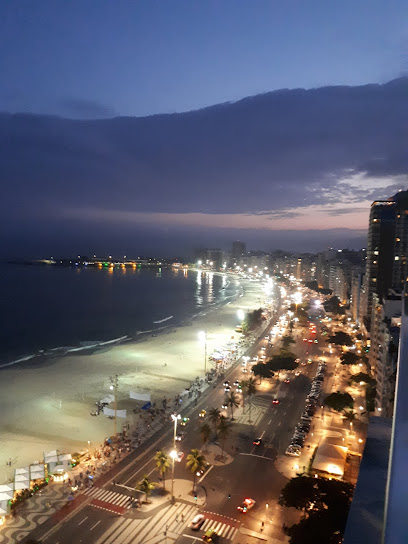
Real Chopp
0.5 km
Discover the lively spirit of Rio de Janeiro at Real Chopp, a top cocktail bar and pub in Copacabana, perfect for enjoying authentic Brazilian nightlife.
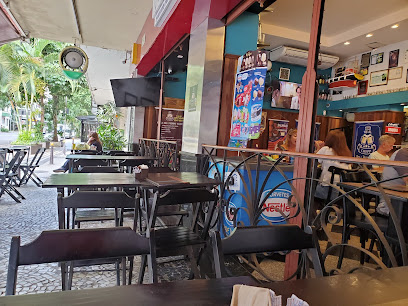
Bossa Rio
0.6 km
Discover the vibrant spirit of Rio at Bossa Rio, where exquisite cocktails and delicious cuisine meet in the heart of Copacabana.
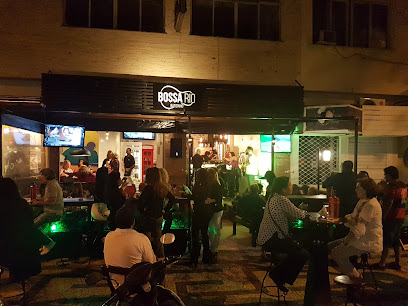
Bar 420
0.6 km
Experience the vibrant energy of Copacabana at Bar 420, where delicious food and refreshing drinks create unforgettable moments.
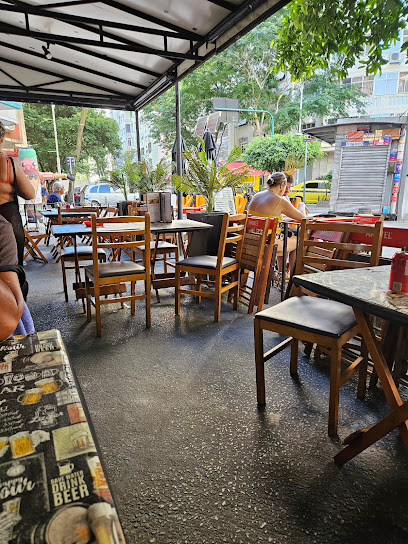
Boteco da Garrafa
0.7 km
Experience the vibrant nightlife of Copacabana at Boteco da Garrafa, where cocktails and local flavors come together in a festive atmosphere.
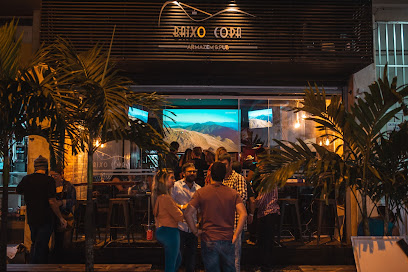
Baixo Copa Pub
0.7 km
Discover Baixo Copa Pub, a vibrant bar in Copacabana offering delicious food and drinks in an inviting atmosphere perfect for tourists.
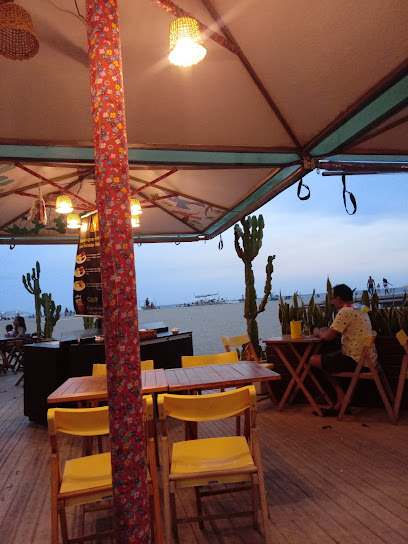
Ristorante Hotel Cipriani Bar
0.8 km
Experience the elegance of Ristorante Hotel Cipriani Bar in Copacabana, where exquisite cocktails and stunning ocean views await you.
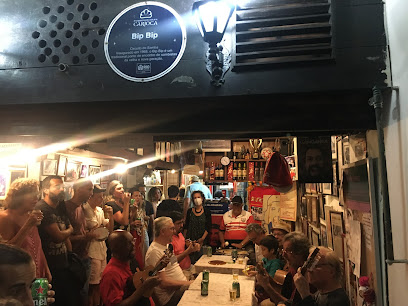
Bip Bip
1.1 km
Discover Bip Bip in Copacabana: Where Live Music and Affordable Drinks Create Unforgettable Nights in Rio de Janeiro.
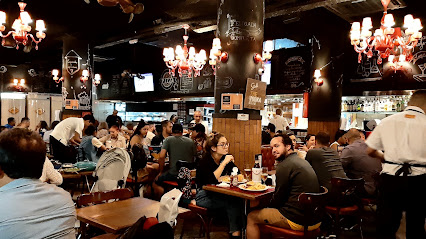
Os Imortais Bar
1.2 km
Discover the vibrant nightlife of Copacabana at Os Imortais Bar, where soul food meets lively entertainment, perfect for a memorable evening in Rio.
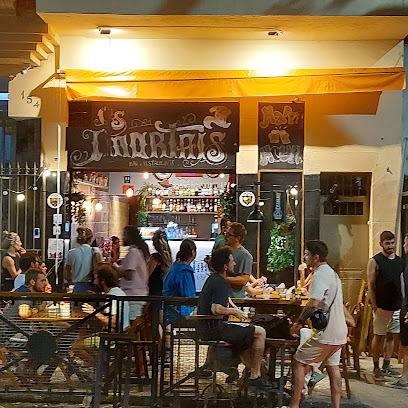
Bar do Aldo
1.2 km
Experience the vibrant nightlife of Rio at Bar do Aldo, a charming bar in Copacabana known for its delicious drinks and friendly ambiance.
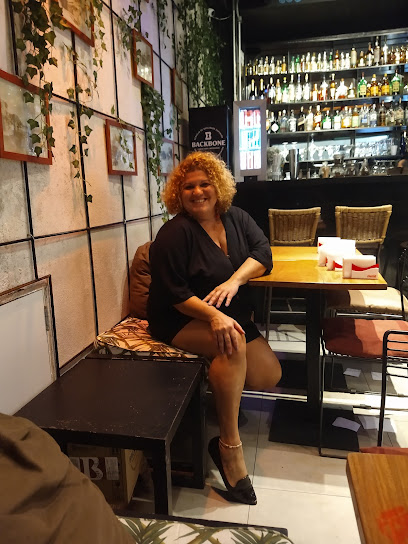
Isabel Lounge
1.5 km
Experience the vibrant nightlife of Rio de Janeiro at Isabel Lounge, where chic ambiance meets stunning views and expertly crafted cocktails.
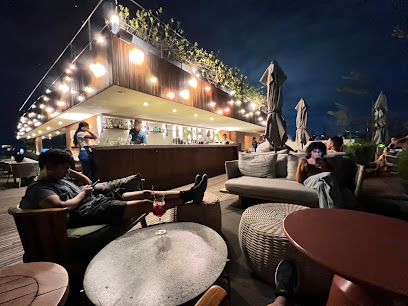
Bar Bukowski
1.6 km
Experience the vibrant nightlife of Rio de Janeiro at Bar Bukowski, where rock music and lively ambiance create unforgettable nights.
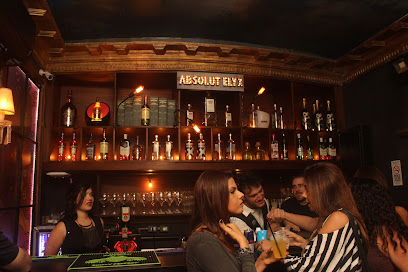
Rildy Bar
1.6 km
Discover the lively atmosphere of Rildy Bar in Botafogo, where live music and vibrant nightlife create unforgettable experiences in Rio de Janeiro.
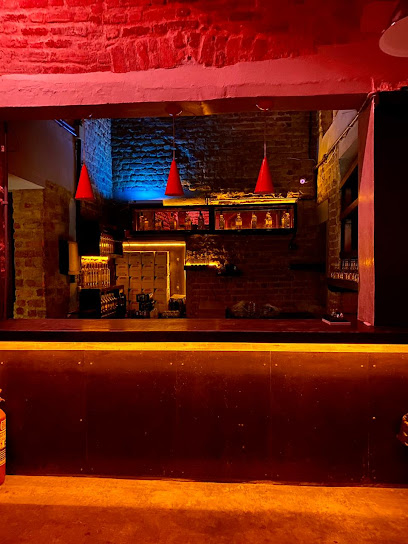
Quartinho Bar
1.7 km
Discover the vibrant atmosphere and creative cocktails of Quartinho Bar in Botafogo, a must-visit cocktail haven in Rio de Janeiro.
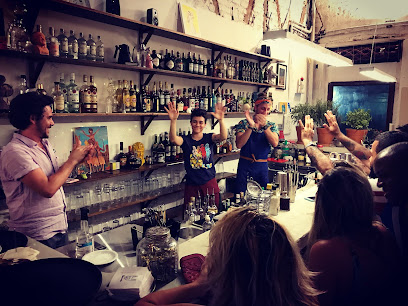
Nightclubs & after hour spots

Substation Bar Club / Balada Zona Sul / Copacabana / Siqueira Campos RJ
0.5 km
Enjoy an unforgettable night at Substation Club, a premier nightlife spot in Copacabana offering electrifying music, vibrant atmosphere, and crafted cocktails.
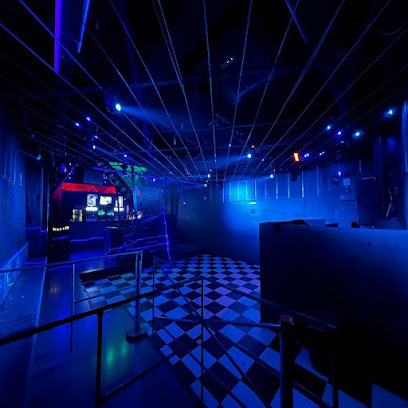
Fosfobox Bar Club
0.5 km
Experience the electrifying nightlife of Rio de Janeiro at Fosfobox Bar Club, where music, dance, and vibrant energy come together.
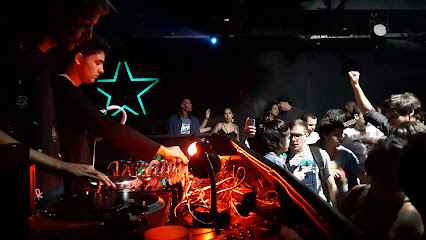
New Mariuzinn
0.5 km
Discover the heartbeat of Rio de Janeiro's nightlife at New Mariuzinn, a vibrant night club and cocktail bar in Copacabana, where the party never stops.
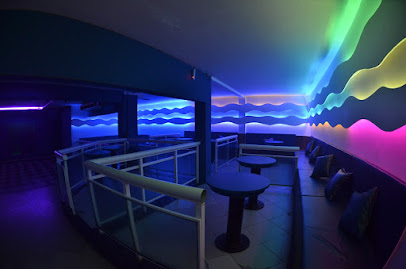
Nosso Terracinho
0.9 km
Dive into the heart of Rio's nightlife at Nosso Terracinho, where vibrant music and dance create unforgettable nights in Copacabana.
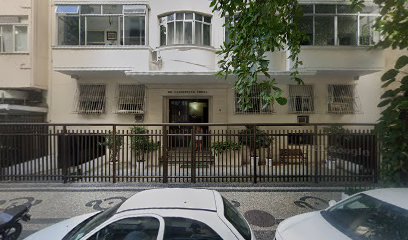
Boate La Cueva
0.9 km
Discover the electric atmosphere of Boate La Cueva, a premier gay night club in Copacabana, Rio de Janeiro, known for its vibrant energy and welcoming vibe.
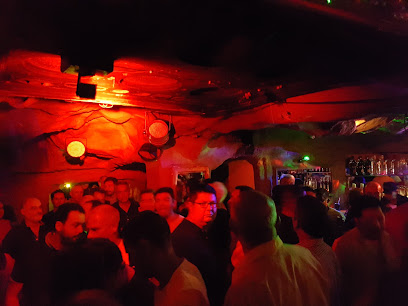
Casablanca Night Club
1.1 km
Dive into the electrifying nightlife of Copacabana at Casablanca Night Club, where rhythm and fun create unforgettable memories.
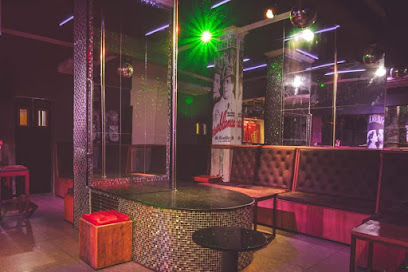
Dolce Vita
1.1 km
Experience the vibrant nightlife of Rio de Janeiro at Dolce Vita, Copacabana's premier night club for unforgettable music and dancing.
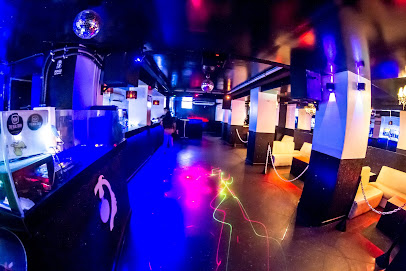
Boate Kalabria
1.3 km
Discover the electrifying nightlife of Rio at Boate Kalabria, a premier disco club in Copacabana where the party never stops.
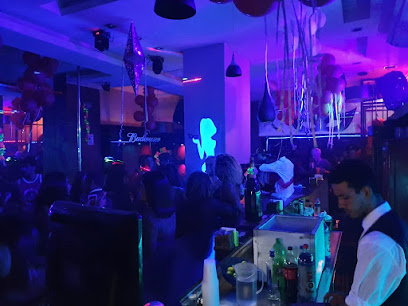
The Moon Lounge
1.7 km
Experience the vibrant nightlife of Rio de Janeiro at The Moon Lounge, a stylish night club in Botafogo offering exquisite cocktails and electric beats.
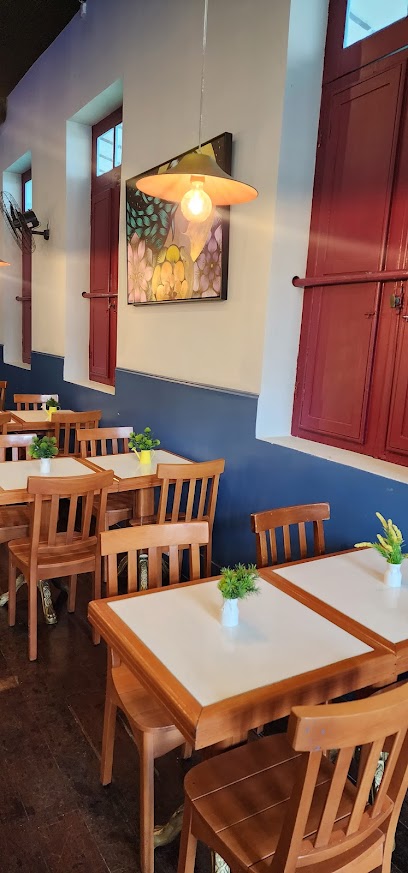
Tau Bar Club - Boate em Copacabana
1.8 km
Discover the electrifying nightlife at Tau Bar Club in Copacabana, where vibrant music and great company create unforgettable evenings.

AVA lounge
1.8 km
Immerse yourself in the lively atmosphere of AVA Lounge, Copacabana's premier night club, where music and dance create unforgettable nightlife experiences.
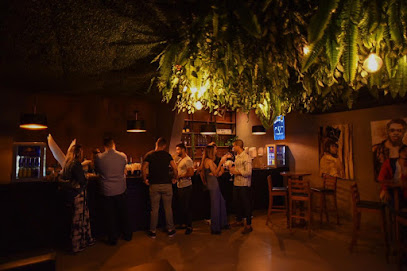
Milton Dias de Oliveira
1.8 km
Discover the exhilarating nightlife at Milton Dias de Oliveira, Rio de Janeiro’s premier night club, where music and culture unite.
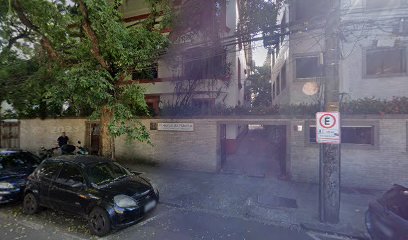
Termas Centaurus
1.8 km
Discover the vibrant nightlife at Termas Centaurus in Ipanema, offering relaxation, entertainment, and a unique blend of services for an unforgettable night.
Casa da Matriz
1.8 km
Discover Rio de Janeiro's vibrant nightlife at Casa da Matriz, a lively night club and burger restaurant in Botafogo, where music and culture collide.
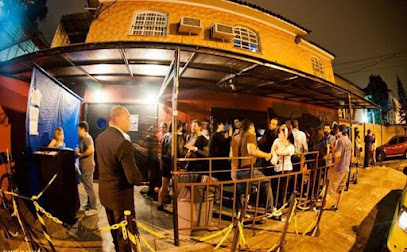
Fonte
1.8 km
Dive into the heart of Rio's nightlife at Fonte, where music, dance, and excitement come alive in Botafogo's hottest night club.