

Serra dos Órgãos National Park, Brazil Travel Guide
Discover the breathtaking beauty of Serra dos Órgãos National Park, a haven for hikers and nature lovers in Rio de Janeiro, Brazil.
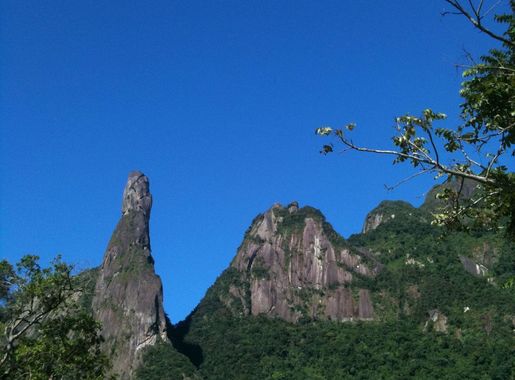
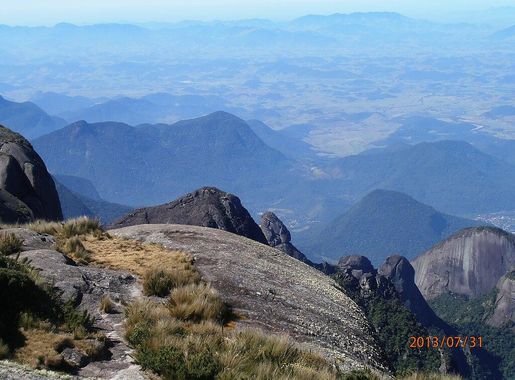
Serra dos Órgãos National Park is a stunning gem in Brazil, located in the state of Rio de Janeiro. The park boasts a rich biodiversity, with lush forests, sparkling waterfalls, and unique rock formations. It's a haven for nature lovers and adventure seekers alike. Hiking enthusiasts will find Serra dos Órgãos a paradise with its extensive trail network, including the famous Petrópolis-Teresópolis traverse. This trek offers breathtaking views and a chance to spot a variety of wildlife, from colorful birds to elusive mammals. Don't miss the iconic Dedo de Deus (God's Finger) peak, a striking rock formation that has become a symbol of the park. Whether you're climbing, hiking, or simply enjoying the serene natural surroundings, Serra dos Órgãos National Park provides an unforgettable experience in the heart of Brazil's natural beauty.

Know before you go
Hi, I'm Eve. Here are a few practical things to know before exploring Serra dos Órgãos National Park.
- Wear comfortable hiking shoes; the trails can be rugged and steep.
- Bring plenty of water and snacks, as facilities are limited within the park.
- Visit during the dry season (May to September) for the best hiking conditions.
- Hire a local guide if you are not familiar with the trails; they can enhance your experience with their knowledge.
- Keep an eye out for the diverse wildlife, but remember to maintain a respectful distance.
Explore Serra dos Órgãos National Park: Things to Do, Places to Eat, Hotels & More
Handpicked recommendations for top attractions, local dining, accommodations, and more

Best attractions in Serra dos Órgãos National Park
Top-rated picks
Best Attractions

Petropolis Wax Museum
Get up close and personal with incredibly lifelike wax figures of your favorite celebrities and historical icons in the heart of Petrópolis.

Fonte Judith
Discover Fonte Judith in Teresópolis: A historic fountain offering refreshing spring water and a tranquil escape amidst stunning natural beauty.

Mirante da Serra Teresópolis X Petrópolis
Discover the stunning vistas and serene beauty of Mirante da Serra, the ultimate lookout point between Teresópolis and Petrópolis.

Casa da Princesa Isabel
Step back in time at Casa da Princesa Isabel in Petrópolis, a window into Brazil's imperial history and Princess Isabel's legacy.

Best landmarks in Serra dos Órgãos National Park
Top-rated picks
Best Landmarks

Parque Nacional da Serra dos Órgãos
Explore Brazil's Serra dos Órgãos National Park: hiking, waterfalls, and stunning mountain scenery in Rio de Janeiro's backyard.

Parque Nacional da Serra dos Órgãos - PARNASO - Sede Teresópolis
Discover dramatic mountain scenery, lush rainforest trails, and rich biodiversity at Brazil's Parque Nacional da Serra dos Órgãos near Teresópolis.

Parque Nacional da Serra dos Órgãos - PARNASO - Sede Petrópolis
Discover dramatic peaks, lush trails, and refreshing waterfalls in one of Brazil's oldest and most scenic national parks near Petrópolis.

Sede Guapimirim do Parque Nacional da Serra dos Órgãos
Explore stunning trails, waterfalls, and historical sites at the Guapimirim entrance to Brazil's Serra dos Órgãos National Park.

Best restaurants in Serra dos Órgãos National Park
Top-rated picks
Best Restaurants

Parque Nacional da Serra dos Órgãos
Explore the breathtaking beauty of Parque Nacional da Serra dos Órgãos – a hiker's paradise nestled in Rio de Janeiro's lush mountains.

Paraíso da Serra - Soberbo
Experience authentic Minas Gerais cuisine at Paraíso da Serra - Soberbo with stunning views of Serra dos Órgãos.

Viva Itália
Experience authentic Italian cuisine at Viva Itália in Teresópolis - where every dish tells a story.

Paraíso Agriões
Discover a unique blend of Brazilian cuisine and delicious pizzas at Paraíso Agriões in Teresópolis - where every meal is a celebration.

Best bars in Serra dos Órgãos National Park
Top-rated picks
Best Bars

Centro Gastronômico Recanto
Experience a culinary journey at Centro Gastronômico Recanto, where seafood and Brazilian dishes come alive in a vibrant dining atmosphere.

Parque Nacional da Serra dos Órgãos - PARNASO - Sede Teresópolis
Experience the breathtaking beauty of Parque Nacional da Serra dos Órgãos, a national park in Teresópolis known for stunning landscapes, diverse wildlife, and thrilling hikes.

Vila St. Gallen - Cultura Cervejeira
Discover Vila St. Gallen, a vibrant brewpub in Teresópolis offering authentic German and Irish cuisine paired with locally crafted beers.

Tourinho
Discover the rich flavors of Minas Gerais cuisine at Tourinho, a charming restaurant in Corrêas, Petrópolis, known for its warm atmosphere and authentic dishes.

Best nightclubs in Serra dos Órgãos National Park
Top-rated picks
Best Nightclubs

Parque Nacional da Serra dos Órgãos
Explore the breathtaking landscapes of Parque Nacional da Serra dos Órgãos, a haven for hikers and nature lovers in Brazil's Rio de Janeiro state.

Parque Nacional da Serra dos Órgãos - PARNASO - Sede Teresópolis
Explore the enchanting trails and breathtaking views of Parque Nacional da Serra dos Órgãos, a national park that captivates nature lovers and adventurers.

Parque Nacional da Serra dos Órgãos - PARNASO - Sede Petrópolis
Explore the natural wonders of Parque Nacional da Serra dos Órgãos in Rio de Janeiro, a paradise for hikers and nature enthusiasts.

Camping Parque Nacional da Serra dos Órgãos
Discover the enchanting beauty and adventure of Camping at Parque Nacional da Serra dos Órgãos in Teresópolis, Rio de Janeiro.

Best shops in Serra dos Órgãos National Park
Top-rated picks
Best Shops

Parque Nacional da Serra dos Órgãos
Discover the natural beauty and adventure of Parque Nacional da Serra dos Órgãos, a premier hiking destination in Teresópolis, Brazil.

Serra Shopping
Discover Serra Shopping in Petrópolis, a vibrant mall offering diverse shopping, dining, and entertainment options for an unforgettable experience.

Pátio Petrópolis Shopping
Discover Pátio Petrópolis Shopping - a vibrant shopping mall in the heart of Petrópolis, offering a delightful mix of shopping, dining, and entertainment experiences.

New Fashion Shopping Center
Explore a shopping haven in Teresópolis with diverse stores, dining, and entertainment at the New Fashion Shopping Center.

Explore Serra dos Órgãos National Park on the Map
A handpicked selection of must-see spots in Serra dos Órgãos National Park, mapped for you.
Serra dos Órgãos National Park Essentials
-
Serra dos Órgãos National Park is located in the state of Rio de Janeiro, Brazil. The nearest major city is Rio de Janeiro, approximately 100 kilometers away. The most convenient way to reach the park is by car or bus. From Rio de Janeiro, you can take a bus from the Novo Rio Bus Terminal to the towns of Teresópolis or Petrópolis, which are the main gateways to the park. The journey takes around 2 hours. Alternatively, you can rent a car and drive via BR-040 highway.
-
Within Serra dos Órgãos National Park, the best way to explore is on foot, as it is renowned for its hiking trails. For local transportation, taxis and ride-sharing services are available in nearby towns like Teresópolis and Petrópolis. Public buses also connect these towns to the park’s main entrances. For those who prefer not to hike, guided tours are available that include transportation within the park.
-
The official currency in Brazil is the Brazilian Real (BRL). Credit and debit cards are widely accepted in hotels, restaurants, and shops in nearby towns. However, it is advisable to carry some cash for small purchases, entrance fees, and in case of emergencies. There are ATMs available in Teresópolis and Petrópolis, but it is wise to withdraw sufficient cash before entering the park.
-
Serra dos Órgãos National Park is generally a safe destination for tourists. However, it is important to take standard safety precautions. Avoid leaving valuables visible in your car or unattended. While the park itself is safe, some areas of nearby cities like Rio de Janeiro have higher crime rates. It is advisable to avoid walking alone at night in unfamiliar areas and always be aware of your surroundings.
-
In case of emergency, dial 190 for police assistance or 192 for medical emergencies. The park has a visitor center with basic first aid facilities, and rangers are trained to handle emergencies. It is highly recommended to have travel insurance that covers medical emergencies, including evacuation. For minor health issues, there are pharmacies in Teresópolis and Petrópolis.
-
Fashion: Do wear comfortable and appropriate clothing for hiking, including sturdy shoes. Avoid wearing flashy or expensive jewelry. Religion: Do respect local customs and traditions if visiting religious sites in nearby towns. Public Transport: Do be respectful on public buses and give up your seat for elderly passengers. Don’t eat or drink on public transport. Greetings: Do greet people with a handshake and a smile. A friendly 'bom dia' (good morning) is always appreciated. Eating & Drinking: Do try local delicacies and accept food offerings graciously. Don’t refuse hospitality, as it is considered impolite.
-
To experience Serra dos Órgãos National Park like a local, visit the park during weekdays to avoid the weekend crowds. Engage with the park rangers; they are knowledgeable and can provide valuable insights into the park's history and natural features. Don’t miss hiking the Dedo de Deus trail for stunning views. For a unique experience, try camping overnight in the park to enjoy the serene environment and star-filled skies.
When is the best time to visit Serra dos Órgãos National Park?
Useful Local Phrases for Serra dos Órgãos National Park
You don't need to speak the language perfectly. Even learning a few simple words can make conversations warmer—and locals usually appreciate the effort.
— Eve

Here are the phrases I use most often in Serra dos Órgãos National Park. Try a few—you'll be surprised how far they go! 😊
❤️
-
- HelloOlá
[oh-LAH] - GoodbyeTchau
[CHOW] - YesSim
[seem] - NoNão
[now] - Please/You're welcomePor favor
[pohr fah-VOHR] - Thank youObrigado
[oh-bree-GAH-doh] - Excuse me/SorryCom licença/Desculpe
[kohm lee-SEN-sah/dehs-KOOL-peh] - How are you?Como vai você?
[KOH-moh vah-ee voh-SEH] - Fine. And you?Bem. E você?
[behn. eh voh-SEH] - Do you speak English?Você fala inglês?
[voh-SEH FAH-lah een-GLEHS] - I don't understandEu não entendo
[eh-oo now ehn-TEHN-doh]
- HelloOlá
-
- I'd like to see the menu, pleaseEu gostaria de ver o cardápio, por favor
[eh-oo gohs-TAH-ree-ah deh vehr oo kahr-DAH-pyoo, pohr fah-VOHR] - I don't eat meatEu não como carne
[eh-oo now KOH-moo KAH-ree] - Cheers!Saúde!
[sow-OO-deh] - I would like to pay, pleaseEu gostaria de pagar, por favor
[eh-oo gohs-TAH-ree-ah deh pah-GAHR, pohr fah-VOHR]
- I'd like to see the menu, pleaseEu gostaria de ver o cardápio, por favor
-
- Help!Socorro!
[soh-KOH-roh] - Go away!Vá embora!
[VAH ehm-BOH-rah] - Call the Police!Chame a polícia!
[SHAH-meh ah poh-LEE-see-ah] - Call a doctor!Chame um médico!
[SHAH-meh oom MEH-dee-koo] - I'm lostEstou perdido
[eh-STOH pehr-DEE-doo] - I'm illEstou doente
[eh-STOH doh-EN-teh]
- Help!Socorro!
-
- I'd like to buy...Eu gostaria de comprar...
[eh-oo gohs-TAH-ree-ah deh kohm-PRAR] - I'm just lookingEu só estou olhando
[eh-oo soh ehs-TOH oh-LHAHN-doh] - How much is it?Quanto custa?
[KWAHN-too KOOS-tah] - That's too expensiveIsso é muito caro
[EE-saw eh MOO-ee-toh KAH-roo] - Can you lower the price?Você pode baixar o preço?
[voh-SEH POH-deh bahy-SAH o PREH-soh]
- I'd like to buy...Eu gostaria de comprar...
-
- What time is it?Que horas são?
[keh OH-rahz sow] - It's one o'clockÉ uma hora
[eh OO-mah OH-rah] - Half past (10)Meio-dia e meia
[MEH-oh-JEE-ah eh MAY-ah] - MorningManhã
[mahn-YAH] - AfternoonTarde
[TAHR-deh] - EveningNoite
[NOY-chee] - YesterdayOntem
[on-TEM] - TodayHoje
[OH-zhee] - TomorrowAmanhã
[ah-mahn-YAH] - 1Um
[OOM] - 2Dois
[DOYS] - 3Três
[TREHS] - 4Quatro
[KWAH-troh] - 5Cinco
[SEEN-koh] - 6Seis
[SAYSH] - 7Sete
[SEH-teh] - 8Oito
[OY-toh] - 9Nove
[NOH-veh] - 10Dez
[DEH-z]
- What time is it?Que horas são?
-
- Where's a/the...?Onde está o/a...?
[OHN-deh eh-STAH oh/ah] - What's the address?Qual é o endereço?
[kahl eh oh ehn-DREH-soh] - Can you show me (on the map)?Você pode me mostrar (no mapa)?
[voh-SEH POH-deh meh moh-SHTRAR (noh MAH-pah)] - When's the next (bus)?Quando é o próximo (ônibus)?
[KWAHN-doh eh oh NOKS-tee-moh (OH-nee-boos)] - A ticket (to ....)Um bilhete (para ....)
[oom beel-YEH-teh (PAH-rah)]
- Where's a/the...?Onde está o/a...?
History of Serra dos Órgãos National Park
-
Long before European settlers arrived, the region now known as Serra dos Órgãos National Park was home to various indigenous tribes, including the Tupi-Guarani people. These indigenous populations utilized the land for hunting, gathering, and spiritual practices. The area was rich in biodiversity, which provided ample resources for their sustenance and cultural rituals.
-
In the 16th century, Portuguese explorers began to chart the area as they expanded their territories in Brazil. The rugged terrain of Serra dos Órgãos presented significant challenges but also captured their imaginations with its dramatic landscapes and unique rock formations resembling organ pipes, which is how the park got its name.
-
During the 19th century, the Brazilian Imperial family and European naturalists showed great interest in the region. Emperor Dom Pedro II himself visited the area and was captivated by its natural beauty. His visits helped to popularize the region among the Brazilian elite, fostering a sense of national pride in the country's natural landscapes.
-
In 1830, the city of Teresópolis was founded near the park. Named in honor of Empress Teresa Cristina, the city became a popular retreat for the aristocracy seeking refuge from the heat of Rio de Janeiro. The establishment of Teresópolis played a crucial role in increasing human activity and development in the area surrounding Serra dos Órgãos.
-
The late 19th and early 20th centuries saw a surge in scientific exploration in Serra dos Órgãos. Botanists, geologists, and zoologists conducted extensive research, documenting the park's rich biodiversity. This period of scientific inquiry laid the groundwork for the conservation efforts that would follow.
-
Serra dos Órgãos National Park was officially established on November 30, 1939, making it one of the oldest national parks in Brazil. The creation of the park was a significant milestone in the country's conservation movement, aimed at protecting the unique flora and fauna of the region while promoting sustainable tourism.
-
During World War II, the park's remote and rugged terrain was used for military training exercises. The Brazilian military recognized the strategic value of the landscape for preparing soldiers for combat in challenging environments. This period also saw the construction of several trails and lookout points that are still in use today.
-
In recent decades, Serra dos Órgãos National Park has become a focal point for environmental conservation in Brazil. Numerous initiatives have been launched to protect its ecosystems from threats such as deforestation and climate change. The park is now a hub for ecotourism, attracting visitors from around the world who come to experience its natural beauty and diverse wildlife.
Neighbouring destination travel guides
Browse our curated selection of top destinations, scenic points, and must-visit spots in the area.


Your all‑in‑one travel companion app
Explore expert travel guides, compare and book tours, experiences, hotels, and more—all from the palm of your hand. Download now for seamless trip planning wherever your wanderlust takes you.


Explore More of Zona da Mata

Looking beyond Serra dos Órgãos National Park? Discover Zona da Mata for broader travel guides, local hot-spots, and regional highlights.
Explore Zona da MataExplore More of Brazil

Looking beyond Serra dos Órgãos National Park? Discover Brazil for broader travel guides, local hot-spots, and regional highlights.
Explore BrazilSerra dos Órgãos National Park in Photos
Browse through our photo collection highlighting the charm and character of the destination.





Serra dos Órgãos National Park: A Brazilian Natural Paradise
Serra dos Órgãos National Park is a stunning gem in Brazil, located in the state of Rio de Janeiro. The park boasts a rich biodiversity, with lush forests, sparkling waterfalls, and unique rock formations. It's a haven for nature lovers and adventure seekers alike. Hiking enthusiasts will find Serra dos Órgãos a paradise with its extensive trail network, including the famous Petrópolis-Teresópolis traverse. This trek offers breathtaking views and a chance to spot a variety of wildlife, from colorful birds to elusive mammals. Don't miss the iconic Dedo de Deus (God's Finger) peak, a striking rock formation that has become a symbol of the park. Whether you're climbing, hiking, or simply enjoying the serene natural surroundings, Serra dos Órgãos National Park provides an unforgettable experience in the heart of Brazil's natural beauty.