

Maracanã Travel Guide
Free Guide: Experience the heart of Brazilian football at the iconic Maracanã Stadium, a stage for legends and unforgettable moments in sports history.


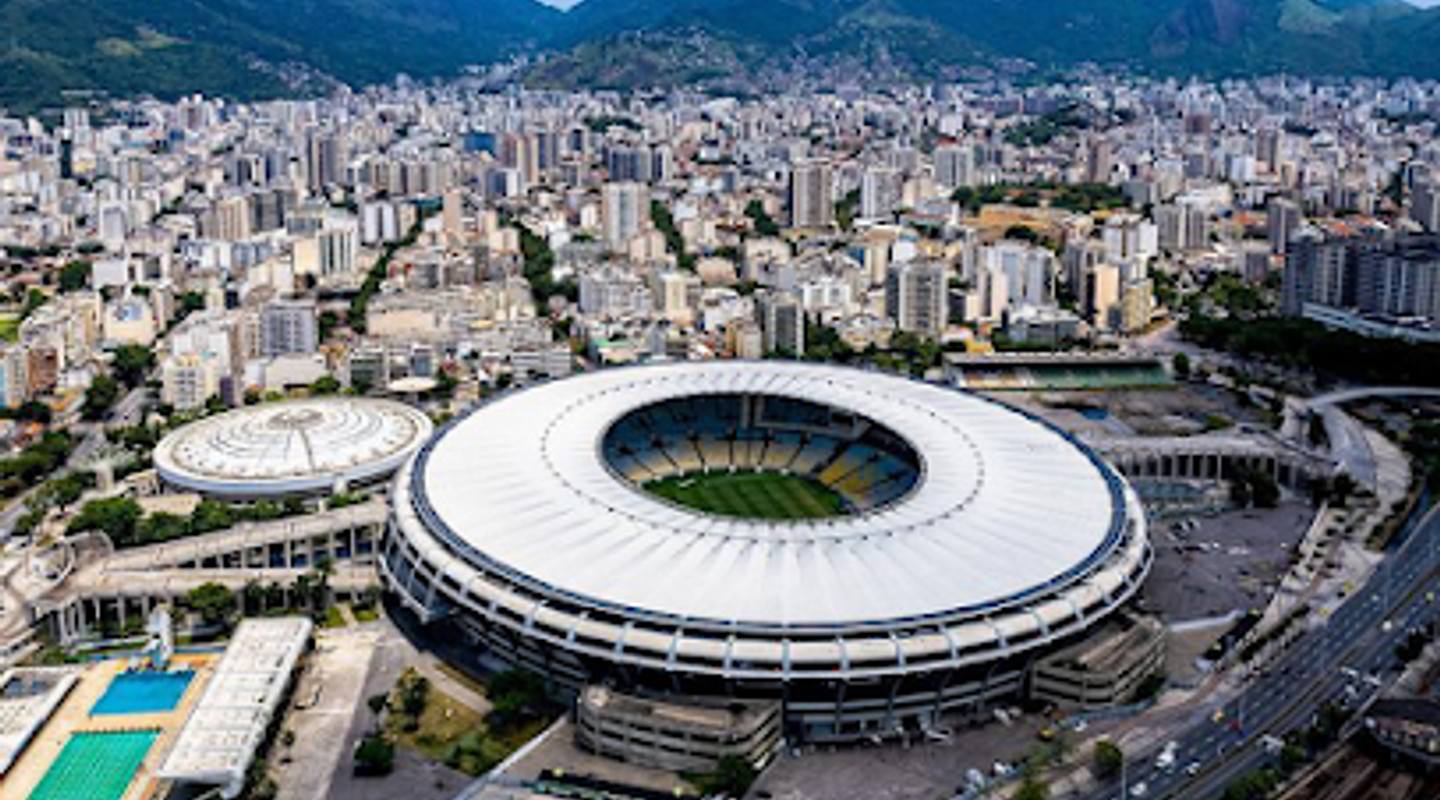
A brief summary of Maracanã
Experience the heart of Brazilian football at the iconic Maracanã Stadium, a stage for legends and unforgettable moments in sports history.
The Maracanã Stadium, officially Estádio Jornalista Mário Filho, is an iconic football stadium in Rio de Janeiro, Brazil. Opened in 1950, it has witnessed historic moments in football history, including World Cup finals and Pelé's 1,000th career goal, solidifying its place as a must-visit landmark for sports enthusiasts and tourists alike.
- Address
- R. Prof. Eurico Rabelo - Maracanã, Rio de Janeiro - RJ, 20271-150
- Website
Getting there
Public Transport
Taxi/Ride-Share
Driving
Discover more about Maracanã
Overview
The Maracanã Stadium, located in Rio de Janeiro, is more than just a sports venue; it's a symbol of Brazilian national identity and a monument to the nation's passion for football. Officially named Estádio Jornalista Mário Filho in honor of a prominent sports journalist, it's known as the Maracanã, after the river that flows nearby.Construction began in 1948, intended to create a flagship venue for the 1950 FIFA World Cup. At the time, it was the largest stadium in the world, designed to hold nearly 200,000 spectators. The stadium quickly became a national icon, hosting not only World Cup matches but also countless club games, Copa do Brasil finals, and Campeonato Carioca matches.The stadium has undergone several renovations, notably for the 2014 FIFA World Cup and the 2016 Olympic and Paralympic Games. Today, it holds approximately 79,000 spectators and meets international standards for safety, logistics, and sustainability. Besides football, the Maracanã has hosted concerts by world-renowned artists like The Rolling Stones, Paul McCartney, and Tina Turner.A tour of the Maracanã offers visitors a behind-the-scenes look at this legendary stadium. Highlights include the locker rooms, press room, and the pitch itself, where fans can walk in the footsteps of football legends. The stadium's museum showcases Brazilian football history with exhibits like jerseys from the 1962 World Cup-winning team and casts of footprints of Pelé and Roberto Dinamite.
Evendo Review Centre
 Google
Guest reviews
Explore Maracanã on the map
A handpicked selection of must-see spots near Maracanã, mapped for you.
Get your free copy of our complete guide to Maracanã, delivered straight to you.
Everything on this page, from opening hours and how to get there to Eve’s tips and the best time to go, in one PDF you can read offline, print or share.
Already have an account? Sign in
Your Maracanã guide is ready.
We'll send it to · Not you? Sign out

Getting your guide ready…
We are putting together a fresh copy of the Maracanã guide. This can take up to a minute.
This can take a few moments. If your browser asks, choose Allow so the download can start. You'll find the guide in your Downloads folder.
Nothing happened? Download it again
Sorry, the guide is taking longer than usual. Please try again in a minute, or get it by email instead.
Unlock the best of Maracanã
Skip-the-line tickets, guided tours with entry, and walking tours of the area, booked in a few clicks.


Other nearby places you may find interesting
The closest places of the same kind, if this one is not quite what you had in mind.
-
-
-
-
-


Swipe for more places
More to explore near Maracanã

 Best experiences near Maracanã
 Best hotels near Maracanã
 Best landmarks near Maracanã
 Best attractions near Maracanã
 Best shops near Maracanã
 Best restaurants near Maracanã
 Best bars near Maracanã
Do you manage this location?
Take control to get all the benefits, like improved information, better appearance, and stronger visibility across AI-powered discovery.
Explore more

Explore more of Southeast Region
Discover the Vibrant Southeast Brazil: Beaches, Mountains, and Cultural Riches Await in Rio de Janeiro, São Paulo, and Beyond.
Explore Southeast Region
Explore more of Brazil
Discover Brazil: a land of samba, stunning landscapes, and rich history. From the Amazon to Rio, explore diverse cultures, world-class cuisine, and vibrant festivals.
Explore Brazil
