

Free Southeast Region Travel Guide & Mobile App
Explore Southeast Region with free travel guides. Discover regional history, expert tips, proposed trips, and audio guides on web or mobile app.


Explore Southeast Brazil through Rio’s landscapes, São Paulo’s culture, Minas Gerais’s historic towns and Espírito Santo’s Atlantic coast.
Read more about Southeast Region
When is the best time to visit Southeast Region?
Best: June–August · 23–24°C| Month | High (°C) | Rainfall (mm) |
|---|---|---|
| January | 29 | 200 |
| February | 30 | 180 |
| March | 30 | 150 |
| April | 27 | 130 |
| May | 26 | 110 |
| June (best) | 23 | 90 |
| July (best) | 23 | 80 |
| August (best) | 24 | 90 |
| September | 26 | 110 |
| October | 28 | 130 |
| November | 29 | 150 |
| December | 29 | 170 |
Getting to and around Southeast Region
How to get there
Transportation
Top city travel guides in Southeast Region
The cities of Southeast Region, and the easiest places to base yourself.
-

-

-

-


Swipe for more cities
Destinations in Southeast Region
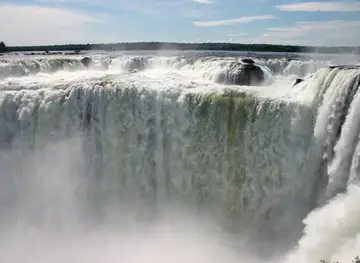
Resorts, valleys and scenic spots worth a trip of their own.
-
-

-

-

-

-


Swipe for more destinations
Best attractions in Southeast Region
The Southeast’s attractions span major cultural institutions, historic towns, rainforest, mountains and beaches. São Paulo city offers the Museu de Arte de São Paulo, Pinacoteca, Museu do Ipiranga, the cultural complex around Avenida Paulista and an extensive programme of theatre, music and design. Rio de Janeiro combines urban landmarks with Tijuca National Park, botanical landscapes and boat-based views across Guanabara Bay. In Minas Gerais, Ouro Preto, Mariana, Congonhas, Tiradentes and São João del-Rei provide churches, museums and former mining landscapes, while Belo Horizonte adds the Pampulha Modern Ensemble and Mercado Central. The coast brings a different rhythm: Ilha Grande and Angra dos Reis are known for forested islands and boat trips, Ubatuba and Ilhabela combine beaches with Atlantic rainforest, and Paraty preserves a historic centre near the border of Rio de Janeiro and São Paulo states. Espírito Santo offers coastal walks, beaches and marine excursions around Vitória, Vila Velha and Guarapari, together with cooler highland scenery in the interior. Serra dos Órgãos and Itatiaia national parks are important for hiking, climbing, birdwatching and mountain scenery, though access and weather should be checked locally.
-
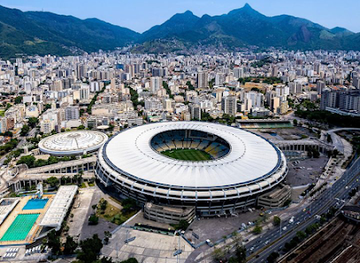
Stadium
Maracanã
Experience the heart of Brazilian football at the iconic Maracanã Stadium, a stage for legends and unforgettable moments in sports history.
-
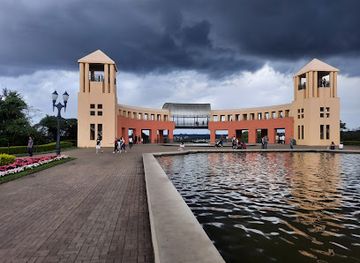
City park
Parque Tanguá
Discover Curitiba's Parque Tanguá: Where revitalized quarries meet stunning city views and natural beauty, creating an unforgettable urban oasis.
-
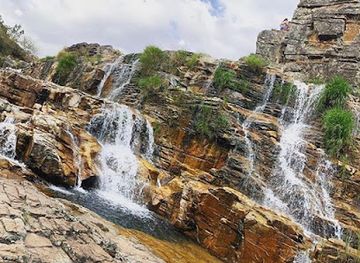
Tourist attraction
Cachoeira da Capivara Complexo Ecológico
Discover breathtaking waterfalls, natural pools, and thrilling outdoor adventures at Cachoeira da Capivara Complexo Ecológico in Capitólio, Brazil.
-
Tourist attraction
Cascade Eco Park
Discover stunning waterfalls, natural pools, and serene campgrounds at Cascade Eco Park in Minas Gerais, Brazil. An unforgettable nature escape.

Best landmarks in Southeast Region
The Southeast’s most recognisable landmarks include Christ the Redeemer and Sugarloaf Mountain in Rio de Janeiro, whose positions above the city and Guanabara Bay help explain the capital’s dramatic geography. Rio’s historic centre also contains imperial and republican buildings, including the former Paço Imperial and the ornate Theatro Municipal, while the Candelária Church remains a significant urban and religious monument. São Paulo’s Metropolitan Cathedral, Municipal Theatre, Sé precinct and modernist MASP express the scale and architectural variety of Brazil’s largest city. In Minas Gerais, the historic centre of Ouro Preto is marked by steep streets, baroque churches and mining-era civic buildings; Congonhas is known for the Sanctuary of Bom Jesus de Matosinhos and Aleijadinho’s monumental sculptures; and Tiradentes preserves an ensemble of eighteenth-century streets and churches. Vitória and Vila Velha have their own coastal symbols, including the Convento da Penha, set above Vila Velha, and the natural granite form of Mestre Álvaro nearby in Serra. The region’s natural landmarks are equally important: the granite peaks of the Serra dos Órgãos, the highlands of Itatiaia and the forested islands and headlands of the São Paulo and Rio de Janeiro coasts provide the physical setting behind much of Southeast Brazil’s visual identity.
-
Tourist attraction
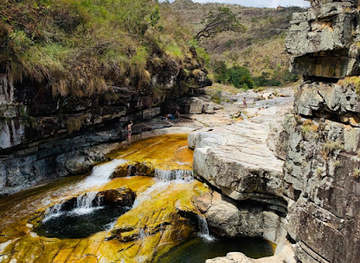
Cachoeira da Capivara Complexo Ecológico
Discover breathtaking waterfalls, natural pools, and thrilling adventures at Cachoeira da Capivara Complexo Ecológico in Capitólio, Minas Gerais.
Explore Southeast Region on the map
Plan your trip on one map. See where the top cities, national parks and sights are, and book hotels and experiences in a few clicks.
Best hotels in Southeast Region
Best restaurants in Southeast Region
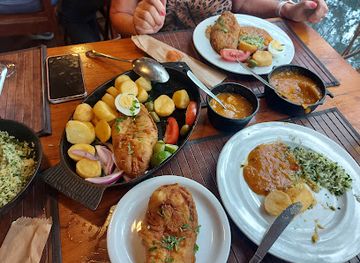
Dining in Southeast Brazil reflects both regional traditions and the history of migration into its cities. Minas Gerais is known for pão de queijo, feijão-tropeiro, tutu de feijão, chicken with okra, fresh cheeses, pork dishes and fruit-based sweets, served in informal restaurants, market stalls and rural kitchens. Espírito Santo’s moqueca capixaba, generally prepared with fish or seafood and coloured with annatto rather than dendê oil, is a defining coastal dish. São Paulo has perhaps the region’s broadest culinary range, from Japanese and Italian communities to contemporary Brazilian restaurants, bakeries, churrascarias and specialist coffee houses. Rio combines seafood, botecos, modern dining and Portuguese-influenced cooking, while coastal towns offer grilled fish, shellfish and simple beachside meals. Coffee is central to the culture of Minas Gerais, São Paulo and Espírito Santo, all important producing areas, and regional cachaças, craft beers, tropical fruit juices and sweets are widely available. Farmers’ markets and municipal markets remain useful places to understand local produce, although quality and opening arrangements vary by town.
-
Meat
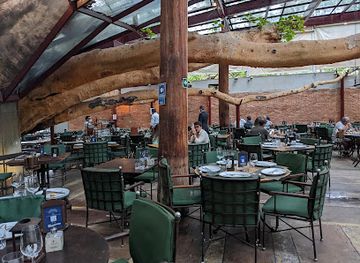
A Figueira Rubaiyat
Discover the exquisite flavors at A Figueira Rubaiyat, São Paulo's premier meat and seafood restaurant under a magnificent fig tree.
-
Restaurant
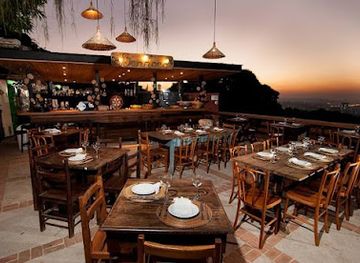
Aprazível
Experience authentic Brazilian cuisine amidst stunning views at Aprazível in Santa Teresa, Rio de Janeiro.
-
Restaurant
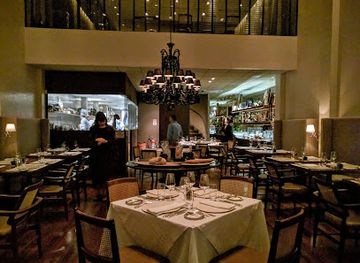
D.O.M.
Discover gourmet Brazilian cuisine at D.O.M., where innovation meets tradition in an unforgettable fine dining experience.
-
Seafood
Restaurante Tropicana
Discover fresh seafood delights at Restaurante Tropicana in Barra de Guaratiba - where flavor meets breathtaking coastal views.
Best bars in Southeast Region
Evening life is most varied in São Paulo, Rio de Janeiro and Belo Horizonte, where neighbourhood bars, live-music rooms, theatres, cultural centres, cocktail venues and clubs cater to distinct local audiences. São Paulo is known for its broad choice of music, food and late-night venues, while Rio’s evening culture ranges from informal botecos and samba settings to bars and clubs in neighbourhoods such as Lapa, Botafogo, Ipanema and Barra da Tijuca. Belo Horizonte has a strong bar culture and is particularly associated with convivial neighbourhood drinking and regional food, though venues change over time. In historic Minas Gerais towns, nightlife is quieter and often concentrated around restaurants, small bars and live music. Coastal destinations in Rio, São Paulo and Espírito Santo add seafront kiosks and seasonal entertainment, especially during summer and holiday periods. Rural and mountain districts generally favour early dinners, inns, breweries and local festivals rather than extensive club scenes. Check transport arrangements before staying out late, particularly in dispersed coastal or highland areas.
-
Italian
Terraço Itália
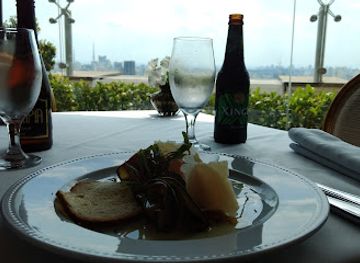
Experience exquisite Italian cuisine with breathtaking views at Terraço Itália, São Paulo's premier dining destination.
-
Irish pub
O'Malley's
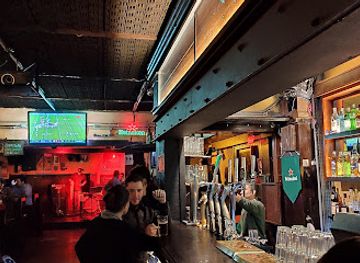
Discover the lively atmosphere of O'Malley's Irish Pub in São Paulo, where traditional cuisine meets vibrant nightlife for an unforgettable experience.
-
Live music bar
Bourbon Street Music Club
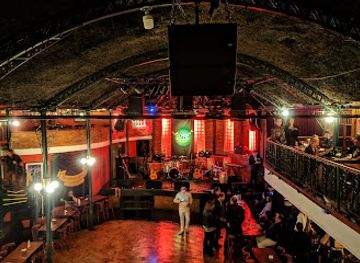
Discover the vibrant music scene at Bourbon Street Music Club, São Paulo's premier destination for live jazz, blues, and unforgettable nightlife.
-
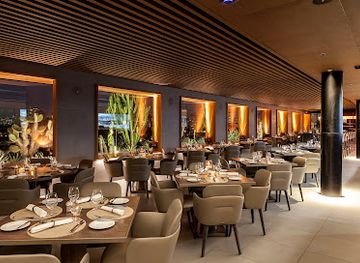
Restaurant
Skye
Skye offers a luxurious dining experience in São Paulo, combining breathtaking views with innovative Brazilian cuisine and crafted cocktails.
Best nightclubs in Southeast Region
Evening life is most varied in São Paulo, Rio de Janeiro and Belo Horizonte, where neighbourhood bars, live-music rooms, theatres, cultural centres, cocktail venues and clubs cater to distinct local audiences. São Paulo is known for its broad choice of music, food and late-night venues, while Rio’s evening culture ranges from informal botecos and samba settings to bars and clubs in neighbourhoods such as Lapa, Botafogo, Ipanema and Barra da Tijuca. Belo Horizonte has a strong bar culture and is particularly associated with convivial neighbourhood drinking and regional food, though venues change over time. In historic Minas Gerais towns, nightlife is quieter and often concentrated around restaurants, small bars and live music. Coastal destinations in Rio, São Paulo and Espírito Santo add seafront kiosks and seasonal entertainment, especially during summer and holiday periods. Rural and mountain districts generally favour early dinners, inns, breweries and local festivals rather than extensive club scenes. Check transport arrangements before staying out late, particularly in dispersed coastal or highland areas.
-
Disco club
Vitrinni Lounge Beer
Discover the electrifying nightlife at Vitrinni Lounge Beer, a premier disco club in Barra da Tijuca, Rio de Janeiro, where music and fun meet.
-
Disco club
Santa Club Lagoa Nightclub
Discover the electric nightlife at Santa Club Lagoa in Florianópolis, where music, dancing, and stunning lake views come together for an unforgettable experience.
-
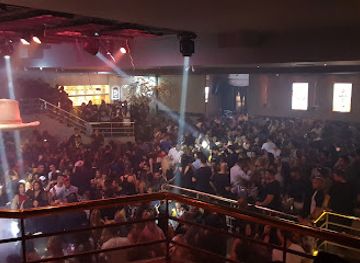
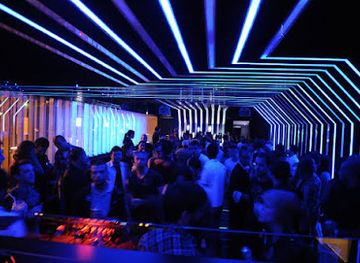
Night club
D-Edge
Experience São Paulo's vibrant nightlife at D-Edge, a spectacular nightclub inspired by Berlin's Watergate, featuring breathtaking lights and exhilarating beats.
-
Night club
Le Rêve Club
Experience the vibrant nightlife of São Paulo at Le Rêve Club, where unforgettable music and dancing await in a lively atmosphere.


Best shops in Southeast Region
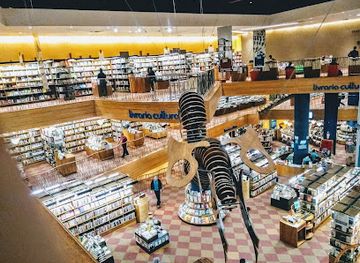
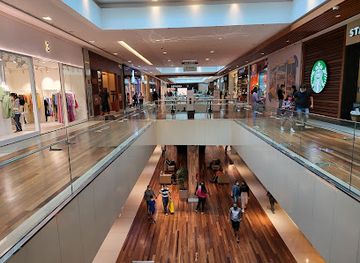
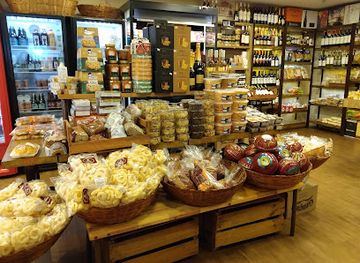
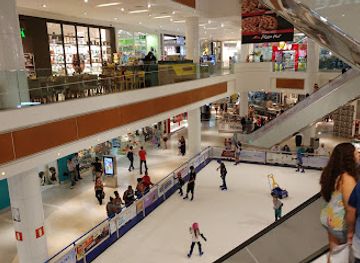
Shopping ranges from São Paulo’s major retail districts and design stores to small-town markets, historic-centre craft shops and coastal stalls. São Paulo offers extensive choices for fashion, books, art, Brazilian design, musical culture and international goods, with distinct commercial areas rather than one single shopping quarter. Rio de Janeiro is strong for beachwear, contemporary Brazilian labels, jewellery, handicrafts and food products, while its street markets and neighbourhood fairs vary by day and location. In Minas Gerais, Ouro Preto, Tiradentes and other historic towns are useful for handmade textiles, woodwork, ceramics, religious art, jewellery and regional foods; buyers should distinguish original craft from mass-produced souvenirs. Municipal markets and specialist shops across the region sell Minas cheeses, coffee, cachaça, sweets, spices and preserved foods, subject to transport and customs rules when taking them abroad. Espírito Santo is known for local food products, including coffee, chocolate and seafood-related specialities, alongside craft shops in coastal and mountain towns. Bargaining is not expected in formal shops, but polite negotiation may be normal in some markets and with independent stallholders.
-
Shopping mall
Shopping Cidade São Paulo
Discover the vibrant shopping scene at Shopping Cidade São Paulo, where fashion, food, and fun come together in the heart of the city.
-
Shopping mall
BarraShopping
Discover the ultimate shopping experience at BarraShopping in Rio de Janeiro, where style meets entertainment and culinary delights await.
-
Shopping mall
Shopping RioSul
Discover the vibrant Shopping RioSul in Botafogo, where luxury shopping meets delightful dining and entertainment in the heart of Rio de Janeiro.
-
Shopping mall
Boulevard Shopping Belo Horizonte
Experience the best of shopping, dining, and entertainment at Boulevard Shopping Belo Horizonte, a must-visit destination for every tourist.
Get your free copy of our complete guide to Southeast Region, delivered straight to you.
Everything on this page, from attractions and restaurants to essentials and local phrases, in one PDF you can read offline, print or share.
Already have an account? Sign in
Your Southeast Region guide is ready.
We'll send it to · Not you? Sign out

Getting your guide ready…
We are putting together a fresh copy of the Southeast Region guide. This can take up to a minute.
This can take a few moments. If your browser asks, choose Allow so the download can start. You'll find the guide in your Downloads folder.
Nothing happened? Download it again
Sorry, the guide is taking longer than usual. Please try again in a minute, or get it by email instead.
Southeast Region essentials
Currency and Payment
Safety
Emergency Situations
Do's and Don'ts
Local Tips
From Eve
Local phrases worth knowing
You don't need to get them perfect. A few words go a long way, and locals appreciate the effort.
Basics
| English | Local | Say it |
|---|---|---|
| Hello | Olá | [oh-LAH] |
| Goodbye | Adeus | [ah-DEH-oos] |
| Yes | Sim | [seem] |
| No | Não | [nah-oong] |
| Please/You're welcome | Por favor/De nada | [por fah-VOR/deh NAH-dah] |
| Thank you | Obrigado/Obrigada | [oh-bree-GAH-do/oh-bree-GAH-dah] |
| Excuse me/Sorry | Desculpe | [dehs-KOOL-peh] |
| How are you? | Como você está? | [KOH-moh voh-SEH eh-STAH] |
| Fine. And you? | Estou bem. E você? | [es-TOH behn. ee voh-SEH] |
| Do you speak English? | Você fala inglês? | [voh-SEH FAH-lah een-GLEZ] |
| I don't understand | Eu não entendo | [ey-oong nao en-TEN-doo] |
Eating & Drinking
| English | Local | Say it |
|---|---|---|
| I'd like to see the menu, please | Eu gostaria de ver o cardápio, por favor | [ey-oong gohs-TAH-ree-ah jee vehr oo kar-DAH-pee-oh, por fah-VOR] |
| I don't eat meat | Eu não como carne | [ey-oong nao KOH-moh KAR-nee] |
| Cheers! | Saúde! | [sah-OO-deh] |
| I would like to pay, please | Eu gostaria de pagar, por favor | [ey-oong gohs-TAH-ree-ah jee pah-GAR, por fah-VOR] |
Emergencies
| English | Local | Say it |
|---|---|---|
| Help! | Socorro! | [soh-KOH-roo] |
| Go away! | Vá embora! | [vah em-BOH-rah] |
| Call the Police! | Chame a polícia! | [SHAH-mee ah poh-LEE-see-ah] |
| Call a doctor! | Chame um médico! | [SHAH-mee oom MEH-jee-koh] |
| I'm lost | Estou perdido | [es-TOH per-JEE-doo] |
| I'm ill | Estou doente | [es-TOH doh-EN-chee] |
Shopping
| English | Local | Say it |
|---|---|---|
| I'd like to buy... | Eu gostaria de comprar... | [ey-oong gohs-TAH-ree-ah jee kom-PRAR...] |
| I'm just looking | Estou apenas olhando | [es-TOH ah-PEH-nahs oh-LYANG-doo] |
| How much is it? | Quanto custa? | [KWAN-toh KOO-stah] |
| That's too expensive | Isso é muito caro | [EE-so eh MOY-toh KAH-roo] |
| Can you lower the price? | Você pode baixar o preço? | [voh-SEH POH-jee bye-SHAR oo PREH-so] |
Time & Numbers
| English | Local | Say it |
|---|---|---|
| What time is it? | Que horas são? | [kee OH-ras sah-oong] |
| It's one o'clock | É uma hora | [eh OO-mah OH-rah] |
| Half past (10) | Dez e meia | [dehz ee MEH-yah] |
| Morning | Manhã | [mahn-YAH] |
| Afternoon | Tarde | [TAR-jee] |
| Evening | Noite | [NOY-chee] |
| Yesterday | Ontem | [ON-teng] |
| Today | Hoje | [OH-zhee] |
| Tomorrow | Amanhã | [ah-mahn-YAH] |
| 1 | Um | [oom] |
| 2 | Dois | [doyz] |
| 3 | Três | [trehz] |
| 4 | Quatro | [KWAH-tro] |
| 5 | Cinco | [SEEN-co] |
| 6 | Seis | [sayz] |
| 7 | Sete | [SEH-chee] |
| 8 | Oito | [OY-toh] |
| 9 | Nove | [NOH-vee] |
| 10 | Dez | [dehz] |
Transport & Directions
| English | Local | Say it |
|---|---|---|
| Where's a/the...? | Onde fica um/a...? | [ON-jee FEE-kah oom/ah...?] |
| What's the address? | Qual é o endereço? | [kwow eh oo en-deh-REH-so] |
| Can you show me (on the map)? | Você pode me mostrar (no mapa)? | [voh-SEH POH-jee mee mos-TRAR (no MAH-pah)?] |
| When's the next (bus)? | Quando é o próximo (ônibus)? | [KWAN-doo eh oo PROH-see-mo (OH-nee-boos)?] |
| A ticket (to ....) | Um bilhete (para ...) | [oom bee-LYEH-chee (PAH-rah ...)] |
History of Southeast Region
Indigenous Landscapes and Portuguese Coastal Settlement
Long before Portuguese colonisation, the Southeast was inhabited by diverse Indigenous peoples, including Tupi-speaking communities along much of the coast and peoples of the interior highlands. Portuguese settlement expanded from coastal points such as São Vicente and Rio de Janeiro during the sixteenth century, bringing plantations, Catholic missions, forced labour and violent displacement. Sugar production, timber extraction and coastal shipping linked the region to the wider Portuguese Atlantic world. Indigenous knowledge, place names, foodways and surviving communities remain important parts of the region’s historical landscape, although colonial expansion caused profound demographic and cultural disruption.
São Paulo’s Bandeiras and Inland Expansion
From São Paulo, colonial expeditions known as bandeiras travelled deep into the interior during the seventeenth and early eighteenth centuries. Their activities included the enslavement of Indigenous people, prospecting and the extension of Portuguese territorial control beyond the original coastal settlements. Routes through the interior helped establish links towards present-day Minas Gerais, Goiás and Mato Grosso. The expeditions are remembered in monuments and place names, but their history also requires recognition of the coercion and violence that accompanied colonial expansion and the destruction of Indigenous autonomy.
Gold, Diamonds and the Colonial Mining Towns
The discovery of gold in the late seventeenth century transformed Minas Gerais and redirected wealth, migration and political attention towards the interior. Ouro Preto, Mariana, Sabará, São João del-Rei and other settlements grew around mines, administrative institutions and religious brotherhoods. Congonhas became renowned for the sculptures and church complex associated with Antônio Francisco Lisboa, known as Aleijadinho. Mining enriched the Portuguese Crown and created a complex society of settlers, enslaved Africans, free people and Indigenous communities. The period left a remarkable Baroque architectural legacy, alongside landscapes altered by extraction.
Rio de Janeiro, the Imperial Court and Independence
Rio de Janeiro became the seat of the Portuguese monarchy in 1808, when the court transferred to Brazil during the Napoleonic invasions. Its new political importance accelerated administrative, commercial and urban development, and the city remained the capital after Brazil’s independence in 1822. The imperial period shaped institutions, public buildings and elite culture across the Southeast, while slavery continued to underpin the economy. Rio remained Brazil’s capital until 1960, when government moved to Brasília, leaving behind a dense concentration of imperial, republican and cultural heritage.
Coffee, Railways and Immigration
During the nineteenth and early twentieth centuries, coffee became the Southeast’s dominant export crop, particularly in São Paulo, Rio de Janeiro and parts of Minas Gerais and Espírito Santo. Wealth from plantations financed railways, ports, banks, urban construction and industrial investment. The expansion relied heavily on enslaved labour until abolition in 1888, followed by large-scale immigration from Italy, Japan, Portugal, Spain and other countries, as well as migration from other parts of Brazil. São Paulo’s rise as an industrial and financial centre is closely tied to this agricultural and transport transformation.
Industrialisation, Urban Growth and Modern Culture
The twentieth century brought rapid industrialisation, especially in São Paulo, Rio de Janeiro, the Paraíba Valley, Belo Horizonte and Espírito Santo’s port-linked economy. Automobile manufacturing, steel, petrochemicals, construction and services attracted migrants from across Brazil and abroad, producing metropolitan regions of global importance but also deep social inequalities. São Paulo became a centre of modernist art and architecture, while Rio shaped national music, cinema, broadcasting and popular culture. Contemporary Southeast Brazil is therefore both economically powerful and socially diverse, with historic districts, industrial landscapes and immense urban peripheries existing side by side.
Southeast Region in Photos
Browse through our photo collection highlighting the charm and character of the destination.
Neighbouring regions of Southeast Region
The closest regions to Southeast Region, if you have time for more than one.
-

-

-

-

-


Swipe for more regions
Explore more

Explore more of Brazil
Discover Brazil: a land of samba, stunning landscapes, and rich history. From the Amazon to Rio, explore diverse cultures, world-class cuisine, and vibrant festivals.
Explore Brazil