

Ravda Travel Guide - Free Web & App
Your ultimate guide to Ravda. Discover top landmarks, proposed trips, and local tips. Free on the web or via the Evendo companion app.


Ravda, Bulgaria offers sandy Black Sea beaches, family-friendly seaside walks, fresh seafood, water sports and access to old Nessebar and nearby coastal villages.
Coastal Setting and Character
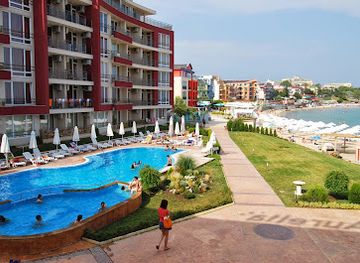
Ravda is a small seaside resort on Bulgaria’s southern Black Sea coast, positioned between the historic peninsula of Nessebar and the quieter town of Aheloy. Its shoreline combines sandy beaches, low rocky sections and shallow coastal water, while the village itself is shaped by hotels, family-run accommodation, holiday apartments, cafés and restaurants rather than by monumental architecture or a large historic centre. The atmosphere is generally more relaxed than in nearby Sunny Beach, with a seasonal rhythm that becomes noticeably quieter outside the main summer months.Read more about Ravda
Beaches and Outdoor Life
Nearby Heritage and Local Flavours
When is the best time to visit Ravda?
Best: May, September–October · 24–30°C| Month | High (°C) | Rainfall (mm) |
|---|---|---|
| January | 9 | 42 |
| February | 11 | 39 |
| March | 14 | 36 |
| April | 20 | 29 |
| May (best) | 25 | 24 |
| June | 31 | 16 |
| July | 34 | 11 |
| August | 34 | 14 |
| September (best) | 30 | 24 |
| October (best) | 24 | 42 |
| November | 17 | 51 |
| December | 11 | 56 |
Getting to and around Ravda
How to get there
Transportation
Best attractions in Ravda
Ravda’s principal attraction is its accessible Black Sea coastline, where South Beach and smaller sandy stretches provide opportunities for swimming, sunbathing and coastal walks. The village’s seasonal promenade and restaurant areas offer a simple seaside experience rather than a formal historic centre. A short journey north leads to Nessebar, a UNESCO-listed historic town on a narrow peninsula known for its medieval churches, archaeological remains, old houses and sea views; it is near Ravda but not part of the village. South of Ravda, Aheloy provides a quieter coastal and riverside setting, while Pomorie and Burgas broaden the range of beaches, wetlands and cultural sights available by road. Sunny Beach, also nearby, supplies larger-scale entertainment and resort facilities, although its character is markedly busier. Ravda is therefore best understood as a base for combining a relaxed local beach with the heritage, wetlands and resort landscapes of Bulgaria’s southern Black Sea coast.
-
Beach
Южен Плаж Равда
Explore the enchanting shores of South Ravda Beach, where golden sands meet crystal-clear waters for an unforgettable Bulgarian getaway.
-
Beach
Beach For Nude People
Escape to Nessebar's serene Beach For Nude People: fine sands, clear waters, and a liberating naturist experience await!
-
Tourist attraction
Blue boat beach
Discover serenity and adventure at Blue Boat Beach, a picturesque coastal haven perfect for relaxation and exploration in Bulgaria.
-
Tourist attraction
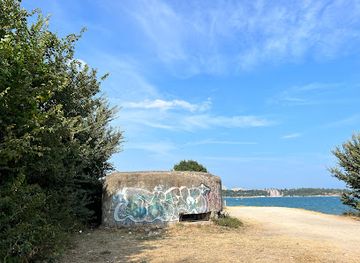
Дълговременна огнева точка (ДОТ) Равда
Discover breathtaking views at the Long-Term Viewing Point in Ravda, Bulgaria – a serene escape along the stunning Black Sea coast.


Best landmarks in Ravda
Ravda’s defining landmarks are coastal rather than monumental: its sandy beaches, low rocky shoreline and open views across the Black Sea establish the village’s visual identity. The most important historic landmark nearby is the peninsula of Nessebar, where surviving medieval churches, defensive traces, archaeological remains and traditional houses reflect the long history of ancient Mesambria and its later communities; Nessebar should be described as a neighbouring heritage destination, not as part of Ravda. The Aheloy River and surrounding lowlands provide a contrasting landscape south of the village, while the broader coast includes the Pomorie wetlands and the urban waterfront of Burgas. Ravda itself has few nationally significant monuments, and its character is expressed more through the relationship between the village, its beaches and its position within the historic and resort landscape of southern Bulgaria.
-
Water park
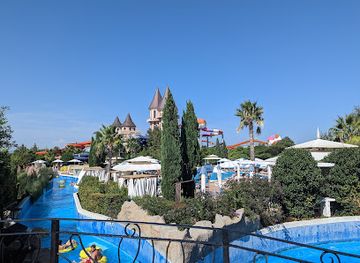
Aquapark Nessebar | Аквапарк Несебър
Experience the ultimate fun and adventure at Aquapark Nessebar, Bulgaria's premier water park with thrilling slides and relaxing pools for all ages.
-
Wellness hotel
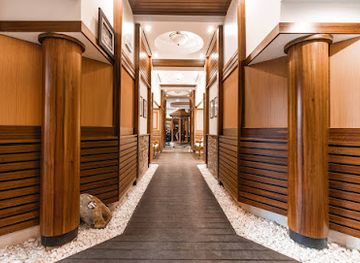
Emerald Beach Resort & Spa
Discover tranquility and luxury at Emerald Beach Resort & Spa, a premier wellness hotel in Ravda, Bulgaria, perfect for relaxation and rejuvenation.
-
Tourist attraction
Camel Park Sunny Beach
Discover the charm of Camel Park Sunny Beach, where unforgettable camel encounters await in the heart of Nessebar, Bulgaria.
-
Hotel
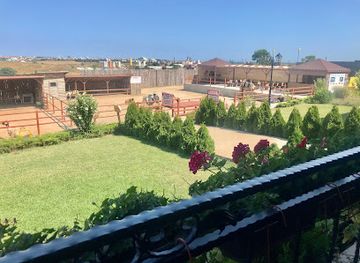
“Aurelia Beach“ Complex
Discover the luxurious Aurelia Beach Complex in Ravda, Bulgaria, where stunning views and exceptional service create your perfect seaside escape.
Explore Ravda on the map
Plan your trip on one map. See where the top attractions, landmarks, restaurants and hotels are, and book hotels and experiences in a few clicks.
Best hotels in Ravda
Best restaurants in Ravda
Dining in Ravda is concentrated around the village, the beach approaches and the main roads linking it with Nessebar and Aheloy. Menus commonly draw on Bulgarian home cooking and Black Sea influences, with shopska salad, grilled meats, banitsa, vegetable dishes and seasonal fruit appearing alongside fish and seafood when available. Visitors can expect a mixture of family-run restaurants, casual cafés, pizzerias, takeaway counters and hotel dining rather than a specialised gastronomic district. Fresh fish, mussels and other seafood are particularly suited to the coastal setting, although availability varies with season and supply. Bulgarian wines, local beer and rakia may accompany meals, while nearby Nessebar offers a broader choice of waterfront and historic-quarter restaurants. Ravda’s more informal establishments often suit families and beach visitors, whereas the surrounding resort centres provide more extensive evening dining and international menus.
-
Restaurant
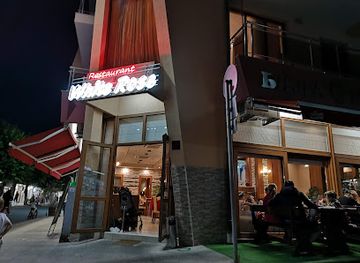
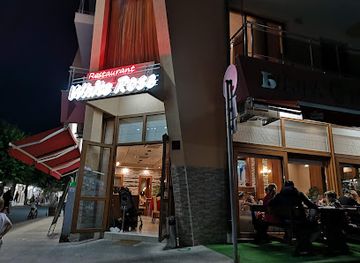
White Rose
Experience authentic Bulgarian cuisine amidst the scenic beauty of Nessebar at White Rose restaurant.
-
Seafood
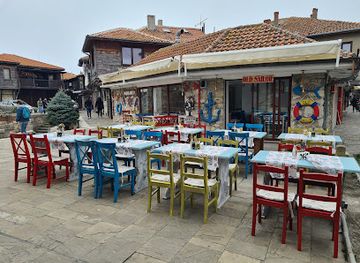
Old Sailor
Experience authentic Bulgarian seafood at Old Sailor in Nessebar's historic district – where tradition meets taste.
-
Restaurant
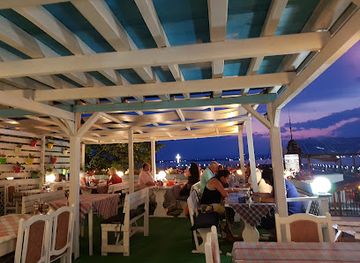
Familia Fish & Grill
Discover authentic Bulgarian cuisine at Familia Fish & Grill in Nessebar - fresh seafood served with stunning sea views.
-
Restaurant
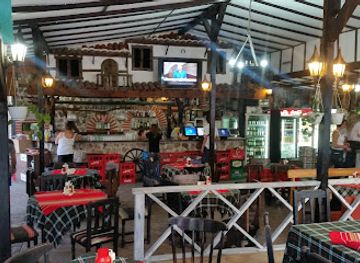
BARBECUE BACHVATA
Discover Barbecue Bachvata: A delightful restaurant in Ravda serving authentic Bulgarian barbecue amidst warm hospitality.
Best bars in Ravda
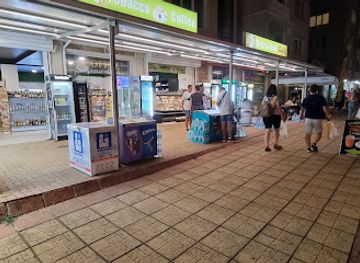
Ravda’s evening life is generally relaxed and seasonal, centred on village cafés, hotel bars, casual restaurants and seaside venues where visitors can sit outdoors after the day’s heat has eased. It is not a major clubbing destination, and the atmosphere is quieter than in Sunny Beach, whose large nightlife scene lies farther north. Small establishments may offer background music or informal entertainment during the summer, but programmes and opening patterns change from year to year. For a livelier night, visitors can travel to Nessebar or Sunny Beach, while those staying in Ravda usually return to a comparatively calm accommodation area. Evening walks near the shore, a meal featuring Bulgarian dishes and a drink at a local café are more characteristic of Ravda than late-night club culture.
-
Restaurant
White Rose
Discover authentic Bulgarian cuisine at the White Rose Restaurant in Nessebar, where tradition meets culinary artistry for an unforgettable dining experience.
-
Seafood
Old Sailor
Experience the best of Bulgarian seafood at Old Sailor, a charming restaurant in Nessebar's historic Staria Grad with stunning coastal views.
-
Restaurant
Familia Fish & Grill
Experience the finest of Bulgarian seafood at Familia Fish & Grill in Nessebar, a culinary treasure for seafood lovers.
-
Restaurant
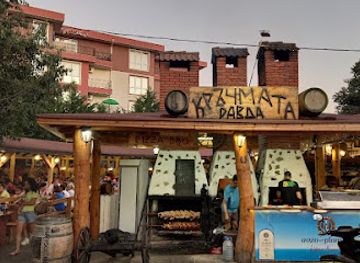
BARBECUE BACHVATA
Experience the best of Bulgarian barbecue at Barbecue Bachvata in Ravda, a delightful spot for every food lover.

Best nightclubs in Ravda
Ravda’s evening life is generally relaxed and seasonal, centred on village cafés, hotel bars, casual restaurants and seaside venues where visitors can sit outdoors after the day’s heat has eased. It is not a major clubbing destination, and the atmosphere is quieter than in Sunny Beach, whose large nightlife scene lies farther north. Small establishments may offer background music or informal entertainment during the summer, but programmes and opening patterns change from year to year. For a livelier night, visitors can travel to Nessebar or Sunny Beach, while those staying in Ravda usually return to a comparatively calm accommodation area. Evening walks near the shore, a meal featuring Bulgarian dishes and a drink at a local café are more characteristic of Ravda than late-night club culture.
-
Bar
Cacao Beach Club
Experience the ultimate beach party at Cacao Beach Club, where sun-soaked days meet electrifying nights in Sunny Beach, Bulgaria.
-
Night club
Bedroom Beach
Discover the ultimate nightlife experience at Bedroom Beach, a premier night club and bar in Sunny Beach, Bulgaria, where music meets the sea.
-
Night club
Club THE 1
Dance the night away at Club THE 1, the premier nightlife destination on Sunny Beach, known for its vibrant atmosphere, great music, and stunning beachside views.


Best shops in Ravda
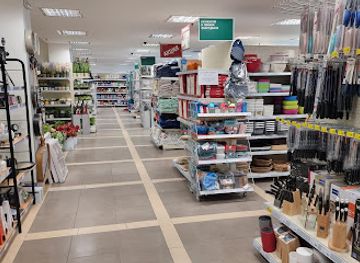
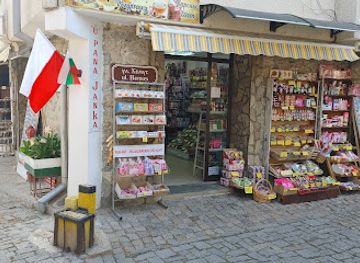
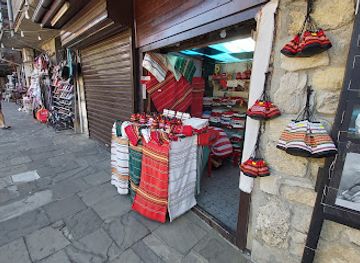
Shopping in Ravda is modest and mainly practical, with seasonal supermarkets, grocery shops, beach kiosks, pharmacies, clothing outlets and small souvenir businesses serving visitors during the summer. Local produce, Bulgarian wine, honey, preserves and packaged foods can be found in the village or in larger nearby settlements, while crafts and souvenirs are more abundant in Nessebar’s historic area and the established resort centres. Visitors looking for extensive retail choice, outdoor equipment or larger supermarkets may need to travel towards Nessebar, Sunny Beach, Pomorie or Burgas. The most distinctive purchases are usually edible regional products, beach necessities and small Bulgarian-made gifts rather than luxury goods or specialised local crafts. Opening patterns and stock can be strongly seasonal, especially outside the main resort streets.
-
Building materials store
MASTERHAUS - Construction Hypermarket
Discover the ultimate destination for building materials and home improvement at MASTERHAUS in Nessebar, Bulgaria.
-
Gift shop
Pan Janek - Bułgarskie Przyprawy Nesebar Shop
Explore Pan Janek in Nessebar for authentic Bulgarian spices and unique gifts that capture the essence of Bulgaria's culinary heritage.
-
Gift shop
J-Craft Ltd Jewelry Store
Explore J-Craft Ltd Jewelry Store in Nessebar for exquisite handcrafted jewelry and unique gifts that embody Bulgarian craftsmanship.
-
Store
DELUXE TOBACCO SHOP
Experience the authentic Bulgarian culture at Deluxe Tobacco Shop in Nessebar, offering a delightful selection of tobacco and local snacks.
Get your free copy of our complete guide to Ravda, delivered straight to you.
Everything on this page, from attractions and restaurants to essentials and local phrases, in one PDF you can read offline, print or share.
Already have an account? Sign in
Your Ravda guide is ready.
We'll send it to · Not you? Sign out

Getting your guide ready…
We are putting together a fresh copy of the Ravda guide. This can take up to a minute.
This can take a few moments. If your browser asks, choose Allow so the download can start. You'll find the guide in your Downloads folder.
Nothing happened? Download it again
Sorry, the guide is taking longer than usual. Please try again in a minute, or get it by email instead.
Ravda essentials
Currency and Payment
Safety
Emergency Situations
Do's and Don'ts
Local Tips
From Eve
Local phrases worth knowing
You don't need to get them perfect. A few words go a long way, and locals appreciate the effort.
Basics
| English | Local | Say it |
|---|---|---|
| Hello | Здравей | [Zdravey] |
| Goodbye | Довиждане | [Dovizhdane] |
| Yes | Да | [Da] |
| No | Не | [Ne] |
| Please/You're welcome | Моля | [Molya] |
| Thank you | Благодаря | [Blagodarya] |
| Excuse me/Sorry | Извинявай | [Izvinyavay] |
| How are you? | Как си? | [Kak si?] |
| Fine. And you? | Добре. А ти? | [Dobre. A ti?] |
| Do you speak English? | Говориш ли английски? | [Govorish li angliyski?] |
| I don't understand | Не разбирам | [Ne razbiram] |
Eating & Drinking
| English | Local | Say it |
|---|---|---|
| I'd like to see the menu, please | Бих искал да видя менюто, моля | [Bih iskal da vida menyuto, molya] |
| I don't eat meat | Не ям месо | [Ne yam meso] |
| Cheers! | На здраве! | [Na zdrave!] |
| I would like to pay, please | Бих искал да платя, моля | [Bih iskal da platya, molya] |
Emergencies
| English | Local | Say it |
|---|---|---|
| Help! | Помощ! | [Pomosht!] |
| Go away! | Махай се! | [Mahay se!] |
| Call the Police! | Обади полицията! | [Obadi politsiyata!] |
| Call a doctor! | Обади лекар! | [Obadi lekar!] |
| I'm lost | Загубен съм | [Zaguben sym] |
| I'm ill | Болен съм | [Bolen sym] |
Shopping
| English | Local | Say it |
|---|---|---|
| I'd like to buy... | Бих искал да купя... | [Bih iskal da kupya...] |
| I'm just looking | Просто гледам | [Prosto gledam] |
| How much is it? | Колко струва? | [Kolko struva?] |
| That's too expensive | Това е твърде скъпо | [Tova e tvyrde skapo] |
| Can you lower the price? | Можете ли да понижите цената? | [Mojete li da ponizhite tsenata?] |
Time & Numbers
| English | Local | Say it |
|---|---|---|
| What time is it? | Колко е часът? | [Kolko e chasat?] |
| It's one o'clock | Един час | [Edin chas] |
| Half past (10) | Половина на (10) | [Polovina na (10)] |
| Morning | Сутрин | [Sutrin] |
| Afternoon | Следобед | [Sledobed] |
| Evening | Вечер | [Vecher] |
| Yesterday | Вчера | [Vchera] |
| Today | Днес | [Dnes] |
| Tomorrow | Утре | [Utre] |
| 1 | едно | [edno] |
| 2 | две | [dve] |
| 3 | три | [tri] |
| 4 | четири | [chetiri] |
| 5 | пет | [pet] |
| 6 | шест | [shest] |
| 7 | седем | [sedem] |
| 8 | осем | [osem] |
| 9 | девет | [devet] |
| 10 | десет | [deset] |
Transport & Directions
| English | Local | Say it |
|---|---|---|
| Where's a/the...? | Къде е... | [Kade e...] |
| What's the address? | Какъв е адресът? | [Kakav e adresat?] |
| Can you show me (on the map)? | Можете ли да ми покажете (на картата)? | [Mojete li da mi pokazhete (na kartata)?] |
| When's the next (bus)? | Кога е следващият (автобус)? | [Koga e sledvashtiyat (avtobus)?] |
| A ticket (to ....) | Билет (до ....) | [Bilet (do ....)] |
History of Ravda
A Coast Shaped by the Black Sea
Ravda occupies a low coastal setting on Bulgaria’s Black Sea shore, where beaches, dunes and rocky stretches have long influenced settlement and land use. The village’s historical identity is more closely associated with the modern coastal community than with a major ancient urban centre. Its position, however, places it within a wider region of exceptional historical importance, with the peninsula of Nessebar nearby and the ancient town of Mesambria forming the principal archaeological reference point for the surrounding coast.
A Rural Coastal Community
Before the expansion of mass tourism, Ravda was a modest settlement whose local economy was connected to agriculture, small-scale coastal life and the resources of the surrounding plain. As elsewhere along Bulgaria’s southern Black Sea coast, residents lived within reach of fishing communities and older villages, while nearby Nessebar remained the principal historic and commercial centre. The landscape around Ravda retained a more rural character than the heavily developed resort areas that later grew along the coast.
The Rise of Seaside Tourism
Ravda’s transformation into a holiday destination gathered pace during the twentieth century as Bulgaria developed its Black Sea resorts and domestic seaside tourism. Accommodation, restaurants and seasonal services gradually replaced much of the village’s earlier rural appearance. Unlike Sunny Beach, which developed on a much larger planned resort scale, Ravda retained a village-based pattern of streets and smaller businesses, making it attractive to visitors seeking beach access without staying in one of the coast’s largest entertainment centres.
Modern Resort Development
Since the late twentieth century, Ravda has experienced substantial construction of family hotels, apartment buildings and holiday properties, particularly around the coast and along routes linking it with Nessebar and Aheloy. This growth reflects the wider expansion of Bulgarian seaside tourism after the country’s political and economic transition. Today, Ravda’s appeal depends on its beaches, accommodation choice and proximity to Nessebar, while seasonal pressure on roads, water resources and the coastline forms part of the broader management challenge facing Bulgaria’s southern Black Sea resorts.
Ravda in Photos
Browse through our photo collection highlighting the charm and character of the destination.
Neighbouring destination travel guides
The closest destinations to Ravda, if you have time for more than one.
-

-

-

-

-


Swipe for more destinations
Explore more

Explore more of Northeast Bulgaria
Explore Northeast Bulgaria: A region rich in history, nature, and cultural heritage with ancient ruins, picturesque landscapes, and vibrant folklore.
Explore Northeast Bulgaria
Explore more of Bulgaria
Explore Bulgaria: From Sofia's bustling streets to the serene mountains and stunning Black Sea beaches, discover the rich history, culture, and natural beauty of Bulgaria.
Explore Bulgaria