

Northeast Bulgaria, Bulgaria Travel Guide
Explore Northeast Bulgaria: A region rich in history, nature, and cultural heritage with ancient ruins, picturesque landscapes, and vibrant folklore.
Northeast Bulgaria is a region where history meets breathtaking nature. This area boasts a rich cultural heritage with ancient ruins, medieval fortresses, and vibrant folklore. The towns and villages in this region provide a glimpse into Bulgaria's past and present, offering a unique blend of traditional and modern lifestyles. One of the must-visit spots in Northeast Bulgaria is the Madara Rider, a UNESCO World Heritage Site. This impressive rock relief dates back to the early Middle Ages and depicts a majestic horseman. The surrounding area is perfect for a hike, offering stunning views of the Bulgarian countryside. For nature lovers, the Srebarna Nature Reserve is a paradise. This UNESCO Biosphere Reserve is home to a variety of bird species, making it a top destination for birdwatching. The reserve's lush wetlands and serene atmosphere provide a peaceful retreat from the hustle and bustle of city life. The town of Shumen is another highlight in Northeast Bulgaria. Known for the Shumen Fortress and the Monument to 1300 Years of Bulgaria, this town is steeped in history. Visitors can explore the fortress's ruins and enjoy panoramic views of the surrounding landscape. Northeast Bulgaria offers a unique travel experience with its blend of historical sites, natural beauty, and cultural richness. Whether you're an adventurer, a history buff, or a nature enthusiast, this region has something for everyone.

Know before you go
Hi, I'm Eve. Here are a few practical things to know before exploring Northeast Bulgaria.
- Visit the Madara Rider early in the morning to avoid crowds and enjoy the serene surroundings.
- Bring binoculars to Srebarna Nature Reserve for optimal birdwatching.
- Wear comfortable shoes when exploring the Shumen Fortress as the terrain can be uneven.
- Try local Bulgarian dishes in the small towns for an authentic culinary experience.
- Learn a few basic Bulgarian phrases to enhance your interaction with the locals.
Top City Travel Guides in Northeast Bulgaria
The cities of Northeast Bulgaria, and the easiest places to base yourself.


Destinations in Northeast Bulgaria
Resorts, valleys and scenic spots worth a trip of their own.


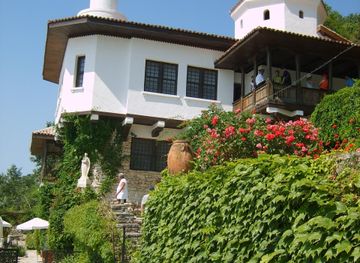
Explore Northeast Bulgaria: Things to Do, Places to Eat, Hotels & More
Handpicked recommendations for top attractions, local dining, accommodations, and more

Top Attractions & Sightseeing in Northeast Bulgaria
Top-rated picks
Best Attractions

The Sea Garden
Explore The Sea Garden in Burgas – a stunning coastal park with lush greenery, cultural attractions, and breathtaking views of the Black Sea.
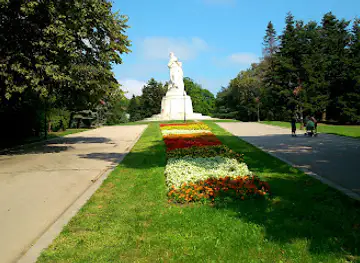
Sea Garden
Explore Varna's Sea Garden, a breathtaking coastal park filled with lush greenery, cultural sites, and stunning views of the Black Sea.

Cape Kaliakra
Explore Cape Kaliakra: Where ancient history meets stunning natural beauty on Bulgaria's Black Sea coast. Dramatic cliffs, legends, and wildlife await!

Church of Saint Sophia
Explore the Church of Saint Sophia in Nessebar, a historical gem that reflects the rich heritage and architectural beauty of Bulgaria's ancient coastal town.

Best landmarks in Northeast Bulgaria
Top-rated picks
Best Landmarks

The Sea Garden
Discover the beauty of nature and culture at The Sea Garden, Burgas - a serene park along the Black Sea coast perfect for relaxation and recreation.

Sea Garden
Experience the beauty and tranquility of Varna's Sea Garden, a coastal oasis filled with lush landscapes, cultural attractions, and stunning sea views.
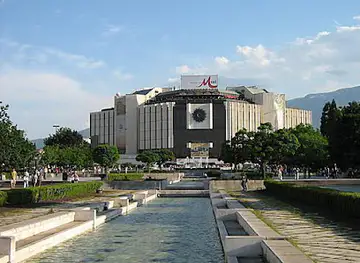
National Palace of Culture Park
Discover the National Palace of Culture Park in Sofia, a vibrant green space blending nature and culture, perfect for relaxation and recreation.

Patriarchal Cathedral of St. Alexander Nevsky
Discover the architectural splendor and rich history of the Patriarchal Cathedral of St. Alexander Nevsky in Sofia, Bulgaria's iconic cultural landmark.

Best restaurants in Northeast Bulgaria
Top-rated picks
Best Restaurants

Shtastliveca
Experience authentic Bulgarian cuisine with stunning views at Shtastliveca in Veliko Tarnovo.

Shtastlivetsa restaurant Vitoshka
Experience authentic Bulgarian cuisine at Shtastlivetsa Restaurant on Vitosha Boulevard—where tradition meets modern dining.

Restaurant Djanny
Discover the culinary delights at Restaurant Djanny in Sunny Beach - where local flavors meet international cuisine in a vibrant setting.

Staria Chinar - Port Varna
Discover the essence of Bulgaria at Staria Chinar - Port Varna with authentic dishes and warm hospitality.

Best bars in Northeast Bulgaria
Top-rated picks
Best Bars

Cubo
Experience the vibrant nightlife of Varna at Cubo, a lively bar known for its delicious cocktails and energetic atmosphere.

Raketa Rakia Bar
Experience the heart of Bulgarian culture at Raketa Rakia Bar, where traditional flavors and lively atmosphere come together in Sofia.

Bar Friday
Discover Sofia's nightlife at Bar Friday, a blend of live music, dance, and expertly crafted cocktails in a vibrant atmosphere.

The Cocktail Bar
Experience the finest cocktails in Sofia at The Cocktail Bar, a chic destination for nightlife and social gatherings.

Best nightclubs in Northeast Bulgaria
Top-rated picks
Best Nightclubs

club *MIXTAPE 5*
Discover Sofia's vibrant nightlife at Club MIXTAPE 5, where electrifying beats and unforgettable parties await every night.

Cacao Beach Club
Experience the vibrant nightlife and stunning beach views at Cacao Beach Club, the ultimate destination for beach parties in Sunny Beach, Bulgaria.

Club Revue
Discover Sofia's nightlife at Club Revue, where vibrant music, stylish ambiance, and unforgettable experiences await you.

Yalta
Experience the electric nightlife of Sofia at Yalta, where music, dance, and vibrant crowds create unforgettable moments.

Best shops in Northeast Bulgaria
Top-rated picks
Best Shops

Serdika Center
Serdika Center: Your Ultimate Shopping and Dining Experience in the Heart of Sofia

Sofia Ring Mall
Discover the ultimate shopping experience at Sofia Ring Mall, combining local charm with international flair in Sofia, Bulgaria.

The Mall
Experience Sofia's premier shopping destination at The Mall, where diverse stores, dining, and entertainment await every visitor.

Mall of Sofia
Discover a retail wonderland at Mall of Sofia, blending shopping, dining, and entertainment in Bulgaria's vibrant capital.

Explore Northeast Bulgaria on the Map
A handpicked selection of must-see spots in Northeast Bulgaria, mapped for you.
Northeast Bulgaria Essentials
-
Northeast Bulgaria is accessible via several international airports. The nearest major airport is Varna Airport (VAR), located approximately 100 kilometers from the northeastern region. From Varna, you can take a bus, taxi, or rent a car to reach your destination. Alternatively, Bucharest Henri Coandă International Airport (OTP) in Romania is around 200 kilometers away, offering another entry point into the region. Trains and buses from Sofia, the capital of Bulgaria, also connect to key cities in Northeast Bulgaria such as Dobrich, Shumen, and Silistra.
-
Public transportation in Northeast Bulgaria includes buses, trains, and taxis. Buses are the most common form of transport and connect most towns and cities. Trains are less frequent but offer a scenic and comfortable alternative. Taxis are available in most urban areas and are relatively inexpensive. Renting a car is a convenient option for exploring rural areas and small villages. Biking is also popular for shorter distances, especially in areas with well-maintained roads.
-
The official currency of Bulgaria is the Bulgarian Lev (BGN). Credit cards are widely accepted in hotels, restaurants, and larger shops, but smaller establishments and rural areas may require cash. ATMs are available in all major towns and cities. It's advisable to carry some cash for emergencies and small purchases. Currency exchange offices offer competitive rates and are commonly found in tourist areas.
-
Northeast Bulgaria is generally safe for tourists. However, standard precautions should be taken. Avoid walking alone at night in unfamiliar or poorly lit areas. Petty crime such as pickpocketing can occur in crowded places, so keep an eye on your belongings. Areas with higher crime rates targeting tourists are rare, but it's always best to stay vigilant. In case of any issues, local police stations are available and can assist.
-
In case of emergency, dial 112 for immediate assistance, which connects you to police, fire, and medical services. Major towns have hospitals and clinics that can handle most medical emergencies. Pharmacies are readily available for over-the-counter medications. It's recommended to have travel insurance that covers medical emergencies. Knowing basic phrases in Bulgarian can be helpful in emergency situations.
-
Fashion: Do dress modestly when visiting religious sites; avoid overly casual or revealing clothing. Religion: Do respect local religious customs; cover your head when entering churches and monasteries. Public Transport: Do be respectful and offer your seat to elderly passengers; don't eat or drink on public transport. Greetings: Do greet people with a handshake and a smile; a slight nod of the head is also respectful. Eating & Drinking: Do try local dishes and accept food offerings graciously; don't refuse hospitality as it is considered rude.
-
To experience Northeast Bulgaria like a local, visit local markets where you can buy fresh produce and traditional goods. Engage with locals, who are often friendly and willing to share stories about their culture and history. Explore off-the-beaten-path locations like the Madara Rider, a UNESCO World Heritage site, and the natural beauty of the Srebarna Nature Reserve. Participating in local festivals and events can also offer a unique cultural experience.
When is the best time to visit Northeast Bulgaria?
Useful Local Phrases for Northeast Bulgaria
You don't need to speak the language perfectly. Even learning a few simple words can make conversations warmer—and locals usually appreciate the effort.
— Eve

Here are the phrases I use most often in Northeast Bulgaria. Try a few—you'll be surprised how far they go! 😊
❤️
-
- HelloЗдравей
[Zdravey] - GoodbyeДовиждане
[Dovijdane] - YesДа
[Da] - NoНе
[Ne] - Please/You're welcomeМоля/Няма за какво
[Molya/Nyama za kakvo] - Thank youБлагодаря
[Blagodarya] - Excuse me/SorryИзвинете/Съжалявам
[Izvinete/Sazhalyavam] - How are you?Как си?
[Kak si?] - Fine. And you?Добре. А ти?
[Dobre. A ti?] - Do you speak English?Говорите ли английски?
[Govorite li angliyski?] - I don't understandНе разбирам
[Ne razbiram]
- HelloЗдравей
-
- I'd like to see the menu, pleaseБих искал да видя менюто, моля
[Bikh iskal da vidya menyuto, molya] - I don't eat meatНе ям месо
[Ne yam meso] - Cheers!Наздраве!
[Nazdrave!] - I would like to pay, pleaseБих искал да платя, моля
[Bikh iskal da platya, molya]
- I'd like to see the menu, pleaseБих искал да видя менюто, моля
-
- Help!Помощ!
[Pomoshch!] - Go away!Махни се!
[Makni se!] - Call the Police!Обадете се на полицията!
[Obadete se na politsiyata!] - Call a doctor!Обадете се на доктор!
[Obadete se na doktor!] - I'm lostЗагубих се
[Zagubikh se] - I'm illБолен съм
[Bolen sŭm]
- Help!Помощ!
-
- I'd like to buy...Бих искал да купя...
[Bikh iskal da kupya...] - I'm just lookingСамо разглеждам
[Samo razglezhdam] - How much is it?Колко струва?
[Kolko struva?] - That's too expensiveТова е твърде скъпо
[Tova e tvarde skŭpo] - Can you lower the price?Можете ли да свалите цената?
[Mozhete li da svalite tsenata?]
- I'd like to buy...Бих искал да купя...
-
- What time is it?Колко е часовникът?
[Kolko e chasovnikŭt?] - It's one o'clockЧасът е един
[Chasŭt e edin] - Half past (10)Половин на (10)
[Polovin na (10)] - MorningСутрин
[Sutrin] - AfternoonСледобед
[Sledobed] - EveningВечер
[Vecher] - YesterdayВчера
[Vchera] - TodayДнес
[Dnes] - TomorrowУтре
[Utre] - 11
[1] - 22
[2] - 33
[3] - 44
[4] - 55
[5] - 66
[6] - 77
[7] - 88
[8] - 99
[9] - 1010
[10]
- What time is it?Колко е часовникът?
-
- Where's a/the...?Къде е ...?
[Kŭde e...?] - What's the address?Какъв е адресът?
[Kakŭv e adresŭt?] - Can you show me (on the map)?Може ли да ми покажете (на картата)?
[Mozhe li da mi pokazhete (na kartata)?] - When's the next (bus)?Кога е следващият (автобус)?
[Koga e sledvashtiyat (avtobus)?] - A ticket (to ....)Билет (до ...)
[Bilet (do ...)]
- Where's a/the...?Къде е ...?
History of Northeast Bulgaria
-
The Thracians, an ancient Indo-European people, were the earliest known inhabitants of Northeast Bulgaria. The region is dotted with remnants of Thracian culture, from burial mounds to intricate gold and silver treasures. The Thracian Tomb of Sveshtari, a UNESCO World Heritage site, is a prime example, featuring unique architectural elements and exquisite frescoes that offer a glimpse into the Thracian way of life.
-
During the Roman Empire, Northeast Bulgaria was an important crossroads of trade and military routes. The fortress of Abritus, near the modern town of Razgrad, stands as a testament to this era. Abritus was a significant Roman city and military base, and its ruins include well-preserved walls, gates, and artifacts that illustrate the strategic importance of the region in Roman times.
-
The First Bulgarian Empire, established in 681 AD, left a profound impact on Northeast Bulgaria. The town of Pliska, the first capital of Bulgaria, is located in this region. Pliska's Great Basilica, one of the largest Christian churches of its time, symbolizes the spread of Christianity and the cultural advancements during this period. Excavations have revealed a complex of palaces, fortifications, and residential buildings, showcasing the architectural prowess of the early Bulgarians.
-
The medieval period saw the rise of powerful fortresses that safeguarded the region. The Shumen Fortress, with its commanding view over the surrounding landscape, played a crucial role in the defense against Byzantine and Ottoman forces. The fortress complex includes remains of churches, watchtowers, and residential areas, reflecting the turbulent yet vibrant medieval history of Northeast Bulgaria.
-
Northeast Bulgaria was under Ottoman rule for nearly five centuries, a period marked by significant cultural and architectural influences. The town of Dobrich, known as Hacıoğlu Pazarcık during Ottoman times, features mosques, baths, and other structures from this era. The liberation movement in the 19th century, culminating in the Russo-Turkish War of 1877–1878, saw fierce battles in the region, leading to the eventual independence of Bulgaria.
-
Today, Northeast Bulgaria is a blend of ancient history and modern culture. The city of Varna, often called the marine capital of Bulgaria, is renowned for its archaeological museum, which houses the oldest gold treasure in the world. The Madara Rider, a large rock relief carved into a cliff near the village of Madara, is another UNESCO World Heritage site that continues to captivate visitors with its enigmatic presence and historical significance.
Neighbouring Regions of Northeast Bulgaria
The closest regions to Northeast Bulgaria, if you have time for more than one.


Your all‑in‑one travel companion app
Explore expert travel guides, compare and book tours, experiences, hotels, and more—all from the palm of your hand. Download now for seamless trip planning wherever your wanderlust takes you.


Explore More of Bulgaria

Looking beyond Northeast Bulgaria? Discover Bulgaria for broader travel guides, local hot-spots, and regional highlights.
Explore BulgariaNortheast Bulgaria in Photos
Browse through our photo collection highlighting the charm and character of the destination.





Discover the Charms of Northeast Bulgaria
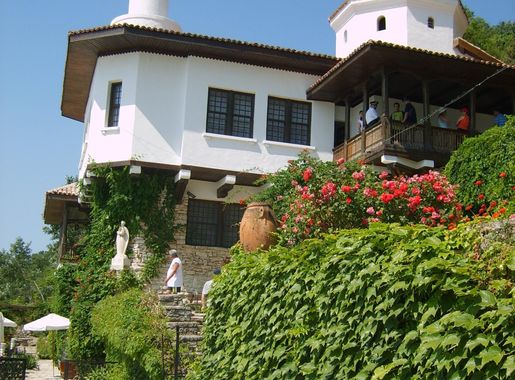
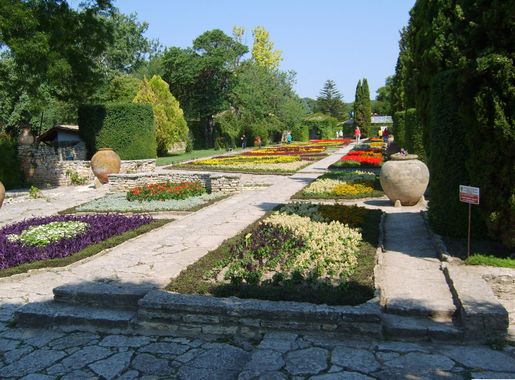
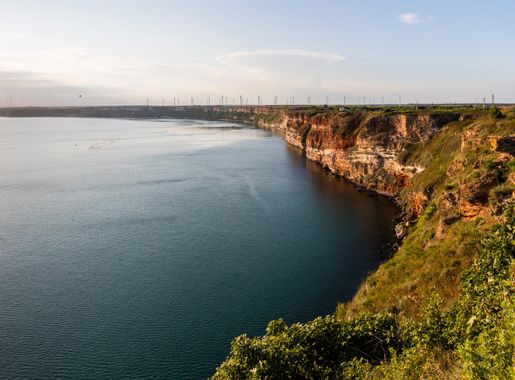
Northeast Bulgaria is a region where history meets breathtaking nature. This area boasts a rich cultural heritage with ancient ruins, medieval fortresses, and vibrant folklore. The towns and villages in this region provide a glimpse into Bulgaria's past and present, offering a unique blend of traditional and modern lifestyles. One of the must-visit spots in Northeast Bulgaria is the Madara Rider, a UNESCO World Heritage Site. This impressive rock relief dates back to the early Middle Ages and depicts a majestic horseman. The surrounding area is perfect for a hike, offering stunning views of the Bulgarian countryside. For nature lovers, the Srebarna Nature Reserve is a paradise. This UNESCO Biosphere Reserve is home to a variety of bird species, making it a top destination for birdwatching. The reserve's lush wetlands and serene atmosphere provide a peaceful retreat from the hustle and bustle of city life. The town of Shumen is another highlight in Northeast Bulgaria. Known for the Shumen Fortress and the Monument to 1300 Years of Bulgaria, this town is steeped in history. Visitors can explore the fortress's ruins and enjoy panoramic views of the surrounding landscape. Northeast Bulgaria offers a unique travel experience with its blend of historical sites, natural beauty, and cultural richness. Whether you're an adventurer, a history buff, or a nature enthusiast, this region has something for everyone.