

Banfora Travel Guide - Free Web & App
Your ultimate guide to Banfora. Discover top landmarks, proposed trips, and local tips. Free on the web or via the Evendo companion app.


Discover Banfora: A serene town in Burkina Faso known for its lush landscapes, stunning waterfalls, unique rock formations, and rich cultural experiences.
Read more about Banfora
When is the best time to visit Banfora?
Best: December–February · 35–38°C| Month | High (°C) | Rainfall (mm) |
|---|---|---|
| January (best) | 35 | 0 |
| February (best) | 38 | 0 |
| March | 41 | 0 |
| April | 43 | 0 |
| May | 42 | 22 |
| June | 39 | 80 |
| July | 37 | 112 |
| August | 37 | 103 |
| September | 39 | 82 |
| October | 41 | 28 |
| November | 38 | 14 |
| December (best) | 36 | 1 |
Getting to and around Banfora
How to get there
Transportation
Best attractions in Banfora
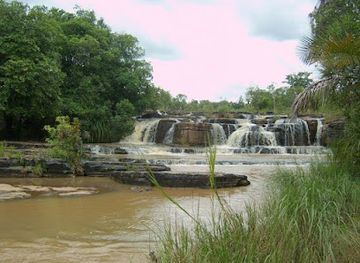
Banfora in Burkina Faso offers a unique blend of natural beauty and cultural experiences for visitors. From the stunning Karfiguela Waterfalls and the picturesque Sindou Peaks to the enchanting Domes de Fabedougou rock formations, there is no shortage of breathtaking sights to explore. Visitors can also immerse themselves in the local culture by visiting traditional villages, trying local cuisine, and attending vibrant festivals. For those seeking adventure, activities such as hiking, boat rides on the Comoé River, and exploring the Banfora Cascades are sure to thrill. Banfora truly has something for every type of traveler looking for a one-of-a-kind experience.
-
 Tourist attraction
Burkina faso
Explore the vibrant culture, stunning landscapes, and warm hospitality of Burkina Faso, a hidden gem in West Africa waiting to be discovered.
-
National forest
Kénédougou
Discover Kénédougou National Forest: Nature, history, and culture converge in this Burkina Faso treasure near Banfora.
-
Tourist attraction
Paradis piscine
Discover Paradis Piscine in Karfiguela: A serene oasis of waterfalls and lush landscapes, perfect for swimming, hiking, and connecting with nature.
Best landmarks in Banfora
Banfora in Burkina Faso offers visitors a unique blend of natural beauty and historical significance. From the stunning Karfiguela Waterfalls to the mysterious Sindou Peaks, there is no shortage of breathtaking landscapes to explore. Visitors can also marvel at the ancient rock formations of Domes de Fabedougou and learn about the local culture at the vibrant market in town. Whether it's cruising on the peaceful Tengrela Lake or hiking through the lush Nazinga Reserve, Banfora has something for every type of traveler seeking an unforgettable adventure.
-
Hotel
Hotel Canne à Sucre
Discover Banfora's charm and comfort at Hotel Canne à Sucre, where local culture meets modern hospitality in Burkina Faso.
-
Tourist attraction
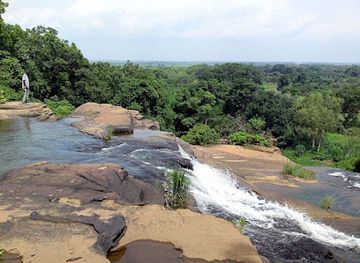
Les Cascade de Banfora
Explore the breathtaking Les Cascade de Banfora, a natural wonder in Burkina Faso, perfect for adventure seekers and nature lovers alike.
-
Tourist attraction
Cascades de Karfiguela
Discover the breathtaking Cascades de Karfiguela in Burkina Faso: waterfalls, lush landscapes, and a refreshing natural escape.
-
Tourist attraction
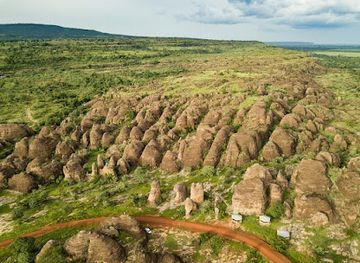
Domes de Fabedougou
Discover the breathtaking Domes de Fabedougou, a stunning natural attraction in Burkina Faso, showcasing unique geological formations amidst lush landscapes.
Explore Banfora on the map
Plan your trip on one map. See where the top attractions, landmarks, restaurants and hotels are, and book hotels and experiences in a few clicks.
Best hotels in Banfora
Best restaurants in Banfora
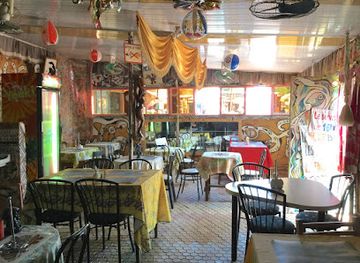
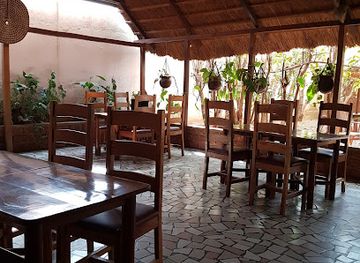
The dining scene in Banfora offers a unique and diverse experience for visitors, with a blend of traditional African cuisine and international flavors. From bustling market stalls serving up savory street food to cozy cafes offering freshly brewed coffee and pastries, visitors can immerse themselves in the local culinary culture. Indulge in dishes like grilled tilapia, peanut stew, and fufu, or try out French-inspired dishes in charming restaurants. With friendly locals and vibrant atmospheres, dining in Banfora is not just a meal, but a cultural experience that will leave visitors craving for more.
-
Fast Food
McDonald's
Experience global flavors at McDonald's in Banfora - where fast food meets local culture!
-
Fast Food
Mac Donald
Discover Mac Donald in Banfora - Your go-to fast food destination for delicious meals and quick service amidst Burkina Faso's beautiful landscapes.
-
Restaurant
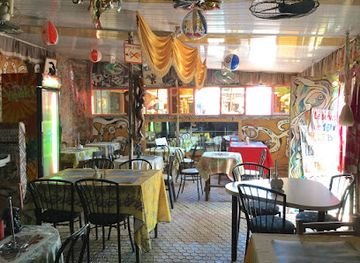
Restaurant Calypso
Experience the vibrant culinary scene at Restaurant Calypso in Banfora, where local flavors meet international cuisine in a warm and inviting setting.
-
Restaurant
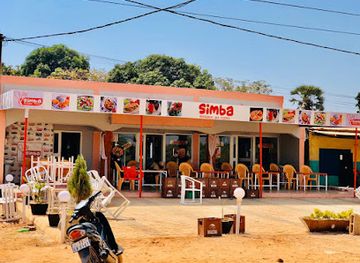
Restaurant SIMBA
Experience authentic Burkinabe cuisine at Restaurant SIMBA in Banfora – where tradition meets flavor in every dish.
Best bars in Banfora
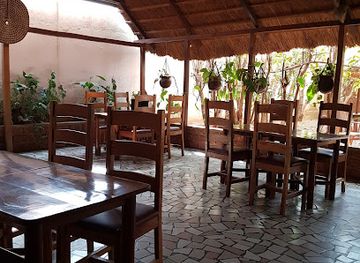
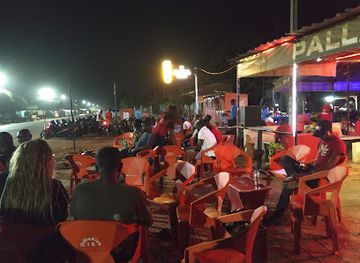
Banfora offers a vibrant nightlife scene with a variety of bars and nightclubs to choose from. Visitors can enjoy live music performances, traditional dances, and delicious local drinks. Whether you prefer a laid-back atmosphere or a high-energy party, Banfora has something for everyone. Experience the lively nightlife of this bustling town and dance the night away with locals and fellow travelers.
-
Restaurant
Restaurant Calypso
Experience the vibrant culinary scene of Banfora at Restaurant Calypso, where local flavors meet international cuisine in a welcoming atmosphere.
-
Bar
Mix Night Club
Discover the vibrant nightlife of Banfora at Mix Night Club, where music, dance, and local flavors come together in an unforgettable experience.
-
Bar
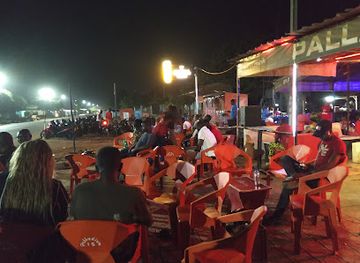
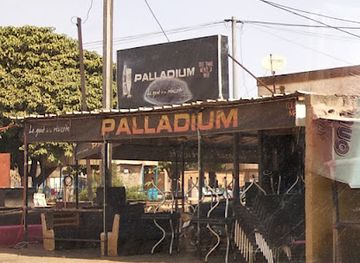
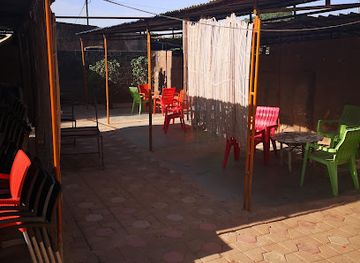
Le Palladium
Discover the vibrant nightlife at Le Palladium, a lively bar in Banfora, perfect for drinks, music, and unforgettable moments.
-
Bar
The Best
Discover the vibrant culture and mouthwatering flavors at The Best Bar & Restaurant in Banfora, where every meal is a celebration.
Best nightclubs in Banfora
Banfora offers a vibrant nightlife scene with a variety of bars and nightclubs to choose from. Visitors can enjoy live music performances, traditional dances, and delicious local drinks. Whether you prefer a laid-back atmosphere or a high-energy party, Banfora has something for everyone. Experience the lively nightlife of this bustling town and dance the night away with locals and fellow travelers.
-
Bar
Mix Night Club
Immerse yourself in the electrifying nightlife of Banfora at Mix Night Club, where great music and vibrant energy await.
-
Bar
Bar Cascade
Discover the vibrant atmosphere of Bar Cascade in Banfora, where refreshing drinks and local culture come together for an unforgettable experience.
-
Bar
Nirvana NIGHT CLUB
Dive into the electrifying nightlife of Nirvana NIGHT CLUB in Banfora, where music, dance, and unforgettable experiences await you.
-
Night club
226 Nightclub
Experience the vibrant nightlife of Banfora at 226 Nightclub, a hub for energetic music and unforgettable dancing.
Best shops in Banfora
The shopping scene in Banfora offers a unique and vibrant experience for visitors, with bustling markets filled with colorful fabrics, handcrafted jewelry, and traditional crafts. Visitors can explore the local markets and haggle for souvenirs to take home, or simply soak in the lively atmosphere and vibrant culture of the area. From fresh produce to handmade goods, the shopping scene in Banfora is a feast for the senses and a must-visit for tourists looking to immerse themselves in the local culture.
-
Outlet mall
Grands Moulins du Burkina
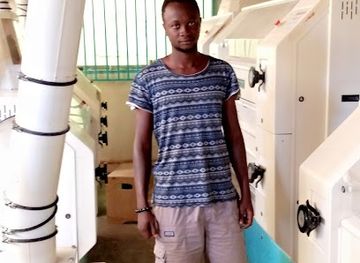
Experience the vibrant shopping scene at Grands Moulins du Burkina, where local culture meets modern retail in the heart of Banfora.
-
Sewing shop
JADE Sportif Burkina Faso
Explore JADE Sportif in Banfora for top-notch outdoor sports gear and stylish sportswear, all while embracing local culture.
-
Home goods store
Banfora pas Cher
Explore unique home goods and local craftsmanship at Banfora pas Cher, the best spot for souvenirs in Banfora, Burkina Faso.
-
Supermarket
Mini Shop LEBONCOIN
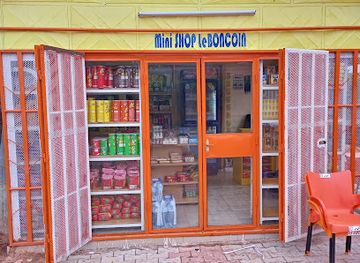
Explore local flavors and daily essentials at Mini Shop LEBONCOIN, the vibrant supermarket in Banfora, Burkina Faso.
Get your free copy of our complete guide to Banfora, delivered straight to you.
Everything on this page, from attractions and restaurants to essentials and local phrases, in one PDF you can read offline, print or share.
Already have an account? Sign in
Your Banfora guide is ready.
We'll send it to · Not you? Sign out

Getting your guide ready…
We are putting together a fresh copy of the Banfora guide. This can take up to a minute.
This can take a few moments. If your browser asks, choose Allow so the download can start. You'll find the guide in your Downloads folder.
Nothing happened? Download it again
Sorry, the guide is taking longer than usual. Please try again in a minute, or get it by email instead.
Banfora essentials
Currency and Payment
Safety
Emergency Situations
Do's and Don'ts
Local Tips
From Eve
Local phrases worth knowing
You don't need to get them perfect. A few words go a long way, and locals appreciate the effort.
Basics
| English | Local | Say it |
|---|---|---|
| Hello | Salut | [sah-lewt] |
| Goodbye | Au revoir | [oh rehv-wahr] |
| Yes | Oui | [wee] |
| No | Non | [nohn] |
| Please/You're welcome | S'il vous plaît/De rien | [see voo pleh/duh ryehn] |
| Thank you | Merci | [mehr-see] |
| Excuse me/Sorry | Excusez-moi/Désolé | [ehk-skyew-zay mwa/day-zoh-lay] |
| How are you? | Comment ça va? | [koh-mohn sah vah] |
| Fine. And you? | Bien. Et toi? | [byehn. eh twah] |
| Do you speak English? | Parlez-vous anglais? | [par-lay voo ahn-glay] |
| I don't understand | Je ne comprends pas | [zhuh nuh kohm-prahnd pah] |
Eating & Drinking
| English | Local | Say it |
|---|---|---|
| I'd like to see the menu, please | Je voudrais voir le menu, s'il vous plaît | [zhuh voo-dray vwahr luh meh-nyoo, see voo pleh] |
| I don't eat meat | Je ne mange pas de viande | [zhuh nuh mahnj pah duh vee-ahnd] |
| Cheers! | Santé! | [sahn-tay] |
| I would like to pay, please | Je voudrais payer, s'il vous plaît | [zhuh voo-dray pay-ay, see voo pleh] |
Emergencies
| English | Local | Say it |
|---|---|---|
| Help! | Au secours! | [oh suh-koor] |
| Go away! | Allez-vous en! | [ahl-lay vooz ahn] |
| Call the Police! | Appelez la police! | [ah-pay-lay lah poh-lees] |
| Call a doctor! | Appelez un médecin! | [ah-pay-lay uh may-suh-dahn] |
| I'm lost | Je suis perdu | [zhuh swee pair-doo] |
| I'm ill | Je suis malade | [zhuh swee mah-lahd] |
Shopping
| English | Local | Say it |
|---|---|---|
| I'd like to buy... | Je voudrais acheter... | [zhuh voo-dray zah-shey...] |
| I'm just looking | Je regarde juste | [zhuh ruh-gahrd juhst] |
| How much is it? | Combien ça coûte? | [kohm-byen sah koot] |
| That's too expensive | C'est trop cher | [say troh shair] |
| Can you lower the price? | Pouvez-vous baisser le prix? | [poo-veh voo bay-say luh pree] |
Time & Numbers
| English | Local | Say it |
|---|---|---|
| What time is it? | Quelle heure est-il? | [kell uhr eh-teel] |
| It's one o'clock | Il est une heure | [eel eh oon uhr] |
| Half past (10) | Dix heures et demie | [dees uhr ay duh-mee] |
| Morning | Matin | [mah-tahn] |
| Afternoon | Après-midi | [ah-pray mee-dee] |
| Evening | Soir | [swahr] |
| Yesterday | Hier | [yehr] |
| Today | Aujourd'hui | [oh-zhoor-dwee] |
| Tomorrow | Demain | [duh-mahn] |
| 1 | Un | [uhn] |
| 2 | Deux | [duh] |
| 3 | Trois | [twah] |
| 4 | Quatre | [cat] |
| 5 | Cinq | [sank] |
| 6 | Six | [sees] |
| 7 | Sept | [sept] |
| 8 | Huit | [wheet] |
| 9 | Neuf | [nurf] |
| 10 | Dix | [dees] |
Transport & Directions
| English | Local | Say it |
|---|---|---|
| Where's a/the...? | Où est... | [oo eh...] |
| What's the address? | Quelle est l'adresse? | [kell eh la-dress] |
| Can you show me (on the map)? | Pouvez-vous me montrer (sur la carte)? | [poo-veh voo muh mohn-tray (soor lah kart)] |
| When's the next (bus)? | Quand est le prochain (bus)? | [kahnd eh luh proh-shang (boos)] |
| A ticket (to ....) | Un billet (pour ...) | [uhn bee-yay (poor ...)] |
History of Banfora
The Founding of Banfora
Banfora, located in the Cascades Region of southwestern Burkina Faso, was founded in the early 20th century as a small agricultural settlement. Its strategic location near the Komoé River and the fertile land contributed to its growth as a hub for farming and trade.
Colonial Era and French Influence
During the late 19th and early 20th centuries, Banfora came under French colonial rule, like much of present-day Burkina Faso. The French administration established infrastructure, including roads and railways, to facilitate the export of agricultural products such as sugarcane, cotton, and fruits. Banfora's position along the railway line connecting Bobo-Dioulasso to Abidjan was crucial in this development.
Post-Independence Development
Following Burkina Faso's independence from France in 1960, Banfora continued to develop economically and culturally. The city saw significant investments in education, healthcare, and infrastructure. The establishment of the Banfora Sugar Complex in the 1970s boosted the local economy and provided employment opportunities.
Natural Attractions and Ecotourism
Banfora is renowned for its natural attractions, including the Karfiguéla Waterfalls, the Domes of Fabedougou, and Lake Tengrela. These sites have attracted tourists from around the world, contributing to the local economy and promoting the conservation of natural resources. Ecotourism initiatives have been developed to ensure sustainable tourism practices.
Cultural Heritage and Festivals
Banfora is home to a rich cultural heritage, reflected in its traditional music, dance, and crafts. The city's diverse ethnic groups, including the Senoufo, Bobo, and Lobi, celebrate various festivals throughout the year. The Niansogoni Festival is particularly notable, showcasing traditional Senoufo music, dance, and rituals.
Modern-Day Banfora
Today, Banfora is a vibrant city that blends its historical roots with modern advancements. It serves as a commercial and cultural center for the Cascades Region. The city's markets, restaurants, and cultural centers offer a glimpse into the daily lives and traditions of its inhabitants.
Banfora in Photos
Browse through our photo collection highlighting the charm and character of the destination.
Neighbouring destination travel guides
The closest destinations to Banfora, if you have time for more than one.
-

-

-

-

-


Swipe for more destinations
Explore more

Explore more of Cascades
Explore Burkina Faso’s Cascades region for Banfora, seasonal waterfalls, sandstone formations, wetlands and western borderland cultures.
Explore Cascades
Explore more of Burkina Faso
Discover Burkina Faso: An authentic African destination with rich culture, stunning landscapes, and warm hospitality, offering a memorable and enriching travel experience.
Explore Burkina Faso