

Fogo, Cabo Verde Travel Guide
Discover Fogo, Cabo Verde's fiery island where volcanic landscapes, rich culture, and exquisite local products create an unforgettable travel experience.
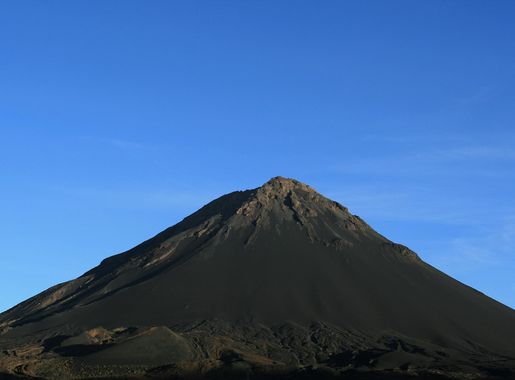
Fogo, one of the ten islands in the Cabo Verde archipelago, offers a truly unique experience for intrepid travelers. The island's name means 'fire' in Portuguese, a fitting title for a place dominated by an active volcano, Pico do Fogo. This iconic peak, the highest point in Cabo Verde, provides a stunning backdrop and an adventurous hiking opportunity for those willing to brave its slopes. From its summit, you can enjoy panoramic views of the island and its rugged, volcanic landscape. Beyond its geological wonders, Fogo boasts a rich cultural heritage. The island is home to a mix of African and Portuguese influences, which is evident in its architecture, music, and cuisine. The charming town of São Filipe is the perfect place to explore this blend of cultures. Wander through its cobbled streets, admire the colonial-era buildings, and savor local delicacies such as 'catchupa,' a hearty stew made with corn and beans. Fogo's vineyards and coffee plantations are another highlight of the island. The fertile volcanic soil provides ideal conditions for growing grapes and coffee beans. A visit to a local winery or coffee farm offers a chance to sample some of the island's finest produce and learn about the traditional methods used in their production. Whether you're hiking up a volcano, exploring historic towns, or tasting delicious local products, Fogo promises an unforgettable adventure.

Know before you go
Hi, I'm Eve. Here are a few practical things to know before exploring Fogo.
- Wear sturdy hiking boots and bring plenty of water when trekking Pico do Fogo.
- Visit São Filipe's local market early in the morning for fresh produce and a lively atmosphere.
- Arrange guided tours for wine and coffee tastings to get the most informative experience.
- Check the volcanic activity status before planning your hike.
- Learn a few basic Portuguese phrases; locals appreciate the effort.
Destinations in Fogo
Resorts, valleys and scenic spots worth a trip of their own.

Explore Fogo: Things to Do, Places to Eat, Hotels & More
Handpicked recommendations for top attractions, local dining, accommodations, and more

Top Attractions & Sightseeing in Fogo
Top-rated picks
Best Attractions

Fogo National Park
Discover the breathtaking landscapes and volcanic wonders of Fogo National Park in Cape Verde, a paradise for nature lovers and adventurers.

Pico do Fogo
Explore the awe-inspiring Pico do Fogo, Cape Verde's stunning volcano, where adventure, breathtaking views, and rich culture await every traveler.

Praia de Fonte Bila
Experience the tranquil beauty of Praia de Fonte Bila - a serene beach paradise in Sao Filipe, Cape Verde, perfect for relaxation and cultural immersion.

Best landmarks in Fogo
Top-rated picks
Best Landmarks
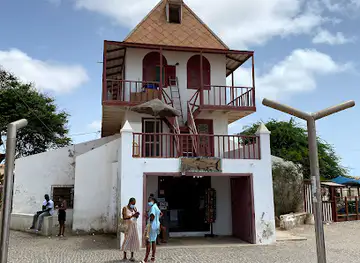
The Pier of Santa Maria
Experience the stunning views and vibrant culture at The Pier of Santa Maria, a must-visit destination showcasing the best of coastal life.

Hotel RIU Karamboa
Experience the luxurious charm of Hotel RIU Karamboa in Cape Verde, where tropical beauty meets exceptional hospitality for an unforgettable getaway.
VOI Praia De Chaves Resort
Discover the ultimate getaway at VOI Praia De Chaves Resort, where luxury meets the beauty of Cape Verde's stunning coastline.
Hotel Oasis Atlantico Praiamar
Experience the perfect blend of luxury and local culture at Hotel Oasis Atlantico Praiamar in Praia, Cape Verde, where relaxation meets adventure.

Best restaurants in Fogo
Top-rated picks
Best Restaurants

Café Criolo
Discover Café Criolo in Santa Maria: Affordable local cuisine in a vibrant setting perfect for tourists seeking authentic Cape Verdean flavors.

Americos Restaurante
Experience the best of Cape Verdean cuisine at Americos Restaurante in Santa Maria - where every meal tells a story.

By Valeria
Experience authentic Cape Verdean cuisine at By Valeria in Santa Maria – where local flavors meet warm hospitality.

Porton di nos Ilha
Experience authentic Cape Verdean seafood at Porton di nos Ilha in Sal Rei - where every meal is a celebration of flavor and culture.

Best bars in Fogo
Top-rated picks
Best Bars

The Dubliner - Irish Bar
Discover the warmth of Irish culture at The Dubliner - a vibrant bar by Santa Maria Beach with live music and a wide selection of drinks.

Buddy Bar
Discover the vibrant nightlife of Buddy Bar in Santa Maria, where cocktails meet camaraderie in a lively setting.

Pub Calema
Discover the vibrant nightlife at Pub Calema in Santa Maria - a lively bar offering delicious drinks and live music that captures the essence of Cape Verde.

Beach Bar Olá Brasil
Discover the tropical charm of Beach Bar Olá Brasil in Santa Maria, where refreshing cocktails meet stunning ocean views for an unforgettable experience.

Best nightclubs in Fogo
Top-rated picks
Best Nightclubs

Ocean Cafe
Discover the flavors of Cape Verde at Ocean Cafe, a vibrant restaurant and pub in Santa Maria, offering exquisite pizzas and local dishes by the coast.

Morabeza Beach Bar & Lounge Restaurant
Experience the vibrant flavors and lively atmosphere at Morabeza Beach Bar & Lounge Restaurant in Cape Verde, a must-visit for all food lovers.

Buddy Bar
Discover the lively atmosphere at Buddy Bar, where great music and delicious drinks create the perfect night out in Santa Maria, Cape Verde.

Sal Beach Club
Savor the flavors of Cape Verde at Sal Beach Club, a vibrant restaurant offering a delightful culinary journey by the beach in Santa Maria.

Best shops in Fogo
Top-rated picks
Best Shops

Fogo National Park
Explore the breathtaking landscapes of Fogo National Park, a volcanic paradise rich in natural beauty and cultural heritage in Cape Verde.
Casas Do Sol
Discover tranquility at Casas Do Sol, a charming hotel in São Filipe, Cape Verde, where comfort meets local culture amidst stunning landscapes.

Capvertdesign+Artesanato
Discover the vibrant spirit of Cape Verde at Capvertdesign+Artesanato, your go-to gift shop for handcrafted treasures and unique local finds.

Shop Fair Trade Djunta Mo Art
Discover Cape Verde's rich culture at Shop Fair Trade Djunta Mo Art, a vibrant store offering unique handmade crafts and fair trade products.

Explore Fogo on the Map
A handpicked selection of must-see spots in Fogo, mapped for you.
Fogo Essentials
-
Fogo is one of the islands in the Cabo Verde archipelago. The nearest international airport is Nelson Mandela International Airport in Praia on the island of Santiago. From Praia, you can take a domestic flight to São Filipe Airport on Fogo. The flight duration is approximately 30 minutes. Alternatively, there are ferry services available from Praia to Fogo, which provide a scenic route across the Atlantic Ocean.
-
In Fogo, the primary modes of transportation are taxis, aluguer (shared minibuses), and rental cars. Taxis are available in major towns like São Filipe and Mosteiros and can be hired for local trips or day tours. Aluguers are an affordable way to travel between towns but can be less comfortable due to crowding. Renting a car offers the most flexibility for exploring the island on your own schedule.
-
The official currency in Cabo Verde is the Cape Verdean Escudo (CVE). Credit cards are accepted in some hotels, restaurants, and shops in São Filipe, but it's advisable to carry cash, especially in smaller towns and rural areas. ATMs are available in São Filipe where you can withdraw cash, but ensure you have enough local currency for your travels.
-
Fogo is generally a safe destination for tourists, but it's important to take standard precautions. Avoid walking alone at night in unfamiliar areas and keep an eye on your belongings in crowded places. While there are no specific high-crime areas targeting tourists, staying vigilant and aware of your surroundings is always recommended.
-
In case of emergency, dial 132 for police assistance, 130 for fire services, and 131 for medical emergencies. São Filipe has a hospital and several pharmacies where you can purchase over-the-counter medications. It is recommended to have travel insurance that covers medical emergencies.
-
Fashion: Do dress modestly, especially in rural areas and religious sites. Avoid wearing overly revealing clothing. Religion: Do respect local customs and traditions. Always seek permission before taking photographs of people, especially in churches. Public Transport: Do be respectful and give up your seat to elderly passengers. Don't eat or drink on public transport. Greetings: Do greet people with a handshake or a nod. A friendly 'bom dia' (good morning) or 'boa tarde' (good afternoon) is appreciated. Eating & Drinking: Do try local dishes and accept food offerings graciously. Don't refuse hospitality, as it is considered impolite.
-
To experience Fogo like a local, visit the markets in São Filipe where you can buy fresh produce and local crafts. Engage with locals; they are often friendly and willing to share stories about the island's history and culture. Don't miss a visit to Chã das Caldeiras, the volcanic crater where you can taste local wine and hike to the peak of Pico do Fogo. For a unique cultural experience, participate in local festivals and traditional music performances.
When is the best time to visit Fogo?
Useful Local Phrases for Fogo
You don't need to speak the language perfectly. Even learning a few simple words can make conversations warmer—and locals usually appreciate the effort.
— Eve

Here are the phrases I use most often in Fogo. Try a few—you'll be surprised how far they go! 😊
❤️
-
- HelloOlá
[o-LA] - GoodbyeAdeus
[a-DAY-oos] - YesSim
[seem] - NoNão
[nãw] - Please/You're welcomePor favor/De nada
[por fa-VOR/de NA-da] - Thank youObrigado
[o-bri-GA-do] - Excuse me/SorryDesculpe
[des-KUL-pe] - How are you?Como está?
[KOH-moo es-TA] - Fine. And you?Bem. E você?
[BEM. e vo-SE] - Do you speak English?Você fala inglês?
[vo-SE FA-la in-GLEZ] - I don't understandNão entendo
[nãw en-TEN-do]
- HelloOlá
-
- I'd like to see the menu, pleaseGostaria de ver o menu, por favor
[gos-ta-RI-a de VER o ME-nu, por fa-VOR] - I don't eat meatNão como carne
[nãw KOH-mo KAR-nay] - Cheers!Saúde!
[sa-U-de] - I would like to pay, pleaseGostaria de pagar, por favor
[gos-ta-RI-a de pa-GAR, por fa-VOR]
- I'd like to see the menu, pleaseGostaria de ver o menu, por favor
-
- Help!Ajuda!
[a-JU-da] - Go away!Vai embora!
[VAI em-BO-ra] - Call the Police!Chame a polícia!
[SHA-me a po-LEE-sia] - Call a doctor!Chame um médico!
[SHA-me um MED-i-co] - I'm lostEstou perdido
[es-TOU per-DI-do] - I'm illEstou doente
[es-TOU do-EN-te]
- Help!Ajuda!
-
- I'd like to buy...Gostaria de comprar...
[gos-ta-RI-a de com-PRAR...] - I'm just lookingEstou só a olhar
[es-TOU so a o-LHAR] - How much is it?Quanto custa?
[KWAN-to KUS-ta] - That's too expensiveIsso é muito caro
[EES-so eh MOY-to KA-ro] - Can you lower the price?Pode baixar o preço?
[PO-de ba-IXAR o PRE-so]
- I'd like to buy...Gostaria de comprar...
-
- What time is it?Que horas são?
[KEH O-ras SAO] - It's one o'clockÉ uma hora
[EH OO-ma O-ra] - Half past (10)Meia hora (10)
[MEI-a O-ra (10)] - MorningManhã
[man-YA] - AfternoonTarde
[TAR-de] - EveningNoite
[NOY-te] - YesterdayOntem
[ON-tem] - TodayHoje
[OH-zhe] - TomorrowAmanhã
[a-ma-NYA] - 11
[um] - 22
[dois] - 33
[três] - 44
[quatro] - 55
[cinco] - 66
[seis] - 77
[sete] - 88
[oito] - 99
[nove] - 1010
[dez]
- What time is it?Que horas são?
-
- Where's a/the...?Onde está um/a...?
[ON-de es-TA um/a...?] - What's the address?Qual é o endereço?
[KWAL eh o en-de-RE-so] - Can you show me (on the map)?Pode me mostrar (no mapa)?
[PO-de me mos-TRAR (no MA-pa)?] - When's the next (bus)?Quando é o próximo (autocarro)?
[KWAN-do eh o PRO-simo (au-to-CAR-ro)?] - A ticket (to ....)Um bilhete (para ...)
[um bi-LHET-e (PA-ra ...)]
- Where's a/the...?Onde está um/a...?
History of Fogo
-
Fogo, one of the ten islands of Cabo Verde, was discovered by Portuguese explorers in 1460. Initially named São Filipe, the island was uninhabited before the Portuguese arrived. The early settlers faced numerous challenges, including the harsh volcanic landscape and limited resources. Despite these obstacles, Fogo became an important point for maritime navigation and a hub for the transatlantic slave trade in the 16th century.
-
One of the most significant volcanic eruptions in Fogo's history occurred in 1680. This catastrophic event reshaped the island's landscape and forced many inhabitants to flee. The eruption also led to the creation of the Chã das Caldeiras, a large volcanic crater that remains a central feature of the island's geography. This event left a lasting impact on the island's culture and folklore, with many stories and legends stemming from the eruption.
-
During the 19th century, Fogo experienced economic growth through the production of coffee and wine. The fertile volcanic soil proved ideal for these crops, and the island's products gained widespread recognition. The port of São Filipe became a bustling center for trade, attracting merchants and traders from various parts of the world. This period also saw improvements in infrastructure, including the construction of roads and public buildings.
-
Fogo played a notable role in the abolition of slavery in Cabo Verde. By the mid-19th century, the island had become a refuge for freed slaves and those escaping bondage. The local population, influenced by both African and Portuguese cultures, actively participated in the abolitionist movement. This era marked a significant shift in the island's social structure and contributed to the rich cultural tapestry seen in Fogo today.
-
Chã das Caldeiras, the volcanic caldera formed by the 1680 eruption, remains a focal point of Fogo's cultural and economic life. The area is home to resilient communities that have adapted to the challenging environment. In recent years, Chã das Caldeiras has become a popular tourist destination, known for its stunning landscapes, unique wines, and the vibrant culture of its inhabitants. The periodic volcanic activity continues to shape the lives and traditions of the people living there.
-
Fogo is renowned for its vibrant cultural festivals and traditions. One of the most significant events is the Festa de São Filipe, celebrated annually on May 1st. This festival features traditional music, dance, and local cuisine, reflecting the island's diverse cultural heritage. Additionally, Fogo's unique musical styles, such as morna and coladeira, play a crucial role in the island's identity, with many local artists gaining international recognition.
-
Fogo's volcanic nature has led to several significant eruptions in the 20th and 21st centuries, notably in 1951, 1995, and 2014. These eruptions caused widespread destruction but also demonstrated the resilience and adaptability of the island's inhabitants. The 2014 eruption, in particular, led to the evacuation of entire communities in Chã das Caldeiras, highlighting the ongoing challenges posed by Fogo's active volcano. These events have also spurred scientific interest and tourism, with many visitors coming to witness the island's dynamic geological activity.
Neighbouring Regions of Fogo
The closest regions to Fogo, if you have time for more than one.
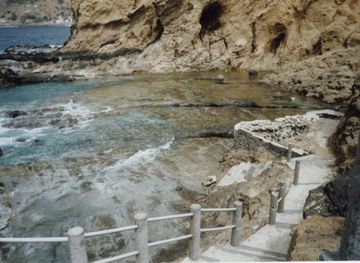

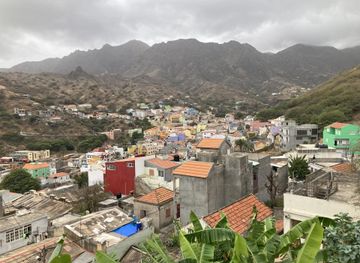

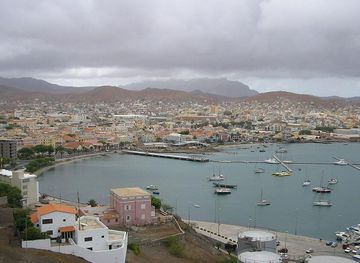

Your all‑in‑one travel companion app
Explore expert travel guides, compare and book tours, experiences, hotels, and more—all from the palm of your hand. Download now for seamless trip planning wherever your wanderlust takes you.


Explore More of Cabo Verde
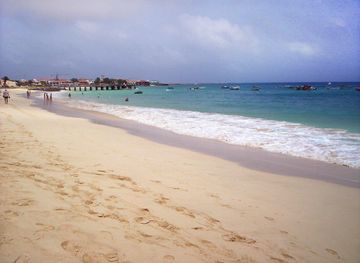
Looking beyond Fogo? Discover Cabo Verde for broader travel guides, local hot-spots, and regional highlights.
Explore Cabo VerdeFogo in Photos
Browse through our photo collection highlighting the charm and character of the destination.




Fogo: The Fiery Heart of Cabo Verde
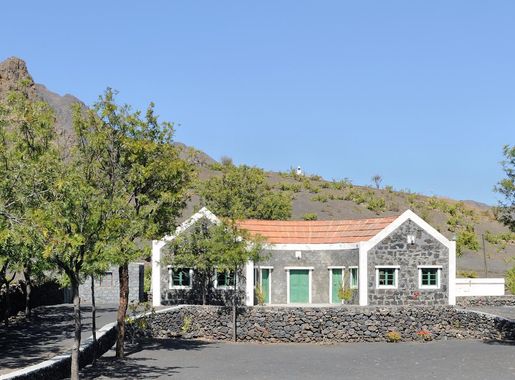
Fogo, one of the ten islands in the Cabo Verde archipelago, offers a truly unique experience for intrepid travelers. The island's name means 'fire' in Portuguese, a fitting title for a place dominated by an active volcano, Pico do Fogo. This iconic peak, the highest point in Cabo Verde, provides a stunning backdrop and an adventurous hiking opportunity for those willing to brave its slopes. From its summit, you can enjoy panoramic views of the island and its rugged, volcanic landscape. Beyond its geological wonders, Fogo boasts a rich cultural heritage. The island is home to a mix of African and Portuguese influences, which is evident in its architecture, music, and cuisine. The charming town of São Filipe is the perfect place to explore this blend of cultures. Wander through its cobbled streets, admire the colonial-era buildings, and savor local delicacies such as 'catchupa,' a hearty stew made with corn and beans. Fogo's vineyards and coffee plantations are another highlight of the island. The fertile volcanic soil provides ideal conditions for growing grapes and coffee beans. A visit to a local winery or coffee farm offers a chance to sample some of the island's finest produce and learn about the traditional methods used in their production. Whether you're hiking up a volcano, exploring historic towns, or tasting delicious local products, Fogo promises an unforgettable adventure.