

Free Maio Travel Guide & Mobile App
Explore Maio with free travel guides. Discover regional history, expert tips, proposed trips, and audio guides on web or mobile app.


Discover Maio in Cabo Verde for broad Atlantic beaches, turtle shores, salt-pans, quiet villages and a slower island rhythm.
Read more about Maio
When is the best time to visit Maio?
Best: December–February · 27°C| Month | High (°C) | Rainfall (mm) |
|---|---|---|
| January (best) | 27 | 1 |
| February (best) | 27 | 1 |
| March | 27 | 2 |
| April | 28 | 1 |
| May | 28 | 1 |
| June | 29 | 1 |
| July | 30 | 3 |
| August | 30 | 8 |
| September | 30 | 13 |
| October | 30 | 7 |
| November | 29 | 3 |
| December (best) | 27 | 1 |
Getting to and around Maio
How to get there
Transportation
Top city travel guides in Maio
The cities of Maio, and the easiest places to base yourself.

Swipe for more cities
Best attractions in Maio
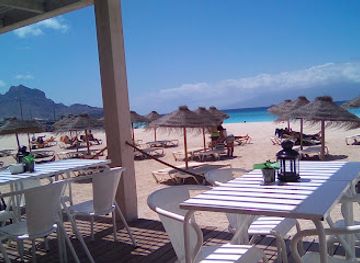
Maio’s attractions are primarily coastal, environmental and cultural rather than built for mass tourism. The long beaches around Vila do Maio, Morro and Calheta provide space for swimming when conditions allow, walking and observing the changing Atlantic light. The eastern and northern shores are important for loggerhead turtle nesting, with seasonal visits best undertaken through responsible local conservation initiatives. Near Porto Inglês, former salt-working areas offer an insight into the island’s economic history and its relationship with the dry coastal environment. Inland excursions reveal open plains, goat-grazing country, small villages and the rising slopes of Monte Penoso, Maio’s highest summit. Birdwatchers may find interest in salt pans and coastal wetlands, while photographers can focus on limestone terrain, fishing activity and low-rise village architecture. The island is also suited to gentle exploration by vehicle, bicycle or on foot, although heat, wind, limited shade and changing road conditions call for preparation. Cultural visits are centred on Vila do Maio and the settlements of the interior, where everyday life, Cape Verdean Creole and local food traditions provide a more grounded experience than a formal attraction circuit.
-
Beach
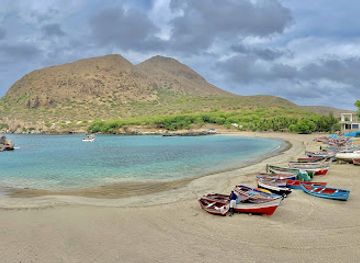
Tarrafal Beach
Discover the stunning beauty of Tarrafal Beach in Cabo Verde, where golden sands meet crystal-clear waters for an unforgettable tropical escape.
-
Beach
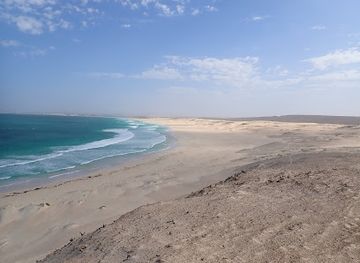
Chaves Beach
Discover the breathtaking Chaves Beach in Cape Verde, where golden sands and crystal-clear waters create the perfect tropical escape.
-
Historical landmark
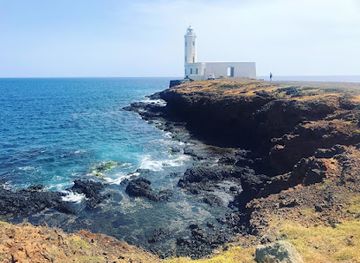
Lighthouse Dona Maria Pia
Discover the historic Lighthouse Dona Maria Pia in Praia, Cape Verde, offering breathtaking views and a glimpse into the island's maritime past.
-
Tourist attraction
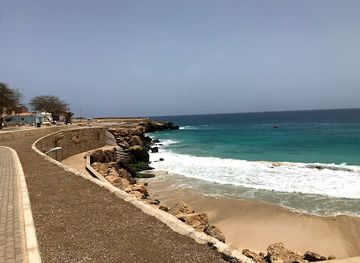
Porto Inglês
Discover Porto Inglês in Maio, Cape Verde: a historic harbor, gateway to serene beaches, and a tranquil island escape.
Best landmarks in Maio
The most recognisable landmark in Maio is the broad bay and historic waterfront of Vila do Maio, known traditionally as Porto Inglês. The settlement’s low-rise streets, harbour and church express the island’s long maritime relationship with fishing, salt and inter-island trade. Around the town, the salt-pan landscapes are significant industrial and environmental landmarks: their shallow basins and bright mineral surfaces record an industry that once linked Maio to Atlantic commerce. Monte Penoso, rising to about 436 metres, is the island’s highest natural landmark and gives form to an otherwise predominantly low, dry landscape. The open coastal dunes and long beaches are also defining geographical features, especially where they provide nesting habitat for loggerhead turtles. Inland villages such as Morrinho, Calheta, Figueira da Horta, Cascabulho and Pedro Vaz contribute a dispersed cultural landscape of homes, paths, grazing land and small-scale agriculture. Together these places tell Maio’s story more clearly than a concentration of monumental architecture would.
-
Tourist attraction
The Pier of Santa Maria
Discover the breathtaking beauty and vibrant culture at The Pier of Santa Maria, a premier tourist attraction in Cape Verde offering stunning ocean views and lively activities.
-
Tourist attraction
Salinas de Pedra de Lume
Discover the unique beauty and rich history of Salinas de Pedra de Lume, a stunning salt evaporation pond in Cape Verde.
-
Ecological park
Pachamama Eco Park - Viveiro Botanical Garden
Explore the lush landscapes of Pachamama Eco Park, a serene botanical paradise in Cape Verde, perfect for nature lovers and tranquility seekers.
-
Tourist attraction
Praia da Atalanta
Explore Praia da Atalanta, a breathtaking beach in Ponta Adiante, Cape Verde, renowned for its golden sands, clear waters, and stunning natural beauty.


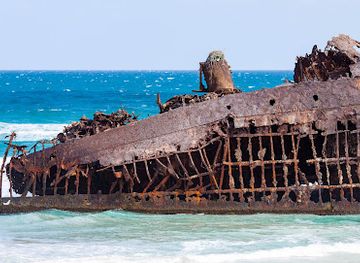
Explore Maio on the map
Plan your trip on one map. See where the top cities, national parks and sights are, and book hotels and experiences in a few clicks.
Best hotels in Maio
Best restaurants in Maio
Dining on Maio is informal and closely tied to what can be landed, grown or brought in from other islands. Fresh fish and seafood are central in Vila do Maio, while goat is an important traditional meat in a dry island economy; menus may also include cachupa, Cabo Verde’s slow-cooked corn-and-bean dish, as well as rice, beans and grilled preparations. Local restaurants, family-run eateries and simple cafés tend to offer the most representative meals, though choice and opening arrangements can vary according to deliveries and demand. In villages outside Vila do Maio, eating options are more limited and should often be arranged through accommodation or local contacts. Cape Verdean beer, grogue and ponche may be available, but imported drinks are not always consistent in supply. Visitors should expect a relaxed pace, modest presentation and seasonal variation rather than a large restaurant scene.
-
Restaurant
Ocean Cafe
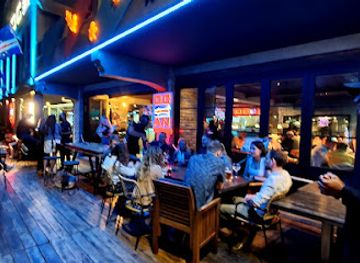
Discover Ocean Cafe in Santa Maria – where delicious pizza meets vibrant nightlife in Cape Verde's culinary hotspot.
-
Restaurant
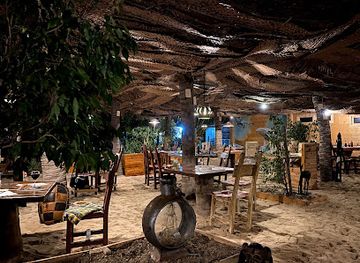
Morabeza Beach Bar & Lounge Restaurant
Discover exquisite flavors and stunning views at Morabeza Beach Bar & Lounge Restaurant in beautiful Cape Verde.
-
Restaurant
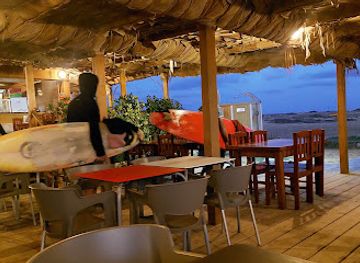
Ponta Preta
Experience the best of Cape Verdean cuisine at Ponta Preta in Santa Maria - where fresh ingredients meet vibrant flavors.
-
Restaurant
Cape Fruit
Experience authentic Cape Verdean cuisine at Cape Fruit in Santa Maria—where fresh ingredients meet vibrant flavors.
Best bars in Maio
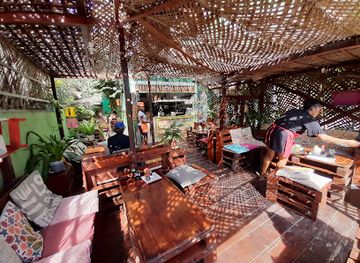
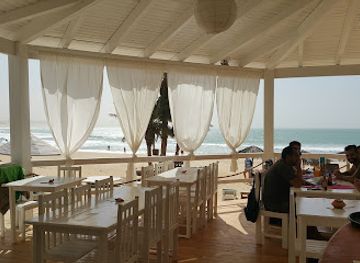
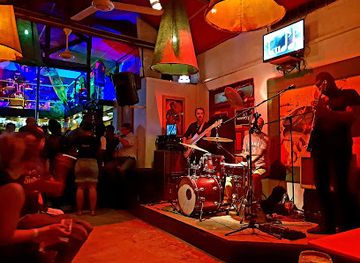
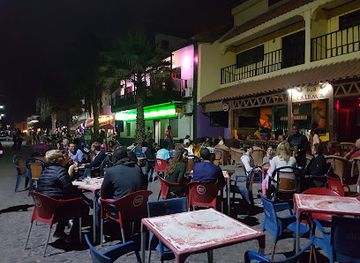
Maio has a low-key evening culture rather than a substantial nightclub circuit. In Vila do Maio, evenings commonly centre on small bars, cafés, waterfront restaurants and informal social spaces where residents and visitors can talk, listen to Cape Verdean music and watch activity around the harbour. Traditional musical styles such as morna and funaná belong to the national culture and may be heard at local gatherings, although performances and events are not necessarily scheduled daily. A few venues may offer drinks and music later in the evening, but opening patterns can change with the season and local demand. Outside the main settlement, nightlife is especially quiet, with rural evenings shaped by family life, conversation and the night sky. Visitors should ask accommodation staff about current local events rather than expect a permanent entertainment programme.
-
Restaurant
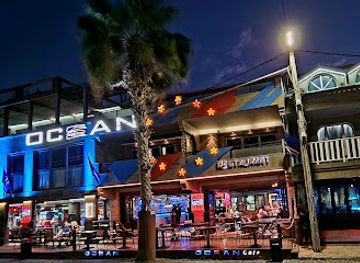
Ocean Cafe
Discover the vibrant flavors of Ocean Cafe in Santa Maria, where delicious pizzas and a lively pub atmosphere await your visit.
-
Restaurant
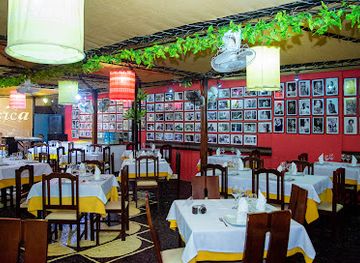
Quintal da Música
Experience the vibrant culture of Cape Verde at Quintal da Música, where delicious cuisine meets live music for an unforgettable night out.
-
Restaurant
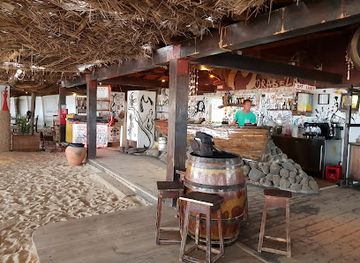
Morabeza Beach Bar & Lounge Restaurant
Experience the vibrant flavors of Cabo Verde at Morabeza Beach Bar & Lounge Restaurant, the perfect seaside retreat for food lovers.
-
Restaurant
Perola D'Chaves
Experience the essence of Cape Verdean cuisine at Perola D'Chaves in Rabil, where every meal is a celebration of local flavors and hospitality.
Best nightclubs in Maio
Maio has a low-key evening culture rather than a substantial nightclub circuit. In Vila do Maio, evenings commonly centre on small bars, cafés, waterfront restaurants and informal social spaces where residents and visitors can talk, listen to Cape Verdean music and watch activity around the harbour. Traditional musical styles such as morna and funaná belong to the national culture and may be heard at local gatherings, although performances and events are not necessarily scheduled daily. A few venues may offer drinks and music later in the evening, but opening patterns can change with the season and local demand. Outside the main settlement, nightlife is especially quiet, with rural evenings shaped by family life, conversation and the night sky. Visitors should ask accommodation staff about current local events rather than expect a permanent entertainment programme.
-
Club
Bikini Beach Club
Discover Bikini Beach Club in Santa Maria - a vibrant beach club known for its lively atmosphere, stunning views, and delicious cocktails.
-
Bar
Buddy Bar
Experience the vibrant nightlife at Buddy Bar in Santa Maria, where excellent music and a friendly atmosphere await every visitor.
-
Bar
Kalimba Beach Club By Oásis Atlântico
Discover Kalimba Beach Club By Oásis Atlântico, a coastal gem in Mindelo for refreshing drinks, stunning views, and vibrant atmosphere.
-
Bar
Pub Calema
Discover the lively nightlife of Santa Maria at Pub Calema, where great drinks and good times await in a vibrant atmosphere.

Best shops in Maio
Shopping on Maio is small-scale and practical, with the widest choice in Vila do Maio. Local shops and market-style stalls may provide basic food, household goods and beach supplies, while independent vendors sometimes sell handmade items, woven products, jewellery and souvenirs reflecting Cape Verdean materials and design. Fish, goat products and agricultural goods are part of the island’s everyday economy, although availability varies with season and transport links. Visitors looking for regional food gifts can ask locally about prepared products, coffee from other Cape Verdean islands, grogue and ponche, remembering that supplies and packaging are not always consistent. Rural settlements offer few dedicated shopping facilities, so obtain essentials in Vila do Maio before exploring the island. Buying directly from craftspeople or small businesses can support local livelihoods, but bargaining should remain polite and reasonable rather than treating every purchase as a negotiation.
-
Market
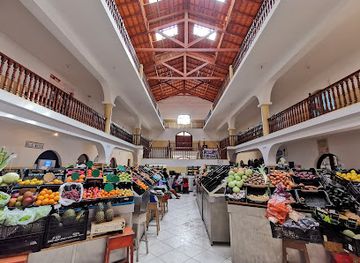
Marché Municipal
Discover the vibrant heart of Santa Maria at Marché Municipal, where local flavors, crafts, and culture come together in a lively market experience.
-
Supermarket
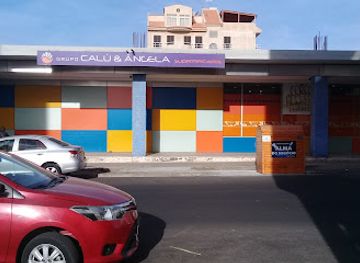
Calú & Ângela
Discover local flavors and essentials at Calú & Ângela, a vibrant supermarket in Praia, Cape Verde, where culture and convenience meet.
-
Home goods store
ORCA CABO VERDE
Explore ORCA CABO VERDE in Praia for unique home goods and authentic Cape Verdean crafts, perfect for souvenirs and decor.
-
Grocery store
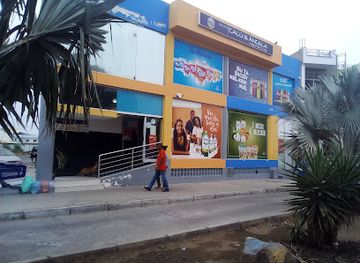
Supermercado Calu e Angela
Explore the heart of Praia at Supermercado Calu e Angela, your go-to grocery store for local flavors and Cape Verdean essentials.

Get your free copy of our complete guide to Maio, delivered straight to you.
Everything on this page, from attractions and restaurants to essentials and local phrases, in one PDF you can read offline, print or share.
Already have an account? Sign in
Your Maio guide is ready.
We'll send it to · Not you? Sign out

Getting your guide ready…
We are putting together a fresh copy of the Maio guide. This can take up to a minute.
This can take a few moments. If your browser asks, choose Allow so the download can start. You'll find the guide in your Downloads folder.
Nothing happened? Download it again
Sorry, the guide is taking longer than usual. Please try again in a minute, or get it by email instead.
Maio essentials
Currency and Payment
Safety
Emergency Situations
Do's and Don'ts
Local Tips
From Eve
Local phrases worth knowing
You don't need to get them perfect. A few words go a long way, and locals appreciate the effort.
Basics
| English | Local | Say it |
|---|---|---|
| Hello | Olá | [oh-LAH] |
| Goodbye | Adeus | [ah-DAY-oos] |
| Yes | Sim | [seem] |
| No | Não | [now] |
| Please/You're welcome | Por favor | [poor fah-VOR] |
| Thank you | Obrigado | [oh-bree-GAH-doo] |
| Excuse me/Sorry | Desculpe | [des-KOOL-peh] |
| How are you? | Como está? | [KOH-moo es-TAH] |
| Fine. And you? | Bem. E você? | [BEM. eh vo-SEH] |
| Do you speak English? | Você fala inglês? | [vo-SEH FAH-lah een-GLEZ] |
| I don't understand | Eu não entendo | [eh-OO now en-TEN-doo] |
Eating & Drinking
| English | Local | Say it |
|---|---|---|
| I'd like to see the menu, please | Gostaria de ver o menu, por favor | [goh-stah-REE-ah deh VEHR oo meh-NOO, poor fah-VOR] |
| I don't eat meat | Eu não como carne | [eh-OO now KOH-moo KAR-nee] |
| Cheers! | Saúde! | [sah-OO-deh] |
| I would like to pay, please | Gostaria de pagar, por favor | [goh-stah-REE-ah deh pah-GAR, poor fah-VOR] |
Emergencies
| English | Local | Say it |
|---|---|---|
| Help! | Ajuda! | [ah-ZHOO-dah] |
| Go away! | Vá embora! | [vah em-BOH-rah] |
| Call the Police! | Chame a Polícia! | [SHAH-meh ah poh-LEE-see-ah] |
| Call a doctor! | Chame um doutor! | [SHAH-meh oom doo-TOR] |
| I'm lost | Estou perdido | [es-TOH per-DEE-doh] |
| I'm ill | Estou doente | [es-TOH do-EHN-tay] |
Shopping
| English | Local | Say it |
|---|---|---|
| I'd like to buy... | Gostaria de comprar... | [goh-stah-REE-ah deh kom-PRAR] |
| I'm just looking | Estou só a olhar | [es-TOH soh ah oh-YAR] |
| How much is it? | Quanto custa? | [KWAN-toh KOOS-tah] |
| That's too expensive | Isso é muito caro | [EE-soh eh MOY-too KAH-roh] |
| Can you lower the price? | Pode abaixar o preço? | [POH-deh ah-bah-ISH-ar oo PREH-soh] |
Time & Numbers
| English | Local | Say it |
|---|---|---|
| What time is it? | Que horas são? | [keh OH-ras sow] |
| It's one o'clock | É uma hora | [eh OO-mah OH-rah] |
| Half past (10) | Meia hora (10) | [MAY-ah OH-rah (10)] |
| Morning | Manhã | [mahn-YAH] |
| Afternoon | Tarde | [TAR-deh] |
| Evening | Noite | [NOY-teh] |
| Yesterday | Ontem | [ON-tem] |
| Today | Hoje | [OH-zhay] |
| Tomorrow | Amanhã | [ah-mahn-YAH] |
| 1 | Um | [oom] |
| 2 | Dois | [doyz] |
| 3 | Três | [trez] |
| 4 | Quatro | [KWAH-troh] |
| 5 | Cinco | [SEEN-koh] |
| 6 | Seis | [SAYZ] |
| 7 | Sete | [SEH-teh] |
| 8 | Oito | [OY-toh] |
| 9 | Nove | [NOH-veh] |
| 10 | Dez | [DEZ] |
Transport & Directions
| English | Local | Say it |
|---|---|---|
| Where's a/the...? | Onde está um/uma...? | [ON-deh es-TAH oom/OO-mah] |
| What's the address? | Qual é o endereço? | [KWAL eh oo en-deh-REH-soh] |
| Can you show me (on the map)? | Pode me mostrar (no mapa)? | [POH-deh meh mohs-TRAR (no MAH-pah)] |
| When's the next (bus)? | Quando é o próximo (ônibus)? | [KWAN-doo eh oo PROH-see-mo (OH-nee-boos)] |
| A ticket (to ....) | Um bilhete (para....) | [oom bee-LYEH-tay (PAH-rah....)] |
History of Maio
Settlement after Portuguese Expansion, Fifteenth to Sixteenth Centuries
Maio entered Portuguese Atlantic networks after the colonisation of the Cape Verde islands in the fifteenth century. Its dry climate limited dense settlement, but its position between the larger islands and Atlantic routes gave it maritime importance. Vila do Maio, historically known as Porto Inglês, developed as the island’s principal coastal settlement. As elsewhere in the archipelago, the population emerged from interaction between Portuguese colonial structures and West African communities, producing the Creole language and cultural traditions that remain central to Cape Verdean identity.
Salt Production and Atlantic Commerce
Salt became one of Maio’s most important historic resources. The island’s dry climate and coastal salt pans allowed salt to be harvested and exported, particularly from areas around Porto Inglês. The trade connected Maio with other Cape Verdean islands and Atlantic markets, although its importance fluctuated as competition and commercial conditions changed. Remnants of salt-working landscapes and the island’s historic port help explain why a sparsely populated island acquired a place in regional maritime commerce.
Pastoralism and Small-Scale Agriculture
With limited rainfall and few permanent water resources, Maio developed an economy based on a combination of livestock keeping, fishing, salt and small-scale cultivation. Goats were particularly well suited to the dry interior, while settlements cultivated crops when seasonal rain permitted. Droughts repeatedly affected food security and encouraged movement between islands and emigration. This history remains visible in the open grazing landscapes, village compounds and practical architecture found away from Vila do Maio.
Nineteenth-Century Maritime Change
During the nineteenth century, shifts in Atlantic shipping, commercial competition and changing demand altered Maio’s economic prospects. The island’s harbour continued to serve local maritime activity, but salt production and other export opportunities became less dominant than they had been. Fishing and subsistence activities remained important, while communities adapted to periodic drought and changing links with Santiago and other islands. The surviving relationship between Vila do Maio and its bay reflects this long maritime history.
Drought, Emigration and Inter-Island Connections
Repeated droughts in the nineteenth and twentieth centuries shaped population patterns throughout Cabo Verde, and Maio was no exception. Limited agricultural productivity encouraged residents to seek work elsewhere, both within the archipelago and overseas. Inter-island family, trading and cultural connections became an enduring feature of life, while remittances and migration influenced homes and household economies. The island’s comparatively small population today reflects both its environmental constraints and this wider Cape Verdean history of mobility.
Independence and Contemporary Conservation
Cabo Verde became independent from Portugal in 1975, and Maio’s development thereafter remained closely connected to national investment, inter-island transport and new interest in sustainable tourism. Conservation has become increasingly significant because the island supports turtle nesting beaches, salt-pan habitats and dry-land ecosystems. Contemporary Maio therefore stands at the meeting point of older livelihoods, local community life and efforts to protect natural resources without turning the island into a heavily developed resort destination.
Maio in Photos
Browse through our photo collection highlighting the charm and character of the destination.
Neighbouring regions of Maio
The closest regions to Maio, if you have time for more than one.
-

-

-

-

-


Swipe for more regions
Explore more
Explore more of Cabo Verde
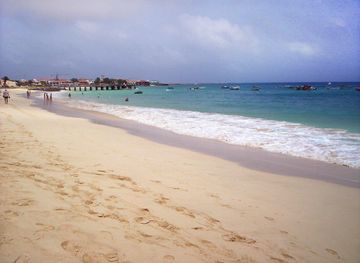
Discover Cabo Verde: An enchanting archipelago offering beautiful beaches, vibrant culture, and unforgettable adventures, all set against a backdrop of stunning landscapes.
Explore Cabo Verde