

Free Santa Luzia Travel Guide & Mobile App
Explore Santa Luzia with free travel guides. Discover regional history, expert tips, proposed trips, and audio guides on web or mobile app.


Explore Santa Luzia in Cabo Verde for volcanic landscapes, nesting turtles, remote beaches and a carefully managed uninhabited-island experience.
Read more about Santa Luzia
When is the best time to visit Santa Luzia?
Best: March–April, December · 25–26°C| Month | High (°C) | Rainfall (mm) |
|---|---|---|
| January | 24 | 1 |
| February | 24 | 1 |
| March (best) | 25 | 1 |
| April (best) | 26 | 1 |
| May | 27 | 1 |
| June | 28 | 1 |
| July | 29 | 2 |
| August | 30 | 8 |
| September | 30 | 27 |
| October | 29 | 9 |
| November | 27 | 2 |
| December (best) | 25 | 1 |
Getting to and around Santa Luzia
How to get there
Transportation
Best attractions in Santa Luzia
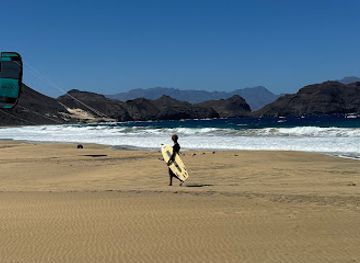
Santa Luzia’s attractions are entirely outdoor and nature-based. Boat approaches reveal an isolated coastline of sandy bays, wind-scoured headlands and dark volcanic terrain, while landings may lead to walks across beaches, dunes, gravel plains and low mountain slopes. The island’s protected status makes wildlife observation more important than conventional sightseeing: depending on season and conditions, visitors may see seabirds, coastal species and signs of loggerhead turtle activity. Turtle nesting beaches require particular care and may be subject to access restrictions. The surrounding marine environment also contributes to the experience, with clear horizons, strong Atlantic swell and opportunities for carefully managed snorkelling or wildlife observation where operators consider conditions suitable. Historical interest comes from the limited traces of earlier settlement, pastoral use and temporary fishing activity rather than from a substantial collection of buildings or museum objects. Santa Luzia’s nearby protected islets, Raso and Branco, form part of the wider conservation setting but are separate destinations and should not be assumed to be included in every excursion. There are no family attractions, gardens, galleries, restaurants or maintained visitor centres on the island; its appeal is the combination of remoteness, geology, sea and conservation.
-
Tourist attraction
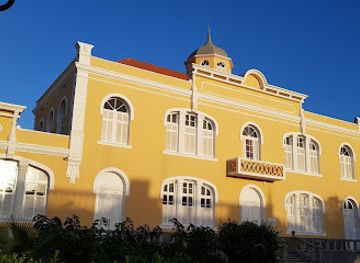
People's Palace
Explore the People's Palace in Mindelo: A stunning architectural gem reflecting Cabo Verde's rich culture and history.
-
Seafood
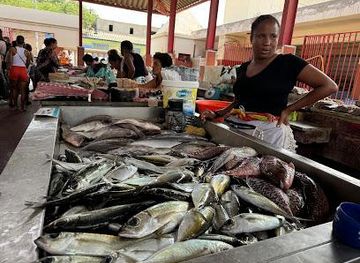
Mercado De Peixe
Experience the vibrant culture of Mindelo at the Mercado De Peixe, where you can find the freshest seafood and interact with local vendors.
-
 Island
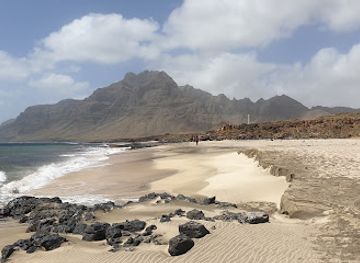
Ilha de Santa Luzia
Experience the untouched beauty of Ilha de Santa Luzia, an idyllic island in Cape Verde offering tranquility and rich cultural heritage.
-
Arboretum
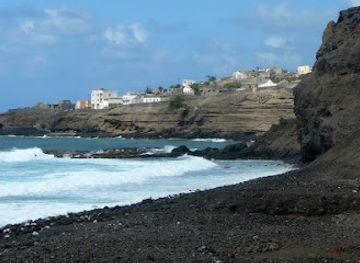
Santa Luzia d'Terra
Explore the enchanting Santa Luzia d'Terra, a serene arboretum in Ilha de Madeiral, showcasing diverse flora and breathtaking landscapes for nature lovers.
Best landmarks in Santa Luzia
Santa Luzia’s most significant landmarks are natural rather than architectural. Its broad, exposed coastline and volcanic ridges form a recognisable seascape between São Vicente and São Nicolau, with beaches and dunes contrasting with barren uplands. The island’s nesting beaches are important ecological landmarks, particularly during the loggerhead turtle season, although their exact use and access can be controlled for conservation reasons. Remnants of earlier human activity provide a quieter historical counterpoint: limited traces of attempted settlement, grazing and temporary coastal use illustrate how people tried to work with an environment that could not easily support a permanent community. The island itself is also a landmark within Cabo Verde’s protected-island network, alongside the separate islets of Raso and Branco. There are no castles, churches, civic buildings or substantial historic town centres on Santa Luzia, and visitors should not expect a conventional architectural sightseeing circuit. Its symbolic importance comes from its uninhabited status, its open Atlantic setting and the conservation value of a landscape largely free from permanent construction.
-
Tourist attraction
The Pier of Santa Maria
Immerse yourself in the vibrant culture and breathtaking scenery at the Pier of Santa Maria, a premier tourist attraction in Cape Verde.
-
Island
Santo Antão
Explore the breathtaking landscapes and rich culture of Santo Antão, Cape Verde's hidden gem for adventure and relaxation.
-
Hotel
Terra Lodge
Experience tranquility and vibrant local culture at Terra Lodge in Mindelo, where stunning views and delicious cuisine await every traveler.
-
Island
São Vicente
Experience the vibrant culture and stunning landscapes of São Vicente, an enchanting island in Cape Verde perfect for your next getaway.

Explore Santa Luzia on the map
Plan your trip on one map. See where the top cities, national parks and sights are, and book hotels and experiences in a few clicks.
Best hotels in Santa Luzia
Best restaurants in Santa Luzia
Santa Luzia has no permanent restaurants, cafés, shops or food-producing settlement. Visitors must normally rely on provisions arranged by their boat operator, such as packed meals, fruit, snacks and drinking water, and should confirm inclusions before departure. The culinary experience therefore belongs mainly to the gateway islands of São Vicente or São Nicolau rather than to Santa Luzia itself. Meals eaten before or after an excursion may introduce visitors to Cabo Verdean staples such as cachupa, a slow-cooked dish of maize, beans and other ingredients, as well as grilled fish and seafood, rice dishes, fresh fruit and local baked goods. On Santa Luzia, food should be transported and consumed with minimal impact: use reusable containers where possible and take all packaging back to the vessel. There is no basis for expecting a beach bar, fishing village eatery or improvised restaurant on arrival.
-
Restaurant
Ocean Cafe
Experience delightful cuisine at Ocean Cafe in Santa Maria - from authentic pizzas to local favorites in a vibrant setting.
-
Restaurant
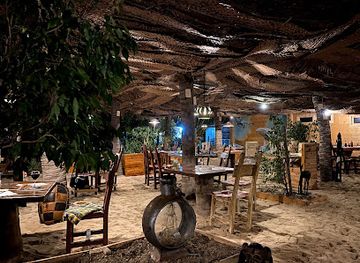
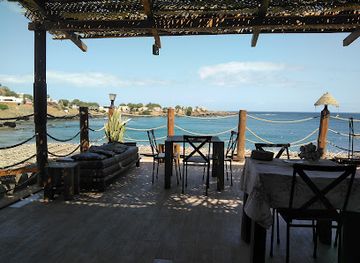
Morabeza Beach Bar & Lounge Restaurant
Discover culinary bliss at Morabeza Beach Bar & Lounge Restaurant in Cabo Verde—where every meal is paired with stunning ocean views.
-
Bar
Kebra Cabana
Discover Kebra Cabana in Praia: Where Delicious Cuisine Meets Lively Entertainment in Beautiful Cape Verde.
-
Restaurant
O Poeta Lounge & Food
Experience authentic Cape Verdean cuisine at O Poeta Lounge & Food in Praia - where every meal is a celebration of flavor.
Best bars in Santa Luzia
Santa Luzia has no nightlife, bars, clubs or permanent evening entertainment because the island is uninhabited and visitors normally return to their boat or gateway island after a daytime excursion. Any overnight stay would require a specifically authorised expedition with appropriate equipment and conservation approval, not an ordinary camping arrangement. Evening entertainment is instead found in inhabited Cabo Verdean destinations such as Mindelo on São Vicente, where established venues offer music, drinks and dining, or in the towns of São Nicolau. Those places are outside Santa Luzia and should be treated as part of the wider journey. On the island itself, the evening environment is defined by wind, darkness, sea conditions and wildlife protection; visitors should never use bright lights or make noise near nesting beaches.
-
Restaurant
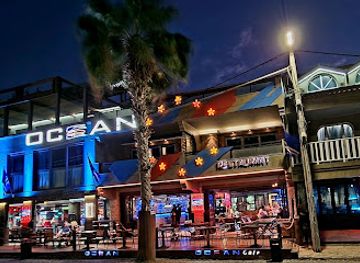
Ocean Cafe
Experience the vibrant flavors of Ocean Cafe in Santa Maria, a must-visit restaurant for pizza lovers and pub enthusiasts alike.
-
Restaurant
Perola D'Chaves
Discover the flavors of Rabil at Perola D'Chaves, where local cuisine meets a warm and inviting atmosphere for an unforgettable dining experience.
-
Bar
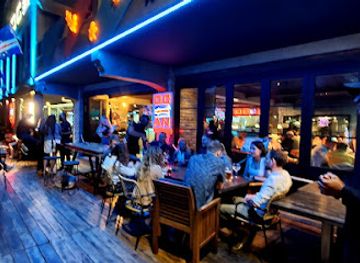
The Dubliner - Irish Bar
Discover the lively atmosphere and authentic Irish hospitality at The Dubliner, a premier bar on Santa Maria Beach, Cape Verde.
-
Bar
Buddy Bar
Experience the vibrant nightlife of Santa Maria at Buddy Bar, where locals and tourists gather for drinks and entertainment in a lively atmosphere.
Best nightclubs in Santa Luzia
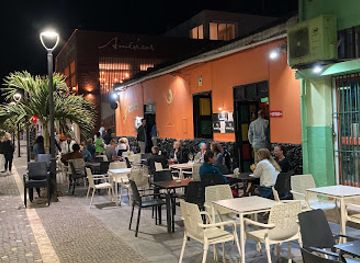
Santa Luzia has no nightlife, bars, clubs or permanent evening entertainment because the island is uninhabited and visitors normally return to their boat or gateway island after a daytime excursion. Any overnight stay would require a specifically authorised expedition with appropriate equipment and conservation approval, not an ordinary camping arrangement. Evening entertainment is instead found in inhabited Cabo Verdean destinations such as Mindelo on São Vicente, where established venues offer music, drinks and dining, or in the towns of São Nicolau. Those places are outside Santa Luzia and should be treated as part of the wider journey. On the island itself, the evening environment is defined by wind, darkness, sea conditions and wildlife protection; visitors should never use bright lights or make noise near nesting beaches.
-
Club
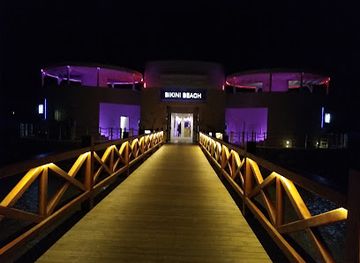
Bikini Beach Club
Discover the vibrant Bikini Beach Club in Santa Maria, where sun-soaked days meet electrifying nights by the ocean.
-
Bar
Buddy Bar
Experience the vibrant nightlife of Santa Maria at Buddy Bar, where friendly vibes and delicious drinks create unforgettable memories.
-
Bar
Kalimba Beach Club By Oásis Atlântico
Discover the vibrant Kalimba Beach Club in Mindelo, Cape Verde, where stunning ocean views meet refreshing cocktails and lively beach culture.
-
Bar
Pub Calema
Discover the vibrant nightlife of Santa Maria at Pub Calema, where delicious cocktails and lively music create an unforgettable experience.


Best shops in Santa Luzia
There is no shopping on Santa Luzia: the island has no high street, market, craft shop, gallery, kiosk or souvenir seller. Visitors should purchase water, food, sun protection, walking supplies and any required medication before departure from São Vicente or São Nicolau. Souvenirs associated with the wider journey are more appropriately bought from legitimate shops and markets on those inhabited islands, where visitors may find Cabo Verdean music, handicrafts, textiles, pottery, artwork and packaged local produce. Do not remove shells, stones, plants or other natural material from Santa Luzia, and be wary of any product presented as having been collected from protected beaches or wildlife sites. The most responsible souvenir is therefore a locally made item purchased in a settled community, combined with a commitment to leave the island exactly as it was found.
-
Market
Marché Municipal
Experience the local flavors and vibrant culture at Marché Municipal, the heart of Santa Maria's marketplace with unique goods and traditional delights.
-
Produce market
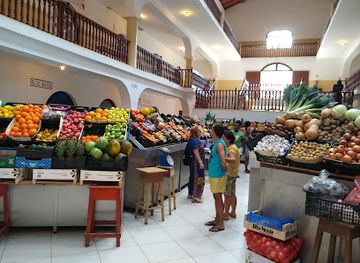
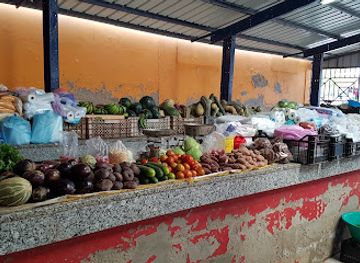
Vegetables Market
Discover the flavors of Mindelo at the bustling Vegetables Market, where local produce meets vibrant culture and community spirit.
-
Gift shop
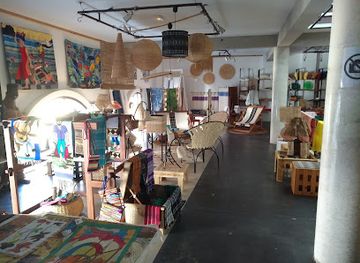
Capvertdesign+Artesanato
Discover the essence of Cape Verde at Capvertdesign+Artesanato, where unique craftsmanship meets vibrant local culture.
-
Store
Shop Fair Trade Djunta Mo Art
Explore the vibrant artisanal treasures at Djunta Mo Art, a fair trade shop in Santa Maria, showcasing the essence of Cape Verdean craftsmanship.

Get your free copy of our complete guide to Santa Luzia, delivered straight to you.
Everything on this page, from attractions and restaurants to essentials and local phrases, in one PDF you can read offline, print or share.
Already have an account? Sign in
Your Santa Luzia guide is ready.
We'll send it to · Not you? Sign out

Getting your guide ready…
We are putting together a fresh copy of the Santa Luzia guide. This can take up to a minute.
This can take a few moments. If your browser asks, choose Allow so the download can start. You'll find the guide in your Downloads folder.
Nothing happened? Download it again
Sorry, the guide is taking longer than usual. Please try again in a minute, or get it by email instead.
Santa Luzia essentials
Currency and Payment
Safety
Emergency Situations
Do's and Don'ts
Local Tips
From Eve
Local phrases worth knowing
You don't need to get them perfect. A few words go a long way, and locals appreciate the effort.
Basics
| English | Local | Say it |
|---|---|---|
| Hello | Olá | [oh-lah] |
| Goodbye | Adeus | [ah-deh-oos] |
| Yes | Sim | [seem] |
| No | Não | [now] |
| Please/You're welcome | Por favor | [poor fah-vor] |
| Thank you | Obrigado | [oh-bree-gah-doo] |
| Excuse me/Sorry | Desculpe | [des-kool-pay] |
| How are you? | Como está? | [koh-moo es-tah] |
| Fine. And you? | Bem. E você? | [baym. eh voh-seh] |
| Do you speak English? | Você fala inglês? | [voh-seh fah-lah een-glays] |
| I don't understand | Não entendo | [now en-ten-doo] |
Eating & Drinking
| English | Local | Say it |
|---|---|---|
| I'd like to see the menu, please | Gostaria de ver o menu, por favor | [goh-stah-ree-ah dee vehr oo meh-noo, poor fah-vor] |
| I don't eat meat | Não como carne | [now koh-moo kar-nee] |
| Cheers! | Saúde! | [sah-oo-deh] |
| I would like to pay, please | Gostaria de pagar, por favor | [goh-stah-ree-ah dee pah-gar, poor fah-vor] |
Emergencies
| English | Local | Say it |
|---|---|---|
| Help! | Ajuda! | [ah-zhoo-dah] |
| Go away! | Vá embora! | [vah em-boh-rah] |
| Call the Police! | Chame a polícia! | [sha-meh ah poh-lee-syah] |
| Call a doctor! | Chame um médico! | [sha-meh oom meh-dee-co] |
| I'm lost | Estou perdido | [es-toh pehr-dee-doo] |
| I'm ill | Estou doente | [es-toh do-ehn-teh] |
Shopping
| English | Local | Say it |
|---|---|---|
| I'd like to buy... | Gostaria de comprar... | [goh-stah-ree-ah dee kohm-prahr] |
| I'm just looking | Estou só a olhar | [es-toh soh ah oh-yar] |
| How much is it? | Quanto custa? | [kwahn-toh koos-tah] |
| That's too expensive | Isso é muito caro | [ee-soh eh mwee-toh kah-roh] |
| Can you lower the price? | Pode baixar o preço? | [poh-deh bye-shar oo preh-soh] |
Time & Numbers
| English | Local | Say it |
|---|---|---|
| What time is it? | Que horas são? | [keh oh-ras sow] |
| It's one o'clock | É uma hora | [eh oo-mah oh-rah] |
| Half past (10) | Meia hora (10) | [may-ah oh-rah (dez)] |
| Morning | Manhã | [mahn-yah] |
| Afternoon | Tarde | [tahr-deh] |
| Evening | Noite | [noy-tay] |
| Yesterday | Ontem | [on-tem] |
| Today | Hoje | [oh-zhee] |
| Tomorrow | Amanhã | [ah-mahn-yah] |
| 1 | 1 | [um] |
| 2 | 2 | [dois] |
| 3 | 3 | [três] |
| 4 | 4 | [quatro] |
| 5 | 5 | [cinco] |
| 6 | 6 | [seis] |
| 7 | 7 | [sete] |
| 8 | 8 | [oito] |
| 9 | 9 | [nove] |
| 10 | 10 | [dez] |
Transport & Directions
| English | Local | Say it |
|---|---|---|
| Where's a/the...? | Onde está um/a...? | [on-deh es-tah oom/ah] |
| What's the address? | Qual é o endereço? | [kwal eh oo en-deh-reh-soo] |
| Can you show me (on the map)? | Pode me mostrar (no mapa)? | [poh-deh meh mohs-trar (no mah-pah)] |
| When's the next (bus)? | Quando é o próximo (ônibus)? | [kwahn-doo eh oo proh-see-moo (oh-nee-boos)] |
| A ticket (to ....) | Um bilhete (para ....) | [oom bee-lyeh-teh (pah-rah)] |
History of Santa Luzia
Volcanic Formation and Atlantic Ecology
Santa Luzia is part of the volcanic archipelago of Cabo Verde, formed by submarine and subaerial volcanic processes over a very long geological period. Unlike the more densely settled islands, its dry climate and limited freshwater restricted the development of permanent communities. Wind, wave action and seasonal rainfall have shaped its dunes, beaches, ravines and exposed volcanic slopes. These conditions also produced a specialised island ecology, including seabirds, reptiles and marine species whose survival depends on the relative absence of intensive human development.
Portuguese Discovery and Early Claims
Santa Luzia entered the historical record during the Portuguese expansion into the Atlantic in the fifteenth century, when the islands of Cabo Verde were claimed and progressively incorporated into Portugal’s maritime network. As with other islands in the archipelago, its location gave it strategic significance within routes linking West Africa, Atlantic islands and Europe. Santa Luzia did not develop into a major colonial port, however, because it lacked the dependable water supplies and agricultural potential that supported stronger settlement elsewhere.
Attempts at Settlement and Pastoral Use
Over subsequent centuries, attempts were made to use Santa Luzia for limited agriculture, grazing, fishing and the exploitation of local resources. Small-scale occupation proved difficult: rainfall is unreliable, the terrain is exposed to wind and the island has no naturally generous supply of freshwater. These constraints prevented the formation of a lasting village economy. The traces associated with earlier human activity are therefore modest compared with the colonial architecture found on islands such as São Vicente or São Nicolau.
Fishing, Coastal Use and Maritime Knowledge
Although Santa Luzia never became a substantial settlement, its surrounding waters have long been known to fishers from neighbouring islands. Seasonal fishing, temporary camps and boat-based activity connected the island to the maritime communities of the Barlavento. This relationship was practical rather than urban: people visited the coast to work at sea or use limited resources, then returned to inhabited islands where supplies, families and permanent services were concentrated. The pattern helps explain why Santa Luzia has cultural links with nearby islands despite having no resident population today.
Decline of Permanent Occupation
The difficulty of sustaining agriculture and freshwater supplies eventually outweighed the benefits of settlement. Santa Luzia became uninhabited, leaving a landscape in which natural processes are more visible than built development. Its abandonment should not be interpreted as evidence that the island was historically irrelevant; rather, it reflects the limits imposed by climate, geography and distance. The island’s present identity is shaped partly by this absence of permanent habitation, which distinguishes it from the settled islands around it.
Nature Protection and Turtle Conservation
Modern conservation policy recognised the importance of Santa Luzia and its surrounding marine environment for seabirds, turtles and other wildlife. The island forms part of a protected nature-reserve system that also encompasses the nearby islets of Raso and Branco, each with distinct ecological values. Protection has increasingly influenced visitor access, landing arrangements and behaviour on beaches. In particular, loggerhead turtle nesting requires careful management during the breeding season, when light, noise, dogs and physical disturbance can harm adults or hatchlings.
Santa Luzia in Photos
Browse through our photo collection highlighting the charm and character of the destination.
Neighbouring regions of Santa Luzia
The closest regions to Santa Luzia, if you have time for more than one.
-

-

-

-

-


Swipe for more regions
Explore more
Explore more of Cabo Verde
Discover Cabo Verde: An enchanting archipelago offering beautiful beaches, vibrant culture, and unforgettable adventures, all set against a backdrop of stunning landscapes.
Explore Cabo Verde