

Free Brava Travel Guide & Mobile App
Explore Brava with free travel guides. Discover regional history, expert tips, proposed trips, and audio guides on web or mobile app.


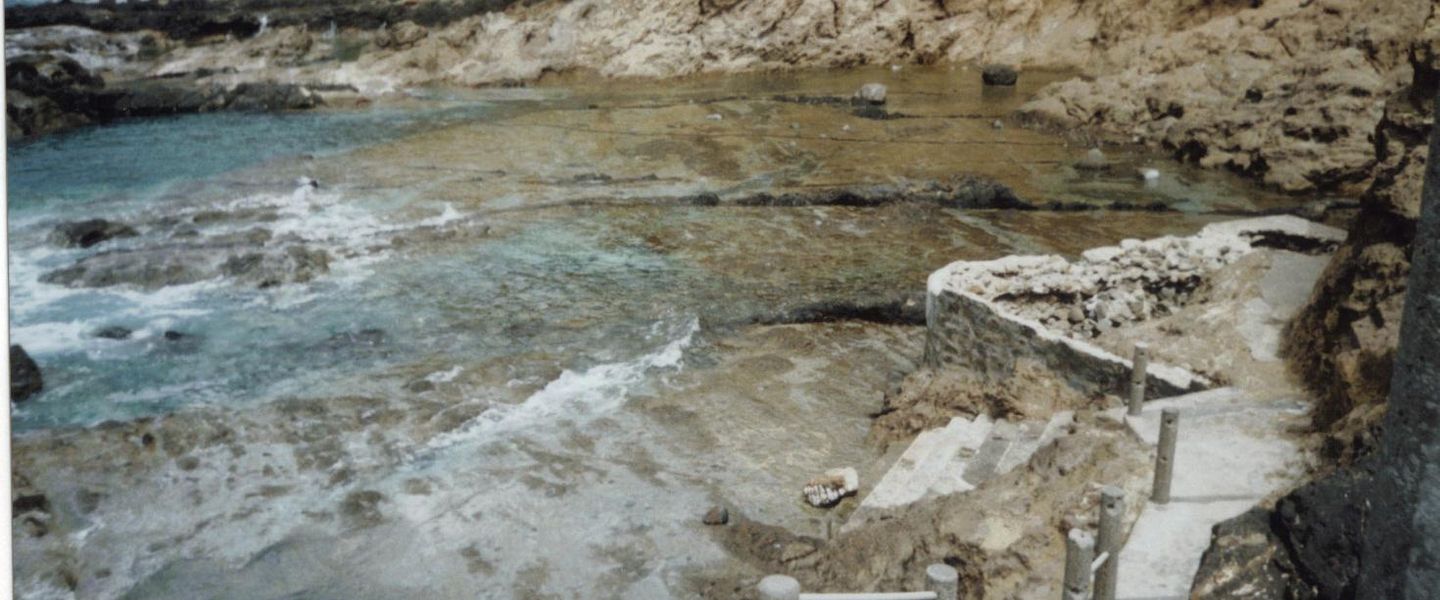


Explore Brava in Cabo Verde for green volcanic valleys, mountain villages, morna heritage, coastal views and rewarding island walks.
Read more about Brava
When is the best time to visit Brava?
Best: January–March · 25–26°C| Month | High (°C) | Rainfall (mm) |
|---|---|---|
| January (best) | 25 | 3 |
| February (best) | 26 | 3 |
| March (best) | 26 | 2 |
| April | 27 | 1 |
| May | 27 | 1 |
| June | 28 | 0 |
| July | 29 | 3 |
| August | 30 | 40 |
| September | 30 | 50 |
| October | 29 | 40 |
| November | 28 | 10 |
| December | 26 | 4 |
Getting to and around Brava
How to get there
Transportation
Best attractions in Brava
Brava’s attractions are primarily landscape- and culture-based rather than built around large commercial facilities. Nova Sintra provides the most accessible introduction, with leafy streets, traditional architecture and connections to Eugénio Tavares, the island’s celebrated poet and composer. From there, roads and footpaths lead towards Nossa Senhora do Monte, Cachaço and other upland communities, where cultivated slopes, stone walls and broad views reveal the island’s rural character. Fajã d’Água is the principal coastal excursion, combining a steep valley, Atlantic scenery and a small settlement shaped by its relationship with the sea. Furna offers a contrasting port landscape and is the normal arrival point for ferry passengers. Walking is central to the experience, with routes passing through ravines, gardens and mountain villages; route conditions and access should be checked locally. Churches, village squares and community spaces provide cultural interest, particularly during religious celebrations. Brava has fewer organised visitor attractions than the larger Cabo Verdean islands, but its compact scale makes it possible to combine scenery, local history and everyday island life in a short itinerary.
-
Tourist attraction
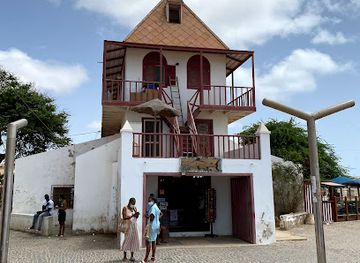
The Pier of Santa Maria
Experience Sal's vibrant culture and stunning sunsets at the iconic Pier of Santa Maria, a historic landmark and bustling hub on the island.
-
Tourist attraction
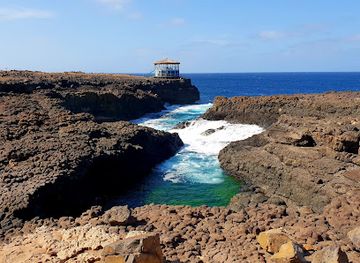
Buracona - Blue Eye Cave
Discover the breathtaking Buracona Blue Eye Cave in Cape Verde, where azure waters and stunning rock formations create a mesmerizing natural spectacle.
-
Tourist attraction
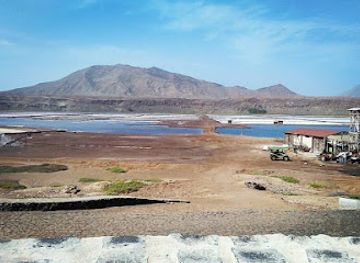
Salinas de Pedra de Lume
Discover the historical salt pans of Salinas de Pedra de Lume, a unique attraction in Cape Verde offering stunning landscapes and rich cultural heritage.
-
Tourist attraction
Pachamama Eco Park - Viveiro Botanical Garden
Discover a green paradise in the desert of Sal, Cape Verde. Explore diverse flora, rescued animals, and promote environmental awareness at Pachamama Eco Park.

Best landmarks in Brava
Nova Sintra’s most recognisable character comes from its highland setting, planted streets and traditional houses, which give the settlement a distinctly different appearance from Brava’s exposed port at Furna. The Casa Eugénio Tavares and other places associated with the poet help connect the town’s architecture with the island’s literary and musical heritage. The church and pilgrimage setting of Nossa Senhora do Monte are important religious landmarks, particularly during the annual celebration that draws people from Brava and its diaspora. Fajã d’Água is a natural landmark rather than a monumental one: its steep valley opens towards the Atlantic and demonstrates how settlement and cultivation occupy Brava’s limited gentler ground. Furna’s harbour is another defining place, marking the island’s maritime dependence and its continuing ferry connection with Fogo. Across the island, volcanic ridges, deep ravines, cultivated slopes and cliff-framed coastal views form a connected landscape of landmarks, best understood from roads and walking paths rather than from a single monument.
-
Tourist attraction
The Pier of Santa Maria
Explore the stunning Pier of Santa Maria, a vibrant coastal attraction featuring breathtaking views, fresh seafood, and a rich cultural experience in Cape Verde.
-
 Hotel
HotelHotel RIU Karamboa
Discover the ultimate blend of luxury, wellness, and adventure at Hotel RIU Karamboa, your paradise in Boa Vista, Cape Verde.
-
Tourist attraction
Buracona - Blue Eye Cave
Explore Buracona - The Blue Eye Cave, a stunning natural wonder in Cape Verde with mesmerizing blue waters and breathtaking coastal landscapes.
-
Tourist attraction
Salinas de Pedra de Lume
Explore the stunning Salinas de Pedra de Lume, a unique salt lagoon in Cape Verde's volcanic landscape, perfect for relaxation and adventure.
Explore Brava on the map
Plan your trip on one map. See where the top cities, national parks and sights are, and book hotels and experiences in a few clicks.
Best hotels in Brava
Best restaurants in Brava
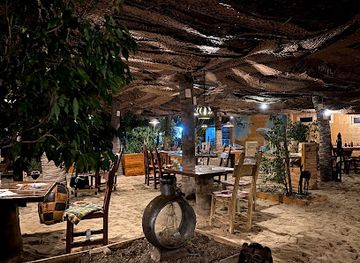
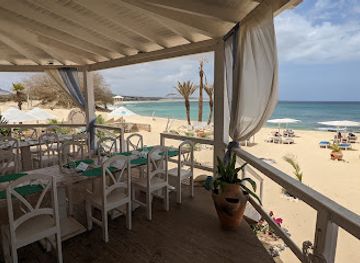
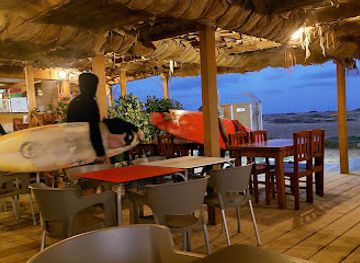
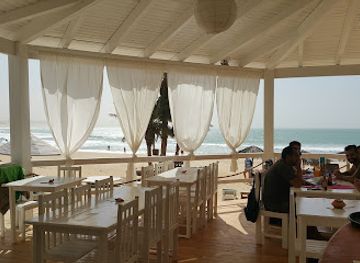
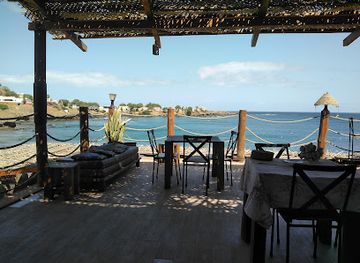
Brava’s dining is modest, local and closely tied to household cooking rather than a large restaurant industry. Small restaurants and guesthouses commonly serve Cabo Verdean food such as cachupa, a slow-cooked dish of maize, beans and other ingredients, alongside rice, stews, grilled meats and seasonal vegetables. Fishing communities and the port give seafood a place in the local diet, although availability depends on landings and weather. Brava’s gardens and agricultural valleys contribute fruit, vegetables and occasional homemade preserves, while coffee and grogue belong to the wider food culture of Cabo Verde and may be encountered through local hospitality rather than formal tasting menus. Nova Sintra has the broadest choice of cafés and simple eateries, while meals in smaller settlements may need to be arranged in advance. Eating locally often means accepting a slower timetable and asking what is available that day. Visitors should carry snacks for longer walks, since shops and food outlets are limited outside the main settlements.
-
Restaurant
Ocean Cafe
Experience delightful dining at Ocean Cafe in Santa Maria – where local flavors meet international favorites amidst a vibrant atmosphere.
-
Restaurant
Morabeza Beach Bar & Lounge Restaurant
Experience exquisite dining with breathtaking ocean views at Morabeza Beach Bar & Lounge Restaurant in Cape Verde.
-
Restaurant
Perola D'Chaves
Experience authentic Cape Verdean cuisine at Pérola D'Chaves in Rabil - where every meal tells a story.
-
Restaurant
Ponta Preta
Experience authentic Cape Verdean cuisine at Ponta Preta in Santa Maria – where every dish tells a story.
Best bars in Brava
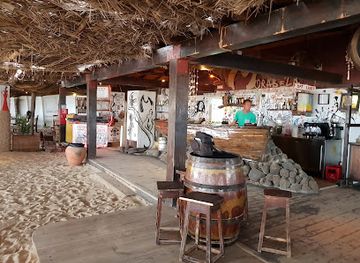
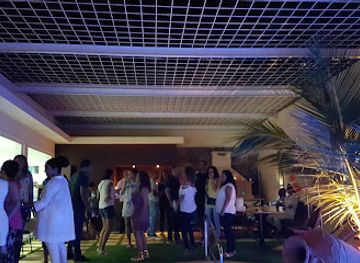
Brava does not have a major nightclub scene, and evening life is centred on small bars, cafés, guesthouses, family gatherings and community events. Nova Sintra is the most practical place to find an evening drink or informal conversation, while Furna has a more maritime and working-port atmosphere. Music is especially important to the island’s identity: morna and other Cabo Verdean styles may be heard at local celebrations or informal performances, although regular programmes should not be assumed. Larger festivals and religious occasions can bring more activity to villages such as Nossa Senhora do Monte, but dates and arrangements vary. Bars may serve local beer, soft drinks, grogue and other familiar Cabo Verdean refreshments, yet visitors should not expect late opening hours or a concentrated entertainment district. The island’s evenings are better suited to relaxed meals, music and conversation than to organised clubbing.
-
Restaurant
Ocean Cafe
Discover the vibrant flavors of Cape Verde at Ocean Cafe, where fresh pizzas meet local specialties in a lively atmosphere.
-
Restaurant
Morabeza Beach Bar & Lounge Restaurant
Explore the vibrant flavors and breathtaking views of Morabeza Beach Bar & Lounge Restaurant in Cabo Verde, a perfect spot for relaxation and enjoyment.
-
Restaurant
Perola D'Chaves
Experience authentic Cape Verdean cuisine at Perola D'Chaves in Rabil, where every dish tells a story.
-
Bar
Kebra Cabana
Discover the vibrant atmosphere of Kebra Cabana in Praia, Cape Verde; a bar and restaurant offering local flavors and unforgettable nightlife.

Best nightclubs in Brava
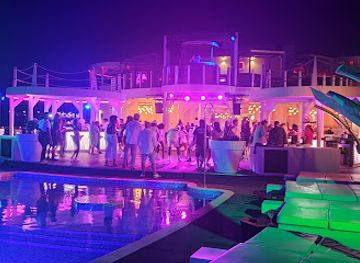
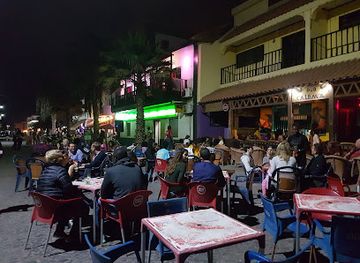
Brava does not have a major nightclub scene, and evening life is centred on small bars, cafés, guesthouses, family gatherings and community events. Nova Sintra is the most practical place to find an evening drink or informal conversation, while Furna has a more maritime and working-port atmosphere. Music is especially important to the island’s identity: morna and other Cabo Verdean styles may be heard at local celebrations or informal performances, although regular programmes should not be assumed. Larger festivals and religious occasions can bring more activity to villages such as Nossa Senhora do Monte, but dates and arrangements vary. Bars may serve local beer, soft drinks, grogue and other familiar Cabo Verdean refreshments, yet visitors should not expect late opening hours or a concentrated entertainment district. The island’s evenings are better suited to relaxed meals, music and conversation than to organised clubbing.
-
Club
Bikini Beach Club
Discover Bikini Beach Club, Santa Maria's ultimate beachfront nightlife destination, where music, dancing, and ocean views create unforgettable memories.
-
Bar
Buddy Bar
Discover the vibrant nightlife at Buddy Bar in Santa Maria, where refreshing drinks and live music create unforgettable memories.
-
Bar
Pub Calema
Discover the vibrant nightlife at Pub Calema in Santa Maria, a lively bar offering great drinks, entertainment, and a friendly atmosphere.
-
Disco club
Zero Hours Nightclub
Experience the vibrant nightlife at Zero Hours Nightclub in Praia, where energetic dance floors and lively music await you.

Best shops in Brava
Shopping on Brava is small-scale and practical, with the greatest choice in Nova Sintra and around the port of Furna. Local shops sell everyday provisions rather than a wide range of international goods, so visitors should not expect a dedicated resort shopping quarter. Souvenirs may include Cabo Verdean music, books, locally made handicrafts and food products when available, while the most meaningful purchases are often linked to the island’s cultural identity, including material connected with Eugénio Tavares and morna. Markets and informal sellers may offer seasonal fruit, vegetables or homemade products, although selection varies with harvests, transport and weather. Visitors should carry cash for small purchases and ask permission before photographing or entering informal selling spaces. Brava is better suited to buying locally sourced provisions, a modest craft item or a cultural keepsake than to extensive retail browsing, and the island’s quiet commercial life is part of its character.
-
Market
Marché Municipal
Experience the vibrant culture of Cape Verde at Marché Municipal, a must-visit market in Santa Maria filled with local flavors and handcrafted treasures.
-
Gift shop
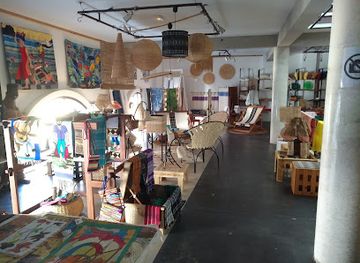
Capvertdesign+Artesanato
Explore the artistic heart of Cape Verde at Capvertdesign+Artesanato, a unique gift shop in Mindelo offering exquisite handmade crafts and souvenirs.
-
Store
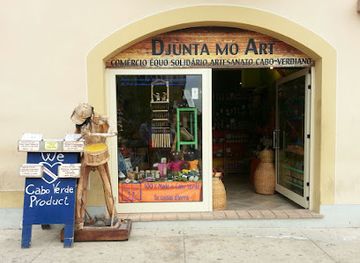
Shop Fair Trade Djunta Mo Art
Explore authentic Cape Verdean art and crafts at Djunta Mo Art, a vibrant fair trade store in Santa Maria offering unique treasures and local culture.
-
Market
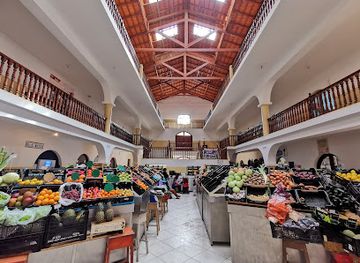
Mercado Municipal
Explore the lively Mercado Municipal in Sal Rei, a vibrant market offering local produce, crafts, and a taste of Cape Verdean culture.

Get your free copy of our complete guide to Brava, delivered straight to you.
Everything on this page, from attractions and restaurants to essentials and local phrases, in one PDF you can read offline, print or share.
Already have an account? Sign in
Your Brava guide is ready.
We'll send it to · Not you? Sign out

Getting your guide ready…
We are putting together a fresh copy of the Brava guide. This can take up to a minute.
This can take a few moments. If your browser asks, choose Allow so the download can start. You'll find the guide in your Downloads folder.
Nothing happened? Download it again
Sorry, the guide is taking longer than usual. Please try again in a minute, or get it by email instead.
Brava essentials
Currency and Payment
Safety
Emergency Situations
Do's and Don'ts
Local Tips
From Eve
Local phrases worth knowing
You don't need to get them perfect. A few words go a long way, and locals appreciate the effort.
Basics
| English | Local | Say it |
|---|---|---|
| Hello | Olá | [oh-lah] |
| Goodbye | Adeus | [ah-deh-oos] |
| Yes | Sim | [seem] |
| No | Não | [now] |
| Please/You're welcome | Por favor | [pohr fah-vor] |
| Thank you | Obrigado | [oh-bree-gah-doo] |
| Excuse me/Sorry | Desculpe | [deh-scool-peh] |
| How are you? | Como está? | [koh-moo es-tah] |
| Fine. And you? | Bem. E você? | [bame. eh voh-seh] |
| Do you speak English? | Você fala inglês? | [voh-seh fah-lah een-glez] |
| I don't understand | Não entendo | [now en-ten-doo] |
Eating & Drinking
| English | Local | Say it |
|---|---|---|
| I'd like to see the menu, please | Quero ver o menu, por favor | [keh-roh vehr oo meh-noo, pohr fah-vor] |
| I don't eat meat | Não como carne | [now koh-moo kar-nee] |
| Cheers! | Saúde! | [sah-oo-deh] |
| I would like to pay, please | Quero pagar, por favor | [keh-roh pah-gar, pohr fah-vor] |
Emergencies
| English | Local | Say it |
|---|---|---|
| Help! | Ajuda! | [ah-zhoo-dah] |
| Go away! | Vai embora! | [vai em-boh-rah] |
| Call the Police! | Ligue para a polícia! | [lee-geh pah-rah ah poh-lee-sia] |
| Call a doctor! | Ligue para um médico! | [lee-geh pah-rah oom meh-dee-koh] |
| I'm lost | Estou perdido | [es-toh pehr-dee-doo] |
| I'm ill | Estou doente | [es-toh do-ehn-teh] |
Shopping
| English | Local | Say it |
|---|---|---|
| I'd like to buy... | Quero comprar... | [keh-roh kom-prahr] |
| I'm just looking | Estou só a olhar | [es-toh soh ah oh-yar] |
| How much is it? | Quanto custa? | [kwan-toh koos-tah] |
| That's too expensive | É muito caro | [eh mooy-toh kah-roh] |
| Can you lower the price? | Pode baixar o preço? | [poh-deh bye-shar oo preh-soh] |
Time & Numbers
| English | Local | Say it |
|---|---|---|
| What time is it? | Que horas são? | [keh or-as sah-ooh] |
| It's one o'clock | É uma hora | [eh oo-mah or-ah] |
| Half past (10) | Dez e meia | [dez eh may-ah] |
| Morning | Manhã | [mahn-yah] |
| Afternoon | Tarde | [tar-deh] |
| Evening | Noite | [noy-teh] |
| Yesterday | Ontem | [on-tem] |
| Today | Hoje | [oh-zhay] |
| Tomorrow | Amanhã | [ah-mahn-yah] |
| 1 | Um | [oom] |
| 2 | Dois | [doy-ees] |
| 3 | Três | [trehz] |
| 4 | Quatro | [kwah-troh] |
| 5 | Cinco | [seen-koh] |
| 6 | Seis | [saze] |
| 7 | Sete | [seh-teh] |
| 8 | Oito | [oy-toh] |
| 9 | Nove | [noh-veh] |
| 10 | Dez | [dez] |
Transport & Directions
| English | Local | Say it |
|---|---|---|
| Where's a/the...? | Onde está um/uma...? | [on-deh es-tah oom/oo-mah] |
| What's the address? | Qual é o endereço? | [kwal eh oo en-deh-reh-soh] |
| Can you show me (on the map)? | Pode me mostrar (no mapa)? | [poh-deh meh mohs-trar (noh mah-pah)] |
| When's the next (bus)? | Quando é o próximo (ônibus)? | [kwan-doh eh oo proh-see-moh (oh-nee-boos)] |
| A ticket (to ....) | Um bilhete (para ....) | [oom bee-lyeh-tay (pah-rah ....)] |
History of Brava
Volcanic formation and early settlement
Brava is a volcanic island shaped by steep ridges, deep valleys and an irregular Atlantic coastline. Permanent settlement developed after the Portuguese colonisation of Cabo Verde, with communities concentrated in more sheltered and cultivable parts of the island. Compared with the drier eastern islands, Brava’s relatively favourable moisture supported gardens, fruit trees and small-scale farming. Its terrain encouraged a dispersed pattern of villages and footpaths rather than a large urban centre, a structure that remains visible in the relationship between Nova Sintra, the port of Furna and the rural settlements.
Agriculture and island communities
For much of its history, Brava’s economy was based on subsistence agriculture, livestock and exchange with neighbouring islands. Rainfall was never guaranteed, but the island’s uplands and valleys could support crops and gardens that were difficult to sustain in the drier parts of Cabo Verde. Families relied on close community networks, seasonal work and maritime links. Stone houses, cultivated terraces and village churches reflect the gradual development of a settled island society whose resources were modest but whose social connections extended well beyond Brava.
Furna and the maritime economy
Furna’s deep coastal setting made it Brava’s principal maritime gateway. Like other Cabo Verdean islands, Brava was drawn into Atlantic shipping, inter-island trade and the movement of people, goods and information. Seafaring also connected the island with the wider history of whaling in the North Atlantic during the eighteenth and nineteenth centuries. Brava itself was not an industrial whaling centre on the scale of some foreign ports, but maritime work and emigration created important links with communities overseas, particularly in the United States.
Eugénio Tavares and the culture of morna
Eugénio Tavares was born in Brava in 1867 and became a major Cabo Verdean poet, journalist and composer. His writing and songs helped shape the expressive tradition of morna, which is associated with themes of love, separation, memory and departure. Tavares spent periods away from Cabo Verde, reflecting the mobility that characterised many island families, yet Brava remained central to his identity. His legacy can be encountered in Nova Sintra and in the island’s continuing cultural association with poetry, music and saudade, the feeling of longing often expressed in Cabo Verdean culture.
Emigration and the Brava diaspora
From the nineteenth century onwards, economic pressures, limited land and the opportunities offered by maritime work encouraged many Bravenses to leave the island. Migration to the United States, especially to New England, became particularly important, creating enduring family and financial ties between Brava and overseas communities. Emigration altered the island’s demographic and economic life while also shaping houses, consumer habits and ideas of belonging. Today, many visitors encounter Brava through these transnational connections, whether returning families, diaspora associations or stories preserved across generations.
Cabo Verdean independence and contemporary Brava
Cabo Verde became independent from Portugal in 1975, and Brava subsequently developed within the institutions of the modern Republic of Cabo Verde. The island remains rural and less visited than the country’s principal beach and urban destinations. Improvements to roads, communications and maritime infrastructure have made access more practical, although the island’s remoteness and weather-sensitive transport still shape daily life. Contemporary Brava combines agricultural traditions, public services, diaspora support and a growing interest in walking and cultural tourism while retaining its small-island social character.
Brava in Photos
Browse through our photo collection highlighting the charm and character of the destination.
Neighbouring regions of Brava
The closest regions to Brava, if you have time for more than one.
-

-

-

-

-


Swipe for more regions
Explore more
Explore more of Cabo Verde
Discover Cabo Verde: An enchanting archipelago offering beautiful beaches, vibrant culture, and unforgettable adventures, all set against a backdrop of stunning landscapes.
Explore Cabo Verde