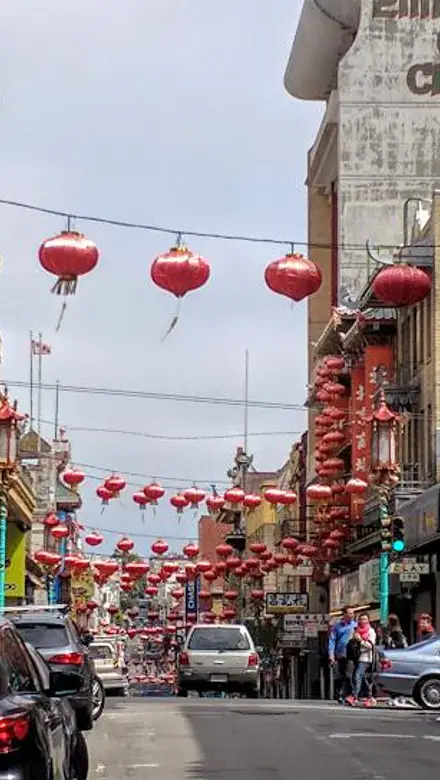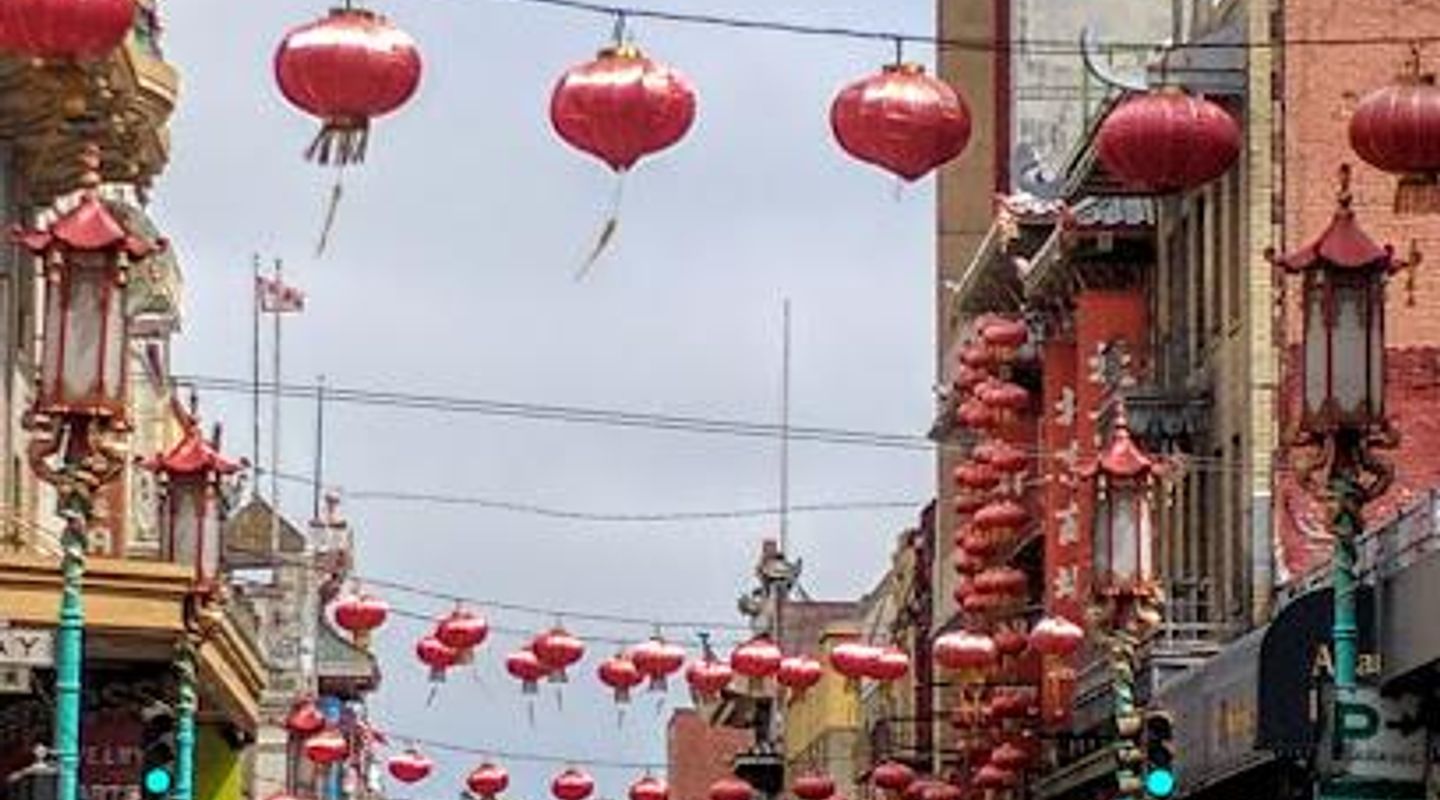
Chinatown, Bay Area Travel Guide
Explore the vibrant culture and rich history of San Francisco's Chinatown, the oldest and largest Chinese community in North America.
San Francisco's Chinatown, established in the 1850s, is the oldest Chinatown in North America and one of the largest Chinese enclaves outside of Asia. This vibrant neighborhood offers a unique blend of cultural experiences, historical landmarks, and authentic Chinese cuisine.
A brief summary to Chinatown
- San Francisco, Chinatown, California, US
- Click to display

Know before you go
Hi, I'm Eve. Here are a few practical things to know before exploring Chinatown.
- Explore the side streets and alleys, like Ross Alley, to discover hidden gems like the Golden Gate Fortune Cookie Factory.
- Visit Portsmouth Square to observe locals playing Chinese chess or practicing Tai Chi.
- Try authentic dim sum at one of Chinatown's many restaurants.
- Take a walking tour to learn about the history and culture of Chinatown.
- Check out the Chinese New Year parade and festivities if you're visiting in January or February.
Do you manage this location?
Take control to get all the benefits, like improved information, better appearance, and stronger visibility across AI-powered discovery. Learn more about listing your business on Evendo
Activate your presenceOther nearby places you may find interesting
The closest places of the same kind, if this one is not quite what you had in mind.

Explore Chinatown on the Map
A handpicked selection of must-see spots near Chinatown, mapped for you.
Unlock the Best of Chinatown
Buy tickets
-
No tickets available
Book tours with entry


Getting There
-
Walking
From Union Square, walk north on Stockton Street for two blocks. Turn right on Bush Street and walk one block to reach the Dragon Gate, the entrance to Chinatown. This walk is approximately 0.3 miles and should take about 5-10 minutes. Alternatively, from the Ferry Building, walk west towards Market Street and take any Muni bus heading towards the inner Richmond district. Alight at the intersection of Grant Avenue and Bush Street. Walk through the Dragon Gate to enter Chinatown. A single ride on Muni costs $3.00, or $2.50 with a Clipper Card.
-
Public Transport
From Fisherman's Wharf, take the Powell-Hyde or Powell-Mason cable car line and get off between Jackson and Bush Streets. Walk a few blocks east to reach Chinatown. A single ride on the cable car costs $8. From downtown San Francisco, take the California Street cable car line to Grant Avenue, which is the main street of Chinatown. A single ride on the cable car costs $8. Alternatively, take the 30-Stockton bus, which goes straight through the center of Chinatown. Any of the stops between Broadway and Bush will get you to the neighborhood quickly. A single ride on Muni costs $3.00, or $2.50 with a Clipper Card.
-
Parking
Several parking garages are available in and around Chinatown. Portsmouth Square Plaza Garage (733 Kearny St) is a popular option, charging $4 per hour with a daily maximum of $32. The Sutter Stockton Garage (444 Stockton St) offers hourly rates ranging from $1 to $4.50, with a daily maximum of $36. St. Mary's Square Garage (433 Kearny St) has rates ranging from $1 to $4.50 per hour, with a daily maximum of $39. Street parking is also available, but most of Chinatown falls within San Francisco's “Residential Parking Zone C,” limiting parking to 2 hours without a permit. Metered parking spots may have dynamic pricing based on demand.
Discover more about Chinatown













Your all‑in‑one travel companion app
Explore expert travel guides, compare and book tours, experiences, hotels, and more—all from the palm of your hand. Download now for seamless trip planning wherever your wanderlust takes you.


Explore More of Bay Area
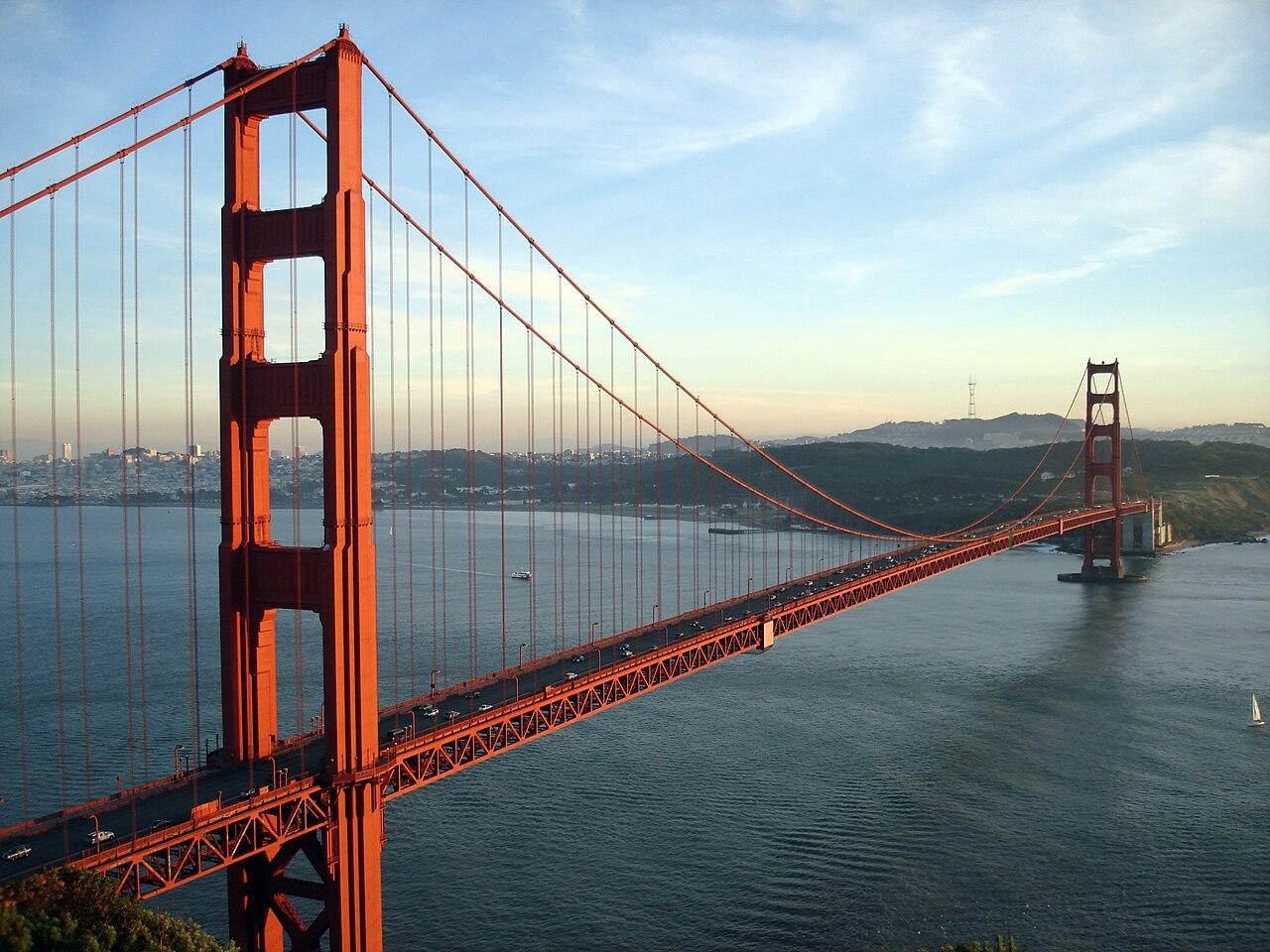
Looking beyond Chinatown? Discover Bay Area for broader travel guides, local hot-spots, and regional highlights.
Explore Bay Area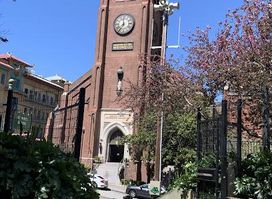
Visit California's first cathedral in San Francisco's Chinatown: a historic landmark with stunning Gothic Revival architecture and a resilient spirit.
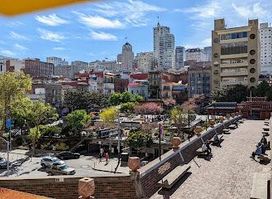
Explore the historical charm of Portsmouth Square, a serene park nestled in the heart of San Francisco's vibrant Chinatown.