Free Campbell Travel Guide & Mobile App
Plan your Campbell trip with Evendo. Get free guides to top attractions, restaurants, hotels, and bars. Web access or download the mobile app.




Discover the charm of Campbell, California, a quaint city in Silicon Valley known for its historic downtown, vibrant Farmer's Market, scenic trails, and welcoming community.
Read more about Campbell
When is the best time to visit Campbell?
Best: June–July, September · 26–28°C| Month | High (°C) | Rainfall (mm) |
|---|---|---|
| January | 14 | 100 |
| February | 16 | 90 |
| March | 18 | 80 |
| April | 19 | 60 |
| May | 22 | 40 |
| June (best) | 26 | 20 |
| July (best) | 28 | 10 |
| August | 28 | 10 |
| September (best) | 27 | 20 |
| October | 22 | 40 |
| November | 17 | 60 |
| December | 13 | 80 |
Getting to and around Campbell
How to get there
Transportation
Best attractions in Campbell
Campbell, California offers a charming downtown area filled with unique shops, delicious restaurants, and a variety of cultural events. Visitors can explore the historic Ainsley House, a beautifully preserved English Tudor-style home, or take a stroll through the Campbell Historical Museum to learn about the town's rich history. For outdoor enthusiasts, the Los Gatos Creek Trail provides a scenic path for walking, running, or biking, while the nearby Campbell Park offers a peaceful retreat for picnicking and enjoying the California sunshine. With its welcoming community and diverse attractions, Campbell is a hidden gem waiting to be discovered by eager travelers.
-
Historical place museum
Winchester Mystery House
Explore the enigmatic Winchester Mystery House in San Jose, a historical marvel filled with intrigue, architectural oddities, and supernatural legends.
10 min drive · 3.5 km from city centre
-
Tourist attraction
Los Gatos Creek County Park
Discover the serene beauty of Los Gatos Creek County Park, where outdoor adventures meet tranquil landscapes in Campbell, California.
6 min drive · 1.9 km from city centre
-
Tourist attraction
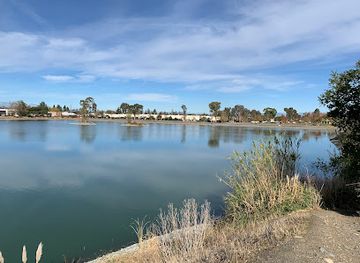
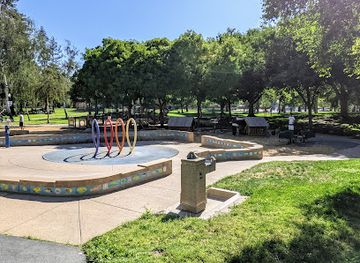
Campbell Park
Experience the tranquility and charm of Campbell Park, a beautiful urban oasis perfect for relaxation and family fun in California.
11 min walk · 0.9 km from city centre
-
Tourist attraction
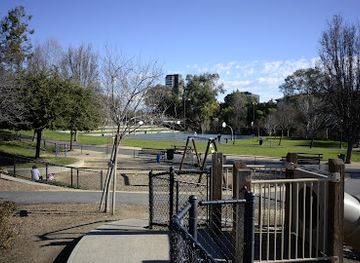
John D. Morgan Park
Explore the beauty of nature at John D. Morgan Park in Campbell, California - a perfect blend of relaxation, recreation, and community spirit.
11 min walk · 0.8 km from city centre

Best landmarks in Campbell
Campbell in California offers visitors a unique blend of historical sites and modern attractions. From the historic Ainsley House and Campbell Historical Museum to the bustling Downtown Campbell filled with shops and restaurants, there is something for everyone. Take a stroll through the charming streets lined with Victorian-era buildings, or explore the lush trails of the Los Gatos Creek Trail. Don't miss out on the vibrant farmers' market or the diverse array of cultural events that take place throughout the year. Campbell truly has a little bit of everything for every type of traveler.
-
Historical place museum
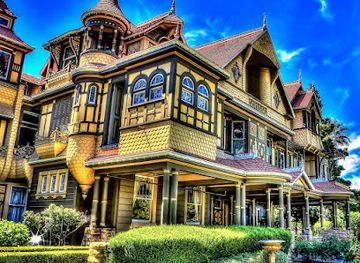
Winchester Mystery House
Explore the enigmatic Winchester Mystery House, a historical marvel with a haunted past and unique architectural wonders in San Jose, California.
10 min drive · 3.5 km from city centre
-
Shopping mall
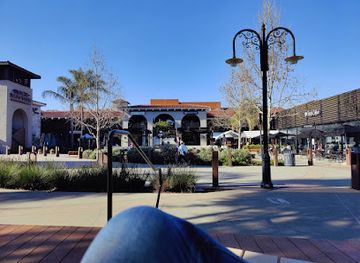
Pruneyard Shopping Center
Explore the Pruneyard Shopping Center: A vibrant hub of shopping, dining, and entertainment in Campbell, California, perfect for every tourist’s itinerary.
5 min drive · 1.5 km from city centre
-
Californian
Aqui Campbell
Experience the vibrant fusion of Californian and Southwestern cuisine at Aqui Campbell, a culinary gem in Downtown Campbell, California.
4 min walk · 0.3 km from city centre
-
American
Orchard City Kitchen
Discover the vibrant fusion of American cuisine and artisanal cocktails at Orchard City Kitchen in Campbell, California.
18 min walk · 1.4 km from city centre


Explore Campbell on the map
Plan your Campbell trip on one map. See where the top attractions, landmarks, restaurants, bars and hotels are, find what's near where you're staying, and book hotels and experiences in a few clicks.
Best hotels in Campbell
Best restaurants in Campbell
Campbell offers a diverse dining scene that caters to all tastes and preferences. From trendy cafes and gourmet restaurants to casual eateries and food trucks, visitors can indulge in a wide range of culinary experiences. The city is known for its farm-to-table dining options, showcasing fresh and locally sourced ingredients. Whether you are craving international cuisine, fusion dishes, or classic American fare, Campbell has something for everyone. Don't miss the opportunity to explore the vibrant food scene and taste the unique flavors that the city has to offer.
-
Californian
Aqui Campbell
Experience vibrant Tex-Mex fusion at Aqui Campbell in downtown California – where fresh ingredients meet innovative culinary artistry.
4 min walk · 0.3 km from city centre
-
American
Orchard City Kitchen
Discover seasonal American cuisine at Orchard City Kitchen - where innovative dishes meet craft cocktails in a vibrant setting.
18 min walk · 1.4 km from city centre
-
Pizza
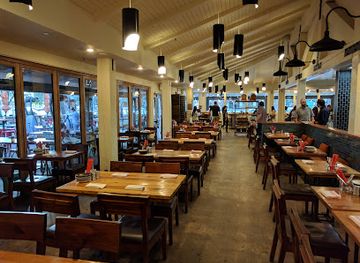
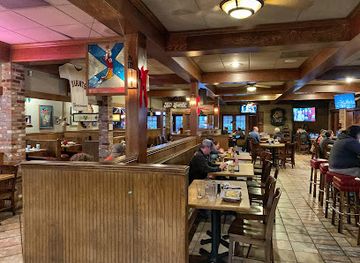
The Garret of Campbell
Discover The Garret of Campbell: A culinary delight serving gourmet pizzas and burgers in a warm and inviting atmosphere.
5 min drive · 1.6 km from city centre
-
Breakfast
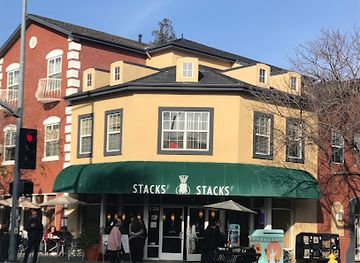
Stacks Campbell
Experience delightful breakfasts and brunches at Stacks Campbell - where classic American flavors meet innovative dishes in a cozy diner setting.
3 min walk · 0.2 km from city centre
Best bars in Campbell
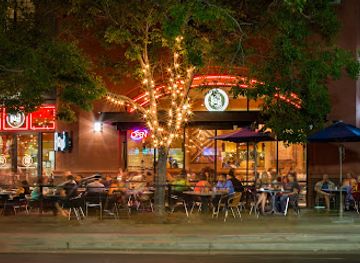
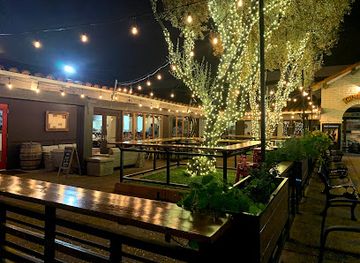
Campbell offers a vibrant nightlife scene with a variety of bars and nightclubs to explore. From cozy craft beer bars to lively dance clubs, there is something for everyone. Enjoy live music performances, DJ sets, and specialty cocktails in the heart of downtown Campbell. With a mix of trendy hotspots and laid-back local favorites, visitors can experience the city's nightlife in a unique and exciting way.
-
American
Orchard City Kitchen
Discover the vibrant flavors of American cuisine at Orchard City Kitchen, where seasonal ingredients meet a lively atmosphere in Campbell, California.
18 min walk · 1.4 km from city centre
-
Bar
Naschmarkt Restaurant - Campbell
Experience the culinary delights of Austria and Germany at Naschmarkt Restaurant in downtown Campbell, where tradition meets modern European charm.
8 min walk · 0.6 km from city centre
-
New American
Willard Hicks Campbell
Experience the best of New American cuisine at Willard Hicks Campbell, where flavor meets creativity in a stylish dining setting.
6 min walk · 0.5 km from city centre
-
Seafood
Forthright Oyster Bar & Kitchen
Discover the ultimate seafood dining experience at Forthright Oyster Bar & Kitchen in Campbell, California, where fresh flavors meet a cozy atmosphere.
8 min drive · 2.6 km from city centre
Best nightclubs in Campbell
Campbell offers a vibrant nightlife scene with a variety of bars and nightclubs to explore. From cozy craft beer bars to lively dance clubs, there is something for everyone. Enjoy live music performances, DJ sets, and specialty cocktails in the heart of downtown Campbell. With a mix of trendy hotspots and laid-back local favorites, visitors can experience the city's nightlife in a unique and exciting way.
-
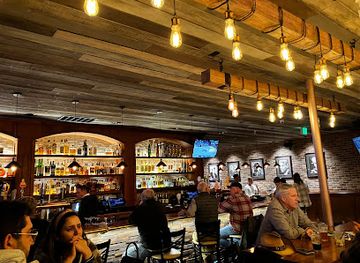
Cocktail bar
The Vesper
Experience the vibrant cocktail culture of Campbell at The Vesper, where exquisite drinks and delightful cuisine come together in a stylish setting.
8 min walk · 0.6 km from city centre
-
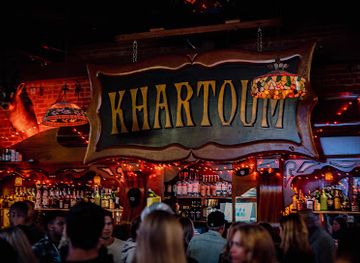
Lounge
Khartoum Lounge
Khartoum Lounge: A lively destination in Campbell, California, blending cocktails, karaoke, and camaraderie for an unforgettable nightlife experience.
7 min walk · 0.6 km from city centre
-
Irish pub
Katie Bloom's
Discover the lively spirit of Katie Bloom's Irish Pub, a local favorite in Campbell, offering authentic Irish cuisine and a welcoming atmosphere.
7 min walk · 0.6 km from city centre
-
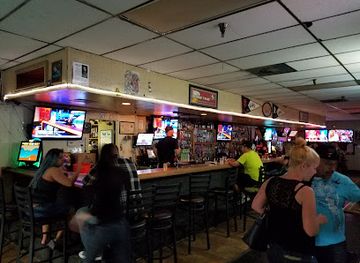
Bar
Court's Lounge
Experience the vibrant nightlife at Court's Lounge, Campbell's ultimate cocktail, karaoke, and sports bar destination.
5 min drive · 1.8 km from city centre
Best shops in Campbell
Campbell offers a vibrant shopping scene for visitors to explore, with a mix of trendy boutiques, unique gift shops, and popular brand stores. Stroll down the charming streets lined with colorful storefronts, and discover a variety of local artisans showcasing their handmade crafts. From upscale shopping centers to quaint vintage shops, visitors can find everything from fashion and accessories to home decor and souvenirs. With a bustling farmer's market and regular street fairs, the shopping experience in Campbell is not only diverse but also lively and engaging, making it a must-visit destination for any shopping enthusiast.
-
Gift shop
Westfield Valley Fair
Explore the ultimate shopping experience at Westfield Valley Fair, featuring diverse stores, exciting dining options, and entertainment for all ages.
13 min drive · 4.3 km from city centre
-
Shopping mall
Pruneyard Shopping Center
Experience the best of shopping, dining, and entertainment at Pruneyard Shopping Center, a vibrant hub in Campbell, California.
5 min drive · 1.5 km from city centre
-
Department store
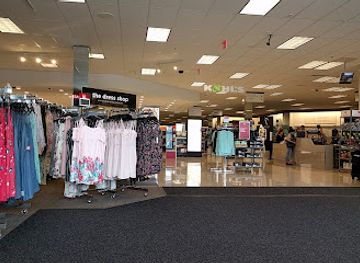
Kohl's
Explore Kohl's in Campbell for a vast selection of affordable clothing, home goods, and accessories in a vibrant shopping environment.
17 min walk · 1.3 km from city centre
-
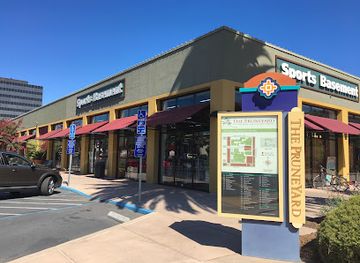
Outdoor sports store
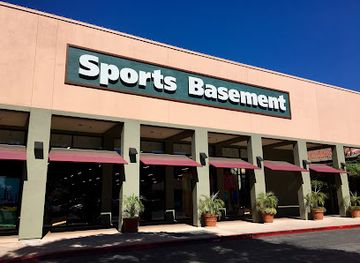
Sports Basement Campbell
Discover the ultimate outdoor gear and services at Sports Basement Campbell, your one-stop shop for adventure in California's beautiful landscape.
18 min walk · 1.5 km from city centre

Get your free copy of our complete guide to Campbell, delivered straight to you.
Everything on this page, from attractions and restaurants to essentials and local phrases, in one PDF you can read offline, print or share.
Already have an account? Sign in
Your Campbell guide is ready.
We'll send it to · Not you? Sign out

Getting your guide ready…
We are putting together a fresh copy of the Campbell guide. This can take up to a minute.
This can take a few moments. If your browser asks, choose Allow so the download can start. You'll find the guide in your Downloads folder.
Nothing happened? Download it again
Sorry, the guide is taking longer than usual. Please try again in a minute, or get it by email instead.
Campbell essentials
Currency and Payment
Safety
Emergency Situations
Do's and Don'ts
Local Tips
From Eve
Local phrases worth knowing
You don't need to get them perfect. A few words go a long way, and locals appreciate the effort.
Basics
| English | Local | Say it |
|---|---|---|
| Hello | Hey | [Hey] |
| Goodbye | See ya | [See ya] |
| Yes | Yep | [Yep] |
| No | Nope | [Nope] |
| Please/You're welcome | Please/No problem | [Please/No problem] |
| Thank you | Thanks | [Thanks] |
| Excuse me/Sorry | Excuse me/My bad | [Excuse me/My bad] |
| How are you? | How's it going? | [How's it going?] |
| Fine. And you? | Good. You? | [Good. You?] |
| Do you speak English? | Do you speak English? | [Do you speak English?] |
| I don't understand | I don't get it | [I don't get it] |
Eating & Drinking
| English | Local | Say it |
|---|---|---|
| I'd like to see the menu, please | I want to see the menu, please | [I want to see the menu, please] |
| I don't eat meat | I'm vegetarian | [I'm vegetarian] |
| Cheers! | Cheers! | [Cheers!] |
| I would like to pay, please | I want to pay, please | [I want to pay, please] |
Emergencies
| English | Local | Say it |
|---|---|---|
| Help! | Help! | [Help!] |
| Go away! | Go away! | [Go away!] |
| Call the Police! | Call the cops! | [Call the cops!] |
| Call a doctor! | Call a doctor! | [Call a doctor!] |
| I'm lost | I'm lost | [I'm lost] |
| I'm ill | I'm sick | [I'm sick] |
Shopping
| English | Local | Say it |
|---|---|---|
| I'd like to buy... | I want to buy... | [I want to buy...] |
| I'm just looking | I'm just looking | [I'm just looking] |
| How much is it? | How much does it cost? | [How much does it cost?] |
| That's too expensive | That's too pricey | [That's too pricey] |
| Can you lower the price? | Can you give a discount? | [Can you give a discount?] |
Time & Numbers
| English | Local | Say it |
|---|---|---|
| What time is it? | What time is it? | [What time is it?] |
| It's one o'clock | It's one | [It's one] |
| Half past (10) | Half past ten | [Half past ten] |
| Morning | Morning | [Morning] |
| Afternoon | Afternoon | [Afternoon] |
| Evening | Evening | [Evening] |
| Yesterday | Yesterday | [Yesterday] |
| Today | Today | [Today] |
| Tomorrow | Tomorrow | [Tomorrow] |
| 1 | One | [One] |
| 2 | Two | [Two] |
| 3 | Three | [Three] |
| 4 | Four | [Four] |
| 5 | Five | [Five] |
| 6 | Six | [Six] |
| 7 | Seven | [Seven] |
| 8 | Eight | [Eight] |
| 9 | Nine | [Nine] |
| 10 | Ten | [Ten] |
Transport & Directions
| English | Local | Say it |
|---|---|---|
| Where's a/the...? | Where's the...? | [Where's the...?] |
| What's the address? | What's the address? | [What's the address?] |
| Can you show me (on the map)? | Can you show me (on the map)? | [Can you show me (on the map)?] |
| When's the next (bus)? | When's the next (bus)? | [When's the next (bus)?] |
| A ticket (to ....) | A ticket (to ....) | [A ticket (to ....)] |
History of Campbell
The Founding of Campbell
Campbell was founded by Benjamin Campbell in 1851. Initially, Campbell purchased 160 acres of land to cultivate wheat, and over time, this land became the center of a community. By the late 19th century, Campbell had developed into a bustling agricultural town, known for its orchards and canneries.
The Railroad Era
The arrival of the South Pacific Coast Railroad in 1887 was a significant event for Campbell. The railroad connected Campbell to nearby cities and facilitated the growth of its agricultural economy. It allowed local farmers to transport their produce to larger markets, further establishing Campbell as a crucial hub in the region.
Incorporation as a City
Campbell was officially incorporated as a city on March 28, 1952. This marked a pivotal moment in its development, transitioning from a primarily agricultural area to a suburban community. The post-World War II boom saw rapid residential and commercial growth, transforming Campbell into a modern city.
The Orchard City's Agricultural Heritage
Campbell was once known as the 'Orchard City' due to its extensive orchards and canneries. The Ainsley Cannery, established in 1899, was one of the most notable enterprises, and it played a crucial role in the city's economy for decades. Although the orchards have largely disappeared, the city's agricultural legacy is still celebrated through local events and historical markers.
The Campbell Water Tower
The Campbell Water Tower, built in 1928, is one of the most iconic landmarks in the city. Standing at 100 feet tall, it was originally constructed to provide a reliable water supply for the growing community. Today, it is a symbol of Campbell's historical roots and resilience.
Revitalization of Downtown Campbell
In the late 20th and early 21st centuries, Campbell's downtown area underwent significant revitalization. The city invested in preserving its historical buildings while encouraging new businesses and cultural activities. This blend of old and new has made Downtown Campbell a vibrant destination for both locals and visitors.
The Campbell Historical Museum
Opened in 1964, the Campbell Historical Museum offers a deep dive into the city's past. The museum features exhibits on the Ohlone Native Americans, early settlers, and the agricultural boom. It serves as a repository of artifacts and stories that chronicle Campbell's evolution over the years.
The Pruneyard Shopping Center Legal Battle
The Pruneyard Shopping Center, built in 1969, became the center of a landmark U.S. Supreme Court case in 1980. The case, Pruneyard Shopping Center v. Robins, affirmed the right to free speech in privately owned shopping centers in California. This legal precedent has had lasting implications for free speech rights in public spaces.
Campbell in Photos
Browse through our photo collection highlighting the charm and character of the destination.
Cities near Campbell
The closest cities to Campbell, if you have time for more than one stop.
-
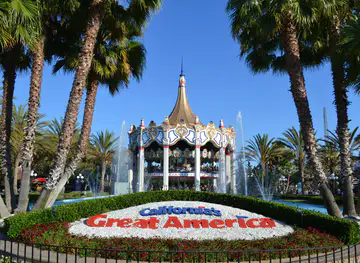 Santa Clara
Discover Santa Clara, the heart of Silicon Valley, where innovation meets history. Enjoy tech museums, sports events, lush parks, and diverse dining options.
22 min drive · 7.5 km from city centre
Santa Clara
Discover Santa Clara, the heart of Silicon Valley, where innovation meets history. Enjoy tech museums, sports events, lush parks, and diverse dining options.
22 min drive · 7.5 km from city centre
-
 Milpitas
Discover Milpitas: A vibrant city in Silicon Valley offering a unique blend of technology, nature, shopping, and diverse culinary experiences.
37 min drive · 17 km from city centre
Milpitas
Discover Milpitas: A vibrant city in Silicon Valley offering a unique blend of technology, nature, shopping, and diverse culinary experiences.
37 min drive · 17 km from city centre
-
 Mountain View
Explore Mountain View, a vibrant city in Silicon Valley known for its tech innovation, diverse dining options, and beautiful parks.
36 min drive · 16 km from city centre
Mountain View
Explore Mountain View, a vibrant city in Silicon Valley known for its tech innovation, diverse dining options, and beautiful parks.
36 min drive · 16 km from city centre
-
 Palo Alto
Discover the vibrant heart of Silicon Valley in Palo Alto, where innovation meets nature and history, offering a unique blend of tech culture, scenic beauty, and academic charm.
44 min drive · 24 km from city centre
Palo Alto
Discover the vibrant heart of Silicon Valley in Palo Alto, where innovation meets nature and history, offering a unique blend of tech culture, scenic beauty, and academic charm.
44 min drive · 24 km from city centre
-
 Menlo Park
Discover Menlo Park, a blend of tech innovation and serene landscapes in the heart of Silicon Valley, perfect for a unique and enriching travel experience.
48 min drive · 28 km from city centre
Menlo Park
Discover Menlo Park, a blend of tech innovation and serene landscapes in the heart of Silicon Valley, perfect for a unique and enriching travel experience.
48 min drive · 28 km from city centre
Swipe for more cities