

Free Menlo Park Travel Guide & Mobile App
Plan your Menlo Park trip with Evendo. Get free guides to top attractions, restaurants, hotels, and bars. Web access or download the mobile app.


Menlo Park, California blends Silicon Valley innovation with historic rail heritage, leafy avenues, bayfront wetlands, independent shops and relaxed Peninsula dining.
A Peninsula City with Two Histories
Menlo Park lies on California’s San Francisco Peninsula between Palo Alto and Redwood City, combining leafy residential streets with the corporate, research and entrepreneurial energy associated with Silicon Valley. Its history reaches back to the Ohlone people, the rancho era and the arrival of the railroad, while its modern identity is tied to technology companies, venture capital and Stanford University’s nearby influence. The result is a city that feels more spacious and residential than a conventional urban centre, yet remains closely connected to the Bay Area’s economic and cultural life.Read more about Menlo Park
Railways, Gardens and Baylands
Contemporary Silicon Valley
When is the best time to visit Menlo Park?
Best: June–July, September · 24–26°C| Month | High (°C) | Rainfall (mm) |
|---|---|---|
| January | 15 | 90 |
| February | 16 | 80 |
| March | 18 | 70 |
| April | 20 | 50 |
| May | 22 | 20 |
| June (best) | 24 | 5 |
| July (best) | 26 | 2 |
| August | 27 | 3 |
| September (best) | 26 | 5 |
| October | 22 | 20 |
| November | 18 | 50 |
| December | 16 | 80 |
Getting to and around Menlo Park
How to get there
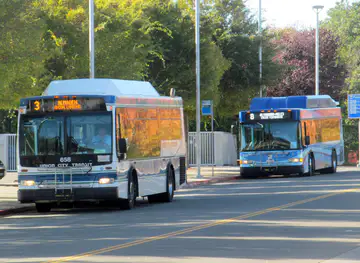
Transportation
Best attractions in Menlo Park
Menlo Park’s attractions combine a compact downtown with open bay landscapes and reminders of its railway past. The historic Menlo Park Caltrain station stands near Santa Cruz Avenue, where independent shops, cafés and bookshops create the city’s most walkable visitor area. The Allied Arts Guild offers a distinctive setting of Spanish-influenced buildings, courtyards, studios and gardens, while the Menlo Park Heritage Tree reflects the community’s interest in its mature landscape. East of central Menlo Park, Bedwell Bayfront Park occupies a former landfill beside San Francisco Bay, with trails, wide views and opportunities to observe shorebirds. Ravenswood Open Space Preserve protects tidal marsh and upland habitat and is particularly rewarding for birdwatching and quiet walks. Technology enthusiasts may recognise the city as the home of Meta’s headquarters, although the campus is a private workplace rather than a conventional public attraction. Nearby Palo Alto and Stanford provide additional cultural destinations, but they are separate communities.
-
University
Stanford University
Explore Stanford University, a world-renowned center of innovation and learning in the heart of Silicon Valley, with iconic architecture, art, and a vibrant academic atmosphere.
9 min drive · 3.1 km from city centre
-
Tourist attraction
Cantor Arts Center at Stanford University
Explore the Cantor Arts Center at Stanford University, showcasing a vast collection of art from ancient to modern times in a stunning campus setting.
8 min drive · 2.5 km from city centre
-
Tourist attraction
Cantor Arts Center at Stanford University
Explore 5,000 years of art at Stanford's Cantor Arts Center, home to a vast collection, including Rodin sculptures, with free admission for all. A cultural gem in the heart of Silicon Valley.
8 min drive · 2.5 km from city centre
-
Church
Memorial Church
Discover Stanford Memorial Church, a stunning architectural masterpiece blending Romanesque and Byzantine styles, adorned with intricate mosaics and vibrant stained glass, a testament to love and remembrance.
9 min drive · 3.1 km from city centre


Best landmarks in Menlo Park
Menlo Park’s most meaningful landmarks reflect transport, landscape, community and contemporary industry. The Menlo Park Caltrain station is a surviving reminder of the nineteenth-century railway that opened the Peninsula to commuters and suburban development. The Allied Arts Guild is notable for its Spanish-influenced architecture, courtyards and garden setting, presenting an arts-and-crafts environment rather than a single monumental building. The Menlo Park Heritage Tree represents the city’s cultivated landscape and long-standing interest in preserving mature trees. At the city’s eastern edge, Bedwell Bayfront Park and Ravenswood Open Space Preserve are environmental landmarks, demonstrating the importance of restored and protected bay habitats in an intensely developed region. Meta’s headquarters on Hacker Way is a recognisable contemporary symbol of Menlo Park’s technology economy, though its grounds are private. Together, these places trace the city’s passage from railway suburb and military training area to Silicon Valley workplace and bayfront community.
-
Sculpture museum
Rodin Sculpture Garden
Discover the serene beauty of the Rodin Sculpture Garden in Palo Alto, a must-visit destination for art lovers and nature enthusiasts alike.
8 min drive · 2.6 km from city centre
-
Tourist attraction
Hoover Tower
Discover Hoover Tower, an iconic landmark at Stanford University, blending stunning architecture with rich historical archives in the heart of California.
10 min drive · 3.2 km from city centre
-
Park
Bedwell Bayfront Park
Discover the tranquility of Bedwell Bayfront Park, an urban oasis in Menlo Park, perfect for outdoor adventures and nature exploration.
13 min drive · 4.4 km from city centre
-
Park
Burgess Park
Discover the serene beauty of Burgess Park, Menlo Park's premier recreational destination with picturesque landscapes and family-friendly activities.
7 min walk · 0.6 km from city centre


Explore Menlo Park on the map
Plan your Menlo Park trip on one map. See where the top attractions, landmarks, restaurants, bars and hotels are, find what's near where you're staying, and book hotels and experiences in a few clicks.
Best hotels in Menlo Park
Best restaurants in Menlo Park
Menlo Park’s dining scene is concentrated around downtown Santa Cruz Avenue, where cafés, bakeries, casual restaurants and polished dining rooms serve a local population shaped by Stanford, technology and international business. The area reflects the Bay Area’s broad culinary influences, with Californian cooking, Japanese, Indian, Chinese, Mediterranean and other international traditions represented alongside familiar American formats. Seasonal produce, lighter dishes and attention to dietary preferences are common features of Peninsula dining, while nearby specialist food shops add to the range of ingredients available to visitors staying in the city. For a more formal setting, the Sand Hill Road area includes restaurants associated with upscale hotels and business dining, including Madera at Rosewood Stanford, while The Refuge is known for substantial sandwiches and a beer-focused atmosphere. Food shopping and prepared foods at Draeger’s Market offer another way to encounter the region’s affluent, cosmopolitan food culture.
-
Cajun
Nola
Experience the vibrant flavors of Cajun cuisine at Nola in Palo Alto—where every dish tells a story of culinary tradition.
6 min drive · 2.1 km from city centre
-
Israeli
Oren's Hummus
Experience authentic Israeli cuisine at Oren's Hummus in Palo Alto – where every dish tells a story.
6 min drive · 2.0 km from city centre
-
Greek
Evvia Estiatorio
Experience authentic Greek cuisine at Evvia Estiatorio in Palo Alto, where every dish tells a story steeped in Mediterranean tradition.
6 min drive · 1.9 km from city centre
-
Steak
Sundance The Steakhouse
Experience the best of American cuisine at Sundance The Steakhouse in Palo Alto—where exceptional steaks meet an inviting atmosphere.
12 min drive · 4.0 km from city centre


Best bars in Menlo Park
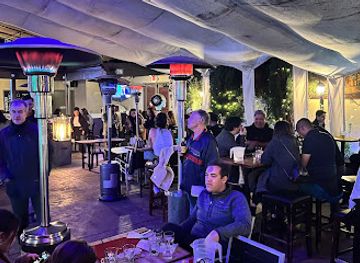
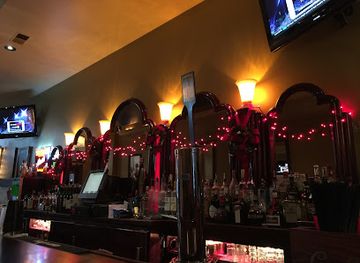
Menlo Park has a restrained evening scene rather than a large nightclub district. Downtown Santa Cruz Avenue provides the main concentration of bars and restaurants for relaxed drinks, conversation and early evening dining, while established local venues such as The Refuge and the Dutch Goose contribute a casual, neighbourhood-oriented atmosphere. Hotel bars and restaurants around Sand Hill Road offer a quieter setting linked to business travel and Stanford’s nearby academic community. Evening activity generally centres on food, craft beer, wine and conversation rather than late-night dancing, and live entertainment is more likely to be found through occasional community, university or Peninsula events than in a dense cluster of clubs. Visitors seeking a broader late-night programme can look towards neighbouring Palo Alto, Redwood City or San Francisco, remembering that these are separate destinations and transport options become more limited later in the evening.
-
Sports bar
Dutch Goose
Discover Dutch Goose, Menlo Park's vibrant sports bar offering great food, refreshing drinks, and the ultimate game day experience.
8 min drive · 2.8 km from city centre
-
French
Left Bank
Discover the charm of French dining and exceptional wines at Left Bank in Menlo Park, a must-visit culinary experience for all tourists.
1 min walk · 0.1 km from city centre
-
Bar
Madera
Discover Madera, Menlo Park's exquisite fine dining restaurant offering a unique blend of American cuisine and exceptional service in a stunning setting.
14 min drive · 4.5 km from city centre
-
Bistro
Bistro Vida
Experience the charm of Bistro Vida, a Menlo Park bistro offering exquisite French cuisine in a cozy setting.
1 min walk · 0.1 km from city centre


Best nightclubs in Menlo Park
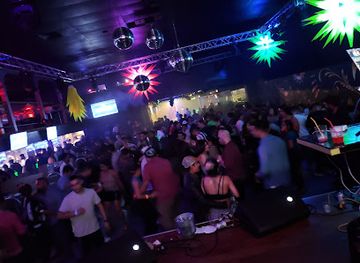
Menlo Park has a restrained evening scene rather than a large nightclub district. Downtown Santa Cruz Avenue provides the main concentration of bars and restaurants for relaxed drinks, conversation and early evening dining, while established local venues such as The Refuge and the Dutch Goose contribute a casual, neighbourhood-oriented atmosphere. Hotel bars and restaurants around Sand Hill Road offer a quieter setting linked to business travel and Stanford’s nearby academic community. Evening activity generally centres on food, craft beer, wine and conversation rather than late-night dancing, and live entertainment is more likely to be found through occasional community, university or Peninsula events than in a dense cluster of clubs. Visitors seeking a broader late-night programme can look towards neighbouring Palo Alto, Redwood City or San Francisco, remembering that these are separate destinations and transport options become more limited later in the evening.
-
Night club
The Patio @ Rudy's
Discover the vibrant nightlife at The Patio @ Rudy's, a lively venue offering delicious food, drinks, and unforgettable entertainment in Palo Alto.
6 min drive · 1.9 km from city centre
-
Bar
British Bankers Club
Discover the vibrant atmosphere and diverse menu at the British Bankers Club, Menlo Park’s top spot for food, drinks, and socializing.
1 min walk · 0.1 km from city centre
-
Grill
Scotty's Bar & Grill
Discover the vibrant atmosphere and delicious grill cuisine at Scotty's Bar & Grill in Palo Alto, a perfect spot for food lovers and sports fans alike.
6 min drive · 2.2 km from city centre
-
Night club
MAYA NIGHTCLUB
Discover the pulse of Redwood City's nightlife at Maya Nightclub, where live music and vibrant energy collide for unforgettable evenings.
15 min drive · 5.1 km from city centre

Best shops in Menlo Park
Shopping in Menlo Park is centred on the Santa Cruz Avenue commercial district, where independent retailers, cafés, services and specialist businesses create a more local atmosphere than a large enclosed shopping centre. Kepler’s Books is a long-established cultural presence, while Draeger’s Market combines upscale groceries, prepared foods and speciality products associated with the Bay Area’s international tastes. The Allied Arts Guild provides a more distinctive browsing experience through studios, galleries and small shops in a landscaped setting, with crafts and design-led goods rather than mainstream chain retail. Local markets and seasonal community events may add produce, prepared foods and handmade items, although dates and vendors change. Visitors looking for large-scale shopping, department stores or a wider chain selection may need to travel to neighbouring Peninsula centres. In Menlo Park, shopping is most closely connected with independent businesses, food culture, books, gardens and the everyday life of affluent residential neighbourhoods.
-
Grocery store
Trader Joe's
Discover the charm of Trader Joe's in Menlo Park, where unique groceries and friendly service meet organic goodness.
2 min walk · 0.2 km from city centre
-
Grocery store
The Willows Market
Explore The Willows Market in Menlo Park for a delightful selection of gourmet foods, local wines, and artisanal products in a charming setting.
5 min drive · 1.8 km from city centre
-
Book store
Kepler's Books
Discover Kepler's Books in Menlo Park, a cherished independent bookstore with an extensive selection of books and a vibrant literary community.
2 min walk · 0.1 km from city centre
-
Grocery store
Draeger's Market
Discover a culinary gem in Menlo Park at Draeger's Market, where fresh produce, gourmet food, and local flavors come together.
6 min walk · 0.5 km from city centre


Get your free copy of our complete guide to Menlo Park, delivered straight to you.
Everything on this page, from attractions and restaurants to essentials and local phrases, in one PDF you can read offline, print or share.
Already have an account? Sign in
Your Menlo Park guide is ready.
We'll send it to · Not you? Sign out

Getting your guide ready…
We are putting together a fresh copy of the Menlo Park guide. This can take up to a minute.
This can take a few moments. If your browser asks, choose Allow so the download can start. You'll find the guide in your Downloads folder.
Nothing happened? Download it again
Sorry, the guide is taking longer than usual. Please try again in a minute, or get it by email instead.
Menlo Park essentials
Currency and Payment
Safety
Emergency Situations
Do's and Don'ts
Local Tips
From Eve
Local phrases worth knowing
You don't need to get them perfect. A few words go a long way, and locals appreciate the effort.
Basics
| English | Local | Say it |
|---|---|---|
| Hello | Hey | [hey] |
| Goodbye | Later | [lay-ter] |
| Yes | Yeah | [yeh] |
| No | Nope | [nohp] |
| Please/You're welcome | Please/No worries | [pleez/noh wur-eez] |
| Thank you | Thanks | [thanks] |
| Excuse me/Sorry | Excuse me/My bad | [ex-kyoos mee/my bad] |
| How are you? | How's it going? | [hows it goh-ing?] |
| Fine. And you? | Good. You? | [good. yoo?] |
| Do you speak English? | You speak English? | [yoo speak ing-glish?] |
| I don't understand | I don't get it | [I dont get it] |
Eating & Drinking
| English | Local | Say it |
|---|---|---|
| I'd like to see the menu, please | Can I see the menu, please | [can eye see the men-yoo, pleez] |
| I don't eat meat | I'm vegetarian | [im ve-ji-tear-ee-an] |
| Cheers! | Cheers! | [cheers] |
| I would like to pay, please | Check, please | [chek, pleez] |
Emergencies
| English | Local | Say it |
|---|---|---|
| Help! | Help! | [help] |
| Go away! | Go away! | [go away] |
| Call the Police! | Call the cops! | [call the cops] |
| Call a doctor! | Get a doctor! | [get a doc-ter] |
| I'm lost | I'm lost | [im lost] |
| I'm ill | I'm sick | [im sik] |
Shopping
| English | Local | Say it |
|---|---|---|
| I'd like to buy... | I want to buy... | [eye want to buy] |
| I'm just looking | Just browsing | [just brows-ing] |
| How much is it? | How much does it cost? | [how much duz it cost] |
| That's too expensive | That's pricey | [thats pry-see] |
| Can you lower the price? | Can you give me a discount? | [can yoo giv me a dis-count] |
Time & Numbers
| English | Local | Say it |
|---|---|---|
| What time is it? | What time is it? | [what time is it] |
| It's one o'clock | It's one | [its one] |
| Half past (10) | Half ten | [half ten] |
| Morning | Morning | [mor-ning] |
| Afternoon | Afternoon | [af-ter-noon] |
| Evening | Evening | [ee-ven-ing] |
| Yesterday | Yesterday | [yes-ter-day] |
| Today | Today | [to-day] |
| Tomorrow | Tomorrow | [to-mor-row] |
| 1 | One | [wun] |
| 2 | Two | [too] |
| 3 | Three | [three] |
| 4 | Four | [for] |
| 5 | Five | [fiv] |
| 6 | Six | [siks] |
| 7 | Seven | [sev-en] |
| 8 | Eight | [ate] |
| 9 | Nine | [nine] |
| 10 | Ten | [ten] |
Transport & Directions
| English | Local | Say it |
|---|---|---|
| Where's a/the...? | Where's the...? | [wheres the] |
| What's the address? | What's the address? | [whats the address] |
| Can you show me (on the map)? | Can you show me (on the map)? | [can yoo show mee on the map] |
| When's the next (bus)? | When's the next (bus)? | [whens the next bus] |
| A ticket (to ....) | A ticket (to ....) | [a ticket to] |
History of Menlo Park
Ohlone Homelands and Rancho Lands
Before European settlement, the area around present-day Menlo Park formed part of the homeland of Ohlone communities, whose lives were shaped by the Peninsula’s oak woodland, grassland, creeks and bay wetlands. Spanish colonisation altered these landscapes through mission expansion, introduced livestock and epidemic disease. Under Mexican rule, much of the area became associated with Rancho de las Pulgas, a large land grant awarded to José Darío Argüello in 1800. The rancho’s boundaries encompassed land that later developed into several Peninsula communities. Although little of the rancho landscape survives intact, its name remains part of local historical memory and appears in regional place names.
The Menlo Park Name Emerges
The name Menlo Park was brought to the area in the nineteenth century by Irish immigrants Dennis J. Oliver and D. C. McGlynn, who established an estate and placed a large gateway bearing ‘Menlo Park’ over the road in the 1850s. The name became associated with the surrounding settlement and distinguished it from nearby ranches and communities. The opening of the San Francisco and San Jose Railroad in 1863 strengthened the area’s connection with the Bay Area, encouraging residential development and making the Peninsula more accessible to commuters. The railway corridor remains central to Menlo Park’s geography and identity.
Railway Growth and Suburban Development
Rail access helped Menlo Park evolve from a rural and estate landscape into a suburban community connected to San Francisco and San Jose. The Menlo Park railroad station, built during the early railway era, became an enduring local landmark, while streets and neighbourhoods expanded around the corridor and along El Camino Real. Agriculture, nurseries and country estates remained part of the local economy as new homes and institutions appeared. The surrounding Peninsula also attracted schools, churches and research activity, gradually creating the educated, commuter-oriented environment that would later support the growth of Stanford-linked industries and technology companies.
Camp Fremont and the First World War
During the First World War, the United States Army established Camp Fremont in and around Menlo Park in 1917 as a training camp for the 8th Infantry Division. Thousands of soldiers passed through the area, transforming local roads and placing the community within the national mobilisation for the war. The camp was dismantled after the conflict, and much of its physical presence disappeared as the city developed. Its history is nevertheless significant because it brought a major temporary population and military infrastructure to a previously suburban and semi-rural setting. Local references and commemorations preserve the memory of this wartime chapter.
Incorporation and Silicon Valley Transformation
Menlo Park incorporated as a city in 1927, formalising local government as residential growth continued across the Peninsula. In the twentieth century, nearby Stanford University, research institutions and expanding transport links helped produce the concentration of engineering, electronics and software companies now associated with Silicon Valley. Menlo Park became home to technology firms, investment businesses and research organisations while retaining established neighbourhoods and a relatively low-rise urban form. The arrival of Facebook, now Meta, at a former Sun Microsystems campus reinforced the city’s contemporary technology profile. Today, historic railway infrastructure, bay conservation areas and corporate campuses coexist within the same municipal boundaries.
Menlo Park in Photos
Browse through our photo collection highlighting the charm and character of the destination.
Cities near Menlo Park
The closest cities to Menlo Park, if you have time for more than one stop.
-

-

-

-

-


Swipe for more cities
Explore more
Explore more of California
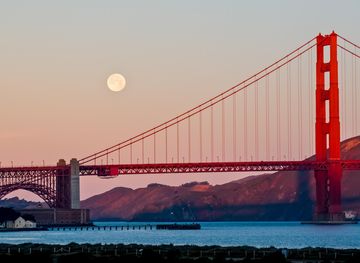
Discover California: A land of diverse landscapes, iconic cities, and endless adventures, from sun-soaked beaches to towering redwoods and vibrant cultural experiences.
Explore California