

Free Livermore Travel Guide & Mobile App
Plan your Livermore trip with Evendo. Get free guides to top attractions, restaurants, hotels, and bars. Web access or download the mobile app.


Livermore, California offers wine country charm, historic downtown, science and outdoor adventures, with distinctive local culture and year-round sightseeing.
Valley Setting and Local Character
Livermore lies in the eastern part of the San Francisco Bay Area, in a broad valley framed by low, dry hills and vineyards. Its historic centre combines late-nineteenth- and early-twentieth-century buildings with independent cafés, restaurants, galleries and small shops, while newer districts extend towards open grazing land and suburban neighbourhoods. The city has a more relaxed, spacious character than the Bay Area's denser urban centres, yet its connection to regional technology, research and agriculture gives it considerable cultural breadth.Read more about Livermore
Wine, Heritage and the Outdoors
Science and Contemporary Culture
When is the best time to visit Livermore?
Best: May–June, October · 25–28°C| Month | High (°C) | Rainfall (mm) |
|---|---|---|
| January | 15 | 100 |
| February | 17 | 85 |
| March | 18 | 75 |
| April | 21 | 40 |
| May (best) | 25 | 20 |
| June (best) | 28 | 5 |
| July | 31 | 2 |
| August | 31 | 2 |
| September | 30 | 10 |
| October (best) | 25 | 30 |
| November | 19 | 60 |
| December | 15 | 90 |
Getting to and around Livermore
How to get there
Transportation
Best attractions in Livermore
Livermore's attractions draw together wine, local history, performing arts and open landscapes. The downtown district is the natural urban starting point, with historic commercial façades, independent businesses and the Bankhead Theater, a venue for music, theatre and other performances. The Livermore Heritage Guild's collection of preserved properties, including the Duarte Garage and Lincoln Highway-era buildings, helps explain the city's early civic and commercial life. At the Ravenswood Historic Site, a nineteenth-century ranch house and grounds evoke the valley's agricultural past. South of the centre, Sycamore Grove Park provides trails beside Arroyo del Valle through grassland, oak woodland and seasonal creek landscapes. Around the city, Livermore Valley wineries offer tastings, vineyard views and an introduction to one of California's oldest recognised wine regions. Lawrence Livermore National Laboratory is an important scientific institution, but it is a working research facility rather than an ordinary walk-in attraction.
-
Tourist attraction
Shiva-Vishnu Temple
Explore the serene Shiva-Vishnu Temple in Livermore, California, a cultural gem showcasing Hindu traditions, art, and spirituality for all visitors.
12 min drive · 3.9 km from city centre
-
Amusement park
Boomers Livermore
Discover endless fun and excitement at Boomers Livermore, the ultimate amusement park destination in California for families and thrill-seekers.
14 min drive · 4.6 km from city centre
-
Tourist attraction
Shadow Cliffs Regional Recreation Area
Explore the beauty of nature at Shadow Cliffs Regional Recreation Area, a perfect blend of serene landscapes and outdoor activities in Pleasanton, California.
22 min drive · 7.4 km from city centre
-
Escape room center
Limitless Escape Games
Experience the thrill of problem-solving and teamwork at Limitless Escape Games, Livermore's top escape room destination for tourists seeking adventure.
12 min drive · 3.9 km from city centre


Best landmarks in Livermore
Livermore's landmarks reveal the city's evolution from ranching settlement to wine-producing town and scientific centre. The Carnegie Library, built with support from Andrew Carnegie and now associated with local heritage, represents the civic ambitions of the early twentieth century. The Bankhead Theater is a contemporary cultural landmark on First Street, extending the downtown's role as a public gathering place. Ravenswood Historic Site preserves a nineteenth-century ranch house and grounds linked to the agricultural landscape that shaped the valley. Downtown also contains surviving commercial buildings and streetscapes associated with railway-era growth and the city's incorporation period. The Wente family wine-making legacy is represented by historic vineyard and winery operations in the valley, although many facilities remain working businesses rather than public monuments. Lawrence Livermore National Laboratory is a major modern institutional landmark whose scientific presence has strongly influenced the city's identity.
-
Hindu temple
Shiva-Vishnu Temple
Experience the rich spiritual heritage and stunning architecture at Shiva-Vishnu Temple, the heart of Hindu culture in Livermore, California.
12 min drive · 3.9 km from city centre
-
American
First Street Alehouse
Experience the best of American cuisine and craft beer at First Street Alehouse in Livermore, CA, where good food meets great company.
13 min walk · 1.0 km from city centre
-
Amusement park
Boomers Livermore
Discover thrilling rides, exciting games, and family-friendly fun at Boomers Livermore, the ultimate amusement park experience in California.
14 min drive · 4.6 km from city centre
-
Escape room center
Limitless Escape Games
Experience the thrill of adventure and teamwork at Limitless Escape Games, Livermore's top-rated escape room center for puzzle lovers and thrill-seekers.
12 min drive · 3.9 km from city centre


Explore Livermore on the map
Plan your Livermore trip on one map. See where the top attractions, landmarks, restaurants, bars and hotels are, find what's near where you're staying, and book hotels and experiences in a few clicks.
Best hotels in Livermore
Best restaurants in Livermore
Livermore's dining scene reflects its position between Bay Area suburbia, agricultural land and a celebrated wine region. Downtown First Street and its surrounding blocks contain the broadest concentration of restaurants, cafés, bakeries and casual places to eat, with menus ranging from contemporary Californian cooking to international cuisines shaped by the region's diverse population. Wine-country dining often foregrounds seasonal produce, local meat, artisanal cheese and food designed to accompany Livermore Valley wines, while farmers' markets and farm stands connect visitors with fruit, vegetables and other products from the surrounding valley. The area's culinary history is also visible in long-established family wine-making traditions, particularly the Wente legacy. Restaurants vary from relaxed daytime cafés to more polished evening venues, and tasting rooms may offer small plates or picnic-style food rather than full meals.
-
American
First Street Alehouse
Experience the best of American cuisine and craft beer at First Street Alehouse in Livermore – where flavor meets fun!
13 min walk · 1.0 km from city centre
-
Restaurant
Sauced BBQ & Spirits
Experience the best Southern barbecue at Sauced BBQ & Spirits in Livermore – where smoky flavors meet craft brews for an unforgettable dining experience.
10 min walk · 0.8 km from city centre
-
Steak
Cattlemens
Experience the best steakhouse in Livermore with premium cuts and exceptional service at Cattlemens.
15 min drive · 5.1 km from city centre
-
Mexican
Casa Orozco - Livermore
Experience authentic Mexican cuisine at Casa Orozco in Livermore—where every meal is a celebration of flavor and culture.
15 min walk · 1.2 km from city centre


Best bars in Livermore
Livermore's evening life is centred more on wine bars, breweries, restaurants, live performance and relaxed socialising than on large nightclubs. Downtown First Street is the main after-dark area, where wine-focused venues and casual bars sit close to the Bankhead Theater and other cultural spaces. Local tasting rooms and breweries often provide opportunities to sample the valley's drinks culture in a low-key setting, while performances at the Bankhead bring music, theatre and comedy to the evening calendar. Some wineries host events or music programmes, but these are varied and may be seasonal or reservation-based. The city is not a late-night clubbing centre, and evenings are generally shaped by dining, conversation, performances and drinks rather than a dense concentration of dance venues. Transport planning is particularly important when alcohol is involved, especially outside downtown.
-
American
First Street Alehouse
Experience the best of American cuisine and craft beer at First Street Alehouse, Livermore's premier gastropub.
13 min walk · 1.0 km from city centre
-
Restaurant
Hop DeVine
Discover the unique blend of fresh poke and vibrant pub culture at Hop DeVine, a must-visit restaurant in Livermore, California.
14 min drive · 4.8 km from city centre
-
Grill
Zephyr Grill & Bar
Indulge in sumptuous grilled dishes and exquisite wines at Zephyr Grill & Bar, a culinary haven in Livermore that promises a delightful dining experience.
18 min walk · 1.4 km from city centre
-
Sports bar
Beeb's Sports Bar & Grill
Experience the perfect blend of sports, food, and drinks at Beeb's Sports Bar & Grill in Livermore, California.
17 min drive · 5.8 km from city centre


Best nightclubs in Livermore
Livermore's evening life is centred more on wine bars, breweries, restaurants, live performance and relaxed socialising than on large nightclubs. Downtown First Street is the main after-dark area, where wine-focused venues and casual bars sit close to the Bankhead Theater and other cultural spaces. Local tasting rooms and breweries often provide opportunities to sample the valley's drinks culture in a low-key setting, while performances at the Bankhead bring music, theatre and comedy to the evening calendar. Some wineries host events or music programmes, but these are varied and may be seasonal or reservation-based. The city is not a late-night clubbing centre, and evenings are generally shaped by dining, conversation, performances and drinks rather than a dense concentration of dance venues. Transport planning is particularly important when alcohol is involved, especially outside downtown.
-
Gastropub
The Last Word
Discover the vibrant flavors of Livermore at The Last Word, a gastropub that offers a delightful dining experience with a local twist.
9 min walk · 0.7 km from city centre
-
Bar
The Good Time Tavern
Discover The Good Time Tavern in Livermore, a lively bar and pizza restaurant perfect for unwinding with great food and drinks.
11 min walk · 0.9 km from city centre
-
Cocktail bar
V & E Club
Discover the lively V & E Club in Livermore, California—your go-to cocktail bar for unforgettable nightlife experiences.
13 min walk · 1.1 km from city centre
-
Bar
Polomoni's Bar & Lounge
Experience the vibrant nightlife at Polomoni's Bar & Lounge in Livermore, where cocktails and camaraderie meet in a cozy atmosphere.
16 min walk · 1.3 km from city centre


Best shops in Livermore
Shopping in Livermore is concentrated around the historic downtown, where First Street and nearby blocks combine independent boutiques, cafés, galleries, gift shops and locally oriented businesses in a walkable setting. Visitors can find wine from Livermore Valley producers, regional food products, olive oil, preserves and other items suited to carrying home, although winery retail policies and shipping arrangements vary. The city's agricultural surroundings also support seasonal farm stands and farmers' markets, where availability reflects the growing season. Livermore Valley wine is the most characteristic local purchase, while artisan goods and contemporary independent retail give downtown a more personal character than a conventional shopping centre. For mainstream retail, larger commercial areas lie outside the heritage core, including the Stoneridge Shopping Center in nearby Pleasanton, which is regional rather than a historic Livermore attraction.
-
Shopping mall
San Francisco Premium Outlets
Unleash your shopping spirit at the San Francisco Premium Outlets, where unbeatable prices meet top designer brands in a picturesque setting.
22 min drive · 7.5 km from city centre
-
Sportswear store
Nike Factory Store - Livermore
Discover unbeatable deals on top sportswear brands at the Nike Factory Store in Livermore, California, perfect for the whole family.
22 min drive · 7.4 km from city centre
-
Grocery store
Trader Joe's
Discover the charm of Trader Joe's in Livermore, a grocery haven with organic delights, unique snacks, and exceptional customer service.
6 min drive · 2.0 km from city centre
-
Gift shop
Disney Store
Discover the enchantment of Disney at the Livermore Store, featuring toys, clothing, and collectibles for fans of all ages.
22 min drive · 7.3 km from city centre


Get your free copy of our complete guide to Livermore, delivered straight to you.
Everything on this page, from attractions and restaurants to essentials and local phrases, in one PDF you can read offline, print or share.
Already have an account? Sign in
Your Livermore guide is ready.
We'll send it to · Not you? Sign out

Getting your guide ready…
We are putting together a fresh copy of the Livermore guide. This can take up to a minute.
This can take a few moments. If your browser asks, choose Allow so the download can start. You'll find the guide in your Downloads folder.
Nothing happened? Download it again
Sorry, the guide is taking longer than usual. Please try again in a minute, or get it by email instead.
Livermore essentials
Currency and Payment
Safety
Emergency Situations
Do's and Don'ts
Local Tips
From Eve
Local phrases worth knowing
You don't need to get them perfect. A few words go a long way, and locals appreciate the effort.
Basics
| English | Local | Say it |
|---|---|---|
| Hello | Howdy | [haw-dee] |
| Goodbye | See ya later | [see yuh lay-ter] |
| Yes | Yep | [yep] |
| No | Nah | [nah] |
| Please/You're welcome | Please/No problem | [pleez/no prob-lem] |
| Thank you | Thanks a bunch | [thanks uh bunch] |
| Excuse me/Sorry | Pardon me/My bad | [par-dun me/my bad] |
| How are you? | How's it goin'? | [hows it go-in] |
| Fine. And you? | Just fine. Yourself? | [just fine. yer-self] |
| Do you speak English? | Ya speak English? | [ya speak ing-lish] |
| I don't understand | I'm lost | [eye-m lost] |
Eating & Drinking
| English | Local | Say it |
|---|---|---|
| I'd like to see the menu, please | Can I check out the menu? | [kan eye chek out the men-yoo] |
| I don't eat meat | I don't do meat | [eye dont doh meet] |
| Cheers! | Bottoms up! | [bot-ums up] |
| I would like to pay, please | I'll settle up, thanks | [eye-l set-ul up, thanks] |
Emergencies
| English | Local | Say it |
|---|---|---|
| Help! | SOS! | [S-O-S] |
| Go away! | Beat it! | [beet it] |
| Call the Police! | Ring the cops! | [ring the cops] |
| Call a doctor! | Get a doc! | [get a doc] |
| I'm lost | I'm all turned around | [eye-m all turned uh-round] |
| I'm ill | I'm under the weather | [eye-m un-der the we-ther] |
Shopping
| English | Local | Say it |
|---|---|---|
| I'd like to buy... | I wanna snag... | [eye wanna snag] |
| I'm just looking | Just browsin' | [just browz-in] |
| How much is it? | What's the damage? | [whats the dam-ij] |
| That's too expensive | That's a bit steep | [thats a bit steep] |
| Can you lower the price? | Can ya cut me a deal? | [can ya cut me a deal] |
Time & Numbers
| English | Local | Say it |
|---|---|---|
| What time is it? | What's the time? | [whats the time] |
| It's one o'clock | It's one | [its one] |
| Half past (10) | Half past ten | [half past ten] |
| Morning | Mornin' | [morn-in] |
| Afternoon | Afternoon | [after-noon] |
| Evening | Evenin' | [even-in] |
| Yesterday | Yest'day | [yes-tuh-day] |
| Today | Today | [to-day] |
| Tomorrow | Tomorrah | [tom-or-rah] |
| 1 | One | [wun] |
| 2 | Two | [too] |
| 3 | Three | [three] |
| 4 | Four | [four] |
| 5 | Five | [fiv] |
| 6 | Six | [siks] |
| 7 | Seven | [sev-un] |
| 8 | Eight | [ate] |
| 9 | Nine | [nine] |
| 10 | Ten | [ten] |
Transport & Directions
| English | Local | Say it |
|---|---|---|
| Where's a/the...? | Where's the... at? | [wheres the at] |
| What's the address? | What's the addy? | [whats the add-ee] |
| Can you show me (on the map)? | Can ya point it out (on the map)? | [can ya point it out on the map] |
| When's the next (bus)? | When's the next (bus) rollin' in? | [whens the next bus roll-in in] |
| A ticket (to ....) | A ticket (to ....) | [a ticket to] |
History of Livermore
Ohlone Lands and Valley Settlement
Before American settlement, the Livermore Valley formed part of the homeland of Indigenous Ohlone peoples, whose communities used the valley's grasslands, waterways and oak-studded environment. The region's ecology supported seasonal movement, hunting, gathering and other established lifeways. Spanish and Mexican colonisation altered this landscape through mission expansion, introduced livestock and changing patterns of land ownership. In the 1830s, José Noriega received Rancho Las Positas, a Mexican land grant covering a substantial part of the valley. The grant's name survives in local geography, while the broader valley remains marked by the interaction of Indigenous history, ranching and later urban growth.
Robert Livermore and Rancho Las Positas
English-born Robert Thomas Livermore arrived in California during the Mexican era and became a landowner and rancher in the valley. After his death in 1858, the growing settlement that developed near his ranch increasingly adopted his name. Livermore's location between the Bay Area and the interior made it useful for agriculture, livestock and regional travel. The town emerged during the expansion of American settlement in California, when existing Mexican land grants were being reorganised and new commercial communities formed around roads, farms and transport links. This period established the valley's enduring association with ranching and agricultural production.
Railway and the Founding of a Town
The Western Pacific Railroad reached the Livermore Valley in 1869, connecting the settlement more directly with Oakland and the wider Bay Area. Rail access encouraged the movement of grain, livestock and other agricultural products, while also supporting commercial growth and population change. Livermore was incorporated as a city in 1876, giving the community a formal civic structure during a period of rapid development in California. Streets, commercial premises and public institutions expanded around the transport network. Elements of the nineteenth-century town survive in and around the downtown area, where later buildings reflect Livermore's transition from rural settlement to established municipality.
The Rise of Livermore Valley Wine
Commercial wine-growing became an important part of the valley's economy during the late nineteenth century. Charles H. Wente established the Wente Brothers winery in 1883, beginning a family wine-making history that remains central to Livermore's agricultural identity. C. H. Wente and other growers helped develop a recognised regional wine industry, aided by the valley's warm days, evening cooling and well-drained soils. Prohibition in the United States severely disrupted wine production, although some vineyards survived through permitted grape sales and sacramental-wine production. After repeal, vineyards and wineries gradually recovered, and the Livermore Valley later became part of California's expanding premium-wine culture.
A Research City in the Atomic Age
Livermore's modern identity changed significantly after the establishment of the Livermore site of the University of California Radiation Laboratory in 1952, later associated with Lawrence Livermore National Laboratory. The laboratory became a major centre for national-security research, high-energy physics, materials science and other scientific fields. Its presence attracted researchers, engineers and supporting institutions, helping broaden the city's economy beyond agriculture and wine. The laboratory's work has sometimes been politically and ethically contested, especially where it relates to nuclear weapons, but its scientific importance and local influence are firmly established. Livermore consequently developed a distinctive relationship between rural valley landscapes and advanced research.
Preserving Heritage and Open Space
During the later twentieth century, Livermore grew as part of the expanding eastern Bay Area while retaining substantial vineyard, ranch and open-space landscapes around the urban edge. Community preservation efforts helped protect historic buildings and sites, including the Carnegie Library and Ravenswood Historic Site, and the city developed parks and trails that connect residents with the valley's natural setting. Downtown revitalisation brought renewed attention to older commercial streets, independent businesses and cultural venues such as the Bankhead Theater. Contemporary Livermore therefore reflects several overlapping histories: Indigenous presence, Mexican-era ranchos, railway commerce, wine production, scientific research and deliberate heritage conservation.
Livermore in Photos
Browse through our photo collection highlighting the charm and character of the destination.
Cities near Livermore
The closest cities to Livermore, if you have time for more than one stop.
-

-
-
-

-


Swipe for more cities
Explore more
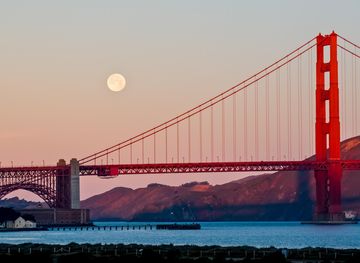
Explore more of California
Discover California: A land of diverse landscapes, iconic cities, and endless adventures, from sun-soaked beaches to towering redwoods and vibrant cultural experiences.
Explore California