

Free Pleasanton Travel Guide & Mobile App
Plan your Pleasanton trip with Evendo. Get free guides to top attractions, restaurants, hotels, and bars. Web access or download the mobile app.


Pleasanton, California pairs a historic downtown, Bay Area culture, scenic parks, family attractions and easy access to vineyards, trails and regional travel.
Historic Valley Setting
Pleasanton lies in California’s Tri-Valley, east of San Francisco and Oakland, where the Livermore-Amador Valley opens between the Diablo Range and the low hills of the East Bay. Its centre is defined by a walkable historic district of restored commercial buildings, mature trees and broad streets, while newer neighbourhoods and the substantial Hacienda Business Park extend across the valley floor. The city’s name is associated with Union general Alfred Thomas Pleasonton, although an early clerical error gave it the spelling used today.Read more about Pleasanton
Downtown Culture
Open Country and Recreation
When is the best time to visit Pleasanton?
Best: May–June, October · 24–27°C| Month | High (°C) | Rainfall (mm) |
|---|---|---|
| January | 13 | 92 |
| February | 15 | 84 |
| March | 18 | 69 |
| April | 20 | 35 |
| May (best) | 24 | 17 |
| June (best) | 27 | 5 |
| July | 30 | 2 |
| August | 30 | 1 |
| September | 29 | 7 |
| October (best) | 24 | 27 |
| November | 18 | 53 |
| December | 14 | 83 |
Getting to and around Pleasanton
How to get there
Transportation
Best attractions in Pleasanton
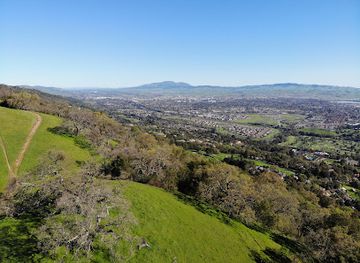
Pleasanton’s principal attractions combine local history, community culture and open-air recreation. The Museum on Main occupies the former 1914 City Hall and uses changing exhibitions and local collections to interpret the city and the surrounding valley. Nearby, the Firehouse Arts Center presents theatre, music, exhibitions and other cultural programming in a converted fire station. Alviso Adobe Community Park preserves a nineteenth-century adobe ranch complex, with interpretive material and landscaped grounds that illuminate Pleasanton’s agricultural past. Historic downtown streets offer a slower form of sightseeing, with preserved façades, cafés and independent shops around Main Street. For a change of scale, Pleasanton Ridge Regional Park provides an extensive network of trails through grassland and rolling hills west of the city, with wide views across the Tri-Valley. The Pleasanton Farmers’ Market, held on a regular schedule, adds a seasonal encounter with regional produce and local food culture.
-
Tourist attraction
Pleasanton Ridge Regional Park
Discover scenic trails, panoramic views, and natural beauty in this expansive East Bay park perfect for hiking, biking, and riding.
15 min drive · 5.1 km from city centre
-
Tourist attraction
Mission Hills Park
A vibrant community park in Pleasanton offering fun for all ages with playgrounds, slides, sports, and scenic walking paths.
19 min walk · 1.5 km from city centre
-
Tourist attraction
Val Vista Park
A vibrant community park in Pleasanton with playgrounds, picnic spots, trails, and a garden, perfect for family fun and outdoor activities.
13 min drive · 4.3 km from city centre
-
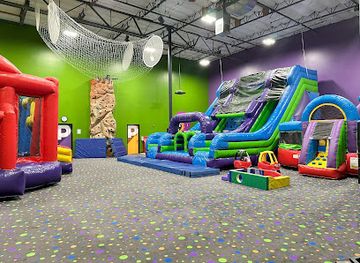
Children's amusement center
Pump It Up Pleasanton Kids Birthdays and More
Pleasanton's premier indoor inflatable playground for kids' birthday parties, open jump sessions, and family fun!
17 min walk · 1.4 km from city centre


Best landmarks in Pleasanton
Pleasanton’s landmarks are modest in scale but revealing of the city’s transformation from rancho country to a modern Tri-Valley community. The former Pleasanton City Hall, now home to the Museum on Main, is a prominent civic remnant of the early twentieth century. The Pleasanton Hotel, one of the historic downtown buildings, recalls the era when rail travel and agricultural commerce brought visitors into town. Kottinger Barn, a preserved nineteenth-century structure, represents the working and agricultural character of early Pleasanton. At Alviso Adobe Community Park, the adobe buildings and ranch setting provide a tangible link with the valley’s Mexican and American land-grant history. Main Street and the surrounding historic district complete this sequence, with commercial façades and older residences showing how the town’s civic centre developed around trade, transport and local services.
-
Park
Shadow Cliffs Regional Recreation Area
Explore the serene landscapes and recreational opportunities of Shadow Cliffs Regional Recreation Area, a perfect getaway for outdoor enthusiasts in California.
9 min drive · 3.0 km from city centre
-
Park
Pleasanton Ridge Regional Park
Explore the breathtaking landscapes and diverse wildlife at Pleasanton Ridge Regional Park, a serene escape in California for nature lovers and adventure seekers.
15 min drive · 5.1 km from city centre
-
Escape room center
Clockwise Escape Room Pleasanton
Dive into a world of mystery and fun at Clockwise Escape Room Pleasanton, where every puzzle brings you closer to adventure and excitement.
7 min walk · 0.5 km from city centre
-
Park
Mission Hills Park
Explore the serene landscapes of Mission Hills Park, a tranquil escape in Pleasanton, California, ideal for family fun, outdoor activities, and relaxation.
19 min walk · 1.5 km from city centre



Explore Pleasanton on the map
Plan your Pleasanton trip on one map. See where the top attractions, landmarks, restaurants, bars and hotels are, find what's near where you're staying, and book hotels and experiences in a few clicks.
Best hotels in Pleasanton
Best restaurants in Pleasanton
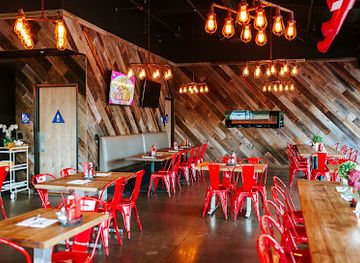
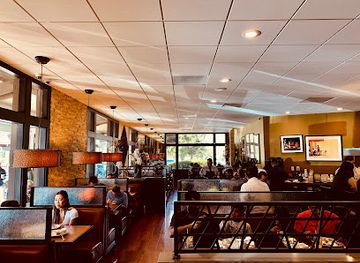
Pleasanton’s dining scene is concentrated around historic downtown and its surrounding commercial districts, where independent restaurants, cafés, bakeries and wine-focused venues share the streets with long-established local businesses. The city reflects the Bay Area’s multicultural food culture, with American comfort food, Italian, Mexican, Asian and contemporary Californian cooking represented alongside casual lunch spots and family-friendly restaurants. Menus often draw on the agricultural character of the Tri-Valley through seasonal produce, while nearby Livermore wine country influences the wider area’s interest in local wine and relaxed tasting-room dining. The farmers’ market provides another way to encounter regional fruit, vegetables, baked goods and prepared foods, although its vendors and offerings vary. Downtown is particularly suited to combining a meal with a heritage walk, while restaurants in newer commercial areas are more dispersed and generally easier to reach by car.
-
American
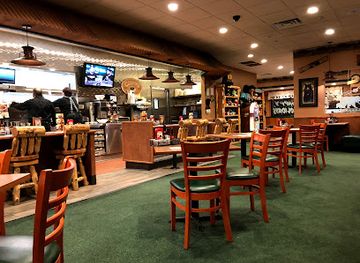
Black Bear Diner Pleasanton
Discover classic American comfort food at Black Bear Diner Pleasanton - where hearty meals meet family-friendly ambiance.
14 min drive · 4.7 km from city centre
-
Mediterranean
Sultan's Kebab
Experience authentic Mediterranean cuisine at Sultan's Kebab in Pleasanton - where every dish tells a story of tradition and flavor.
6 min drive · 2.0 km from city centre
-
Traditional American
Bill's Cafe - Pleasanton
Experience delightful traditional American cuisine at Bill's Cafe in Pleasanton - a favorite spot for breakfast lovers.
8 min drive · 2.6 km from city centre
-
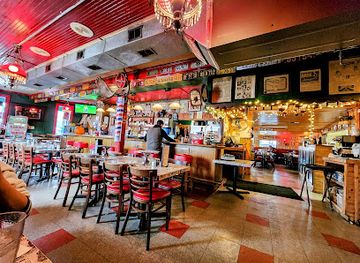
Pizza
Gay Nineties Pizza Co
Discover authentic Italian flavors at Gay Nineties Pizza Co in Pleasanton, where every slice tells a story of tradition and quality.
6 min walk · 0.5 km from city centre
Best bars in Pleasanton
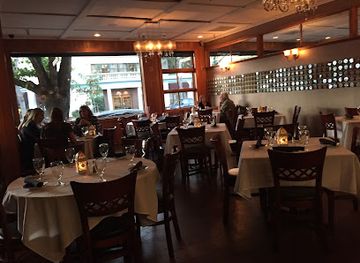
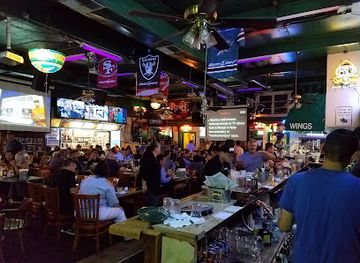
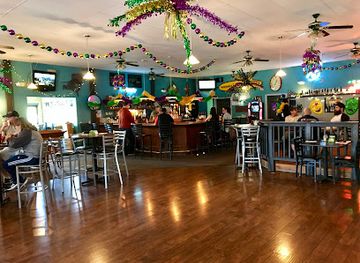
Pleasanton’s evening scene is centred on restaurants, polished bars and community arts rather than a large nightclub district. Downtown provides the most walkable concentration of places for a relaxed drink after dinner, with taverns, wine-oriented venues and restaurants creating a sociable but relatively measured atmosphere. The Firehouse Arts Center adds theatre, music and other performances to the city’s night-time options, while seasonal civic events and live entertainment can bring additional activity to the central area. Hacienda Business Park and the major shopping corridors have further restaurants and bars, though they are more spread out and often require a car or rideshare. Visitors seeking a more extensive club scene generally look towards larger Bay Area centres, whereas Pleasanton is better suited to dining, conversation, performances and low-key evenings.
-
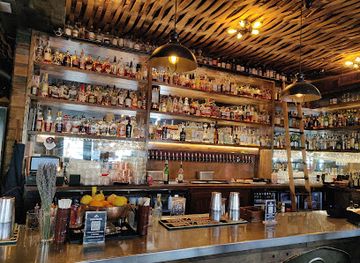
Grill
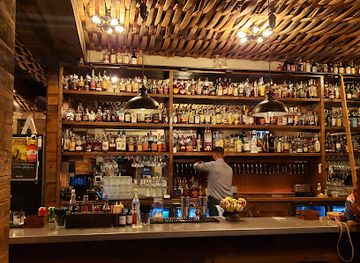
Beer Baron Whiskey Bar & Kitchen
Discover the vibrant flavors of Beer Baron Whiskey Bar & Kitchen, your go-to spot for delicious grilled dishes and an impressive whiskey selection in Pleasanton.
1 min walk · 0.1 km from city centre
-
Bar
Lokanta Grill & Bar
Discover the vibrant flavors of the Mediterranean at Lokanta Grill & Bar in Pleasanton, CA, where every meal is a delightful journey.
4 min walk · 0.3 km from city centre
-
Mediterranean
Oasis Restaurant & Wine Lounge
Experience a culinary journey at Oasis Restaurant & Wine Lounge, where Mediterranean delights meet Afghan flavors in a cozy wine bar setting.
2 min walk · 0.2 km from city centre
-
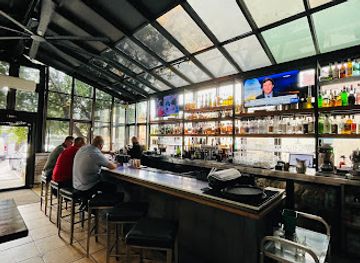
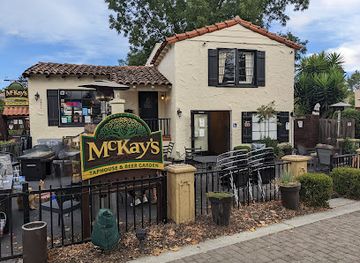
Beer Garden
McKay's Taphouse & Beer Garden
Discover the vibrant atmosphere of McKay's Taphouse & Beer Garden in Pleasanton, where craft beer meets delicious food and live music.
6 min walk · 0.5 km from city centre
Best nightclubs in Pleasanton
Pleasanton’s evening scene is centred on restaurants, polished bars and community arts rather than a large nightclub district. Downtown provides the most walkable concentration of places for a relaxed drink after dinner, with taverns, wine-oriented venues and restaurants creating a sociable but relatively measured atmosphere. The Firehouse Arts Center adds theatre, music and other performances to the city’s night-time options, while seasonal civic events and live entertainment can bring additional activity to the central area. Hacienda Business Park and the major shopping corridors have further restaurants and bars, though they are more spread out and often require a car or rideshare. Visitors seeking a more extensive club scene generally look towards larger Bay Area centres, whereas Pleasanton is better suited to dining, conversation, performances and low-key evenings.
-
Comedy club
Tommy T's Comedy Club
Discover the perfect blend of laughter and fine dining at Tommy T's Comedy Club in Pleasanton, CA - where comedy and cuisine unite for an unforgettable night out.
14 min drive · 4.8 km from city centre
-
Grill
Beer Baron Whiskey Bar & Kitchen
Experience the vibrant atmosphere and delectable dishes at Beer Baron Whiskey Bar & Kitchen, the ultimate destination in Pleasanton, California.
1 min walk · 0.1 km from city centre
-
Night club
Sunshine Saloon Sports Bar and Charcoal Grill
Discover Sunshine Saloon Sports Bar and Charcoal Grill: Where Great Food Meets Exciting Sports in Pleasanton, California.
5 min drive · 1.7 km from city centre
-
Bar
Main Street Brewery
Discover the perfect blend of craft beer, delicious food, and live music at Pleasanton's Main Street Brewery, a vibrant bar and grill experience.
3 min walk · 0.2 km from city centre
Best shops in Pleasanton
Shopping in Pleasanton is most distinctive around historic downtown, where Main Street and adjacent blocks contain independent boutiques, galleries, gift shops, cafés and locally oriented businesses in preserved commercial buildings. The area is suited to browsing clothing, homewares, books, gifts and small artisan goods rather than searching for a single traditional craft identified exclusively with the city. The Pleasanton Farmers’ Market adds seasonal produce, baked goods, flowers and prepared foods, offering a direct connection with the agricultural economy of the Tri-Valley. Larger retail centres and national chains are found in newer commercial districts, including areas around Stoneridge Shopping Center, which provide a conventional shopping experience and practical services. Visitors interested in regional products may also encounter Livermore Valley wines and locally made food items, but wineries and many vineyard shops are in neighbouring Livermore rather than Pleasanton.
-
Outlet mall
San Francisco Premium Outlets
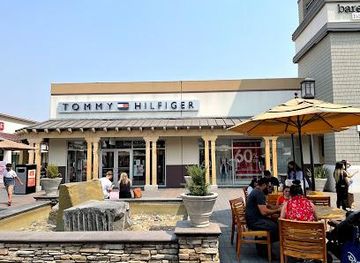
Discover unbeatable deals and a fantastic shopping experience at San Francisco Premium Outlets in Livermore, California.
15 min drive · 4.9 km from city centre
-
Shopping mall
Stoneridge Shopping Center
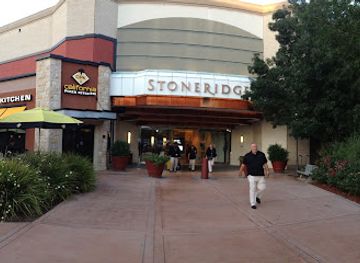
Explore Stoneridge Shopping Center in Pleasanton, California—a vibrant shopping destination with diverse stores, dining, and entertainment options.
18 min drive · 6.0 km from city centre
-
Shopping mall
Hacienda Crossings Shopping Center
Experience the perfect blend of shopping and dining at Hacienda Crossings Shopping Center in Dublin, California, where every visit is an adventure.
14 min drive · 4.8 km from city centre
-
Department store
Macy's
Explore Macy's at Stoneridge Shopping Center for a diverse shopping experience in Pleasanton, California, featuring fashion, beauty, and home essentials.
18 min drive · 6.1 km from city centre
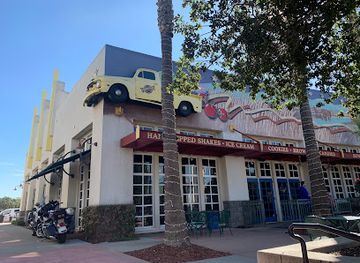

Get your free copy of our complete guide to Pleasanton, delivered straight to you.
Everything on this page, from attractions and restaurants to essentials and local phrases, in one PDF you can read offline, print or share.
Already have an account? Sign in
Your Pleasanton guide is ready.
We'll send it to · Not you? Sign out

Getting your guide ready…
We are putting together a fresh copy of the Pleasanton guide. This can take up to a minute.
This can take a few moments. If your browser asks, choose Allow so the download can start. You'll find the guide in your Downloads folder.
Nothing happened? Download it again
Sorry, the guide is taking longer than usual. Please try again in a minute, or get it by email instead.
Pleasanton essentials
Currency and Payment
Safety
Emergency Situations
Do's and Don'ts
Local Tips
From Eve
Local phrases worth knowing
You don't need to get them perfect. A few words go a long way, and locals appreciate the effort.
Basics
| English | Local | Say it |
|---|---|---|
| Hello | Howdy | [haw-dee] |
| Goodbye | See ya later | [see yuh lay-tur] |
| Yes | Yep | [yep] |
| No | Nope | [nohp] |
| Please/You're welcome | Please/No worries | [pleez/no wuhr-eez] |
| Thank you | Thanks a bunch | [thanks uh bunch] |
| Excuse me/Sorry | Pardon me/My bad | [par-dun me/my bad] |
| How are you? | How's it going? | [hows it goh-ing?] |
| Fine. And you? | Good. How about you? | [good. how uh-bout yuh?] |
| Do you speak English? | You speak English? | [yuh speak ing-glish?] |
| I don't understand | I'm lost | [ahm lost] |
Eating & Drinking
| English | Local | Say it |
|---|---|---|
| I'd like to see the menu, please | Can I check out the menu? | [kan eye chek out the men-yoo?] |
| I don't eat meat | I'm vegetarian | [ahm veh-juh-tair-ee-un] |
| Cheers! | Cheers! | [cheers!] |
| I would like to pay, please | Can I settle the bill? | [kan eye set-tul the bil?] |
Emergencies
| English | Local | Say it |
|---|---|---|
| Help! | Help! | [help!] |
| Go away! | Get lost! | [get lost!] |
| Call the Police! | Call the cops! | [call the cops!] |
| Call a doctor! | Get a doctor! | [get a doctor!] |
| I'm lost | I'm lost | [ahm lost] |
| I'm ill | I'm sick | [ahm sik] |
Shopping
| English | Local | Say it |
|---|---|---|
| I'd like to buy... | I wanna buy... | [eye wah-nuh buy...] |
| I'm just looking | Just browsing | [just brows-ing] |
| How much is it? | What's the price? | [whuts the prahs?] |
| That's too expensive | That's pricey | [thats pry-see] |
| Can you lower the price? | Can you cut me a deal? | [kan yuh cut meh a deel?] |
Time & Numbers
| English | Local | Say it |
|---|---|---|
| What time is it? | What's the time? | [whuts the time?] |
| It's one o'clock | It's one | [its wun] |
| Half past (10) | Ten thirty | [ten thur-tee] |
| Morning | Morning | [morn-ing] |
| Afternoon | Afternoon | [after-noon] |
| Evening | Evening | [ee-ven-ing] |
| Yesterday | Yesterday | [yes-ter-day] |
| Today | Today | [toh-day] |
| Tomorrow | Tomorrow | [toh-mah-row] |
| 1 | One | [wun] |
| 2 | Two | [too] |
| 3 | Three | [three] |
| 4 | Four | [four] |
| 5 | Five | [five] |
| 6 | Six | [six] |
| 7 | Seven | [sev-en] |
| 8 | Eight | [ayt] |
| 9 | Nine | [nine] |
| 10 | Ten | [ten] |
Transport & Directions
| English | Local | Say it |
|---|---|---|
| Where's a/the...? | Where's the...? | [wheres the...?] |
| What's the address? | What's the address? | [whuts the ad-dress?] |
| Can you show me (on the map)? | Can you show me (on the map)? | [kan yuh show me (on the map)?] |
| When's the next (bus)? | When's the next (bus)? | [whens the next (bus)?] |
| A ticket (to ....) | A ticket (to ....) | [uh tik-it (to ....)] |
History of Pleasanton
Ohlone Lands and Valley Settlement
Before American settlement, the Livermore-Amador Valley was home to Ohlone peoples, whose communities used the valley’s waterways, grasslands and oak-studded landscapes. Spanish and Mexican activity later altered the region through mission expansion, ranching and the distribution of large land grants. The area that became Pleasanton formed part of Rancho Valle de San José, granted to José Noriega in the Mexican period. Adobe construction, livestock raising and cultivated land shaped the early landscape, although much of this history is understood through archaeological evidence, documentary records and the continuing presence of Ohlone people rather than through a single preserved settlement.
Rancho Valle de San José
Rancho Valle de San José was one of the large Mexican land grants that organised land ownership in the valley before California became part of the United States. The rancho system encouraged cattle raising and agricultural production across a broad area rather than creating a compact town. The Alviso Adobe, associated with the later rancho and farming era, preserves an important fragment of this landscape. Its buildings and interpretive displays help explain how adobe construction, irrigation, livestock and family enterprise connected the valley to the changing economy of nineteenth-century California.
The American Town Emerges
Following the American conquest of California and the Gold Rush, settlement and commerce expanded rapidly through the valley. Pleasanton developed in the 1850s and 1860s as a service and trading community linked to ranches, farms and overland routes. It was incorporated in 1894, by which time hotels, stores, civic buildings and residences had established the compact town centre visible in parts of today’s historic district. The town’s name is commonly linked to Union general Alfred T. Pleasonton, although the spelling Pleasanton arose from a recording error and was retained.
Railways, Agriculture and Main Street
Rail connections transformed Pleasanton’s relationship with the wider Bay Area during the late nineteenth century. Railways made it easier to move agricultural products and livestock while bringing visitors, workers and new commercial activity into the town. Downtown buildings, including the Pleasanton Hotel and the structure now used by the Museum on Main, reflect this period of civic and commercial growth. Agriculture remained central to the valley economy, with orchards, grain, cattle and other farm production surrounding a town whose main street served as a marketplace, transport stop and social centre.
Suburban Expansion and Preservation
During the twentieth century, improved roads, post-war housing growth and the Bay Area’s expanding economy changed Pleasanton from a small agricultural town into a suburban city. Development spread beyond the historic core, particularly as regional employment and transport links strengthened. At the same time, residents and civic bodies preserved notable remnants of the older settlement, including the Kottinger Barn, historic downtown buildings and Alviso Adobe. The creation of places such as Pleasanton Ridge Regional Park also helped protect open landscapes as urbanisation reshaped the valley floor.
A Modern Tri-Valley City
Pleasanton’s recent identity has been shaped by its position within the Tri-Valley, a region shared with Livermore, Dublin and nearby communities. Hacienda Business Park brought major offices and employment to the eastern side of the city, while BART access and major motorways strengthened connections with the wider Bay Area. Contemporary Pleasanton balances this business and residential growth with a preserved downtown, community arts, farmers’ markets and extensive recreation areas. Its present character is therefore neither solely historic nor purely suburban: it is a city where older agricultural and commercial layers remain visible within a modern regional economy.
Pleasanton in Photos
Browse through our photo collection highlighting the charm and character of the destination.
Cities near Pleasanton
The closest cities to Pleasanton, if you have time for more than one stop.
-

-

-
-

-


Swipe for more cities
Explore more
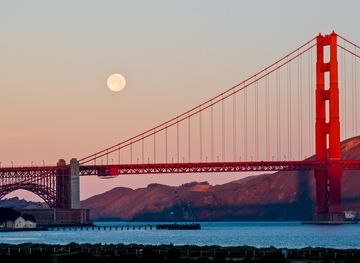
Explore more of California
Discover California: A land of diverse landscapes, iconic cities, and endless adventures, from sun-soaked beaches to towering redwoods and vibrant cultural experiences.
Explore California