

Malibu (Los Angeles) Travel Guide - Free
Explore Malibu in Los Angeles with Evendo's free guide. Find the best shops, historic streets, restaurants, and gems on web or mobile.


Malibu, Los Angeles, pairs Pacific beaches, surf breaks, canyon trails, art, coastal dining and local history along scenic Pacific Coast Highway.
A Coast Shaped by Mountains and Sea
Malibu is a long, low-density coastal city west of central Los Angeles, stretched between the Pacific Ocean and the rugged Santa Monica Mountains. Rather than a compact urban neighbourhood, it is a sequence of beaches, residential enclaves, canyon roads and commercial clusters connected mainly by Pacific Coast Highway. The result is a place where geography dictates the rhythm: ocean light in the morning, surf and beach walks through the day, and canyon shadows by late afternoon.Read more about Malibu
Beaches, Headlands and Public Landscapes
A Coastal Community with a Distinct Identity
Best attractions in Malibu
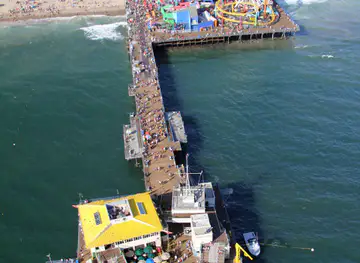
Malibu’s attractions are primarily landscapes and heritage sites rather than a dense collection of museums. Malibu Lagoon State Beach is a productive wetland and a good vantage point for the pier, surfers and the Santa Monica Mountains, while the adjacent Adamson House preserves a richly decorated early twentieth-century residence associated with Malibu’s Rindge era. Malibu Pier extends into the Pacific for views along the coast and towards Point Dume. Further west, Point Dume State Beach combines a broad curve of sand with a dramatic headland and seasonal wildlife viewing, and Zuma Beach offers one of the area’s most spacious public shorelines. El Matador State Beach is known for sea stacks and small coves reached by a steep path. Inland, Solstice Canyon provides a contrasting setting of chaparral, oak woodland and mountain trails within the Santa Monica Mountains National Recreation Area.
-
Tourist attraction
Point Dume
Discover Malibu's iconic Point Dume: panoramic ocean views, scenic hiking trails, abundant wildlife, and pristine beaches await at this coastal paradise.
11 min drive · 3.7 km from neighbourhood centre
-
Park
Malibu Bluffs Park
Discover panoramic ocean views, recreational activities, and community events at Malibu Bluffs Park, a scenic coastal destination where the Pacific meets the Santa Monica Mountains.
21 min drive · 7.1 km from neighbourhood centre
-
 Park
Solstice Canyon
Explore Malibu's Solstice Canyon: Hike through history and nature, discover ruins, and enjoy ocean views in this Santa Monica Mountains gem.
8 min drive · 2.7 km from neighbourhood centre
-
Scenic spot
Malibu – 21 Miles of Scenic Beauty
Explore Malibu's stunning coastline, pristine beaches, and vibrant culture, a perfect destination for relaxation and adventure in California's natural paradise.
20 min drive · 6.7 km from neighbourhood centre


Best landmarks in Malibu
Malibu’s landmarks express its relationship with the ocean, ranch history and private coastal development. Malibu Pier, first associated with the area’s early twentieth-century ranching and shipping activity, remains one of the city’s most recognisable structures and a useful reference point along the shore. The Adamson House, a former Rindge family residence near Malibu Lagoon, is notable for its Spanish Colonial Revival design and elaborate Malibu Potteries tiles, which connect domestic architecture with a locally significant decorative-art industry. Point Dume’s headland is both a geological marker and a defining coastal outlook, while the Malibu Colony sign and surrounding beach community evoke the city’s history as a carefully controlled seaside retreat. The Pacific Coast Highway itself is a landmark infrastructure corridor, linking beaches, canyons and commercial centres through the narrow coastal landscape.
-
Tourist attraction
Point Dume
Experience the breathtaking views, scenic hikes, and serene beaches of Point Dume in Malibu, a coastal paradise for outdoor enthusiasts and nature lovers.
11 min drive · 3.7 km from neighbourhood centre
-
Scenic spot
Malibu – 21 Miles of Scenic Beauty
Experience the stunning beauty and vibrant culture of Malibu, California's iconic coastal paradise with 21 miles of scenic beaches and adventure.
20 min drive · 6.7 km from neighbourhood centre
-
Historical landmark
Former Home of Stan Laurel
Explore the historic home of Stan Laurel in Malibu, a must-visit for classic film enthusiasts and lovers of comedy.
14 min drive · 4.8 km from neighbourhood centre


Explore Malibu on the map
A handpicked selection of must-see spots in Malibu, mapped for you.
Best hotels in Malibu
Best restaurants in Malibu
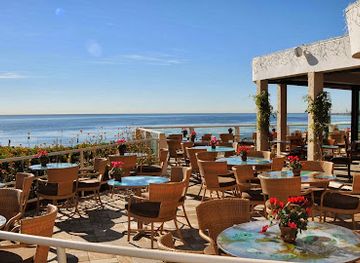
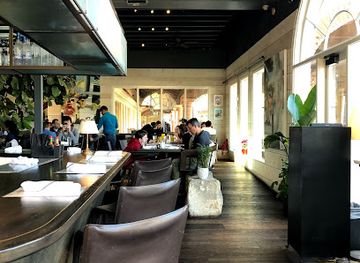
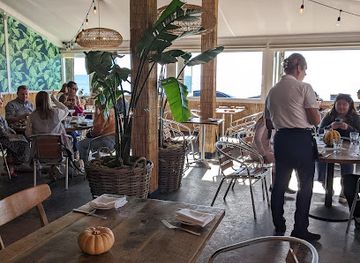
Dining in Malibu is closely tied to the coast, with restaurants ranging from polished oceanfront rooms to relaxed cafés and market-based stops. Near Malibu Lagoon and the pier, Malibu Farm is associated with fresh, produce-led cooking and a strong emphasis on its seaside setting, while Nobu Malibu represents the city’s high-profile modern Japanese dining scene. Civic Center Way, Malibu Country Mart and Malibu Village provide several of the most convenient clusters for coffee, lunch and takeaway food. Along Pacific Coast Highway, established venues such as Geoffrey’s Malibu and Moonshadows make the view part of the meal, while western Malibu offers long-standing roadside and seafood-oriented stops including Neptune’s Net. Reservations, parking arrangements and opening patterns vary, so dining here is best planned around the day’s coastal route rather than treated as a walkable restaurant district.
-
Californian
Geoffrey's
Discover an exquisite culinary experience at Geoffrey's Malibu, where stunning ocean views meet exceptional Californian cuisine.
11 min walk · 0.9 km from neighbourhood centre
-
Californian
Ollo
Experience exquisite Californian and Mediterranean flavors at Ollo in Malibu, where every meal is complemented by stunning ocean views.
24 min drive · 8.0 km from neighbourhood centre
-
Italian
Spruzzo Restaurant & Bar
Experience authentic Italian cuisine with stunning ocean views at Spruzzo Restaurant & Bar in Malibu.
11 min drive · 3.8 km from neighbourhood centre
-
American
The Sunset Restaurant
Experience exquisite American cuisine and fresh seafood while enjoying breathtaking ocean views at The Sunset Restaurant in Malibu.
11 min drive · 3.8 km from neighbourhood centre
Best bars in Malibu
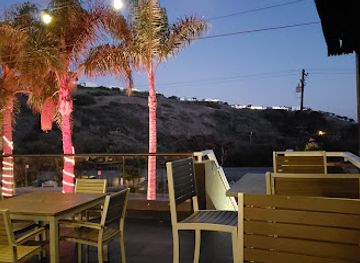
Malibu is not a late-night clubbing district, and evening entertainment is generally quieter and more dispersed than in central Los Angeles or West Hollywood. The main options are restaurant bars, hotel lounges and relaxed venues attached to coastal dining, with Moonshadows and other Pacific Coast Highway establishments offering sunset drinks alongside food. The Malibu Country Mart area provides further places to meet in the evening, while venues connected with local hospitality and events may host occasional music or cultural programming. Night-time activity is shaped by the distance between sites, limited pedestrian infrastructure and the need to drive along a busy, winding highway. Visitors should arrange a safe return journey rather than relying on a continuous strip of bars, and should keep noise low around residential streets and beach communities.
-
American
Kristy's Malibu
Discover the flavors of America with stunning ocean views at Kristy's Malibu, your go-to dining spot on California's beautiful coastline.
18 min drive · 5.8 km from neighbourhood centre
-
Lounge
Calamigos Beach Club Restaurant & Lounge
Experience culinary bliss at Calamigos Beach Club Restaurant & Lounge, where ocean views meet exquisite dining in Malibu.
11 min drive · 3.6 km from neighbourhood centre
-
Bar
Santosh kumar
Discover the vibrant atmosphere of Santosh Kumar in Malibu, where exquisite drinks meet breathtaking ocean views for an unforgettable experience.
24 min drive · 7.9 km from neighbourhood centre


Best nightclubs in Malibu
Malibu is not a late-night clubbing district, and evening entertainment is generally quieter and more dispersed than in central Los Angeles or West Hollywood. The main options are restaurant bars, hotel lounges and relaxed venues attached to coastal dining, with Moonshadows and other Pacific Coast Highway establishments offering sunset drinks alongside food. The Malibu Country Mart area provides further places to meet in the evening, while venues connected with local hospitality and events may host occasional music or cultural programming. Night-time activity is shaped by the distance between sites, limited pedestrian infrastructure and the need to drive along a busy, winding highway. Visitors should arrange a safe return journey rather than relying on a continuous strip of bars, and should keep noise low around residential streets and beach communities.
-
Lounge
Calamigos Beach Club Restaurant & Lounge
Experience the ultimate coastal dining at Calamigos Beach Club Restaurant & Lounge, where breathtaking views meet culinary delights in Malibu.
11 min drive · 3.6 km from neighbourhood centre
Best shops in Malibu
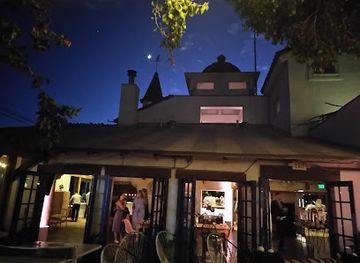
Shopping in Malibu is concentrated in a few centres rather than spread along a traditional main street. Malibu Country Mart is the best-known gathering place, combining independent-style boutiques, fashion and lifestyle retailers with cafés and landscaped public areas; nearby Malibu Village provides further everyday shops and services. The Cross Creek Road and Civic Center Way area is useful for browsing, refreshments and practical errands between beach visits. Retail elsewhere along Pacific Coast Highway is more scattered, with galleries, surf-oriented businesses, specialist services and small coastal shops appearing between residential stretches. The character is polished and leisure-focused, reflecting Malibu’s beach culture and affluent residential economy, rather than a large craft or bargain market scene. For local food and small producers, visitors can look for seasonal farmers' market activity, checking current locations and dates before travelling.
-
Grocery store
Trancas Country Market
Explore Trancas Country Market in Malibu, a delightful blend of shopping, dining, and stunning coastal views for an unforgettable experience.
18 min drive · 5.8 km from neighbourhood centre
-
Shopping mall
Point Dume Village
Discover Point Dume Village in Malibu: a perfect blend of shopping, dining, and stunning coastal views.
8 min drive · 2.8 km from neighbourhood centre
-
Gift shop
Abierto
Discover unique gifts and artisanal treasures at Abierto, the charming gift shop in Malibu, California, perfect for memorable souvenirs.
8 min drive · 2.8 km from neighbourhood centre
-
Women's clothing store
Nati Boutique Malibu Trancas
Discover the chic elegance of Nati Boutique in Malibu Trancas, where coastal charm meets trendy women's fashion and accessories.
17 min drive · 5.8 km from neighbourhood centre


Malibu essentials
Getting There
Getting Around
Safety
Emergency Situations
Do's and Don'ts
Local Tips

From Eve
Local phrases worth knowing
You don't need to get them perfect. A few words go a long way, and locals appreciate the effort.
Basics
| English | Local | Say it |
|---|---|---|
| Hello | Hey | [hey] |
| Goodbye | Later | [lay-ter] |
| Yes | Totally | [toe-tuh-lee] |
| No | Nah | [nah] |
| Please/You're welcome | Sure thing | [shore thing] |
| Thank you | Thanks | [thanks] |
| Excuse me/Sorry | My bad | [my bad] |
| How are you? | What's good? | [wuts good] |
| Fine. And you? | Chillin'. You? | [chil-lin you] |
| Do you speak English? | You speak English? | [you speak ing-lish] |
| I don't understand | I'm lost | [im lost] |
Eating & Drinking
| English | Local | Say it |
|---|---|---|
| I'd like to see the menu, please | Menu, please | [men-yoo please] |
| I don't eat meat | No meat for me | [no meet for mee] |
| Cheers! | Cheers! | [cheers] |
| I would like to pay, please | Check, please | [chek please] |
Emergencies
| English | Local | Say it |
|---|---|---|
| Help! | 911! | [nine-one-one] |
| Go away! | Beat it! | [beet it] |
| Call the Police! | Cops! | [cops] |
| Call a doctor! | Doc! | [doc] |
| I'm lost | Lost | [lost] |
| I'm ill | Sick | [sick] |
Shopping
| English | Local | Say it |
|---|---|---|
| I'd like to buy... | I wanna buy... | [i wanna buy] |
| I'm just looking | Just browsing | [just brow-zing] |
| How much is it? | How much? | [how much] |
| That's too expensive | Too pricey | [too pry-see] |
| Can you lower the price? | Can you do better? | [can you do bet-ter] |
Time & Numbers
| English | Local | Say it |
|---|---|---|
| What time is it? | What time? | [what time] |
| It's one o'clock | It's one | [its one] |
| Half past (10) | Ten thirty | [ten thur-tee] |
| Morning | Morning | [mor-ning] |
| Afternoon | Afternoon | [af-ter-noon] |
| Evening | Evening | [ee-ven-ing] |
| Yesterday | Yesterday | [yes-ter-day] |
| Today | Today | [to-day] |
| Tomorrow | Tomorrow | [to-mor-row] |
| 1 | One | [wun] |
| 2 | Two | [too] |
| 3 | Three | [three] |
| 4 | Four | [four] |
| 5 | Five | [five] |
| 6 | Six | [six] |
| 7 | Seven | [seven] |
| 8 | Eight | [ate] |
| 9 | Nine | [nine] |
| 10 | Ten | [ten] |
Transport & Directions
| English | Local | Say it |
|---|---|---|
| Where's a/the...? | Where's the...? | [wheres the] |
| What's the address? | What's the address? | [whats the address] |
| Can you show me (on the map)? | Show me (on the map) | [show me on the map] |
| When's the next (bus)? | When's the next bus? | [whens the next bus] |
| A ticket (to ....) | One ticket (to ...) | [wun ticket to] |
History of Malibu
Humaliwo and Chumash Coastal Life
The Malibu coast was home to the Chumash, whose village of Humaliwo is generally associated with the area now called Malibu; the name is often interpreted as referring to the sound of waves. The shoreline, estuaries and mountain slopes supported fishing, shellfish gathering, hunting and exchange between coastal settlements. Malibu Lagoon and the beaches around Point Dume were part of a wider cultural landscape rather than isolated scenic sites. Spanish mission expansion, introduced diseases and colonial settlement profoundly disrupted Chumash life, while later land ownership systems transformed access to the coast and its resources.
Rancho Topanga Malibu Sequit
During the Mexican and early American periods, the land became associated with Rancho Topanga Malibu Sequit, a large ranching estate occupying much of the coastal strip and adjoining mountains. The property’s relative isolation helped preserve its open character, while ranch activities and limited roads shaped the local economy. In the late nineteenth century, Frederick Hastings Rindge and May Rindge acquired the estate and defended its private boundaries through prolonged legal disputes. Their control delayed broad public development, helping create the unusual pattern of beaches, ranch land and scattered settlement that still distinguishes Malibu from denser parts of Los Angeles.
Roads, Colonies and the Public Coast
Malibu’s modern accessibility changed as roads improved along the coast, culminating in the development of the Pacific Coast Highway in the early twentieth century. The road connected the area more closely with Santa Monica and Los Angeles while also opening it to motorists, filmmakers and leisure visitors. Malibu Colony, established as a leased beach community in the 1920s, became an influential model for the area’s private coastal enclaves. At the same time, ranches, small agricultural operations and mountain properties continued beyond the shoreline communities, giving Malibu a mixed identity of seaside retreat and working rural landscape.
Incorporation and a Fire-Prone Landscape
Malibu incorporated as a city in 1991 after long-running debates about local control, development and environmental protection. Its later history has been shaped by pressure between private construction, public beach access, conservation and the hazards of living between steep mountains and a fire-prone coast. The Woolsey Fire of 2018 caused extensive destruction across Malibu and the Santa Monica Mountains, leaving a lasting mark on buildings, vegetation and community planning. Contemporary Malibu therefore combines a highly recognisable coastal image with continuing debates about rebuilding, resilience, access and the stewardship of sensitive habitat.
Malibu in Photos
Browse through our photo collection highlighting the charm and character of the destination.
Neighbourhoods near Malibu
The closest neighbourhoods to Malibu, if you have time for more than one stop.
-
-

-

-

-


Swipe for more neighbourhoods
Explore more

Explore more of Los Angeles
Los Angeles blends Pacific beaches, Hollywood history, world-class museums, diverse neighbourhoods, landmark architecture and creative culture across Southern California.
Explore Los Angeles