

Stanford Mausoleum, Menlo Park Travel Guide
Discover the serene beauty and rich history of the Stanford Mausoleum, the final resting place of the Stanford family, nestled within the tranquil Stanford University Arboretum.
The Stanford Mausoleum, nestled within the Stanford University Arboretum, is the final resting place of Leland Stanford Jr. and his parents, Leland and Jane Stanford. Completed in 1889, this striking tomb, adorned with sphinxes, blends Egyptian and Greek architectural elements. Originally intended as the site for the Stanford family mansion, the plans shifted after their son's untimely death, leading to the creation of the university in his memory. The mausoleum, surrounded by the serene Arizona Cactus Garden and the poignant Angel of Grief statue, offers a unique glimpse into the Stanford family's history and their enduring legacy. While the interior is not generally open to the public, the exterior provides a compelling destination for quiet contemplation and historical appreciation, drawing visitors with its blend of architectural grandeur and personal significance.
A brief summary to Stanford Mausoleum
- Palo Alto, California, 94304, US

Know before you go
Hi, I'm Eve. Here are a few practical things to know before exploring Stanford Mausoleum.
- Combine your visit with a stroll through the adjacent Arizona Cactus Garden for a unique contrast of landscapes.
- Take a moment to view the Angel of Grief statue nearby, a poignant memorial with its own compelling history.
- Check the Stanford University events calendar for the annual Founder's Day ceremony, when the mausoleum is occasionally open to the public.
- Visit during the spring to see the Arboretum and Cactus Garden in full bloom, enhancing the beauty of the site.
Do you manage this location?
Take control to get all the benefits, like improved information, better appearance, and stronger visibility across AI-powered discovery. Learn more about listing your business on Evendo
Activate your presenceOther nearby places you may find interesting
The closest places of the same kind, if this one is not quite what you had in mind.

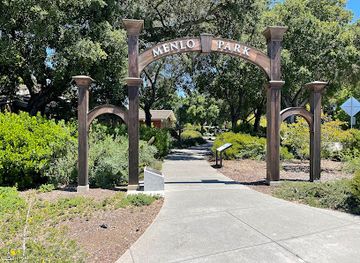
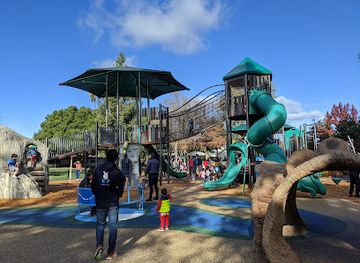
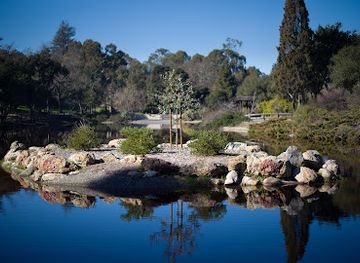
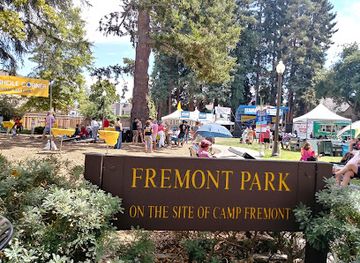
Explore Stanford Mausoleum on the Map
A handpicked selection of must-see spots near Stanford Mausoleum, mapped for you.
Getting There
-
Walking
From the Stanford University Oval, walk northwest towards the Stanford Mausoleum, passing the Cantor Arts Center and the Papua New Guinea Sculpture Garden. Continue along the paved path through the Arboretum. The Mausoleum will be visible on your right, approximately a 15-20 minute walk. The path is mostly flat and easily accessible.
-
Public Transport
Take the free Stanford Marguerite Shuttle to a stop near the Main Quad or Cantor Arts Center. From either location, follow the walking directions through the Arboretum to the Stanford Mausoleum. The Marguerite Shuttle is free and operates frequently throughout the day on weekdays. Check the Stanford Transportation website for specific routes and schedules.
-
Driving
From El Camino Real, enter the Stanford University campus via Palm Drive. Continue on Palm Drive, passing the Main Quad on your left. Turn right onto Arboretum Road. Limited parking is available near the intersection of Arboretum Road and Quarry Road. From there, walk a short distance to the Mausoleum. Parking on campus is restricted and costs $1.50 per hour, purchase tickets at kiosks in public lots. Weekends may offer free parking in designated areas; check signage for details.
Discover more about Stanford Mausoleum













Your all‑in‑one travel companion app
Explore expert travel guides, compare and book tours, experiences, hotels, and more—all from the palm of your hand. Download now for seamless trip planning wherever your wanderlust takes you.


Explore More of Menlo Park

Looking beyond Stanford Mausoleum? Discover Menlo Park for broader travel guides, local hot-spots, and regional highlights.
Explore Menlo Park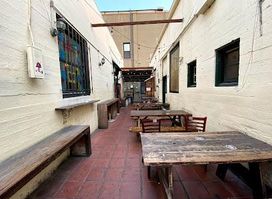
Experience a traditional British pub in Palo Alto with craft beers, classic food, and a lively, welcoming atmosphere.

Discover the tranquility of El Camino Park in Palo Alto, a scenic destination offering recreational activities, lush landscapes, and community events.
