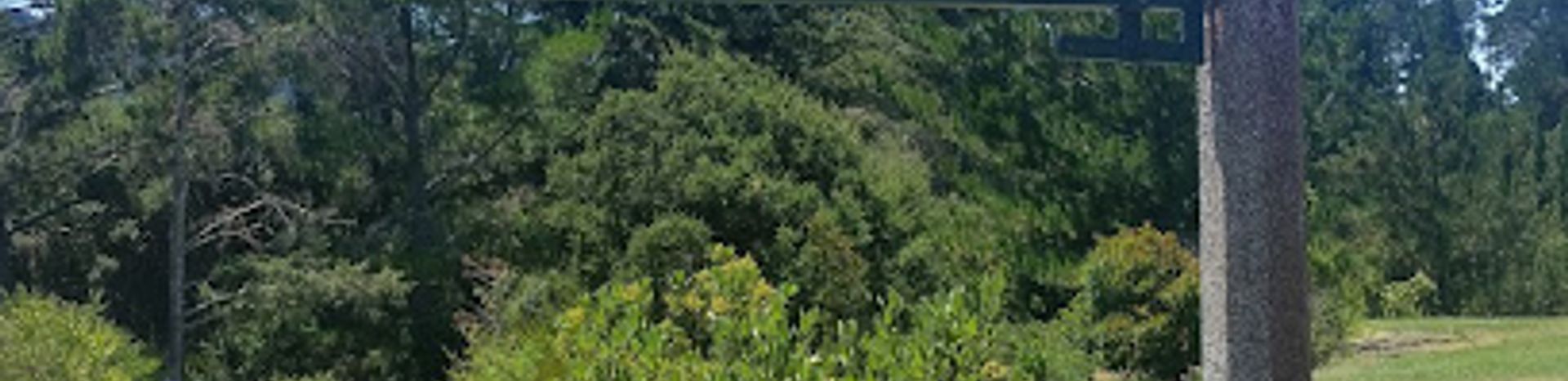
Pulgas Water Temple: A Testament to Engineering and Art
Discover the Pulgas Water Temple, a stunning monument to San Francisco's water system, offering a tranquil escape with Greco-Roman architecture and a serene reflecting pool, a true Bay Area hidden gem.
The Pulgas Water Temple, a monument to San Francisco's water system, offers a serene escape with its Greco-Roman architecture and tranquil reflecting pool. Built in 1938, it commemorates the completion of the Hetch Hetchy Aqueduct, which brings water from the Sierra Nevada to the Bay Area. Visitors can explore the temple's grounds, admire its design, and learn about the engineering marvel behind it. While the parking lot has limited hours, pedestrian access is available daily, making it a popular spot for picnics, photography, and quiet contemplation. The temple stands as a reminder of the importance of water and the ingenuity that makes it accessible to millions.
A brief summary to Pulgas Water Temple
- 56 Cañada Rd, Redwood City, California, 94062, US
- +1650-652-3209
- Visit website
- Monday 9 am-5 pm
- Tuesday 9 am-5 pm
- Wednesday 9 am-5 pm
- Thursday 9 am-5 pm
- Friday 9 am-5 pm
Local tips
- Visit on a weekday to access the parking lot, as it's closed on weekends, making it easier to explore the grounds without a longer walk.
- Bring a picnic blanket and snacks to enjoy a relaxing meal on the lawn, as there are no picnic tables available.
- Combine your visit with a trip to the nearby Filoli Historic House & Garden for a full day of exploring beautiful architecture and landscapes.
- Check the SFPUC website for potential closures due to private events, especially on weekends.
- Take advantage of the Crystal Springs Regional Trail for a scenic hike or bike ride to the temple, avoiding parking limitations.

Getting There
-
Driving
From Interstate 280, take the Edgewood Road exit and head west. Continue on Edgewood Road until you reach Cañada Road. Turn north onto Cañada Road, and the Pulgas Water Temple will be approximately two miles ahead on your left. Note that parking is free but limited and the lot is closed on weekends, so plan accordingly. On weekends, consider parking further south on Cañada Road near Edgewood Road and walking or biking to the temple.
-
Public Transport
From the Redwood City Caltrain station, transfer to SamTrans route 278, which provides weekday service to Cañada College. From there, it's approximately a 63-minute walk to the Pulgas Water Temple. Alternatively, take SamTrans route ECR to El Camino Real & Winklebleck St, which is a 3-minute walk to Redwood City. From there, you can take SamTrans route 278 to Cañada College and walk to the Pulgas Water Temple. A single ride on SamTrans costs $2.50. Consider using a rideshare service from Redwood City for a more direct route, costing approximately $15-$25.
-
Walking/Biking
If you're arriving via the Crystal Springs Regional Trail, follow the trail until it intersects with Cañada Road near the Pulgas Water Temple. The temple is easily accessible from the trail. Be aware that Canada Road can be busy with car traffic, so exercise caution. Cyclists should also be aware that Canada Road is closed for Bicycle Sundays from 8 am -3 pm.
Discover more about Pulgas Water Temple
Iconic landmarks you can’t miss

Ralph D. Percival Memorial Vista Point
1.8 km
Discover the scenic beauty of Ralph D. Percival Memorial Vista Point in Redwood City, California, a perfect spot for breathtaking vistas and peaceful moments.
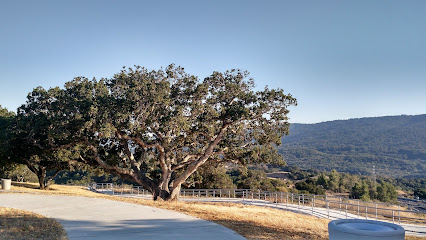
Len Turner Memorial Vista Point
3.1 km
Discover the stunning views of the San Francisco Bay Area at Len Turner Memorial Vista Point, a tranquil and picturesque escape in Belmont, California.
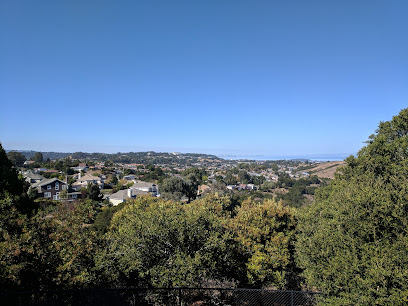
War Memorial
4.0 km
Explore the War Memorial in San Carlos, a historical landmark dedicated to honoring military service and sacrifice amid tranquil surroundings.
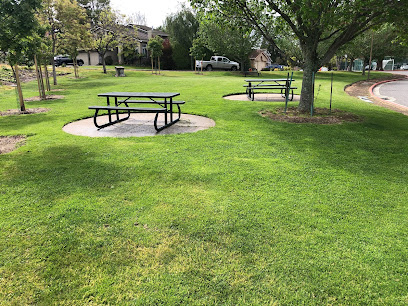
Ralston Hall Mansion
4.6 km
Experience the grandeur of California's Gilded Age at Ralston Hall Mansion, a National Historic Landmark on the campus of Notre Dame de Namur University in Belmont.
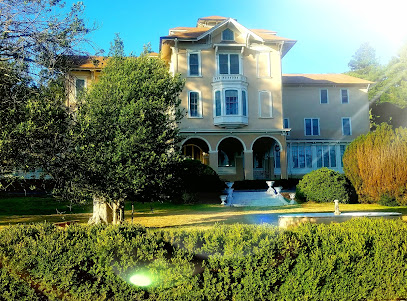
Skylawn Funeral Home, Memorial Park & Crematory
5.0 km
Discover tranquility at Skylawn Funeral Home, Memorial Park & Crematory, a serene space for reflection and remembrance in San Mateo, California.
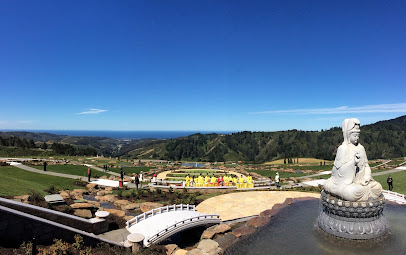
SAN MATEO
6.2 km
Explore San Mateo, California – A vibrant city with beautiful parks, diverse dining, and a unique blend of urban and natural experiences.
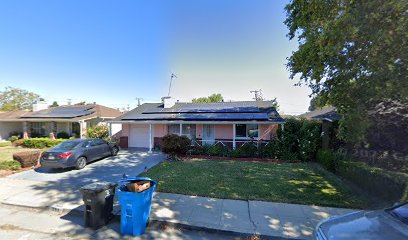
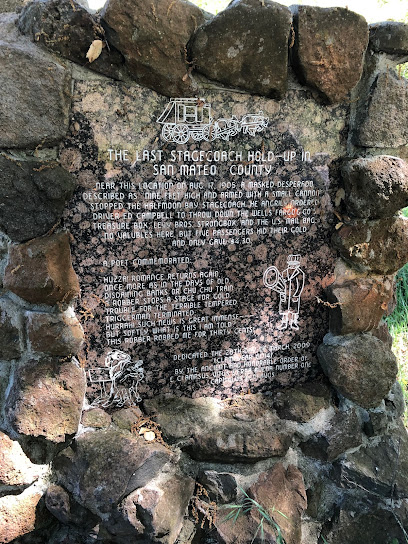
The Last Stagecoach Hold-up in San Mateo County
7.2 km
Explore the captivating history of the Old West at The Last Stagecoach Hold-up in San Mateo County, a unique historical landmark surrounded by stunning landscapes.
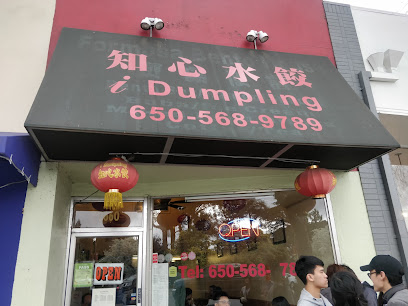
I Dumpling
7.2 km
Discover the authentic flavors of Chinese cuisine at I Dumpling in Redwood City, specializing in delicious dumplings and Asian dishes.
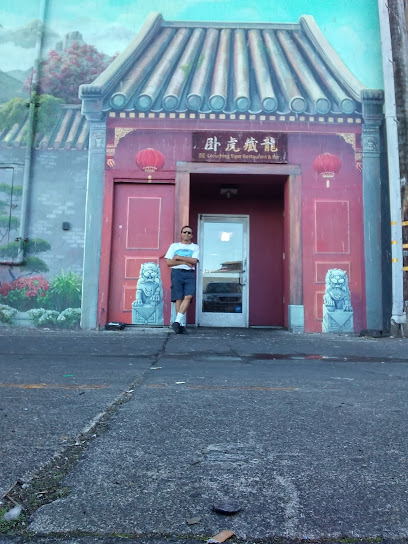
Crouching Tiger Restaurant & Bar
7.3 km
Discover authentic Chinese cuisine at Crouching Tiger Restaurant & Bar in Redwood City, where flavor and culture meet in a delightful dining experience.
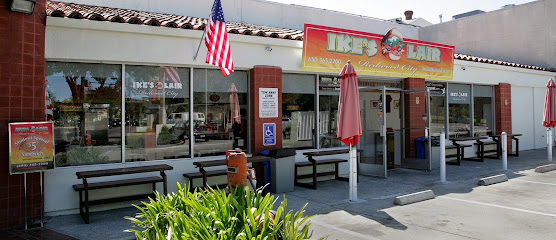
Ike's Lair of Redwood City
7.3 km
Savor the flavors of Ike's Lair in Redwood City, where delicious sandwiches meet vegan delights in a relaxed fast-casual setting.
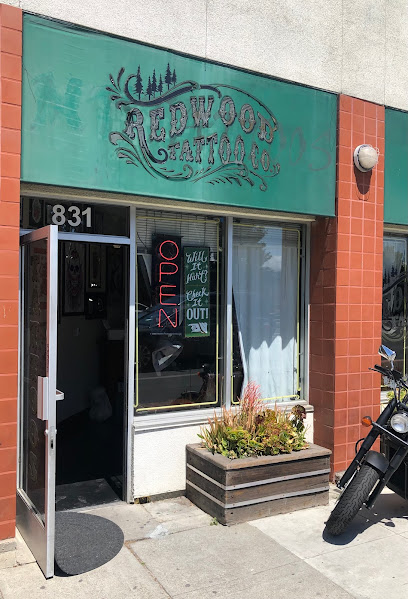
Redwood Tattoo Co
7.3 km
Explore the artistry and passion behind every tattoo at Redwood Tattoo Co, a premier destination for body art enthusiasts in Redwood City, CA.
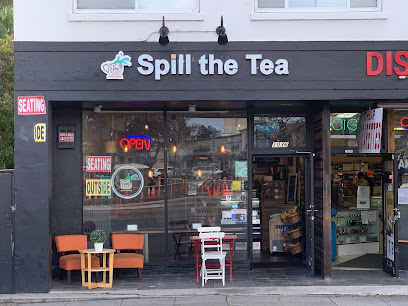
Spill the Tea
7.4 km
Discover the vibrant world of bubble tea at Spill the Tea, Redwood City's favorite café for a refreshing drink and a laid-back atmosphere.
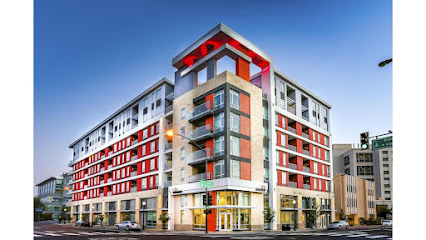
201 Marshall
7.4 km
Experience modern living at 201 Marshall, an apartment complex in Redwood City, blending comfort with accessibility to local attractions.
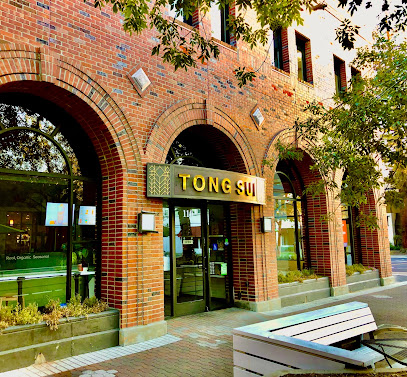
Tong Sui Desserts & Drinks (Redwood City)
7.5 km
Experience the delightful fusion of Asian sweets and refreshing beverages at Tong Sui Desserts & Drinks in Redwood City.
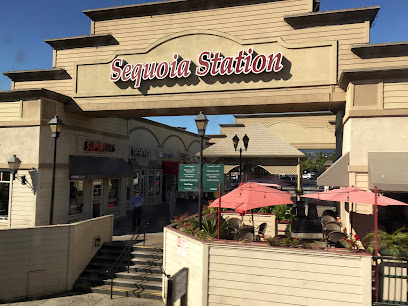
Sequoia Station
7.5 km
Experience the vibrant shopping scene at Sequoia Station, where retail therapy meets culinary delights in Redwood City.
Unmissable attractions to see

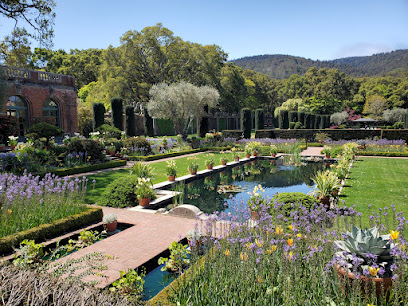
Filoli Historic House & Garden
0.7 km
Discover Filoli, a historic country estate with a grand mansion, stunning gardens, and natural beauty, offering a glimpse into the opulence of a bygone era just south of San Francisco.
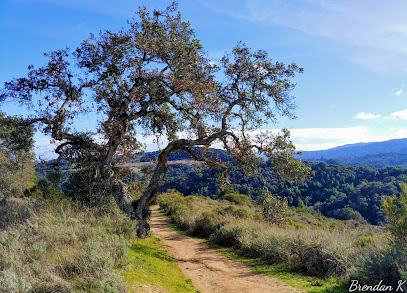
Pulgas Ridge Open Space Preserve
2.2 km
Discover scenic trails, an expansive off-leash dog area, and panoramic Bay views at Pulgas Ridge Open Space Preserve, a natural escape in the heart of the Peninsula.
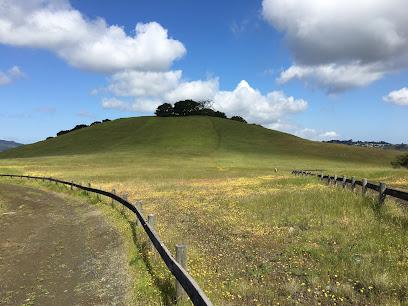
Edgewood Park & Natural Preserve
3.5 km
Explore the serene beauty of Edgewood Park & Natural Preserve, a lush haven for hiking, wildlife watching, and enjoying nature in Redwood City, California.
Laurelwood Park
4.8 km
Escape to nature in San Mateo's Laurelwood Park: hiking, playgrounds, picnic spots, and stunning views await!
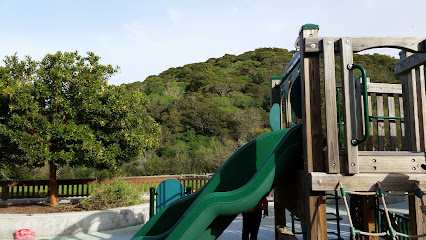
Twin Pines Park
5.1 km
Discover Belmont's hidden gem: Twin Pines Park, a blend of nature, history, and community spirit in a serene setting.
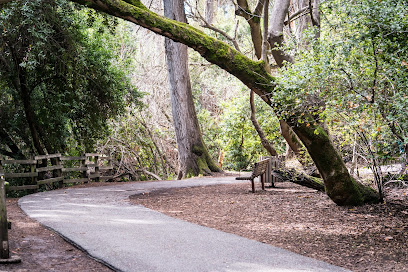
Huddart Park
5.3 km
Escape to Huddart Park: Hike through redwood forests, explore scenic trails, and discover a peaceful natural retreat in the Santa Cruz Mountains.
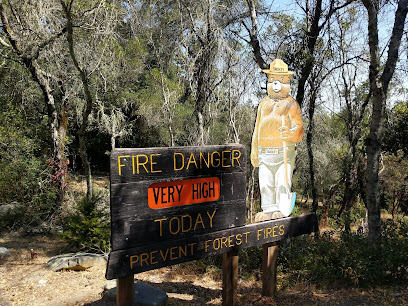
Burton Park
5.3 km
San Carlos's oldest park, a vibrant community hub with sports, recreation, and events for all ages.
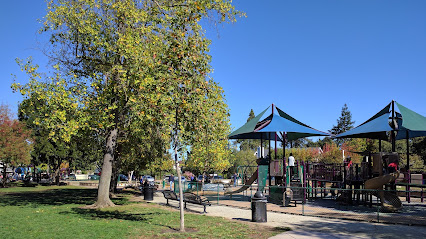
San Carlos Museum of History
5.5 km
Explore local heritage at the San Carlos Museum of History: artifacts, photos, and stories of this vibrant California city.
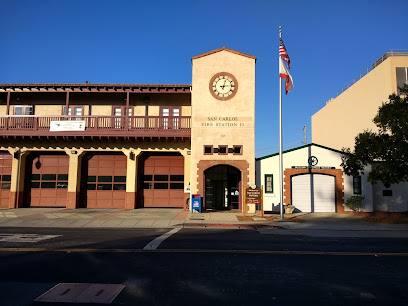
Redwood Picnic Area, Huddart Park
5.9 km
Escape to the serene Redwood Picnic Area in Huddart Park for a refreshing retreat surrounded by towering redwoods and natural beauty.
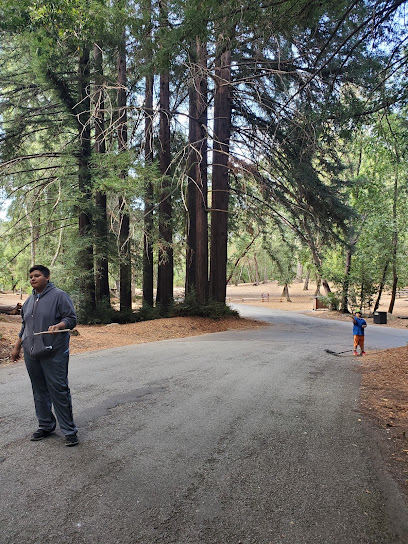
Stafford Park
6.1 km
Experience the natural beauty and community spirit at Stafford Park, a serene escape in Redwood City, perfect for relaxation and outdoor activities.
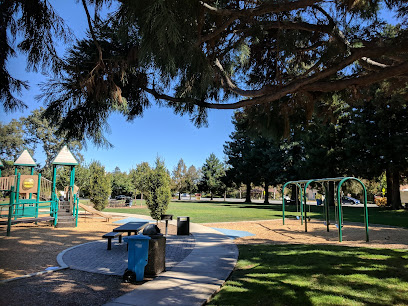
Laurie Meadows Park
6.3 km
Explore Laurie Meadows Park: A tranquil haven in San Mateo, perfect for relaxation, recreation, and enjoying nature's beauty.
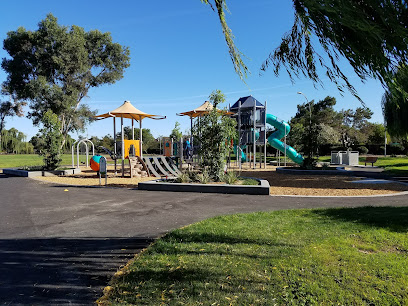
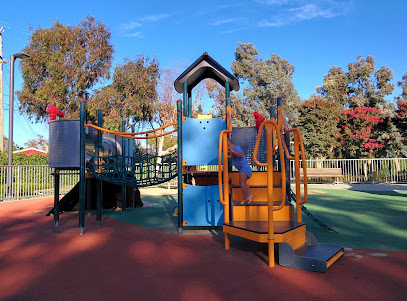
Casanova Park
6.4 km
A family-friendly park in San Mateo with a safe playground, picnic spots, and a welcoming community atmosphere.
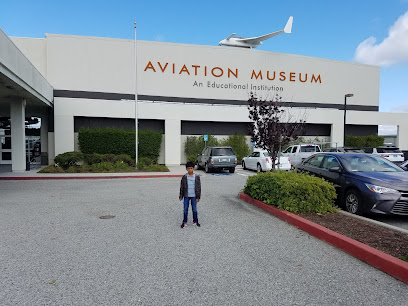
Hiller Aviation Museum
6.5 km
Explore over a century of aviation history at the Hiller Aviation Museum, featuring interactive exhibits and a collection of unique aircraft.
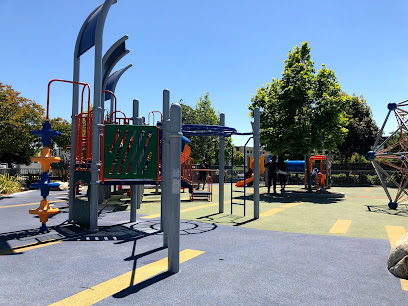
Paddock Park
6.8 km
A vibrant community park in San Mateo's Bay Meadows, offering playgrounds, picnic spots, and recreational activities for all ages.
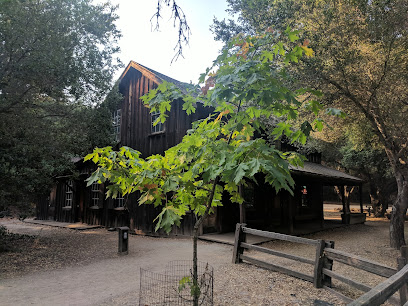
Woodside Store Park
6.8 km
Experience the rich history and beautiful landscapes at Woodside Store Park, a captivating destination for tourists in California.
Essential places to dine

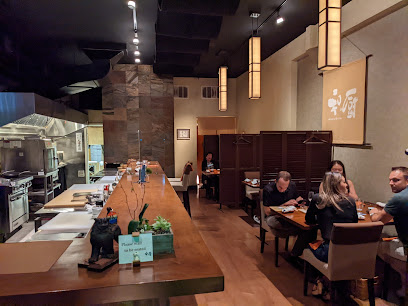
Wakuriya
4.6 km
Discover the essence of Japanese cuisine at Wakuriya in San Mateo - where tradition meets innovation in every exquisite dish.
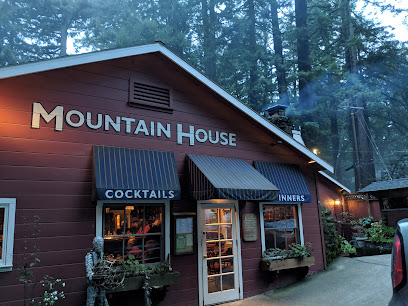
The Mountain House
5.1 km
Discover exquisite American cuisine amidst stunning redwoods at The Mountain House in Woodside, California.
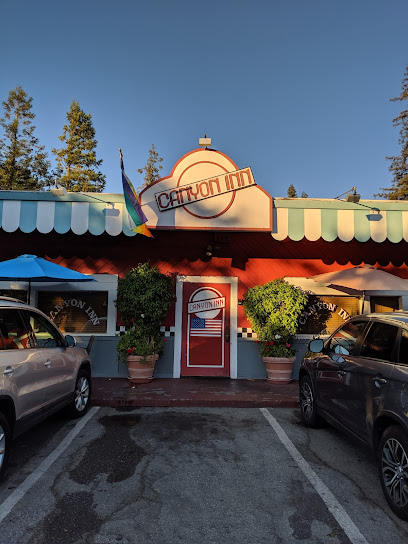
Canyon Inn
5.1 km
Experience the heart of American cuisine at Canyon Inn in Redwood City – where comfort food meets friendly service.
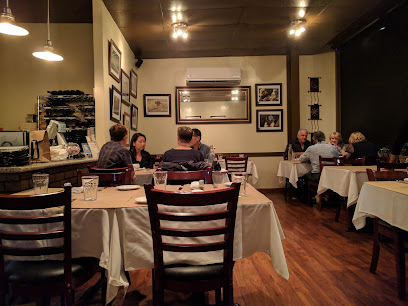
Sole Ristorante Italiano
5.9 km
Experience the essence of Italy with delectable dishes at Sole Ristorante Italiano in San Mateo - where every meal tells a story.
Cuban Kitchen
6.0 km
Experience authentic Cuban cuisine at Cuban Kitchen in San Mateo—where vibrant flavors meet warm hospitality for an unforgettable meal.
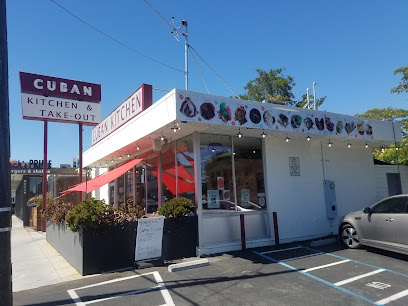
The Refuge (San Mateo)
6.2 km
Experience the best of American gastropub cuisine at The Refuge in San Mateo - where comfort meets innovation in every bite.
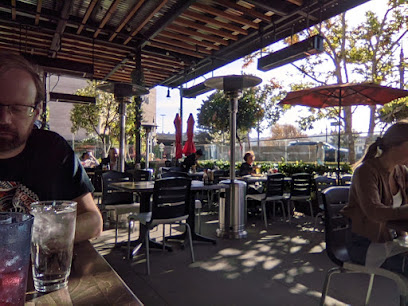
Paul Martin's America
6.3 km
Experience the best of American cuisine at Paul Martin's America - where fresh ingredients meet classic flavors in San Mateo.
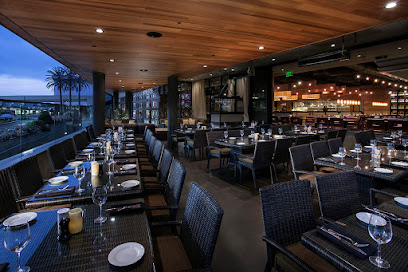
Waterside Grill + Lounge
6.6 km
Discover delightful American cuisine at Waterside Grill + Lounge in Redwood City – where great food meets stunning waterfront views.
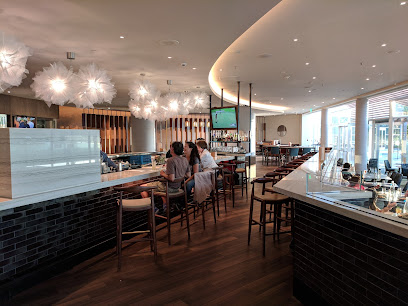
Stacks
6.6 km
Experience delicious American breakfasts at Stacks in Redwood City - home of fluffy pancakes and hearty brunch favorites.
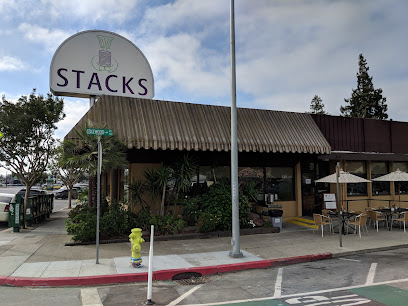
La Lanterna Ristorante
6.7 km
Experience authentic Italian cuisine at La Lanterna Ristorante in San Mateo - where every dish tells a story.
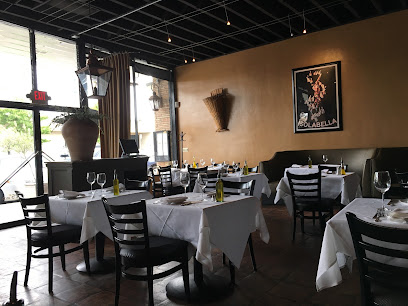
LUCETI'S on 25th
6.7 km
Experience authentic Italian cuisine at LUCETI'S on 25th in San Mateo—where every meal feels like a trip to Italy.
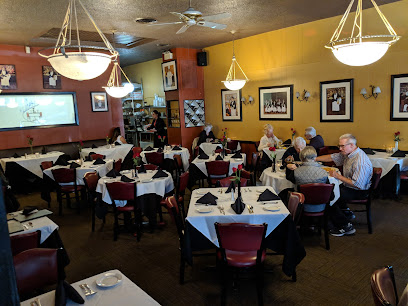
Tannourine Restaurant
6.8 km
Discover the essence of Lebanese cuisine at Tannourine Restaurant – where tradition meets fine dining in South San Mateo.
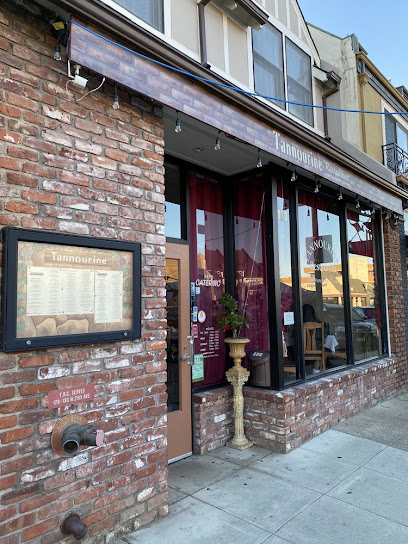
Higuma Japanese Restaurant
6.9 km
Discover the flavors of Japan at Higuma Japanese Restaurant – where every dish tells a story and freshness is paramount.
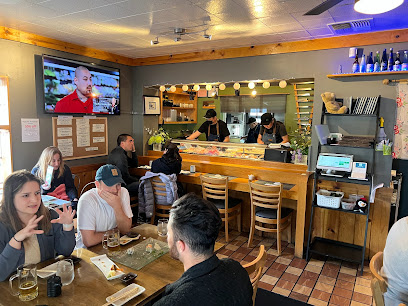
Redwood Bistro
7.2 km
Discover the rich flavors of authentic Chinese cuisine at Redwood Bistro – your go-to spot for delicious dim sum and seafood in Redwood City.
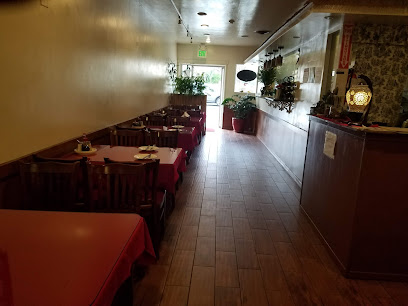
The Grill House
7.2 km
Discover delicious burgers and vibrant sports atmosphere at The Grill House in Redwood City - where flavor meets fun!
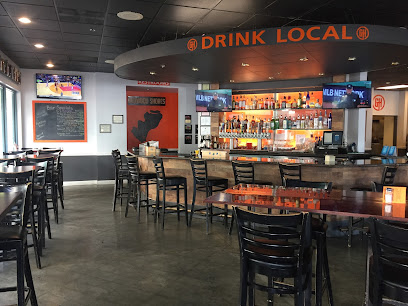
Markets, malls and hidden boutiques

Laurelwood Shopping Center
5.7 km
Explore the delightful Laurelwood Shopping Center in San Mateo, California, where shopping and dining blend seamlessly for an unforgettable experience.
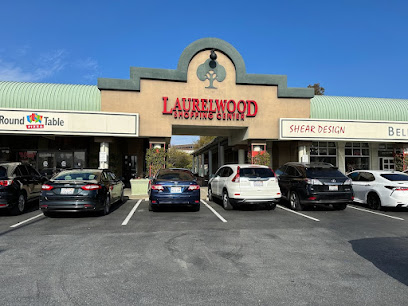
Shop Cute Buys
5.7 km
Discover unique treasures and trendy gifts at Shop Cute Buys in San Mateo, a must-visit destination for shoppers seeking California's eclectic flair.
Isis Candle Shop
5.7 km
Explore the enchanting Isis Candle Shop in San Mateo, where handcrafted candles and unique decor await to brighten your home and memories.
Villa Plaza
5.8 km
Discover the vibrant shopping experience at Villa Plaza in San Mateo, featuring diverse shops and dining options for all tastes.
Steve's Hallmark Shop
6.1 km
Explore the charm of Steve's Hallmark Shop, your go-to destination for unique gifts, heartfelt cards, and stylish wrapping supplies in San Mateo.
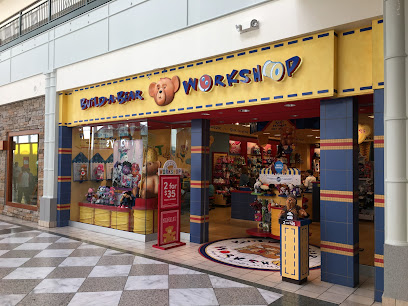
Build-A-Bear Workshop
6.1 km
Discover creativity and joy at Build-A-Bear Workshop, where children can create personalized stuffed animals in a magical setting.
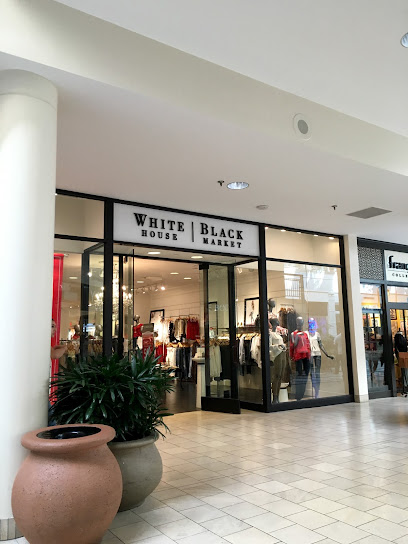
White House Black Market
6.1 km
Explore White House Black Market for elegant women's clothing, trendy jeans, and stylish accessories in the heart of San Mateo.
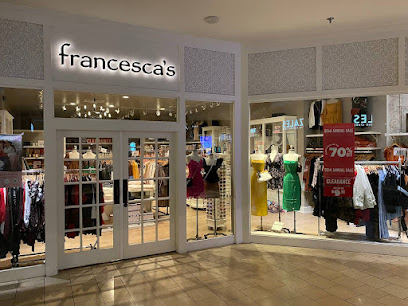
francesca's
6.2 km
Discover unique gifts and stylish women's fashion at Francesca's, a charming boutique in San Mateo, California.
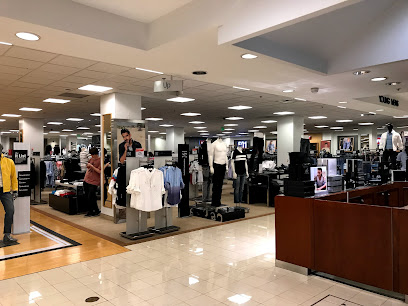
Macy's
6.2 km
Explore Macy's in San Mateo for a unique shopping experience featuring fashion, beauty, and home essentials all under one roof.
Attic Salt
6.2 km
Explore Hillsdale's Attic Salt for unique gifts and treasures that reflect the local spirit and creativity.
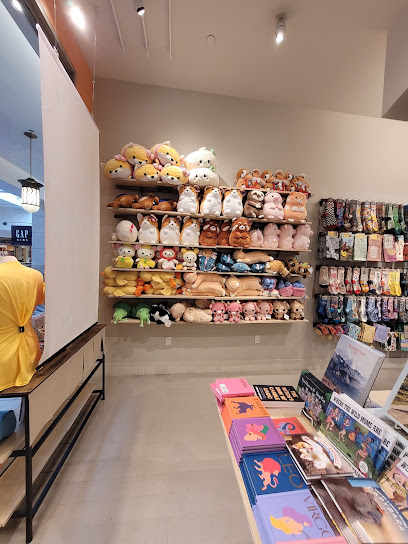
FUEGO / ATTIC SALT
6.2 km
Explore Fuego / Attic Salt in San Mateo for unique gifts, stylish clothing, and a delightful shopping experience in California's vibrant Hillsdale Shopping Center.
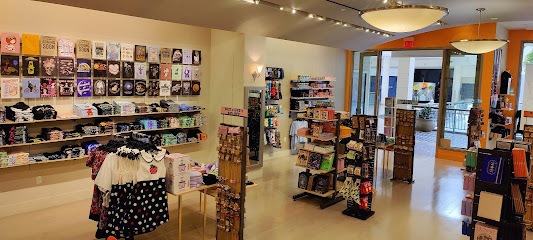
Hillsdale Shopping Center
6.2 km
Discover Hillsdale Shopping Center: A premier shopping mall in San Mateo, offering diverse retail, dining, and entertainment options for every visitor.
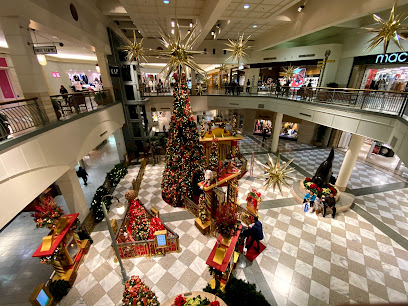
Vintage Home Dwelling
6.7 km
Explore a captivating collection of vintage clothing and antiques at Vintage Home Dwelling, where timeless treasures await every visitor.
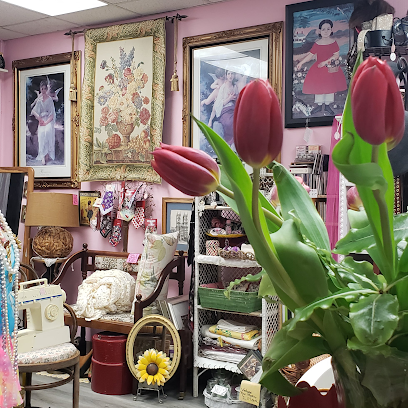
She Sells Resale
6.8 km
Explore vintage treasures and unique home goods at She Sells Resale, an enchanting antique store in San Mateo, California.
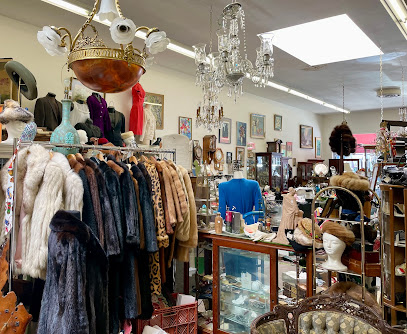
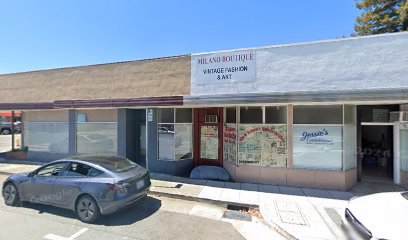
Milano Boutique
6.8 km
Explore Milano Boutique in San Mateo for a unique selection of women's clothing and consignment treasures that stand out from the crowd.
Essential bars & hidden hideouts

The Field Club
4.5 km
Discover The Field Club, a charming bar and American restaurant in San Mateo offering delicious food, a vibrant atmosphere, and a great selection of drinks.
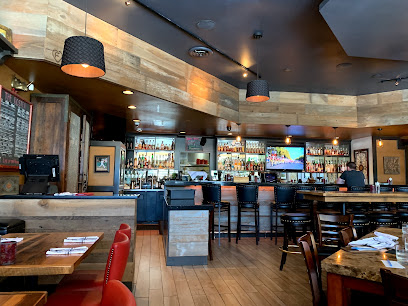
Antone's Cocktail Lounge
6.0 km
Experience the vibrant atmosphere and sports excitement at Antone's Cocktail Lounge in San Mateo, where every night is a celebration.
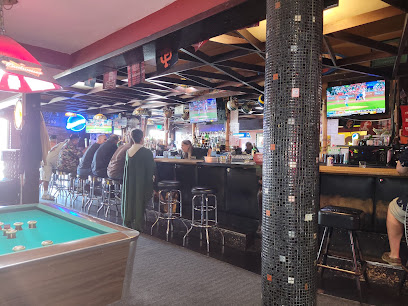
Steamies Bar
6.2 km
Experience the vibrant nightlife of San Mateo at Steamies Bar, where craft drinks and a lively atmosphere await.
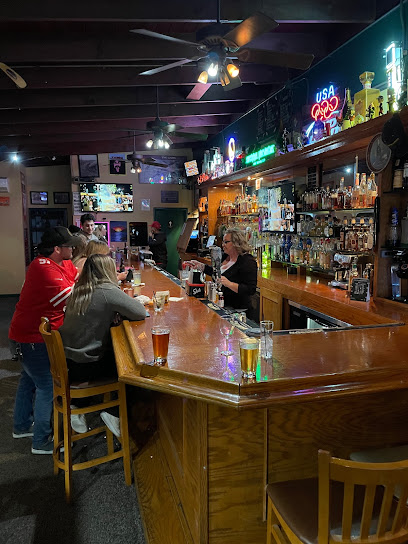
The Swingin' Door
6.9 km
Discover the lively atmosphere of The Swingin' Door in San Mateo, where delicious fish & chips, karaoke, and live music await every night.
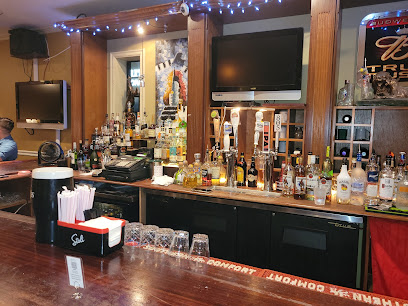
Route 92 Sports Bar
7.1 km
Route 92 Sports Bar: Your go-to destination for sports, delicious food, and a lively atmosphere in San Mateo, California.
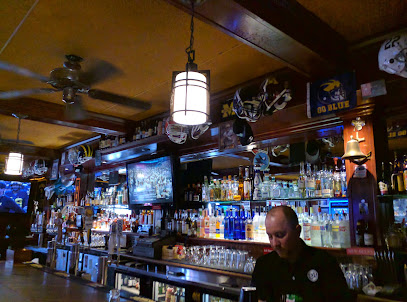
Sodini's
7.2 km
Discover the lively atmosphere of Sodini's, a karaoke bar in Redwood City where music, drinks, and fun unite for an unforgettable night out.
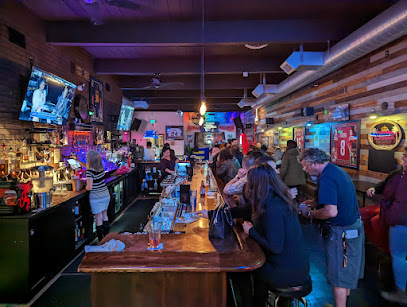
The Hub RWC
7.3 km
Discover The Hub RWC, a vibrant bar in Redwood City offering delicious cocktails, live music, and a lively atmosphere for memorable nights out.
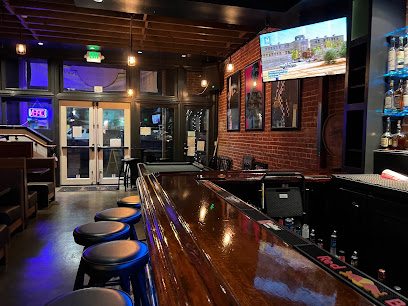
840 Wine Bar & Cocktail Lounge
7.3 km
Experience the vibrant ambiance and exquisite flavors at 840 Wine Bar & Cocktail Lounge in Redwood City, a must-visit for wine and tapas lovers.
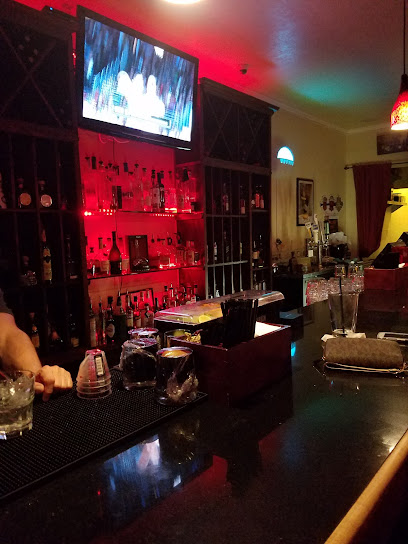
Bobby D's Cocktail Lounge & Sports Bar
7.5 km
Experience the vibrant atmosphere of Bobby D's Cocktail Lounge & Sports Bar in Redwood City, where cocktails meet sports in a lively setting.
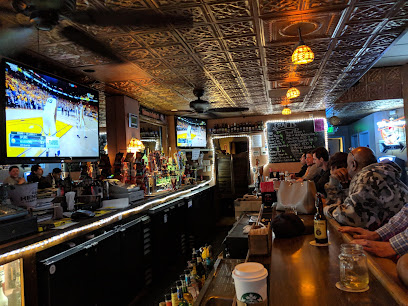
CRU Wine Bar & Shop
7.6 km
Discover a blend of fine wines and gourmet delights at CRU Wine Bar & Shop in Redwood City, perfect for casual evenings and special celebrations.
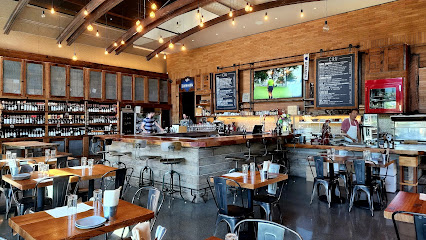
Hidden Tap And Barrel Redwood City
7.7 km
Discover Redwood City's Hidden Tap And Barrel, a lively bar offering craft beers, signature cocktails, pool tables, and live sports in a welcoming atmosphere.
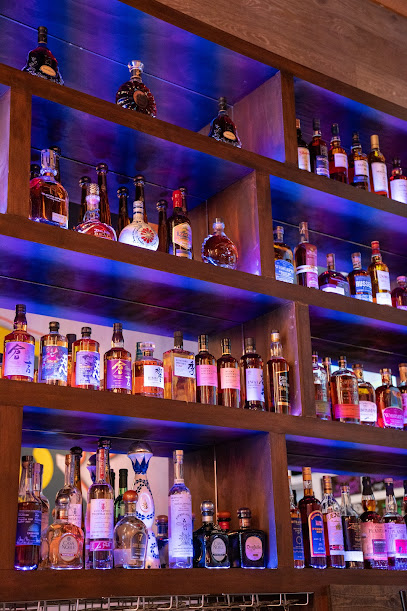
Bucky's Cocktail Lounge
7.8 km
Discover the vibrant ambiance and extensive cocktail menu at Bucky's Cocktail Lounge, the perfect spot for relaxation and fun in San Mateo.
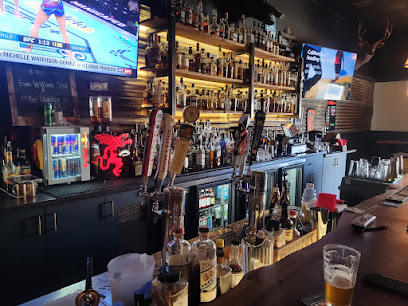
Nighthawk
7.9 km
Explore Nighthawk, Redwood City's vibrant cocktail bar offering exquisite drinks, lively music, and an unforgettable nightlife experience.
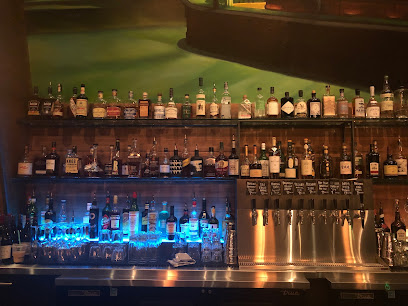
Gemelos Cantina & Sports Bar
8.0 km
Experience the vibrant atmosphere of Gemelos Cantina & Sports Bar, a top destination in Redwood City for delicious food, refreshing drinks, and lively sports action.
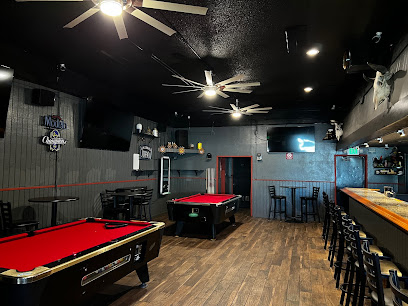
The Village Pub
8.4 km
Discover exquisite New American cuisine and a vibrant bar scene at The Village Pub, Woodside's premier dining destination.