

Free Oxnard Travel Guide & Mobile App
Plan your Oxnard trip with Evendo. Get free guides to top attractions, restaurants, hotels, and bars. Web access or download the mobile app.


Oxnard, California pairs Pacific beaches, Channel Islands Harbor, historic neighbourhoods, Mexican-American culture and coastal attractions with Ventura County sunshine.
Coastal Setting and Island Connections
Oxnard occupies a broad stretch of California’s Ventura County coast between Los Angeles and Santa Barbara, with the Santa Clara River Valley behind it and the Pacific Ocean opening westward. Its shoreline is defined by wide sandy beaches, dunes and the sheltered waters of Channel Islands Harbor, the departure point for boats travelling to Channel Islands National Park. Surf Beach, Oxnard Beach Park and nearby Mandalay State Beach offer quieter coastal scenery than many of Southern California’s better-known seaside cities, while the harbour brings marinas, seafood restaurants and opportunities for kayaking, sailing and wildlife watching.Read more about Oxnard
History in the Cityscape
Everyday Oxnard
When is the best time to visit Oxnard?
Best: July–September · 25–26°C| Month | High (°C) | Rainfall (mm) |
|---|---|---|
| January | 19 | 75 |
| February | 20 | 80 |
| March | 21 | 65 |
| April | 22 | 30 |
| May | 23 | 10 |
| June | 24 | 3 |
| July (best) | 26 | 1 |
| August (best) | 26 | 2 |
| September (best) | 25 | 6 |
| October | 23 | 20 |
| November | 20 | 40 |
| December | 18 | 60 |
Getting to and around Oxnard
How to get there
Transportation
Best attractions in Oxnard
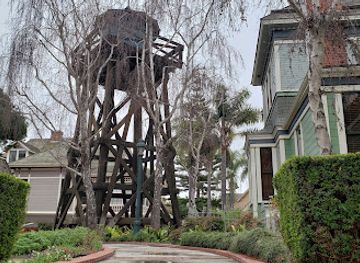
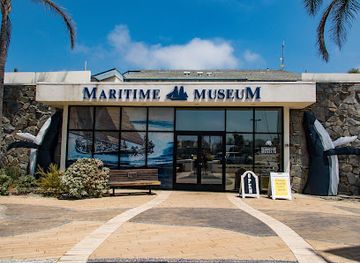
Oxnard’s attractions range from historic streets to open Pacific coastline. Heritage Square brings together restored Victorian homes and public buildings, offering an introduction to the city’s early twentieth-century character, while the nearby Carnegie Art Museum occupies a former Carnegie library building and presents exhibitions in a distinctive historic setting. Downtown’s Plaza Park and surrounding streets provide a civic centre for community events and seasonal markets. Westward, Channel Islands Harbor combines marinas, waterfront paths, restaurants and access to boat trips for wildlife watching or Channel Islands National Park. Oxnard Beach Park and Mandalay State Beach offer broad sands, dunes and spacious views, with a more relaxed atmosphere than many Southern California resort fronts. The Channel Islands Maritime Museum, at the harbour, explores the region’s relationship with the sea through maritime art and history. Together, these places reveal Oxnard as both an agricultural city and a coastal gateway.
-
Historical place museum
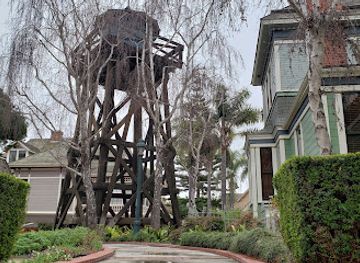
Heritage Square
Discover Oxnard's rich history at Heritage Square: a charming collection of Victorian homes and a vibrant center for community events.
5 min walk · 0.4 km from city centre
-
Tourist attraction
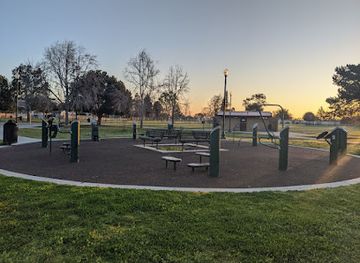
Rio Lindo Park
Discover recreation and relaxation at Rio Lindo Park in Oxnard, CA – a community hub with sports, playgrounds, and tranquil green spaces for all.
9 min drive · 3.0 km from city centre
-
Beach
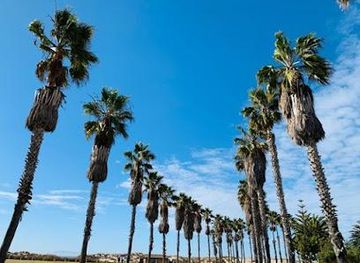
Oxnard State Beach Park
Discover a classic California beach experience at Oxnard State Beach Park: sun, sand, surf, and stunning views await!
18 min drive · 6.0 km from city centre
-
Tourist attraction
Channel Islands Maritime Museum
Explore maritime history and art at the Channel Islands Maritime Museum, featuring world-class ship models and stunning seascape paintings.
17 min drive · 5.8 km from city centre
Best landmarks in Oxnard
Heritage Square is Oxnard’s clearest concentration of historic architectural landmarks, preserving Victorian-era residences and public buildings associated with the city’s early civic and domestic life. The Oxnard Carnegie Art Museum is significant both as a cultural institution and as a surviving Carnegie library building, linking the city to the public-library movement that shaped American towns in the early twentieth century. Downtown churches and commercial buildings reveal the planned town that grew around the sugar-beet industry, while the Oxnard Historic Farm Park interprets the agricultural setting that sustained the city after the factory era. At Channel Islands Harbor, the Channel Islands Maritime Museum reflects Oxnard’s enduring relationship with boating, fishing and the offshore islands. These landmarks are not confined to monumental architecture: together they express the city’s industrial origins, agricultural economy, coastal setting and diverse community history.
-
Shopping mall
The Collection at RiverPark
Experience the best of shopping, dining, and entertainment at The Collection at RiverPark, Oxnard's premier shopping destination.
14 min drive · 4.8 km from city centre
-
New American
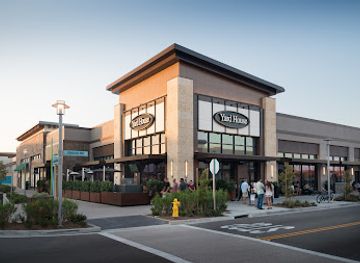
Yard House
Discover the vibrant flavors and lively atmosphere at Yard House, Oxnard's premier destination for New American cuisine and craft beers.
14 min drive · 4.8 km from city centre
-
Historical place museum
Heritage Square
Explore the captivating history of Oxnard at Heritage Square, where beautifully restored buildings tell the stories of the past.
5 min walk · 0.4 km from city centre
-
Park
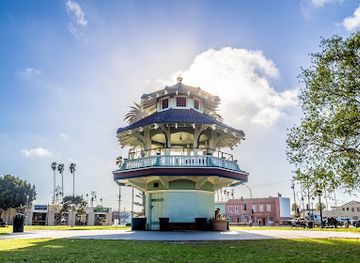
Plaza Park
Explore the natural beauty and vibrant community events at Plaza Park, a serene gem in Oxnard, California, perfect for relaxation and recreation.
4 min walk · 0.3 km from city centre
Explore Oxnard on the map
Plan your Oxnard trip on one map. See where the top attractions, landmarks, restaurants, bars and hotels are, find what's near where you're staying, and book hotels and experiences in a few clicks.
Best hotels in Oxnard
Best restaurants in Oxnard
Oxnard’s dining culture reflects its position between the agricultural Santa Clara River Valley and the Pacific. Mexican-American cooking is central, with taquerias, family-run restaurants and bakeries serving regional styles of tacos, burritos, tamales, menudo and pan dulce alongside dishes shaped by wider Mexican traditions. Seafood is naturally prominent around Channel Islands Harbor, where menus may feature locally inspired preparations of fish, shellfish and other coastal ingredients. Strawberries, berries, vegetables and flowers grown around the city influence seasonal produce stands, farmers’ markets and restaurant cooking. Downtown offers an especially useful introduction to the city’s everyday food culture, while the harbour provides a more explicitly maritime setting. Contemporary cafés and casual international restaurants add variety without displacing the local foundations of Mexican, Californian and seafood-oriented cuisine.
-
Seafood
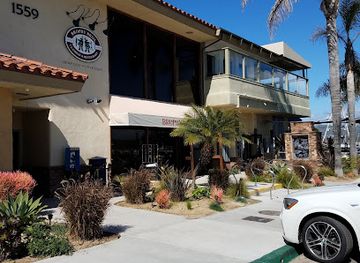
Brophy Bros.
Experience the best of seafood dining at Brophy Bros., where fresh catches meet stunning ocean views in Ventura's vibrant waterfront.
28 min drive · 9.3 km from city centre
-
American
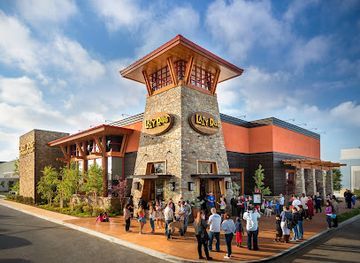
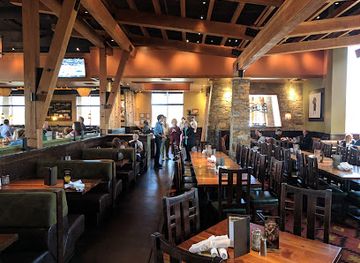
Lazy Dog Restaurant & Bar
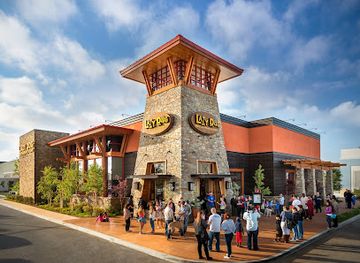
Experience delicious American cuisine in Oxnard at Lazy Dog Restaurant & Bar—perfect for families seeking hearty meals in a cozy atmosphere.
14 min drive · 4.6 km from city centre
-
Mexican
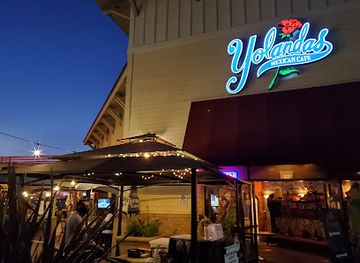
Yolanda's Mexican Cafe
Experience the vibrant flavors of Mexico at Yolanda's Mexican Cafe in Oxnard - where every bite tells a story.
13 min drive · 4.4 km from city centre
-
Buffet
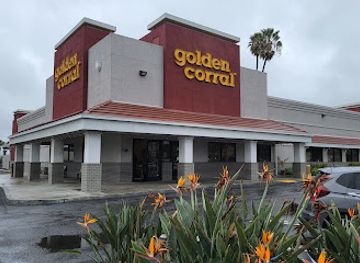
Golden Corral Buffet & Grill
Discover endless culinary delights at Golden Corral Buffet & Grill in Oxnard—where delicious food meets family-friendly service.
10 min drive · 3.4 km from city centre
Best bars in Oxnard
Oxnard’s evening scene is moderate rather than club-focused, with activity concentrated around restaurants, neighbourhood bars, the waterfront and occasional performances. Channel Islands Harbor offers sunset dining, marina views and relaxed drinks, while downtown and nearby commercial areas contain casual bars where local residents gather rather than a single dense nightlife strip. The Oxnard Performing Arts and Convention Center hosts concerts, theatre, cultural programmes and community events, providing an important alternative to late-night venues. Live music and seasonal festivals can add energy to evenings, but schedules change and the city generally suits travellers seeking a low-key coastal night more than large-scale nightclub culture. As elsewhere in California, alcohol is restricted to adults aged 21 and over, and visitors should arrange a designated driver, taxi or rideshare when travelling between dispersed districts.
-
American
Lazy Dog Restaurant & Bar
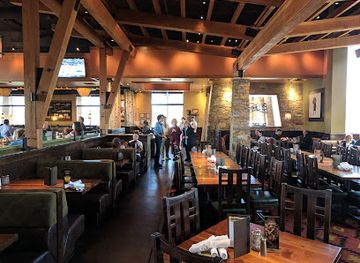
Discover a cozy American dining experience at Lazy Dog Restaurant & Bar in Oxnard, featuring a diverse menu and inviting rustic decor.
14 min drive · 4.6 km from city centre
-
Bar
Yard House
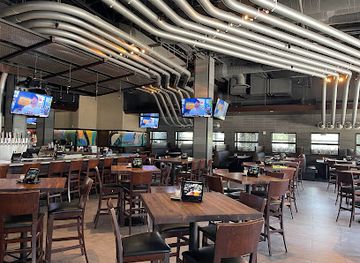
Discover Yard House in Oxnard: a vibrant gastropub offering New American cuisine and an expansive selection of beers, perfect for food lovers and sports fans alike.
14 min drive · 4.8 km from city centre
-
Bar
BJ's Restaurant & Brewhouse
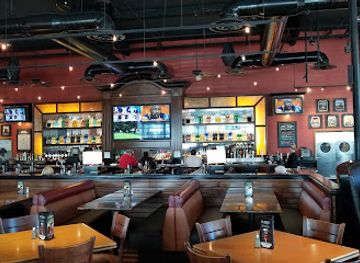
Discover BJ's Restaurant & Brewhouse in Oxnard, where great food meets craft beer in a vibrant and welcoming atmosphere.
13 min drive · 4.3 km from city centre
-
Grill
The Lookout Bar & Grill
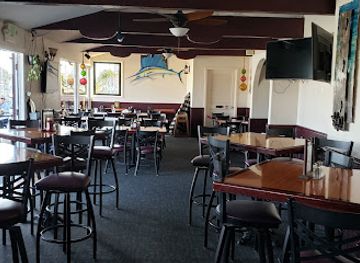
Experience the best of Oxnard dining at The Lookout Bar & Grill, where delicious food meets breathtaking harbor views.
17 min drive · 5.6 km from city centre
Best nightclubs in Oxnard
Oxnard’s evening scene is moderate rather than club-focused, with activity concentrated around restaurants, neighbourhood bars, the waterfront and occasional performances. Channel Islands Harbor offers sunset dining, marina views and relaxed drinks, while downtown and nearby commercial areas contain casual bars where local residents gather rather than a single dense nightlife strip. The Oxnard Performing Arts and Convention Center hosts concerts, theatre, cultural programmes and community events, providing an important alternative to late-night venues. Live music and seasonal festivals can add energy to evenings, but schedules change and the city generally suits travellers seeking a low-key coastal night more than large-scale nightclub culture. As elsewhere in California, alcohol is restricted to adults aged 21 and over, and visitors should arrange a designated driver, taxi or rideshare when travelling between dispersed districts.
-
Sports bar
Q Club Oxnard
Discover Q Club Oxnard, a lively sports bar and grill offering great food, drinks, and entertainment in the heart of Oxnard.
10 min drive · 3.5 km from city centre
-
Mexican
Ruby's Cafe
Discover the vibrant flavors and festive atmosphere of Ruby's Cafe, a premier Mexican dining experience in Oxnard, California.
3 min walk · 0.2 km from city centre
-
Bar
The Thirsty Ox
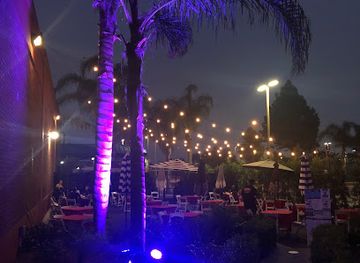
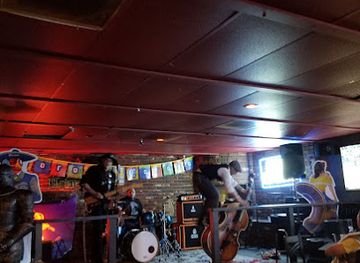
Experience vibrant nightlife at The Thirsty Ox, a cocktail bar in Oxnard offering live music and sports in an electrifying atmosphere.
6 min drive · 1.9 km from city centre
-
Club
The Tower Club, Oxnard
Experience the elegance of The Tower Club in Oxnard, where stunning views, exquisite cocktails, and vibrant nightlife await.
10 min drive · 3.4 km from city centre

Best shops in Oxnard
Shopping in Oxnard combines everyday Californian retail with local produce, independent businesses and waterfront browsing. Downtown streets around Fifth Street and Plaza Park contain small shops and services in a historic setting, while the Collection at RiverPark provides a modern open-air retail and dining complex with national brands and entertainment. Channel Islands Harbor offers a more leisurely waterside environment for browsing marine-oriented businesses, gifts and local services. Seasonal farmers’ markets and farm stands are particularly relevant to Oxnard’s identity, with strawberries, vegetables, flowers and other products from the surrounding agricultural plain often taking centre stage. Visitors seeking souvenirs can look for Mexican-American food products, handmade goods, regional artwork and coastal-themed items, while the city’s historic buildings provide a more distinctive backdrop than enclosed shopping centres alone.
-
Shopping mall
The Collection at RiverPark
Explore The Collection at RiverPark in Oxnard, CA - where shopping, dining, and entertainment come together in a vibrant outdoor setting.
14 min drive · 4.8 km from city centre
-
Shopping mall
The Rose
Discover The Rose in Oxnard, a vibrant shopping mall with diverse shops, dining, and entertainment options for an unforgettable experience.
9 min drive · 3.0 km from city centre
-
Shopping mall
Esplanade Shopping Center
Explore the vibrant Esplanade Shopping Center in Oxnard, California, featuring a diverse range of shops, dining options, and entertainment for all.
12 min drive · 4.1 km from city centre
-
Shopping mall
Centerpoint Mall
Explore Centerpoint Mall in Oxnard for a diverse shopping and dining experience that delights every visitor.
7 min drive · 2.5 km from city centre

Get your free copy of our complete guide to Oxnard, delivered straight to you.
Everything on this page, from attractions and restaurants to essentials and local phrases, in one PDF you can read offline, print or share.
Already have an account? Sign in
Your Oxnard guide is ready.
We'll send it to · Not you? Sign out

Getting your guide ready…
We are putting together a fresh copy of the Oxnard guide. This can take up to a minute.
This can take a few moments. If your browser asks, choose Allow so the download can start. You'll find the guide in your Downloads folder.
Nothing happened? Download it again
Sorry, the guide is taking longer than usual. Please try again in a minute, or get it by email instead.
Oxnard essentials
Currency and Payment
Safety
Emergency Situations
Do's and Don'ts
Local Tips
From Eve
Local phrases worth knowing
You don't need to get them perfect. A few words go a long way, and locals appreciate the effort.
Basics
| English | Local | Say it |
|---|---|---|
| Hello | Hola | [oh-lah] |
| Goodbye | Adiós | [ah-dee-ohs] |
| Yes | Sí | [see] |
| No | No | [noh] |
| Please/You're welcome | Por favor/De nada | [pohr fah-vohr/deh nah-dah] |
| Thank you | Gracias | [grah-see-ahs] |
| Excuse me/Sorry | Perdón/Disculpa | [pehr-dohn/dees-kool-pah] |
| How are you? | ¿Cómo estás? | [koh-moh ehs-tahs] |
| Fine. And you? | Bien. ¿Y tú? | [bee-ehn. ee too] |
| Do you speak English? | ¿Hablas inglés? | [ah-blahs een-glays] |
| I don't understand | No entiendo | [noh ehn-tee-ehn-doh] |
Eating & Drinking
| English | Local | Say it |
|---|---|---|
| I'd like to see the menu, please | Me gustaría ver el menú, por favor | [meh goos-tah-ree-ah vehr ehl meh-noo, poor fah-vohr] |
| I don't eat meat | No como carne | [noh koh-moh kahr-neh] |
| Cheers! | ¡Salud! | [sah-lood] |
| I would like to pay, please | Me gustaría pagar, por favor | [meh goos-tah-ree-ah pah-gahr, poor fah-vohr] |
Emergencies
| English | Local | Say it |
|---|---|---|
| Help! | ¡Ayuda! | [ah-yoo-dah] |
| Go away! | ¡Vete! | [veh-teh] |
| Call the Police! | ¡Llama a la policía! | [yah-mah ah lah poh-lee-see-ah] |
| Call a doctor! | ¡Llama a un médico! | [yah-mah ah oon meh-dee-koh] |
| I'm lost | Estoy perdido | [ehs-toy pehr-dee-doh] |
| I'm ill | Estoy enfermo | [ehs-toy ehn-fehr-moh] |
Shopping
| English | Local | Say it |
|---|---|---|
| I'd like to buy... | Me gustaría comprar... | [meh goos-tah-ree-ah kohm-prahr] |
| I'm just looking | Sólo estoy mirando | [soh-loh ehs-toy mee-rahndo] |
| How much is it? | ¿Cuánto cuesta? | [kwan-toh kwehs-tah] |
| That's too expensive | Eso es demasiado caro | [eh-soh ehs deh-mah-see-ah-doh kahr-oh] |
| Can you lower the price? | ¿Puedes bajar el precio? | [pweh-dehs bah-hahr ehl pree-syoh] |
Time & Numbers
| English | Local | Say it |
|---|---|---|
| What time is it? | ¿Qué hora es? | [keh oh-rah ehs] |
| It's one o'clock | Es la una | [ehs lah oo-nah] |
| Half past (10) | Las diez y media | [lahs dee-ehs ee meh-dee-ah] |
| Morning | Mañana | [mah-nyah-nah] |
| Afternoon | Tarde | [tahr-deh] |
| Evening | Noche | [noh-cheh] |
| Yesterday | Ayer | [ah-yehr] |
| Today | Hoy | [oy] |
| Tomorrow | Mañana | [mah-nyah-nah] |
| 1 | Uno | [oo-noh] |
| 2 | Dos | [dohs] |
| 3 | Tres | [trehs] |
| 4 | Cuatro | [kwah-troh] |
| 5 | Cinco | [seen-koh] |
| 6 | Seis | [says] |
| 7 | Siete | [see-eh-teh] |
| 8 | Ocho | [oh-choh] |
| 9 | Nueve | [nweh-veh] |
| 10 | Diez | [dee-ehs] |
Transport & Directions
| English | Local | Say it |
|---|---|---|
| Where's a/the...? | ¿Dónde está...? | [dohn-deh ehs-tah] |
| What's the address? | ¿Cuál es la dirección? | [kwahl ehs lah dee-rehk-syohn] |
| Can you show me (on the map)? | ¿Puedes mostrarme (en el mapa)? | [pweh-dehs mohs-trahr-meh (ehn ehl mah-pah)] |
| When's the next (bus)? | ¿Cuándo es el próximo (autobús)? | [kwan-doh ehs ehl proh-ksy-moh (ow-toh-boos)] |
| A ticket (to ....) | Un boleto (para ....) | [oon boh-leh-toh (pah-rah)] |
History of Oxnard
Chumash Foundations and Coastal Life
Long before the modern city was established, the Oxnard area formed part of the homeland of the Chumash, whose communities lived along the southern and central California coast and built economies around fishing, gathering, hunting and trade. The nearby coastline, wetlands and river valley supported an abundant environment, while canoe travel connected coastal settlements and offshore islands. Spanish expeditions reached the region in the late eighteenth century, beginning a period of mission influence, introduced diseases and profound disruption to Indigenous society. The Chumash presence remains an essential part of the area’s history, even though much of the visible urban landscape dates from a far later period.
Ranchos Under Spanish and Mexican Rule
During the Spanish mission era and the subsequent Mexican period, the Santa Clara River Valley was transformed by ranching and the redistribution of land. Mission San Buenaventura, founded in 1782 in present-day Ventura, influenced the wider region, while Mexican-era ranchos established large landholdings devoted to cattle and agriculture. After Mexico gained independence from Spain in 1821, secularisation altered the mission system and accelerated the development of private ranches. The area that later became Oxnard remained predominantly rural, with its economy and settlement patterns shaped by livestock, irrigated fields and access to the coastal plain.
The Sugar Factory and a New Town
Oxnard’s modern foundation followed the arrival of the Oxnard brothers, who established the American Beet Sugar Company’s factory on the coastal plain in 1898. The factory attracted workers, investment and transport links, and a planned settlement grew around the industrial enterprise. The town was incorporated as Oxnard in 1903, taking its name from the family rather than from an Indigenous or Spanish place-name. Sugar production helped connect the community to national markets, while rail connections and fertile soils encouraged further agricultural development. The factory itself no longer defines the city, but its creation explains Oxnard’s organised street plan and early economic importance.
Agriculture and Migration
As the sugar-beet industry declined, agriculture remained central to Oxnard’s economy. Irrigation and improved transport supported fields of vegetables, beans, flowers and later strawberries, creating sustained demand for farm labour. Mexican migration, including the movement of workers from Mexico and Mexican-American communities within California, profoundly shaped the city’s social and cultural life. Japanese American farmers also contributed significantly to agriculture before the forced incarceration of Japanese Americans during the Second World War disrupted families and businesses. These overlapping histories are visible in Oxnard’s food traditions, community institutions and continuing relationship with the surrounding farmland.
Historic Downtown and Heritage Square
Oxnard expanded during the early twentieth century as rail travel, agriculture and industry brought new residents and businesses. Commercial buildings, churches and homes appeared around the central town plan, producing the historic streetscape that survives in parts of downtown. Heritage Square, a collection of restored Victorian-era residences and public buildings, provides a particularly clear view of the city’s early civic and domestic architecture. The area’s preservation reflects a broader effort to interpret Oxnard’s past not only through the sugar factory, but also through family life, commerce, religion and the many communities involved in the city’s growth.
A Coastal City in Modern Ventura County
Post-war growth connected Oxnard more closely to the expanding Southern California region, while agriculture, manufacturing, defence-related employment and coastal recreation diversified the local economy. Channel Islands Harbor was developed as a marina and residential waterfront, changing the relationship between the city and its oceanfront while supporting boating and marine activity. Modern Oxnard is also one of Ventura County’s most culturally diverse communities, with Mexican-American traditions especially prominent in neighbourhood life, festivals and cuisine. The city’s contemporary identity therefore rests on several layers: Chumash coastal history, ranching and agriculture, industrial origins, migration and a growing connection with the Pacific.
Oxnard in Photos
Browse through our photo collection highlighting the charm and character of the destination.
Cities near Oxnard
The closest cities to Oxnard, if you have time for more than one stop.
-

-

-

-

-


Swipe for more cities
Explore more
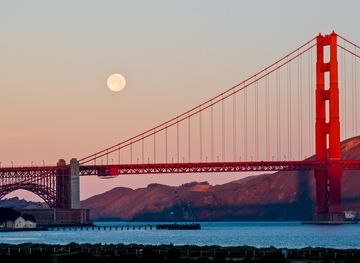
Explore more of California
Discover California: A land of diverse landscapes, iconic cities, and endless adventures, from sun-soaked beaches to towering redwoods and vibrant cultural experiences.
Explore California