The Jack London Oak: A Living Tribute
Visit the Jack London Oak in Oakland, a living tribute to the celebrated author, offering a serene escape and a connection to the city's rich literary and natural history.
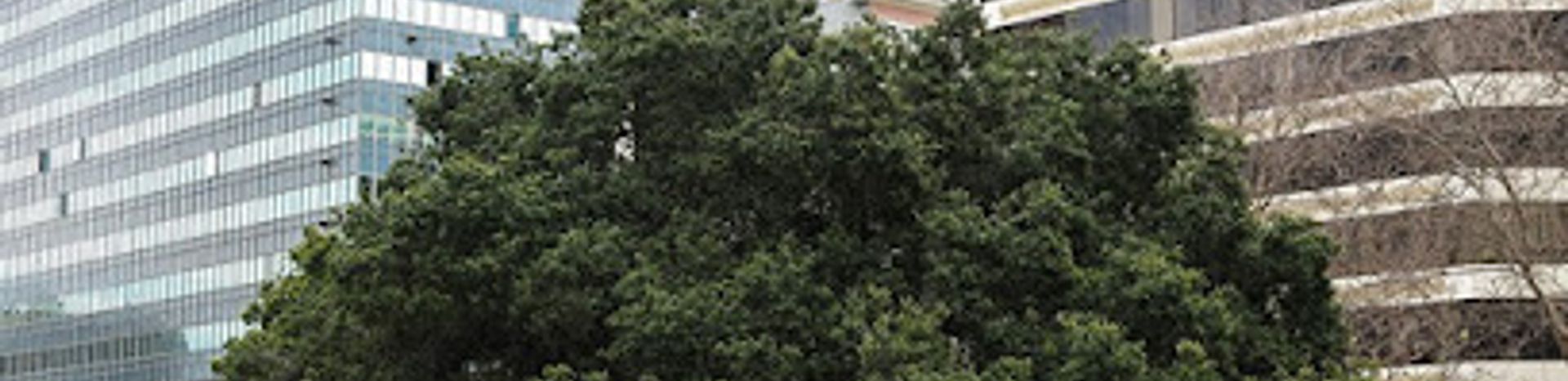
The Jack London Oak, a coast live oak (Quercus agrifolia), stands as a living memorial to the celebrated author Jack London in downtown Oakland. Planted in 1917, a year after London's death, the tree was transplanted from Mosswood Park to its prominent location near City Hall. It symbolizes London's deep connection to Oakland and his enduring legacy. More than just a tree, it represents the city's pride in its literary history and the natural beauty that once characterized the area. Visitors can reflect on London's works and the region's ecological past while enjoying the shade of this majestic oak. The Jack London Oak serves as a reminder of the importance of preserving both cultural heritage and urban green spaces, inviting contemplation and appreciation in the heart of the city. It is a place where locals and tourists alike can connect with Oakland's history and the spirit of one of its most famous sons.
A brief summary to The Jack London Oak
- Oakland, Downtown Oakland, California, 94612, US
Local tips
- Visit during the early morning or late afternoon for quieter moments and beautiful lighting for photographs.
- Combine your visit with a stroll through nearby Jack London Square for dining and shopping options.
- Bring a book by Jack London to enjoy reading under the shade of the oak.

Getting There
-
Walking
If you are in Jack London Square, head towards the waterfront and walk west along Embarcadero West. The Jack London Oak is located at the corner of Embarcadero West and 3rd Street, near Oakland City Hall, approximately a 15-minute walk from the heart of Jack London Square. Look for the large oak tree in Frank Ogawa Plaza.
-
Public Transport
From the 12th Street/Oakland City Center BART station, walk south on Broadway towards City Hall (approximately 10 minutes). The Jack London Oak is located in Frank Ogawa Plaza, adjacent to City Hall. Alternatively, take AC Transit bus lines 12, O, 72, 72M to the stop at Broadway & 3rd St, which is a short walk to the Oak. A single ride on AC Transit costs $2.50.
-
Taxi/Ride-Share
From anywhere in downtown Oakland, a taxi or ride-share (Uber/Lyft) to the Jack London Oak at Frank Ogawa Plaza is a convenient option. The ride will typically take 5-10 minutes depending on traffic and cost approximately $10-$15.
-
Driving
If driving, approach Frank Ogawa Plaza from I-880, taking the Broadway exit. Limited street parking is available around City Hall, and several parking garages are located within a few blocks. The closest parking garages include the Oakland Convention Center Garage (1013 Clay St) and the garage at 59 Broadway. Parking fees typically range from $3-$5 per hour, with daily rates around $15-$30 depending on the garage and time of day.
Discover more about The Jack London Oak
Iconic landmarks you can’t miss

Frank H. Ogawa Plaza
0.0 km
Explore Frank H. Ogawa Plaza, Oakland's vibrant city park, a hub of culture, art, and community events in the heart of downtown.
Oakland City Hall
0.1 km
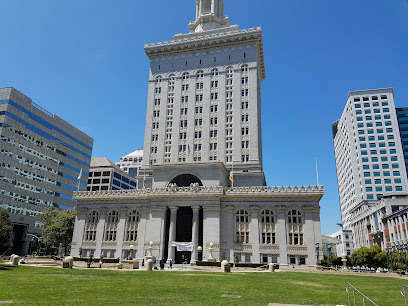
Explore the stunning architecture and vibrant culture at Oakland City Hall, a historic landmark in the heart of Downtown Oakland, California.
Oakland Marriott City Center
0.3 km
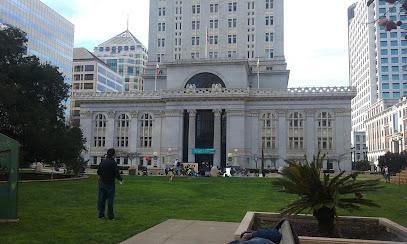
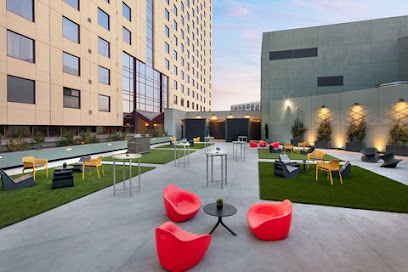
Discover comfort and convenience at the Oakland Marriott City Center, your ideal destination for business and leisure in Downtown Oakland.
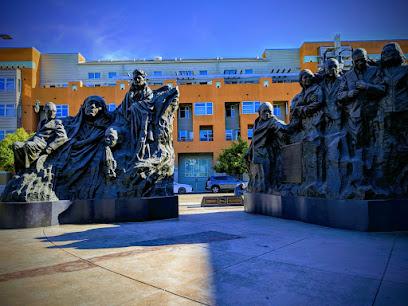
Remember Them
0.4 km
Explore the inspiring Remember Them landmark in Oakland, a tribute to courage and resilience through powerful art and history.
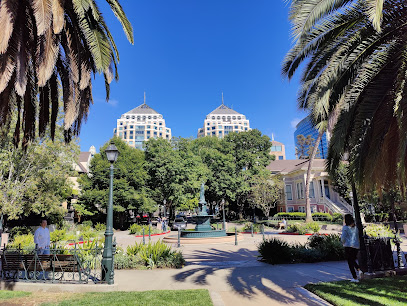
Preservation Park
0.5 km
Discover the tranquil beauty of Preservation Park, a historic memorial park in Downtown Oakland, perfect for relaxation and cultural reflection.
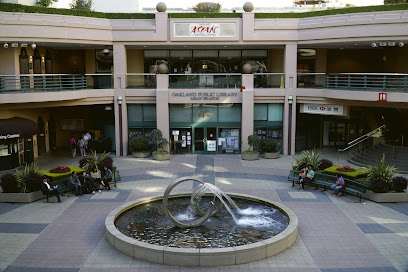
Oakland Chinatown Chamber of Commerce
0.5 km
Explore the vibrant Oakland Chinatown Chamber of Commerce, a cultural hub celebrating rich traditions and local businesses in the heart of Oakland.
First Unitarian Church of Oakland
0.5 km
Discover serenity and community at the First Unitarian Church of Oakland, a historic site of worship and inclusivity in the heart of the city.
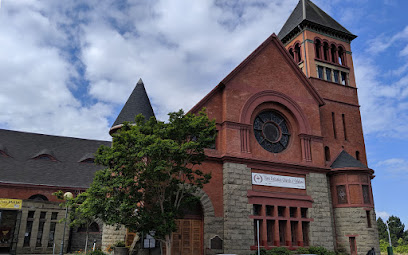
Alameda County Historical Society
0.5 km
Immerse yourself in the captivating history of Alameda County at the Alameda County Historical Society in Oakland, California.
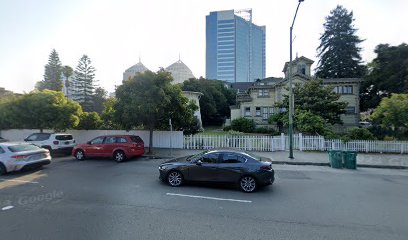
8th St & Broadway
0.6 km
Discover the vibrant intersection of 8th St & Broadway in Downtown Oakland, where culture, cuisine, and community converge in a lively urban atmosphere.
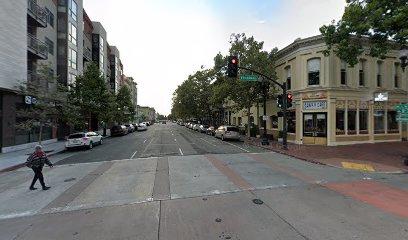
Lincoln Square Park
0.6 km
Experience the tranquility of Lincoln Square Park in Downtown Oakland, a perfect urban retreat for relaxation and recreation.
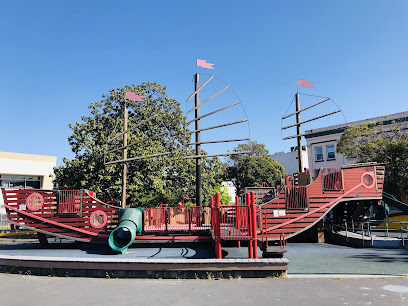
Chinese Garden Park
0.8 km
Explore the tranquil Chinese Garden Park in Oakland, a serene escape with beautiful landscapes, koi ponds, and a touch of cultural heritage.
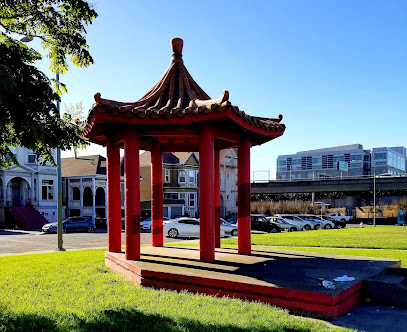
Wilma Chan Park (formerly Madison Square Park)
0.9 km
Discover Wilma Chan Park, an urban oasis in Downtown Oakland offering serene green spaces, walking paths, and a vibrant community atmosphere.
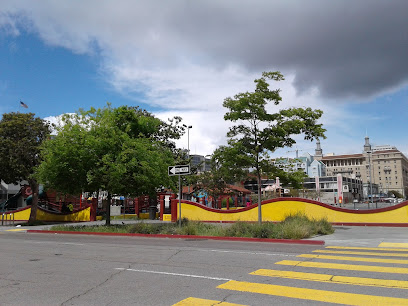
Jack London Park
0.9 km
Explore the scenic beauty and historical charm of Jack London Park in Oakland, a perfect escape for nature lovers and culture enthusiasts.
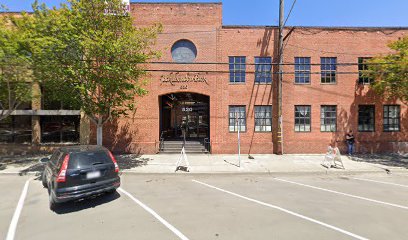
Jack London Square
1.1 km
Discover the vibrant waterfront of Jack London Square, a cultural gem in Oakland showcasing dining, shopping, and rich history.
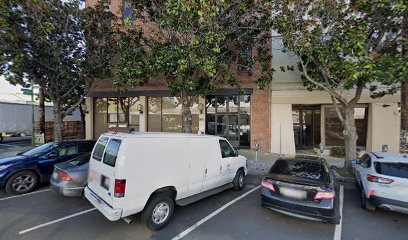
Lakeside Park
1.2 km
Experience the tranquil beauty of Lakeside Park in Oakland, California, where nature meets recreation in a picturesque urban setting.
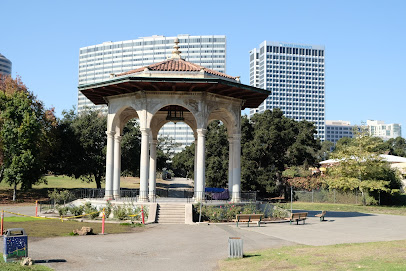
Unmissable attractions to see

Museum of Children's Art
0.1 km
Discover the magic of creativity at the Museum of Children's Art in Oakland, where every child can unleash their artistic potential in a vibrant, interactive environment.
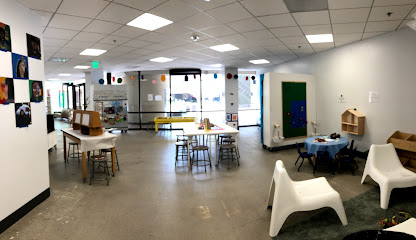
Cathedral Building
0.2 km
Discover Oakland's iconic Cathedral Building: a historic Gothic Revival skyscraper with stunning architecture and a vibrant downtown location.
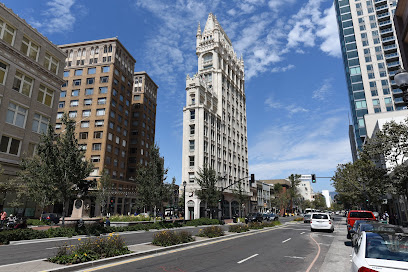
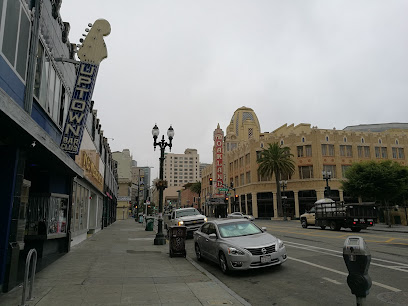
Fox Theater
0.4 km
Experience the grandeur of Oakland's Fox Theater, a beautifully restored movie palace turned premier concert hall, showcasing world-class performances in a historic and opulent setting.
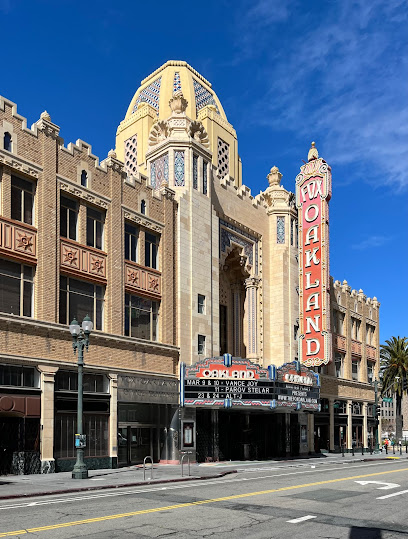
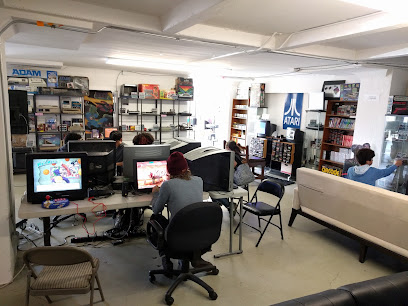
The Museum of Art and Digital Entertainment - (The MADE)
0.4 km
Discover the intersection of art and technology at The Museum of Art and Digital Entertainment, where interactive exhibits bring digital creativity to life.
Remembrance is Power Mural
0.4 km
A vibrant Oakland mural honoring influential artists and community leaders, fostering remembrance and inspiring future generations.

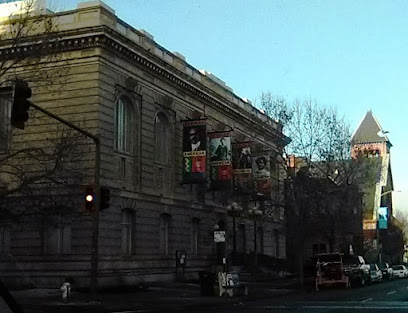
African American Museum and Library at Oakland
0.4 km
Explore the rich history and culture of African Americans in California and the West at this Oakland treasure.
Henry J. Kaiser Memorial Park
0.4 km
A downtown Oakland park honoring champions of humanity with the 'Remember Them' monument, featuring civil rights icons.
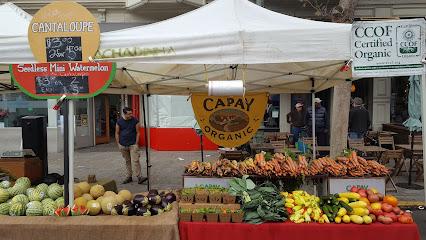
Old Oakland Farmers' Market
0.5 km
Explore the Old Oakland Farmers' Market for fresh produce, delicious street food, and unique artisan crafts every Friday in the heart of Oakland.
Pardee Home Museum
0.5 km
Discover the Victorian charm and historical significance of the Pardee Home Museum in Oakland, a gem for history lovers and cultural enthusiasts.
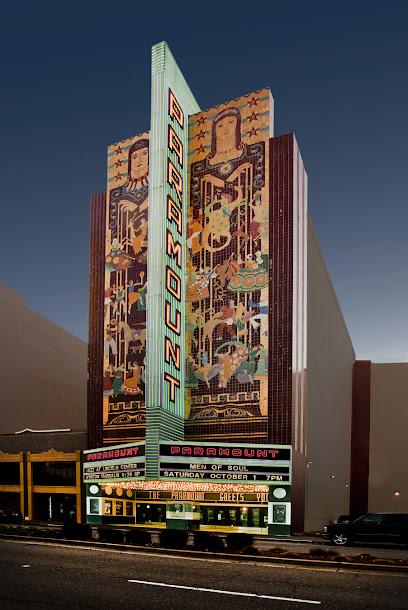
Paramount Theatre Oakland
0.6 km
Discover the iconic Paramount Theatre in Oakland - a stunning venue for live performances, classic films, and rich architectural history.
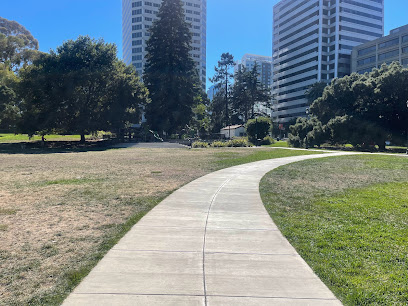
Snow Park
0.7 km
Experience the tranquility and beauty of Snow Park in Downtown Oakland, a perfect urban getaway for nature lovers and families alike.
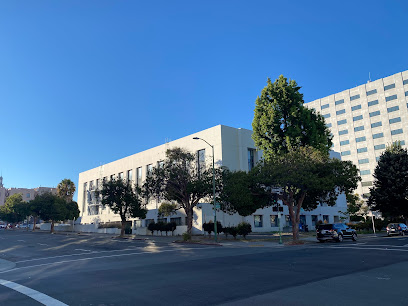
Oakland History Center
0.8 km
Explore Oakland and the East Bay's past through extensive collections at the Oakland History Center.
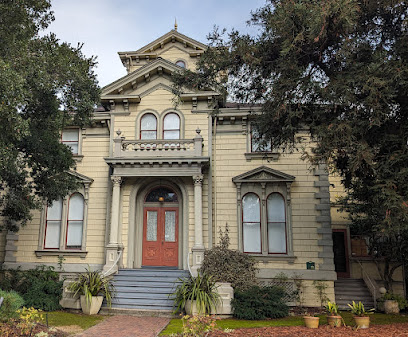
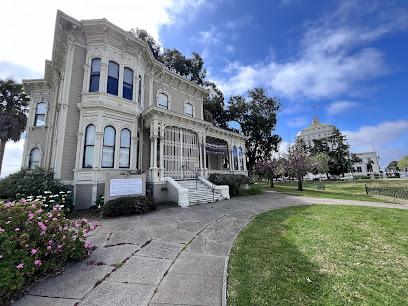
Camron-Stanford House
0.9 km
Explore the rich history and stunning architecture of the Camron-Stanford House, a captivating museum and historical landmark in Oakland, California.
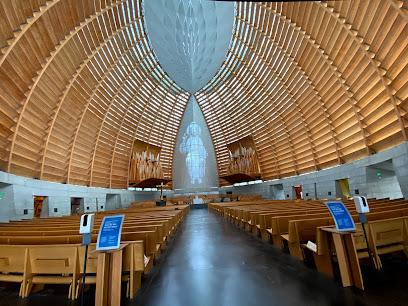
The Cathedral of Christ the Light
1.0 km
Discover the architectural splendor and spiritual tranquility of the Cathedral of Christ the Light in Oakland, a must-see destination for every traveler.
Original Pattern Brewing
1.0 km
Experience the vibrant craft beer culture at Original Pattern Brewing in Oakland, CA, where unique flavors and a welcoming atmosphere await.
Essential places to dine

Oakland Street Food Co.
0.2 km
Explore diverse culinary delights at Oakland Street Food Co., where fusion meets flavor in the heart of Downtown Oakland.
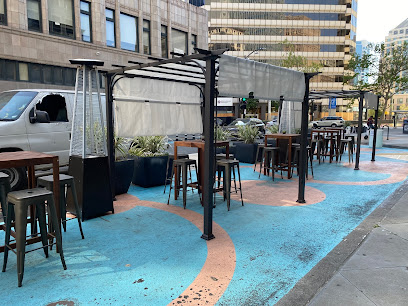
Clove and Hoof
0.2 km
Discover culinary artistry at Clove and Hoof in Downtown Oakland - where New American cuisine meets local flavor innovation.
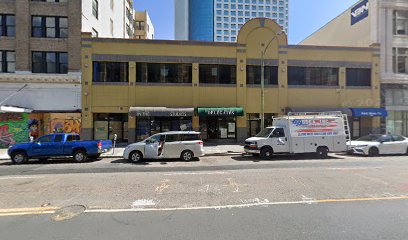
Sobre Mesa
0.3 km
Experience the vibrant fusion of Caribbean and Latin American flavors at Sobre Mesa in Downtown Oakland – where every dish tells a story.
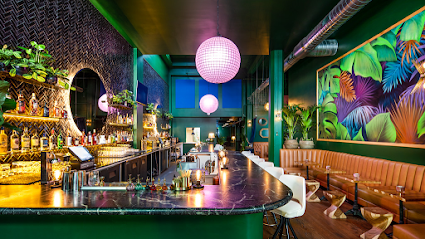
Curry Up Now
0.3 km
Discover Curry Up Now: A culinary gem in Oakland offering creative Indian dishes with vegan and vegetarian delights.
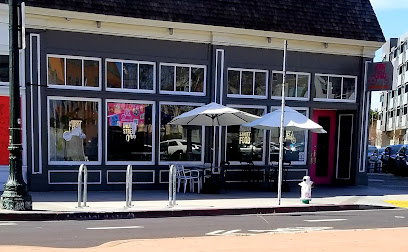
Iron & Oak Restaurant and Bar
0.3 km
Discover Iron & Oak Restaurant: A Culinary Delight in Downtown Oakland Offering American and Californian Cuisine with Craft Cocktails.
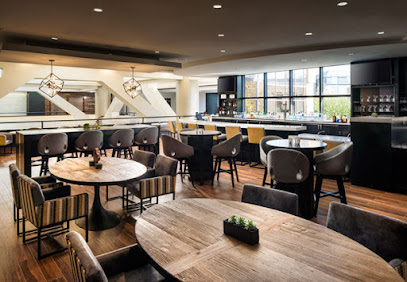
Shinmai
0.4 km
Experience authentic Japanese cuisine at Shinmai in Oakland with delectable ramen, small plates, and innovative cocktails.
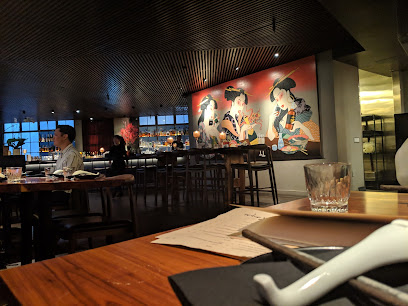
Dinner House
0.4 km
Experience authentic American cuisine at Dinner House in Downtown Oakland – where every meal tells a story of flavor and community.
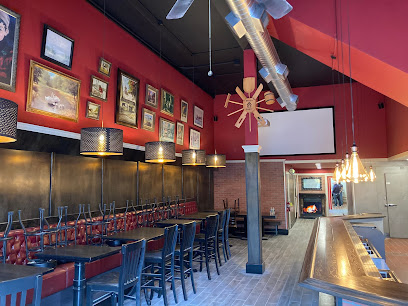
Duende
0.4 km
Experience authentic Spanish tapas and an exquisite wine selection at Duende in Downtown Oakland – a culinary gem for food lovers.
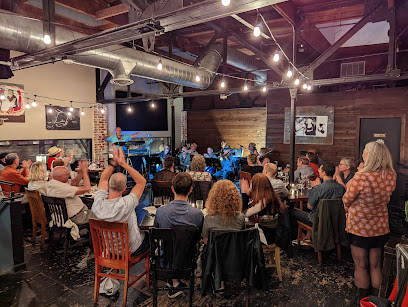
The Cook and Her Farmer
0.4 km
Experience the freshest seafood at The Cook and Her Farmer in Downtown Oakland—where sustainability meets exquisite flavor in every dish.
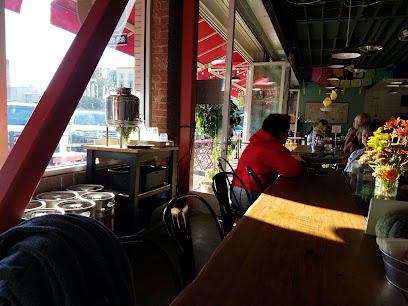
Gum Kuo
0.5 km
Discover the rich flavors of China at Gum Kuo, Oakland's beloved spot for authentic and affordable Chinese cuisine.
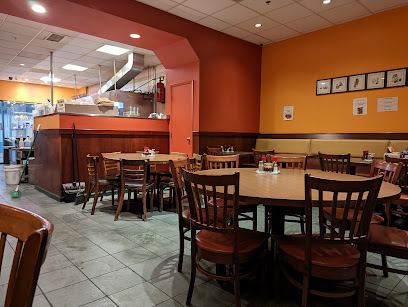
Peony Seafood Restaurant
0.5 km
Experience the best of Cantonese cuisine at Peony Seafood Restaurant in Oakland, featuring exquisite dim sum and fresh seafood delights.
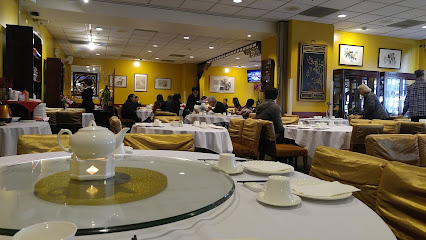
Parlour
0.5 km
Experience the perfect blend of Italian cuisine and Californian flavors at Parlour in Downtown Oakland.
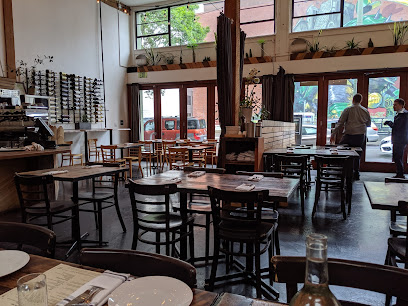
District Oakland
0.5 km
Explore District Oakland: A Culinary Gem Offering Exquisite Tapas, Craft Cocktails & An Inviting Atmosphere in Downtown Oakland.
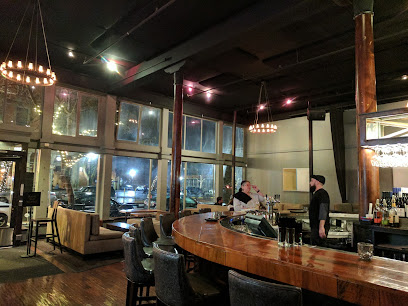
Rio California
0.5 km
Experience authentic Brazilian cuisine at Rio California in Oakland - where traditional flavors meet modern flair in a vibrant setting.
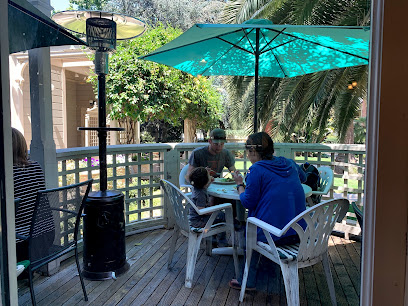
Hopscotch Catering & Takeout
0.5 km
Discover unique flavors at Hopscotch Catering & Takeout—Oakland's go-to spot for delicious meals and exceptional catering services.
Markets, malls and hidden boutiques

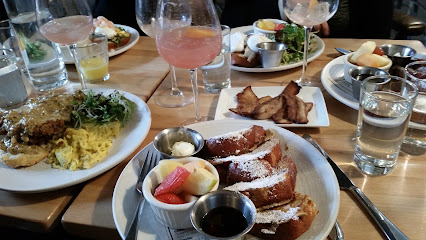
Oaklandish
0.1 km
Explore Oaklandish for unique gifts and clothing that celebrate the vibrant culture of Oakland, California.
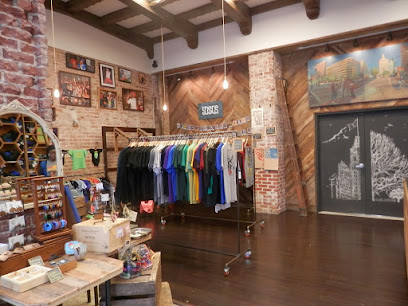
Proper Fashions Boutique
0.2 km
Explore the latest trends at Proper Fashions Boutique, where unique styles and personalized service create the perfect shopping experience in Downtown Oakland.
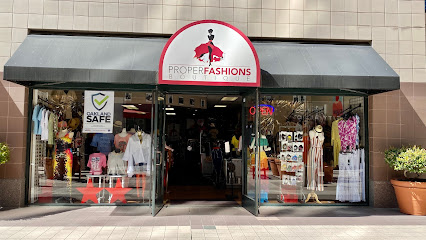
Oakland gift and smoke shop
0.2 km
Explore the vibrant Oakland Gift and Smoke Shop for unique clothing and accessories that embody the local culture and creativity.
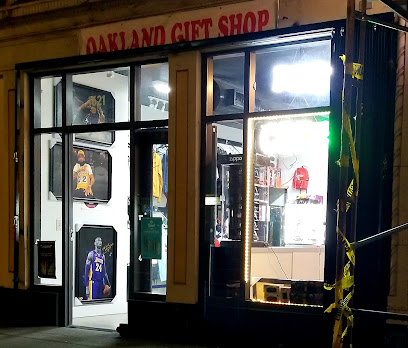
Milam Gift Shop
0.3 km
Explore Milam Gift Shop in Downtown Oakland for unique gifts and local crafts that capture the city's vibrant culture.
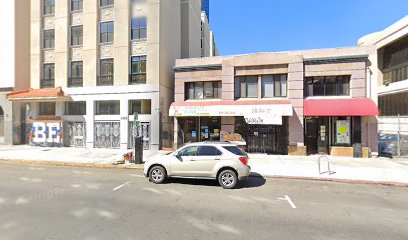
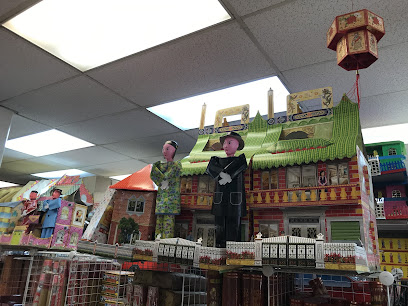
House of Fortune
0.3 km
Explore the serene House of Fortune in Oakland, a unique gift shop and Buddhist temple offering cultural treasures and a tranquil atmosphere.
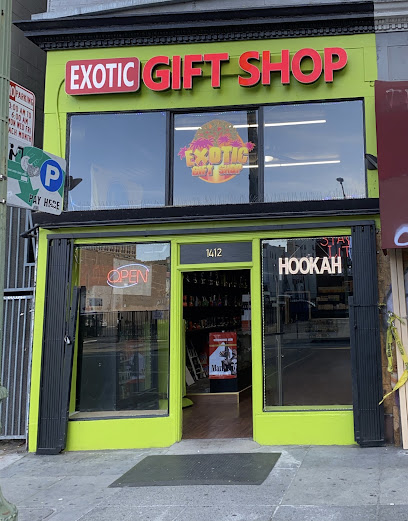
Exotic Gift Shop
0.3 km
Explore the Exotic Gift Shop in Downtown Oakland for unique souvenirs and local treasures that embody the spirit of the region.
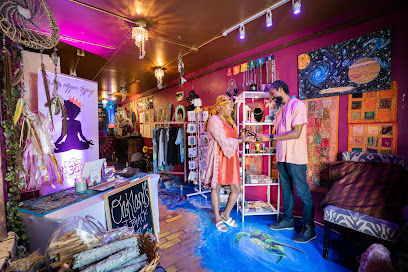
Queen Hippie Gypsy
0.4 km
Explore spiritual supplies and holistic wellness at Queen Hippie Gypsy, a mystical gem in Downtown Oakland offering crystals, incense, and more.
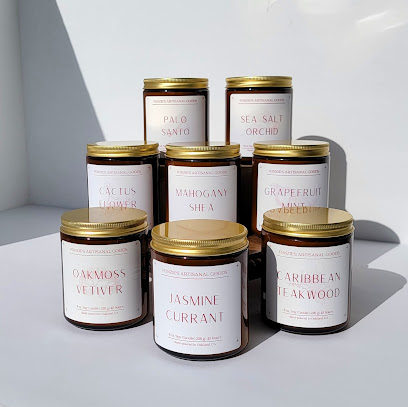
Fonzie's Artisanal Goods
0.4 km
Explore Fonzie's Artisanal Goods for unique, locally crafted gifts and souvenirs in the heart of Downtown Oakland.
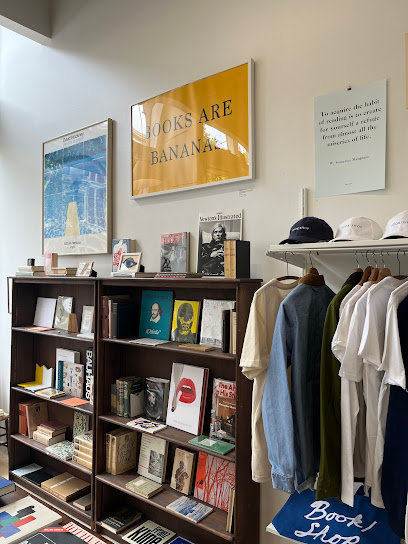
Book/Shop
0.5 km
Discover a literary gem in Downtown Oakland at Book/Shop, where a curated selection of books and friendly staff await every visitor.
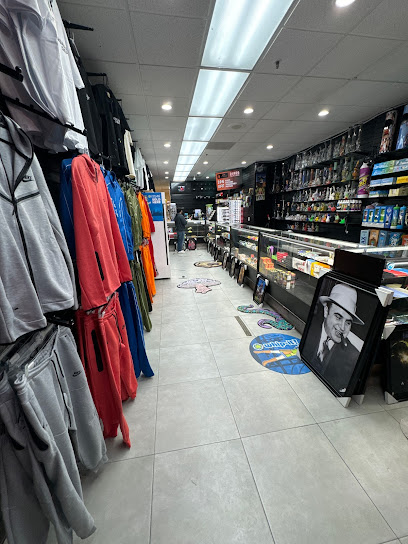
14th Stop & Shop
0.5 km
Experience convenience and comfort at 14th Stop & Shop in Downtown Oakland, your essential stop for snacks and necessities.
Uptown Station
0.5 km
Discover the eclectic shopping and dining experience at Uptown Station, a vibrant shopping mall in Downtown Oakland that reflects the city's unique spirit.
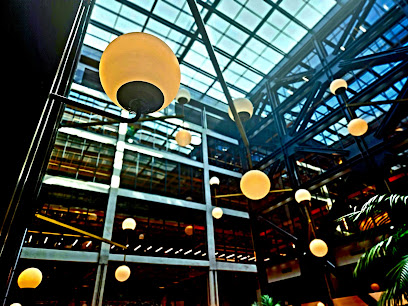
I Tone
0.5 km
Explore the charm of I Tone, a gift shop in Downtown Oakland offering unique local treasures and artisan creations for every traveler.
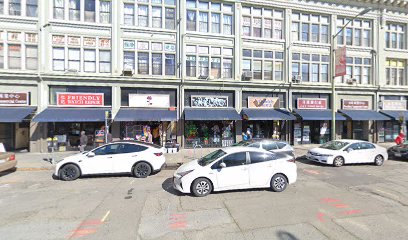
B&Q Shop
0.5 km
Explore B&Q Shop in Downtown Oakland for trendy women's clothing and a unique shopping experience that reflects the city's vibrant fashion scene.
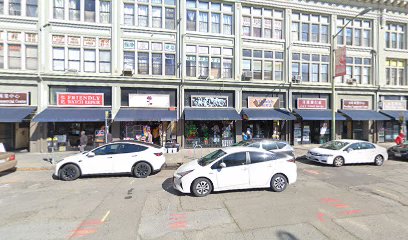
Oakland Chinese Book Store
0.5 km
Explore the rich cultural heritage at Oakland Chinese Book Store, a hidden gem for literature lovers in Downtown Oakland.
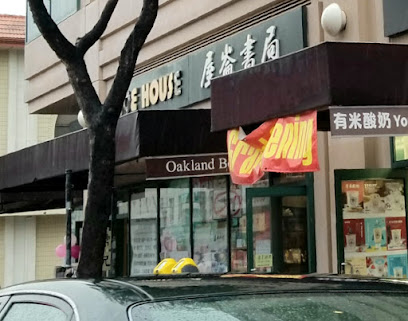
H way gift shop
0.6 km
Explore the heart of Oakland at H Way Gift Shop, where unique gifts and local artistry await every visitor.
Essential bars & hidden hideouts

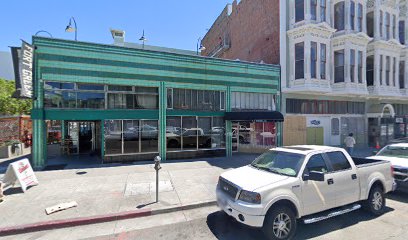
Bar Shiru
0.2 km
Experience the art of cocktail making at Bar Shiru, Oakland's premier cocktail bar, where unique flavors and a vibrant atmosphere await.
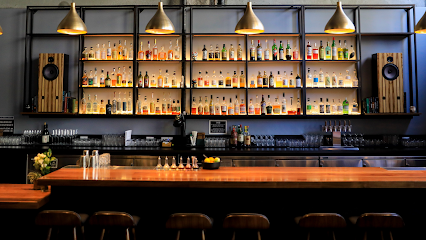
The Hatch Oakland
0.2 km
Experience the vibrant nightlife of Oakland at The Hatch, a lively bar offering a diverse drink selection and an inviting atmosphere.
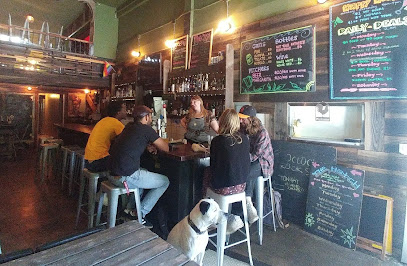
Cafe Van Kleef
0.2 km
Experience the eclectic charm and lively nightlife at Cafe Van Kleef, a must-visit cocktail bar in Downtown Oakland.
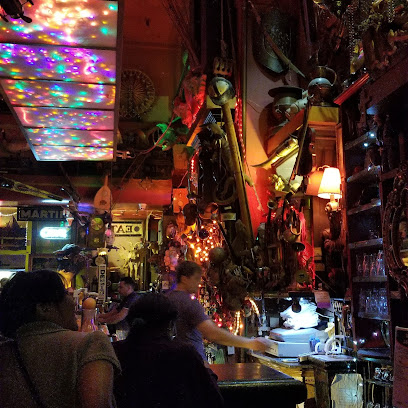
Everything But Hugs & Kisses
0.3 km
Experience the vibrant nightlife of Oakland at Everything But Hugs & Kisses, where great food, strong drinks, and sports come together.
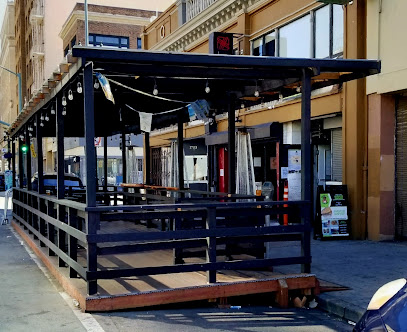
Penelope
0.3 km
Experience the vibrant nightlife at Penelope, a trendy bar and cocktail lounge in Downtown Oakland, perfect for relaxation and socializing.
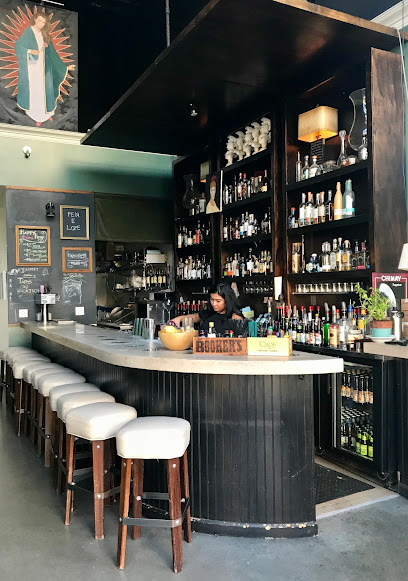
Hello Stranger
0.3 km
Discover the lively atmosphere and creative cocktails at Hello Stranger, Oakland's vibrant bar perfect for a night out with friends.
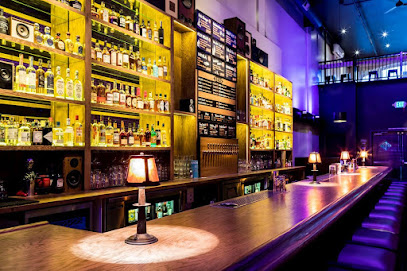
The Punchdown Wine Bar + Bottle Shop
0.3 km
Discover the vibrant taste of California wines at The Punchdown Wine Bar + Bottle Shop in Downtown Oakland, where every sip tells a story.
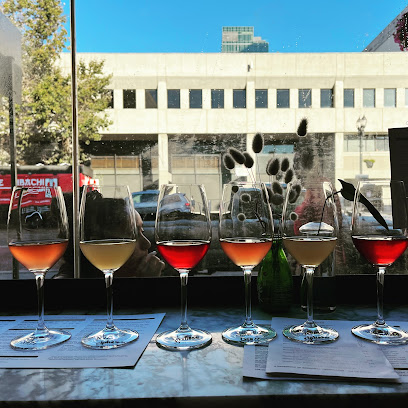
The Miranda
0.3 km
Discover The Miranda, a lively cocktail bar in Downtown Oakland, where innovative drinks and a vibrant atmosphere await your visit.
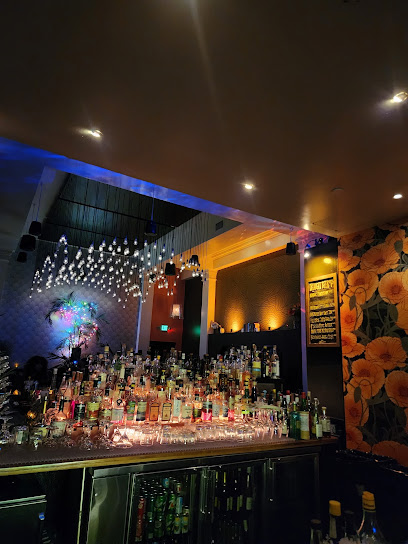
The Kon-Tiki
0.3 km
Experience a tropical oasis in Downtown Oakland at The Kon-Tiki, where exotic cocktails and vibrant ambiance create unforgettable memories.
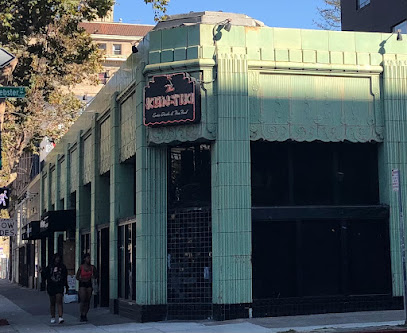
Spice Monkey Restaurant & Bar
0.4 km
Discover the vibrant flavors and lively atmosphere at Spice Monkey Restaurant & Bar, a top spot for food and fun in Downtown Oakland.
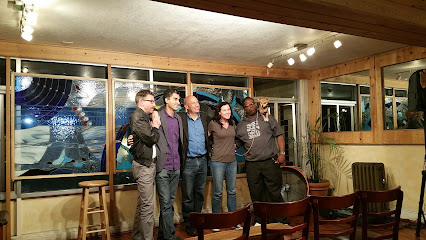
First Edition
0.4 km
Discover the vibrant nightlife at First Edition in Downtown Oakland, where exquisite cocktails meet electrifying dance vibes.
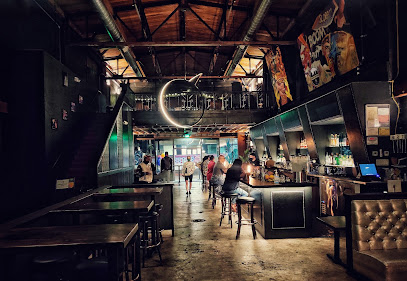
Bar 355
0.5 km
Experience the vibrant nightlife at Bar 355, Oakland's premier cocktail bar, offering innovative drinks and a lively atmosphere.
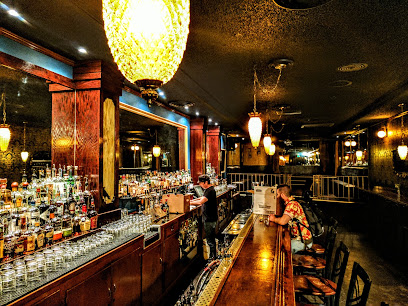
DREXL
0.5 km
Discover DREXL in Downtown Oakland, a lively bar offering creative cocktails and an electric atmosphere perfect for any night out.
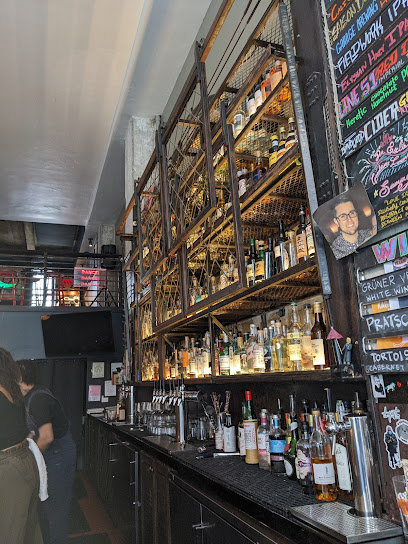
19th Street Station
0.5 km
Explore the lively cocktail culture at 19th Street Station, Downtown Oakland's go-to spot for crafted drinks and an inviting atmosphere.
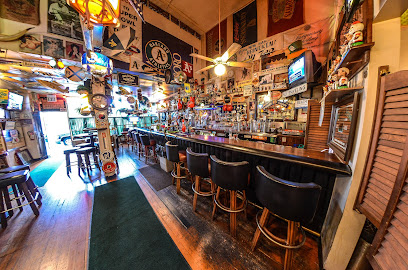
Binny's Cocktail Bar & Restaurant
0.5 km
Discover the culinary delights and vibrant nightlife at Binny's Cocktail Bar & Restaurant in Downtown Oakland, where every visit is a celebration of flavor.
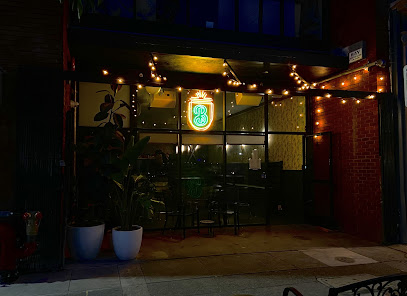
Nightclubs & after hour spots

Fluid510
0.2 km
Discover the lively nightlife of Oakland at Fluid510, a vibrant lounge blending exquisite dining and a lively bar atmosphere.
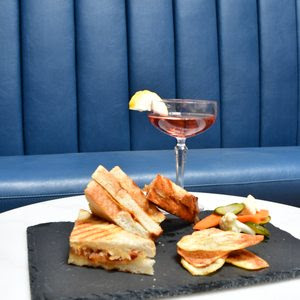
Torch Oakland Rooftop Bar
0.2 km
Experience breathtaking city views and vibrant nightlife at Torch Oakland Rooftop Bar - a perfect blend of style, drinks, and atmosphere.
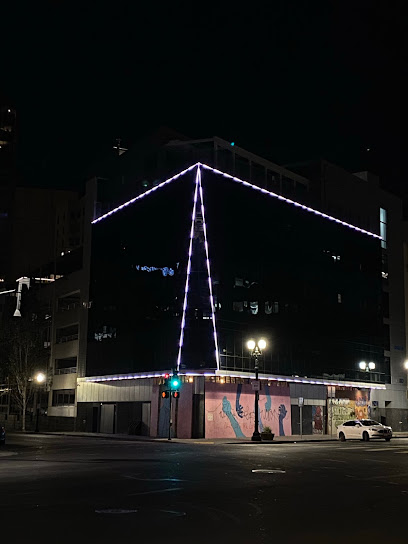
Qué Rico Nightclub
0.3 km
Discover the vibrant nightlife of Qué Rico Nightclub, Oakland's premier gay bar and nightclub, offering great food, drinks, and unforgettable parties.
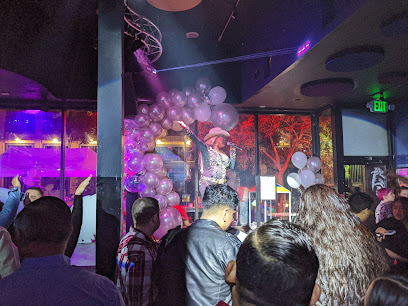
New Karibbean City
0.3 km
Discover New Karibbean City in Oakland: A vibrant night club and Caribbean restaurant with authentic Jamaican cuisine and live music for a memorable night out.
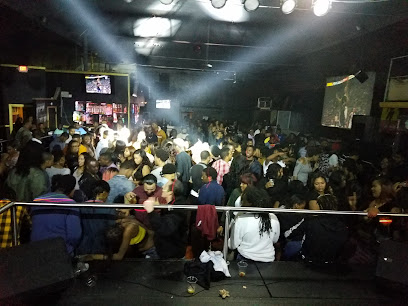
Lux Oakland
0.4 km
Immerse yourself in the vibrant nightlife of Oakland at Lux Oakland, where stylish ambiance and dynamic music create an unforgettable experience.
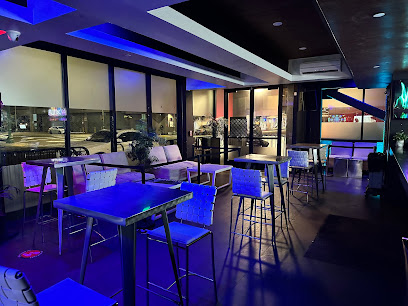
Level 13 Ultra Lounge
0.4 km
Immerse yourself in an upscale nightlife experience at Level 13 Ultra Lounge in Downtown Oakland, where elegance meets vibrant entertainment.
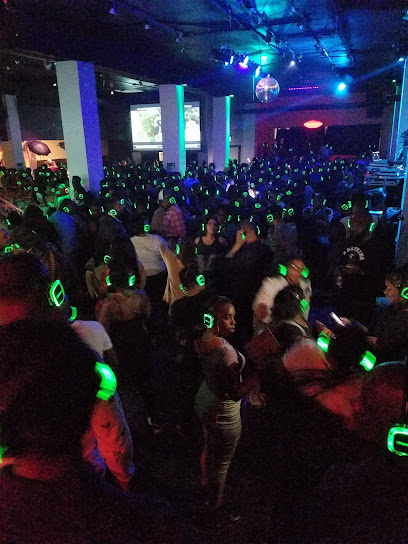
Parliament Event Venue
0.5 km
Discover the lively nightlife at Parliament Event Venue in Downtown Oakland, where great music and vibrant energy create unforgettable experiences.
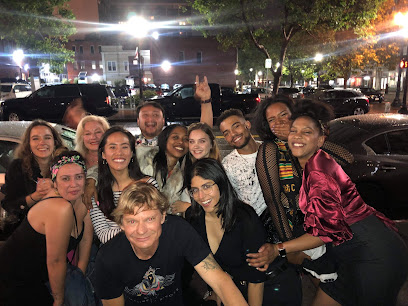
Summer Bar & Lounge
0.5 km
Dive into the nightlife at Summer Bar & Lounge, Oakland's top disco club offering dance, karaoke, and vibrant events in a lively atmosphere.
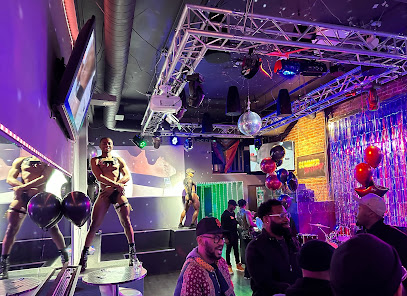
Ruby Room
0.8 km
Experience vibrant nightlife at The Ruby Room in Oakland, where stylish decor meets delicious drinks and unforgettable memories.
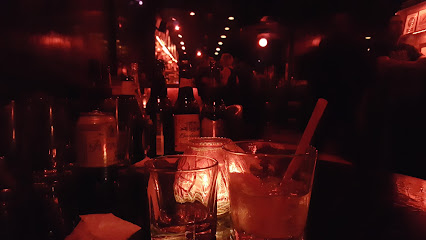
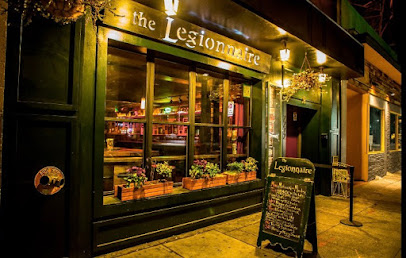
The Legionnaire Saloon
0.9 km
Experience the vibrant nightlife at the Legionnaire Saloon, Oakland's go-to karaoke bar for fun, music, and unforgettable memories.
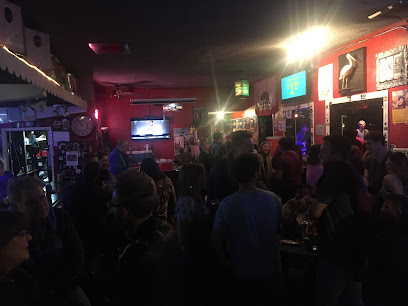
Thee Stork Club
1.0 km
Discover the vibrant nightlife at Thee Stork Club, Oakland's premier night club and cocktail bar offering unforgettable experiences.
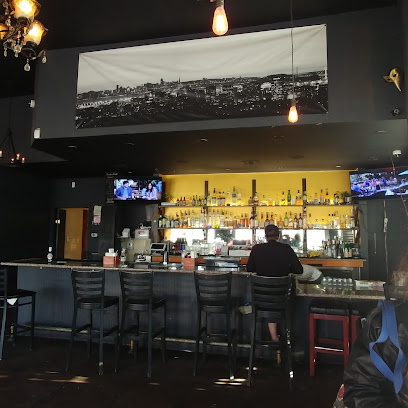
AU Lounge
1.2 km
Discover the vibrant nightlife at AU Lounge in Oakland, where expertly crafted cocktails and a lively atmosphere await.
Eli's Mile High Club
2.3 km
Experience the soulful sounds and delicious bites at Eli's Mile High Club, Oakland's premier blues venue and bar & grill.
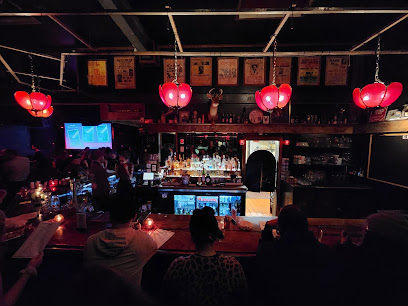
Kona Club
3.6 km
Discover Kona Club in Oakland: A tropical bar oasis with exotic cocktails, live music, and a vibrant atmosphere, perfect for a night out.
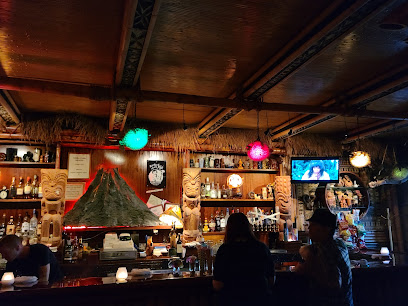
White Horse Inn
5.3 km
Experience the lively spirit and innovative cocktails of White Horse Inn, a welcoming bar in Oakland's vibrant nightlife scene.