

Free San Lorenzo Travel Guide & Mobile App
Plan your San Lorenzo trip with Evendo. Get free guides to top attractions, restaurants, hotels, and bars. Web access or download the mobile app.


San Lorenzo, California combines planned-community history, Bay Area access, local parks, diverse dining and easy outings to Oakland, Hayward and the bay.
A Planned East Bay Community
San Lorenzo is an unincorporated community in Alameda County, positioned between San Leandro and Hayward on the eastern side of San Francisco Bay. It is less a conventional sightseeing city than a lived-in East Bay neighbourhood, with broad residential streets, mature trees, local shopping centres and a strong sense of community life. Its central identity comes from San Lorenzo Village, a large planned neighbourhood developed after the Second World War, whose curving streets, modest detached houses and green spaces reflect the optimism of post-war California.Read more about San Lorenzo
Everyday Life and Local Character
When is the best time to visit San Lorenzo?
Best: July–September · 22°C| Month | High (°C) | Rainfall (mm) |
|---|---|---|
| January | 14 | 75 |
| February | 15 | 65 |
| March | 16 | 55 |
| April | 17 | 35 |
| May | 19 | 20 |
| June | 21 | 10 |
| July (best) | 22 | 5 |
| August (best) | 22 | 5 |
| September (best) | 22 | 10 |
| October | 19 | 20 |
| November | 17 | 35 |
| December | 14 | 65 |
Getting to and around San Lorenzo
How to get there
Transportation
Best attractions in San Lorenzo
San Lorenzo’s attractions are modest in scale but rewarding for visitors interested in suburban history and East Bay life. San Lorenzo Village is the community’s principal point of interest, with curving streets, landscaped verges and post-war houses illustrating an early planned suburb. San Lorenzo Community Park provides open lawns and recreational space, while San Lorenzo Library functions as a useful local cultural centre. Nearby, the Hayward Shoreline and San Leandro shoreline offer trails, marshland scenery and wide views across the bay, although both lie outside San Lorenzo. Regional excursions broaden the picture: Oakland’s museums and lakefront are readily accessible by road or BART, while the nearby city of San Leandro offers historic downtown streets and access towards the marina. These places are best understood as part of the connected East Bay landscape rather than as attractions gathered around a conventional San Lorenzo centre.
-
Tourist attraction
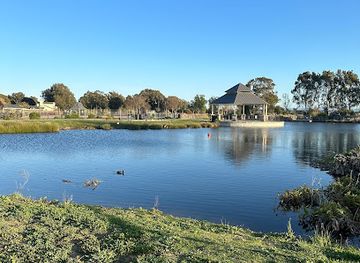
San Lorenzo Community Center Park
A vibrant community park in San Lorenzo offering recreation, events, and natural beauty for all ages to enjoy.
17 min walk · 1.3 km from city centre
-
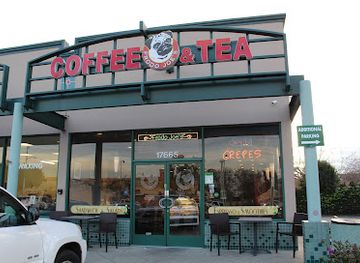
Coffee shop
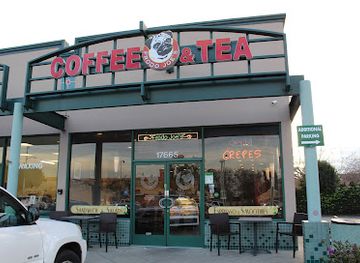
Frodo Joe's Coffee & Tea
A San Lorenzo favorite serving delicious crepes, coffee, and more in a cozy and inviting atmosphere. Open daily for breakfast, brunch, and lunch.
14 min walk · 1.1 km from city centre
-
Tourist attraction
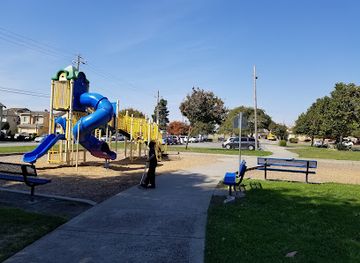
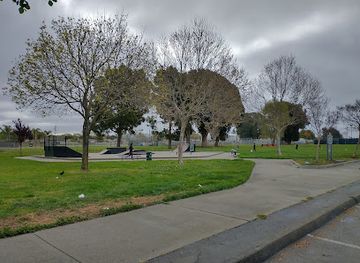
Mervin Morris Park
Discover a vibrant community park in San Lorenzo, CA, offering recreation, relaxation, and activities for all ages. Tennis, playgrounds, and more!
3 min walk · 0.3 km from city centre
-
Park
Via Toledo Park
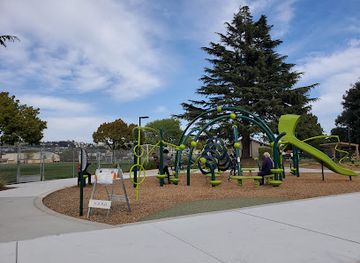
A charming San Lorenzo park with playgrounds, walking paths, and picnic spots, perfect for family fun and community gatherings.
5 min drive · 1.7 km from city centre

Best landmarks in San Lorenzo
San Lorenzo’s landmarks are primarily connected with community planning and local memory rather than monumental architecture. San Lorenzo Village is the defining built landmark: its landscaped streets, neighbourhood schools, shopping areas and repeated mid-century house forms preserve the structure of one of the early large planned post-war suburbs in the United States. San Lorenzo Community Church and other long-established religious institutions reflect the community networks that developed alongside the Village, while the San Lorenzo Library represents the public services supporting daily civic life. San Lorenzo Creek provides an environmental reference point in a heavily developed part of the East Bay, linking the community’s name with the waterways and agricultural landscape that preceded suburban construction. The most substantial historic and architectural landmarks are found in nearby San Leandro, Oakland and Hayward, not within San Lorenzo itself.
-
Park
San Lorenzo Community Center Park
Explore the lush landscapes and recreational offerings of San Lorenzo Community Center Park, a perfect retreat for families and nature lovers alike.
17 min walk · 1.3 km from city centre
-
Park
Mervin Morris Park
Discover Mervin Morris Park in San Lorenzo: A vibrant community hub offering recreation, relaxation, and a touch of local history, perfect for families and outdoor enthusiasts.
3 min walk · 0.3 km from city centre
-
Park
Hayward Regional Shoreline Parking
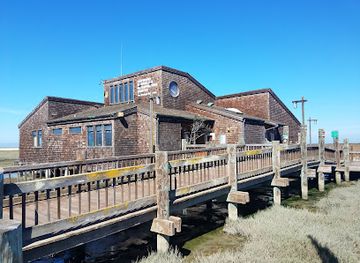
Discover a revitalized wetland ecosystem at Hayward Regional Shoreline, offering miles of trails, diverse birdlife, and stunning bay views, a testament to ecological restoration.
6 min drive · 2.0 km from city centre
-
Park
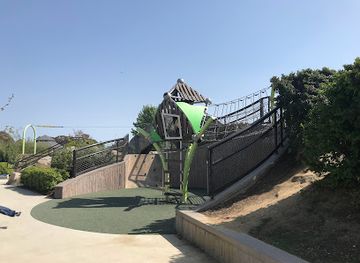
Edendale Park
Discover Edendale Park in San Lorenzo: A revitalized community park with playgrounds, picnic spots, and green spaces for family fun and relaxation. A perfect local escape.
8 min drive · 2.5 km from city centre
Explore San Lorenzo on the map
Plan your San Lorenzo trip on one map. See where the top attractions, landmarks, restaurants, bars and hotels are, find what's near where you're staying, and book hotels and experiences in a few clicks.
Best hotels in San Lorenzo
Best restaurants in San Lorenzo
San Lorenzo’s dining scene reflects the multicultural character of Alameda County and is concentrated mainly along Hesperian Boulevard, local shopping centres and nearby commercial corridors. Visitors will find casual cafés, bakeries, taquerias, Chinese and Vietnamese restaurants, Filipino food, South Asian cooking and other family-run establishments shaped by the Bay Area’s exceptionally diverse communities. The area is more suited to informal meals and everyday neighbourhood dining than to a concentrated restaurant quarter or fine-dining destination. Supermarkets and small food businesses also make it possible to discover regional ingredients and prepared dishes without leaving the community. For a broader choice of established restaurants, food halls and waterfront dining, nearby San Leandro, Hayward and Oakland offer more extensive options, each with a distinct culinary character.
-
Hamburger
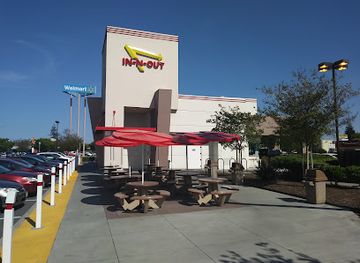
In-N-Out Burger
Experience the classic taste of California at In-N-Out Burger – where quality meets tradition in every bite!
16 min walk · 1.3 km from city centre
-
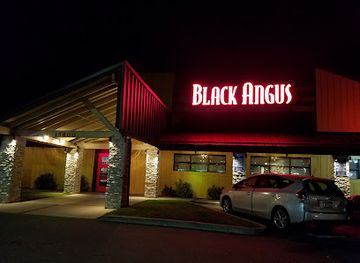
Steak
Black Angus Steakhouse
Indulge in succulent steaks at Black Angus Steakhouse - where flavor meets quality in every bite.
13 min walk · 1.0 km from city centre
-
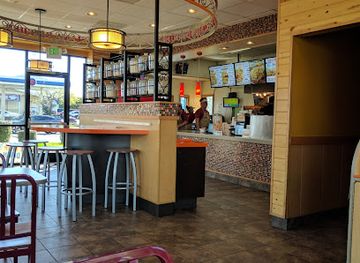
Chicken
Popeyes Louisiana Kitchen
Discover the bold flavors of Cajun cuisine at Popeyes Louisiana Kitchen, where every meal feels like a trip to New Orleans.
13 min walk · 1.1 km from city centre
-
Fast Food
Wendy's
Discover delicious fast food at Wendy's in San Lorenzo - where quality meets flavor in every meal.
13 min walk · 1.0 km from city centre

Best bars in San Lorenzo
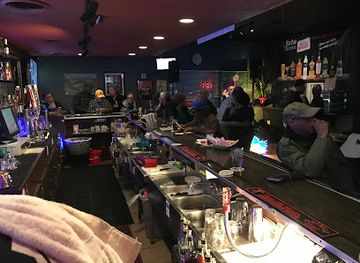
San Lorenzo has a quiet, residential evening character rather than a dedicated nightlife district. Local evenings tend to centre on casual restaurants, cafés, family gatherings and community activities, with bars and late-night entertainment more readily found in nearby San Leandro, Hayward and Oakland. Downtown Oakland provides the region’s broadest choice of live music, theatres, cocktail bars and clubs, while San Francisco is reachable by BART for a much larger night-time programme. Visitors should plan transport carefully, as San Lorenzo itself has no concentrated strip of venues and late-night public transport connections can be less convenient than daytime services. Community parks and local institutions may host occasional cultural or social events, but these are not a substitute for a permanent club scene.
-
Steak
Black Angus Steakhouse
Experience premium steaks and exceptional service at Black Angus Steakhouse in San Lorenzo, where every meal is a celebration of flavor.
13 min walk · 1.0 km from city centre
-
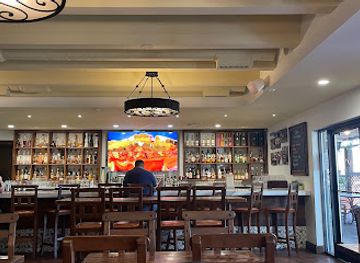
Mexican
The Mexican Restaurant & Bar
Discover authentic Mexican cuisine and a lively atmosphere at The Mexican Restaurant & Bar, a must-visit spot in Hayward for food lovers.
5 min drive · 1.8 km from city centre
-
Coffee shop
Frodo Joe's Coffee & Tea
Experience the ultimate coffee and brunch journey at Frodo Joe's Coffee & Tea in San Lorenzo, a must-visit for coffee enthusiasts and food lovers alike.
14 min walk · 1.1 km from city centre
-
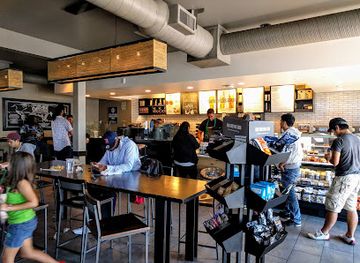
Coffee shop
Starbucks
Discover a cozy haven at Starbucks in San Lorenzo, CA, where exquisite coffee and a warm atmosphere await every traveler.
17 min walk · 1.3 km from city centre


Best nightclubs in San Lorenzo
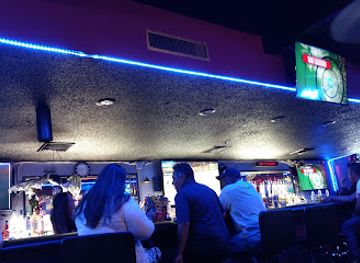
San Lorenzo has a quiet, residential evening character rather than a dedicated nightlife district. Local evenings tend to centre on casual restaurants, cafés, family gatherings and community activities, with bars and late-night entertainment more readily found in nearby San Leandro, Hayward and Oakland. Downtown Oakland provides the region’s broadest choice of live music, theatres, cocktail bars and clubs, while San Francisco is reachable by BART for a much larger night-time programme. Visitors should plan transport carefully, as San Lorenzo itself has no concentrated strip of venues and late-night public transport connections can be less convenient than daytime services. Community parks and local institutions may host occasional cultural or social events, but these are not a substitute for a permanent club scene.
-
Cocktail bar
TipTop Tavern
Discover the vibrant atmosphere, expertly crafted cocktails, and delicious food at TipTop Tavern in San Lorenzo, California, the perfect spot for a night out.
17 min walk · 1.4 km from city centre
-
Bar
Wet lounge
Experience the vibrant nightlife at Wet Lounge, where eclectic drinks and a lively atmosphere await in San Lorenzo, California.
17 min walk · 1.3 km from city centre
-
Bar
991 Club
Discover the lively nightlife at 991 Club in San Leandro, a top bar for great drinks, live music, and unforgettable experiences.
6 min drive · 2.1 km from city centre
-
Night club
El Potro Club
Experience the vibrant nightlife of Hayward at El Potro Club, where music, dance, and excitement come together for an unforgettable evening.
6 min drive · 2.1 km from city centre


Best shops in San Lorenzo
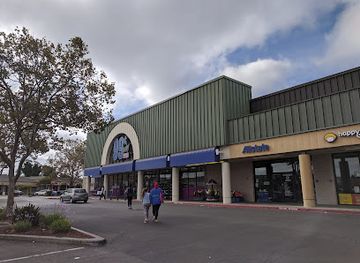
Shopping in San Lorenzo is practical and neighbourhood-oriented, with Hesperian Boulevard and local centres providing supermarkets, pharmacies, independent food businesses, services and small retailers. The area does not have a historic bazaar or a concentrated luxury-shopping quarter, but its everyday commerce reflects the East Bay’s cultural diversity through specialist groceries, bakeries, prepared-food shops and small businesses serving local communities. Larger retail selections are available at Bay Fair in nearby San Leandro and in shopping areas around Hayward, while Oakland offers independent boutiques, makers’ goods, books and specialist food shops. Visitors looking for regional products can browse Bay Area farmers’ markets when operating, but schedules vary; local food specialities and packaged ingredients are generally more characteristic purchases than San Lorenzo-branded souvenirs.
-
Shopping mall
Greenhouse Marketplace
Explore the Greenhouse Marketplace in San Leandro: a shopping haven with diverse stores, delightful dining, and vibrant community events for every traveler.
17 min walk · 1.4 km from city centre
-
Grocery store
Lucky
Experience the vibrant flavors and quality products at Lucky, a beloved grocery store in San Lorenzo, CA, perfect for your culinary needs.
13 min walk · 1.0 km from city centre
-
Coffee shop
Frodo Joe's Coffee & Tea
Discover Frodo Joe's Coffee & Tea in San Lorenzo, where rich brews and delightful bites await in a cozy setting perfect for every visitor.
14 min walk · 1.1 km from city centre
-
Coffee shop
Starbucks
Discover the cozy ambiance and diverse menu of Starbucks in San Lorenzo, the perfect coffee shop for travelers seeking a delightful experience.
17 min walk · 1.3 km from city centre

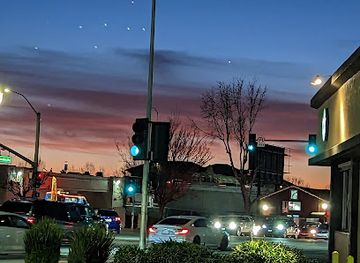
Get your free copy of our complete guide to San Lorenzo, delivered straight to you.
Everything on this page, from attractions and restaurants to essentials and local phrases, in one PDF you can read offline, print or share.
Already have an account? Sign in
Your San Lorenzo guide is ready.
We'll send it to · Not you? Sign out

Getting your guide ready…
We are putting together a fresh copy of the San Lorenzo guide. This can take up to a minute.
This can take a few moments. If your browser asks, choose Allow so the download can start. You'll find the guide in your Downloads folder.
Nothing happened? Download it again
Sorry, the guide is taking longer than usual. Please try again in a minute, or get it by email instead.
San Lorenzo essentials
Currency and Payment
Safety
Emergency Situations
Do's and Don'ts
Local Tips
From Eve
Local phrases worth knowing
You don't need to get them perfect. A few words go a long way, and locals appreciate the effort.
Basics
| English | Local | Say it |
|---|---|---|
| Hello | Hey | [hey] |
| Goodbye | Later | [ley-ter] |
| Yes | Yeah | [yeh] |
| No | Nope | [nohp] |
| Please/You're welcome | Please/No worries | [pleez/noh wur-eez] |
| Thank you | Thanks | [th-anks] |
| Excuse me/Sorry | Sorry | [sor-ee] |
| How are you? | How you doin'? | [h-ow y-oo doh-in] |
| Fine. And you? | Good. You? | [g-ood. y-oo] |
| Do you speak English? | You speak English? | [y-oo speek ing-glish] |
| I don't understand | I don't get it | [ai doh-nt get it] |
Eating & Drinking
| English | Local | Say it |
|---|---|---|
| I'd like to see the menu, please | Menu please | [m-eh-nyoo pleez] |
| I don't eat meat | No meat for me | [noh meet fohr mee] |
| Cheers! | Cheers! | [cheers] |
| I would like to pay, please | Check please | [ch-ek pleez] |
Emergencies
| English | Local | Say it |
|---|---|---|
| Help! | Help! | [help] |
| Go away! | Leave! | [leev] |
| Call the Police! | Call the cops! | [k-awl th-uh cops] |
| Call a doctor! | Get a doc! | [get uh d-ahk] |
| I'm lost | I'm lost | [ai'm lost] |
| I'm ill | I'm sick | [ai'm sik] |
Shopping
| English | Local | Say it |
|---|---|---|
| I'd like to buy... | I want to buy... | [ai w-ant toh b-ai...] |
| I'm just looking | Just looking | [j-ust loo-king] |
| How much is it? | How much? | [h-ow m-uch] |
| That's too expensive | Too pricey | [too pr-ai-see] |
| Can you lower the price? | Lower the price? | [loh-er th-uh pr-ai-ce] |
Time & Numbers
| English | Local | Say it |
|---|---|---|
| What time is it? | What time? | [w-ut t-aim] |
| It's one o'clock | It's one | [its w-uhn] |
| Half past (10) | Half ten | [h-ahf t-ehn] |
| Morning | Morning | [m-ohr-n-ing] |
| Afternoon | Afternoon | [af-ter-noon] |
| Evening | Evening | [ee-v-ning] |
| Yesterday | Yesterday | [y-est-er-day] |
| Today | Today | [t-uh-day] |
| Tomorrow | Tomorrow | [t-uh-mor-ow] |
| 1 | One | [w-uhn] |
| 2 | Two | [too] |
| 3 | Three | [three] |
| 4 | Four | [fohr] |
| 5 | Five | [f-ahy-v] |
| 6 | Six | [s-iks] |
| 7 | Seven | [s-eh-v-ehn] |
| 8 | Eight | [eyt] |
| 9 | Nine | [n-ahyn] |
| 10 | Ten | [tehn] |
Transport & Directions
| English | Local | Say it |
|---|---|---|
| Where's a/the...? | Where's the...? | [wh-ehrz th-uh] |
| What's the address? | What's the address? | [w-ut's th-uh uh-dress] |
| Can you show me (on the map)? | Show me (on the map) | [sh-oh mee (on th-uh map)] |
| When's the next (bus)? | Next (bus)? | [nekst (bus)] |
| A ticket (to ....) | Ticket (to ...) | [t-ih-ket (to ...)] |
History of San Lorenzo
Ohlone Homelands and Spanish Settlement
The San Lorenzo area lies within the ancestral homeland of Ohlone peoples, who lived across the East Bay in communities supported by the region’s creeks, marshes, grasslands and shoreline resources. Spanish colonial expansion altered this landscape during the late eighteenth century, when Mission San Francisco de Asís, commonly known as Mission Dolores, claimed influence over a wide territory. The creek and surrounding lands later took the name San Lorenzo, reflecting the region’s Spanish and mission-era naming patterns. Missionisation, introduced disease, land dispossession and forced labour profoundly disrupted Indigenous life, while later Mexican and American development further transformed the environment.
Rancho San Lorenzo under Mexico
After Mexico gained independence from Spain in 1821, mission lands were secularised and large areas of the East Bay were granted as ranchos. Rancho San Lorenzo became associated with José Joaquín Estudillo, a prominent Californio landowner whose family also held substantial property around San Leandro. The rancho landscape was agricultural and pastoral rather than urban, consisting of open fields, creeks and access to the productive bay margin. The Mexican period established many of the land divisions and place names later encountered by American settlers, although the rancho system itself was fundamentally changed after the United States took control of California.
American Rule and Agricultural Change
Following the Mexican-American War and California’s admission to the United States in 1850, Alameda County developed through farming, transport links and the growth of nearby San Leandro and Hayward. The lands around present-day San Lorenzo remained largely rural, with orchards, dairies and other agricultural enterprises taking advantage of fertile East Bay soils and access to regional markets. Rail and road connections strengthened the relationship between rural settlements and the expanding cities around San Francisco Bay. Over time, agricultural parcels were subdivided, and the area became increasingly connected to the industrial and commercial development of the East Bay.
The San Lorenzo Village Experiment
The defining transformation of modern San Lorenzo began during the Second World War, when developer David D. Bohannon created San Lorenzo Village on former agricultural land. Construction started in the 1940s, and the community became one of the country’s early large-scale planned suburban developments. Its curving streets, standardised but varied house designs, schools, shopping areas, churches and parks were arranged as an integrated neighbourhood rather than an unplanned tract. The Village reflected post-war demand for affordable single-family homes and car-oriented living, while its original design continues to shape San Lorenzo’s physical character.
A Diverse Contemporary Community
After the war, San Lorenzo matured from a new housing development into an established East Bay community. Families from different backgrounds settled in the area, and later generations added new cultural, religious and culinary influences to the neighbourhood’s identity. San Lorenzo remains unincorporated, with local services administered through Alameda County and shared regional institutions rather than a separate municipal government. Its history is therefore visible less through grand civic monuments than through the surviving Village layout, community facilities, older homes, schools and the continuing contrast between suburban streets and the surrounding Bay Area’s dense urban development.
San Lorenzo in Photos
Browse through our photo collection highlighting the charm and character of the destination.
Cities near San Lorenzo
The closest cities to San Lorenzo, if you have time for more than one stop.
-

-

-

-

-


Swipe for more cities
Explore more
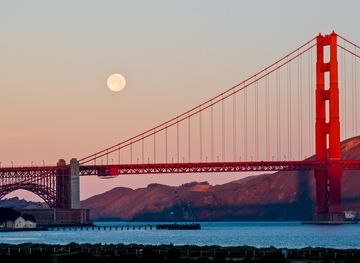
Explore more of California
Discover California: A land of diverse landscapes, iconic cities, and endless adventures, from sun-soaked beaches to towering redwoods and vibrant cultural experiences.
Explore California