Mechanics Monument: A Tribute to Labor
A historic bronze sculpture in San Francisco's Financial District, the Mechanics Monument pays tribute to the city's industrial past and the enduring spirit of its working class.
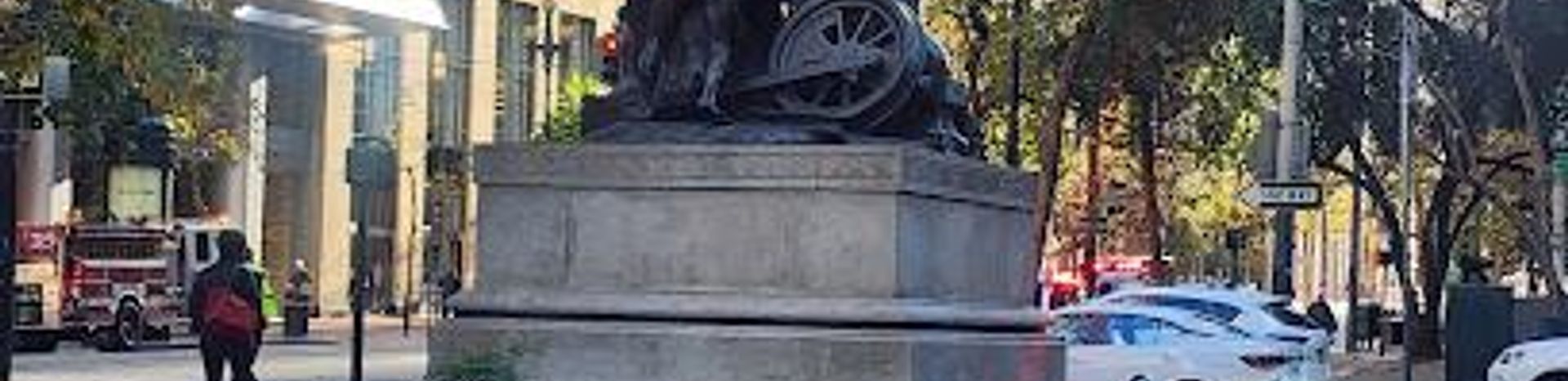
The Mechanics Monument, also known as The Mechanics Statue or Mechanics Fountain, is a bronze sculpture group by Douglas Tilden, standing proudly at the intersection of Market, Bush, and Battery Streets in San Francisco's Financial District. Created as part of a city beautification project and unveiled in 1901, the monument commemorates the contributions of industry and labor to the city's development. It depicts five figures, representing the 'five ages of man,' working on a large punching machine. The monument has become a beloved landmark, surviving the 1906 earthquake and fire, and serving as a symbol of resilience and the city's industrious spirit. The surrounding plaza offers a serene space to admire the artistry and reflect on the monument's historical significance.
A brief summary to Mechanics Monument
- Mechanics Monument, 488 Market St, San Francisco, Financial District, California, 94111, US
Local tips
- Take some time to stroll around the plaza and enjoy the surrounding architecture of the Financial District.
- Visit during lunchtime on a weekday to experience the plaza's lively atmosphere with food trucks and local workers.
- Check the Downtown SF Partnership's website for events and activities happening at the plaza.

Getting There
-
Public Transport
The Mechanics Monument is easily accessible via San Francisco's public transportation system (Muni). Several Muni Metro lines (K, M, N) and bus lines (e.g., 14R, 38R) have stops within a short walking distance of the monument. From the Montgomery Street Station (Muni Metro), walk northeast on Market Street towards Battery Street. The monument will be on your right at the intersection of Market, Bush, and Battery Streets. A single Muni fare is $3.00 for adults paying with cash, or $2.75 using a Clipper card or the MuniMobile app. A day pass, allowing unlimited rides on Muni (excluding cable cars), is available for $5. A visitor passport, including cable cars, costs $13 for one day.
-
Taxi/Ride-Share
Taxis and ride-sharing services (Uber/Lyft) provide a convenient way to reach the Mechanics Monument. Simply provide the address (488 Market St, San Francisco, CA 94111) as your destination. Taxi fares in San Francisco start at $4.15, with additional charges per mile and waiting time. A short ride from nearby locations like Union Square or Fisherman's Wharf will likely cost between $15 and $25, depending on traffic. Ride-sharing services may have variable pricing based on demand.
-
Walking
If you are already in the Financial District or nearby areas like Union Square, walking to the Mechanics Monument is a pleasant option. From Union Square, walk east on Geary Street, then turn right onto Kearny Street. Continue onto Market Street, and the monument will be on your right at the intersection of Market, Bush, and Battery Streets. The walk is approximately 15-20 minutes. Be aware of pedestrian traffic and street crossings.
-
Driving
Driving to the Mechanics Monument is possible, but parking in the immediate vicinity can be challenging and expensive. Several parking garages are located within a few blocks, including those at 7 Fremont St, 455 Market Street, and 100 Pine St. Hourly parking rates typically range from $4 to $8, with daily maximums between $30 and $45. Street parking is also available, but it is often limited and subject to time restrictions. Be sure to read parking signs carefully to avoid tickets. Consider using a parking app like SpotHero or Way.com to find and reserve parking in advance.
Discover more about Mechanics Monument
Iconic landmarks you can’t miss

Mechanics Monument
0.0 km
Discover the Mechanics Monument in San Francisco's Financial District – a stunning sculpture celebrating the city's engineering heritage and vibrant history.
California Historical Landmark 83: Two Shoreline Markers
0.0 km
Discover the historical significance of the Two Shoreline Markers in San Francisco's Financial District, a must-see for maritime history enthusiasts.
Flatiron Building
0.1 km
Explore the iconic Flatiron Building in San Francisco, a stunning architectural marvel that beautifully captures the city's historical essence and vibrant atmosphere.
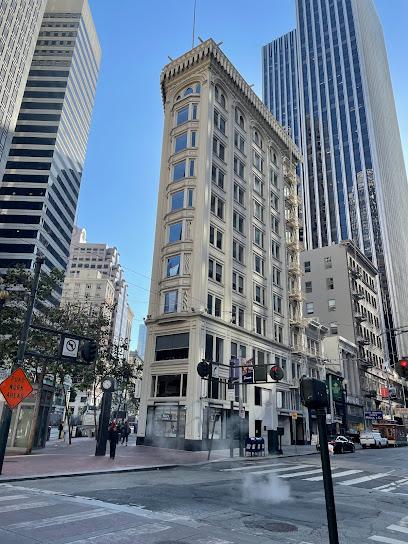
California Historical Landmark 861: Site of First California State Fair
0.2 km
Explore California's rich agricultural history at the Site of the First California State Fair, a significant historical landmark in the heart of San Francisco.
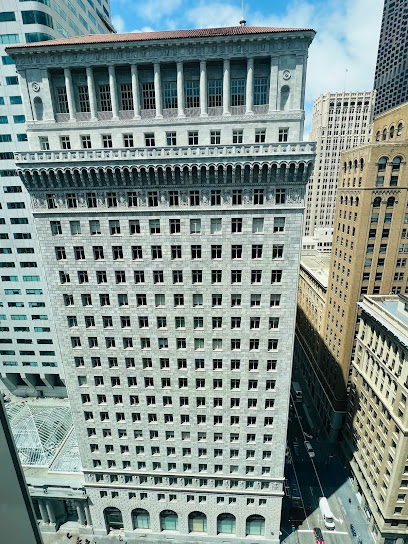
Matson Building and Annex
0.3 km
Explore San Francisco's maritime past at the historic Matson Building and Annex, a Renaissance Revival masterpiece that once served as the headquarters for the Matson Navigation Company.
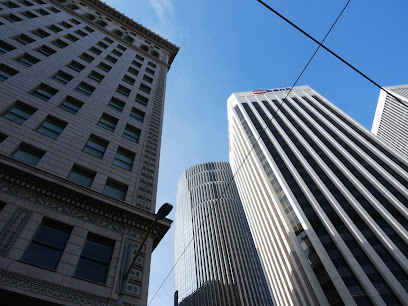
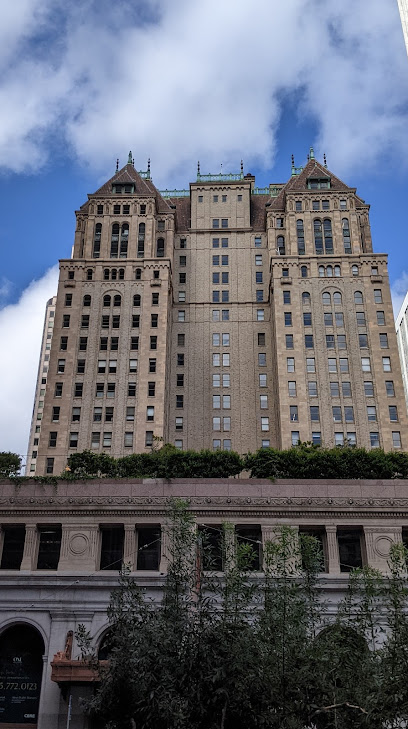
Hunter-Dulin Building
0.3 km
Discover the Hunter-Dulin Building in San Francisco: A historic 1920s architectural masterpiece blending French Chateau and Romanesque styles, once home to NBC and Sam Spade's fictional office.
Belden Place
0.4 km
Discover a taste of Europe in the heart of San Francisco's Financial District at Belden Place, a charming alleyway known for its vibrant al fresco dining and diverse culinary scene.
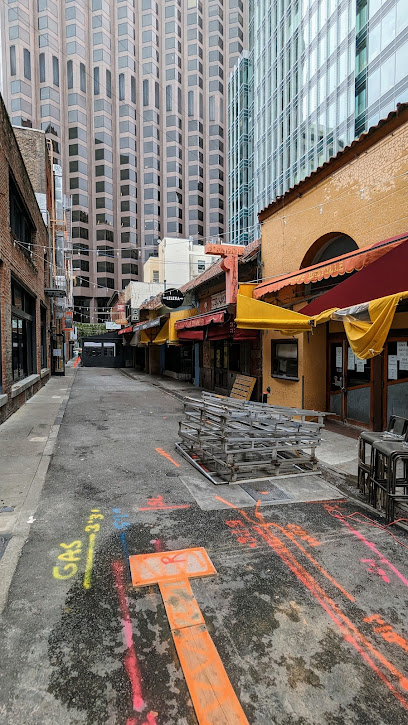
California Historical Landmark 819: Hudson's Bay Company
0.5 km
Discover the rich history of Hudson's Bay Company, a pivotal landmark in San Francisco's Chinatown, reflecting the city's vibrant past and cultural diversity.
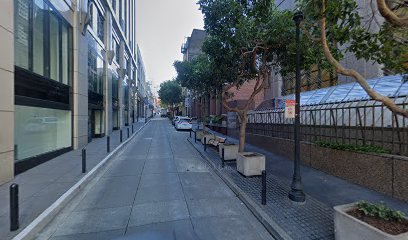
California Theatre
0.5 km
Explore the legacy of San Francisco's historic California Theatre, once a premier entertainment venue, now a California Historical Landmark, and discover its impact on the city's cultural heritage.
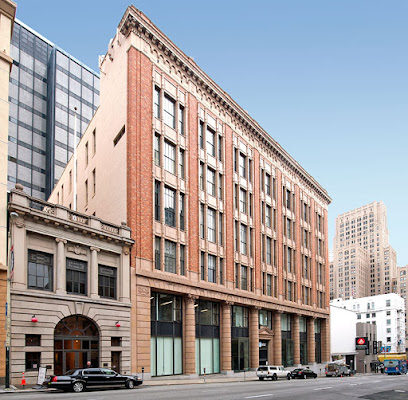
California Historical Landmark 87: Site of First United States Mint in California
0.5 km
Explore the historical significance of California's First United States Mint site, a cornerstone of America's financial heritage in vibrant San Francisco.
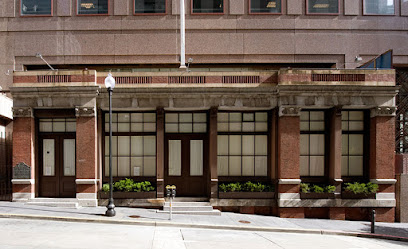
Old Chronicle building (Historical Landmark)
0.5 km
Discover the historic Old Chronicle Building in San Francisco's Union Square, a beautiful landmark symbolizing resilience and architectural elegance.
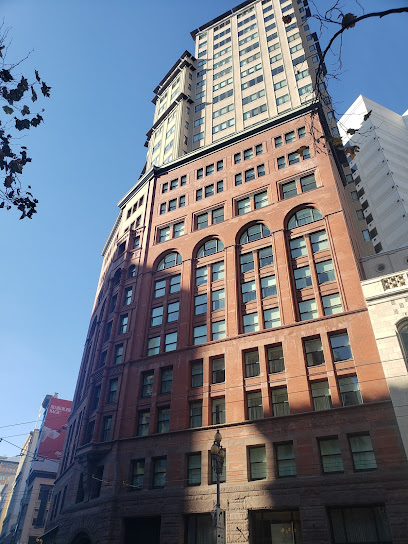
San Francisco Historical Society
0.5 km
Explore San Francisco's captivating past at the San Francisco Historical Society: exhibits, walking tours, and publications bring the city's rich history to life in the heart of downtown.
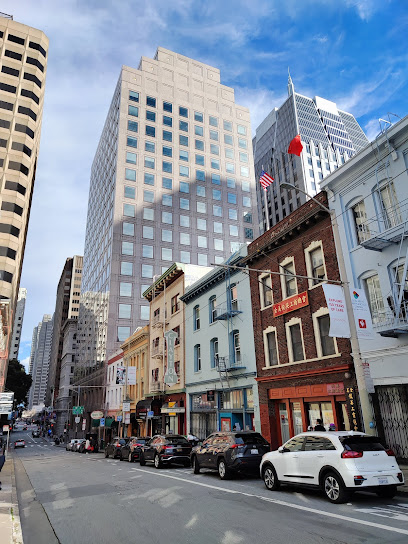
California Historical Landmark 81: Landing Place of Captain J. B. Montgomery
0.5 km
Discover the historic landing site of Captain J. B. Montgomery in San Francisco, a key location in the Gold Rush narrative at California Historical Landmark 81.
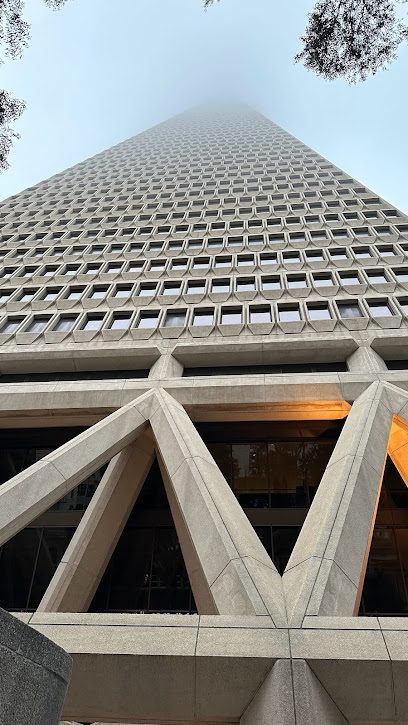
Transamerica Pyramid
0.5 km
Discover the iconic Transamerica Pyramid, a symbol of San Francisco's skyline and a testament to its rich architectural heritage.

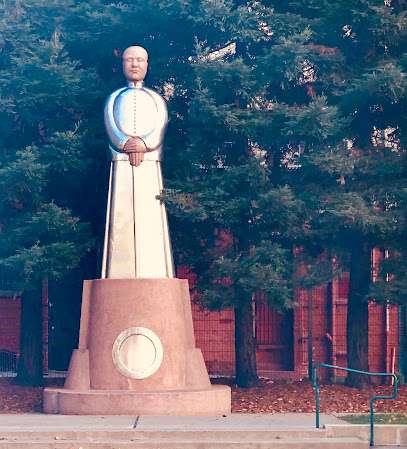
Dr. Sun Yat Sen Statue
0.6 km
Visit the Dr. Sun Yat-Sen Statue in San Francisco's Chinatown, a tribute to the father of the Chinese Republic, sculpted by Beniamino Bufano, nestled in the serene St. Mary's Square.
Unmissable attractions to see

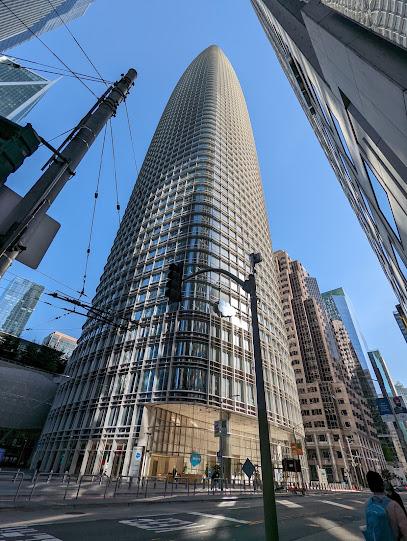
Salesforce Tower
0.2 km
San Francisco's tallest skyscraper, Salesforce Tower, is a modern architectural marvel embodying innovation, sustainability, and breathtaking city views, seamlessly integrated with the Salesforce Transit Center.
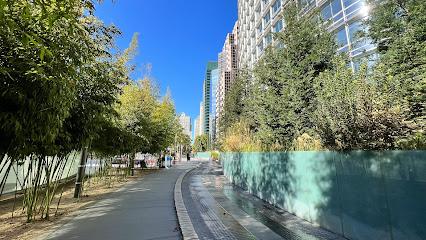
Salesforce Park
0.3 km
Discover Salesforce Park, a stunning elevated park in San Francisco featuring lush landscapes, panoramic city views, and a variety of engaging events.
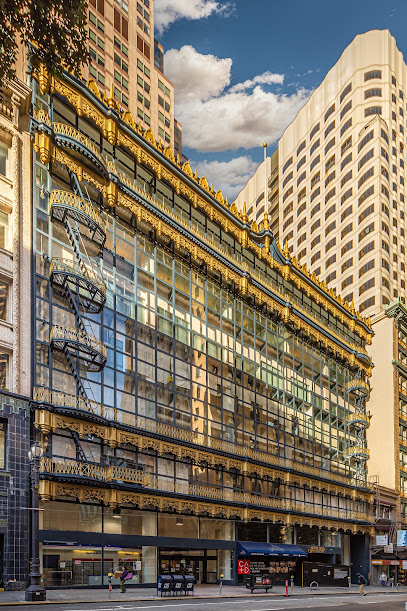
Hallidie Building
0.3 km
A pioneering architectural marvel in San Francisco's Financial District, featuring a revolutionary glass curtain wall design from 1918.
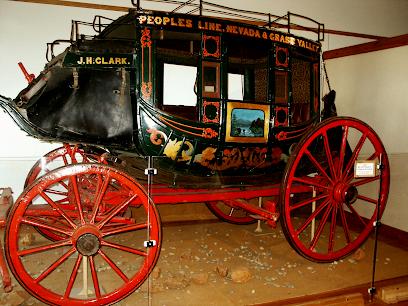
Wells Fargo Museum
0.4 km
Explore the Wells Fargo Museum in San Francisco: a captivating journey through the history of the American West and its iconic financial institution.
The Escape Game San Francisco (Downtown)
0.4 km
Discover the thrill of escape rooms in the heart of San Francisco at The Escape Game, where adventure awaits around every corner.

Pacific Heritage Museum
0.5 km
Explore the Pacific Heritage Museum in San Francisco, a cultural treasure showcasing the rich history and traditions of Pacific Islander communities.
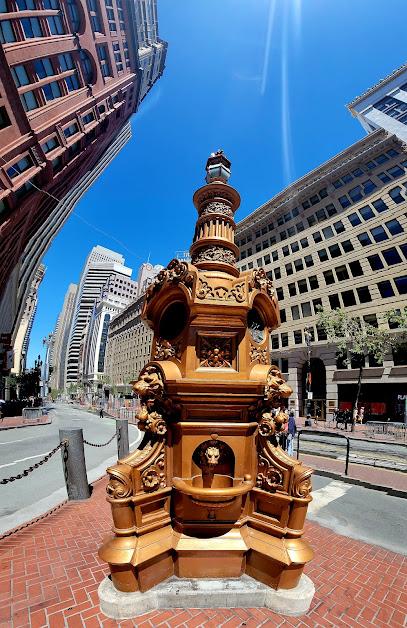
Lotta's Fountain
0.5 km
Discover the beauty and history of Lotta's Fountain, a charming landmark in San Francisco's Union Square, perfect for a leisurely visit.
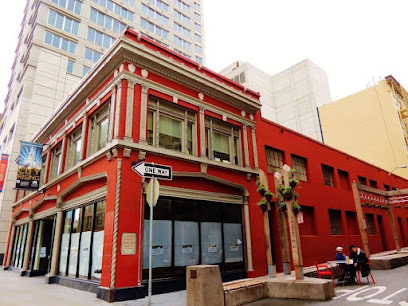
California Historical Society
0.5 km
Discover California's vibrant history at the California Historical Society, where stories of the past come to life through engaging exhibits and rich archives.
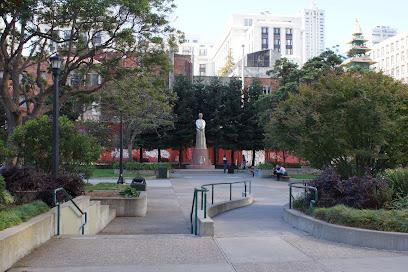
St Mary's Square
0.5 km
Experience the serene beauty of St. Mary's Square, a tranquil park in San Francisco's Chinatown, perfect for relaxation and cultural exploration.
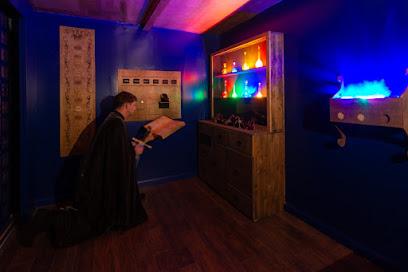
EscapeSF
0.5 km
Experience the thrill of adventure at EscapeSF, San Francisco's top escape room center, where teams solve puzzles and unravel mysteries in immersive settings.
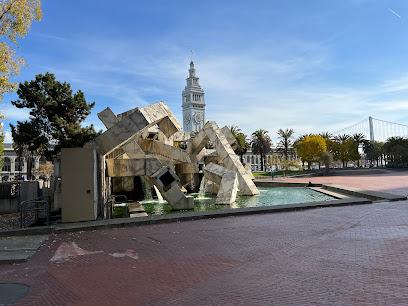
Embarcadero Plaza
0.6 km
Experience the tranquility of Embarcadero Plaza, a scenic urban oasis in San Francisco's Financial District, perfect for relaxation and cultural exploration.
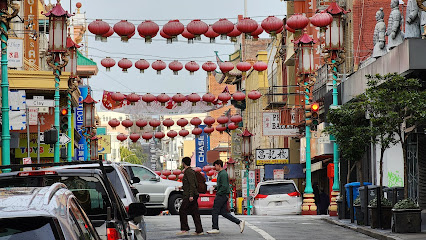
Tian Xia Wei Gong
0.6 km
Experience tranquility and culture at Tian Xia Wei Gong, a serene gem nestled in the heart of San Francisco's vibrant Chinatown.
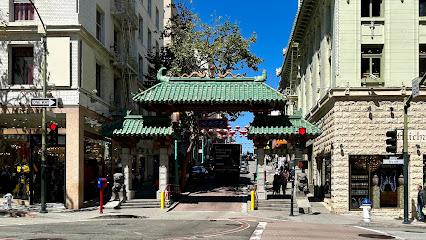
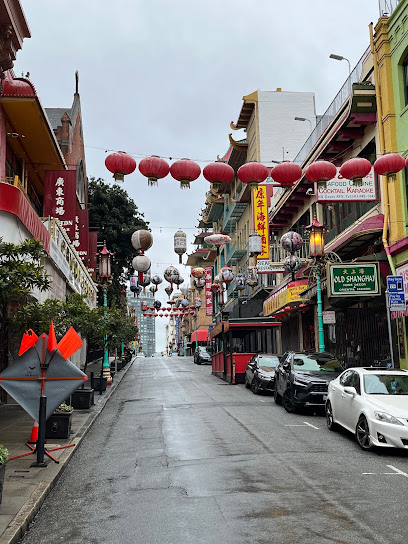
Chinatown Landmark
0.6 km
Discover the historic gateway to San Francisco's Chinatown, the oldest and largest Chinese community in North America, rich in culture and tradition.
Dragon Gate Chinatown SF
0.6 km
Enter San Francisco's Chinatown through the Dragon Gate, a symbolic and historic gateway to a vibrant cultural experience.
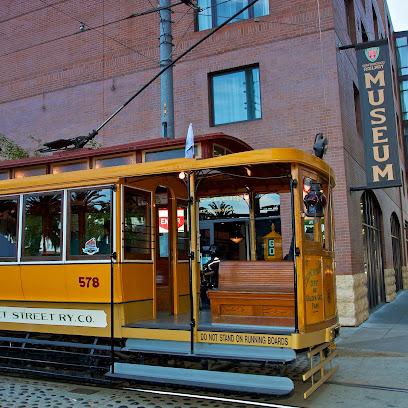
San Francisco Railway Museum
0.6 km
Discover the captivating history of San Francisco's railways at the Railway Museum, showcasing the evolution of public transit and streetcars.
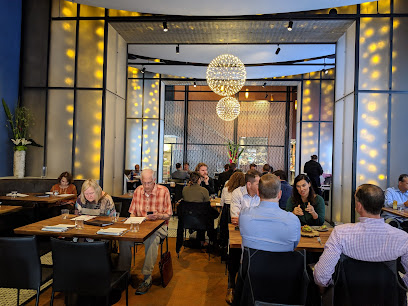
Essential places to dine

Mourad
0.5 km
Experience exquisite Californian cuisine with Moroccan flair at Mourad, San Francisco's premier fine dining destination.
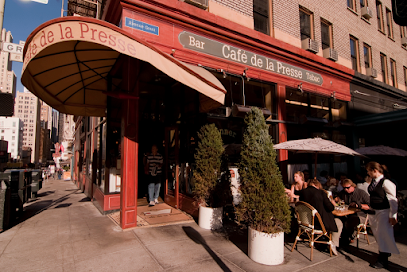
Café de la Presse
0.6 km
Discover authentic French cuisine at Café de la Presse in San Francisco's Union Square - your cozy bistro for brunch, lunch, and delightful desserts.
Boulevard
0.6 km
Experience unparalleled Californian-American cuisine at Boulevard, where every dish is a masterpiece crafted from local ingredients.

E&O Kitchen and Bar
0.6 km
Experience the vibrant flavors of Southeast Asia at E&O Kitchen and Bar in San Francisco's Union Square – where tradition meets innovation.
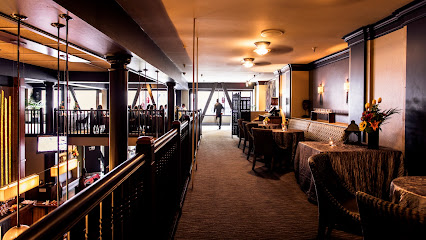
Bix
0.7 km
Experience exquisite American cuisine paired with live jazz in San Francisco's elegant Bix restaurant - where fine dining meets vibrant nightlife.
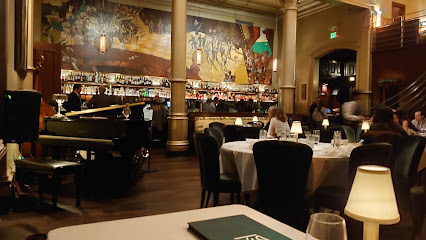
MKT Restaurant and Bar
0.7 km
Discover the culinary delights at MKT Restaurant and Bar in San Francisco—where New American cuisine meets sophisticated dining.
Mister Jiu's
0.7 km
Discover Mister Jiu's in Chinatown: Where traditional Chinese flavors meet modern culinary artistry in an unforgettable dining experience.
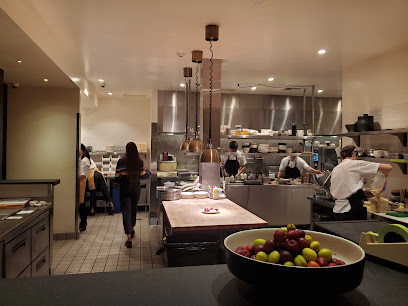
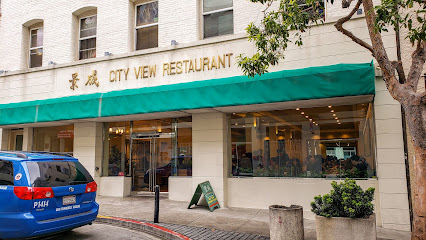
City View Restaurant
0.7 km
Experience authentic Cantonese cuisine at City View Restaurant in San Francisco's vibrant Chinatown with stunning city views.
Trestle Restaurant
0.7 km
Experience the best of American and Italian cuisine at Trestle Restaurant in the heart of San Francisco's iconic Chinatown.
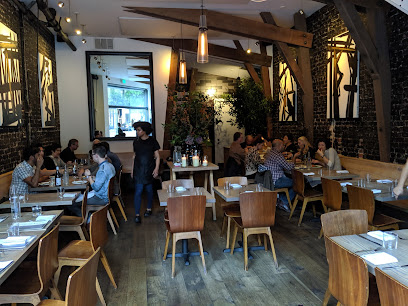
Bouche
0.7 km
Discover the essence of French fine dining at Bouche in San Francisco—where culinary artistry meets elegant ambiance.
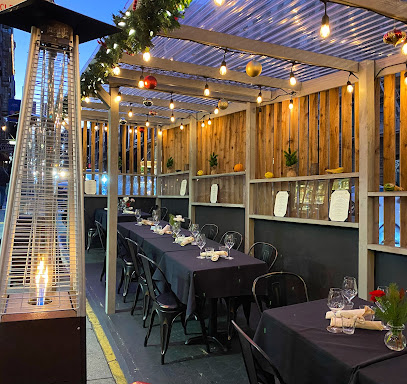
Empress by Boon
0.7 km
Experience authentic Cantonese cuisine at Empress by Boon in San Francisco's vibrant Chinatown—where tradition meets culinary excellence.
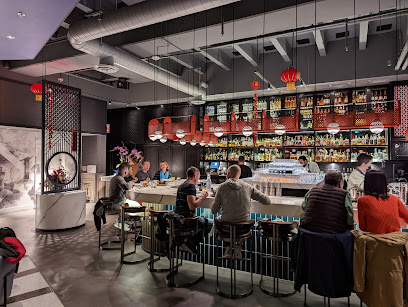
Prospect
0.7 km
Discover Prospect: A premier American restaurant in San Francisco offering organic cuisine and stunning skyline views for an unforgettable dining experience.
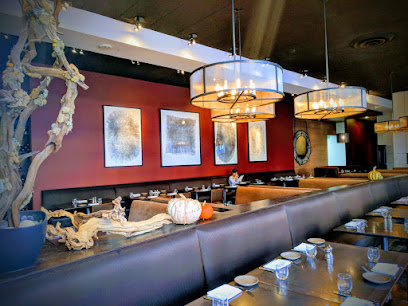
The Rotunda
0.7 km
Experience upscale American dining at The Rotunda in San Francisco's Union Square with stunning views and an exquisite menu.
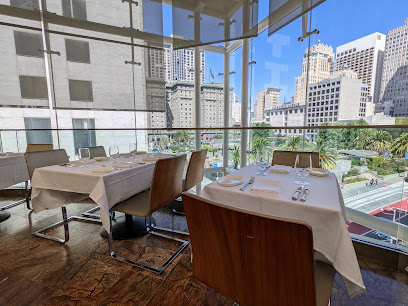
Begoni Bistro
0.8 km
Experience authentic Chinese cuisine at Begoni Bistro in San Francisco's historic Chinatown - a delightful culinary journey awaits!
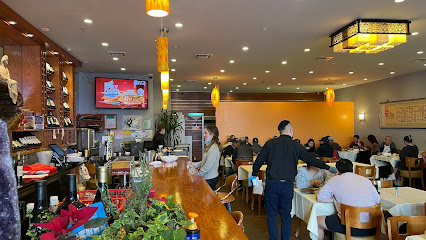
Quince
0.8 km
Experience the pinnacle of Italian fine dining at Quince in San Francisco's historic Jackson Square with exquisite dishes and exceptional service.
Markets, malls and hidden boutiques

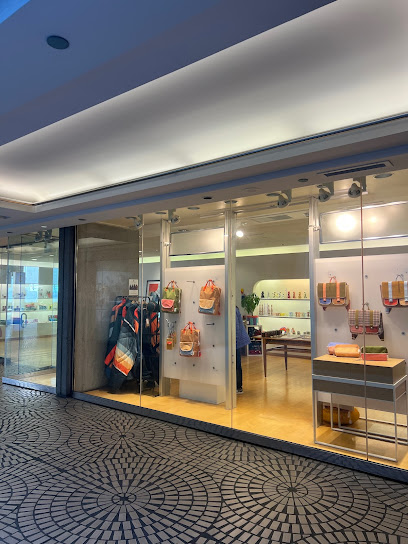
Bowerbird
0.4 km
Explore Bowerbird, a unique gift shop in San Francisco's Financial District, featuring local artisan crafts and distinctive home goods.
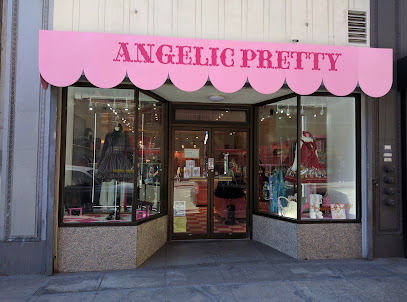
Angelic Pretty San Francisco
0.5 km
Discover whimsical women's fashion at Angelic Pretty San Francisco, where chic elegance meets unique Japanese-inspired designs in the heart of the city.
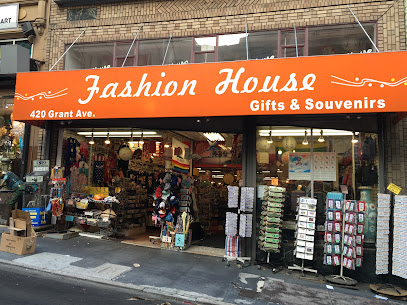
Fashion House & Gifts
0.5 km
Explore the vibrant treasures of Fashion House & Gifts in San Francisco's Chinatown—unique gifts and souvenirs that celebrate the city's culture.
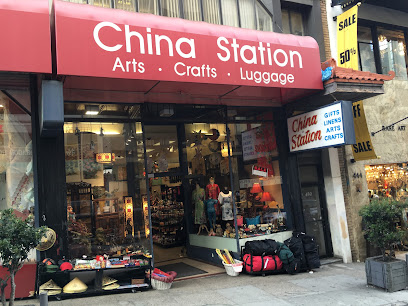
China Station
0.6 km
Explore the authentic treasures of Chinatown at China Station, your go-to gift shop for traditional crafts and unique home goods.
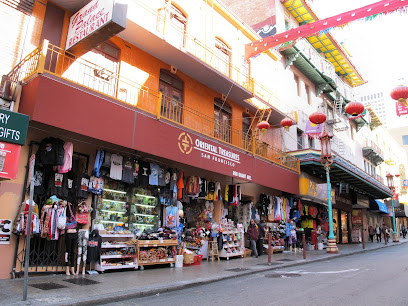
Oriental Treasures San Francisco
0.6 km
Explore a treasure trove of Asian artifacts and unique gifts at Oriental Treasures in San Francisco's enchanting Chinatown.
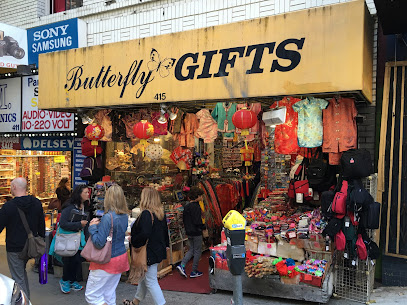
Butterfly's Gift Shop Inc
0.6 km
Explore Butterfly's Gift Shop Inc in San Francisco's Chinatown for unique gifts and unforgettable souvenirs that reflect the city's vibrant culture.
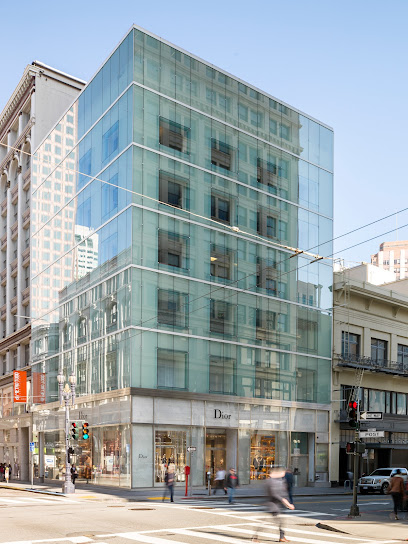
DIOR San Francisco Post Street
0.6 km
Discover the elegance of DIOR San Francisco, where luxury women's fashion meets artistry in the heart of Union Square.
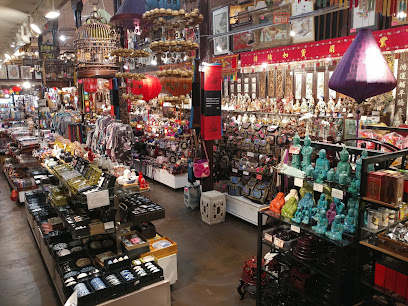
Canton Bazaar
0.6 km
Discover unique treasures at Canton Bazaar, a vibrant gift shop in San Francisco's Chinatown, perfect for authentic souvenirs and cultural finds.
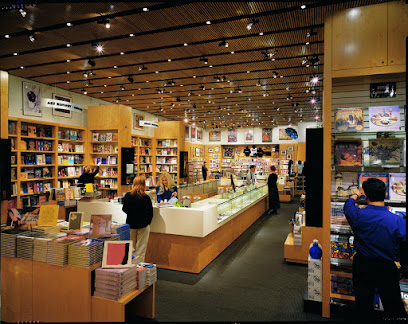
SFMOMa Museum Store
0.6 km
Explore art-inspired gifts, books, and jewelry at SFMOMA Museum Store in San Francisco's vibrant SoMa district, perfect for unique souvenirs.
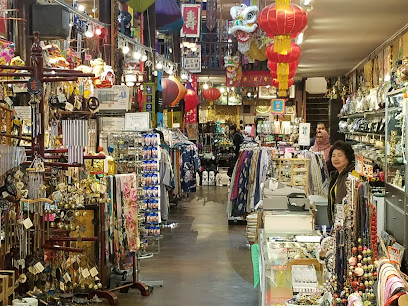
Old Shanghai
0.6 km
Explore Old Shanghai in San Francisco's Chinatown for unique gifts and authentic decor that capture the essence of the exotic Orient.
Hermes San Francisco Store
0.6 km
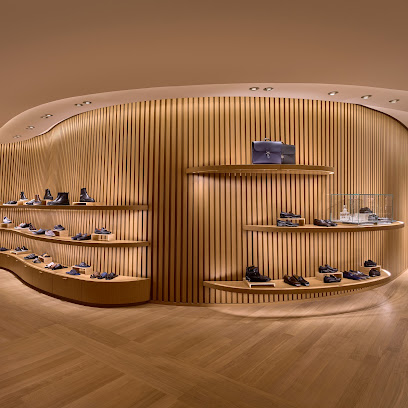
Discover unparalleled luxury at Hermes San Francisco, where elegant leather goods and fashion accessories await in the heart of Union Square.
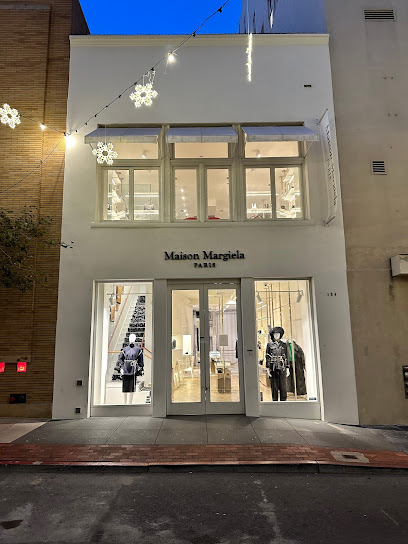
Maison Margiela San Francisco
0.7 km
Experience the cutting-edge of fashion at Maison Margiela San Francisco, where luxury meets artistic expression in an unforgettable shopping experience.
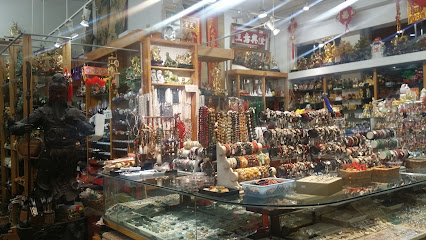
Jing Ying Gift Shop inc
0.7 km
Explore Jing Ying Gift Shop in San Francisco's Chinatown for unique gifts and authentic souvenirs that capture the essence of Chinese culture.
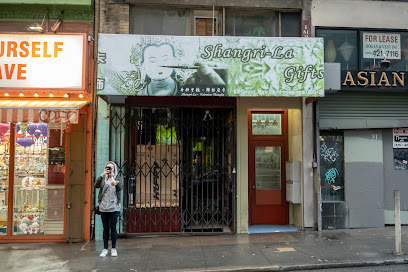
Shangri La Gifts
0.7 km
Explore Shangri La Gifts in San Francisco's Chinatown for unique treasures and a taste of local craftsmanship that captures the city's vibrant culture.
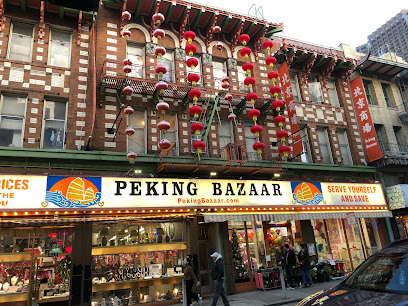
Peking Bazaar
0.7 km
Explore the charm of Chinatown with unique gifts and authentic souvenirs at Peking Bazaar, a must-visit destination in San Francisco.
Essential bars & hidden hideouts

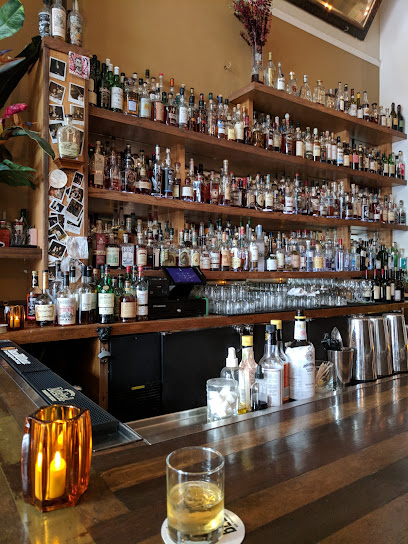
83 Proof
0.2 km
Discover the vibrant nightlife of San Francisco at 83 Proof, a bar offering innovative cocktails and delicious food in the heart of the Financial District.
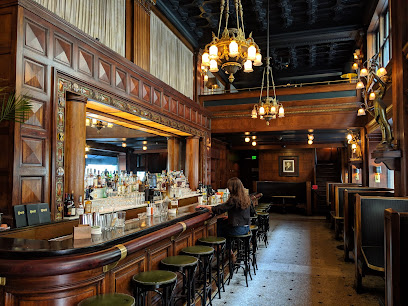
The House Of Shields
0.4 km
Experience the blend of history and vibrant nightlife at The House Of Shields, a must-visit bar in San Francisco's Financial District.
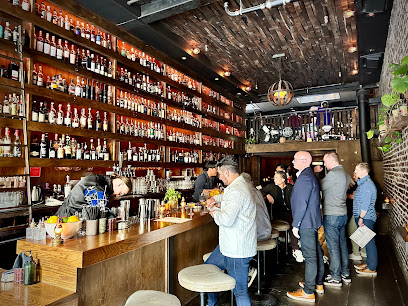
Rickhouse
0.4 km
Experience the vibrant cocktail culture of San Francisco at Rickhouse, where craft meets creativity in a chic bar ambiance.
Harlan Records
0.5 km
Discover Harlan Records, the ultimate cocktail bar in San Francisco's Union Square, where exquisite drinks meet an unforgettable vinyl experience.
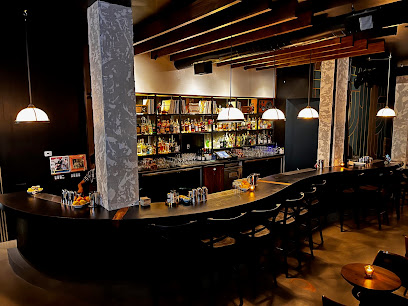
Local Edition
0.5 km
Discover Local Edition, San Francisco's stylish cocktail bar blending innovative drinks and vibrant ambiance for an unforgettable night out.
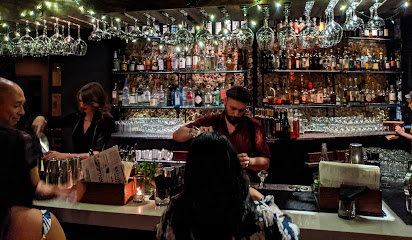
Iron Horse Cocktails
0.5 km
Discover the vibrant atmosphere and innovative cocktails at Iron Horse Cocktails in San Francisco's lively Union Square.
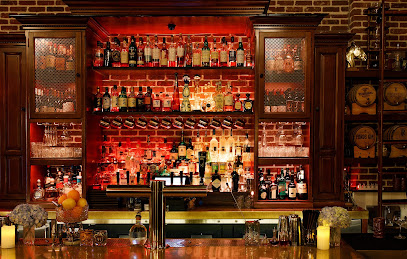
718
0.6 km
Discover the unique flavors and vibrant atmosphere at 718 Lounge in San Francisco's historic Chinatown, where craft cocktails and Asian cuisine meet.
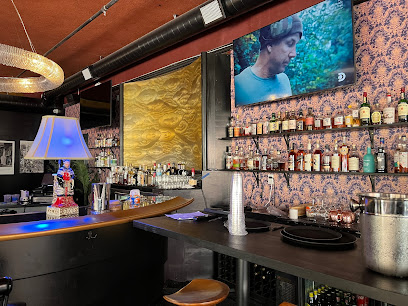
Moongate Lounge
0.7 km
Discover the vibrant atmosphere of Moongate Lounge in San Francisco's Chinatown, where cocktails and Chinese cuisine blend seamlessly for a unique experience.
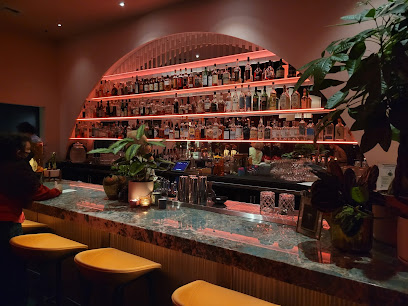
Tunnel Top Lounge and Bar
0.7 km
Discover the vibrant atmosphere of Tunnel Top Lounge and Bar in San Francisco, combining art, cocktails, and a unique lounge experience in Union Square.
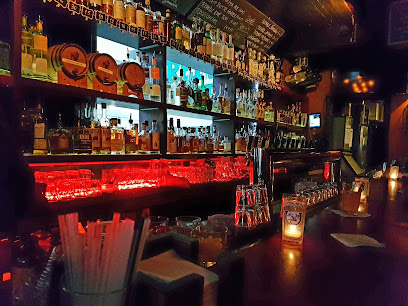
Buddha Lounge
0.8 km
Discover the serene ambiance of Buddha Lounge in San Francisco's Chinatown, where eclectic decor meets a diverse drink selection.

Li Po Cocktail Lounge
0.8 km
Discover the historic Li Po Cocktail Lounge in San Francisco's Chinatown, where exquisite cocktails and timeless charm await every visitor.
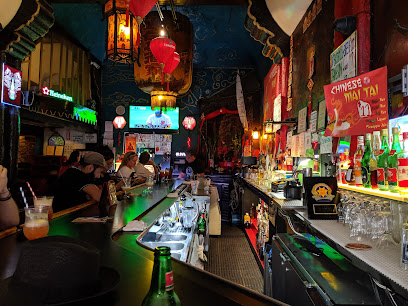
Lion's Den Lounge and Bar
0.8 km
Discover the pulse of San Francisco's nightlife at Lion's Den Lounge and Bar, where live music and DJ services create unforgettable evenings.
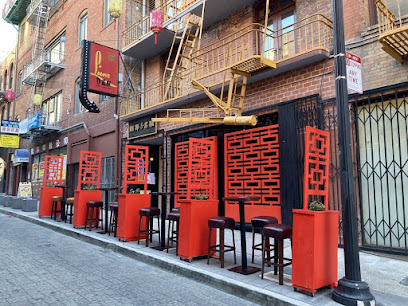
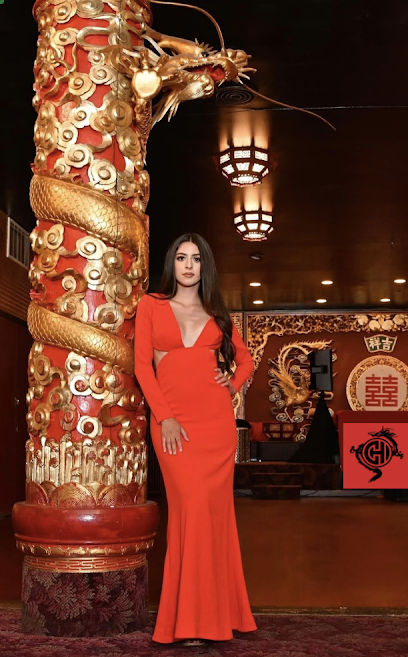
CHI Lounge
0.8 km
Discover CHI Lounge in San Francisco's Chinatown for an unforgettable night of live music, dancing, and vibrant cocktails.
Last Drop Tavern
0.8 km
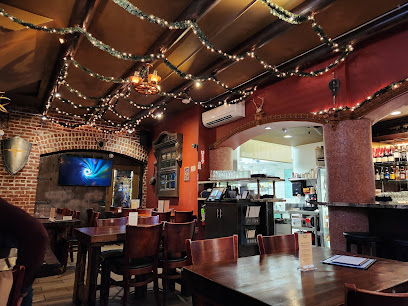
Discover Last Drop Tavern in San Francisco's Union Square, where delicious New American cuisine meets creative cocktails in a vibrant atmosphere.
Red's Place
0.8 km
Discover Red's Place in San Francisco's Chinatown - a cocktail bar with a welcoming vibe and innovative drinks to elevate your nightlife experience.