

Free San Mateo Travel Guide & Mobile App
Plan your San Mateo trip with Evendo. Get free guides to top attractions, restaurants, hotels, and bars. Web access or download the mobile app.


San Mateo, California combines Bay Area parks, Japanese gardens, diverse dining, waterfront walks and easy access to San Francisco and Silicon Valley.
A Peninsula City Between Bay and Hills
San Mateo occupies a particularly appealing stretch of California’s San Francisco Peninsula, roughly midway between San Francisco and Silicon Valley. Its eastern edge reaches toward San Francisco Bay, while the western hills and tree-lined residential streets give the city a settled, leafy character. Downtown San Mateo is the urban focus, with restaurants, cafés, independent shops and theatres concentrated around B Street, Third Avenue and nearby blocks.Read more about San Mateo
Gardens, Waterfront and Open Space
A Diverse Contemporary Community
When is the best time to visit San Mateo?
Best: July–September · 22°C| Month | High (°C) | Rainfall (mm) |
|---|---|---|
| January | 14 | 83 |
| February | 16 | 84 |
| March | 17 | 78 |
| April | 18 | 37 |
| May | 19 | 15 |
| June | 21 | 5 |
| July (best) | 22 | 1 |
| August (best) | 22 | 3 |
| September (best) | 22 | 7 |
| October | 21 | 35 |
| November | 17 | 65 |
| December | 15 | 87 |
Getting to and around San Mateo
How to get there
Transportation
Best attractions in San Mateo
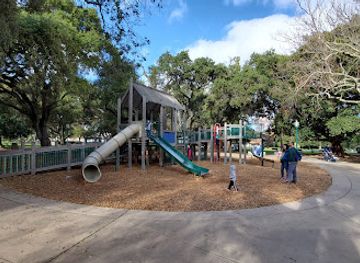
San Mateo’s attractions combine cultivated urban parks, bay landscapes and accessible family-oriented culture. Central Park is the city’s green centre, with broad lawns, mature plantings, a Japanese Tea Garden and the San Mateo Arboretum, making it a pleasant setting for a leisurely walk. At Coyote Point Recreation Area, paths lead through coastal open space to beaches and broad views across San Francisco Bay; the CuriOdyssey science and wildlife centre adds hands-on exhibits and animal encounters. Downtown San Mateo rewards unhurried exploration around B Street and Third Avenue, where older commercial buildings sit beside cafés, restaurants and independent shops. The Bay Meadows district offers a newer perspective on the city, with public spaces and contemporary development on the former racetrack site. For visitors interested in local life rather than a catalogue of monuments, the city’s varied dining streets, neighbourhood parks and international businesses are attractions in their own right.
-
Tourist attraction
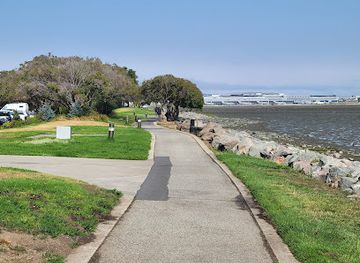
Bayfront Park
A tranquil bayside park in Millbrae, offering stunning views of the San Francisco Bay and the excitement of planes taking off.
19 min drive · 6.5 km from city centre
-
Tourist attraction
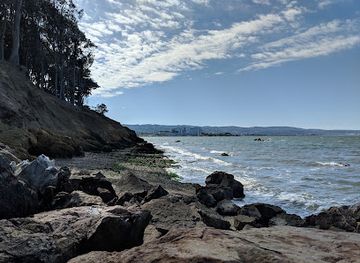
Coyote Point Recreation Area
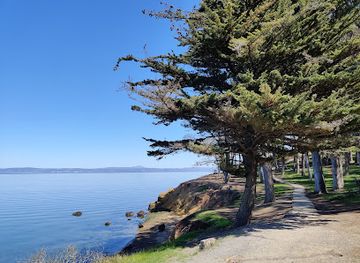
Discover bayside fun at Coyote Point Recreation Area: hiking, wildlife, history, and stunning views await in San Mateo!
8 min drive · 2.8 km from city centre
-
Beach
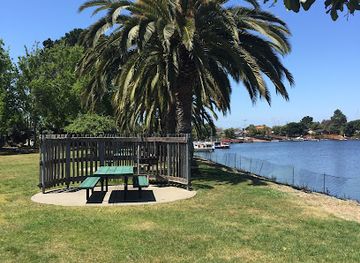
Coyote Point Beach
Discover the scenic beauty of Coyote Point Beach in San Mateo, California, where relaxation meets adventure along the stunning coastline.
9 min drive · 3.2 km from city centre
-
Tourist attraction
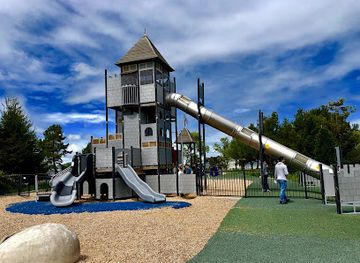
Parkside Aquatic Park
Discover the joy of water play and outdoor fun at Parkside Aquatic Park, a perfect retreat for families in San Mateo, California.
9 min drive · 3.0 km from city centre
Best landmarks in San Mateo
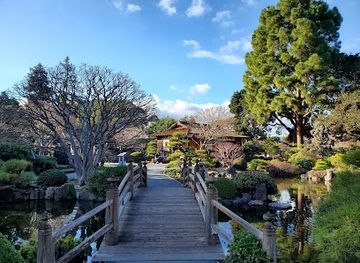
San Mateo’s most recognisable landmarks are civic landscapes and surviving markers of Peninsula development rather than monumental historic structures. Central Park anchors the city centre, and its Japanese Tea Garden, with landscaped paths, a pond and traditional design elements, reflects the Bay Area’s early twentieth-century interest in Japanese-style gardens. The San Mateo Arboretum adds a living collection of trees and plants within the same public setting. At Coyote Point, the broad peninsula projecting into San Francisco Bay is itself a defining natural landmark, combining shoreline, open space and views across the water. San Mateo’s Caltrain station represents the railway corridor that helped turn a rural and estate landscape into a commuter city. In the Bay Meadows area, contemporary streets and public spaces occupy the former racetrack grounds, preserving an important chapter of local leisure and development history through urban form rather than a single surviving grandstand.
-
Park
San Mateo Central Park
Discover San Mateo Central Park: A historic urban oasis with a Japanese Tea Garden, rose garden, and community events in the heart of downtown.
3 min walk · 0.2 km from city centre
-
Park
Seal Point Park
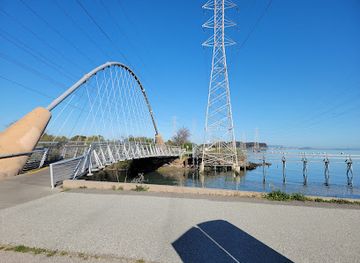
Discover a scenic bayfront park in San Mateo with walking trails, a dog park, public art, and stunning views of the San Francisco Bay, perfect for outdoor recreation and relaxation.
7 min drive · 2.4 km from city centre
-
Garden
San Mateo Japanese Garden
Discover tranquility in the heart of San Mateo at the Japanese Garden, a meticulously designed oasis showcasing Japanese culture and serene landscapes, perfect for a peaceful escape.
5 min walk · 0.4 km from city centre
-
Park
Coyote Point Recreation Area
Discover bayside beauty and endless recreation at Coyote Point Recreation Area, where history, nature, and family fun converge for an unforgettable San Francisco Bay experience.
8 min drive · 2.8 km from city centre
Explore San Mateo on the map
Plan your San Mateo trip on one map. See where the top attractions, landmarks, restaurants, bars and hotels are, find what's near where you're staying, and book hotels and experiences in a few clicks.
Best hotels in San Mateo
Best restaurants in San Mateo
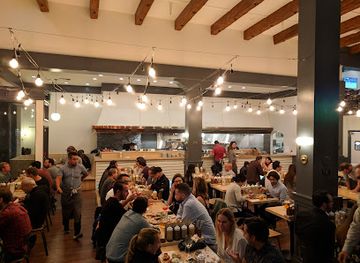
San Mateo has one of the Peninsula’s most varied dining scenes, shaped by long-established Asian American communities and the wider Bay Area’s international population. Chinese restaurants and bakeries are particularly prominent, while Japanese, Korean, Filipino, Indian, Vietnamese, Burmese and other Southeast Asian cuisines appear across and around the downtown area. B Street, Third Avenue and surrounding commercial blocks provide a useful base for moving between casual restaurants, cafés, dessert shops and more formal dining rooms. Dim sum, noodles, sushi, roast meats, regional curries, Filipino specialities and Californian interpretations of global dishes are all part of the local picture. The city also supports familiar American, Italian and Mexican options, reflecting everyday Peninsula life rather than a single defining cuisine. Dining is generally neighbourhood-based, with busy restaurant corridors interspersed among small specialist businesses and bakeries.
-
Brazilian
Espetus San Mateo
Discover authentic Brazilian cuisine at Espetus San Mateo – where tradition meets flavor in every delicious bite.
7 min walk · 0.6 km from city centre
-
New American
Wursthall
Discover Wursthall in San Mateo: where New American cuisine meets German tradition in a warm and inviting atmosphere.
6 min walk · 0.5 km from city centre
-
American
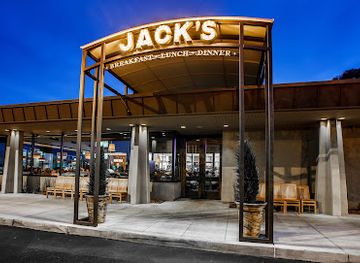
Jack's Restaurant & Bar
Discover Jack's Restaurant & Bar in San Mateo - where American comfort meets Greek delight in a warm and welcoming setting.
5 min drive · 1.7 km from city centre
-
Ramen
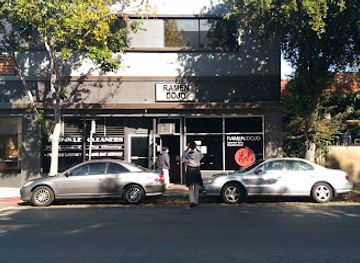
Ramen Dojo
Discover the authentic taste of Japan at Ramen Dojo in San Mateo – where delicious bowls of ramen await you.
8 min walk · 0.6 km from city centre

Best bars in San Mateo
San Mateo’s nightlife is concentrated and sociable rather than dominated by large nightclubs. Downtown streets around B Street, Third Avenue and Broadway offer the principal evening choices, including neighbourhood bars, cocktail-focused venues, casual pubs and restaurants that remain active after dinner. The city’s diverse population is reflected in venues serving Asian-inspired drinks, craft beer and contemporary Californian cocktails, while live music and occasional performances provide alternatives to a conventional bar evening. Cinemas and theatres in the wider downtown area add low-key entertainment, and nearby Peninsula cities broaden the choice for visitors seeking larger concerts or late-night clubs. Evening activity generally tapers away from the centre, so residential districts are better suited to quiet walks than spontaneous nightlife. As elsewhere in California, alcohol service is regulated and identification may be requested.
-
Italian
Pausa Bar & Cookery
Experience the finest Italian cuisine at Pausa Bar & Cookery in San Mateo, where every dish tells a story of flavor and tradition.
5 min walk · 0.4 km from city centre
-
Pub
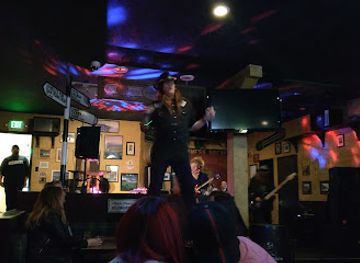
The Swingin' Door
Discover the lively atmosphere of The Swingin' Door in San Mateo, where delicious fish & chips, karaoke, and live music await every night.
8 min drive · 2.7 km from city centre
-
Restaurant
B Street & Vine
Experience the charm of California dining at B Street & Vine, where exceptional cuisine meets a welcoming atmosphere in San Mateo.
5 min walk · 0.4 km from city centre
-
Irish pub
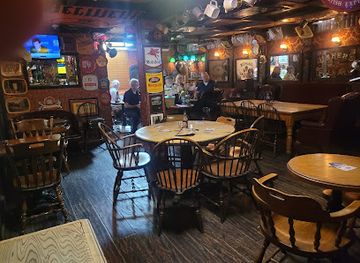
O'Neills Irish Pub
Experience the vibrant atmosphere of O'Neills Irish Pub in San Mateo, where delicious food, live music, and friendly faces await.
6 min walk · 0.5 km from city centre


Best nightclubs in San Mateo
San Mateo’s nightlife is concentrated and sociable rather than dominated by large nightclubs. Downtown streets around B Street, Third Avenue and Broadway offer the principal evening choices, including neighbourhood bars, cocktail-focused venues, casual pubs and restaurants that remain active after dinner. The city’s diverse population is reflected in venues serving Asian-inspired drinks, craft beer and contemporary Californian cocktails, while live music and occasional performances provide alternatives to a conventional bar evening. Cinemas and theatres in the wider downtown area add low-key entertainment, and nearby Peninsula cities broaden the choice for visitors seeking larger concerts or late-night clubs. Evening activity generally tapers away from the centre, so residential districts are better suited to quiet walks than spontaneous nightlife. As elsewhere in California, alcohol service is regulated and identification may be requested.
-
Night club
The Swingin' Door
Discover the vibrant nightlife at The Swingin' Door, where delicious fish and chips meet lively karaoke and live music in San Mateo.
8 min drive · 2.7 km from city centre
-
Irish pub
O'Neills Irish Pub
Discover O'Neills Irish Pub in San Mateo, a lively venue for food, drinks, live music, and unforgettable nights in a welcoming atmosphere.
6 min walk · 0.5 km from city centre
-
Lounge
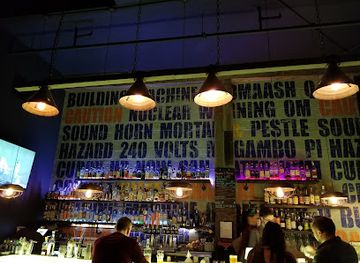
Mortar & Pestle Bar
Discover the lively Mortar & Pestle Bar in San Mateo, a perfect blend of delicious cuisine, refreshing drinks, and vibrant ambiance for a memorable night out.
6 min walk · 0.5 km from city centre
-
Lounge
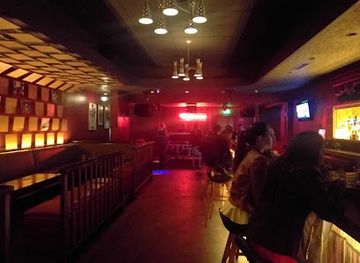
Vinyl Room
Experience the vibrant nightlife at Vinyl Room, a stylish lounge in Burlingame, California, known for its exquisite cocktails and energetic atmosphere.
7 min drive · 2.4 km from city centre
Best shops in San Mateo
Shopping in San Mateo is divided between a walkable downtown, substantial suburban retail and specialist businesses reflecting the city’s international communities. B Street, Third Avenue and surrounding blocks contain independent shops, cafés, beauty businesses and everyday services, while Hillsdale Shopping Center provides a larger enclosed retail environment with national brands, dining and entertainment. Bridgepointe Shopping Center serves the eastern side of the city with big-box and mainstream retail. For a more local feel, explore Chinese, Japanese, Indian, Filipino and other Asian grocery stores, bakeries and specialist food shops, where imported ingredients, teas, sweets and cooking products reveal the area’s cultural diversity. Visitors should distinguish useful regional food purchases from generic souvenirs: locally characteristic finds are more likely to be specialist ingredients, baked goods or small gifts from independent retailers than traditional handicrafts associated with an older market town.
-
Shopping mall
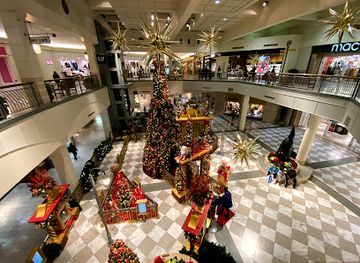
Hillsdale Shopping Center
Discover Hillsdale Shopping Center: A premier shopping mall in San Mateo, offering diverse retail, dining, and entertainment options for every visitor.
11 min drive · 3.5 km from city centre
-
Department store
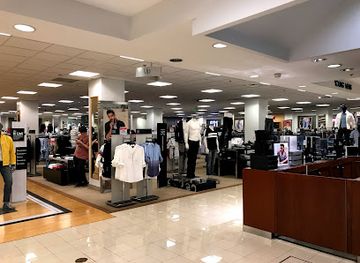
Macy's
Explore Macy's in San Mateo for a unique shopping experience featuring fashion, beauty, and home essentials all under one roof.
11 min drive · 3.6 km from city centre
-
Shopping mall
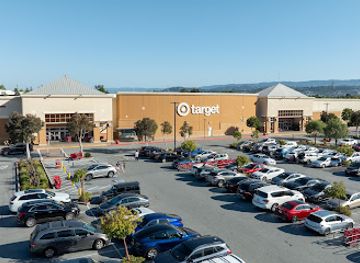
Bridgepointe Shopping Center
Explore Bridgepointe Shopping Center in San Mateo for a unique blend of shopping, dining, and entertainment experiences.
12 min drive · 3.9 km from city centre
-
Shopping mall
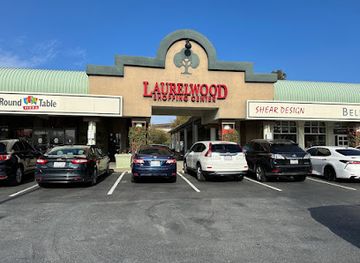
Laurelwood Shopping Center
Explore the delightful Laurelwood Shopping Center in San Mateo, California, where shopping and dining blend seamlessly for an unforgettable experience.
10 min drive · 3.3 km from city centre
Get your free copy of our complete guide to San Mateo, delivered straight to you.
Everything on this page, from attractions and restaurants to essentials and local phrases, in one PDF you can read offline, print or share.
Already have an account? Sign in
Your San Mateo guide is ready.
We'll send it to · Not you? Sign out

Getting your guide ready…
We are putting together a fresh copy of the San Mateo guide. This can take up to a minute.
This can take a few moments. If your browser asks, choose Allow so the download can start. You'll find the guide in your Downloads folder.
Nothing happened? Download it again
Sorry, the guide is taking longer than usual. Please try again in a minute, or get it by email instead.
San Mateo essentials
Currency and Payment
Safety
Emergency Situations
Do's and Don'ts
Local Tips
From Eve
Local phrases worth knowing
You don't need to get them perfect. A few words go a long way, and locals appreciate the effort.
Basics
| English | Local | Say it |
|---|---|---|
| Hello | What's up | [wats up] |
| Goodbye | Later | [lay-ter] |
| Yes | Yeah | [yeh] |
| No | Nope | [nohp] |
| Please/You're welcome | Please/No worries | [pleez/no wuhr-eez] |
| Thank you | Thanks | [thaynks] |
| Excuse me/Sorry | My bad/Excuse me | [mai bad/ik-skews mee] |
| How are you? | How's it going? | [hows it goh-ing] |
| Fine. And you? | Good. You? | [gud yoo] |
| Do you speak English? | Do you speak English? | [do yoo speak ing-glish] |
| I don't understand | I don't get it | [ai dohnt get it] |
Eating & Drinking
| English | Local | Say it |
|---|---|---|
| I'd like to see the menu, please | Can I see the menu? | [kan ai see the men-yoo] |
| I don't eat meat | I'm vegetarian | [ai'm veh-ji-teh-ree-an] |
| Cheers! | Cheers! | [cheers] |
| I would like to pay, please | Can I pay now? | [kan ai pay now] |
Emergencies
| English | Local | Say it |
|---|---|---|
| Help! | Help! | [help] |
| Go away! | Get lost! | [get lost] |
| Call the Police! | Call the cops! | [kawl the cops] |
| Call a doctor! | Get a doctor! | [get uh doc-tur] |
| I'm lost | I'm lost | [ai'm lost] |
| I'm ill | I'm sick | [ai'm sik] |
Shopping
| English | Local | Say it |
|---|---|---|
| I'd like to buy... | I wanna buy... | [ai wahn-nuh buy] |
| I'm just looking | I'm just browsing | [ai'm just brow-zing] |
| How much is it? | How much does it cost? | [hau much duhz it kost] |
| That's too expensive | That's pricey | [thats prahy-see] |
| Can you lower the price? | Can you give me a discount? | [kan yoo giv mee uh dis-kownt] |
Time & Numbers
| English | Local | Say it |
|---|---|---|
| What time is it? | What's the time? | [whats the time] |
| It's one o'clock | It's one | [its wuhn] |
| Half past (10) | Half ten | [hahf ten] |
| Morning | Morning | [morn-ing] |
| Afternoon | Afternoon | [af-ter-noon] |
| Evening | Evening | [ee-ve-ning] |
| Yesterday | Yesterday | [yes-ter-day] |
| Today | Today | [toh-day] |
| Tomorrow | Tomorrow | [toh-mor-row] |
| 1 | One | [wuhn] |
| 2 | Two | [too] |
| 3 | Three | [three] |
| 4 | Four | [for] |
| 5 | Five | [five] |
| 6 | Six | [siks] |
| 7 | Seven | [sev-en] |
| 8 | Eight | [ayt] |
| 9 | Nine | [nine] |
| 10 | Ten | [ten] |
Transport & Directions
| English | Local | Say it |
|---|---|---|
| Where's a/the...? | Where's the...? | [wheres the] |
| What's the address? | What's the address? | [whats the address] |
| Can you show me (on the map)? | Can you show me (on the map)? | [kan yoo show mee on the map] |
| When's the next (bus)? | When's the next (bus)? | [whens the next bus] |
| A ticket (to ....) | A ticket to... | [uh tik-it too] |
History of San Mateo
Ohlone Homeland and Mission Lands
Before European settlement, the Peninsula was inhabited by Ohlone peoples whose communities used the bay shoreline, wetlands, grasslands and oak-rich inland areas. Spanish colonisation altered this landscape after Mission San Francisco de Asís, commonly called Mission Dolores, was established in 1776. The area around present-day San Mateo became associated with the mission’s agricultural and livestock lands, bringing new forms of land management, Christianity and disease while disrupting established Indigenous lifeways. The city’s later name derives from Saint Matthew, reflected in the mission-era naming of the district and nearby creek.
Rancho de las Pulgas
Following Mexican independence from Spain, mission lands were secularised and large ranchos were granted to private owners. Rancho de las Pulgas, one of the largest such grants on the Peninsula, encompassed much of the area surrounding modern San Mateo. José Darío Argüello received the rancho in 1835, and the land was used primarily for cattle raising rather than dense settlement. Although the original ranch landscape disappeared beneath roads, neighbourhoods and commercial development, the rancho’s name survives in local geography and institutions, linking the modern city to the Mexican Californian period.
Railways and the Estate Era
San Mateo began to change rapidly in the second half of the nineteenth century as transport links connected the Peninsula with San Francisco. The San Francisco and San Jose Railroad opened in 1863, making the area more accessible to commuters and encouraging suburban development. Wealthy San Franciscans established country estates, including the prominent Parrott and Howard properties, while commercial activity gathered around the railway station. Roads, schools and civic institutions followed this growth, gradually replacing the ranch economy with a more structured town whose identity was tied to both San Francisco and the expanding Peninsula corridor.
Incorporation and Civic Growth
San Mateo incorporated as a city in 1894, giving local residents a formal municipal framework as the population continued to grow. The early twentieth century brought new homes, churches, schools and commercial buildings, while streetcars and improved roads strengthened connections across the Peninsula. The city’s parks also developed during this period; Central Park became an important civic open space and later gained its Japanese Tea Garden. San Mateo’s built environment consequently acquired the varied character visible today, combining older residential districts and civic landscapes with commercial areas shaped by successive waves of suburban expansion.
From Wartime Industry to the Modern Peninsula
The Second World War accelerated industrial and demographic change throughout the Bay Area, and San Mateo benefited from expanding regional employment, improved highways and proximity to San Francisco International Airport. Post-war development brought larger shopping centres, new neighbourhoods and a more diverse population. The former Bay Meadows racetrack, which operated for much of the twentieth century before closing in 2008, was subsequently redeveloped as a mixed-use district. Contemporary San Mateo reflects this layered history: Indigenous and rancho landscapes survive mainly through names and geography, while rail travel, suburban planning, international migration and technology-era growth shape daily life.
San Mateo in Photos
Browse through our photo collection highlighting the charm and character of the destination.
Cities near San Mateo
The closest cities to San Mateo, if you have time for more than one stop.
-

-

-

-

-


Swipe for more cities
Explore more
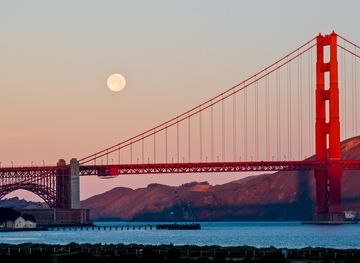
Explore more of California
Discover California: A land of diverse landscapes, iconic cities, and endless adventures, from sun-soaked beaches to towering redwoods and vibrant cultural experiences.
Explore California