California Theatre: A Glimpse into San Francisco's Theatrical Past
Explore the legacy of San Francisco's historic California Theatre, once a premier entertainment venue, now a California Historical Landmark, and discover its impact on the city's cultural heritage.
The California Theatre, though no longer standing, holds a significant place in San Francisco's vibrant history. Built in 1869 by William Ralston, it quickly became the city's premier entertainment venue, hosting renowned actors and lavish productions. The theater was known for its opulent interiors, featuring elaborate murals and the first use of limelight on the West Coast. Destroyed in the 1906 earthquake and fire, its legacy lives on as a California Historical Landmark, reminding us of San Francisco's golden age of theater and the cultural ambitions of its founders. Today, a historical marker commemorates the theater and its artists, inviting visitors to reflect on the city's rich artistic heritage. While the physical structure is gone, the stories and memories associated with the California Theatre continue to enrich San Francisco's cultural landscape, offering a poignant connection to the past.
A brief summary to California Theatre
- 444 Bush St, San Francisco, Chinatown, California, 94108, US
Local tips
- Visit the California Historical Landmark plaque on Bush Street to learn about the theater's history and significance.
- Explore nearby historic sites in the Financial District to immerse yourself in San Francisco's past.
- Check out current events at other theaters in the area to experience San Francisco's vibrant performing arts scene.

Getting There
-
Public Transport
For the final approach to the California Theatre landmark site at 444 Bush St, consider using public transportation. Several bus lines, including the 6, 7, 9, and 21, have stops within a short walking distance. The Powell Street Station, served by BART (Bay Area Rapid Transit) and Muni Metro lines J, K, L, M, N, S, and T, is approximately 1.5 blocks away. From Powell Street Station, walk northeast on Bush Street. A single ride on Muni or BART typically costs around $2.50 - $3.50.
-
Taxi/Ride-Share
If arriving by taxi or ride-sharing service (Uber/Lyft), set your destination to 444 Bush Street. Be aware that traffic in the Financial District can be congested, especially during peak hours. A short ride from a nearby location, such as Union Square, will likely cost between $10 and $15, depending on traffic and surge pricing.
-
Walking
The California Theatre landmark site is easily accessible on foot if you are already in the Financial District or nearby areas like Union Square or Chinatown. From Union Square, walk northeast on Geary Street, then turn right onto Bush Street. The walk is approximately 10-15 minutes. Be mindful of pedestrian traffic and street crossings.
-
Driving
If driving, be aware that parking in the immediate vicinity of 444 Bush Street is limited and can be expensive. Street parking is available but metered and often difficult to find. Several parking garages are located within a few blocks, including those near the Golden Gate Theatre and Yerba Buena Center for the Arts. Expect to pay between $30 and $45 for a few hours of parking at a garage. Consider using parking apps like SpotHero or Way.com to find and reserve parking in advance.
Discover more about California Theatre
Iconic landmarks you can’t miss

California Theatre
0.0 km
Explore the legacy of San Francisco's historic California Theatre, once a premier entertainment venue, now a California Historical Landmark, and discover its impact on the city's cultural heritage.
Belden Place
0.1 km
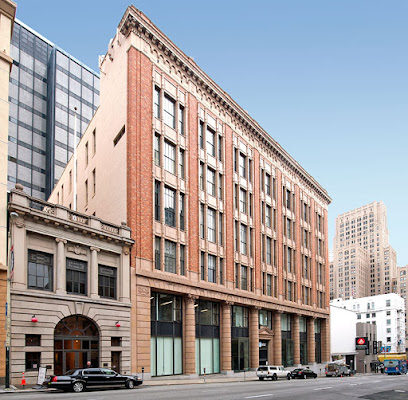
Discover a taste of Europe in the heart of San Francisco's Financial District at Belden Place, a charming alleyway known for its vibrant al fresco dining and diverse culinary scene.
Dr. Sun Yat Sen Statue
0.2 km
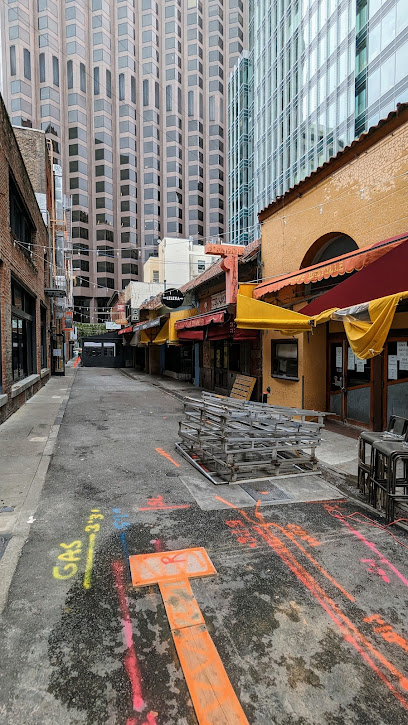
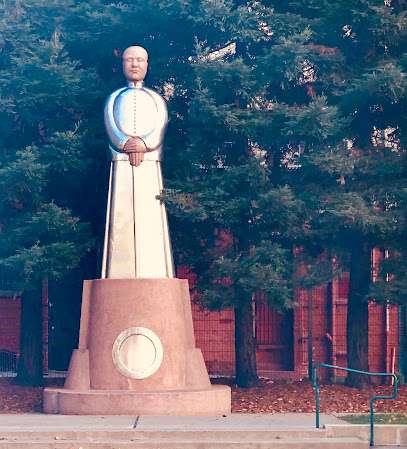
Visit the Dr. Sun Yat-Sen Statue in San Francisco's Chinatown, a tribute to the father of the Chinese Republic, sculpted by Beniamino Bufano, nestled in the serene St. Mary's Square.
Stockton Street Tunnel (1914)
0.2 km
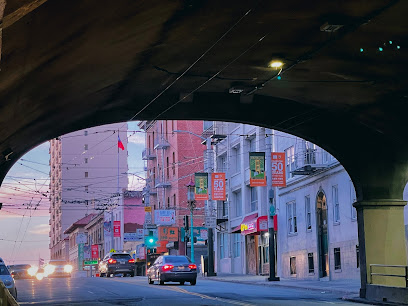
Experience a historic passage connecting Union Square and Chinatown, a testament to San Francisco's engineering and cultural diversity, offering a unique journey beneath Nob Hill.
Hunter-Dulin Building
0.2 km
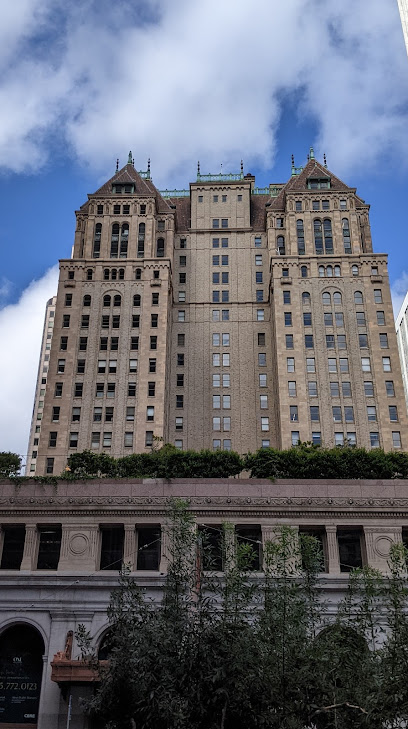
Discover the Hunter-Dulin Building in San Francisco: A historic 1920s architectural masterpiece blending French Chateau and Romanesque styles, once home to NBC and Sam Spade's fictional office.
Viewpoint
0.3 km
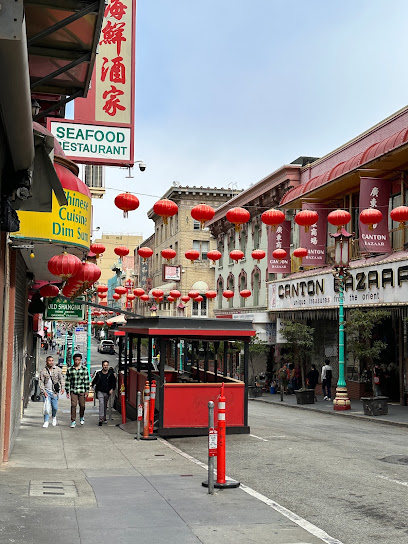
Discover the historic Old St. Mary's Cathedral in San Francisco's Chinatown: a resilient landmark blending Gothic Revival architecture with a vibrant cultural legacy since 1854.
California Historical Landmark 861: Site of First California State Fair
0.3 km
Explore California's rich agricultural history at the Site of the First California State Fair, a significant historical landmark in the heart of San Francisco.
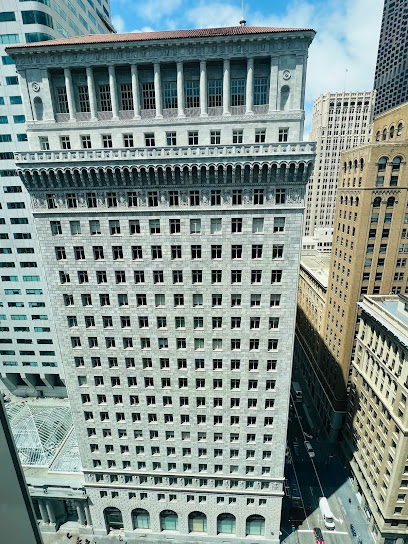
Frank Lloyd Wright Spiral Interior
0.3 km
Discover the stunning Frank Lloyd Wright Spiral Interior in San Francisco—a historical landmark showcasing architectural innovation and artistic beauty.
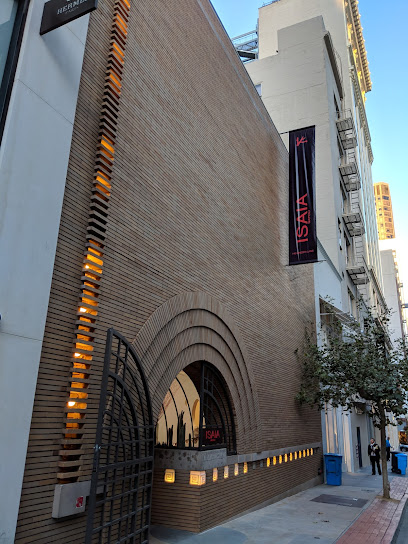
450 Sutter Street
0.3 km
Explore the historic charm of 450 Sutter Street, a stunning architectural gem in the heart of San Francisco's vibrant Union Square, surrounded by shopping and dining.
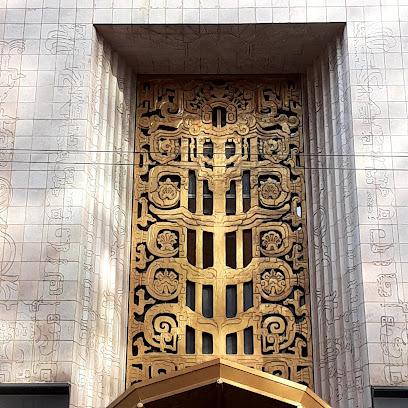
San Francisco Ghosts
0.3 km
Explore the haunted history of San Francisco with engaging ghost tours offering thrilling stories and chilling experiences at the city's most famous haunted sites.
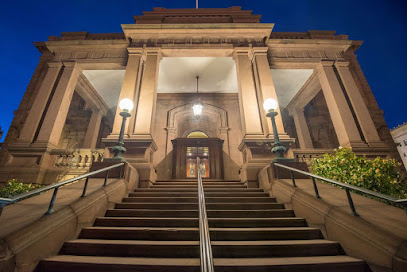
Old Chronicle building (Historical Landmark)
0.3 km
Discover the historic Old Chronicle Building in San Francisco's Union Square, a beautiful landmark symbolizing resilience and architectural elegance.
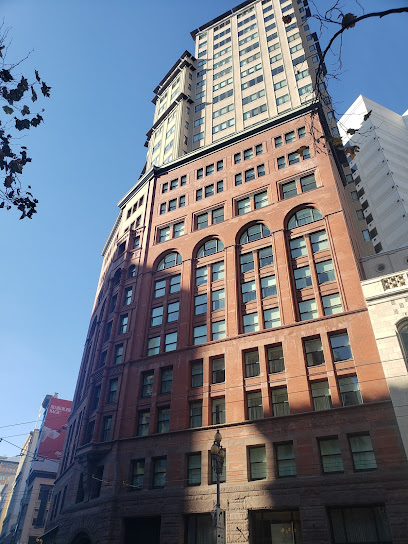
751 Commercial St
0.3 km
Explore the vibrant culture and rich history of San Francisco's Chinatown at 751 Commercial Street, a must-visit destination for every traveler.
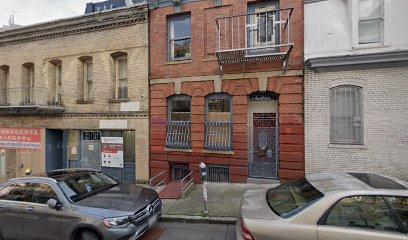
Flatiron Building
0.4 km
Explore the iconic Flatiron Building in San Francisco, a stunning architectural marvel that beautifully captures the city's historical essence and vibrant atmosphere.
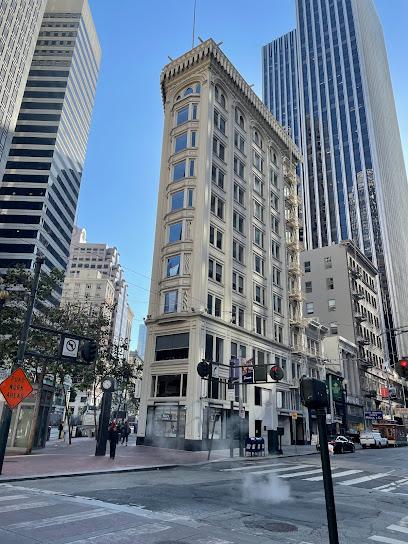
California Historical Landmark 87: Site of First United States Mint in California
0.4 km
Explore the historical significance of California's First United States Mint site, a cornerstone of America's financial heritage in vibrant San Francisco.
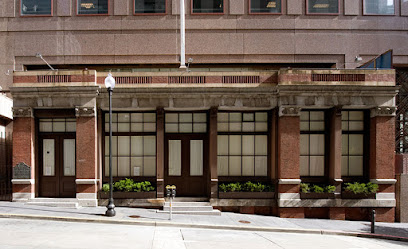
Monument to American Squadron, Manila Bay
0.4 km
A historic landmark in Union Square, San Francisco, commemorating Admiral Dewey's victory at Manila Bay and offering a glimpse into a pivotal moment in American and Philippine history.
Unmissable attractions to see

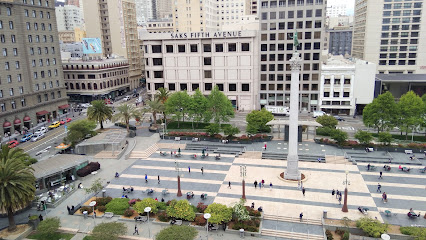
Dragon Gate Chinatown SF
0.1 km
Enter San Francisco's Chinatown through the Dragon Gate, a symbolic and historic gateway to a vibrant cultural experience.
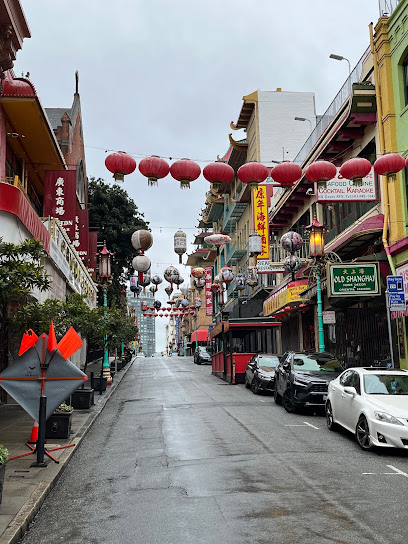
Tian Xia Wei Gong
0.1 km
Experience tranquility and culture at Tian Xia Wei Gong, a serene gem nestled in the heart of San Francisco's vibrant Chinatown.
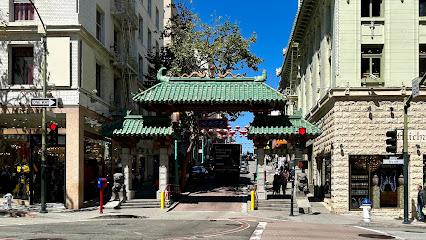
St Mary's Square
0.1 km
Experience the serene beauty of St. Mary's Square, a tranquil park in San Francisco's Chinatown, perfect for relaxation and cultural exploration.
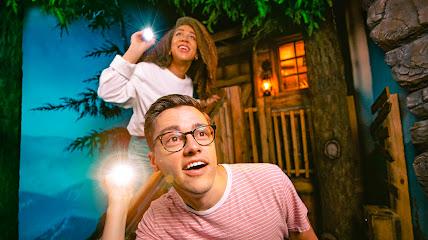
The Escape Game San Francisco (Downtown)
0.2 km
Discover the thrill of escape rooms in the heart of San Francisco at The Escape Game, where adventure awaits around every corner.
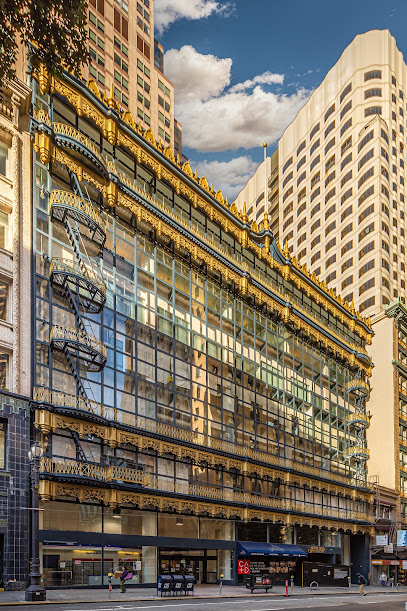
Hallidie Building
0.2 km
A pioneering architectural marvel in San Francisco's Financial District, featuring a revolutionary glass curtain wall design from 1918.
Chinatown view point
0.2 km
Discover breathtaking views of San Francisco's historic Chinatown from this scenic vantage point on California Street. A cultural experience awaits!
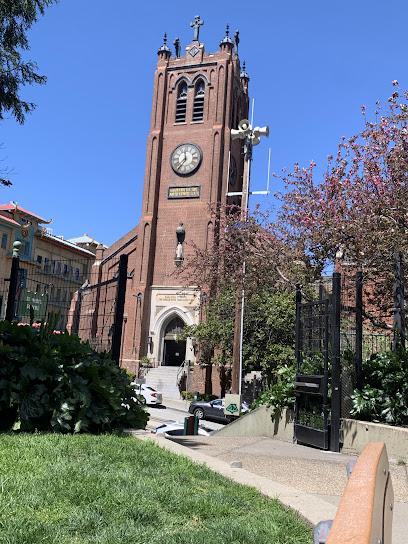
Old Saint Mary's Cathedral
0.2 km
Explore the historic Old Saint Mary's Cathedral in San Francisco's Chinatown, a stunning architectural gem with rich cultural heritage.
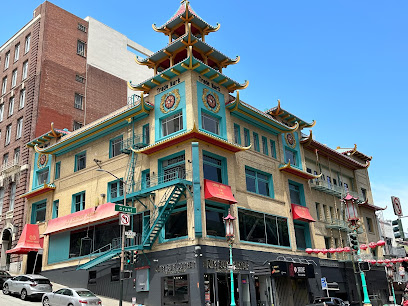
Sing Chong Building
0.2 km
Discover the Sing Chong Building in San Francisco's Chinatown: a historic landmark showcasing unique Chinese-American architecture and cultural heritage.
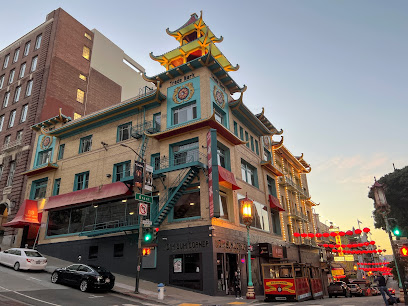
All About Chinatown Tours
0.2 km
Explore the vibrant culture, history, and flavors of San Francisco's Chinatown with immersive tours led by expert guides.
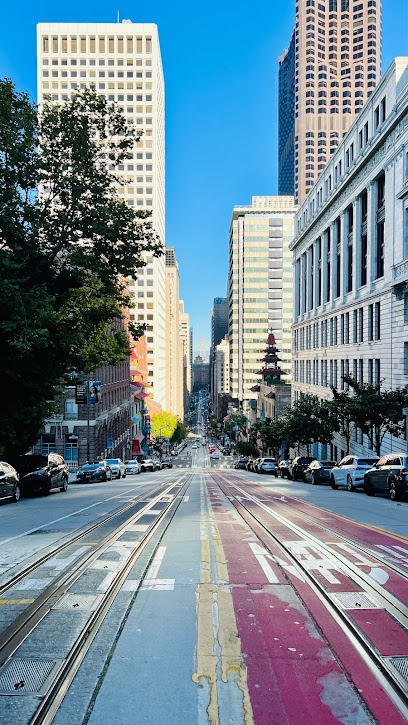
California Street vista
0.3 km
Experience an iconic San Francisco view from Nob Hill, where historic cable cars meet stunning vistas of the city and bay.
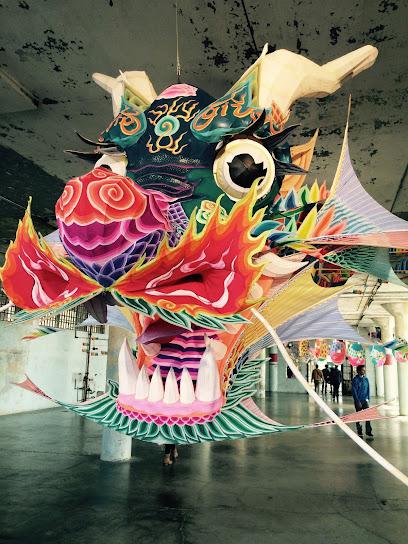
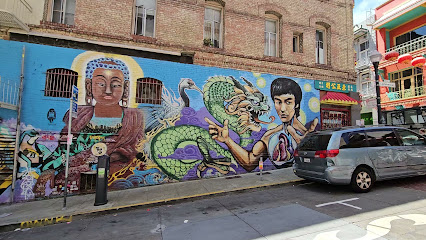
Journey To The West Mural
0.3 km
Explore the captivating Journey to the West Mural in San Francisco's Chinatown, a vibrant celebration of Chinese folklore and artistry.
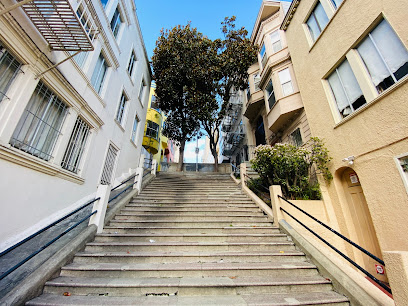
Joice Street Steps
0.3 km
Experience the enchanting Joice Street Steps in San Francisco's Nob Hill, where vibrant gardens meet breathtaking city views in a charming urban setting.
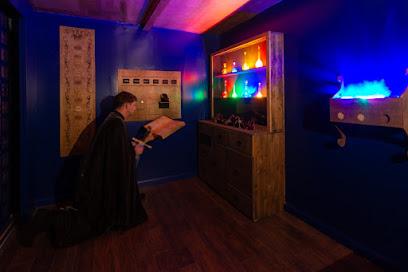
EscapeSF
0.3 km
Experience the thrill of adventure at EscapeSF, San Francisco's top escape room center, where teams solve puzzles and unravel mysteries in immersive settings.
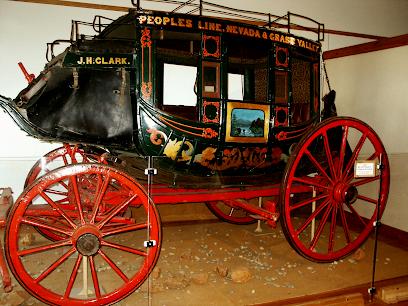
Wells Fargo Museum
0.3 km
Explore the Wells Fargo Museum in San Francisco: a captivating journey through the history of the American West and its iconic financial institution.
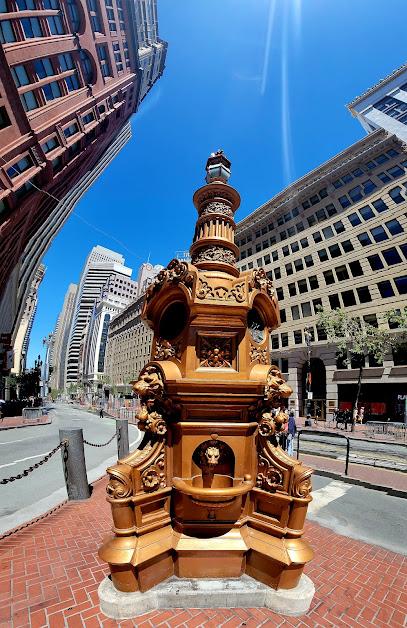
Lotta's Fountain
0.3 km
Discover the beauty and history of Lotta's Fountain, a charming landmark in San Francisco's Union Square, perfect for a leisurely visit.
Essential places to dine

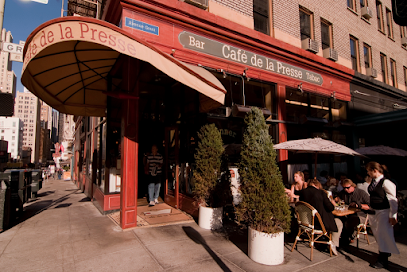
Café de la Presse
0.1 km
Discover authentic French cuisine at Café de la Presse in San Francisco's Union Square - your cozy bistro for brunch, lunch, and delightful desserts.
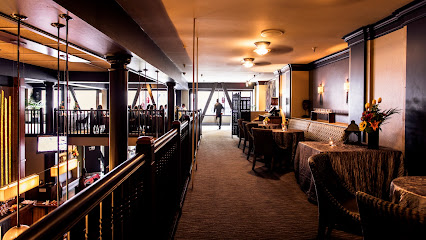
E&O Kitchen and Bar
0.2 km
Experience the vibrant flavors of Southeast Asia at E&O Kitchen and Bar in San Francisco's Union Square – where tradition meets innovation.
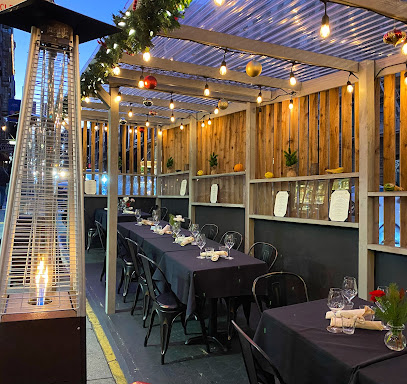
Bouche
0.2 km
Discover the essence of French fine dining at Bouche in San Francisco—where culinary artistry meets elegant ambiance.
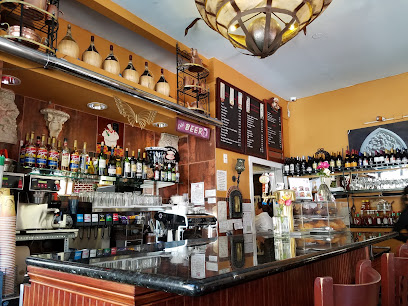
Roxanne Cafe
0.4 km
Discover delicious American comfort food at Roxanne Cafe in San Francisco's Union Square—where every meal is a delightful experience.
Mister Jiu's
0.4 km
Discover Mister Jiu's in Chinatown: Where traditional Chinese flavors meet modern culinary artistry in an unforgettable dining experience.
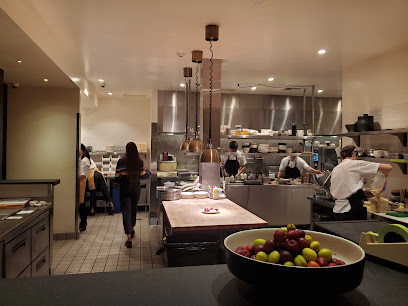
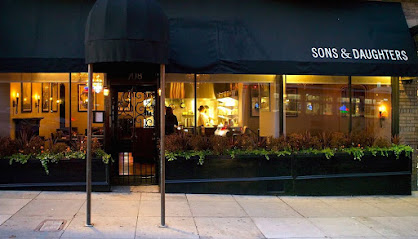
Sons & Daughters
0.4 km
Discover fine dining at Sons & Daughters in Nob Hill, San Francisco - where Californian cuisine meets elegance.
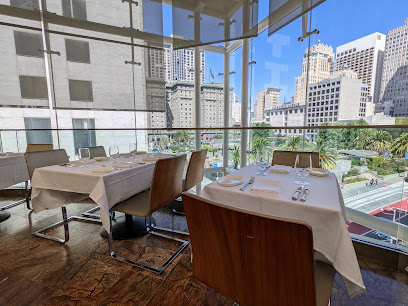
The Rotunda
0.4 km
Experience upscale American dining at The Rotunda in San Francisco's Union Square with stunning views and an exquisite menu.
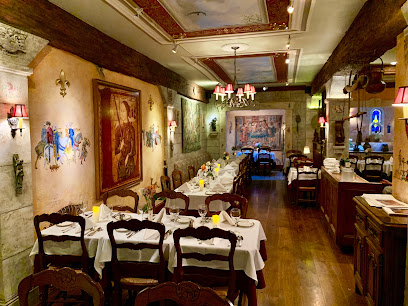
Restaurant Jeanne D'Arc
0.4 km
Experience authentic French cuisine at Restaurant Jeanne D'Arc in San Francisco's Union Square - where every dish tells a story.
Sears Fine Food
0.4 km
Experience the best of American comfort food and authentic Swedish cuisine at Sears Fine Food in San Francisco's vibrant Union Square.
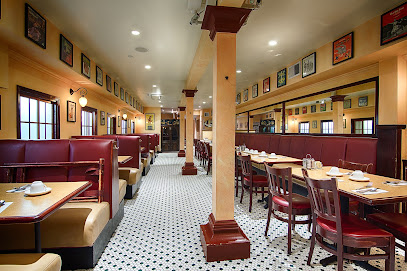
City View Restaurant
0.5 km
Experience authentic Cantonese cuisine at City View Restaurant in San Francisco's vibrant Chinatown with stunning city views.
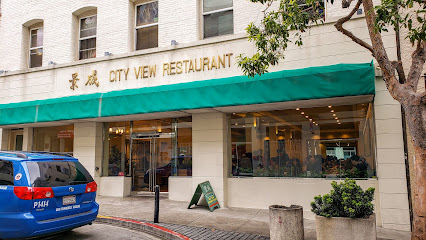
Empress by Boon
0.5 km
Experience authentic Cantonese cuisine at Empress by Boon in San Francisco's vibrant Chinatown—where tradition meets culinary excellence.
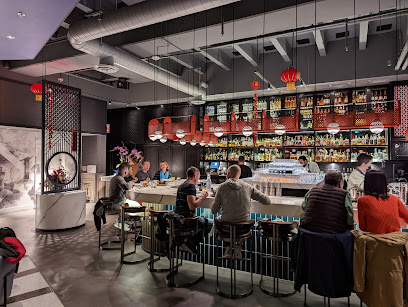
MKT Restaurant and Bar
0.5 km
Discover the culinary delights at MKT Restaurant and Bar in San Francisco—where New American cuisine meets sophisticated dining.

Ula Restaurant & Tapas Bar
0.5 km
Experience the vibrant flavors of Mediterranean cuisine at Ula Restaurant & Tapas Bar in Union Square, San Francisco - where every meal is a celebration.
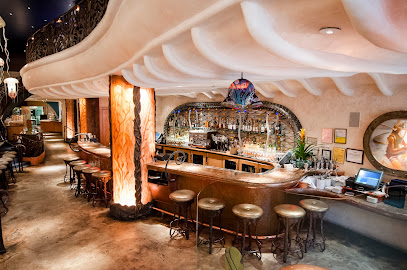
Cesario's
0.6 km
Experience the essence of Italy at Cesario's in San Francisco - where every meal is a celebration of authentic flavors and warm hospitality.
ONE65 San Francisco
0.6 km
Experience the best of French cuisine at ONE65 in San Francisco's Union Square – a delightful blend of fine dining and charming bistro atmosphere.
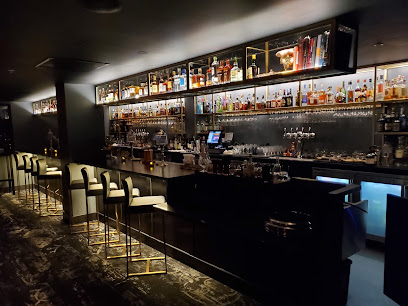
Markets, malls and hidden boutiques

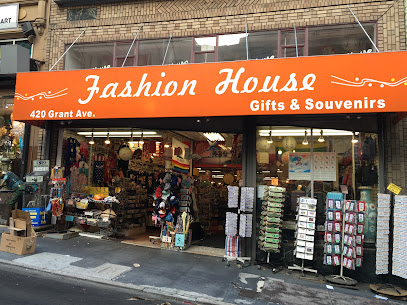
Fashion House & Gifts
0.1 km
Explore the vibrant treasures of Fashion House & Gifts in San Francisco's Chinatown—unique gifts and souvenirs that celebrate the city's culture.
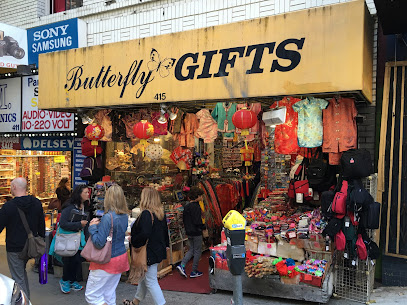
Butterfly's Gift Shop Inc
0.1 km
Explore Butterfly's Gift Shop Inc in San Francisco's Chinatown for unique gifts and unforgettable souvenirs that reflect the city's vibrant culture.
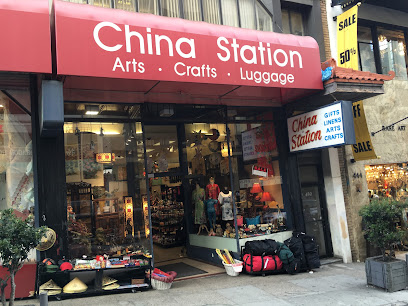
China Station
0.1 km
Explore the authentic treasures of Chinatown at China Station, your go-to gift shop for traditional crafts and unique home goods.
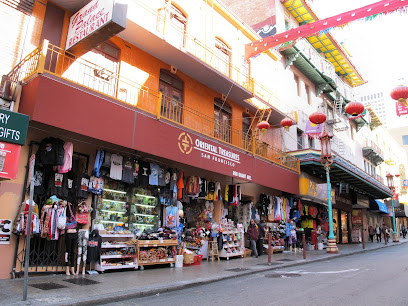
Oriental Treasures San Francisco
0.1 km
Explore a treasure trove of Asian artifacts and unique gifts at Oriental Treasures in San Francisco's enchanting Chinatown.
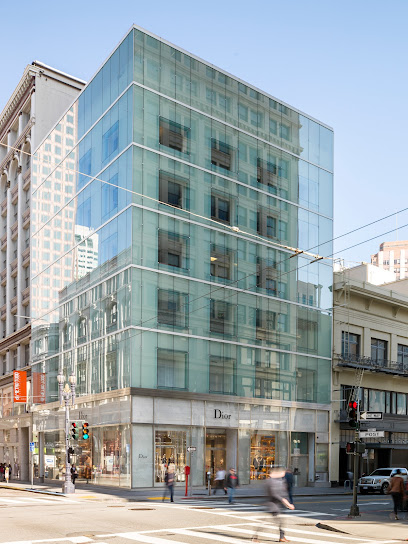
DIOR San Francisco Post Street
0.3 km
Discover the elegance of DIOR San Francisco, where luxury women's fashion meets artistry in the heart of Union Square.
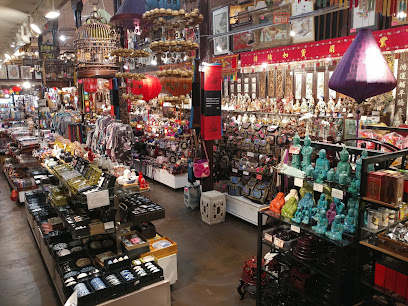
Canton Bazaar
0.3 km
Discover unique treasures at Canton Bazaar, a vibrant gift shop in San Francisco's Chinatown, perfect for authentic souvenirs and cultural finds.
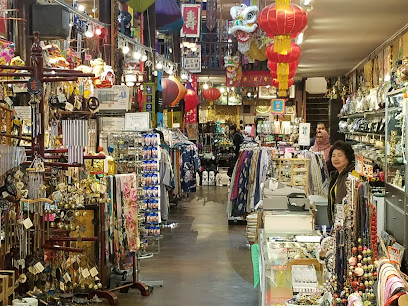
Old Shanghai
0.3 km
Explore Old Shanghai in San Francisco's Chinatown for unique gifts and authentic decor that capture the essence of the exotic Orient.
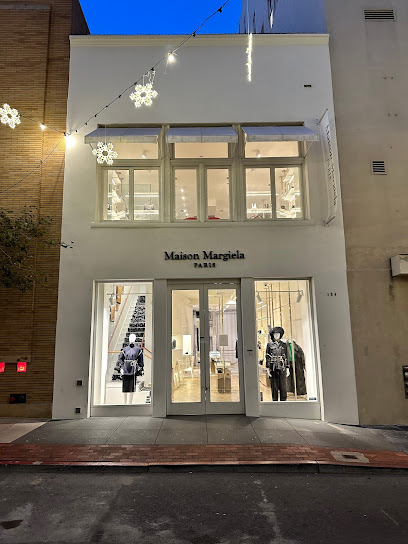
Maison Margiela San Francisco
0.3 km
Experience the cutting-edge of fashion at Maison Margiela San Francisco, where luxury meets artistic expression in an unforgettable shopping experience.
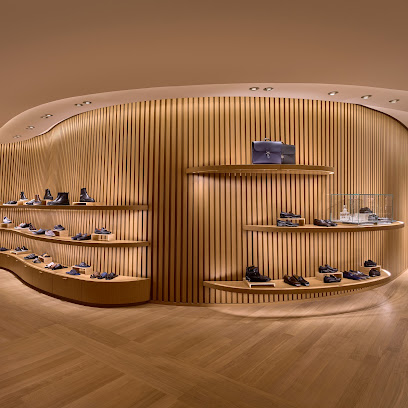
Hermes San Francisco Store
0.3 km
Discover unparalleled luxury at Hermes San Francisco, where elegant leather goods and fashion accessories await in the heart of Union Square.
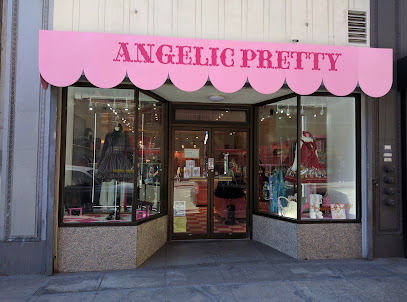
Angelic Pretty San Francisco
0.3 km
Discover whimsical women's fashion at Angelic Pretty San Francisco, where chic elegance meets unique Japanese-inspired designs in the heart of the city.
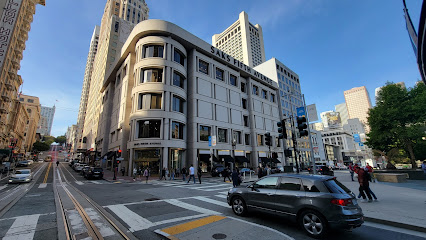
Saks Fifth Avenue
0.4 km
Discover the ultimate luxury shopping experience at Saks Fifth Avenue in San Francisco's Union Square, featuring top designer brands and exquisite accessories.
Unique Variety
0.4 km
Explore Unique Variety in San Francisco's Chinatown for authentic souvenirs and cultural treasures that embody the city's vibrant spirit.
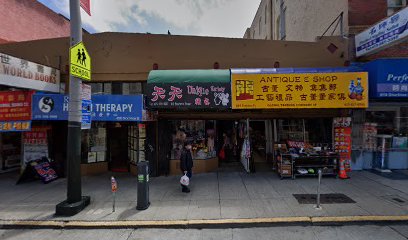
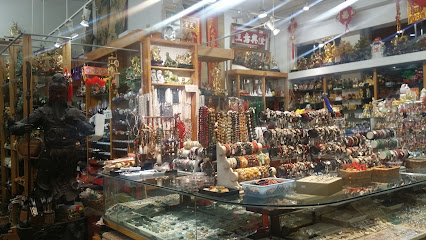
Jing Ying Gift Shop inc
0.4 km
Explore Jing Ying Gift Shop in San Francisco's Chinatown for unique gifts and authentic souvenirs that capture the essence of Chinese culture.
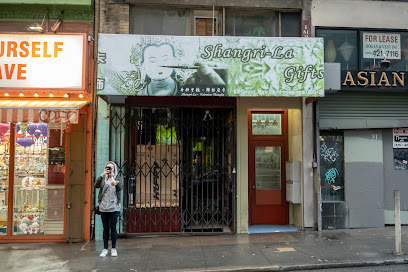
Shangri La Gifts
0.4 km
Explore Shangri La Gifts in San Francisco's Chinatown for unique treasures and a taste of local craftsmanship that captures the city's vibrant culture.
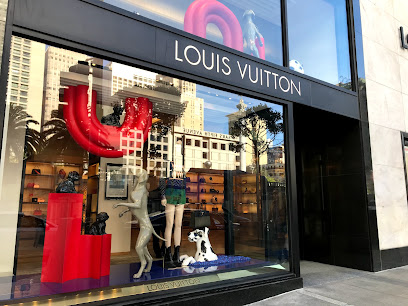
Louis Vuitton San Francisco Union Square
0.4 km
Explore the luxury of Louis Vuitton in San Francisco's Union Square, where timeless elegance meets modern sophistication in leather goods.
Essential bars & hidden hideouts

Harlan Records
0.1 km
Discover Harlan Records, the ultimate cocktail bar in San Francisco's Union Square, where exquisite drinks meet an unforgettable vinyl experience.
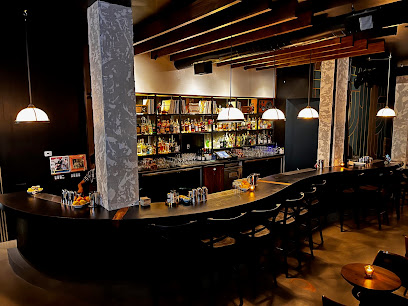
Rickhouse
0.1 km
Experience the vibrant cocktail culture of San Francisco at Rickhouse, where craft meets creativity in a chic bar ambiance.
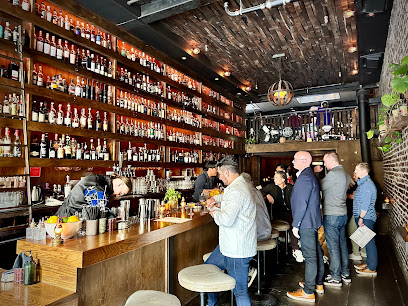
718
0.2 km
Discover the unique flavors and vibrant atmosphere at 718 Lounge in San Francisco's historic Chinatown, where craft cocktails and Asian cuisine meet.
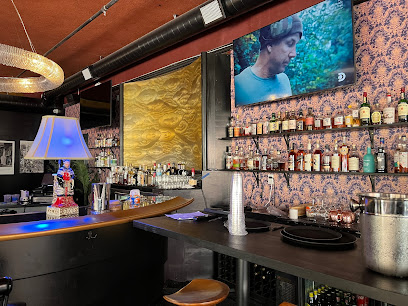
Tunnel Top Lounge and Bar
0.2 km
Discover the vibrant atmosphere of Tunnel Top Lounge and Bar in San Francisco, combining art, cocktails, and a unique lounge experience in Union Square.
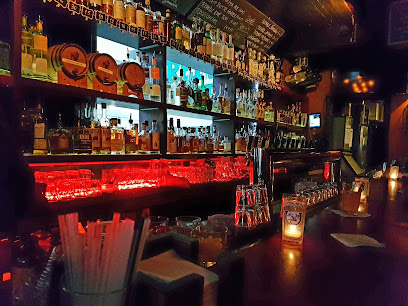
Iron Horse Cocktails
0.3 km
Discover the vibrant atmosphere and innovative cocktails at Iron Horse Cocktails in San Francisco's lively Union Square.
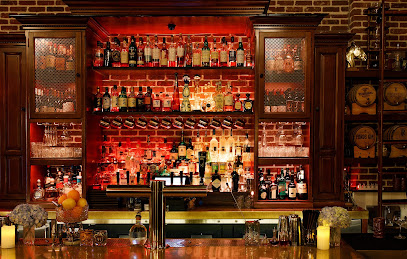
Last Drop Tavern
0.3 km
Discover Last Drop Tavern in San Francisco's Union Square, where delicious New American cuisine meets creative cocktails in a vibrant atmosphere.
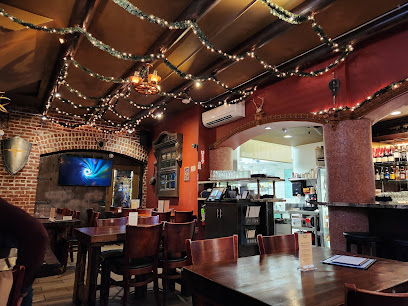
Moongate Lounge
0.4 km
Discover the vibrant atmosphere of Moongate Lounge in San Francisco's Chinatown, where cocktails and Chinese cuisine blend seamlessly for a unique experience.
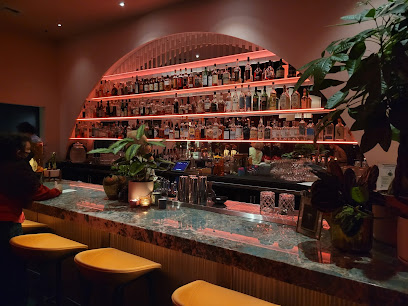
Local Edition
0.4 km
Discover Local Edition, San Francisco's stylish cocktail bar blending innovative drinks and vibrant ambiance for an unforgettable night out.
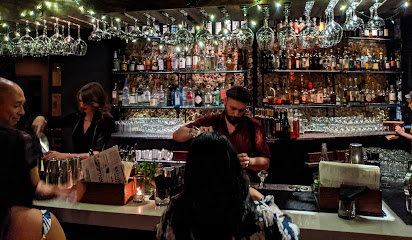
The House Of Shields
0.4 km
Experience the blend of history and vibrant nightlife at The House Of Shields, a must-visit bar in San Francisco's Financial District.
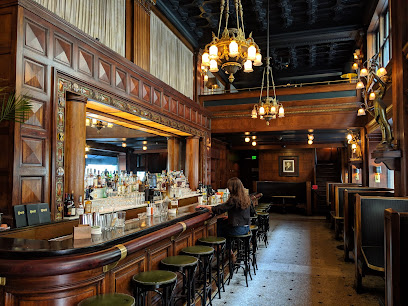
Pacific Cocktail Haven
0.5 km
Discover San Francisco's premier cocktail experience at Pacific Cocktail Haven, where innovative drinks and a vibrant atmosphere await every visitor.
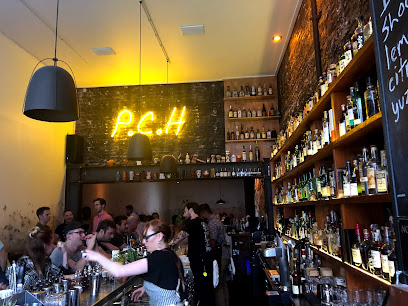
Clock Bar
0.5 km
Discover Clock Bar in Union Square: A chic lounge and restaurant offering exquisite cocktails and delectable bites in the heart of San Francisco.
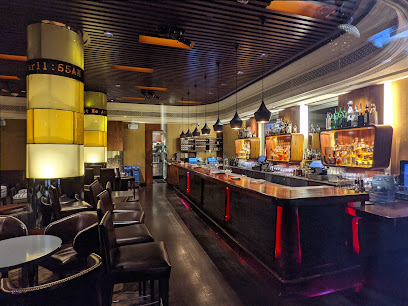
Buddha Lounge
0.5 km
Discover the serene ambiance of Buddha Lounge in San Francisco's Chinatown, where eclectic decor meets a diverse drink selection.

CHI Lounge
0.5 km
Discover CHI Lounge in San Francisco's Chinatown for an unforgettable night of live music, dancing, and vibrant cocktails.
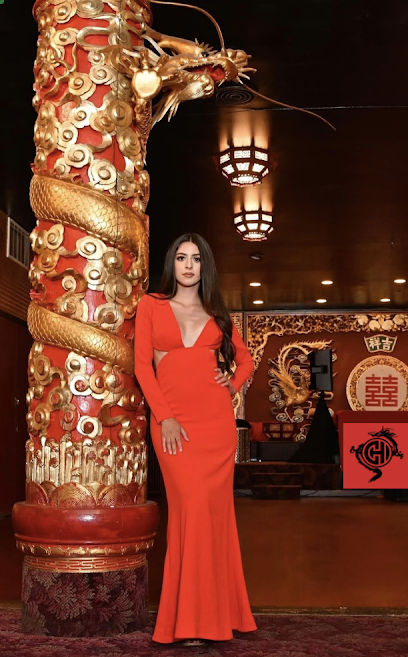
Li Po Cocktail Lounge
0.5 km
Discover the historic Li Po Cocktail Lounge in San Francisco's Chinatown, where exquisite cocktails and timeless charm await every visitor.
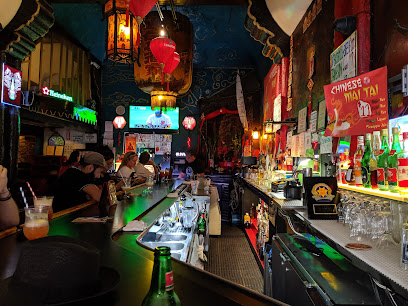
Lion's Den Lounge and Bar
0.6 km
Discover the pulse of San Francisco's nightlife at Lion's Den Lounge and Bar, where live music and DJ services create unforgettable evenings.
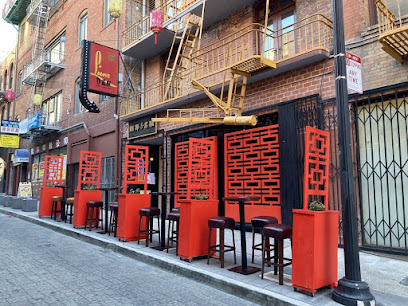
Nightclubs & after hour spots

Hawthorn SF Nightclub and Lounge
0.3 km
Discover Hawthorn SF Nightclub and Lounge - the premier nightlife destination in Union Square, San Francisco, where unforgettable nights await.
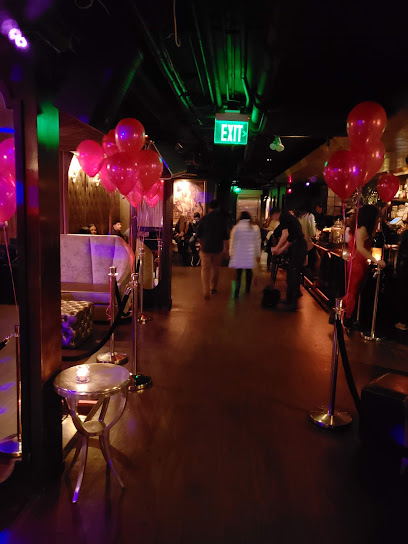
Sam's Cable Car Lounge
0.5 km
Experience the vibrant atmosphere of Sam's Cable Car Lounge - your perfect getaway in San Francisco's Union Square for drinks, food, and fun.
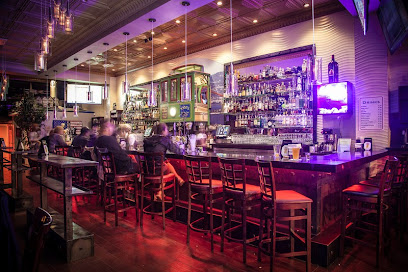
Harlot
0.6 km
Experience the chic ambiance of Harlot in SoMa, San Francisco's premier lounge and cocktail bar, perfect for any occasion.
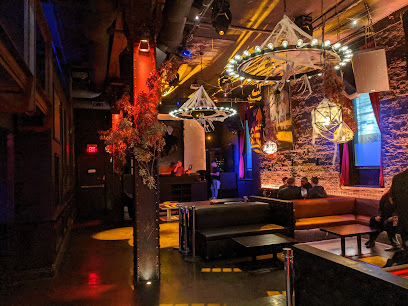
Temple Nightclub San Francisco
0.7 km
Discover the electrifying atmosphere of Temple Nightclub in San Francisco - a premier destination for nightlife, dancing, and unforgettable memories.
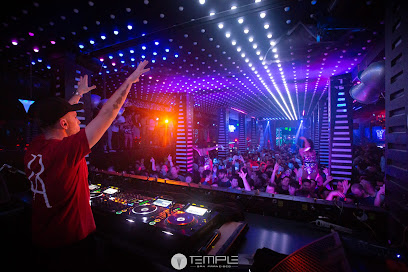
Monroe SF
0.8 km
Discover the electrifying nightlife of Monroe SF, where handcrafted cocktails and vibrant music create unforgettable evenings in San Francisco's North Beach.
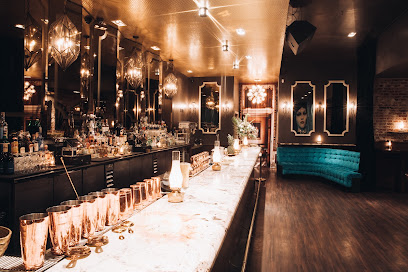
Vanity San Francisco
0.8 km
Discover the allure of Vanity San Francisco - a premier night club featuring live performances, cabaret shows, and an electric nightlife atmosphere.
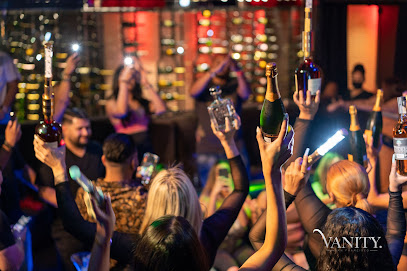
Club Fugazi Experiences
1.1 km
Discover the vibrant fusion of circus, live music, and dining at Club Fugazi in San Francisco's North Beach, where unforgettable experiences await.
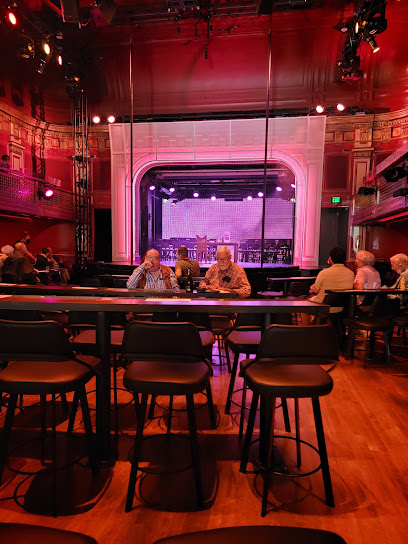
Club Six
1.1 km
Discover the pulse of San Francisco at Club Six, where art meets nightlife in a dynamic celebration of music and cocktails.
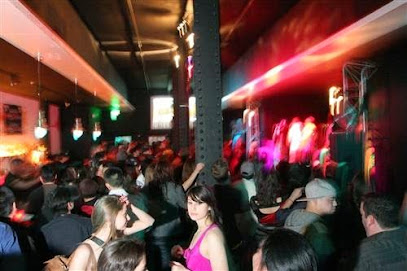
Monarch
1.1 km
Experience the vibrant nightlife at Monarch, San Francisco's premier night club and live music venue with electrifying performances and creative cocktails.
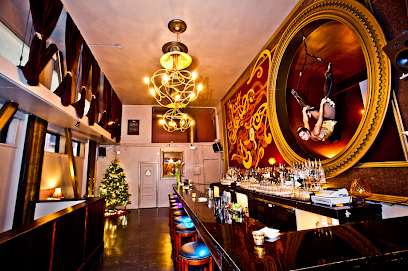
City Nights
1.2 km
Discover the electrifying nightlife of City Nights, a premier San Francisco night club that promises unforgettable moments and vibrant energy.
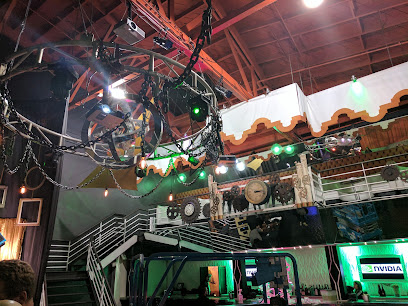
Club X
1.2 km
Discover the pulse of San Francisco nightlife at Club X, a dynamic night club in SoMa with electrifying music and vibrant atmosphere.
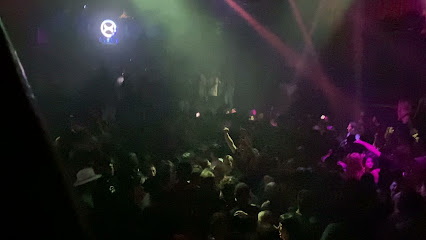
Providence Night Club
1.4 km
Dive into San Francisco's nightlife at Providence Night Club, where live music meets vibrant energy for an unforgettable evening.
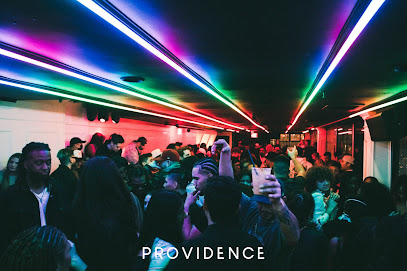
Pura Club
1.4 km
Dive into San Francisco's nightlife at Pura Club, where electrifying live music meets a vibrant dance atmosphere in the heart of SoMa.
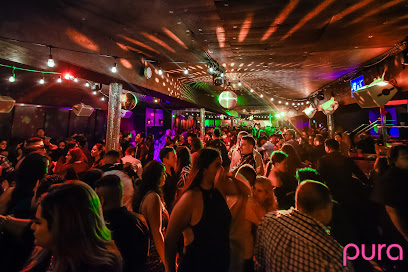
The Grand
1.4 km
Experience the electrifying nightlife at The Grand, a premier night club in San Francisco's SoMa district, with top DJs and an unforgettable atmosphere.
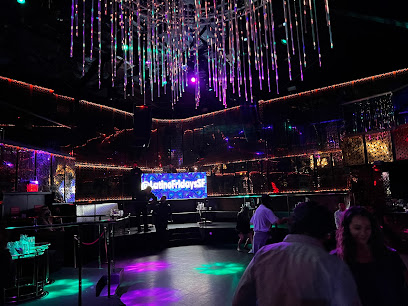
The EndUp
1.5 km
Discover San Francisco's vibrant nightlife at The EndUp, an iconic nightclub known for its electrifying atmosphere and unforgettable dance parties.