Background

Sutro Tower: San Francisco's Skyline Icon

San Francisco's iconic 977-foot communications tower, a symbol of the city's skyline and a testament to engineering, offering panoramic views from surrounding areas and a glimpse into broadcasting history.

4.6
Find your perfect hotel, anywhere in the world.

When's your trip?

Who's coming?

Adult (18-90)
Min: 1 Max: 6
Add a child
At least one participant is required. Please adjust and try again.

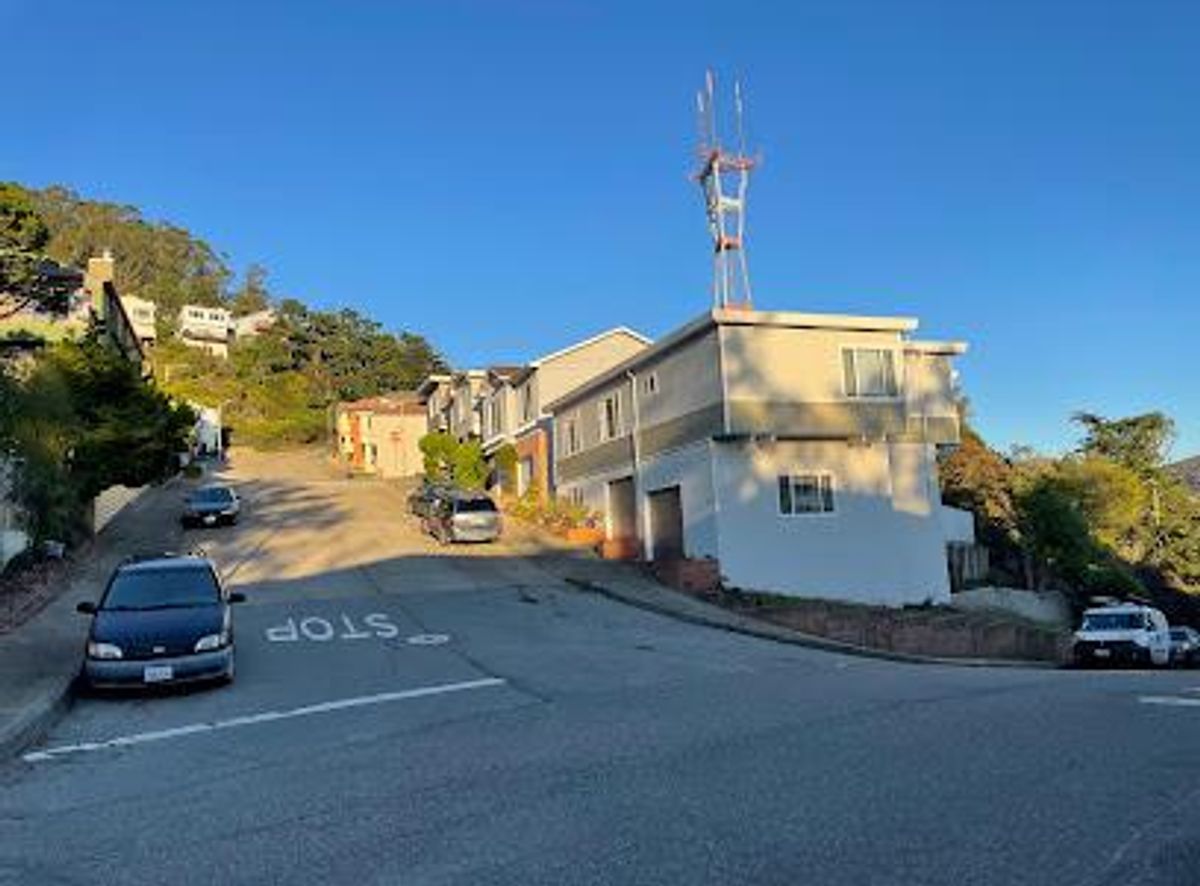
Dominating the San Francisco skyline, Sutro Tower is a 977-foot-tall communications tower that has become a beloved, if initially controversial, landmark. Built in 1973 to improve television and radio reception in the hilly city, the tower is now a recognizable symbol of San Francisco. While there's no public access *inside* the tower, the surrounding area offers panoramic viewpoints and hiking trails. Its distinctive three-pronged design and immense size make it a must-see, even if only from a distance, offering a unique photo opportunity and a chance to appreciate a feat of engineering that has become an integral part of the city's identity. Whether shrouded in fog or gleaming in the sun, Sutro Tower is a captivating presence.

A brief summary to Sutro Tower

Local tips

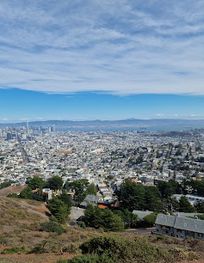
  • Visit Twin Peaks for the most iconic panoramic view of San Francisco with Sutro Tower as a focal point.
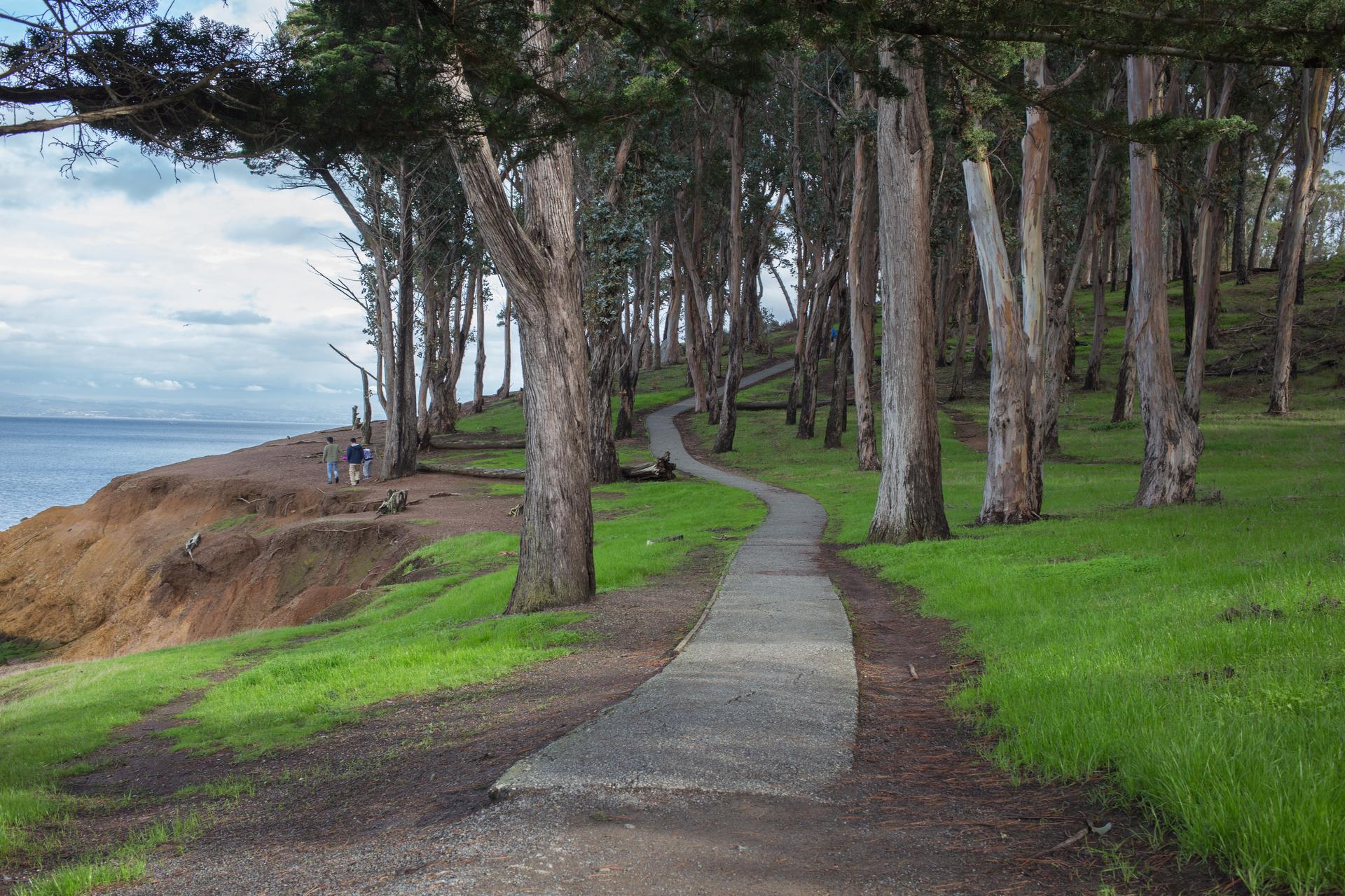
  • Explore the hiking trails in Mount Sutro Open Space Reserve for closer views of the tower and a peaceful natural setting.
  • Check the weather forecast; Sutro Tower is especially striking when it pierces through the fog.
  • Take public transportation or rideshare, as parking near the tower can be limited, especially on weekends.
  • Bring a camera with a good zoom lens to capture the intricate details of the tower's structure.
widget icon

Getting There

  • Public Transport

    From central San Francisco (e.g., Market Street & Van Ness Avenue), take the Muni bus line 36 towards Forest Hill Station. The bus runs frequently. Get off at the Panorama Drive & Dellbrook Avenue stop. From there, it's approximately a 10-minute uphill walk to Sutro Tower. A single Muni fare is $3.00 for adults paying with cash, or $2.75 if using a Clipper card or the MuniMobile app. A day pass costs $5 and allows unlimited rides on Muni buses, light rail, and streetcars (excluding cable cars).

  • Taxi/Ride-Share

    From most locations in San Francisco, a taxi or ride-share (Uber/Lyft) to Sutro Tower will take approximately 15-25 minutes, depending on traffic. The estimated cost ranges from $14-$18. Note that traffic can be heavy during peak hours, potentially increasing travel time and cost. Input '1 La Avanzada St, San Francisco' as your destination.

  • Driving

    Driving to Sutro Tower involves navigating some steep and winding roads. From most parts of San Francisco, follow directions to Clarendon Avenue, then turn onto La Avanzada Street. Note that there is no dedicated parking lot at Sutro Tower. Street parking is extremely limited and can be challenging to find, especially on weekends. Closest parking is located at 551 Dellbrook Ave SF. Parking is free. Be mindful of parking restrictions and street cleaning schedules.

Unlock the Best of Sutro Tower

Buy tickets

    No tickets available

Book tours with entry

    No tours available

Book tours without entry

    No tours available

Discover more about Sutro Tower

Sutro Tower, a towering lattice structure piercing the San Francisco sky, is more than just a communications hub; it's a symbol of the city itself. Rising 977 feet (298 meters) from a hill nestled between Twin Peaks and Mount Sutro, near the Clarendon Heights neighborhood, the tower is a prominent feature of the skyline, visible from many vantage points throughout the Bay Area. While not universally loved upon its completion, Sutro Tower has gradually become an iconic landmark, recognized and even embraced by residents and visitors alike. Before Sutro Tower's construction in 1973, television reception in San Francisco was notoriously unreliable due to the city's hilly terrain. The tower was conceived as a solution, consolidating the transmission antennas of various local television and radio stations into a single, elevated location. This significantly improved signal quality and coverage throughout the region, ensuring that residents could enjoy clear broadcasts. The tower's design, by Albert C. Martin & Associates, is a marvel of engineering. Its three-legged structure is anchored by a massive foundation, using approximately 132,000 cubic feet of concrete. To withstand earthquakes, two-thirds of the tower's weight is ballasted below ground, placing its center of gravity sixteen feet underground. The tower is capable of withstanding significant seismic activity and high winds, ensuring uninterrupted broadcasting services. Sutro Tower is named after Mount Sutro, the hill on which it stands. The hill, in turn, is named after Adolph Sutro, a Prussian-born engineer, entrepreneur, and former mayor of San Francisco. Sutro made his fortune in the Comstock Lode silver mines and later became a prominent real estate developer in San Francisco. His grandson, Adolph Gilbert Sutro, built a mansion called La Avanzada on the property in the 1930s. In 1948, the property was sold to the American Broadcasting Company (ABC), which used it as the original home of KGO Television. The mansion was later demolished to make way for Sutro Tower. While public access inside Sutro Tower is restricted to authorized personnel, the surrounding area offers several opportunities for viewing and appreciating the structure. Twin Peaks, located nearby, provides panoramic views of the city, with Sutro Tower prominently featured in the skyline. Mount Sutro Open Space Reserve offers hiking trails that wind around the base of the tower, providing closer perspectives and a chance to explore the natural environment. From certain vantage points, the tower appears to pierce through the fog that often blankets the city, creating a surreal and captivating scene. Over the years, Sutro Tower has become a symbol of San Francisco, appearing in countless photographs, films, and television shows. It has been featured in video games and is used as a logo by local businesses and organizations. Despite initial criticism of its aesthetics, many now consider it an integral part of the city's identity, a testament to engineering ingenuity and a reminder of San Francisco's unique character. The tower serves more than 1 million people, transmitting signals for numerous television and FM radio stations, along with wireless and mobile communications for taxi dispatchers, emergency responders, and law enforcement throughout the Bay Area. In 2009, the tower converted to all-digital transmissions, ensuring that it remains a vital part of the region's communications infrastructure for years to come. Although there is no public access to the interior of Sutro Tower, the views of the structure from various points around San Francisco are well worth the trip. Whether you're a visitor or a long-time resident, Sutro Tower is a landmark that embodies the spirit of San Francisco: innovative, resilient, and undeniably unique.

Popular Experiences near Sutro Tower

Popular Hotels near Sutro Tower

Select Currency