Beale's Cut: A Slice Through Time
Discover Beale's Cut: A historic stagecoach pass and iconic film location in Santa Clarita, California, offering a glimpse into the Old West and early transportation.
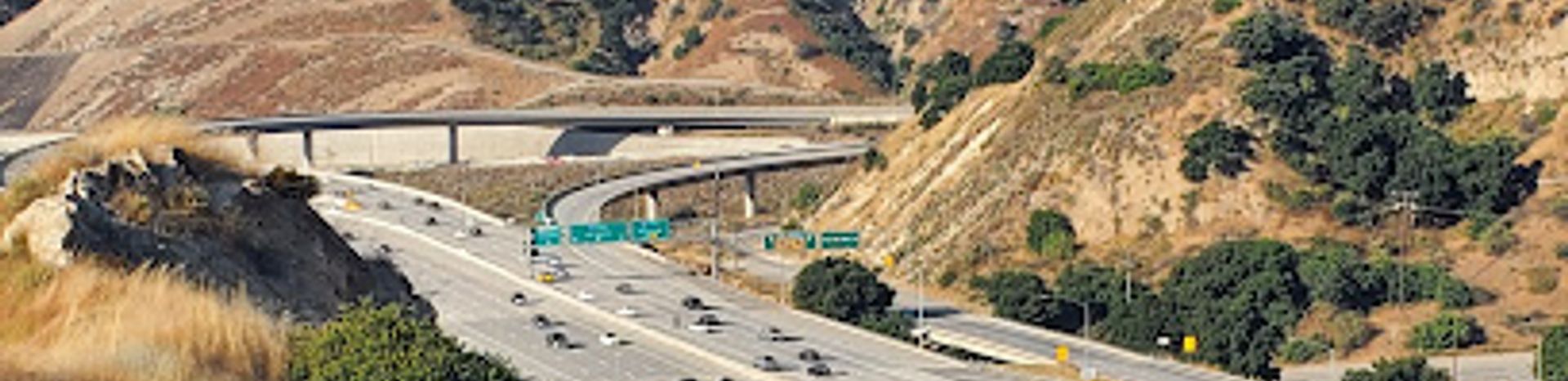
Beale's Cut, a historical landmark near Santa Clarita, California, is a testament to 19th-century engineering and a silent film icon. Carved through the mountains in the 1860s, it served as a crucial passage for stagecoaches and wagons heading north from Los Angeles. General Edward F. Beale deepened an existing cut to create a 90-foot-deep passage, facilitating trade and travel. Though bypassed by the Newhall Tunnel in 1910 and partially collapsed during the 1994 Northridge earthquake, Beale's Cut remains a visible reminder of early transportation challenges and ingenuity. Its dramatic landscape made it a popular filming location for Westerns, featuring in movies by John Ford and D.W. Griffith. Today, visitors can explore the area, reflect on its historical significance, and enjoy the surrounding natural beauty, while imagining stagecoaches and cowboys traversing this iconic cut.
A brief summary to Beale's Cut
- 22580 Sierra Hwy, Sylmar, Sylmar, California, 91342, US
- Visit website
Local tips
- Wear sturdy shoes for the short, uneven trail leading to the cut.
- Bring water, especially during warmer months, as there are limited facilities nearby.
- Visit during early morning or late afternoon for optimal lighting for photography.
- Read the historical markers to learn about the cut's significance and its role in transportation and film history.
- Combine your visit with a trip to other nearby attractions in Santa Clarita, such as the William S. Hart Museum or the Walk of Western Stars.

Getting There
-
Driving
From central Santa Clarita, head north on Sierra Highway. Continue for several miles. Beale's Cut will be on your left, between Sierra Highway and the Antelope Valley Freeway (SR-14). Look for a small parking turnoff on the side of the road. Be aware that parking is limited. There are no tolls or parking fees.
-
Public Transport
From the Santa Clarita Transit Center, take the Metrolink Antelope Valley Line towards Los Angeles Union Station. Get off at the Sylmar/San Fernando Station. From there, head south on San Fernando Road, then turn right onto Sierra Highway. Walk approximately 1.2 miles north on Sierra Highway to reach Beale's Cut. A one-way Metrolink fare from Santa Clarita to Sylmar/San Fernando is approximately $7-9. There are no additional costs for accessing Beale's Cut from Sierra Highway.
-
Walking
If you are near the Sylmar/San Fernando Metrolink Station, exit the station and head south on San Fernando Road. After about 0.3 miles, turn right onto Sierra Highway. Continue on Sierra Highway for approximately 1.2 miles. Beale's Cut will be on your left. The walk will take approximately 30-40 minutes. There are no costs associated with walking to Beale's Cut.
Discover more about Beale's Cut
Iconic landmarks you can’t miss

Beale's Cut
0.0 km
Discover Beale's Cut: A historic stagecoach pass and iconic film location in Santa Clarita, California, offering a glimpse into the Old West and early transportation.
West Portal Newhall Tunnel
1.3 km
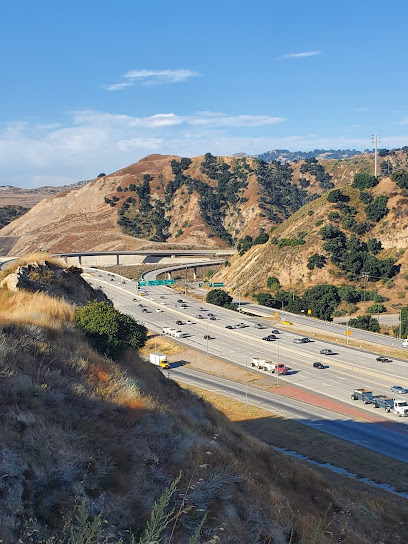
Explore the historic West Portal Newhall Tunnel in Santa Clarita, a testament to 19th-century engineering and a vital link in California's transportation history, offering scenic views and a glimpse into the past.
Pioneer Oil Refinery
3.0 km
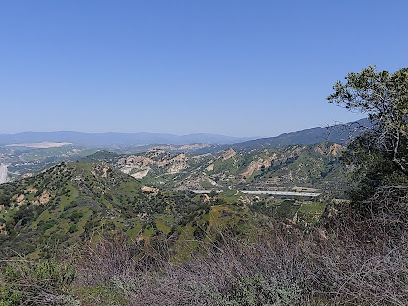
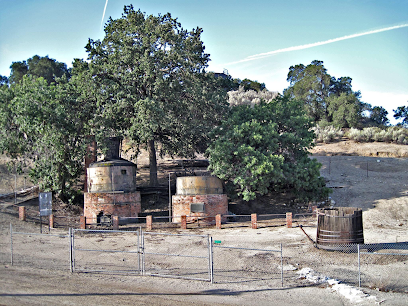
Discover the roots of California's oil industry at the Pioneer Oil Refinery in Newhall, where history comes alive amidst original structures and tales of innovation.
Old Town Newhall
4.1 km
Explore Old Town Newhall, a charming historical landmark in California, filled with boutique shops, art galleries, and vibrant community events.

Old Car Home
4.5 km
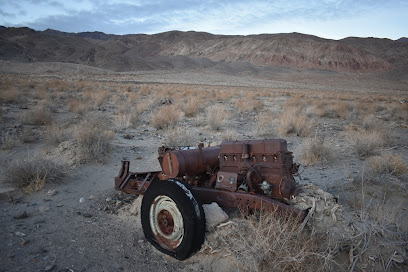
Explore the Old Car Home in Newhall, CA - a captivating historical landmark showcasing vintage automobiles and automotive history.
County of Los Angeles Century
8.7 km
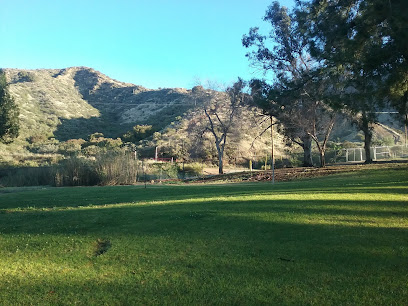
Explore the County of Los Angeles Century, a historic landmark in Sylmar, CA, where history and nature converge beautifully.
Mission Dam Marker
8.7 km
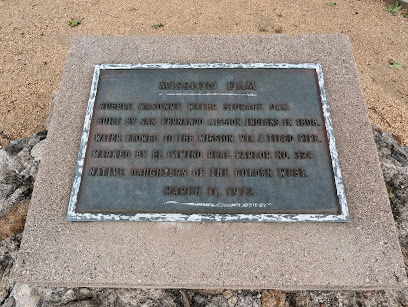
Discover the historical significance of the Mission Dam Marker in Mission Hills, a tribute to early California's waterworks and the ingenuity of its people.
Cordova Fountain Replica
9.1 km
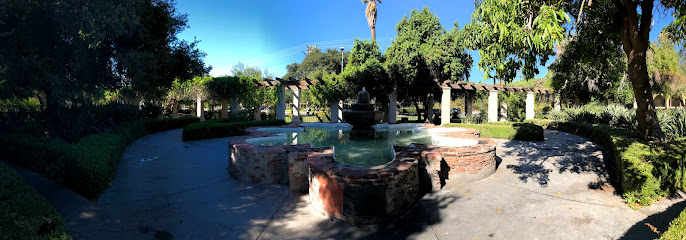
Discover a tranquil replica of a Spanish fountain in Mission Hills' Brand Park, a serene reminder of California's mission past and a testament to preservation.
Valencia Town Center
9.2 km
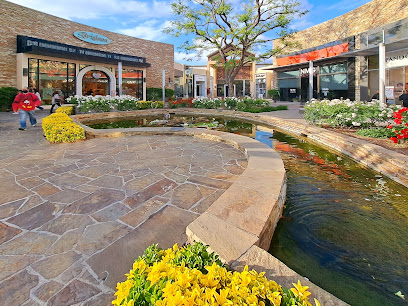
Experience Valencia Town Center: A premier shopping, dining, and entertainment destination in Santa Clarita, offering a vibrant mix of retailers and community events for the whole family.
Soledad Canyon
9.3 km
Explore Soledad Canyon: A historic passage through stunning landscapes, offering hiking, history, and a glimpse into California's transportation past, just a short drive from Santa Clarita.
San Fernando Valley Historical Society
9.4 km
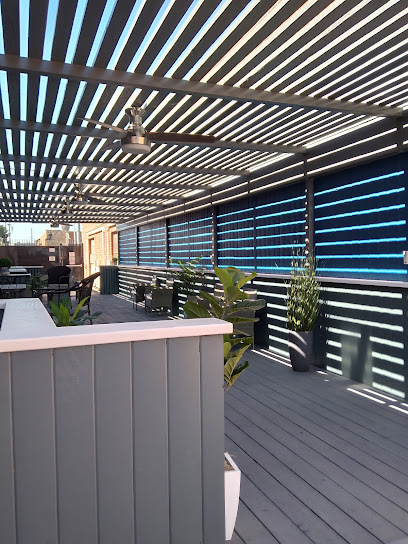
Explore the San Fernando Valley's rich history at the Historical Society, where stories of the past come alive through engaging exhibits and community events.
The Oakridge Estate
10.3 km
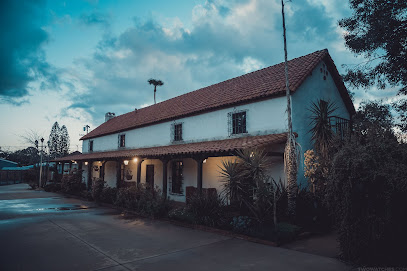
Step back in time at The Oakridge Estate in Northridge, CA: Explore historical architecture, gardens, and exhibits that bring the past to life, offering a unique glimpse into California's heritage.
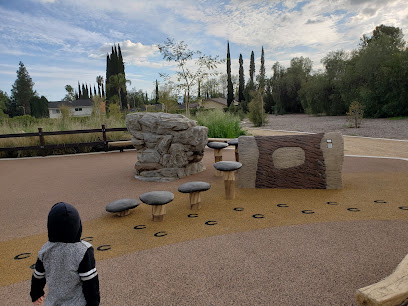
Pico Canyon
10.6 km
Explore Pico Canyon: Discover California's oil industry origins amidst scenic trails and historic Mentryville, a preserved 1880s boomtown in Santa Clarita Woodlands Park.
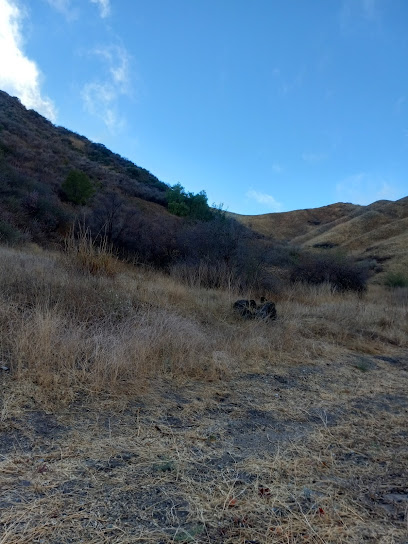
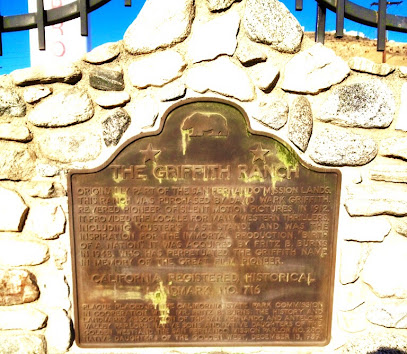
Griffith Ranch Historical Monument
10.8 km
Discover the agricultural heritage of Los Angeles at Griffith Ranch Historical Monument, a captivating historical landmark nestled in Pacoima.
Iron Horse Trailhead
10.9 km
Discover Santa Clarita's history and natural beauty at the Iron Horse Trailhead, featuring a historic bridge, public art, and access to scenic trails for hiking, biking, and equestrian adventures.

Unmissable attractions to see

Santa Clarita History Center
3.7 km
Discover the rich history of Santa Clarita at the Santa Clarita History Center, where the past comes alive through engaging exhibits and artifacts.
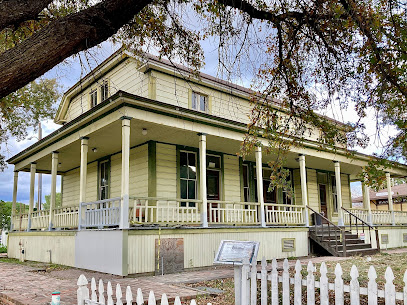
William S Hart Museum
3.7 km
Explore the legacy of a silent film cowboy at William S. Hart Museum in Newhall, with Western art, Native American artifacts, and bison!
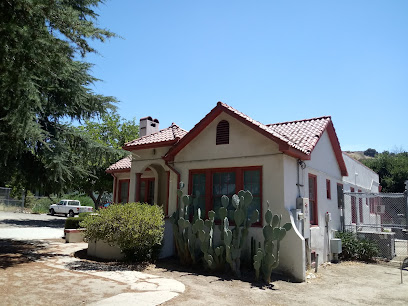
Hart Park
3.8 km
Explore the legacy of a silent film legend at this Santa Clarita park, featuring a museum, bison herd, hiking trails, and a glimpse into the Old West.
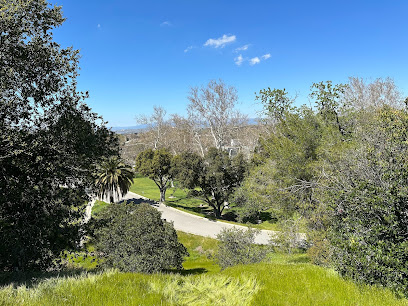
Pulchella Winery
4.1 km
Explore the scenic beauty and exquisite wines of Pulchella Winery, a must-visit destination for wine lovers in Santa Clarita.
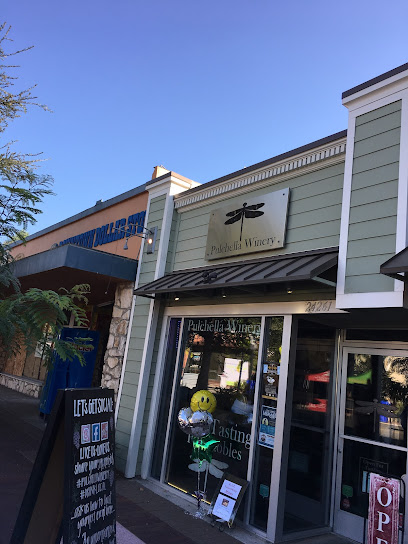
Walk of Western Stars
4.2 km
Explore the Walk of Western Stars in Santa Clarita, a historical landmark celebrating the legends of Western cinema with beautiful bronze plaques.

Towsley Canyon Park
4.6 km
Discover scenic trails, unique rock formations, and a peaceful escape at Towsley Canyon Park in Newhall, California.
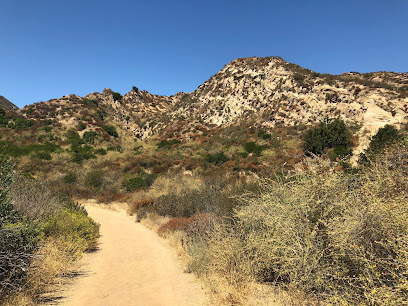
The Oak of the Golden Dream
4.9 km
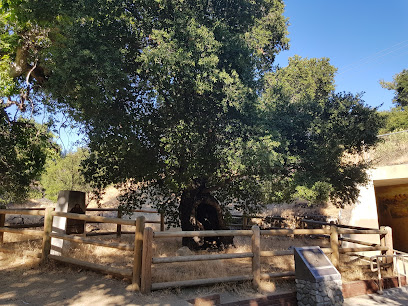
Explore the historic Oak of the Golden Dream in Placerita Canyon, where California's gold rush history meets stunning natural beauty.
Quigley Canyon Open Space
5.0 km
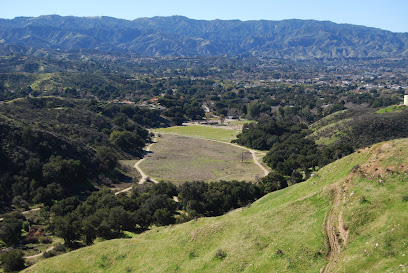
Experience the natural beauty and tranquility of Quigley Canyon Open Space in Santa Clarita, a perfect destination for outdoor adventures and relaxation.
Placerita Canyon Nature Center
5.2 km
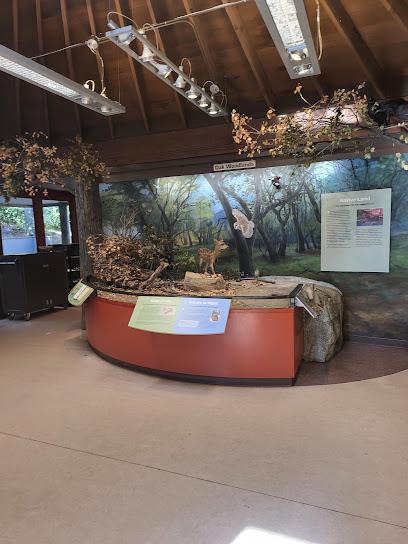
Discover the beauty of California's nature at Placerita Canyon Nature Center, a premier tourist attraction for outdoor enthusiasts and families.
Old Orchard Park
5.3 km
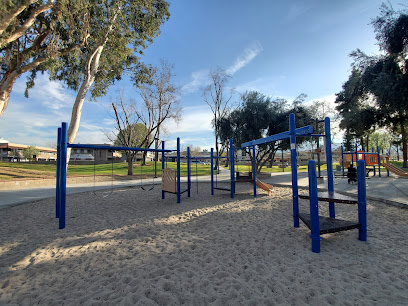
Explore the scenic beauty of Old Orchard Park, a perfect blend of nature and leisure in Santa Clarita, California.
Valencia Glen Park
6.8 km
Discover the natural beauty and recreational charm of Valencia Glen Park in Santa Clarita, an ideal destination for families and nature lovers.
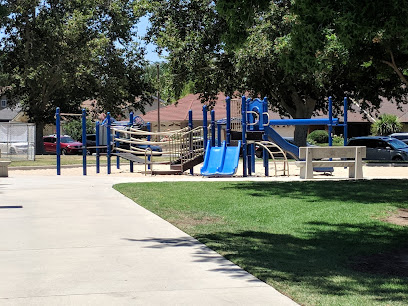
Golden Valley Ranch Open Space
7.7 km
Discover the serene beauty of Golden Valley Ranch Open Space, a perfect retreat for hiking, wildlife watching, and enjoying nature in Santa Clarita.
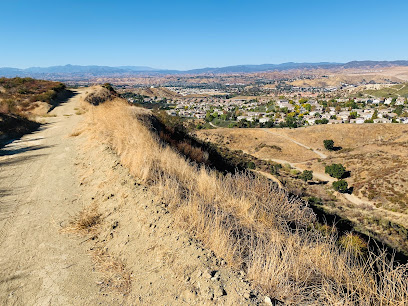
Mountasia Family Fun Center
7.8 km
Discover endless entertainment for the whole family at Mountasia Family Fun Center in Santa Clarita, the ultimate amusement park experience!
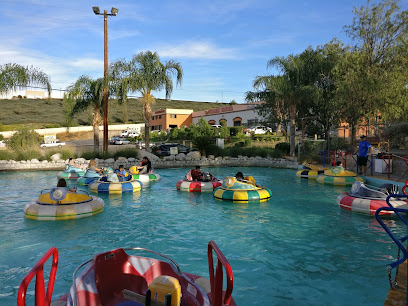
Summit Park
8.2 km
Explore Summit Park in Valencia, California – a beautiful park perfect for families, nature lovers, and outdoor enthusiasts looking for relaxation and recreation.
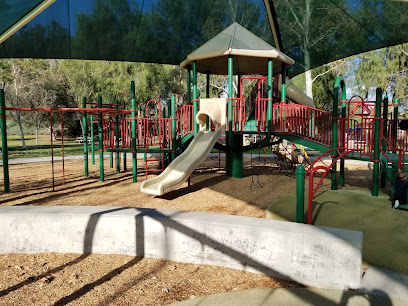
Billy Beez
8.9 km
Discover endless fun and adventure at Billy Beez, Valencia's ultimate indoor playground for kids, featuring exciting attractions and birthday party services.
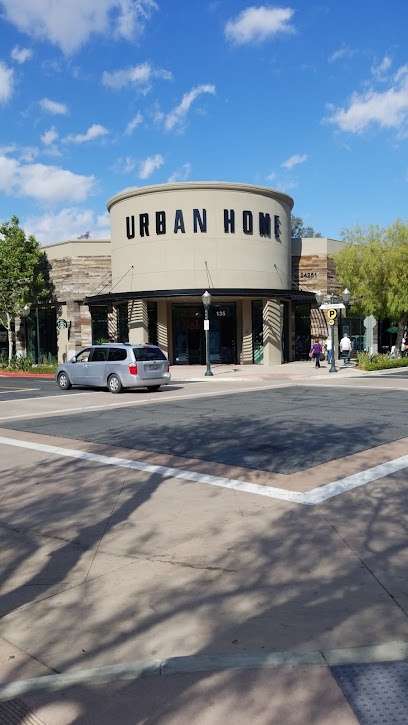
Essential places to dine

Smokehouse on Main
4.1 km
Experience authentic barbecue at Smokehouse on Main in Santa Clarita – where every bite tells a story of flavor.
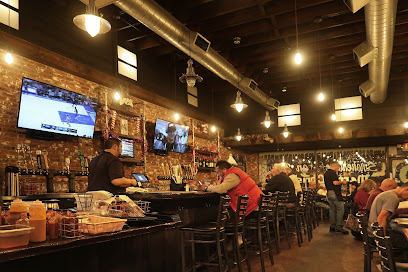
Newhall Refinery
4.1 km
Experience culinary excellence at Newhall Refinery in Santa Clarita - where every dish tells a story of flavor and passion.
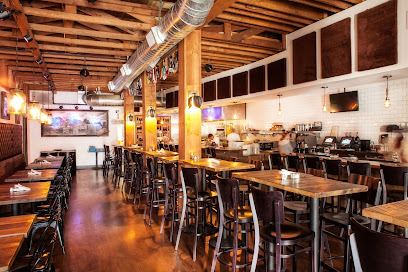
The Old Town Junction
4.1 km
Experience the essence of American dining at The Old Town Junction in Santa Clarita - where great food meets exceptional service.
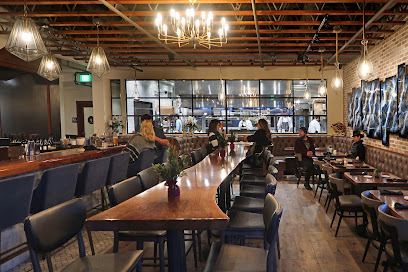
El Pueblo Restaurant
4.4 km
Experience the rich flavors of authentic Mexican cuisine at El Pueblo Restaurant in Santa Clarita - a culinary haven for all food enthusiasts.
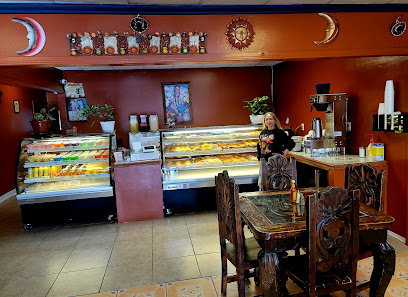
Egg Plantation
4.4 km
Experience delightful breakfasts at Egg Plantation in Santa Clarita - where every meal is crafted with fresh ingredients and creativity.
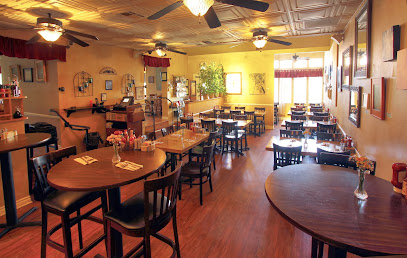
Neca kitchen
4.9 km
Experience authentic Mexican cuisine at Neca Kitchen in Santa Clarita - where every dish tells a story.
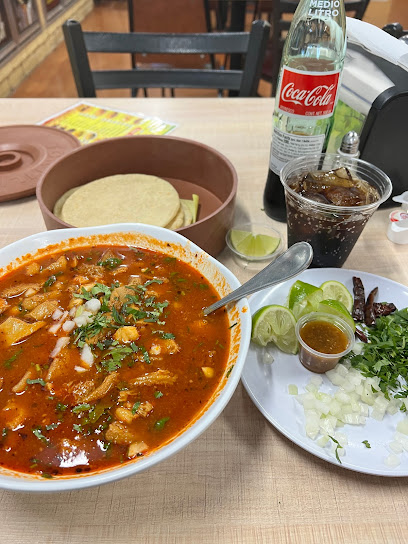
The Social
5.0 km
Discover the vibrant flavors and inviting ambiance at The Social in Santa Clarita – where every meal is a celebration of local cuisine.
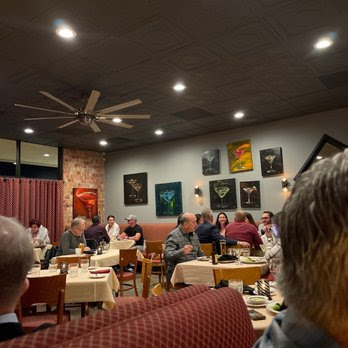
Bricks
5.5 km
Experience gourmet burgers and fine dining at Bricks in Santa Clarita - where every meal is crafted with passion and quality.
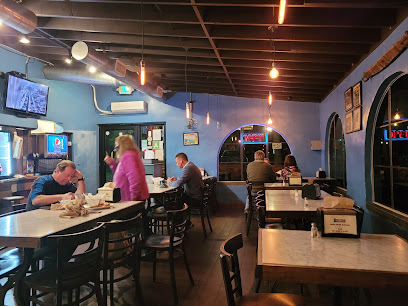
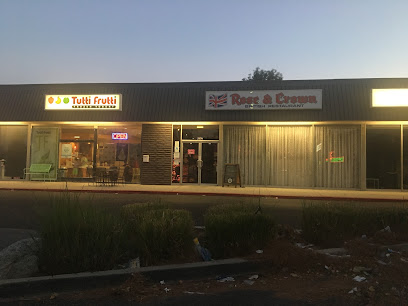
Rose & Crown British Restaurant
6.0 km
Discover authentic British cuisine at Rose & Crown in Santa Clarita – where tradition meets taste in a cozy pub atmosphere.
The Original Saugus Cafe
8.0 km
Experience classic American dining at The Original Saugus Cafe in Santa Clarita – where hearty meals meet nostalgic charm.

Rattler's Bar B Que
8.0 km
Discover the ultimate barbecue experience at Rattler's Bar B Que in Santa Clarita – where smoky flavors meet American comfort food.
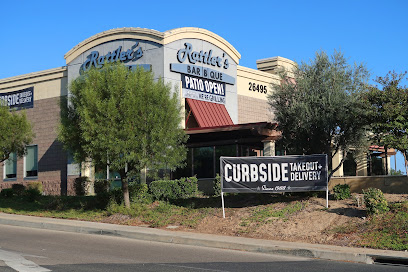
The Backyard Grub n' Brews
8.0 km
Savor grilled favorites and craft beers at The Backyard Grub n' Brews – your go-to dining destination in Santa Clarita.
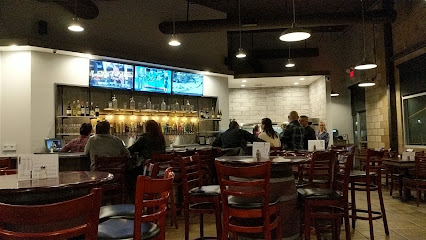
Gyromania
8.6 km
Discover authentic Greek flavors at Gyromania in Canyon Country - where every dish is crafted with love and tradition.
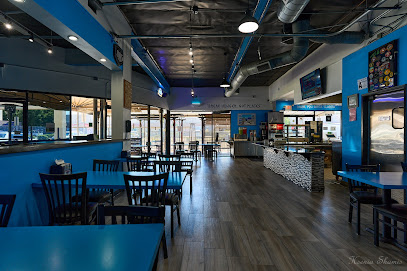
Islands Restaurant Santa Clarita
8.8 km
Experience the best of American cuisine at Islands Restaurant in Santa Clarita - perfect for families and burger lovers alike.

Stonefire Grill
8.8 km
Experience mouthwatering American barbecue at Stonefire Grill in Valencia - where flavor meets hospitality.
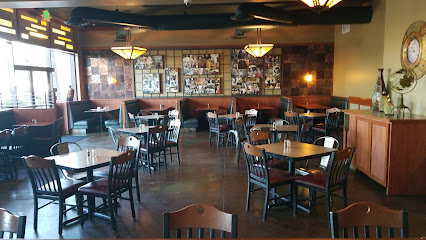
Markets, malls and hidden boutiques

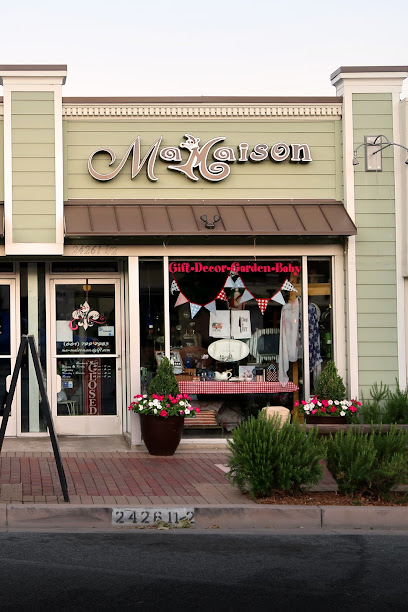
Maison on Main
4.1 km
Explore the eclectic charm of Maison on Main, your go-to boutique for unique gifts, home goods, and stylish women's clothing in Newhall, California.
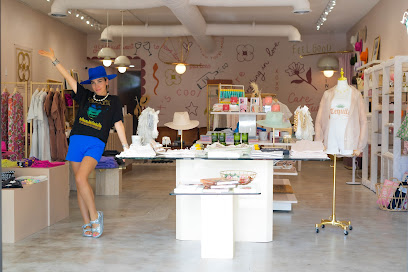
Care Tucker Style House
4.1 km
Explore Care Tucker Style House for unique gifts, chic women's fashion, and stylish home goods in Santa Clarita's heart.
Rocket Fizz
4.3 km
Discover a whimsical world of sweets, unique gifts, and nostalgic treats at Rocket Fizz in Santa Clarita, a must-visit for candy lovers.
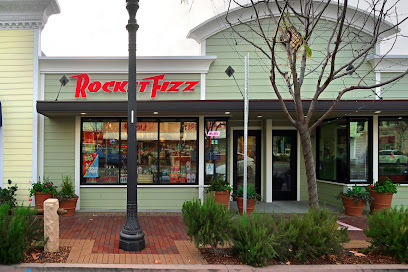
FORM + CONTENT
4.5 km
Explore FORM + CONTENT in Santa Clarita for trendy women's fashion that combines style and affordability in a charming boutique atmosphere.
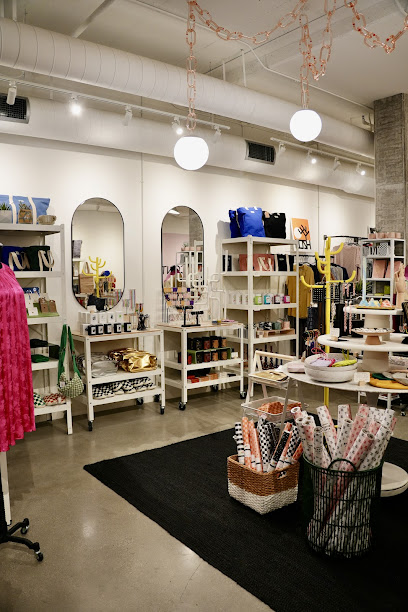
Barn & Charm
4.5 km
Explore Barn & Charm for unique home decor and gifts, a perfect stop for tourists in Newhall, California, seeking charm and style.
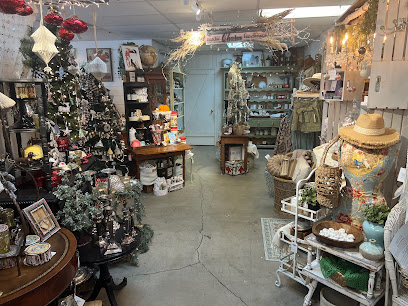
Salt and Freckles
4.5 km
Explore Salt and Freckles, a boutique swimwear store in Santa Clarita offering stylish women's clothing and unique beach fashion.
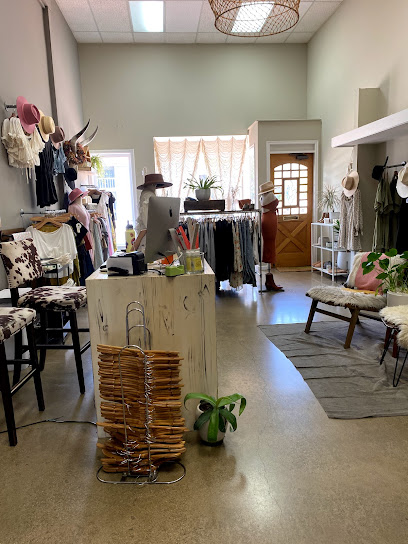
I Heart Becoming Art
4.5 km
Explore I Heart Becoming Art in Santa Clarita for unique handmade gifts and local artisan treasures that capture the spirit of California.
Green Tower Games
4.8 km
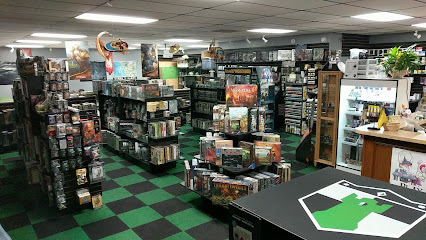
Explore a world of board games at Green Tower Games, a community hub for enthusiasts in Santa Clarita with a vast collection and engaging events.
Old Orchard Center
5.0 km
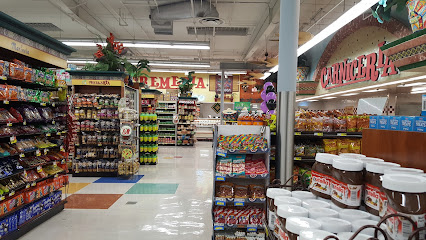
Explore Old Orchard Center in Santa Clarita, a premier shopping mall offering diverse retail, dining, and entertainment options for every visitor.
Children's Orchard Santa Clarita
5.1 km
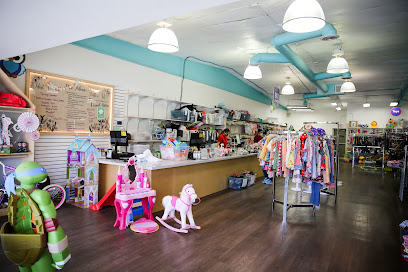
Discover quality second-hand children's clothing, toys, and books at the delightful Children's Orchard Santa Clarita, your eco-friendly shopping destination.
Boho Records and Rags
5.1 km
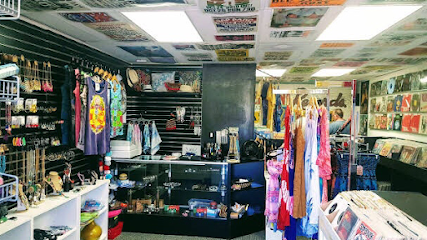
Discover unique gifts and an extensive collection of vinyl records at Boho Records and Rags in Santa Clarita, California.
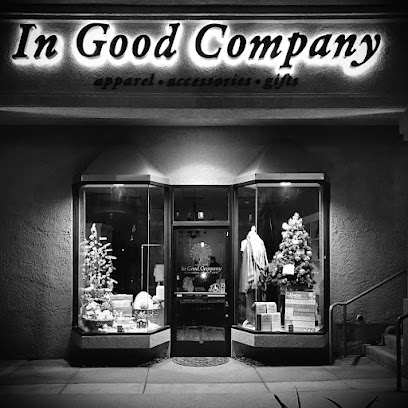
In Good Company
6.5 km
Discover unique gifts and personalized treasures at In Good Company, a charming boutique in Stevenson Ranch, California.
The Plaza at Golden Valley
6.7 km
Explore shopping, dining, and entertainment at The Plaza at Golden Valley - a vibrant shopping mall in Santa Clarita, California.
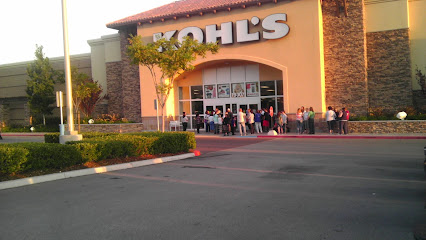
Valencia Marketplace
7.0 km
Explore Valencia Marketplace: a premier shopping mall in California with diverse stores, dining options, and entertainment for every visitor.
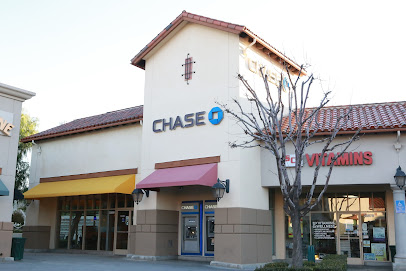
Granary Square
7.5 km
Explore Granary Square, Valencia's premier shopping destination, offering a diverse mix of stores, dining, and entertainment for every visitor's delight.
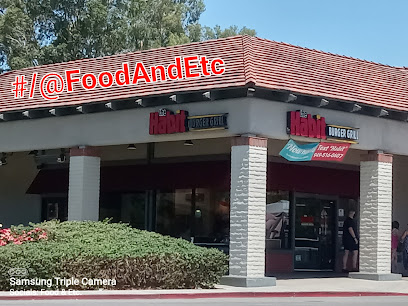
Essential bars & hidden hideouts

Eighth & Rail
4.3 km
Experience the best of sports, food, and fun at Eighth & Rail, Newhall's top sports bar and pool hall for an unforgettable outing.
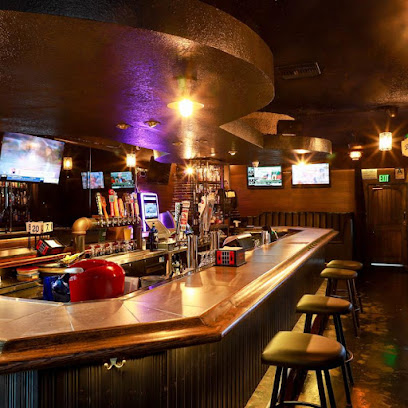
Maginns Pub
4.5 km
Experience the warmth of Irish hospitality at Maginn's Pub in Santa Clarita with authentic dishes, a lively atmosphere, and live music events.
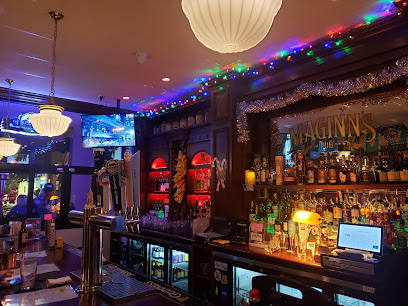
Doc's Inn
5.5 km
Discover the vibrant nightlife at Doc's Inn, Santa Clarita's top cocktail bar and nightclub, serving up delicious drinks in a lively atmosphere.
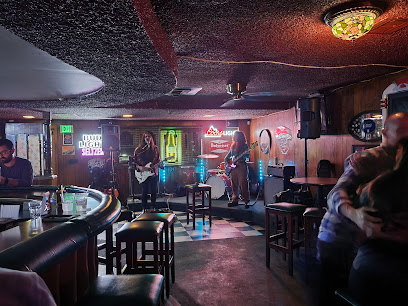
Shooters Bar & Billiards / Mechanical Bull.
6.1 km
Enjoy delicious grill cuisine, thrilling billiards, and lively nightlife at Shooters Bar & Billiards in Santa Clarita.
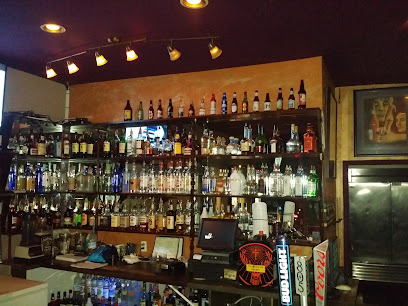
Chili's Grill & Bar
6.9 km
Experience the vibrant flavors of American and Tex-Mex cuisine at Chili's Grill & Bar, a must-visit dining spot in Santa Clarita.
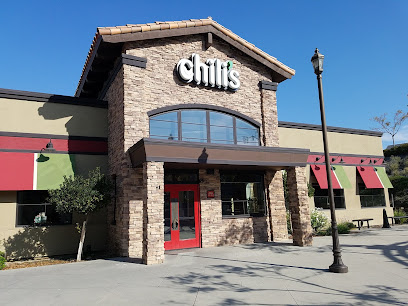
OLD PROFILE - The Canyon Club - Santa Clarita
9.0 km
Discover the excitement of live music and vibrant nightlife at The Canyon Club, Santa Clarita's premier night club destination.
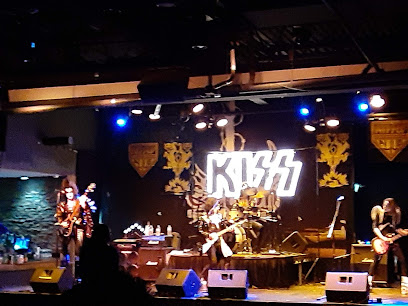
Schoonerville
9.0 km
Discover Schoonerville, a vibrant grill in Santa Clarita offering delicious meals and a welcoming atmosphere for food lovers.
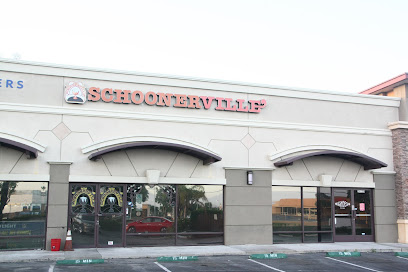
Mabel's Roadhouse
9.2 km
Discover Mabel's Roadhouse in Saugus, where vibrant local culture meets affordable drinks, perfect for unwinding after a day of exploration.
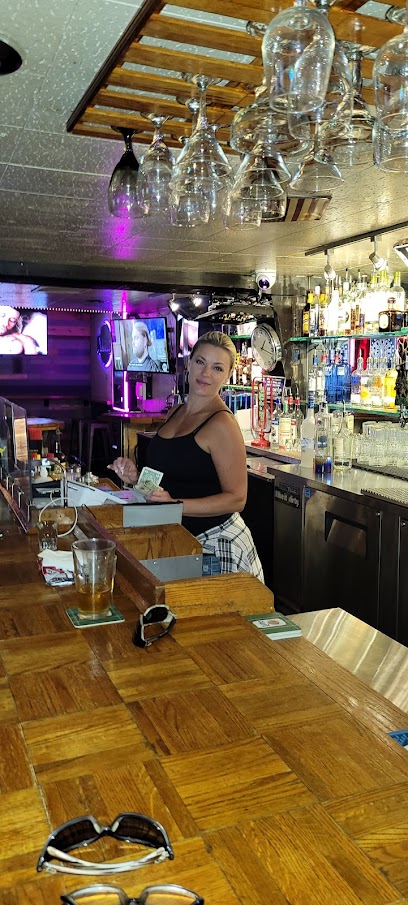
The POST Parlour
9.4 km
Experience the vibrant nightlife at The POST Parlour, Santa Clarita's hidden gem for drinks, live music, and unforgettable memories.
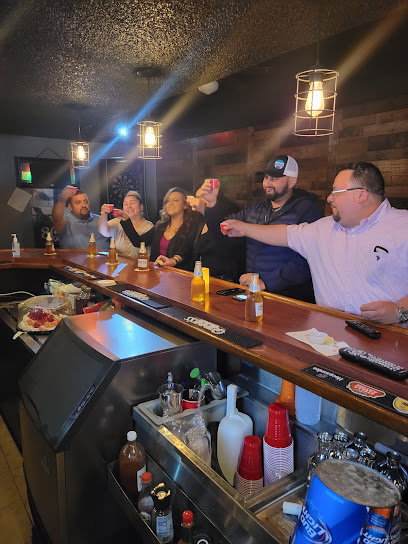
The LOCAL Pub & Grill
9.7 km
Experience the best of American cuisine at The LOCAL Pub & Grill, where comfort food meets a vibrant atmosphere in Valencia.
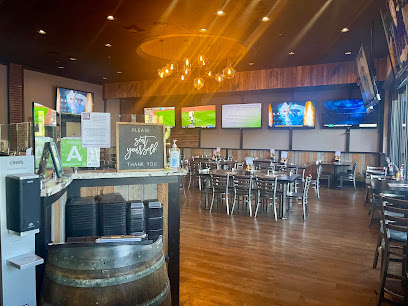
The Shot Exchange
10.1 km
Experience vibrant nightlife at The Shot Exchange, a cocktail bar in Santa Clarita known for its creative drinks and lively atmosphere.
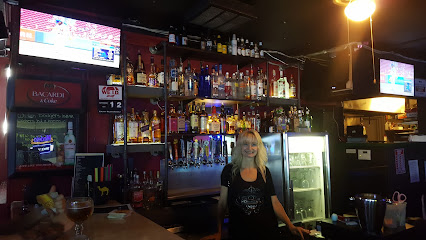
The Cube bar and grill
11.7 km
Discover the lively atmosphere and delicious offerings at The Cube Bar and Grill in Valencia, California, perfect for casual dining and socializing.
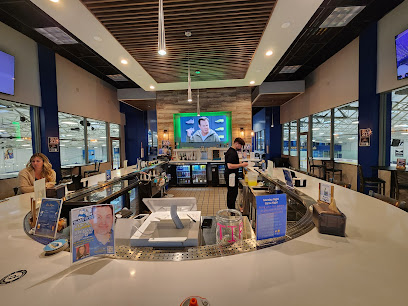
Bergie's Bar and Grill
11.8 km
Experience the heart of Canyon Country at Bergie's Bar and Grill, where delicious meals and warm hospitality await you in Santa Clarita.
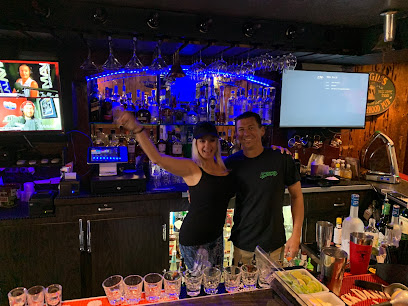
Full Throttle Sports Bar
12.0 km
Discover the vibrant Full Throttle Sports Bar in Valencia, where delicious American cuisine meets thrilling sports entertainment.
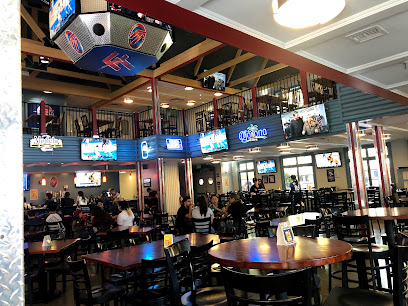
Marci's Sports Bar & Grill
12.1 km
Experience the thrill of sports with delicious cuisine at Marci's Sports Bar & Grill in Santa Clarita.