Palisades Park: Santa Monica's Coastal Oasis
Discover breathtaking ocean views, public art, and a tranquil escape at Palisades Park, Santa Monica's iconic bluff-top park with a rich history and vibrant community spirit.
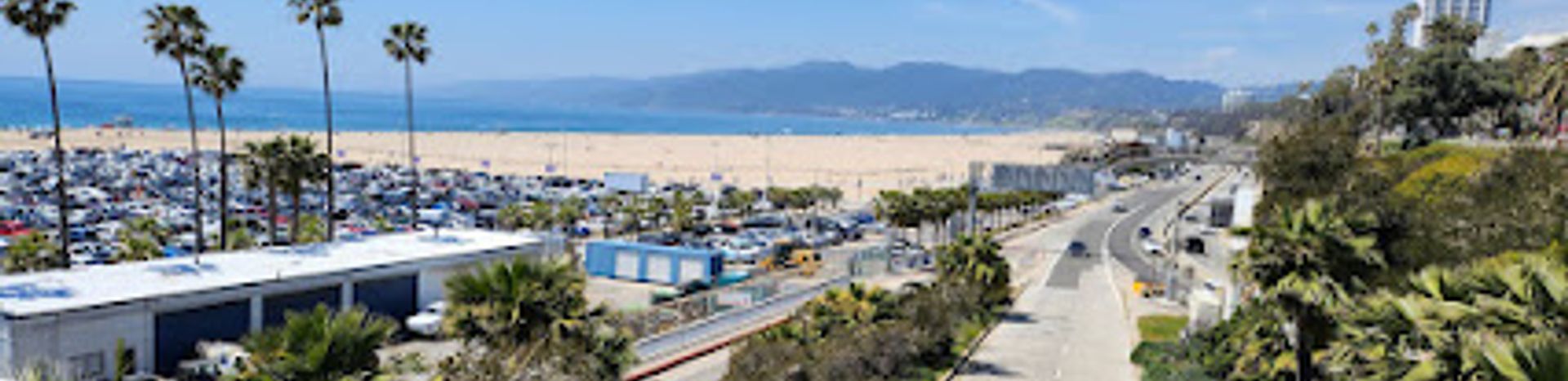
Palisades Park, a 26-acre haven perched atop the bluffs along Ocean Avenue in Santa Monica, offers breathtaking panoramic views of the Pacific Ocean and the coastal mountains. This iconic park, gifted to the city in 1892, features a rich history and a tranquil escape from the bustling city. Stroll along the 1.6-mile walking path, discover public art installations like the Santa Monica statue and a Native American totem pole, or relax in the rose garden. With its diverse collection of trees, picnic areas, and the Camera Obscura Art Lab, Palisades Park provides a unique blend of natural beauty, cultural attractions, and recreational opportunities. It's an ideal spot for a leisurely walk, a family picnic, or simply soaking in the stunning California sunset. The park's accessibility and proximity to other Santa Monica attractions make it a must-visit destination.
A brief summary to Palisades Park
- Ocean Ave, Santa Monica, North of Montana, California, 90401, US
- +1310-458-8300
- Visit website
Local tips
- Visit during sunset for spectacular views of the Pacific Ocean and the coastline.
- Explore the park's public art installations, including the Santa Monica statue and the Native American totem pole.
- Bring a picnic and enjoy a relaxing meal at one of the park's picnic areas.
- Check out the Camera Obscura Art Lab for a unique artistic experience.
- Take advantage of the park's accessibility features, including paved paths and accessible restrooms.

Getting There
-
Walking
From the Third Street Promenade, walk west towards Ocean Avenue. Cross Ocean Avenue and head north or south to access Palisades Park. The park stretches along Ocean Avenue, offering multiple access points. Look for the Visitor Information Kiosk near 1400 Ocean Avenue for information and assistance.
-
Public Transport
Several Big Blue Bus lines serve Palisades Park. From downtown Santa Monica, take any bus heading north along Ocean Avenue (e.g., lines 2, 33, R3). Exit at a stop along Ocean Avenue adjacent to the park. A single ride fare is $1. Alternatively, the Metro E Line (Expo) terminates near the Third Street Promenade; from there, follow the walking directions.
-
Taxi/Ride-Share
Request a ride to any address along Ocean Avenue adjacent to Palisades Park (e.g., 1400 Ocean Avenue). Be aware that traffic can be heavy, especially during peak hours. Expect to pay around $7-$10 for a short ride from the Santa Monica Pier or Third Street Promenade.
-
Driving
Limited metered street parking is available along Ocean Avenue. Alternatively, park in one of the nearby parking structures, such as the one at 600 Ocean Avenue or the Palisades Promenade garage at 120 Broadway. Metered parking typically costs $1-3 per hour, while garage parking can range from $12-29 per day. Be aware that parking can be challenging to find, especially on weekends and holidays.
Discover more about Palisades Park
Iconic landmarks you can’t miss

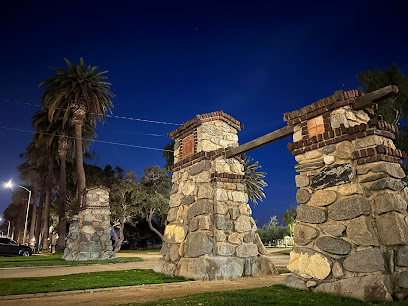
Idaho Gate
0.4 km
Explore Idaho Gate, a historic landmark in Santa Monica, showcasing the city's rich history and stunning coastal views.
Ocean Ave Stairs of Santa Monica
0.8 km
Experience the beauty and history of the Ocean Ave Stairs in Santa Monica, where stunning ocean views meet a charming coastal atmosphere.
Ocean Pacific Coast Stairs
0.9 km
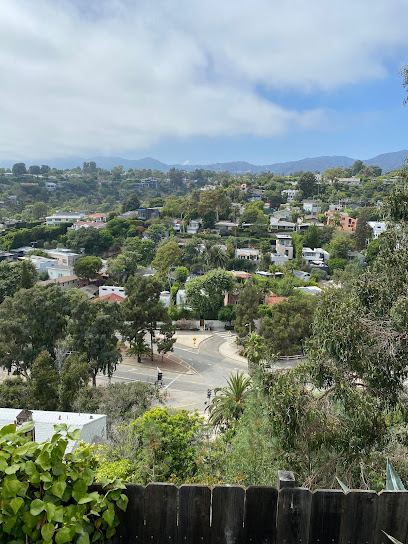
Ascend to breathtaking Pacific Ocean views on Santa Monica's iconic Ocean Pacific Coast Stairs, a scenic workout blending history and coastal charm in Pacific Palisades.

Miramar Moreton Bay Fig Tree
0.9 km
Discover Santa Monica's iconic Miramar Moreton Bay Fig Tree, a majestic landmark with a rich history and stunning natural beauty, offering a tranquil escape in the heart of the city.
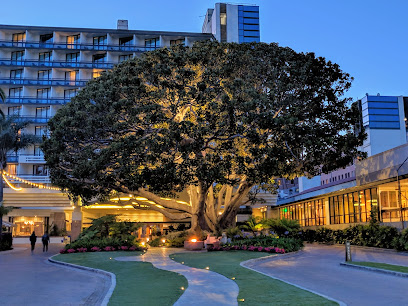
Edwin Building
1.1 km
Discover the Edwin Building, a historical landmark in Santa Monica showcasing architectural beauty and cultural heritage amidst vibrant surroundings, designed by Paul Revere Williams.
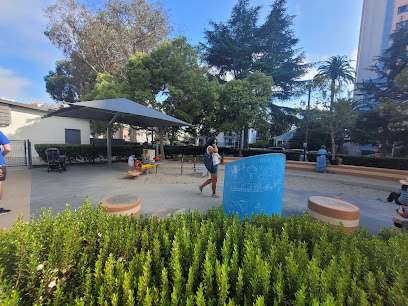
Christine Emerson Reed Park
1.2 km
Discover a vibrant community hub in Santa Monica's Christine Emerson Reed Park, offering recreation, culture, and relaxation for all ages, nestled between the city's bustling streets.
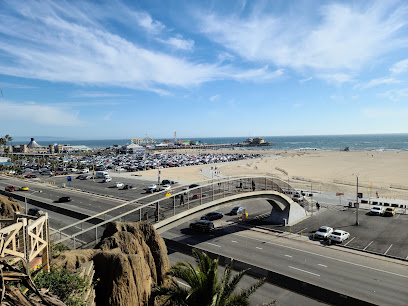
Downtown Santa Monica
1.4 km
Experience the best of Southern California in Downtown Santa Monica: sun-kissed beaches, vibrant shopping, diverse dining, and iconic attractions all steps from the Pacific Ocean.
Will Rogers Highway Marker
1.4 km
Commemorating the iconic Route 66 and the beloved Will Rogers, this Santa Monica marker offers a glimpse into America's open road spirit and a tribute to a legendary entertainer.
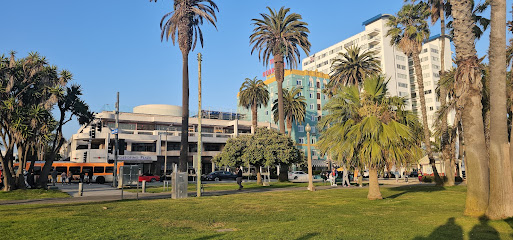
Clock Tower Building
1.4 km
Discover Santa Monica's iconic Clock Tower Building: an Art Deco masterpiece with a rich history, offering a blend of architectural beauty and modern attractions in the heart of downtown.
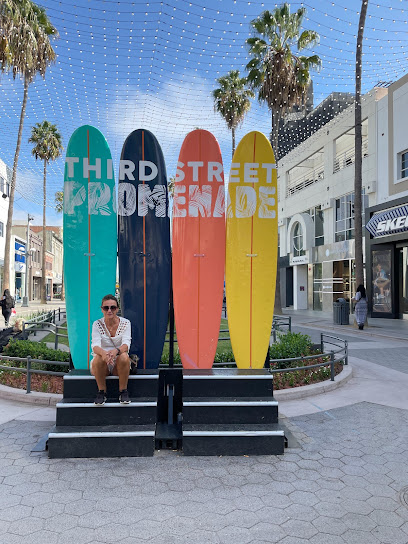
Beach Crossing Staircase
1.6 km
Discover Santa Monica's coastal charm at the Beach Crossing Staircase, a historical landmark offering stunning ocean views and a seamless connection between city life and beach serenity.
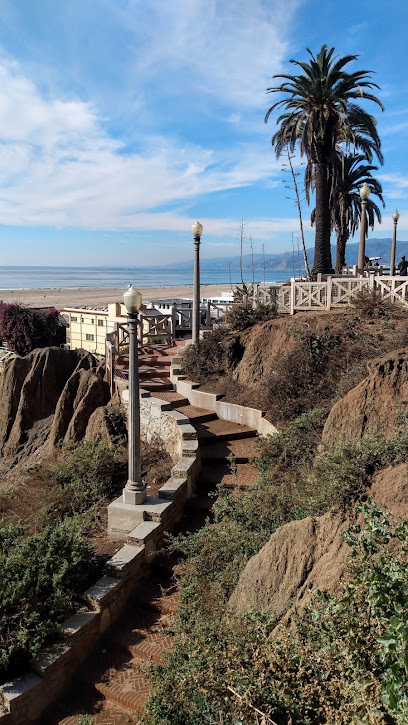
Old Santa Monica Forestry Station
1.6 km
Discover California's first experimental forestry station in Santa Monica's Rustic Canyon, a peaceful retreat with historic eucalyptus groves and access to scenic hiking trails.
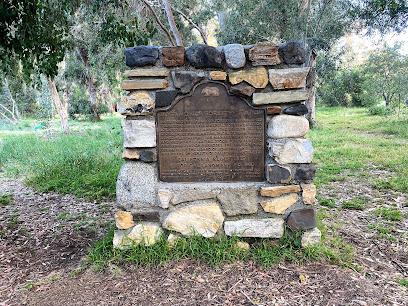
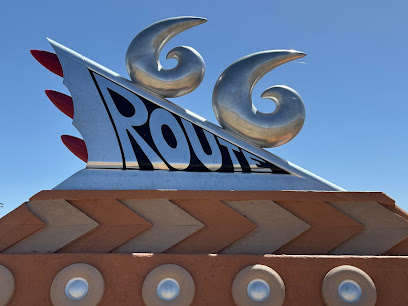
Old Rte 66,
1.7 km
Discover the western end of the legendary Route 66 in Santa Monica, where the iconic highway meets the Pacific Ocean, offering a blend of history, culture, and seaside charm.
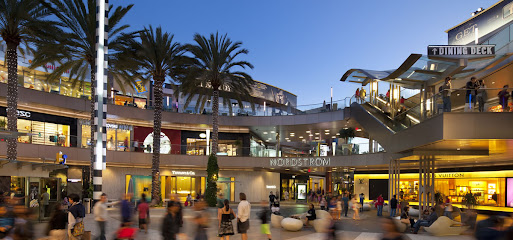
Santa Monica Place
1.7 km
Discover the ultimate shopping experience at Santa Monica Place, where luxury meets the laid-back charm of California's coast.
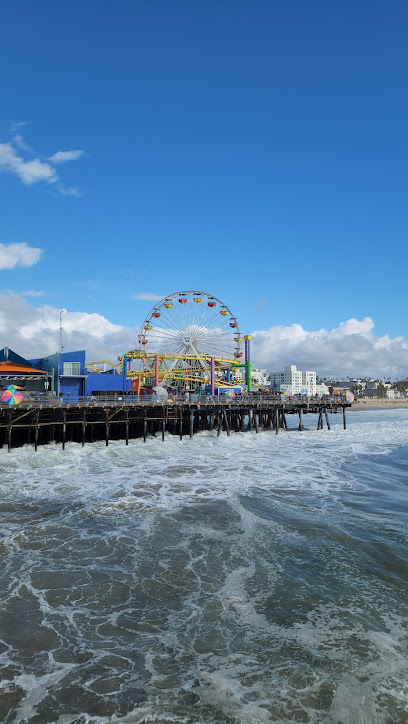
Route 66 End of the Trail
1.9 km
Explore the historic End of Route 66 at Santa Monica Pier, where adventure meets the beautiful California coastline in a vibrant, cultural hub.
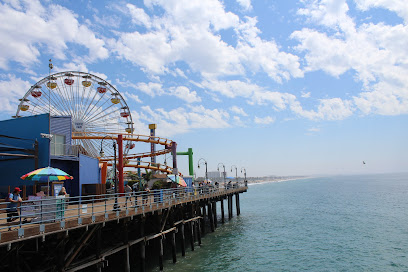
Heal the Bay Aquarium
1.9 km
Explore the wonders of the Santa Monica Bay at Heal the Bay Aquarium, where interactive exhibits and local marine life inspire ocean conservation for all ages under the iconic pier.
Unmissable attractions to see

Annenberg Community Beach House
0.4 km
Experience the charm of the Annenberg Community Beach House, where recreation, art, and history meet on the beautiful Santa Monica coastline.
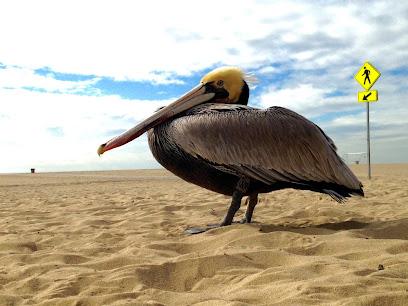
Santa Monica State Beach
0.5 km
Experience the quintessential Southern California beach lifestyle at Santa Monica State Beach: sun, sand, iconic pier, and endless activities await along this famous coastline.
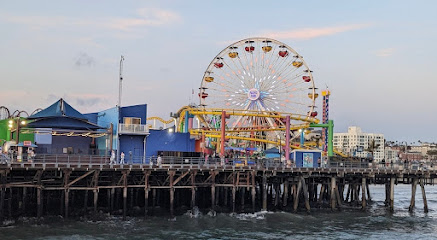
Santa Monica Statue
1.0 km
Discover the iconic Santa Monica Statue in Palisades Park: a historic Art Deco masterpiece offering serene ocean views and a tranquil escape in the heart of Santa Monica, California.
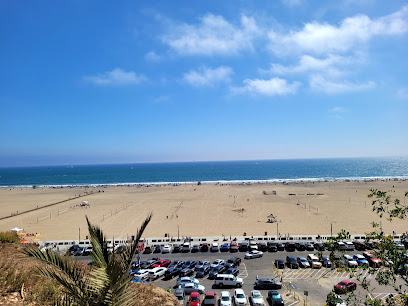
Santa Monica Art Museum
1.2 km
Discover contemporary creativity at the Santa Monica Art Museum, a vibrant hub for artistic expression and cultural enrichment in Santa Monica, California.
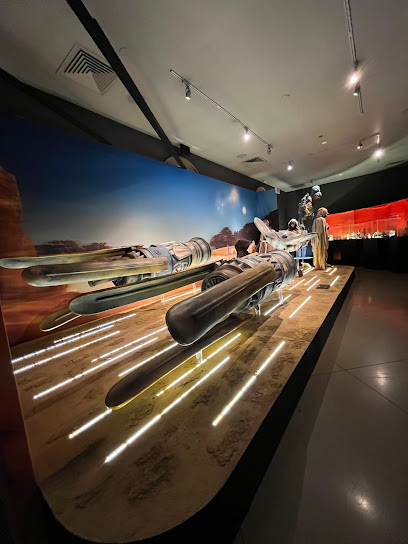
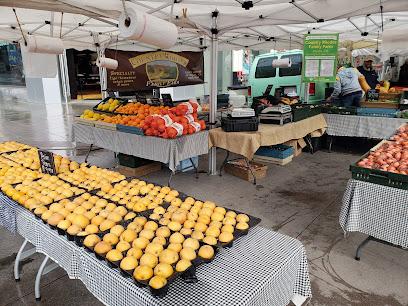
Farmers Market - Wednesday/Saturday Downtown Santa Monica
1.3 km
Explore the vibrant Santa Monica Farmers Market for fresh produce, local crafts, and the essence of California's agricultural bounty in a lively atmosphere.
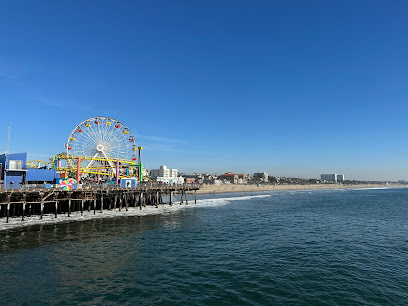
Santa Monica Beach
1.4 km
Experience the quintessential Southern California beach lifestyle at Santa Monica Beach, where sun, sand, and iconic attractions create unforgettable memories along the Pacific Coast.
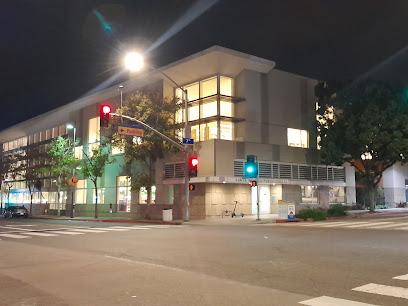
Santa Monica Public Library
1.6 km
Explore the Santa Monica Public Library for a blend of knowledge, community events, and a peaceful escape in the heart of Santa Monica.
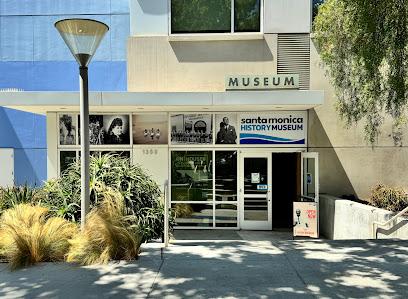
Santa Monica History Museum
1.6 km
Explore Santa Monica's vibrant history at the History Museum, where captivating exhibits and local culture come to life.
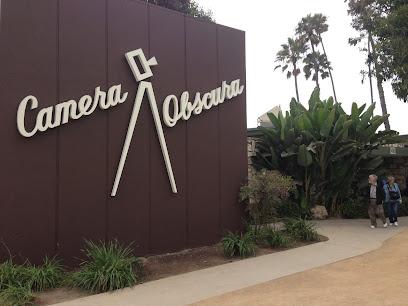
Camera Obscura Art Lab
1.6 km
Explore the enchanting Camera Obscura Art Lab in Santa Monica, where art meets science in a unique interactive experience.
Santa Monica
1.7 km
Experience the sun-soaked beaches and vibrant culture of Santa Monica, California, where relaxation meets adventure along the Pacific coast.

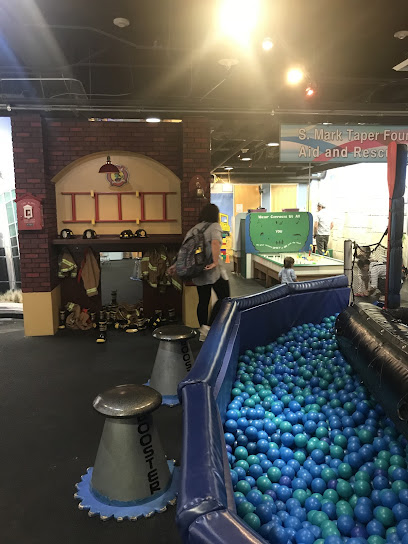
Cayton Children's Museum
1.8 km
Discover creativity and fun at the Cayton Children's Museum – an imaginative paradise for kids in Santa Monica, California.
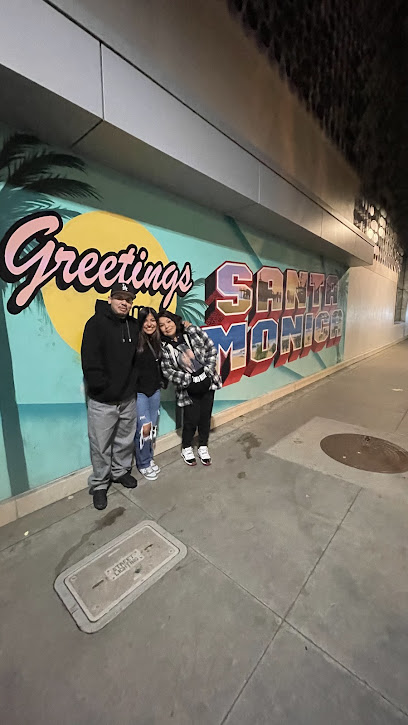
Greetings from Santa Monica Mural
1.9 km
Experience the colorful Greetings from Santa Monica Mural, a vibrant landmark that showcases the artistic spirit and beach culture of California.
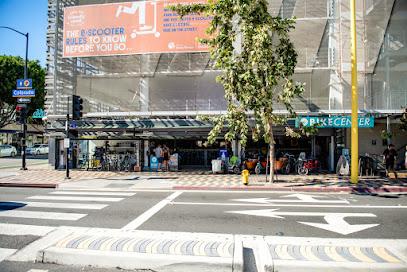
The Bike Center Santa Monica
1.9 km
Explore Santa Monica's iconic sights and hidden gems with quality bike rentals, tours, and services at The Bike Center!
Yacht Harbour, Santa Monica
1.9 km
Experience the stunning Yacht Harbour in Santa Monica, a vibrant coastal gem perfect for relaxation, dining, and water activities.
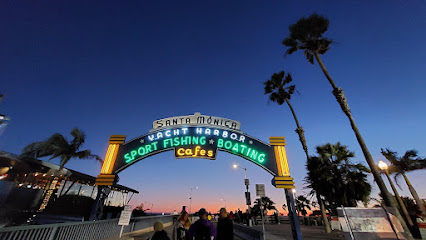
Santa Monica Pier Arch
1.9 km
An iconic gateway to seaside fun, the Santa Monica Pier Arch welcomes visitors to a historic landmark filled with amusement park thrills, classic charm, and breathtaking ocean views.
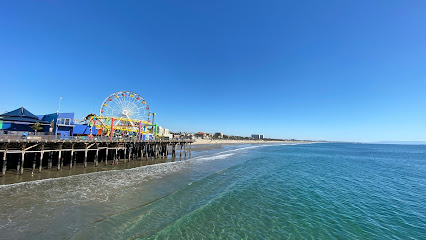
Essential places to dine

The Penthouse
0.9 km
Discover exquisite Californian cuisine with breathtaking ocean views at The Penthouse in Santa Monica.
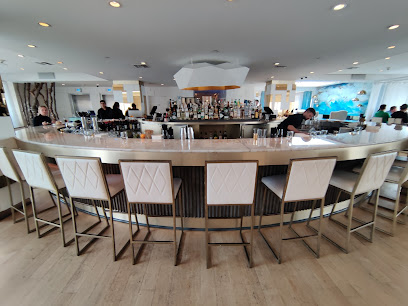
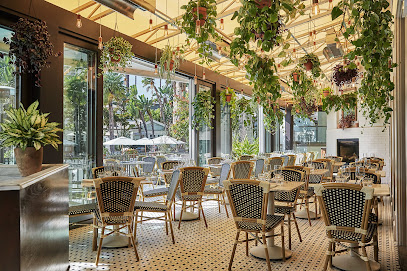
FIG RESTAURANT
0.9 km
Experience Mediterranean flavors in a vibrant setting at FIG Restaurant in Santa Monica – where seasonal ingredients meet exceptional culinary artistry.
Michael's
1.0 km
Discover Michael's in Santa Monica - where New American cuisine meets an inviting atmosphere for an unforgettable dining experience.
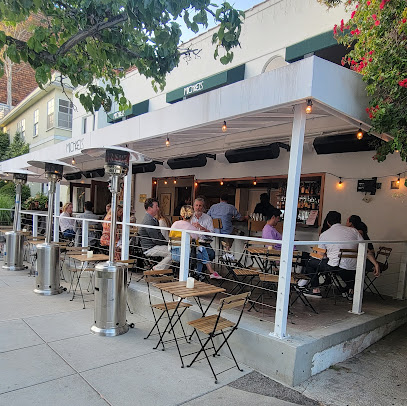
Hillstone
1.1 km
Discover culinary excellence at Hillstone in Santa Monica, where New American cuisine meets exquisite sushi in an inviting atmosphere.
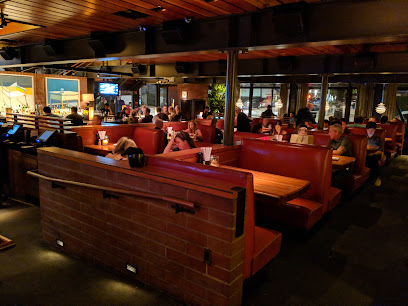
Wally's Santa Monica
1.1 km
Experience culinary excellence at Wally's Santa Monica – where gourmet meets coastal charm.
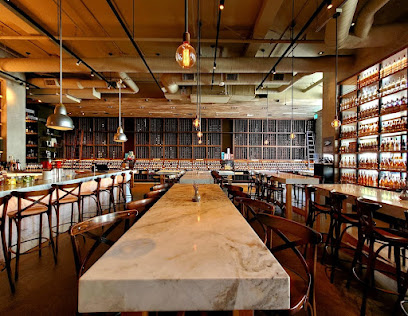
1212 Santa Monica
1.1 km
Discover culinary innovation and vibrant nightlife at 1212 Santa Monica—your go-to destination for New American cuisine and unforgettable experiences.
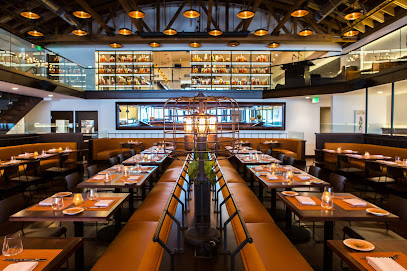
Rosti Tuscan Kitchen - Santa Monica
1.2 km
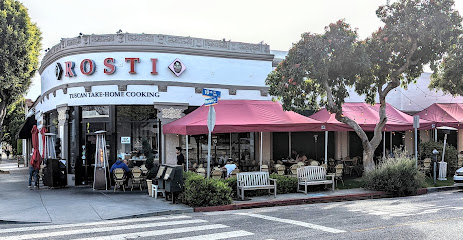
Experience authentic Italian cuisine with modern twists at Rosti Tuscan Kitchen in Santa Monica - where every dish is crafted with passion.
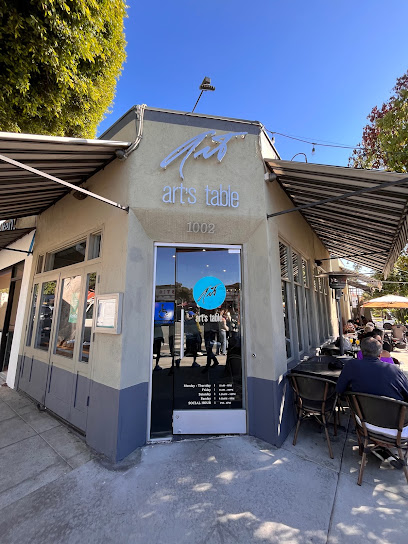
Art's Table
1.2 km
Experience innovative New American cuisine at Art's Table in Santa Monica, where fresh ingredients meet culinary artistry.
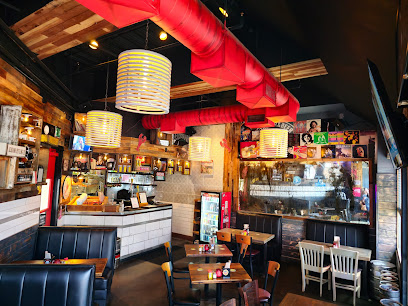
Lobster & Beer Santa Monica
1.2 km
Experience fresh lobster and local craft beers at Lobster & Beer in Santa Monica—where coastal flavors meet casual dining.
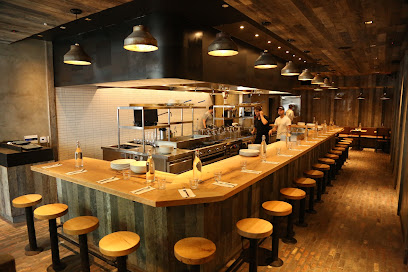
UOVO | Santa Monica
1.3 km
Discover authentic Italian flavors at UOVO in Santa Monica - where fresh ingredients meet traditional recipes for an unforgettable dining experience.
Colapasta Restaurant
1.3 km
Experience authentic Italian cuisine at Colapasta Restaurant in Santa Monica, where every dish tells a story of tradition and flavor.
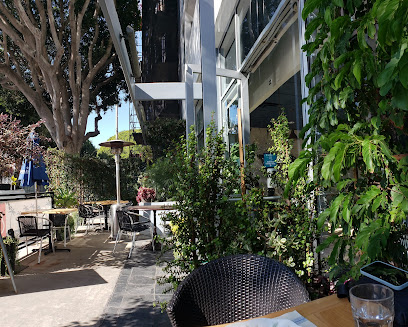
Élephante
1.4 km
Discover Élephante in Santa Monica: An Italian rooftop gem serving delightful dishes with breathtaking ocean views.
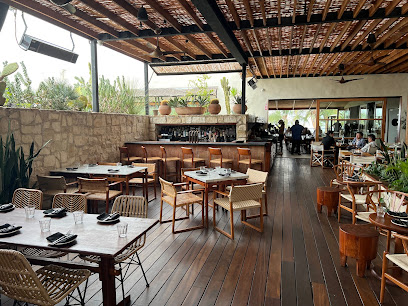
Blue Plate Oysterette
1.4 km
Experience coastal dining at Blue Plate Oysterette in Santa Monica - where fresh seafood meets stunning ocean views.
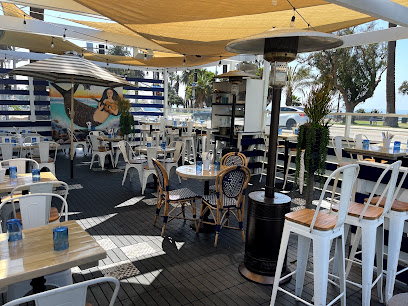
SUGARFISH by sushi nozawa
1.4 km
Discover exceptional sushi at SUGARFISH by sushi nozawa in Santa Monica—where quality meets tradition in every bite.
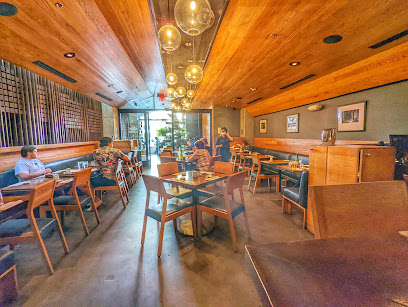
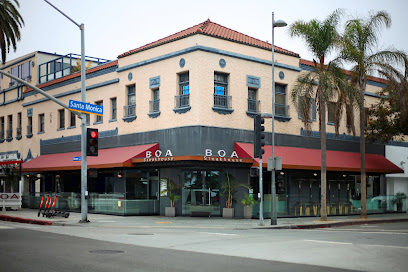
BOA Steakhouse
1.4 km
Experience unparalleled steak perfection at BOA Steakhouse in Santa Monica - where culinary artistry meets coastal charm.
Markets, malls and hidden boutiques

Arrow Gift
1.1 km
Explore Arrow Gift in Santa Monica for a unique selection of locally crafted souvenirs and gifts, capturing the spirit of California's coastal culture.
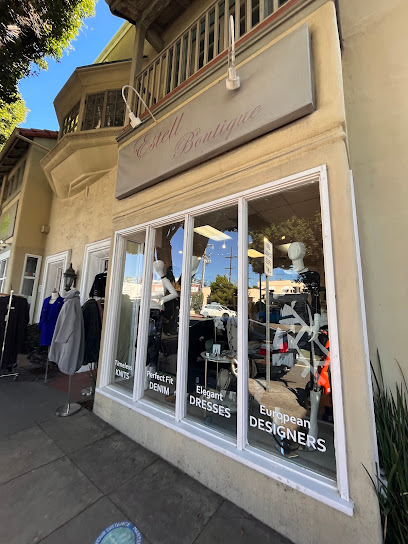
Estell Boutique
1.1 km
Discover unique women's fashion at Estell Boutique in Santa Monica - a must-visit for stylish travelers seeking California chic.
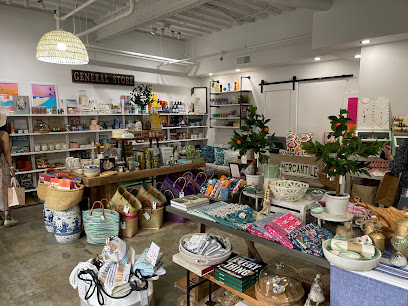
Lucky Penny General Store
1.2 km
Discover unique gifts, stylish apparel, and charming home goods at Lucky Penny General Store in Santa Monica, the perfect spot for distinctive souvenirs.
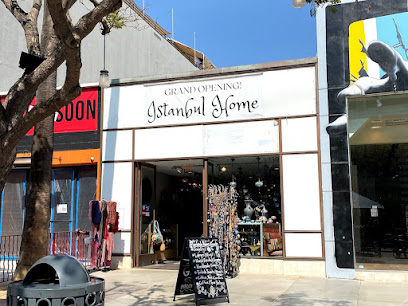
Istanbul Home
1.2 km
Explore a treasure trove of unique gifts at Istanbul Home, a vibrant shopping destination in Downtown Santa Monica.
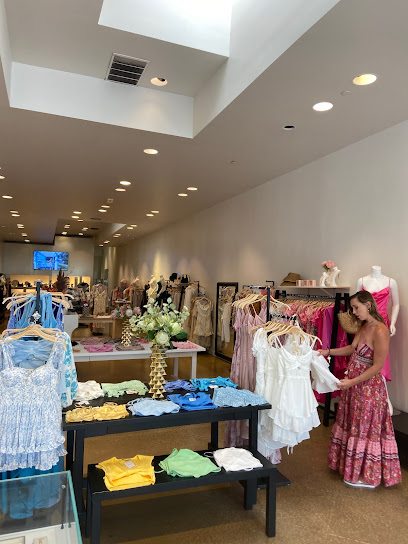
2 Bella boutique
1.2 km
Explore the chic 2 Bella Boutique in Santa Monica for stylish women's clothing, unique pieces, and a vibrant shopping experience on the Third Street Promenade.
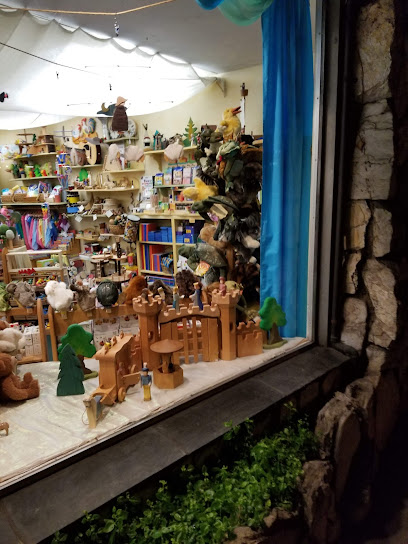
The Acorn Store
1.2 km
Discover unique gifts and toys at The Acorn Store in Santa Monica, where creativity meets charm in every corner.
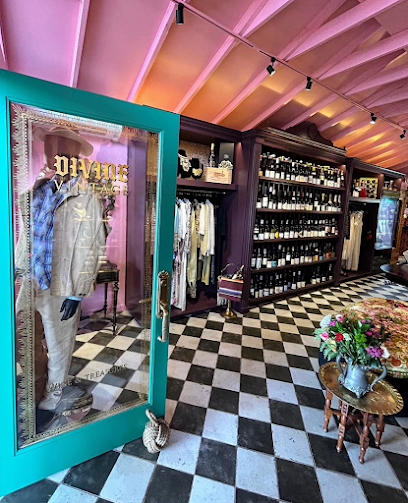
Divine Vintage Santa Monica
1.3 km
Discover unique vintage clothing and exquisite wines at Divine Vintage Santa Monica, a boutique that embodies style and charm in the heart of California.
Sand 'n Surf Promenade
1.3 km
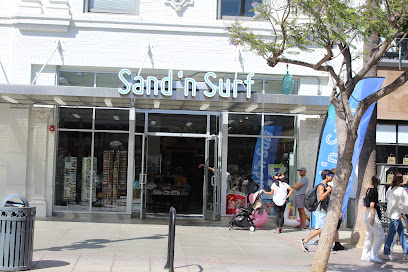
Discover unique souvenirs and gifts at Sand 'n Surf Promenade in Santa Monica, where California coastal charm meets vibrant shopping.
Wonders of the World
1.4 km
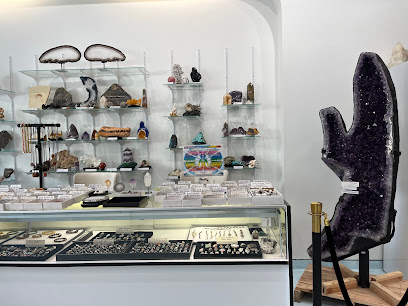
Discover unique souvenirs and handcrafted treasures at the Wonders of the World gift shop in Santa Monica's lively 3rd Street Promenade.
Anthropologie
1.5 km
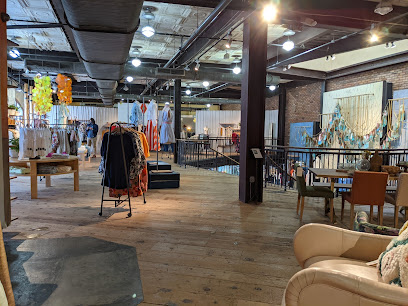
Shop at Anthropologie in Santa Monica for a unique blend of women's fashion, beauty products, and home décor in a stunning coastal setting.
Brentwood General Store
1.5 km
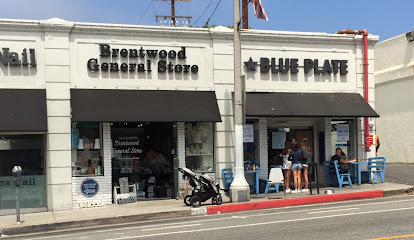
Explore the charm of Brentwood General Store in Santa Monica, where unique gifts, artisanal crafts, and local treasures await every visitor.
American Cancer Society Discovery Shop - Santa Monica, CA
1.5 km
Discover unique treasures at the American Cancer Society Discovery Shop in Santa Monica, where every purchase supports cancer research and patient services.
Urban Outfitters
1.6 km
Discover Urban Outfitters in Santa Monica, where fashion meets fun with a unique blend of clothing, beauty, and home goods.
Timeless Symbols
1.6 km
Explore Timeless Symbols in Santa Monica, your go-to destination for unique gifts, metaphysical supplies, and spiritual treasures.

LA Gift Stop
1.6 km
Explore LA Gift Stop in Santa Monica for unique gifts and treasures that embody the spirit of California's coastal charm.
Essential bars & hidden hideouts

THE BUNGALOW
1.0 km
Discover The Bungalow, a stylish bar and restaurant in Santa Monica offering a unique blend of relaxation, vibrant nightlife, and coastal charm.
The Coco Club
1.3 km
Experience the vibrant nightlife at The Coco Club, Santa Monica's premier rooftop bar and lounge with stunning ocean views and crafted cocktails.
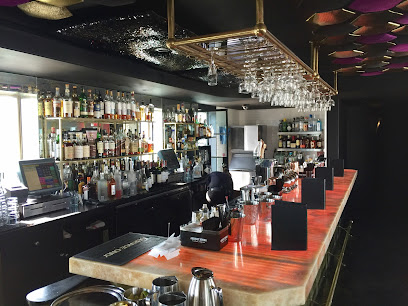
Ye Olde King's Head
1.5 km
Discover the charm of British cuisine at Ye Olde King's Head in Santa Monica, a brewpub and tea house offering a delightful culinary experience.
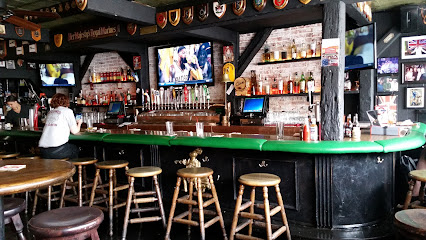
Esters Wine Shop & Bar
1.5 km
Experience the finest selection of wines and gourmet bites at Esters Wine Shop & Bar in Santa Monica, where every sip tells a story.
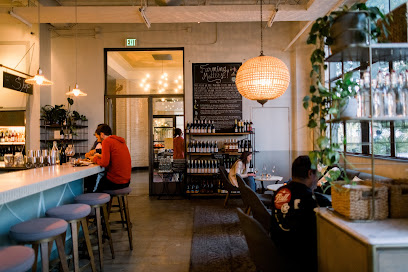
Bar Chloe
1.6 km
Experience the vibrant atmosphere and unique cocktails at Bar Chloe, Santa Monica's trendy bar perfect for unwinding after a day of exploration.
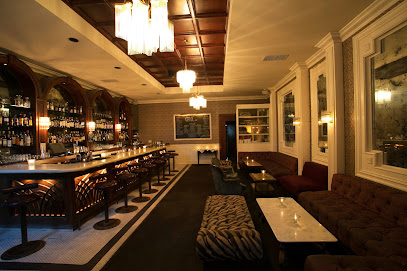
Lanea
1.6 km
Experience the vibrant atmosphere of Lanea, a Santa Monica cocktail bar offering delicious Mexican cuisine and live music in a chic beach setting.
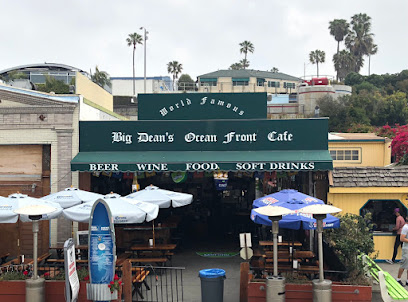
Big Dean's Ocean Front Cafe
1.9 km
Experience the best of Santa Monica dining at Big Dean's Ocean Front Cafe, where fresh seafood and stunning ocean views come together.
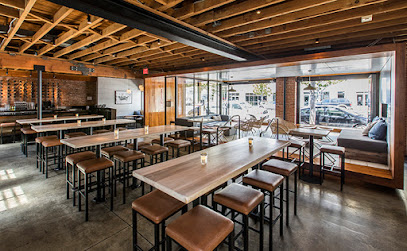
Bodega Wine Bar
1.9 km
Experience the perfect blend of artisan pizzas, fine wines, and a cozy ambiance at Bodega Wine Bar in Santa Monica, California.
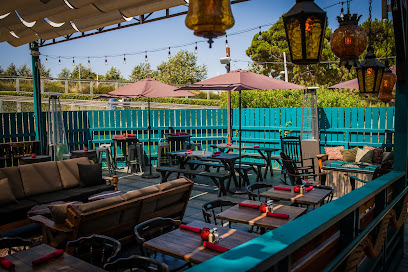
The Backyard
2.0 km
Discover the vibrant flavors of The Backyard in Santa Monica, where crafted cocktails and coastal cuisine meet in a stunning outdoor oasis.
The Room Santa Monica
2.1 km
Experience the vibrant nightlife of Santa Monica at The Room, where exquisite cocktails meet an electrifying dance atmosphere.
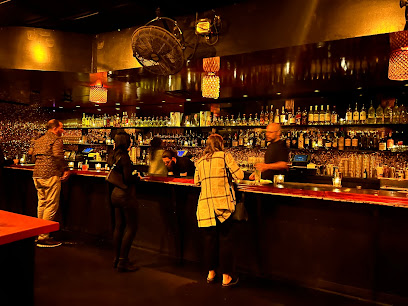
The Chestnut Club - Santa Monica Bar - Cocktails - Happy Hour 5-7pm
2.2 km
Discover the vibrant cocktail culture at The Chestnut Club, a cozy bar in Santa Monica where crafted drinks and socializing come together.
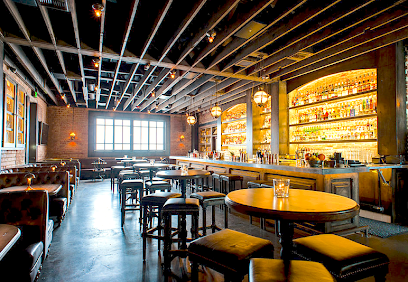
The Living Room
2.4 km
Experience the elegance of The Living Room in Santa Monica, where coastal charm meets culinary excellence and breathtaking ocean views.
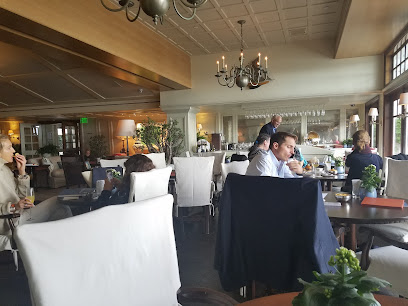
Basement Tavern
3.4 km
Basement Tavern: A lively bar and American restaurant in Santa Monica, perfect for great food, drinks, and vibrant nightlife.
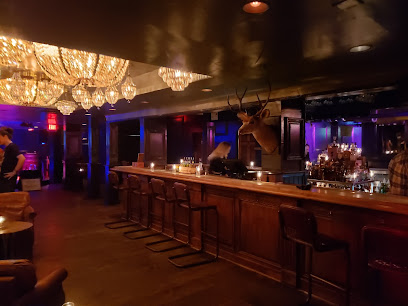
Jameson’s Pub
3.5 km
Discover the charm of Ireland at Jameson’s Pub in Santa Monica, where great food, drinks, and hospitality come together in a lively atmosphere.
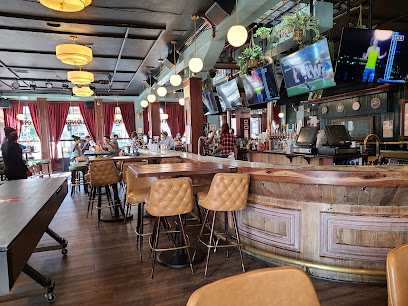
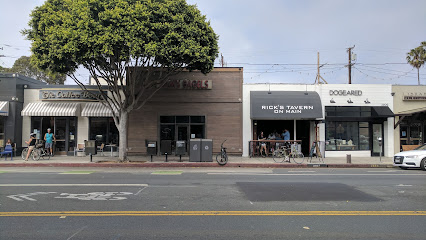
Tavern on Main SM
3.7 km
Experience the vibrant flavors of Tavern on Main SM in Santa Monica, where delicious grill dishes and a lively bar atmosphere come together.
Nightclubs & after hour spots

Harvelle's
1.6 km
Experience the vibrant nightlife of Santa Monica at Harvelle's, where live music and classic cocktails create unforgettable evenings.
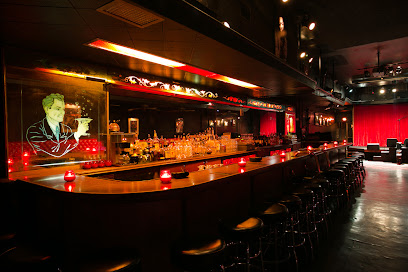
Senator Jones
2.7 km
Discover the electrifying nightlife of Santa Monica at Senator Jones, where music and vibrant energy come alive every weekend.
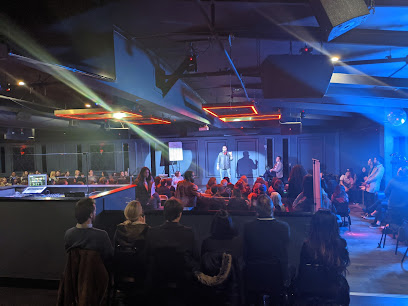
Gas Lite
2.7 km
Experience the ultimate karaoke and cocktail scene at Gas Lite, a vibrant bar in Santa Monica offering music, laughter, and unforgettable nights.
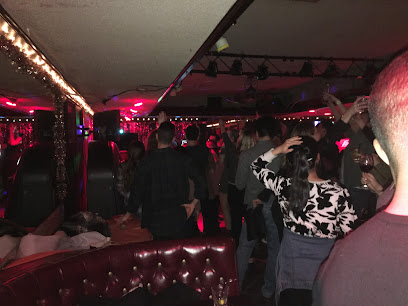
TR!P Santa Monica
3.0 km
Discover the lively atmosphere of TR!P Santa Monica, where great drinks and live music create unforgettable memories in California.
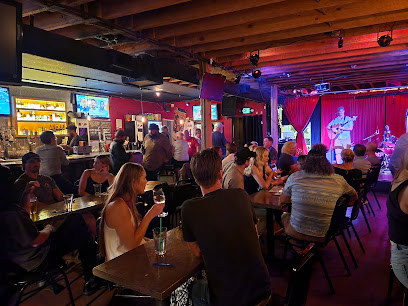
Jame’s’ smoothies
3.3 km
Discover the vibrant nightlife at Jame's Smoothies, the perfect night club in Santa Monica for unique smoothies and great atmosphere.
Nameless Santa Monica
3.6 km
Experience the electrifying nightlife at Nameless Santa Monica, where music, dance, and unforgettable moments await in the heart of California.
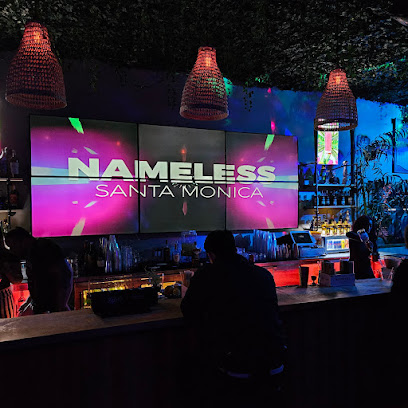
Busby's West
4.0 km
Experience the vibrant atmosphere of Busby's West in Santa Monica, where delicious grill cuisine meets lively nightlife for an unforgettable outing.
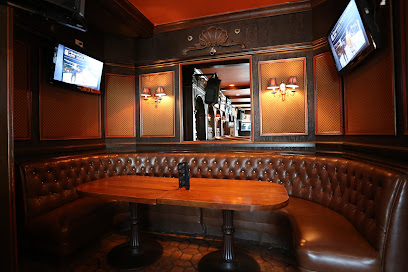
thelma todd's sidewalk cafe
5.1 km
Experience the charm of Thelma Todd's Sidewalk Café, a historic gem where delicious food meets stunning ocean views in Pacific Palisades, California.
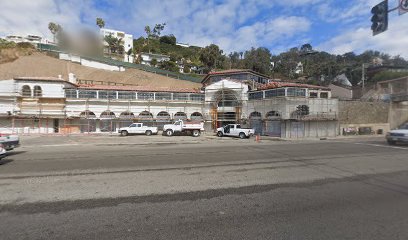
Acts Of Service Sounds
5.3 km
Discover the heartbeat of Venice nightlife at Acts Of Service Sounds, where music and energy collide for an unforgettable evening.
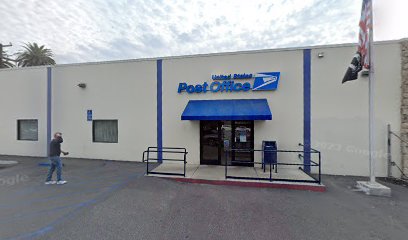
The Venice West
5.6 km
Experience the vibrant nightlife of Venice, CA at The Venice West, where delicious food meets live music in a lively bar atmosphere.
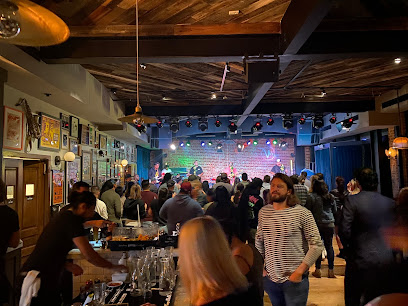
Club Sunset
5.6 km
Discover the electrifying nightlife at Club Sunset in Venice, CA—where dance, drinks, and unforgettable memories await.
Nightlife Empire
10.3 km
Discover the vibrant nightlife at Nightlife Empire, Beverly Hills' premier destination for music, dancing, and unforgettable evenings.
Nightclub Rescue
10.3 km
Discover the ultimate nightlife experience at Nightclub Rescue in Beverly Hills, where music, dancing, and unforgettable memories await.
Jim
11.3 km
Discover the electrifying nightlife at Jim Night Club in Beverly Hills, where unforgettable experiences and vibrant music await every visitor.

Grand Havana Room
11.3 km
Experience luxury at the Grand Havana Room in Beverly Hills, where exquisite cigars and fine drinks meet an elegant ambiance.