The Mother Orange Tree: A Living Legacy
Discover the Mother Orange Tree of Butte County, California's oldest living orange tree, a symbol of agricultural heritage and resilience since 1856, located in beautiful Oroville.
The Mother Orange Tree of Butte County, residing in Oroville, California, stands as a testament to the state's rich agricultural history. Planted in 1856, this Mediterranean sweet orange seedling, sourced from Mazatlan, Mexico, is believed to be the oldest living orange tree in California. It symbolizes the pioneering spirit of early citrus cultivation, predating large-scale commercial operations. The tree has persevered through floods, fires, and severe freezes, even surviving a relocation during the construction of the Oroville Dam. Today, visitors can admire its sprawling branches and learn about its significance through interpretive plaques. The site offers a tranquil setting for reflection, connecting visitors to the enduring relationship between nature and California's vibrant past. It's a must-see for history buffs, nature lovers, and anyone seeking a peaceful escape.
A brief summary to Mother Orange Tree of Butte County
- 400 Glen Dr, Oroville, California, 95966, US
- +1916-653-6995
Local tips
- Visit during the late fall or winter months for the chance to see the tree bearing ripe oranges.
- Combine your visit with a trip to the nearby Lake Oroville Visitor Center to learn more about the area's history and the construction of the Oroville Dam.
- Check out local events, as there may be seasonal gatherings or educational tours available.

Getting There
-
Driving
From Oroville, head towards Glen Drive. The Mother Orange Tree is located at 400 Glen Drive, adjacent to the California State Parks office. Free parking is available on-site. Be mindful of signs as you approach, as they can be easy to miss. Limited parking is available.
-
Public Transport
From the Oroville Transit Center, the Mother Orange Tree is approximately a 10-minute taxi or rideshare journey. Alternatively, it's a 30-40 minute walk. Butte Regional Transit (B-Line) serves Oroville, but there isn't a direct stop at Glen Drive. Check B-Line schedules for the closest possible stop and then walk or take a short taxi/rideshare. A single B-Line fare is approximately $1.75. A taxi/rideshare from the Transit Center will cost approximately $10-$15.
Discover more about Mother Orange Tree of Butte County
Iconic landmarks you can’t miss

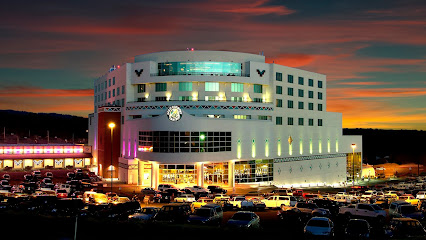
Gold Country Casino Resort
0.7 km
Experience the excitement of Gold Country Casino Resort, where gaming, dining, and relaxation come together in beautiful Oroville, California.
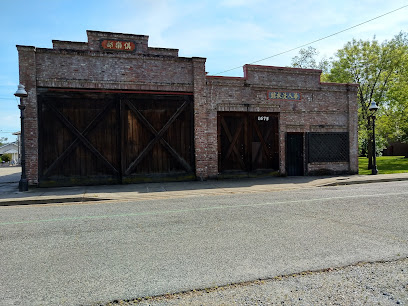
Oroville Chinese Temple
5.0 km
Explore the rich heritage of the Oroville Chinese Temple, a historical landmark showcasing the vibrant culture of the Chinese community in California.
Rancho Chico and Bidwell Abode
38.1 km
Immerse yourself in history at Rancho Chico and Bidwell Abode, a charming landmark showcasing California's rich agricultural heritage.
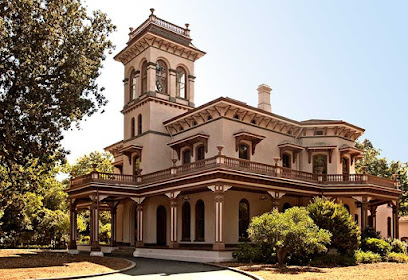
Historic Marysville
42.0 km
Discover the rich history and vibrant community of Historic Marysville, California, where the past meets the present in a charming setting.
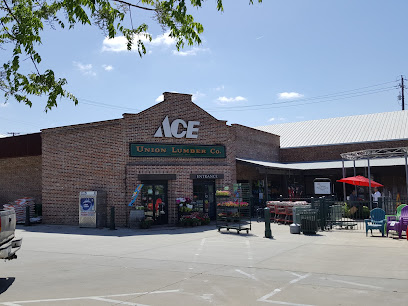
California Historical Landmark 294: Rough and Ready
44.3 km
Explore Rough and Ready Historical Landmark 294, a captivating site that embodies the spirit of the Gold Rush era in California's scenic landscape.
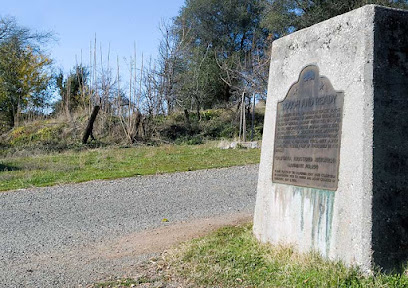
Cement Hill Nisenan burial site-
46.6 km
Discover the poignant history and enduring legacy of the Nisenan people at the Cement Hill burial site in Nevada City, a place of remembrance and cultural significance.
Lavaive
46.8 km
Experience the unique charm of Lavaive, where local culture meets quality shopping, perfect for tourists seeking authentic souvenirs.
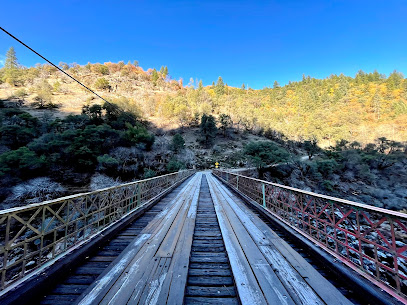
Edwards Crossing Bridge
49.0 km
Discover the historic Edwards Crossing Bridge near Nevada City, CA: a scenic gateway to swimming, hiking, and Gold Rush history in the South Yuba River State Park.
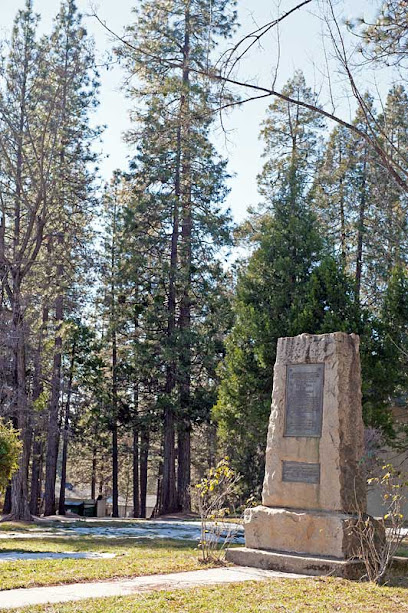
California Historical Landmark 297: Gold Hill Mine
49.8 km
Explore the captivating Gold Hill Mine, a historical landmark in Grass Valley, California, and discover the rich stories of the Gold Rush era.
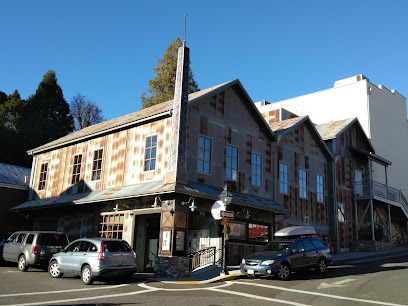
Miners Foundry Cultural Center
50.0 km
Explore the rich history and vibrant cultural scene at Miners Foundry Cultural Center in Nevada City, home to live music, art, and community events.
The North Star House
50.9 km
Explore The North Star House, a historic wedding and event venue in Grass Valley, California, surrounded by breathtaking gardens and rich heritage.
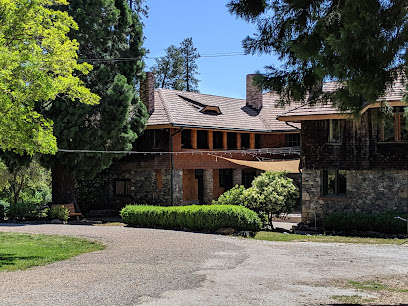
Empire Mine State Historic Park Visitors Center
52.0 km
Explore California's Gold Rush heritage at Empire Mine State Historic Park with stunning gardens and rich history.
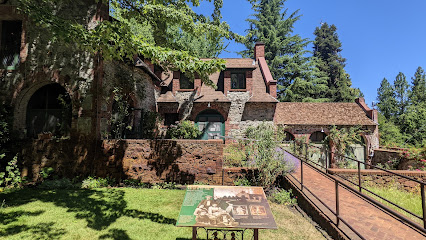
Downieville Museum
58.3 km
Discover Downieville's Gold Rush history at the Downieville Museum, housed in an 1852 stone building, showcasing artifacts, photos, and stories of this captivating mountain town.
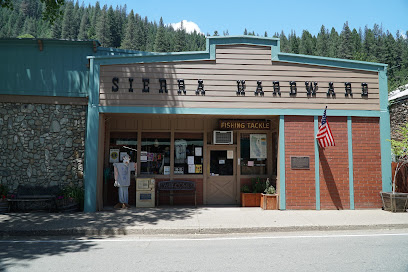
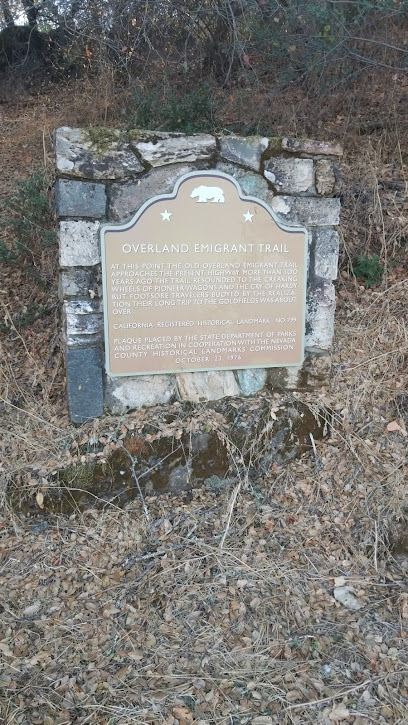
California State Historical Landmark No. 799
61.4 km
Explore California State Historical Landmark No. 799 in Grass Valley, a captivating journey into the heart of California's gold rush history.
Colfax Heritage Museum
65.9 km
Uncover the captivating history of Colfax, California at the Colfax Heritage Museum, a treasure trove of local heritage and stories.
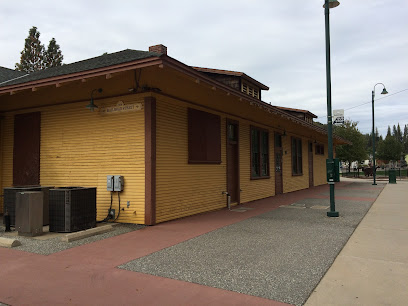
Unmissable attractions to see

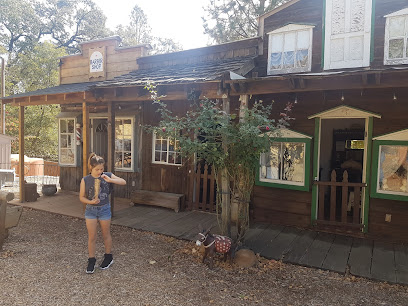
Gold Nugget Museum
28.5 km
Explore the fascinating history of the gold rush at the Gold Nugget Museum in Paradise, California—an educational gem for all ages.
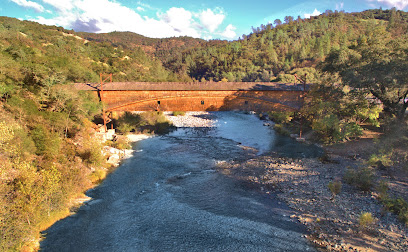
Bridgeport Covered Bridge
36.0 km
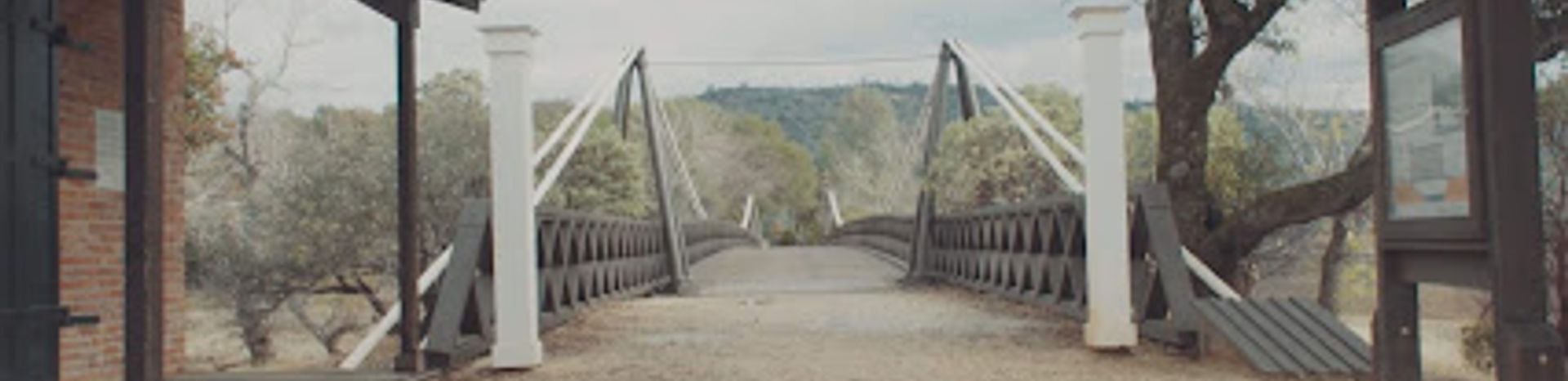
Step back in time at the Bridgeport Covered Bridge, a beautifully restored Gold Rush-era landmark in South Yuba River State Park.
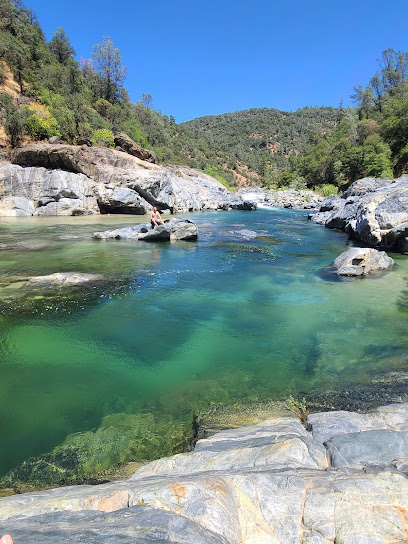
South Yuba River State Park
36.1 km
Explore the stunning landscapes and rich history of South Yuba River State Park, a perfect retreat for nature lovers and adventure seekers in California.
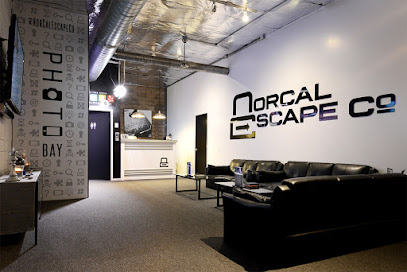
NorCal Escape Co.
43.7 km
Experience immersive escape room adventures with unique themes and challenging puzzles at NorCal Escape Co. in Yuba City, CA.
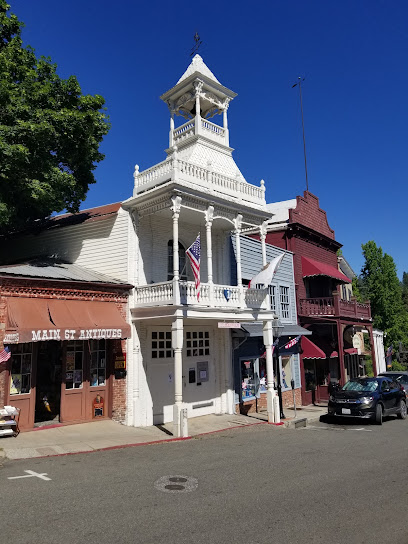
Fire House #1 Museum
50.1 km
Explore the legacy of firefighting at Fire House #1 Museum in Nevada City, where history and community converge in a charming historic setting.
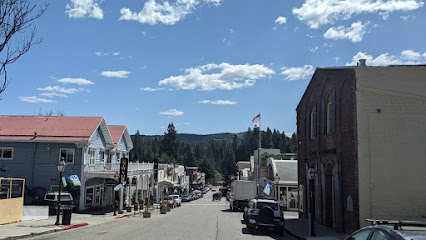
Scavenger Hunt Walking Tours - Nevada City
50.1 km
Explore Nevada City's hidden treasures and rich history through an engaging scavenger hunt adventure perfect for all ages.
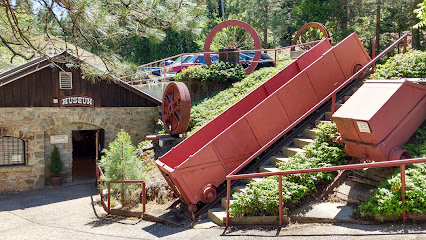
Northstar Mining Museum
50.3 km
Explore California's Gold Rush history at the Northstar Mining Museum in Grass Valley, home to the world's largest Pelton wheel and authentic mining exhibits.
Pioneer Park
50.8 km
Explore Pioneer Park in Nevada City, CA - a serene retreat filled with lush landscapes, walking trails, and vibrant community events.
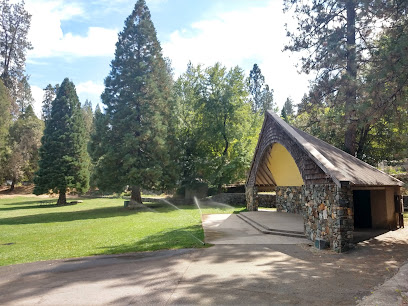
Nevada County Narrow Gauge Railroad Museum
50.9 km
Discover Nevada County's transportation history at this museum dedicated to the narrow gauge railroad era.
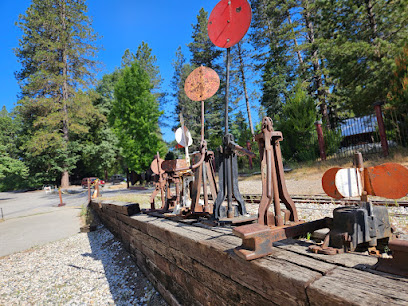
Empire Mine State Historic Park
51.9 km
Step back in time at California's Empire Mine, explore historic buildings, and discover the golden legacy of the Gold Rush era.
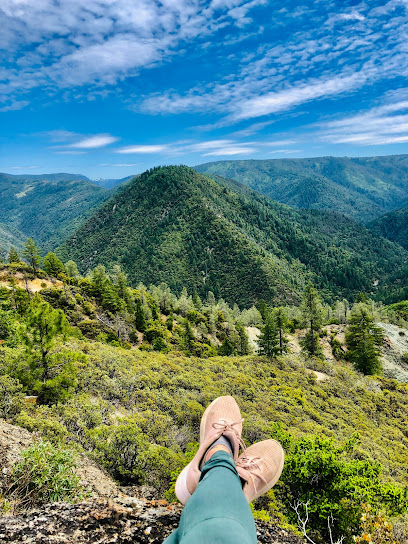
Malakoff Diggins State Historic Park
54.3 km
Discover California's Gold Rush history at Malakoff Diggins State Historic Park, where hydraulic mining shaped the landscape and a ghost town whispers tales of the past.
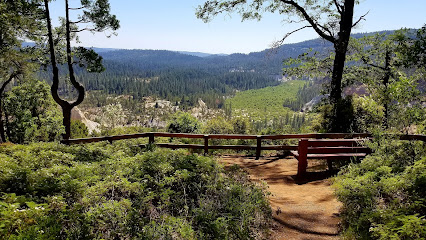
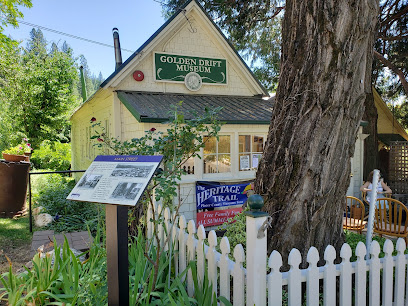
Golden Drift Museum
66.5 km
Explore the Golden Drift Museum in Dutch Flat, California – a captivating journey through the rich history of the Gold Rush era.
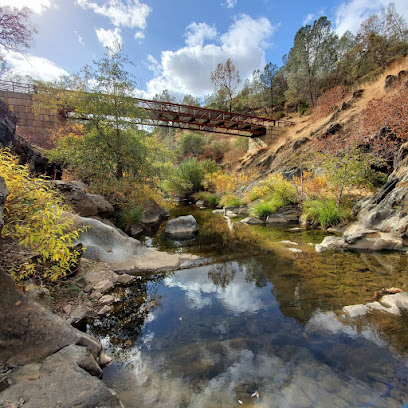
Hidden Falls Regional Park
68.0 km
Experience the natural beauty of Hidden Falls Regional Park in California, a perfect destination for outdoor adventure and relaxation.
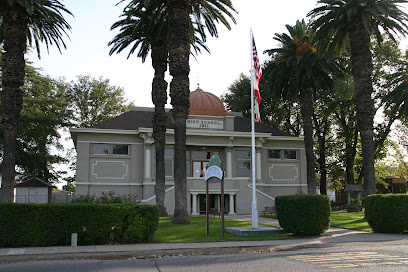
Sacramento Valley Museum
69.1 km
Discover the Sacramento Valley's past at this regional museum housed in a historic former high school. Open mid-March through October!
Rappé Family Vineyards
70.1 km
Escape to Rappé Family Vineyards in Auburn, CA: Award-winning wines, serene vineyards, and a tranquil country setting on the Placer Wine & Ale Trail.