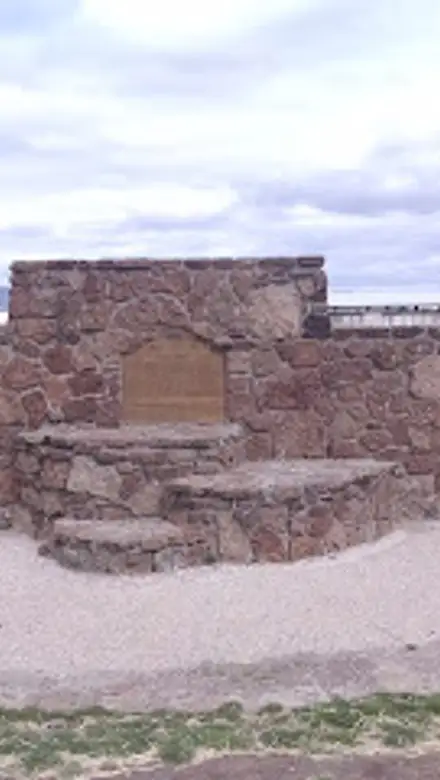
Tule Lake Relocation Center, Shasta Cascade Travel Guide
Explore the Tule Lake Relocation Center, a National Monument preserving the history of Japanese American incarceration during WWII, offering profound lessons in civil liberties and remembrance.
The Tule Lake Relocation Center, now a National Monument, stands as a stark reminder of the unjust incarceration of Japanese Americans during World War II. Originally a War Relocation Authority camp, it became the largest and most controversial segregation center, holding those deemed "disloyal." Visitors can explore the visitor center, the Tulelake-Butte Valley Fairgrounds Museum with its replica barracks and guard tower, and the grounds of Camp Tulelake. Ranger-led tours offer a deeper understanding of this dark chapter in American history, revealing the stories of those who were unjustly imprisoned and the impact of this experience on their lives and the nation.
A brief summary to Tule Lake Relocation Center
- 44340 CA-139, Tulelake, California, 96134, US
- Click to display
- Click to display

Know before you go
Hi, I'm Eve. Here are a few practical things to know before exploring Tule Lake Relocation Center.
- Take a ranger-led tour to access the Tule Lake Segregation Center Jail and Camp Tulelake, as these areas are otherwise inaccessible.
- Reservations for ranger-guided tours are highly recommended, especially during peak season (Memorial Day to Labor Day), as space is limited.
- Visit the Tulelake-Butte Valley Fairgrounds Museum to see a replica barracks and guard tower, providing a glimpse into the living conditions of the internees.
- Check the Tule Lake National Monument's Facebook page or the NPS website for the latest updates on visitor center hours, tour schedules, and special events.
- Be prepared for hot and dry conditions during the summer months; bring water, sunscreen, and a hat.
Do you manage this location?
Take control to get all the benefits, like improved information, better appearance, and stronger visibility across AI-powered discovery. Learn more about listing your business on Evendo
Activate your presenceOther nearby places you may find interesting
The closest places of the same kind, if this one is not quite what you had in mind.
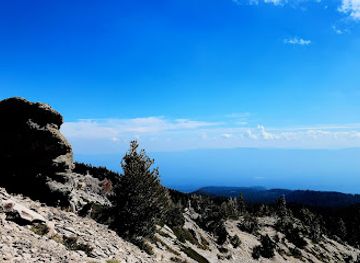
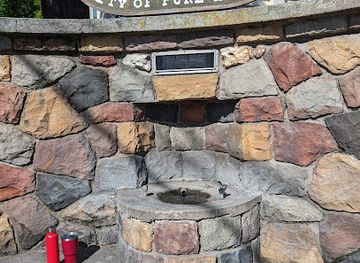
Explore Tule Lake Relocation Center on the Map
A handpicked selection of must-see spots near Tule Lake Relocation Center, mapped for you.
Getting There
-
Driving
From Tulelake, CA, head south on CA-139 for approximately 8 miles. The Tule Lake National Monument Visitor Center is located at 44340 CA-139, Tulelake, CA 96134. The visitor center is the only driveway off the highway between County Roads 113 & 176. Note that GPS may direct you about 1/8 mile north of the actual location. The monument is located about 35 miles southeast of Klamath Falls, Oregon. There is no fee to enter the park.
-
Public Transport
While limited, public transportation is available to Tulelake. From Klamath Falls, Oregon, you can take a Greyhound bus. The nearest bus station to Tule Lake National Monument in Tulelake is Ross Market (440 E St), which is a 5-minute walk away. From there, it is still approximately 8 miles to the visitor center. Consider arranging a taxi or rideshare from Tulelake to the visitor center, as walking is not feasible due to the distance and lack of pedestrian infrastructure. Taxi/ride-share costs can vary, but expect to pay around $20-$30 for the short trip.
Discover more about Tule Lake Relocation Center
More to explore near Tule Lake Relocation Center













Your all‑in‑one travel companion app
Explore expert travel guides, compare and book tours, experiences, hotels, and more—all from the palm of your hand. Download now for seamless trip planning wherever your wanderlust takes you.


Explore More of Shasta Cascade
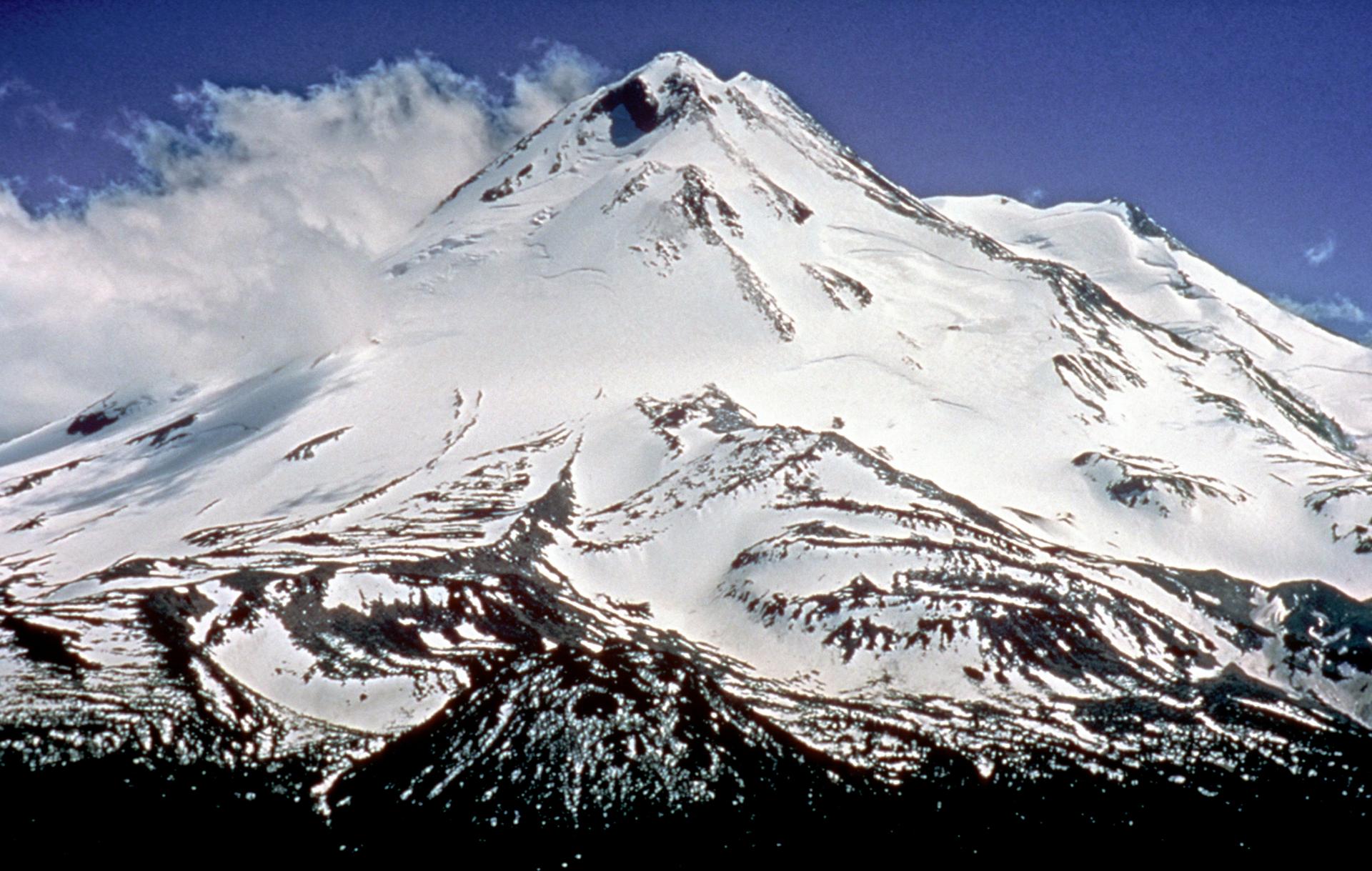
Looking beyond Tule Lake Relocation Center? Discover Shasta Cascade for broader travel guides, local hot-spots, and regional highlights.
Explore Shasta Cascade
Discover comfort and hospitality at Fairfield Inn & Suites Klamath Falls, your gateway to Oregon's stunning outdoor adventures and attractions.
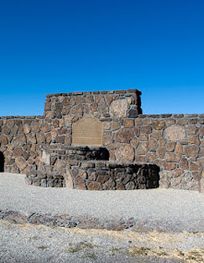
Explore the Tule Lake Relocation Center, a historical landmark that reflects on the experiences of Japanese Americans during WWII and the importance of civil rights.