Historic Airplane Navigation Beacon: A Relic of Early Aviation
Discover a piece of aviation history at the Historic Airplane Navigation Beacon on Donner Summit, a relic from the pioneering days of airmail and cross-country flight in the United States.
Perched atop Donner Summit, the Historic Airplane Navigation Beacon stands as a silent sentinel of early aviation. Dating back to the 1920s and 30s, this beacon was part of a network of lights and ground-based markers that guided pilots across the country during the pioneering days of airmail and commercial flight. Today, it offers a tangible connection to a bygone era, where pilots relied on basic instruments and visual cues to navigate treacherous routes. Visitors can explore the site, imagine the challenges faced by early aviators, and soak in panoramic views of the surrounding Sierra Nevada landscape. The beacon serves as a reminder of the courage and ingenuity that shaped the development of air travel, and the vital role Donner Summit played in connecting the nation by air. It's a rewarding experience for history buffs, aviation enthusiasts, and anyone seeking a unique glimpse into the past.
A brief summary to Historic Airplane Navigation Beacon
- California, US
Local tips
- Check weather conditions before visiting, as Donner Summit can experience sudden changes in weather, especially during winter.
- Wear sturdy shoes, as the terrain around the beacon can be uneven and rocky.
- Bring a camera to capture the panoramic views of Donner Lake and the surrounding Sierra Nevada mountains.
- Visit the Donner Summit Historical Society in Truckee to learn more about the history of the area and the transcontinental airway.
- Consider visiting during the summer months when Donner Pass Road is fully open, providing easy access to the beacon and other attractions on the summit.

Getting There
-
Driving
From Truckee, take Donner Pass Road (Old Highway 40) west towards Donner Summit. The road winds along Donner Lake and ascends to the summit. The Historic Airplane Navigation Beacon is located at the top of Donner Ski Ranch. Follow signs for the ski ranch. Limited parking is available at the ski ranch. From the parking area, you may need to take a chairlift to reach the summit where the beacon is located, depending on the season. Check with Donner Ski Ranch for chairlift operating schedules and fees. Note: Donner Pass Road may be closed to through traffic due to rockslide impacts; check current road conditions before traveling. An alternative route is via Interstate 80 to Exit 174 (Donner Summit) and head east.
Discover more about Historic Airplane Navigation Beacon
Iconic landmarks you can’t miss

Historic Airplane Navigation Beacon
0.0 km
Discover a piece of aviation history at the Historic Airplane Navigation Beacon on Donner Summit, a relic from the pioneering days of airmail and cross-country flight in the United States.
Historic Summit Tunnel
0.6 km
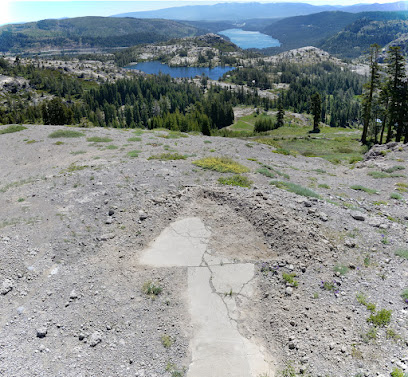
Explore the Historic Summit Tunnel, an iconic 19th-century engineering marvel in the Sierra Nevada, perfect for history and nature enthusiasts.
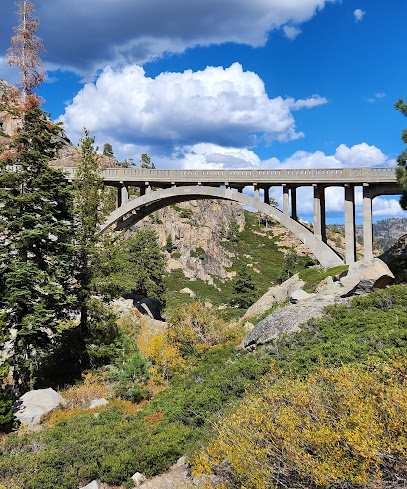
Donner Summit Bridge
1.5 km
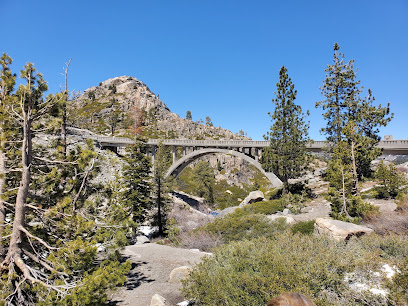
Explore the breathtaking Donner Summit Bridge, a historic landmark in California's Sierra Nevada, combining stunning views and rich history.
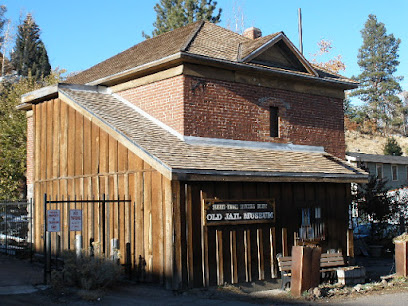
Old Truckee Jail Museum
12.9 km
Explore the Old Truckee Jail Museum, a captivating historical site that unveils the stories of the Wild West in California's stunning Sierra Nevada region.
Overland Emigrant Trail (California Historical Landmark No. 799-2)
15.7 km
Walk in the footsteps of pioneers on this historic trail near Soda Springs, CA, and discover the resilience and spirit of the American West during the California Gold Rush era.
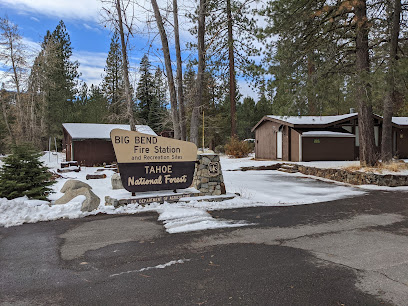
Tahoe National Forest
19.3 km
Discover rugged beauty, historic sites, and year-round recreation in Tahoe National Forest, a vast Sierra Nevada treasure offering hiking, skiing, and unparalleled natural experiences.
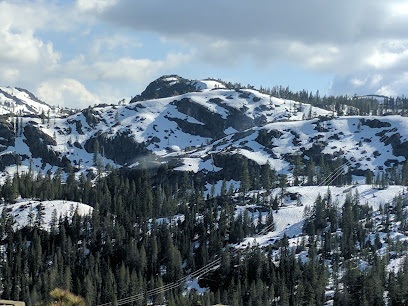
Henness Pass Road Historical Site
22.0 km
Discover the rugged beauty and rich history of the Sierra Nevada on the Henness Pass Road, a historic route through the Tahoe National Forest, echoing tales of pioneers and gold rush days.
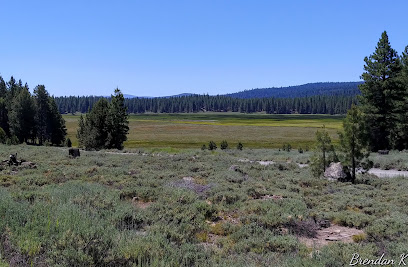
Tahoe City Dog Park
23.7 km
A convenient, seasonal dog park in Tahoe City offering a fenced, off-leash area for furry friends to play and socialize.
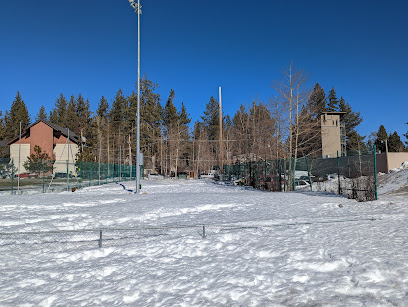
Basecamp Tahoe City
23.7 km
Your adventure starts here! Basecamp Tahoe City: Explore Lake Tahoe's beauty with cozy rooms, outdoor fun, and a prime downtown location.

Uncorked Tahoe City
23.7 km
Discover limited-production wines in a cozy Tahoe City setting. Curated flights, knowledgeable staff, and delectable pairings await!
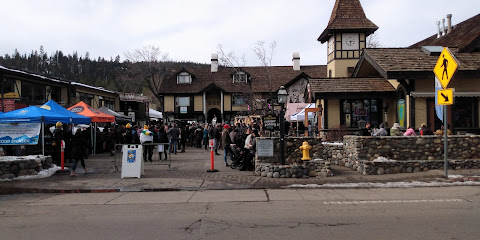
Tahoe Art Haus & Cinema
23.7 km
Experience independent cinema, craft brews, and community vibes at Tahoe Art Haus & Cinema, Tahoe City's unique entertainment destination.
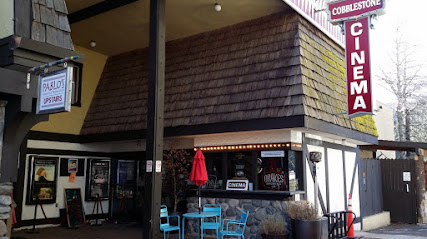
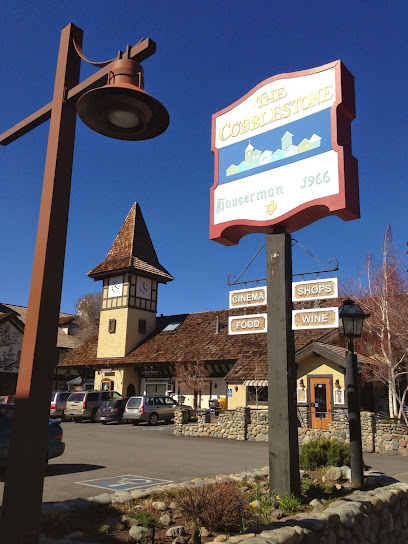
Cobblestone Center
23.7 km
Discover unique shops, dining, and entertainment in a charming Bavarian-style village at the heart of Tahoe City, Lake Tahoe.
Unique Nail Spa
23.7 km
Relax and rejuvenate at Unique Nail Spa in Tahoe City, offering a wide range of nail services for a pampering experience.
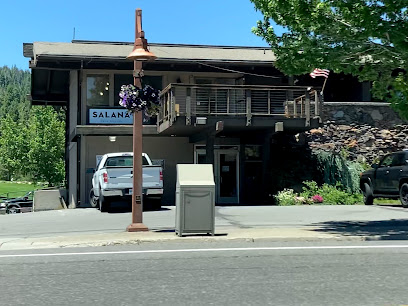
North Tahoe Cruises - Tahoe Gal
23.7 km
Cruise Lake Tahoe aboard the iconic Tahoe Gal paddle-wheeler for scenic tours, sunset dinners, and unforgettable memories.
Tahoe Trunk Show
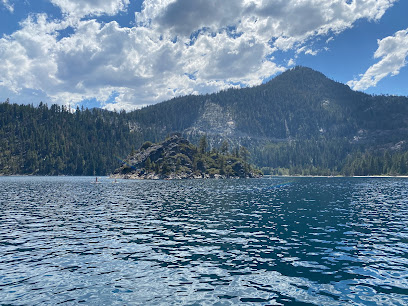
23.7 km
Discover unique, handcrafted treasures at Tahoe Trunk Show, showcasing the best local art, jewelry, and gifts from the Lake Tahoe region.
Unmissable attractions to see

Donner Lake
6.2 km
Experience the tranquility and breathtaking beauty of Donner Lake, a prime destination for outdoor adventures in Truckee, California.
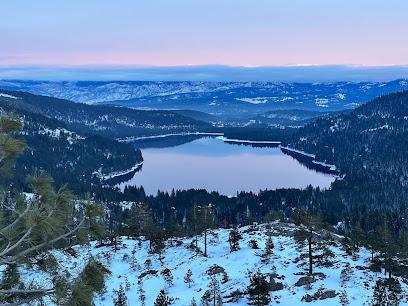
Donner Memorial State Park
8.3 km
Discover the scenic beauty and historical significance of Donner Memorial State Park, a top destination for outdoor adventures in California.
KidZone Museum
10.5 km
Inspiring young minds through creative play and discovery in Truckee, California. Hands-on exhibits for kids under 7!
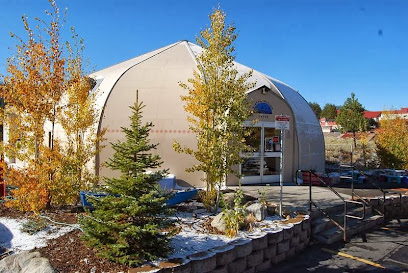
Historic Downtown Truckee & Visitor Center
13.0 km
Explore Historic Downtown Truckee: A blend of rich history, unique shopping, and picturesque mountain views in the heart of the Sierra Nevada.
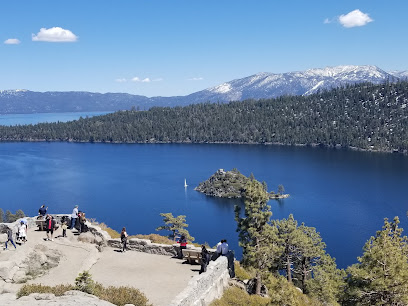
Palisades Tahoe
16.4 km
Discover the thrilling slopes and stunning vistas of Palisades Tahoe, a premier ski resort nestled in the Sierra Nevada mountains, perfect for every winter sports enthusiast.
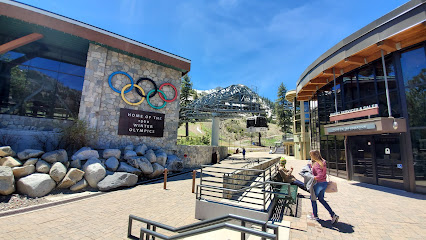
Granite Chief Wilderness
23.2 km
Experience the breathtaking beauty of Granite Chief Wilderness in California, a paradise for hikers and nature lovers with stunning landscapes and endless outdoor activities.
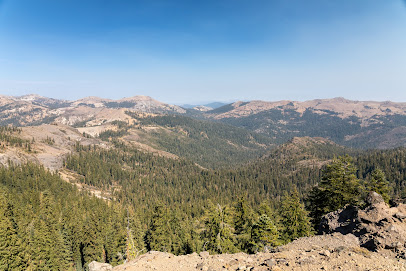
Tahoe City North Trailhead
23.4 km
Discover the breathtaking trails and stunning vistas at Tahoe City North Trailhead, a must-visit hiking area near Lake Tahoe.
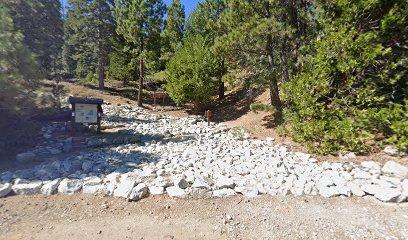
Burton Creek State Park
23.6 km
Explore Tahoe City's Burton Creek State Park: Hiking, biking, skiing, and scenic beauty in a pristine natural setting.
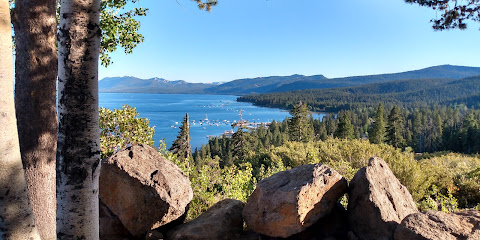
Tahoe City Winter Sports Park
23.6 km
Your all-inclusive winter recreation destination in Tahoe City, offering ice skating, sledding, skiing, and snowshoeing for the whole family.
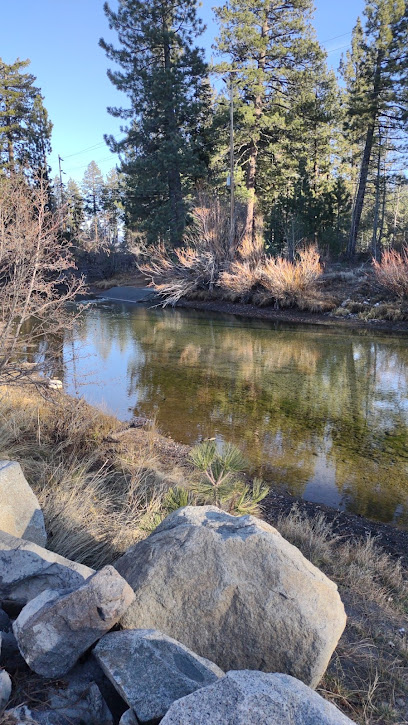
Tahoe City Kayak and Paddleboard Shop
23.7 km
Explore Lake Tahoe's crystal-clear waters with rentals, tours, and lessons from a trusted kayak and paddleboard shop in Tahoe City.
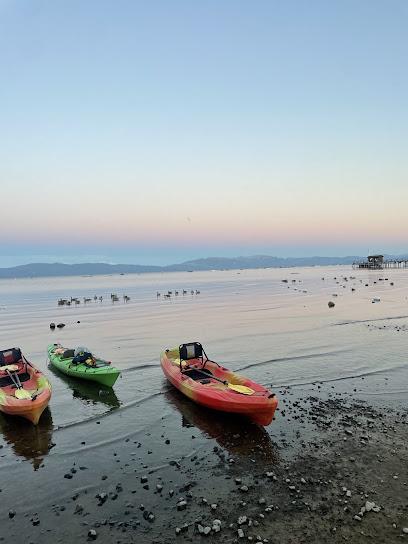
Tahoe City Downtown Association
23.7 km
Experience the heart of North Lake Tahoe! Discover events, businesses, and community spirit in Tahoe City with the Downtown Association.
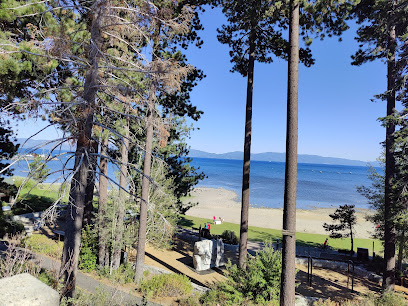
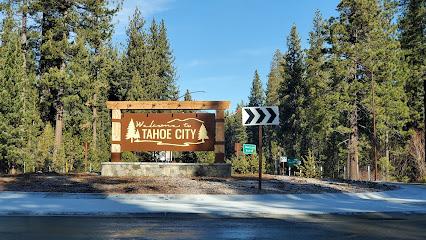
Tahoe City
23.7 km
Explore Tahoe City, California - a beautiful lakeside destination perfect for outdoor adventures, local culture, and breathtaking scenery.
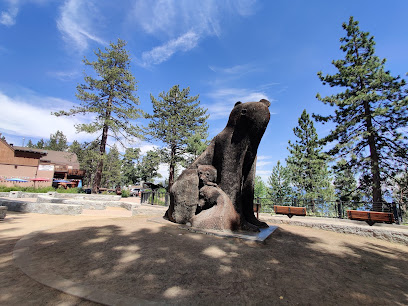
Penny Bear | Heritage Plaza
23.8 km
Explore the enchanting Penny Bear sculpture at Heritage Plaza, a unique artistic gem in Tahoe City that showcases local creativity and charm.
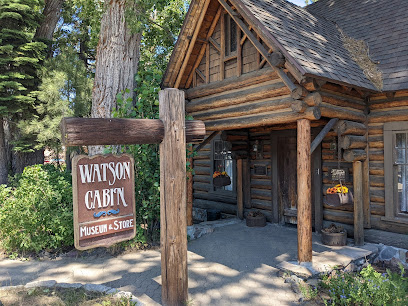
Watson Cabin Museum
23.8 km
Explore the historic Watson Cabin Museum in Tahoe City, a captivating journey through Lake Tahoe's rich history and early settler life.
Heritage Plaza
23.8 km
Discover the tranquil beauty of Heritage Plaza, a scenic park in Tahoe City offering stunning lake views and enriching historical displays.
Essential places to dine

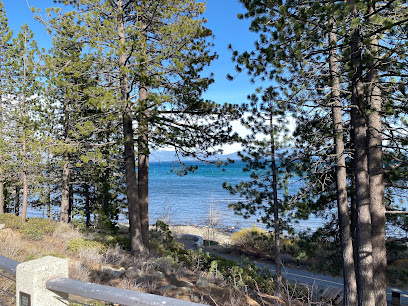
Six Peaks Grille
17.0 km
Experience fine dining at Six Peaks Grille in Olympic Valley - where exquisite steaks meet stunning mountain views.
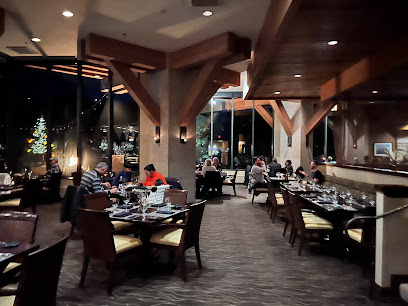
River Ranch Lodge & Restaurant
19.4 km
Discover the charm of River Ranch Lodge & Restaurant in Tahoe City - where Californian cuisine meets breathtaking riverside views.
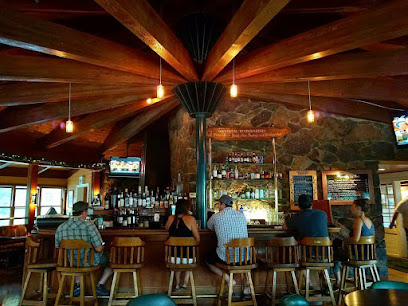
Cafe Zenon
23.6 km
Discover Café Zenon: A charming breakfast café in Tahoe City serving delectable dishes amidst stunning lake views.
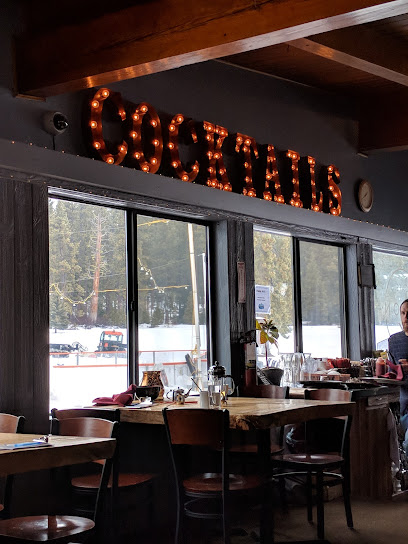
Thai Kitchen
23.7 km
Savor authentic Thai cuisine amidst stunning Lake Tahoe views at Thai Kitchen - an unmissable culinary experience.
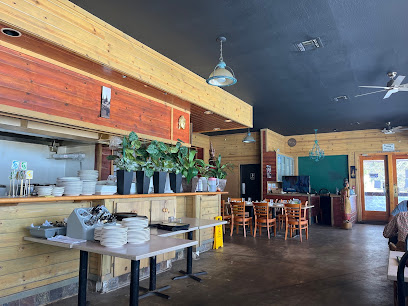
BLUEFISH
23.7 km
Discover Bluefish in Tahoe City - where fresh local ingredients meet creative culinary artistry in a welcoming atmosphere.
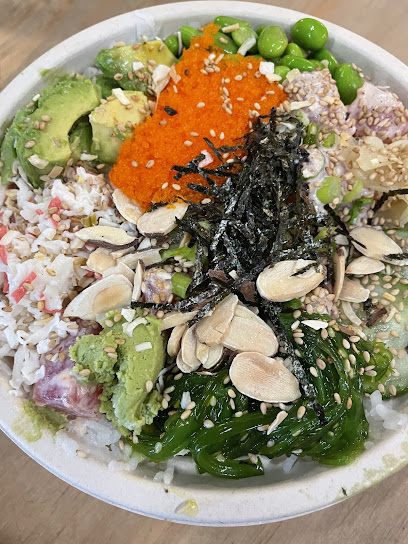
Pepper's
23.7 km
Discover delicious tacos and burritos at Pepper's in Tahoe City - where flavor meets affordability amidst stunning mountain views.
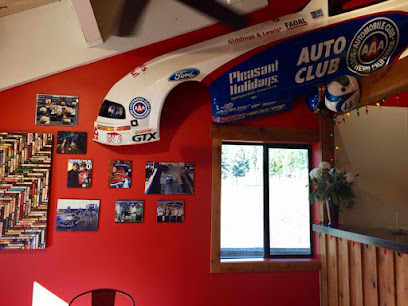
Fat Cat Bar & Grill
23.7 km
Discover delicious American cuisine at Fat Cat Bar & Grill in Tahoe City - where great food meets stunning lake views!
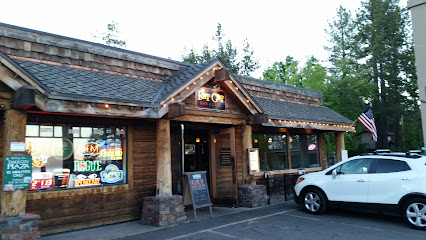
Pete 'n Peters
23.7 km
Experience the vibrant flavors of Mexico at Pete 'n Peters - your go-to sports bar in Tahoe City with delicious tacos and refreshing drinks.
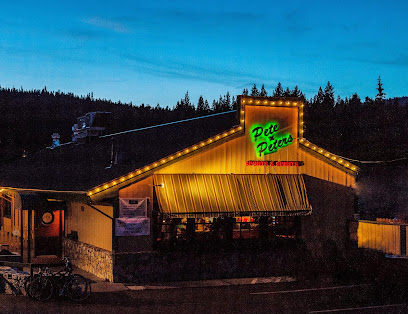
Rosie's Café
23.7 km
Discover Rosie's Café in Tahoe City - your go-to destination for delicious American breakfasts in a cozy lakeside setting.
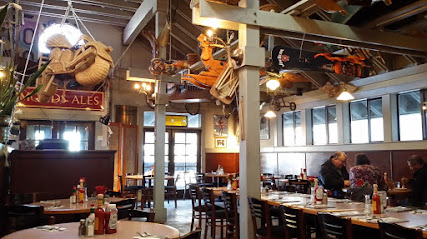
Duff’s Diner
23.7 km
Experience delightful brunch at Duff's Diner in Tahoe City - where flavor meets stunning lake views.
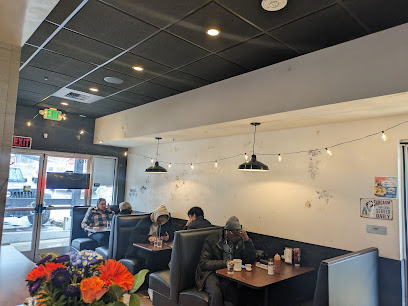
Tahoe City Sushi
23.8 km
Experience exquisite sushi and delightful Japanese cuisine in the heart of Tahoe City with breathtaking views of Lake Tahoe.
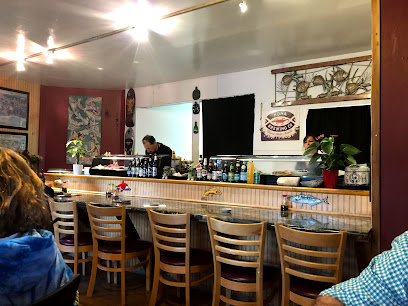
Subway
23.8 km
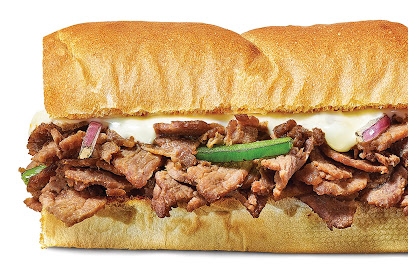
Discover fresh flavors at Subway in Tahoe City—your go-to spot for delicious sandwiches and salads amidst stunning landscapes.
Front Street Station Pizza
23.8 km
Experience the delightful fusion of pizza and Mexican cuisine at Front Street Station Pizza in beautiful Tahoe City.
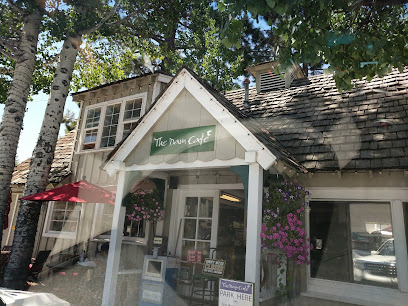
The Dam Cafe
23.8 km
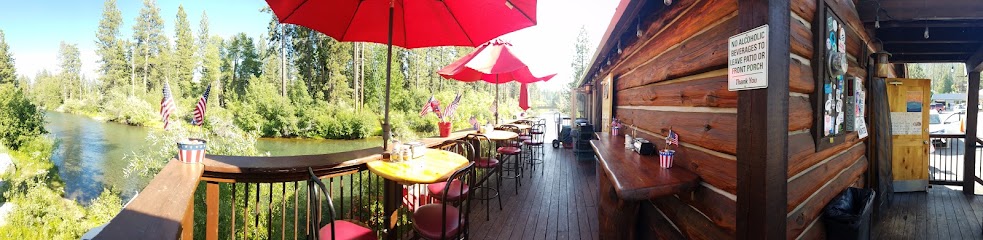
Experience delightful dining at The Dam Cafe in Tahoe City—where healthful food meets stunning lake views!
River Grill
23.8 km
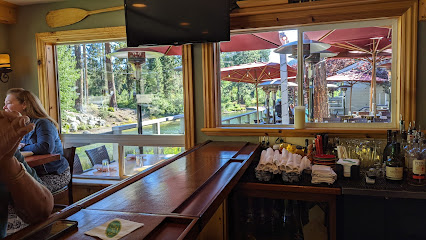
Experience exquisite American cuisine at River Grill while enjoying breathtaking views of Lake Tahoe's stunning scenery.
Markets, malls and hidden boutiques

Trading Post Shopping Center
23.6 km
Shop in style at the Trading Post Shopping Center, a vibrant shopping destination in Tahoe City, California, surrounded by breathtaking views of Lake Tahoe.
Ruffles & Ruffnecks
23.7 km
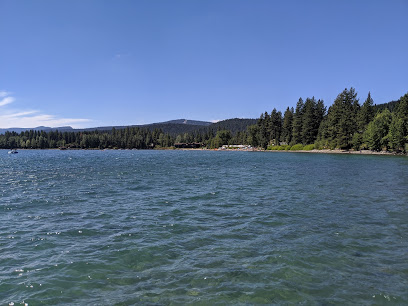
Explore Ruffles & Ruffnecks in Tahoe City for unique gifts, baby clothing, and toys that capture the essence of family-friendly shopping.
Alpine Heritage
23.7 km
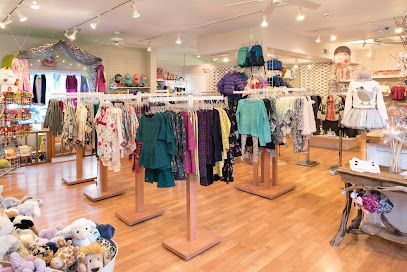
Discover unique gifts that reflect the beauty of the Sierra Nevada at Alpine Heritage, Tahoe City's charming gift shop.
New & Used Tahoe Sports
23.7 km
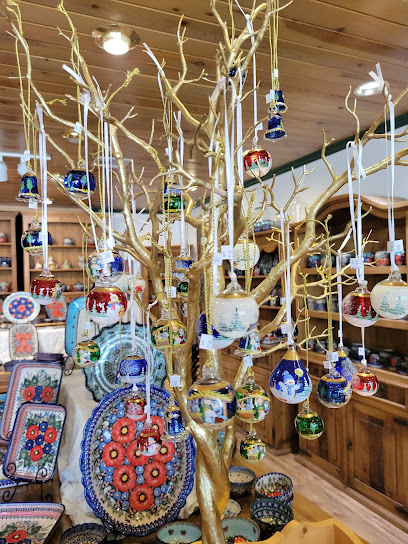
Discover unbeatable deals on ski and snowboard gear at New & Used Tahoe Sports, your go-to consignment shop in Tahoe City, California.
Lather & Fizz Bath Boutique
23.7 km
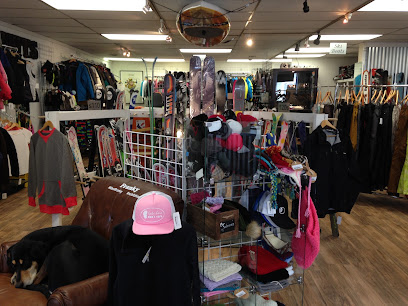
Explore Lather & Fizz Bath Boutique in Tahoe City for luxurious bath products that pamper your skin and elevate your self-care rituals.
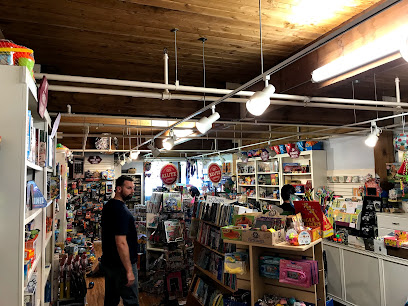
Geared For Games
23.7 km
Explore a world of imagination at Geared For Games, Tahoe City's charming toy store filled with unique toys, games, and unforgettable adventures.
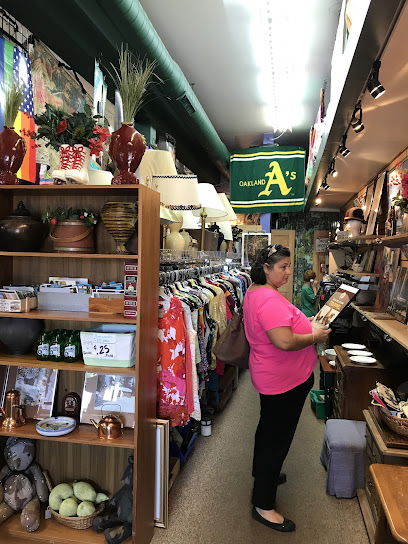
Pass It On Thrift
23.7 km
Explore Pass It On Thrift in Tahoe City for unique second-hand treasures, vintage finds, and sustainable shopping experiences in a charming lakeside setting.
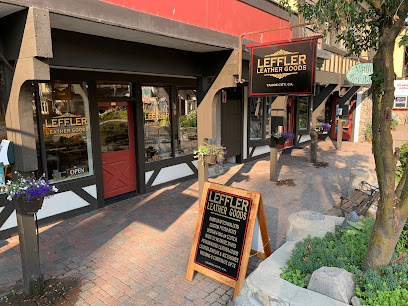
Leffler Leather Goods
23.7 km
Explore the exquisite craftsmanship of Leffler Leather Goods in Tahoe City, offering unique handmade leather products for all tastes.
The Hot Spot Tahoe ~ Pottery Painting Candle Making & More
23.7 km
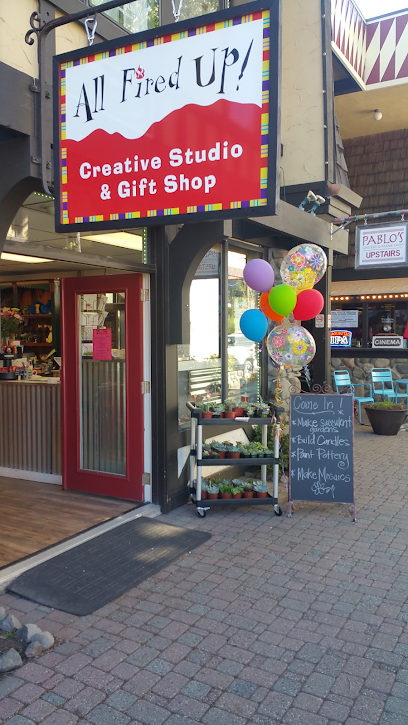
Discover creativity at The Hot Spot Tahoe, where pottery painting meets candle making in a delightful art cafe experience.
Tipsy Gypsy Boutique
23.7 km
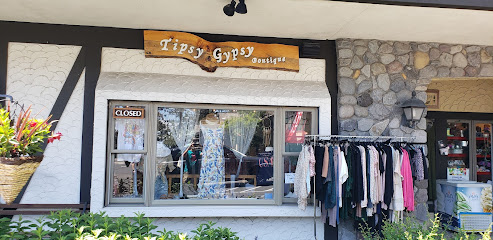
Explore Tipsy Gypsy Boutique in Tahoe City for unique clothing and exquisite locally crafted jewelry, capturing the essence of Lake Tahoe.
Gravity Shop
23.7 km
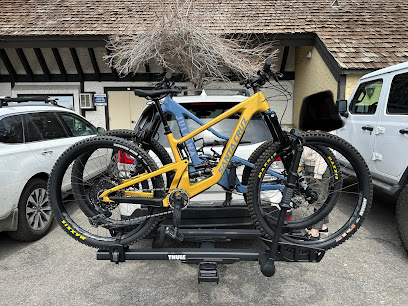
Discover the ultimate cycling experience at Gravity Shop in Tahoe City, a friendly hub for bike repairs and local trail knowledge.
Tahoe Slab Furniture
23.7 km
Explore Tahoe Slab Furniture for unique, handcrafted pieces inspired by the natural beauty of Lake Tahoe.
Lake Tahoe Business Search
23.7 km
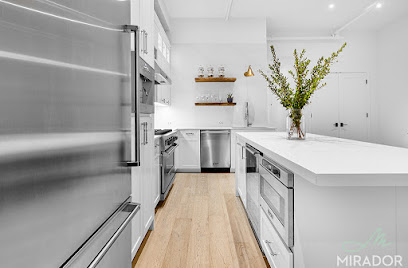
Explore Tahoe City's unique furniture store, where local craftsmanship meets stunning design in the heart of Lake Tahoe.
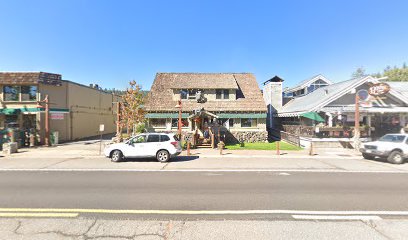
BlueZone Sports - Tahoe City
23.7 km
Explore the great outdoors with top-notch gear and expert advice at BlueZone Sports in Tahoe City - your adventure starts here.
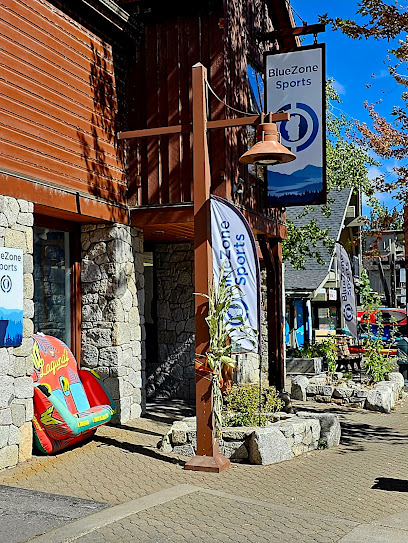
Cabin Fever
23.7 km
Discover unique gifts and local treasures at Cabin Fever, the charming gift shop in Tahoe City, California, perfect for memorable souvenirs.
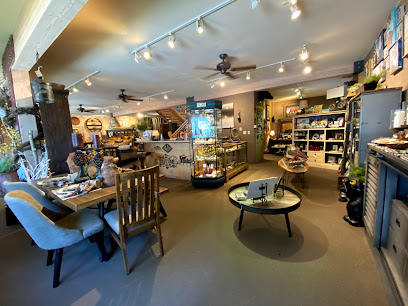
Essential bars & hidden hideouts

Tahoe Wine Collective
23.9 km
Discover the finest local wines at Tahoe Wine Collective, a hidden gem in Tahoe City, perfect for wine enthusiasts and casual visitors alike.
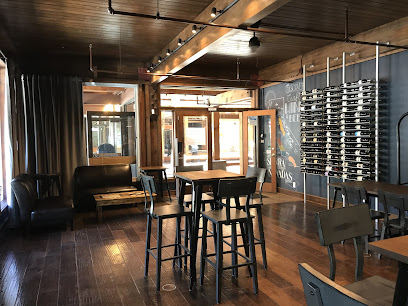
Grafted Whiskey & Wine Bar
49.4 km
Experience the finest in wine and culinary delights at Grafted Whiskey & Wine Bar, a premier destination in Reno, Nevada.
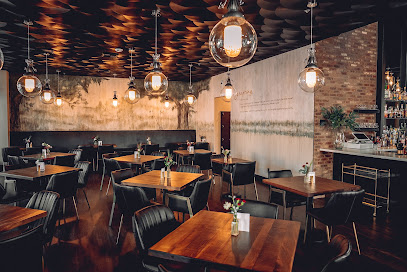
Lo-Bar Social
49.8 km
Experience Reno's nightlife at Lo-Bar Social, where handcrafted cocktails and a vibrant atmosphere await in the heart of the Riverwalk District.
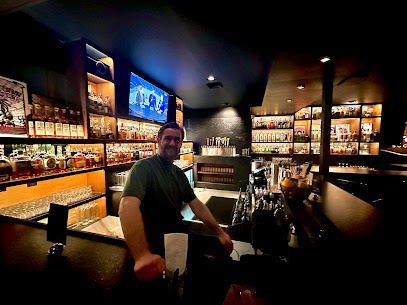
Pignic Pub & Patio
49.9 km
Experience the vibrant atmosphere and delicious flavors at Pignic Pub & Patio in Reno's Riverwalk District, where craft beer and local culture collide.
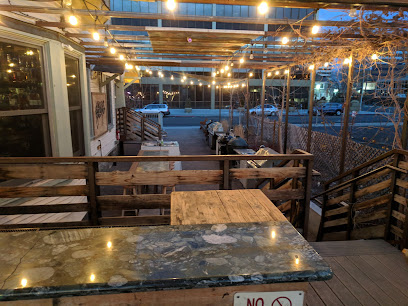
Great Basin Brewing Company ~ Reno
50.0 km
Discover Reno's craft beer culture at Great Basin Brewing Company, where exceptional brews meet delicious pub fare in a vibrant setting.
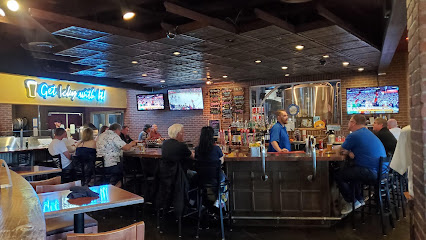
1864 Tavern
50.0 km
Explore the historic 1864 Tavern in Reno's Riverwalk District, where delightful decor meets an extensive drink menu in a vibrant setting.
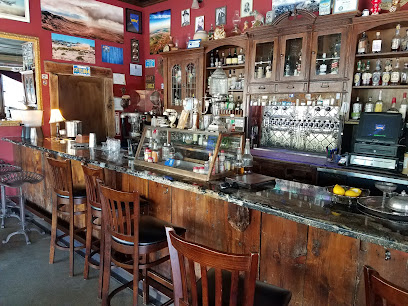
Sierra Tap House
50.0 km
Discover the vibrant atmosphere of Sierra Tap House, Reno's premier bar, featuring craft beers and delicious pub fare in the heart of the Riverwalk District.
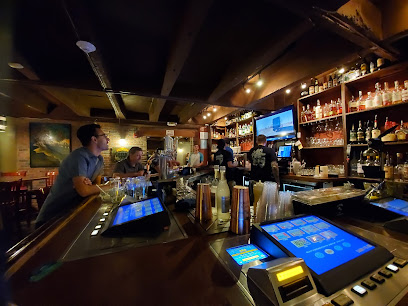
Our Bar
50.1 km
Experience the vibrant atmosphere and delicious flavors at Our Bar in Reno's Riverwalk District - a perfect blend of grill and bar ambiance.
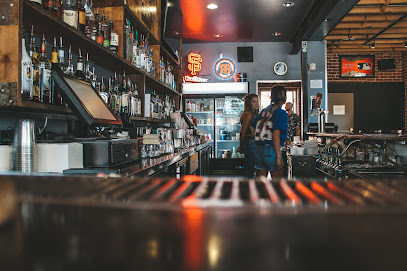
Midtown Spirits Wine & Bites
50.1 km
Discover Midtown Spirits Wine & Bites in Reno for exquisite wines, delicious bites, and live music, all in a vibrant and welcoming atmosphere.
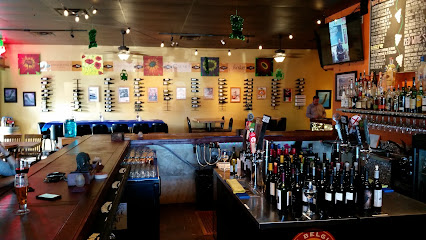
The Office
50.1 km
Discover Reno's cocktail haven at The Office, where unique drinks and a chic atmosphere create the perfect evening out.
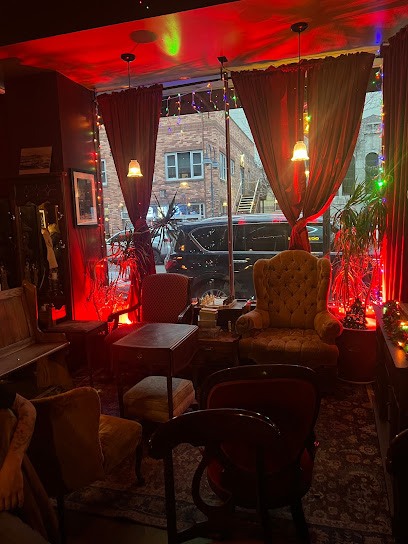
The Polo Lounge
50.1 km
Experience the vibrant atmosphere and exquisite cocktails at The Polo Lounge in Reno's lively MidTown district, perfect for an unforgettable night out.
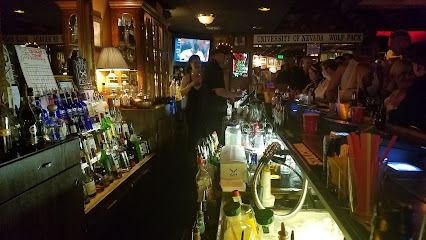
The Loving Cup
50.1 km
Discover The Loving Cup, Reno's premier cocktail bar, where innovative drinks meet live music in a vibrant atmosphere.
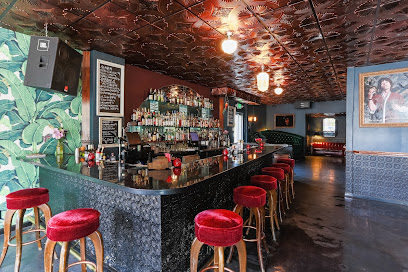
40 Mile Saloon
50.2 km
Unwind at 40 Mile Saloon, Reno's lively bar offering a diverse drink menu, live music, and a welcoming atmosphere for all.
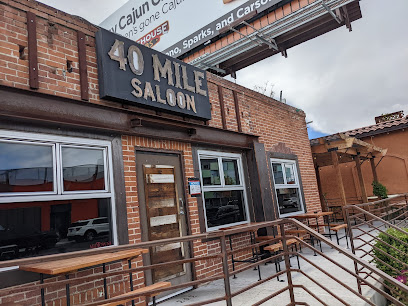
RedRock Studio and Bar
50.2 km
Discover the vibrant blend of art and nightlife at RedRock Studio and Bar in Reno's Riverwalk District, where creativity and cocktails come alive.
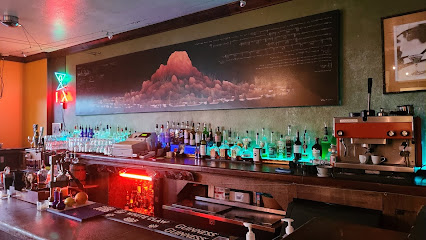
Chapel Tavern
50.2 km
Chapel Tavern: A Vibrant Bar in Reno Offering Craft Cocktails and a Unique Atmosphere for Unforgettable Nights.
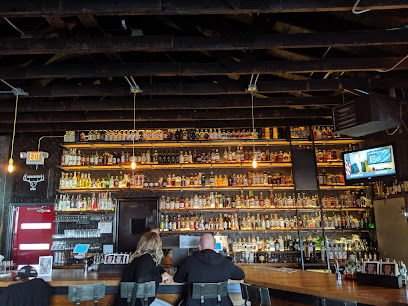
Nightclubs & after hour spots

Terrace Lounge
49.8 km
Experience the lively spirit of Reno at the Terrace Lounge, where chic ambiance meets exceptional cocktails and live music.
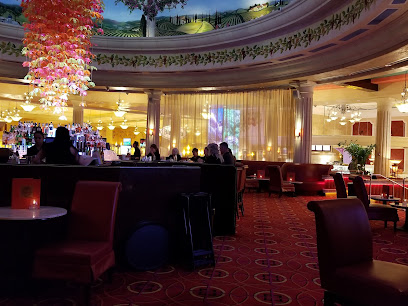
Afterglow Lounge
50.0 km
Experience vibrant nightlife at Afterglow Lounge in Reno, where upscale cocktails meet live music and a stylish ambiance.
Tonic Lounge
50.1 km
Experience the vibrant nightlife of Reno at Tonic Lounge, where great music and an energetic atmosphere await every night.
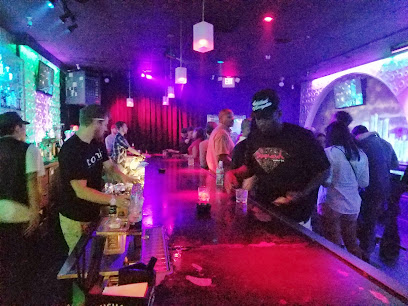
LCB Inc
50.1 km
Discover the electrifying atmosphere of LCB Inc, Reno's top night club, offering unforgettable music and vibrant nightlife experiences.
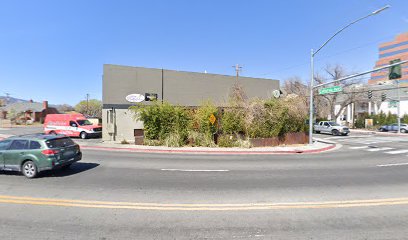
Eden Nightclub
50.1 km
Experience the electrifying nightlife at Eden Nightclub in Reno, NV, where music, dance, and vibrant energy collide for an unforgettable evening.
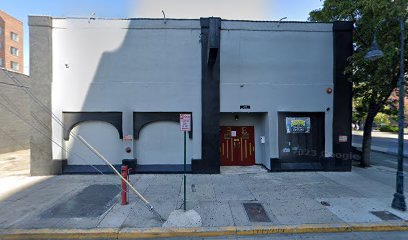
5 Star Saloon
50.2 km
Discover the lively atmosphere of 5 Star Saloon in Reno, a night club blending cocktails, karaoke, and community for an unforgettable night out.
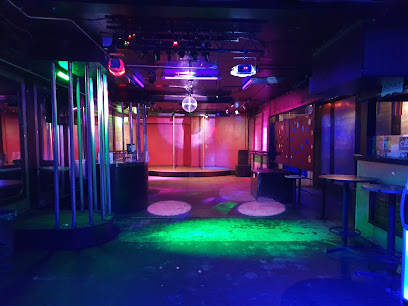
NoVi
50.4 km
Experience the vibrant nightlife of Reno at NoVi, a premier nightclub with lively music, signature cocktails, and an unforgettable atmosphere.
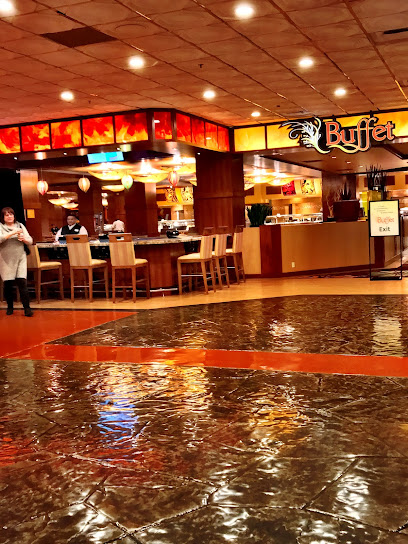
Aura Ultra Lounge
50.5 km
Aura Ultra Lounge in Reno: Your ultimate destination for vibrant nightlife, electrifying music, and exquisite cocktails, perfect for an unforgettable evening out.
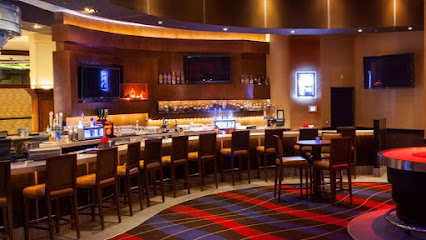
The Cabaret Bar
50.5 km
Discover the vibrant nightlife at The Cabaret Bar in Circus Circus Resort, where live entertainment meets a sophisticated lounge atmosphere.

250 Lounge
50.8 km
Discover the vibrant nightlife of Reno at 250 Lounge, a premier destination for cocktails, dining, and dancing in a lively atmosphere.
The Bird Reno
51.1 km
Experience the vibrant nightlife of Reno at The Bird, a cabaret club with electrifying performances and unforgettable entertainment.

Miami Vibes
51.6 km
Unleash your night at Miami Vibes, where crafted cocktails, vibrant music, and an electric atmosphere await in Carson City.

Caterpillars
52.1 km
Discover a unique blend of relaxation and entertainment at Caterpillars, Carson City's premier hookah and cocktail bar.
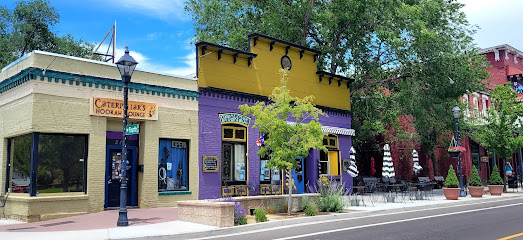
BellacXs
52.2 km
Discover the electrifying nightlife of Reno at BellacXs, a premier night club offering music, dancing, and unforgettable experiences.
Nashville Social Club Carson City
52.4 km
Discover Nashville Social Club Carson City, where delicious cuisine meets exhilarating live music in a vibrant social atmosphere.