Nevada State Historical Marker 255: Wilson Canyon
Explore Nevada's past and natural beauty at Wilson Canyon, where mining history meets stunning landscapes and outdoor adventures along the West Walker River.
Discover the story of Wilson Canyon, a site etched in Nevada's history. Named for the pioneering Wilson brothers, David and 'Uncle Billy,' who struck gold and established a ranch in the Mason Valley in 1863, the canyon whispers tales of mining booms and Western settlement. The marker also highlights the connection to Wovoka, a Northern Paiute raised by the Wilsons, who became known as Jack Wilson and founded the Ghost Dance movement, a pivotal event in Native American history. Today, Wilson Canyon offers a scenic drive along the West Walker River, with opportunities for hiking, fishing, and exploring the rugged Nevada landscape. Interpretive signs along the canyon provide insights into the area's geology, flora, and fauna, making it a worthwhile stop for those interested in Nevada's rich past and natural beauty. The canyon's stark beauty, shaped by millions of years of geological activity, provides a striking backdrop for reflection on the diverse forces that have shaped this region.
A brief summary to Nevada State Historical Marker 255
- Yerington, Nevada, 89447, US
- Visit website
Local tips
- Bring water and sun protection, as shade is limited along the trails and canyon.
- Check weather conditions before visiting, especially during summer months when temperatures can be extreme.
- Be aware of OHV and horseback riders when hiking on multi-use trails.

Getting There
-
Driving
From Yerington, head west on NV-208 for approximately 13 miles. The Nevada State Historical Marker 255 for Wilson Canyon is located along NV-208, roughly 1/3 of a mile east of the Wilson Canyon Rest Area. There are pull-offs along the highway where you can safely stop to view the marker and canyon. Be mindful of traffic. The Wilson Canyon Rest Area provides restrooms and picnic facilities. If you plan to explore the BLM-managed area for OHV riding or hiking, continue west on NV-208, turning right onto Copperbelt Drive just after crossing the West Walker River. Follow Copperbelt Drive for about half a mile to reach the staging and camping area. There are no fees for parking or accessing the BLM area.
Discover more about Nevada State Historical Marker 255
Iconic landmarks you can’t miss

Nevada State Historical Marker 255
0.0 km
Explore Nevada's past and natural beauty at Wilson Canyon, where mining history meets stunning landscapes and outdoor adventures along the West Walker River.
East Walker River
9.9 km
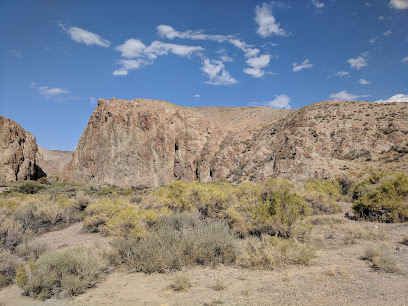
Explore East Walker River in Nevada: A serene destination for fishing, kayaking, and immersing yourself in stunning natural beauty.
West Walker River
9.9 km
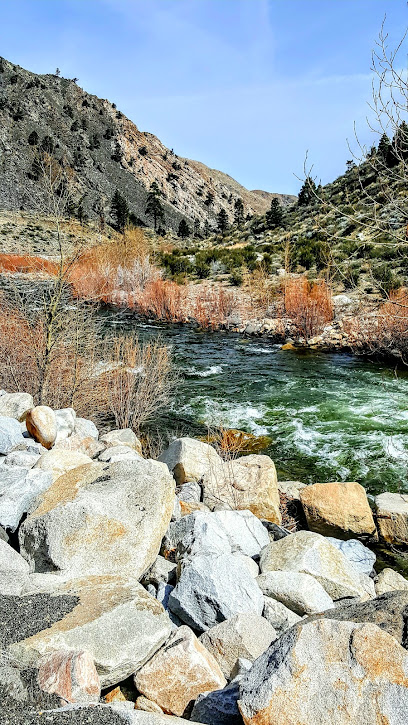
Experience the serene beauty and adventure of the West Walker River in Nevada's Eastern Sierra, a must-visit destination for nature lovers.
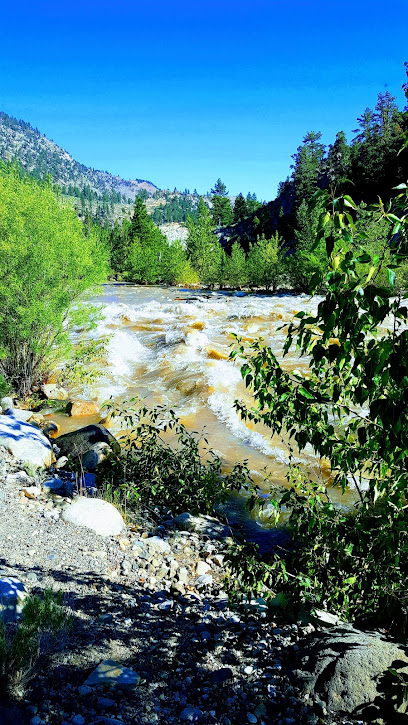
Freedom the Eagle
58.9 km
Explore Freedom the Eagle, a majestic historical landmark in Carson City, Nevada, symbolizing resilience and the spirit of freedom.
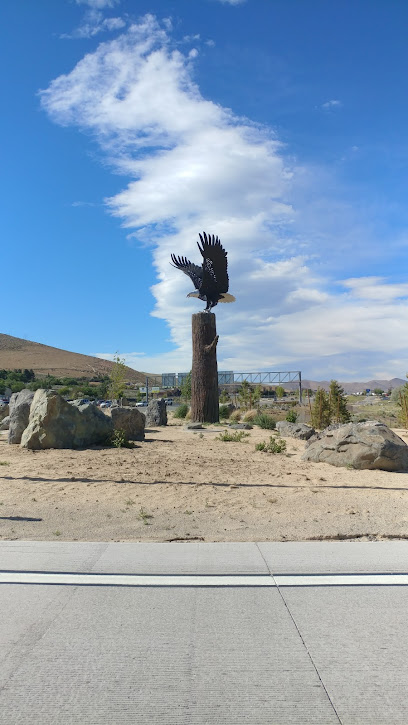
Empire and the Carson River Mills Historic Marker
59.4 km
Discover the Empire and the Carson River Mills Historic Marker, a key historical landmark in Carson City, Nevada, offering insights into the region's rich industrial heritage.
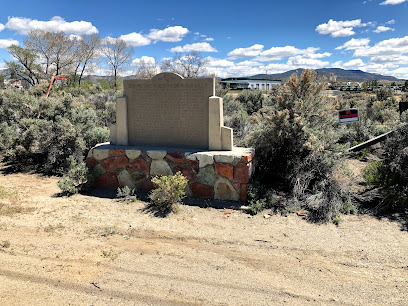
Lyon County Mound House (Nevada Land Historic Marker #61)
59.4 km
Uncover the historical treasures of Lyon County Mound House, a key landmark in Nevada's rich mining heritage, nestled in scenic Carson City.
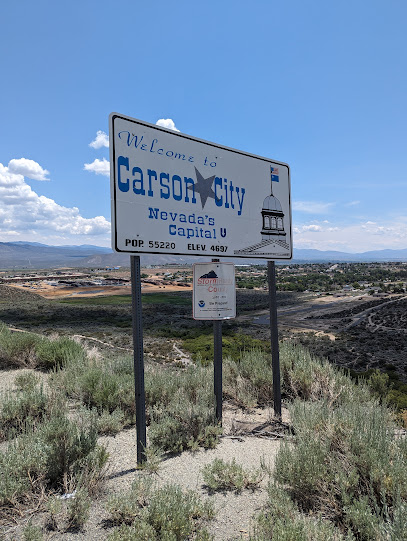
Carson City Welcome Sign
59.9 km
Discover the charm of Carson City at the historic Welcome Sign, a symbol of Nevada's capital filled with rich culture and history.
Gold Dust West-Carson City
60.6 km
Experience the thrill of gaming and the comfort of hospitality at Gold Dust West in Carson City, your perfect getaway for entertainment and relaxation.

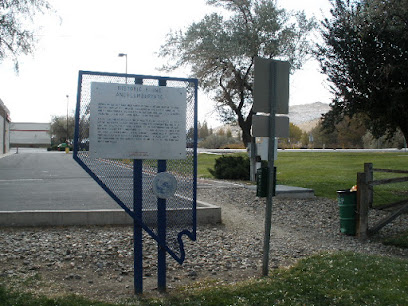
Historic Flume and Lumberyard Marker
60.7 km
Explore the Historic Flume and Lumberyard Marker in Carson City, Nevada, a fascinating glimpse into the region's lumber industry history and pioneering spirit.
Walker Lake Working Group
60.8 km
Experience the stunning natural beauty and tranquil fishing adventures at Walker Lake in Nevada, a perfect getaway for nature lovers and outdoor enthusiasts.
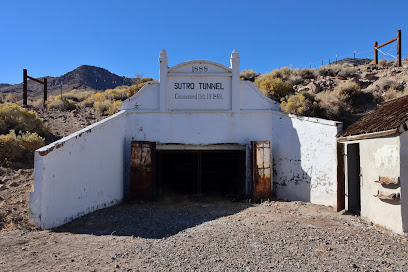
Sutro Tunnel
61.0 km
Explore the remarkable Sutro Tunnel near Dayton, Nevada, a 19th-century engineering marvel that shaped the Comstock Lode mining era and the legacy of Adolph Sutro.
Nevada Historical Marker Carson City Pony Express
61.5 km
Discover the legacy of the Pony Express at the Carson City Historical Marker, a fascinating tribute to America's adventurous spirit and communication history.
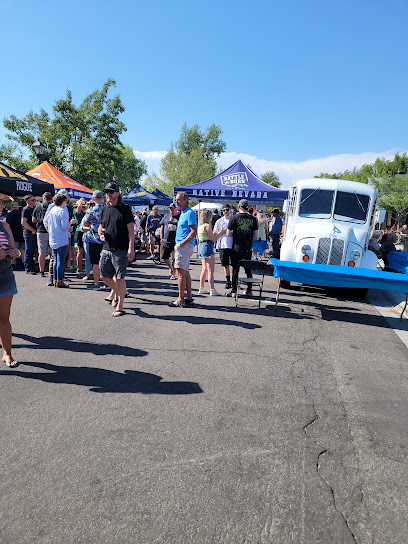
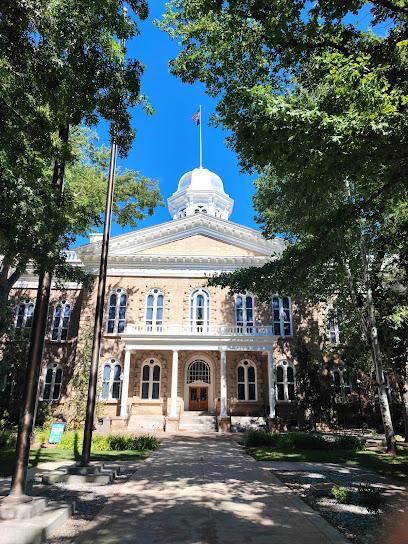
Nevada State Capitol Building
61.5 km
Discover the architectural beauty and historical significance of the Nevada State Capitol in Carson City, a symbol of the Silver State's governance.
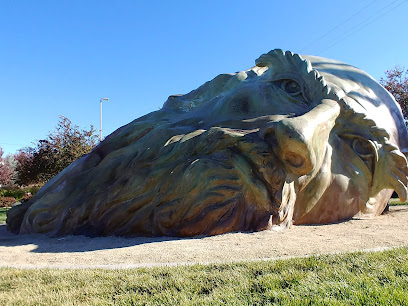
Carson City Community Center
61.5 km
Explore the vibrant community spirit of Carson City at the Community Center, offering recreational activities and events for all ages in Nevada's capital.
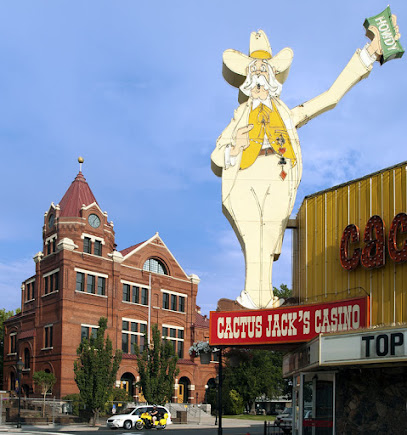
Nevada Historical Marker 75: Federal Government Building
61.7 km
Explore the Federal Government Building in Carson City, a historical landmark that showcases Nevada's rich heritage and architectural beauty.
Unmissable attractions to see

Lyon County Highpoint
34.0 km
Explore the breathtaking Lyon County Highpoint, Nevada's highest point, offering stunning views and an escape into nature's serenity.
Sportsman's Beach Campground
41.4 km
Experience the tranquility of nature at Sportsman's Beach Campground, a perfect spot for fishing, hiking, and family gatherings by Walker Lake.
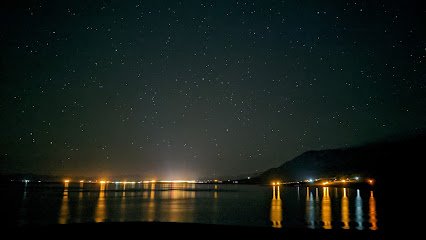
Walker Lake Recreation Area
42.4 km
Explore the breathtaking Walker Lake Recreation Area in Nevada, where stunning views and outdoor adventures await every visitor.
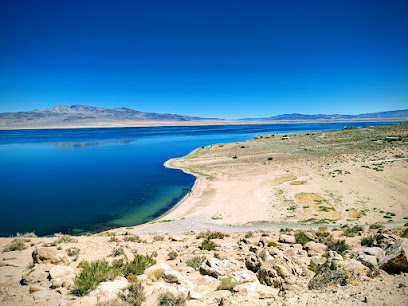
Lampe Park
47.4 km
Explore Lampe Park in Gardnerville, NV, where nature's beauty meets family-friendly fun in a serene outdoor setting.
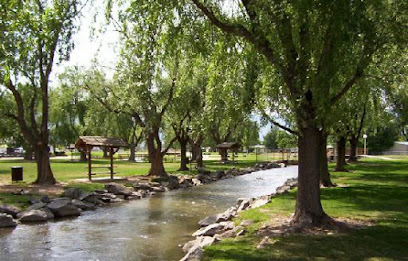
Heritage Park
48.1 km
Discover the charm of Heritage Park, a scenic retreat in Gardnerville, NV, perfect for family fun and community events amidst nature's beauty.
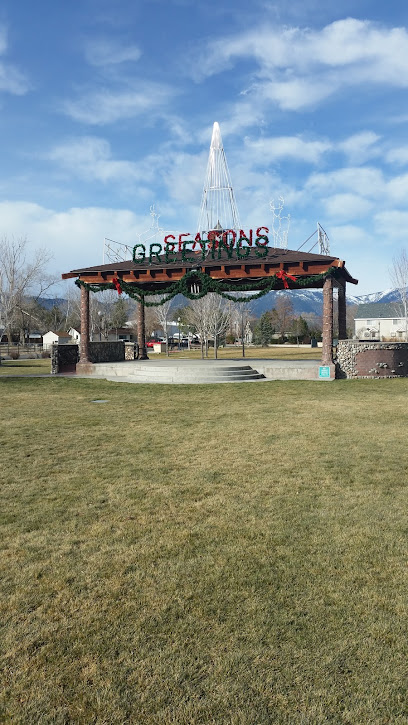
Carson Valley Museum
48.4 km
Explore the rich history of Gardnerville at Carson Valley Museum, where fascinating exhibits and local heritage come alive in a charming setting.
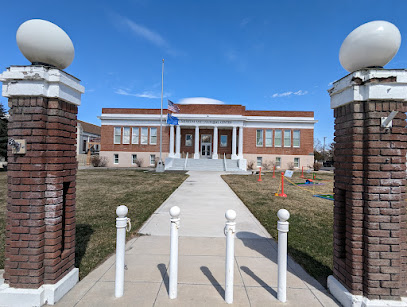
Johnson Lane Park
50.9 km
Explore Johnson Lane Park in Minden, NV – a serene escape with lush landscapes, recreational activities, and family-friendly amenities.
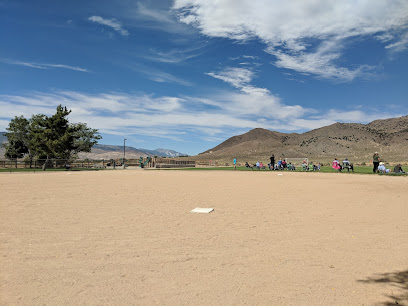
Dangberg Home Ranch Historic Park
51.6 km
Discover the charm of Nevada's past at Dangberg Home Ranch Historic Park, a beautiful historical site and park showcasing rich heritage and stunning landscapes.
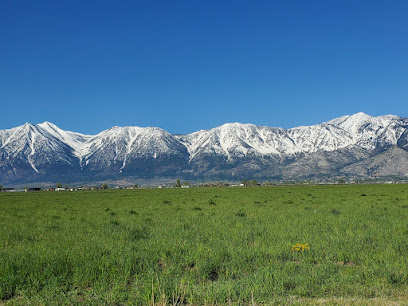
Nevada's Birthplace, Nevada Historical Marker No. 12
52.7 km
Explore Nevada's Birthplace Historical Marker No. 12, where history and stunning landscapes converge to tell the story of the Silver State.
Buckland's Station
53.9 km
Experience the unique blend of history and nature at Buckland's Station, a state park in Silver Springs, Nevada, ideal for family adventures and stargazing.
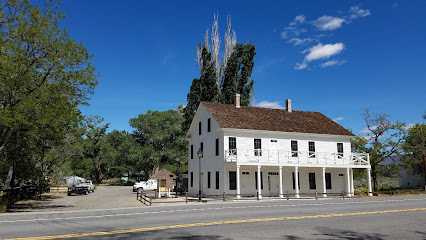
Fort Churchill State Historic Park
54.1 km
Experience Nevada's history and natural beauty at Fort Churchill State Historic Park, a perfect blend of adventure and heritage.
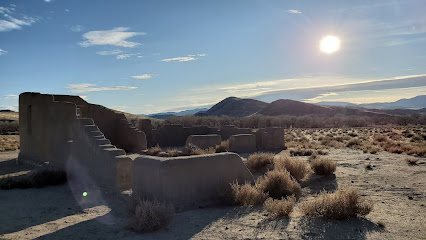
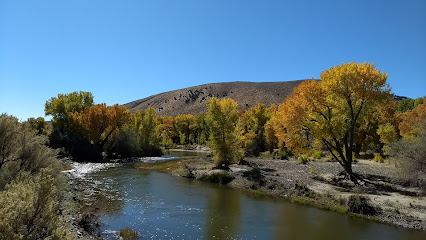
Carson River Park
55.9 km
Experience the breathtaking landscapes and recreational activities at Carson River Park, a perfect getaway in Carson City, Nevada.
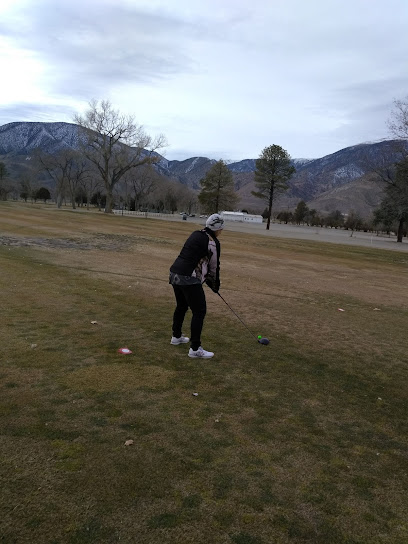
Walker Lake Golf Course
56.5 km
Experience the tranquility and challenge of Walker Lake Golf Course, a stunning public golf course in Hawthorne, Nevada, perfect for all skill levels.
Stewart Indian School Cultural Center & Museum
57.6 km
Explore the profound legacy of Native American culture at the Stewart Indian School Cultural Center & Museum in Carson City, Nevada.
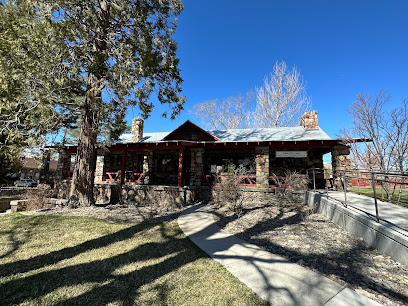
Korean War Veterans Memorial Park
57.7 km
Explore the serene Korean War Veterans Memorial Park in Carson City, NV, a heartfelt tribute to the bravery of those who served in the Korean War.
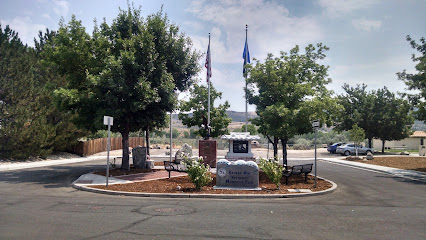
Essential places to dine

Sherry's Stage Stop Restaurant
21.1 km
Experience hearty steaks and delightful burgers at Sherry's Stage Stop Restaurant in Yerington - where flavor meets family-friendly dining.
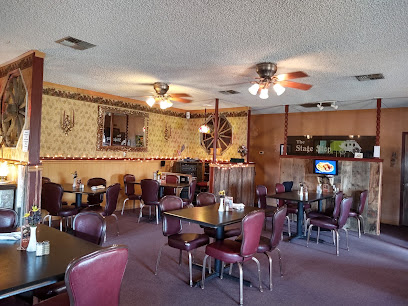
Iggy & Squiggy's Junction Bar & Grill
30.3 km
Experience delightful American cuisine at Iggy & Squiggy's Junction Bar & Grill in Gardnerville - where flavor meets friendly service.
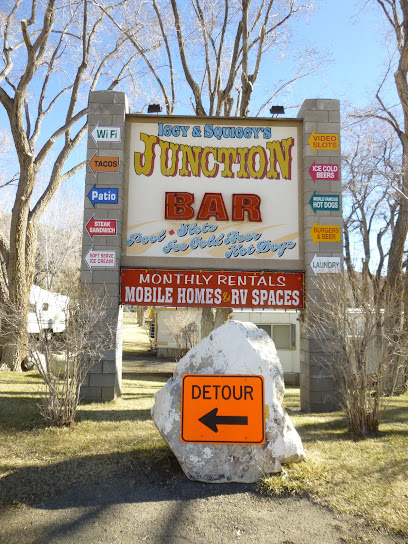
Walker Burger
39.4 km
Experience delicious hamburgers and classic American fast food at Walker Burger in Coleville – where every bite is packed with flavor.
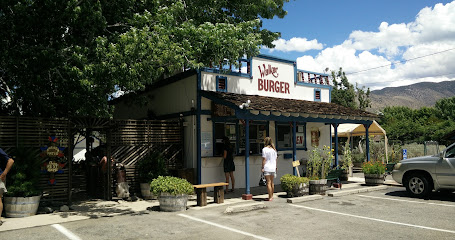
Katie's Country Kitchen
50.2 km
Experience hearty American breakfasts and friendly service at Katie's Country Kitchen in Minden, Nevada – your go-to diner for comfort food.
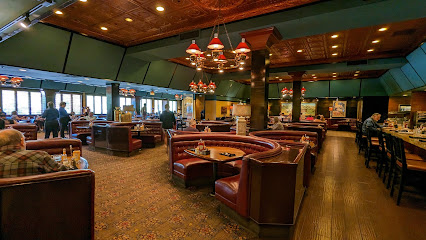
Taildragger Cafe
51.0 km
Discover the warmth of Taildragger Cafe in Minden - your go-to spot for delicious American breakfasts with a view.
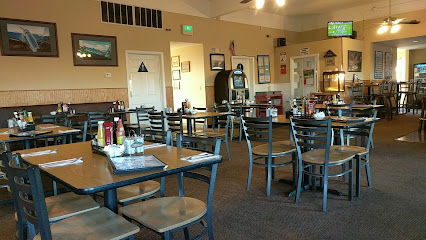
El Agaveño Mexican Bistro and Sea Food
51.4 km
Experience vibrant flavors at El Agaveño Mexican Bistro – where authentic Mexican cuisine meets fresh seafood in Minden.
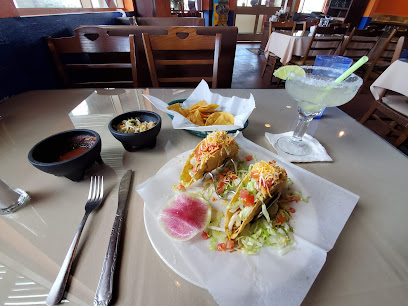
1862 David Walley's Restaurant & Saloon
56.4 km
Discover authentic American cuisine in Gardnerville at 1862 David Walley's Restaurant & Saloon - where great food meets vibrant atmosphere.
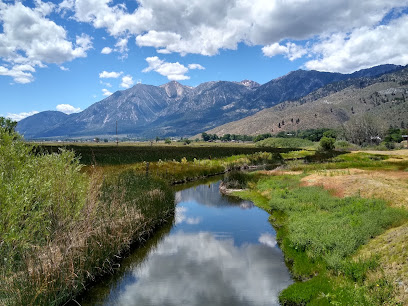
Roy's Bar and Grill
57.4 km
Experience delicious American cuisine at Roy's Bar and Grill in Carson City – where quality ingredients meet exceptional service.
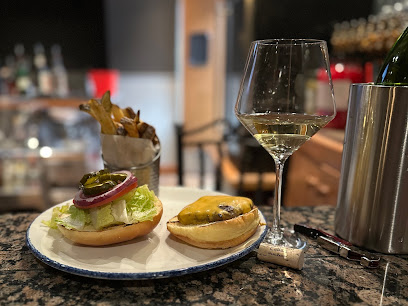
Chili's Grill & Bar
58.5 km
Experience vibrant dining at Chili's Grill & Bar in Carson City, where American favorites meet Tex-Mex delights in a lively atmosphere.
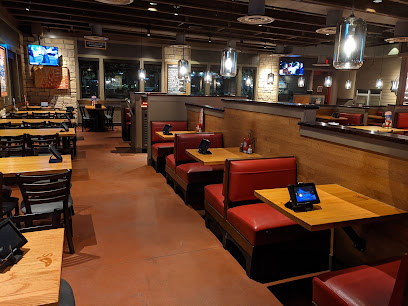
Chick-fil-A
59.2 km
Discover delicious chicken dishes at Chick-fil-A in Carson City – where flavor meets family-friendly dining!
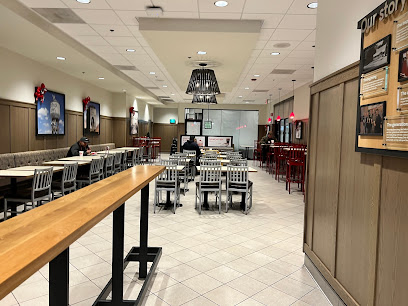
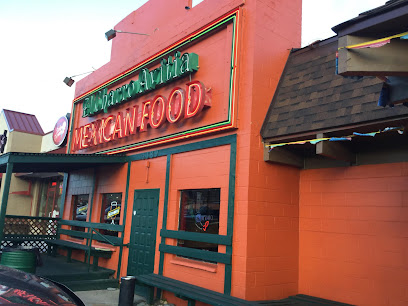
El Charro Avitia
59.2 km
Experience authentic Mexican flavors at El Charro Avitia in Carson City, where delicious cuisine meets a festive atmosphere.
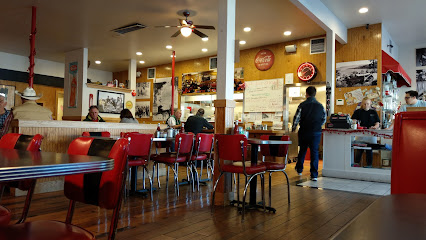
The Red Hut Cafe & Soda Fountain
59.2 km
Experience delightful breakfasts at The Red Hut Cafe & Soda Fountain in Carson City - where classic American diner charm meets delicious flavors.
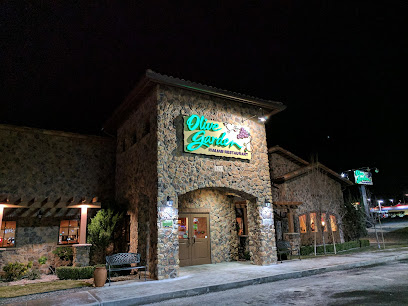
Olive Garden Italian Restaurant
59.3 km
Savor authentic Italian cuisine at Olive Garden in Carson City - where every meal feels like a celebration.
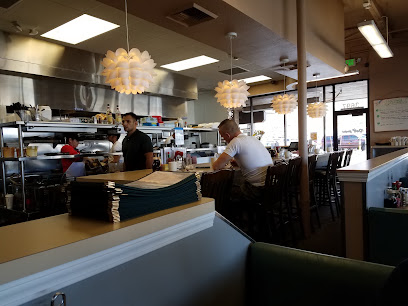
Peg's
59.5 km
Discover Peg's: A must-visit breakfast destination in Carson City offering hearty meals and a cozy atmosphere for all morning cravings.
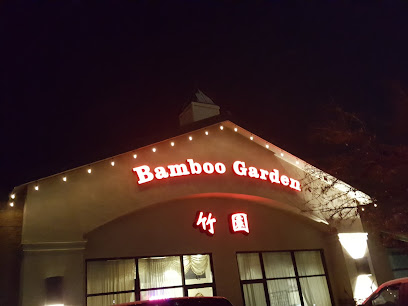
Bamboo Garden
59.5 km
Experience authentic Chinese cuisine at Bamboo Garden in Carson City – where tradition meets flavor in every bite.
Markets, malls and hidden boutiques

Walker River Resort Mercantile
6.3 km
Explore the essentials and unique local finds at Walker River Resort Mercantile, your convenient stop for adventure supplies in Smith, Nevada.
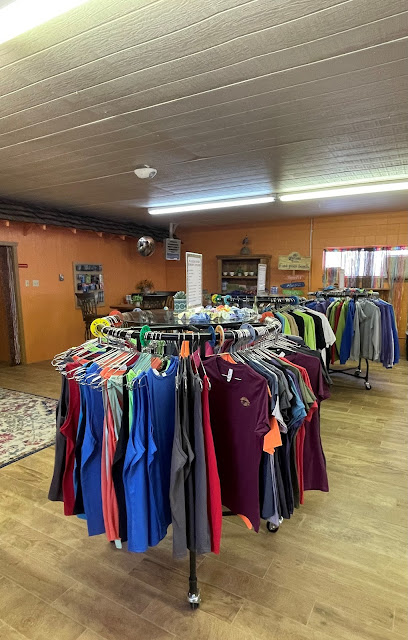
DCFVentures.com,LLC
6.7 km
Explore the eclectic offerings at DCFVentures, Smith's beloved variety store, where local charm meets diverse shopping delights.
Buckboard General Store
7.5 km
Discover the essence of Smith, Nevada at Buckboard General Store, your go-to spot for local goods and warm hospitality.
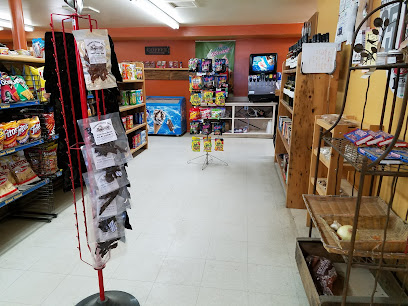
Vintage Charms
15.7 km
Discover unique treasures and nostalgic finds at Vintage Charms, the charming antique store in Yerington, Nevada.
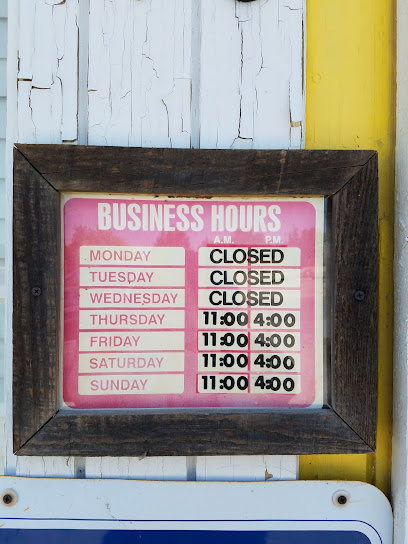
JACS Creations
16.5 km
Explore a unique jewelry experience at JACS Creations in Yerington, Nevada - handcrafted pieces that capture the spirit of local artistry.
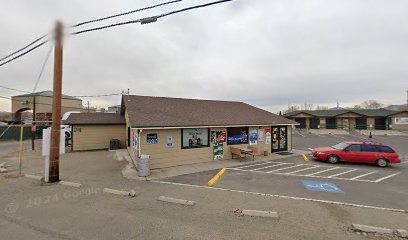
Bridge Market
19.7 km
Bridge Market: Your essential stop for snacks, drinks, and local products in Yerington, Nevada.
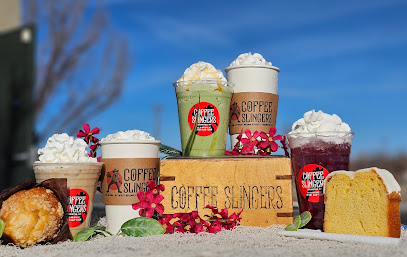
Coffee Slingers
19.8 km
Experience the warm ambiance and exceptional brews at Coffee Slingers in Yerington, NV, a must-visit coffee shop for every tourist.
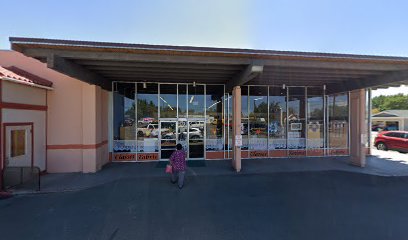
Sylvia's Quilter's Quarters
19.8 km
Explore the colorful world of quilting at Sylvia's Quilter's Quarters in Yerington, NV, where creativity and community come together.
Round Up Creations
20.0 km
Explore Round Up Creations in Yerington, NV for unique gifts, custom embroidery, and personalized treasures that capture the spirit of Nevada.

Bella Le Crow
20.3 km
Explore Bella Le Crow in Yerington, NV, where unique handmade gifts and local crafts await to be discovered and cherished.
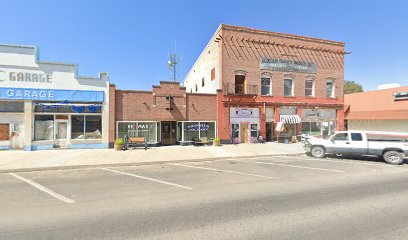
Red Rooster Emporium
20.4 km
Explore the charming Red Rooster Emporium, a treasure trove of antiques and vintage items in Yerington, Nevada, perfect for collectors and curious visitors.
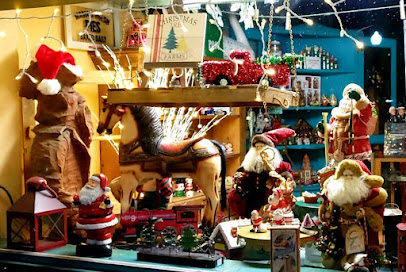
Los Tres Mosqueteros
20.9 km
Explore unique clothing styles and local fashion trends at Los Tres Mosqueteros, a charming boutique in Yerington, Nevada.
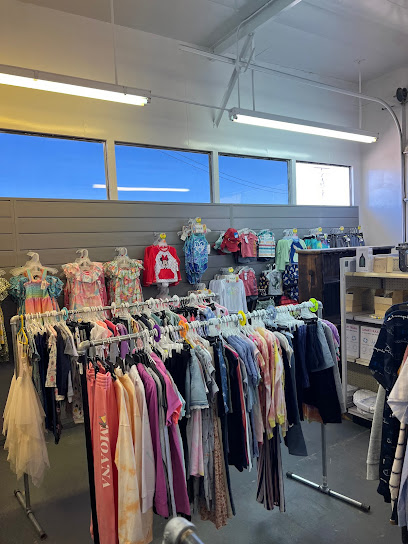
Alive
21.0 km
Explore unique gifts that capture the spirit of Yerington at 'Alive', a charming gift shop filled with local treasures and creative finds.
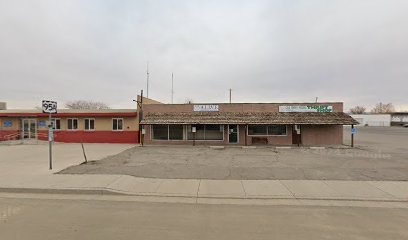
Attic Thrift Store
21.5 km
Explore the Attic Thrift Store in Yerington, NV for unique finds and vintage treasures that tell stories, all at budget-friendly prices.
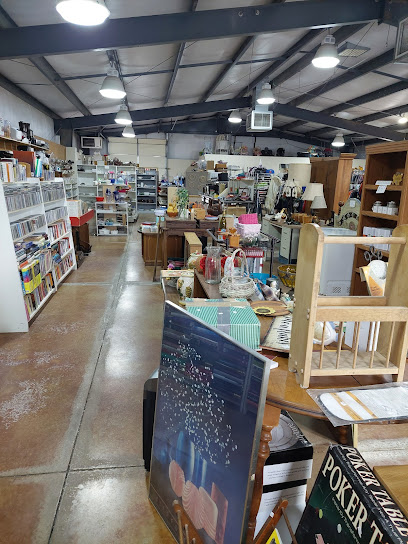
Designs by Kate
25.9 km
Explore the artistic charm of Yerington at Designs by Kate, where handcrafted treasures await every visitor.
Essential bars & hidden hideouts

Wagon Wheel Saloon
19.2 km
Experience the vibrant atmosphere, delicious food, and friendly service at Wagon Wheel Saloon in Yerington, Nevada.
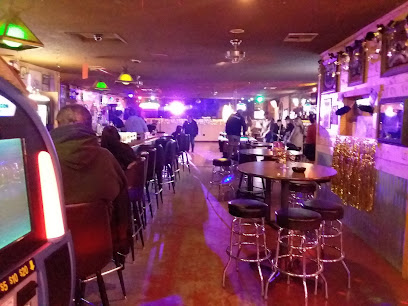
NV Ugly
48.0 km
Discover the lively atmosphere of NV Ugly, a unique bar in Gardnerville, NV, offering a diverse selection of drinks and a vibrant social scene.
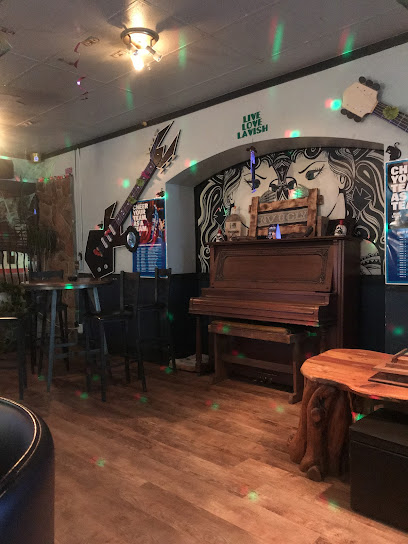
Great Basin Brewing Company - Minden
49.3 km
Discover local craft beers and delicious cuisine at Great Basin Brewing Company, a Minden gem that captures the essence of Nevada's culinary scene.
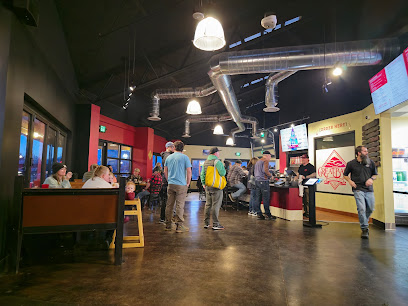
All Star Bar & Grill
57.5 km
Experience delicious grill cuisine in a friendly atmosphere at All Star Bar & Grill in Carson City, perfect for casual dining and social gatherings.
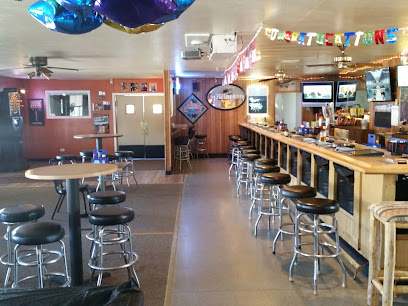
Burbon Street Bar and Grill
59.5 km
Discover the lively dining experience at Burbon Street Bar and Grill in Hawthorne, NV, featuring delicious food and a vibrant atmosphere.
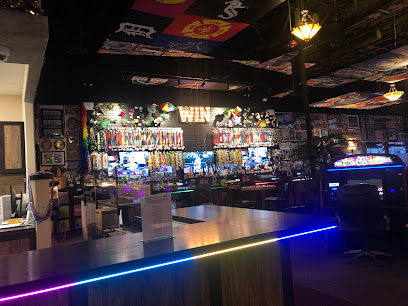
Dotty's
59.5 km
Discover the excitement of gaming at Dotty's Casino in Hawthorne, Nevada - your ultimate destination for entertainment and fun.
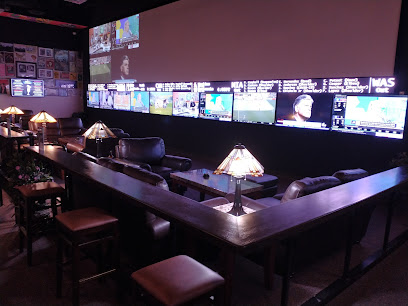
M J's Sports Bar
59.5 km
Join the excitement at M J's Sports Bar, Carson City's favorite place for sports, food, and fun in an inviting atmosphere.
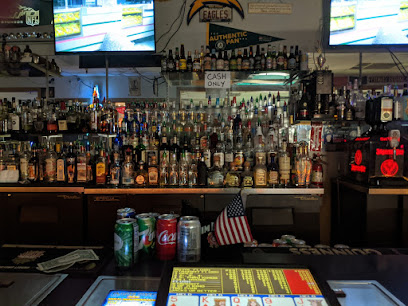
Craft 55
59.7 km
Experience the best of Carson City at Craft 55, where handcrafted drinks and a lively atmosphere await every visitor.
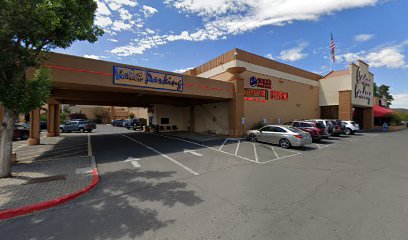
Peppers Place
60.0 km
Savor the essence of American cuisine at Peppers Place in Hawthorne, where every meal is a delightful experience.
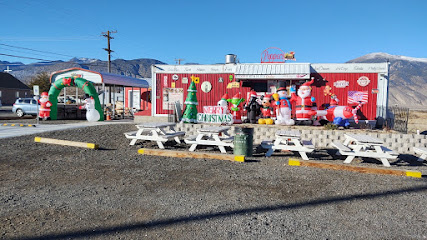
Whiskey Tavern
60.1 km
Experience the vibrant nightlife at Whiskey Tavern, a local bar in Carson City known for its friendly atmosphere and diverse drink selection.
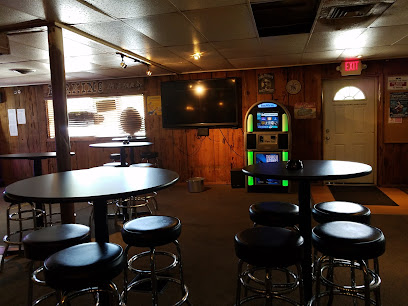
Barley's Sports Bar
60.4 km
Experience the ultimate sports bar vibe at Barley's in Hawthorne, featuring live music, delicious pizza, and a lively atmosphere perfect for all.
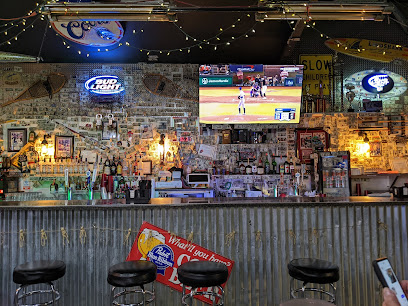
Hangar Tavern
60.4 km
Discover the charm of Hangar Tavern, where aviation history and a vibrant bar scene meet in Carson City, Nevada.
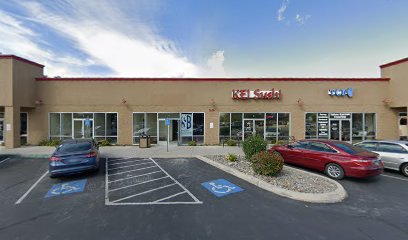
American Legion
60.4 km
Explore the American Legion in Hawthorne, Nevada – a welcoming space for veterans and community bonding, rich in history and service spirit.
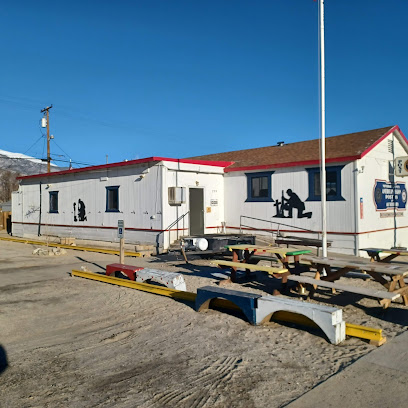
Gil's Place
60.5 km
Discover the lively atmosphere and friendly service at Gil's Place, Hawthorne's favorite bar for travelers and locals alike.
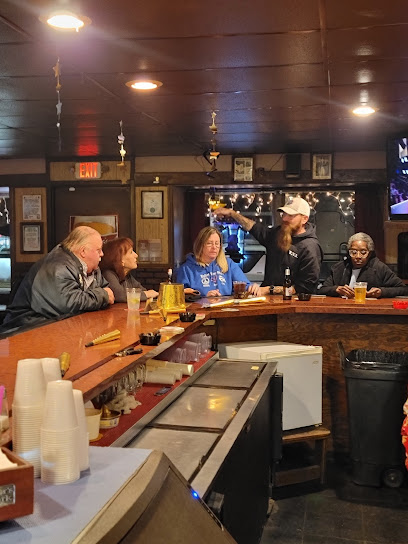
The Dog House Saloon Sierra Station
60.5 km
Experience the rustic charm of The Dog House Saloon in Hawthorne, Nevada, where excellent service and lively atmosphere await every visitor.
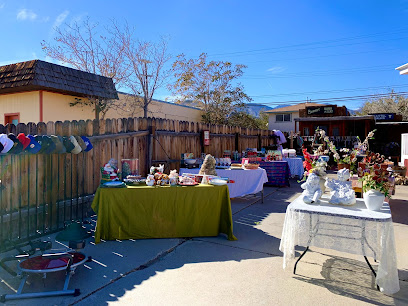
Nightclubs & after hour spots

Kit Kat Ranch a Legal Nevada Brothel
58.6 km
Discover the allure of Kit Kat Ranch, Nevada's premier legal brothel and adult entertainment venue, where excitement and safety meet.
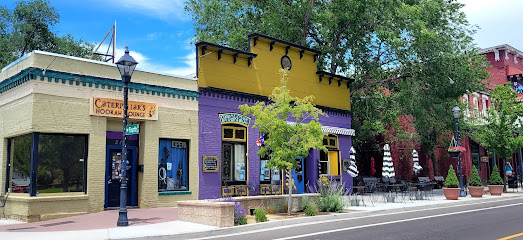
Caterpillars
61.4 km
Discover a unique blend of relaxation and entertainment at Caterpillars, Carson City's premier hookah and cocktail bar.
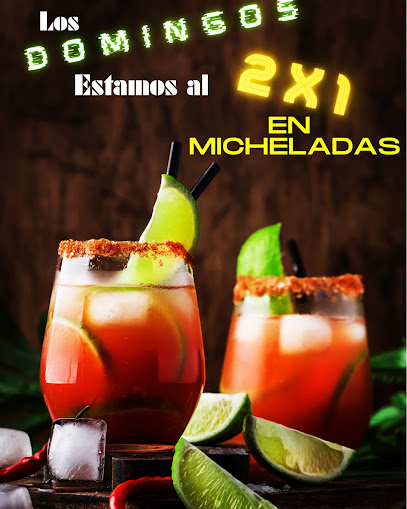
Miami Vibes
62.6 km
Unleash your night at Miami Vibes, where crafted cocktails, vibrant music, and an electric atmosphere await in Carson City.
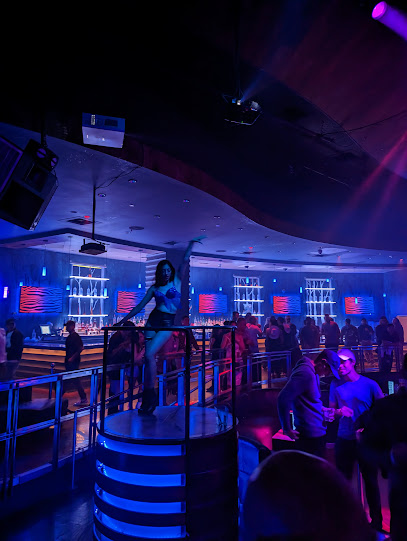
Opal Ultra Lounge
64.5 km
Discover the electrifying nightlife of Opal Ultra Lounge in Stateline, Nevada, where unforgettable memories are made under the dazzling lights.
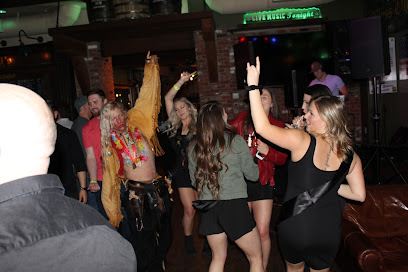
Tahoe Club Crawl
64.6 km
Discover the vibrant nightlife of Stateline, NV at Tahoe Club Crawl - a perfect blend of clubs, lounges, and exciting tours.
Peek Night Club
64.6 km
Discover the electrifying atmosphere of Peek Night Club at Harrah's Lake Tahoe, where unforgettable nights and vibrant entertainment await.
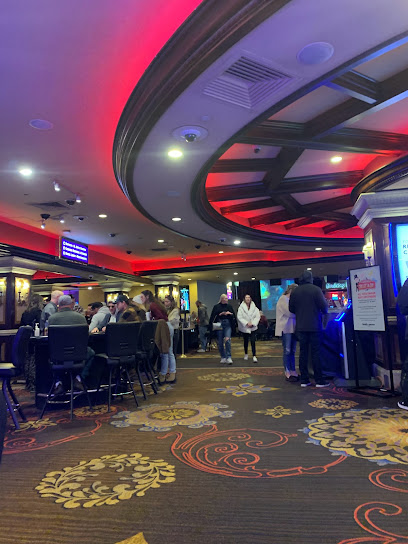
Center Stage
64.6 km
Experience vibrant nightlife at Center Stage, Harrah's Lake Tahoe, featuring live music and signature cocktails in a lively lounge atmosphere.
Tahoe National Brewing Company
88.9 km
Discover Tahoe National Brewing Company, where craft beers, delicious food, and live music create the ultimate Tahoe experience.
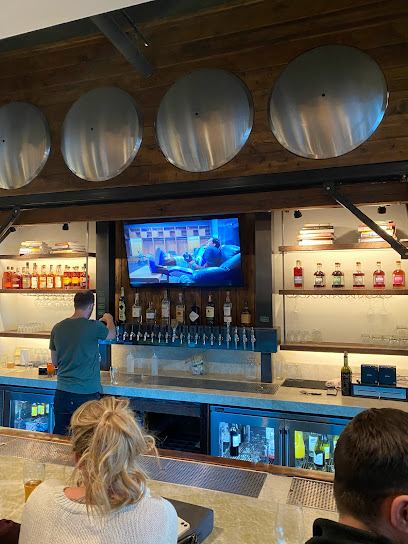
Christy Hill
89.1 km
Experience exquisite Californian cuisine with stunning Lake Tahoe views at Christy Hill, a fine dining destination in Tahoe City.
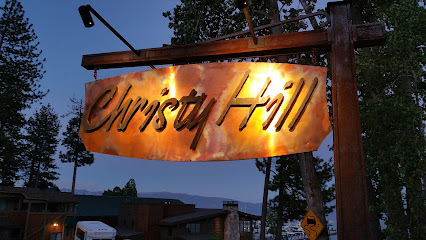
Fat Cat Bar & Grill
89.2 km
Experience the perfect blend of delicious food and stunning lake views at Fat Cat Bar & Grill in Tahoe City, California.
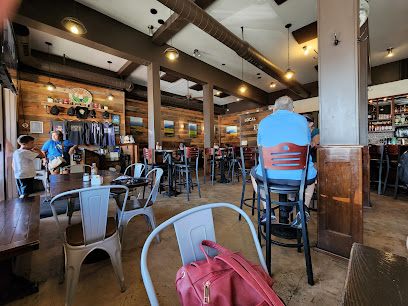
Bridgetender Tavern and Grill
89.2 km
Experience the best of American cuisine at Bridgetender Tavern and Grill, where delicious food meets stunning Lake Tahoe views.
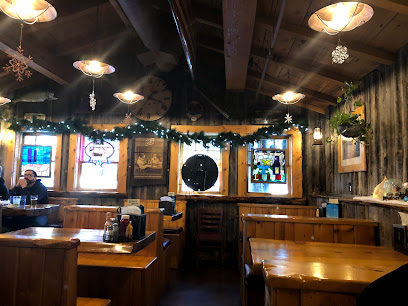
Pete 'n Peters
89.3 km
Discover the lively Pete 'n Peters in Tahoe City, where vibrant sports bar vibes meet authentic Mexican flavors for a fun-filled dining experience.
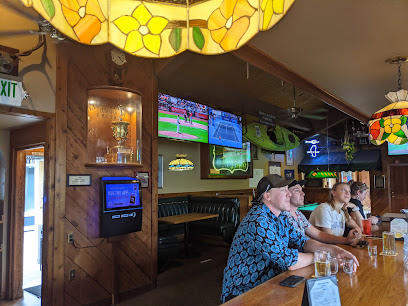
Terrace Lounge
91.4 km
Experience the lively spirit of Reno at the Terrace Lounge, where chic ambiance meets exceptional cocktails and live music.
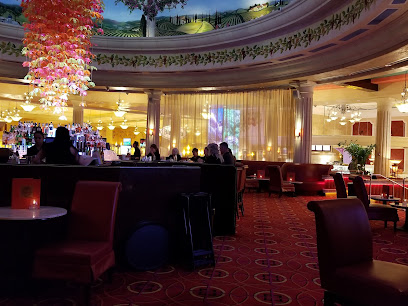
Atomic Bootlegger Lounge
92.1 km
Discover the Atomic Bootlegger Lounge in Sparks, NV - your perfect destination for a lively night out with drinks and entertainment.
The Local
92.2 km
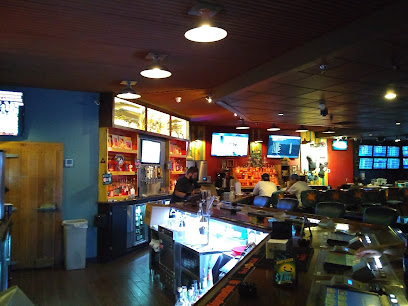
Discover Sparks' vibrant cocktail scene at The Local, where innovative drinks and a lively atmosphere await every visitor.