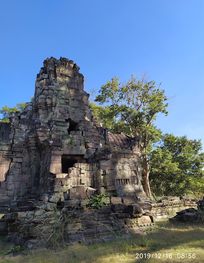
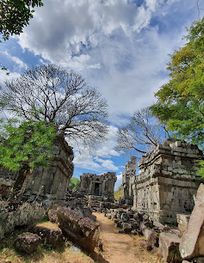
Banteay Samre, Kampong Thom Travel Guide
Discover Banteay Samre, a serene and well-preserved Angkorian temple showcasing exquisite Khmer architecture and intricate Hindu carvings.
Banteay Samre, a 12th-century Hindu temple near Siem Reap, Cambodia, offers a serene escape with its well-preserved Angkor Wat-style architecture. Dedicated to Vishnu, it features intricate carvings and a unique legend, providing a captivating glimpse into the Khmer empire's religious and architectural prowess.
A brief summary to Banteay Samre
- 17000 Sok San Road, Krong Siem Reap, KH
- Click to display
- Monday 7:30 am-5:30 pm
- Tuesday 7:30 am-5:30 pm
- Wednesday 7:30 am-5:30 pm
- Thursday 7:30 am-5:30 pm
- Friday 7:30 am-5:30 pm
- Saturday 7:30 am-5:30 pm
- Sunday 7:30 am-5:30 pm

Know before you go
Hi, I'm Eve. Here are a few practical things to know before exploring Banteay Samre.
- Visit during the early morning or late afternoon to avoid crowds and experience the temple in softer light.
- Combine your visit with nearby Banteay Srei for a comprehensive temple tour.
- Wear comfortable shoes, as you'll be doing a fair amount of walking on uneven surfaces.
- Hire a local guide to learn more about the temple's history, mythology, and unique features.
- Respect the sacredness of the site by dressing modestly (shoulders and knees covered).
Do you manage this location?
Take control to get all the benefits, like improved information, better appearance, and stronger visibility across AI-powered discovery. Learn more about listing your business on Evendo
Activate your presenceOther nearby places you may find interesting
The closest places of the same kind, if this one is not quite what you had in mind.
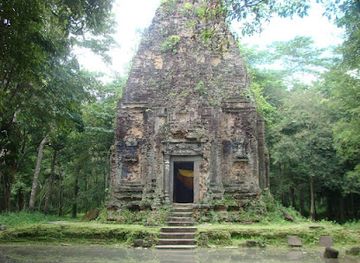
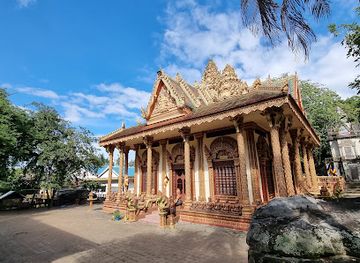
Explore Banteay Samre on the Map
A handpicked selection of must-see spots near Banteay Samre, mapped for you.
Unlock the Best of Banteay Samre
Buy tickets
-
No tickets available
Book tours with entry


Getting There
-
Tuk-tuk
From Siem Reap, hire a tuk-tuk for a direct ride to Banteay Samre. The journey takes approximately 45 minutes. Negotiate the price beforehand; a one-way trip typically costs around $5. Alternatively, a full-day tour including Banteay Samre and other temples can be arranged for about $25. Ensure the tuk-tuk driver knows the exact location to avoid any confusion.
-
Taxi
A taxi from Siem Reap to Banteay Samre offers a comfortable and faster option. The ride takes around 34-43 minutes. Expect to pay between $24 and $35 for a one-way trip. Taxis can be booked through your hotel or via ride-hailing apps like Grab or PassApp. Confirm the fare before starting the journey.
-
Car
Renting a car with a driver provides flexibility and comfort for visiting Banteay Samre. A full-day rental typically costs $30-$50. The drive from Siem Reap takes approximately 34-43 minutes. This option allows you to explore other nearby temples and attractions at your own pace. Parking is available near the temple entrance.
Discover more about Banteay Samre













Your all‑in‑one travel companion app
Explore expert travel guides, compare and book tours, experiences, hotels, and more—all from the palm of your hand. Download now for seamless trip planning wherever your wanderlust takes you.


Explore More of Kampong Thom
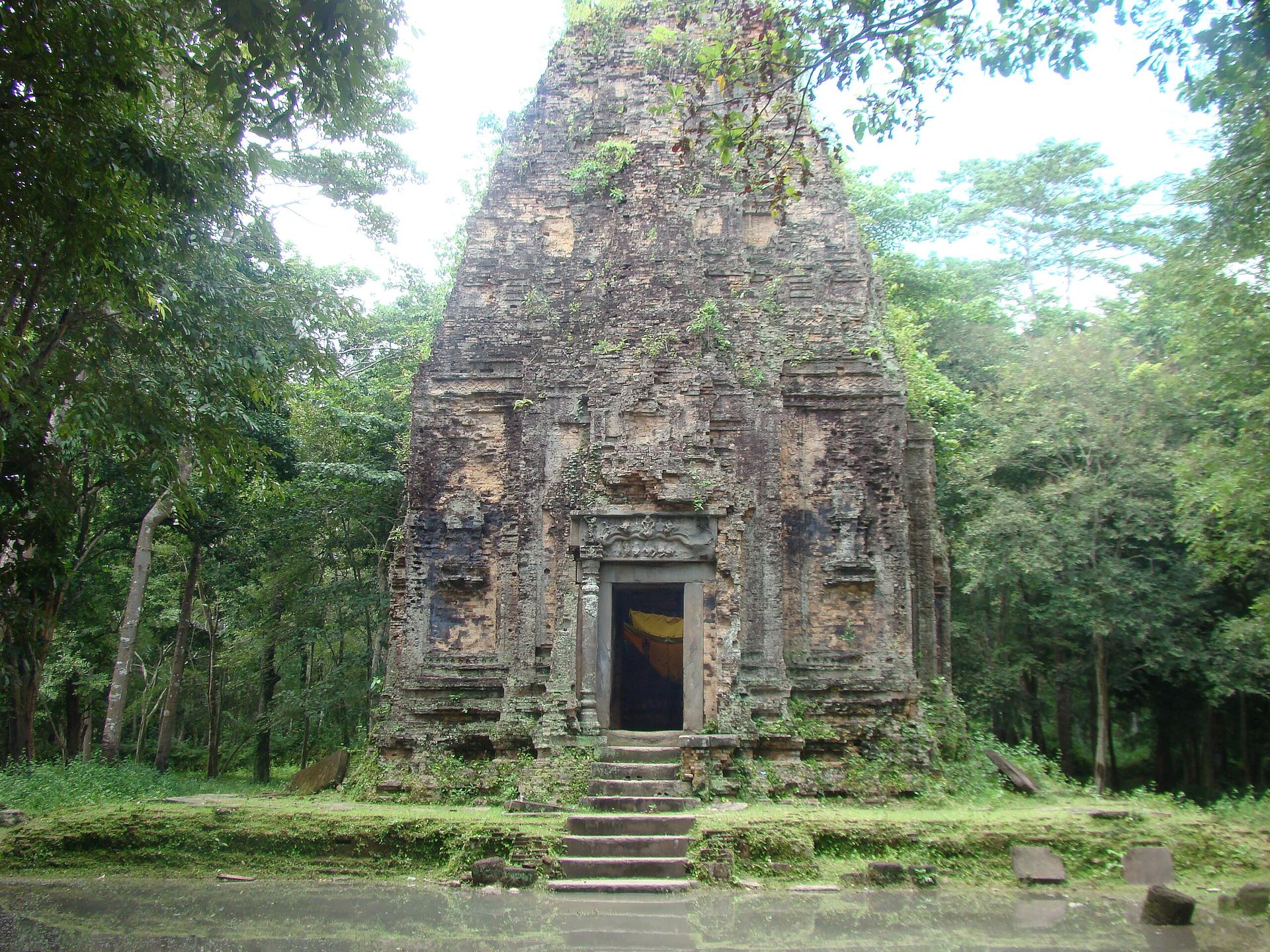
Looking beyond Banteay Samre? Discover Kampong Thom for broader travel guides, local hot-spots, and regional highlights.
Explore Kampong Thom