

Free Kratie Travel Guide & Mobile App
Plan your Kratie trip with Evendo. Get free guides to top attractions, restaurants, hotels, and bars. Web access or download the mobile app.


Kratie, Cambodia, brings Mekong riverside life, rare Irrawaddy dolphins, colonial-era streets, Koh Trong rides and quiet cultural escapes for curious travellers
Life Along the Mekong
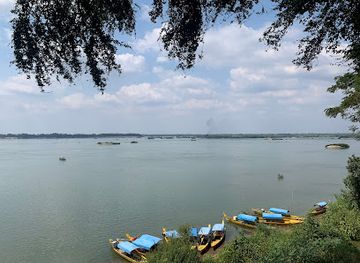
Kratie occupies a long, tranquil bend of the Mekong in eastern Cambodia, where the river shapes both the town's appearance and its daily rhythm. Wooden boats pass beyond a modest riverside promenade, fishermen work close to the banks, and small cafés and shopfronts reflect the unhurried character of a provincial capital. Kratie is best known as a base for seeing the endangered Irrawaddy dolphins at Kampi, north of town, but its appeal extends well beyond wildlife. The surrounding floodplain, islands and rural lanes offer a close view of river-centred Cambodian life.Read more about Kratie
Heritage and Island Landscapes
When is the best time to visit Kratie?
Best: January–March · 31–34°C| Month | High (°C) | Rainfall (mm) |
|---|---|---|
| January (best) | 31 | 11 |
| February (best) | 32 | 10 |
| March (best) | 34 | 13 |
| April | 35 | 39 |
| May | 35 | 145 |
| June | 35 | 240 |
| July | 34 | 240 |
| August | 34 | 272 |
| September | 34 | 363 |
| October | 34 | 368 |
| November | 33 | 154 |
| December | 32 | 79 |
Getting to and around Kratie
How to get there
Transportation
Best attractions in Kratie
Kratie's principal attractions follow the Mekong rather than forming a concentrated museum quarter. The riverside promenade provides an easy introduction to the town, with changing views of boats, sandbanks and life on the opposite bank. North of Kratie, the Kampi area is the base for boat trips to observe endangered Irrawaddy dolphins in one of their remaining Cambodian habitats; responsible viewing is central to the experience. Koh Trong, reached by local ferry, offers shaded lanes, orchards, villages and cycling routes across a broad river island. South of town, Wat Roka Kandal is a finely crafted traditional wooden pagoda, while Phnom Sombok combines a Buddhist site with elevated views across the Mekong plain. The town's older streets, market and modest colonial-era buildings add texture to a destination where rural landscapes and everyday river life are as significant as formal sightseeing.
-
Buddhist temple
Phnom Sambok Pagoda
Discover Phnom Sambok Pagoda: a hilltop temple with Mekong River views, rich history, and a tranquil escape into Cambodian spirituality.
25 min drive · 8.3 km from city centre

Best landmarks in Kratie
Kratie's landmarks express its position as a Mekong provincial town shaped by Khmer Buddhism, commerce and colonial administration. Wat Roka Kandal, south of the centre, is a particularly important traditional wooden pagoda, with carved details and a long association with local religious life. Phnom Sombok, also south of town, is marked by a Buddhist pagoda on a low hill; its elevated setting gives the site significance as both a place of worship and a viewpoint over the surrounding plain. In Kratie itself, surviving French-era shophouses and older commercial façades reflect the town's development as a colonial administrative and trading centre, although many buildings have been adapted for modern use. The riverside promenade is a civic landmark in a broader sense, linking the town's urban life with the Mekong, the waterway that continues to define its economy, landscape and identity.
-
Restaurant
Street Three Eatery Kratie
A vibrant Kratie eatery blending Khmer flavors with modern cuisine, using fresh, local ingredients for a unique dining experience.
5 min walk · 0.4 km from city centre
-
Canoe & kayak tour agency
Dolphin Kayaking Adventures
Experience the Mekong River responsibly with Dolphin Kayaking Adventures: Witness rare Irrawaddy dolphins in their natural habitat near Kratie, Cambodia.
5 min walk · 0.4 km from city centre
-
Hotel
Sorya Guesthouse
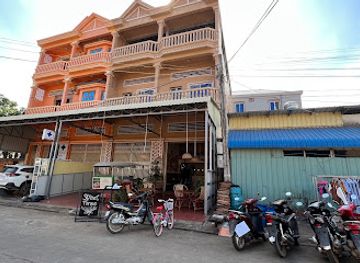
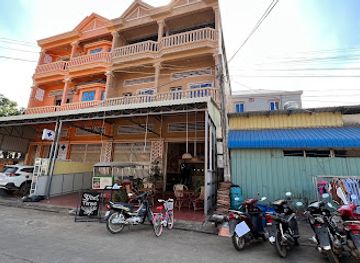
Experience comfort and local charm at Sorya Guesthouse in Krong Kracheh, offering stunning river views and easy access to cultural attractions.
7 min walk · 0.6 km from city centre
-
 Hotel
HotelOudom Sambath Hotel and Restaurant
Experience comfort and authentic Khmer flavors at Oudom Sambath Hotel & Restaurant in the heart of Krong Kracheh, Cambodia. Riverside views await!
4 min walk · 0.3 km from city centre
Explore Kratie on the map
Plan your Kratie trip on one map. See where the top attractions, landmarks, restaurants, bars and hotels are, find what's near where you're staying, and book hotels and experiences in a few clicks.
Best hotels in Kratie
Best restaurants in Kratie
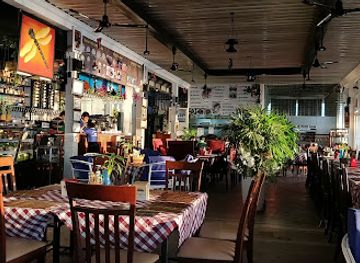
Kratie's dining scene is modest, local and closely connected to Cambodian home cooking. Small restaurants, market stalls and riverside eateries serve familiar dishes such as kuy teav noodle soup, bai sach chrouk with grilled pork, fried rice, fresh vegetables and fish prepared with Khmer herbs and spices. Fish from the Mekong features in local meals, while prahok, fermented fish paste, gives many Cambodian dishes their characteristic savoury depth. Breakfast markets are useful for observing the daily food trade, with fruit, snacks and steaming noodle bowls appearing early. In the evening, simple establishments around the centre and river offer Cambodian meals alongside Chinese-influenced dishes and cold drinks. International choices are more limited than in Phnom Penh or Siem Reap, and menus may be informal, but this is part of the town's appeal: dining is generally unpretentious and oriented towards residents rather than culinary tourism.
-
Restaurant
Street Three Eatery Kratie
Experience authentic Cambodian flavors at Street Three Eatery in Kratie – a culinary haven that delights every palate.
5 min walk · 0.4 km from city centre
-
Restaurant
Pon Nor Reay Restaurant
Discover authentic Cambodian cuisine at Pon Nor Reay Restaurant in Krong Kracheh - a culinary gem offering delicious dishes in a welcoming atmosphere.
5 min walk · 0.4 km from city centre
-
Restaurant
Jasmine Boat Restaurant
Experience authentic Cambodian cuisine at Jasmine Boat Restaurant while enjoying breathtaking riverside views in Krong Kracheh.
5 min walk · 0.4 km from city centre
-
Restaurant
Mekong MoJo Restaurant & Bar Kratie
Discover the vibrant flavors of vegan cuisine at Mekong MoJo Restaurant & Bar in Kratie – where fresh ingredients meet stunning river views.
4 min walk · 0.4 km from city centre
Best bars in Kratie
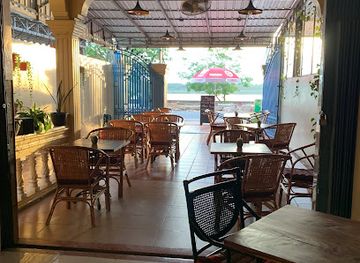
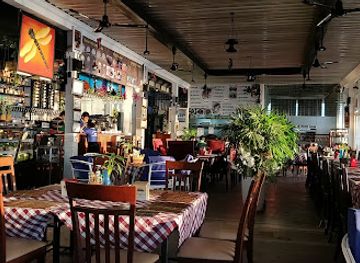
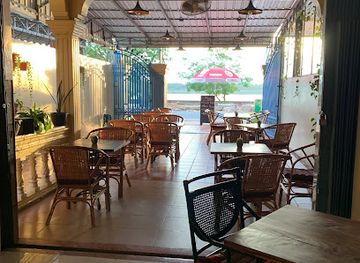
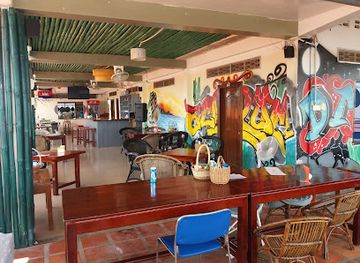
Kratie has a quiet evening scene rather than a developed club district. After sunset, activity centres on riverside cafés, small restaurants and informal beer gardens where residents meet over Cambodian food and drinks. A few guesthouse and café spaces may provide a relaxed setting for travellers, but nightlife is generally low-key, with no substantial concentration of nightclubs or late-night entertainment venues. The riverfront is pleasant for an early evening walk, although lighting and activity become more limited away from the central streets. Cultural life is more closely associated with Buddhist festivals, local celebrations and ordinary community gatherings than with formal performances. Visitors should respect residential areas and temple grounds after dark, and arrange transport back from rural sites before leaving the town.
-
Restaurant
Street Three Eatery Kratie
Discover the authentic flavors of Cambodia at Street Three Eatery in Kratie, a top dining destination for tourists seeking local culinary delights.
5 min walk · 0.4 km from city centre
-
Restaurant
Jasmine Boat Restaurant
Experience authentic Cambodian dining with stunning views at Jasmine Boat Restaurant on Preah Soramarith Quay.
5 min walk · 0.4 km from city centre
-
Restaurant
Mekong MoJo Restaurant & Bar Kratie
Experience the vibrant flavors of Cambodia at Mekong MoJo Restaurant & Bar, where delicious vegan dishes meet stunning river views.
4 min walk · 0.4 km from city centre
-
Restaurant
Silver Dolphin Guesthouse & Restaurant
Experience authentic Cambodian cuisine and cozy accommodations at Silver Dolphin Guesthouse & Restaurant in Krong Kracheh.
10 min walk · 0.8 km from city centre
Best nightclubs in Kratie
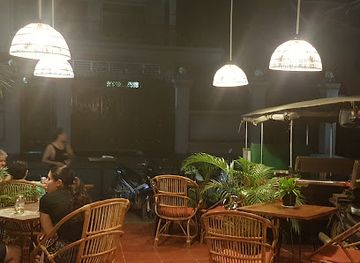
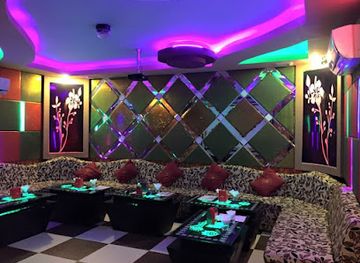
Kratie has a quiet evening scene rather than a developed club district. After sunset, activity centres on riverside cafés, small restaurants and informal beer gardens where residents meet over Cambodian food and drinks. A few guesthouse and café spaces may provide a relaxed setting for travellers, but nightlife is generally low-key, with no substantial concentration of nightclubs or late-night entertainment venues. The riverfront is pleasant for an early evening walk, although lighting and activity become more limited away from the central streets. Cultural life is more closely associated with Buddhist festivals, local celebrations and ordinary community gatherings than with formal performances. Visitors should respect residential areas and temple grounds after dark, and arrange transport back from rural sites before leaving the town.
-
Bar
Privada Lodge - Rooftop Bar & Grill
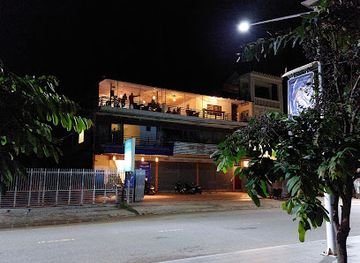
Discover the charm of Privada Lodge - Rooftop Bar & Grill in Krong Kracheh, offering a blend of breathtaking views, delicious cuisine, and vibrant culture.
5 min walk · 0.4 km from city centre
-
Karaoke bar
Diamond City KTV
Discover the energy of Diamond City KTV in Krong Kracheh, where karaoke meets local culture in an unforgettable night out.
5 min drive · 1.6 km from city centre
-
Karaoke bar
Moha Heng KTV
Discover the vibrant nightlife of Krong Kracheh at Moha Heng KTV, where karaoke meets local culture in a lively setting.
7 min drive · 2.3 km from city centre
-
Club
Happy Night Club
Happy Night Club: A vibrant nightlife experience in Krong Kracheh, where music and dancing create unforgettable memories.
10 min walk · 0.8 km from city centre


Best shops in Kratie
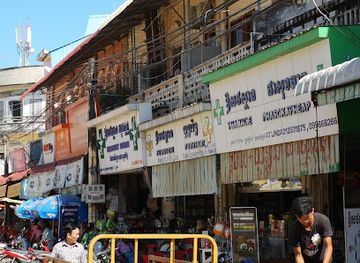
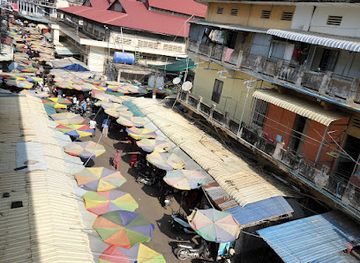
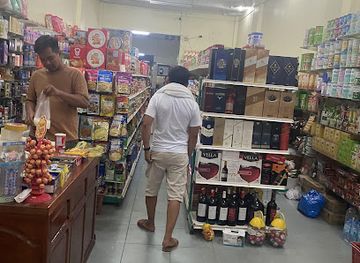
Shopping in Kratie is centred on everyday markets, small family-run shops and modest streetside stalls rather than large retail complexes. The central market is the place to see local trade in fruit, vegetables, fish, prepared food, household goods and clothing, while small shops around town sell snacks, drinks and practical supplies for travel. Visitors may find Cambodian scarves, woven goods, baskets, carved items and regional food products, though the range is less extensive than in Phnom Penh or Siem Reap. Koh Trong and nearby villages offer a closer connection with orchard produce and rural handicrafts when available, but purchases should be made with sensitivity to local livelihoods. Riel is useful for small transactions, and bargaining is best kept friendly and modest. Kratie's shopping character lies in observing the rhythms of a working provincial market rather than seeking a specialised souvenir quarter.
-
Store
រចនា លក់គ្រឿងក្រអូប
Experience the vibrant atmosphere of Krong Kracheh's market, a cultural hub filled with local crafts, delicious food, and unique treasures.
5 min walk · 0.4 km from city centre
-
Restaurant
Privada Lodge - Rooftop Bar & Grill
Experience the exquisite flavors and stunning views at Privada Lodge - Rooftop Bar & Grill in Krong Kracheh, a unique culinary destination.
5 min walk · 0.4 km from city centre
-
Coffee store
No
Experience the rich coffee culture of Krong Kracheh, where every sip tells a story in a cozy and inviting atmosphere.
3 min walk · 0.2 km from city centre
-
Grocery store
D.T. Mart
Explore local flavors at D.T. Mart in Krong Kracheh, where authentic Cambodian snacks and fresh produce await every traveler.
6 min walk · 0.4 km from city centre

Get your free copy of our complete guide to Kratie, delivered straight to you.
Everything on this page, from attractions and restaurants to essentials and local phrases, in one PDF you can read offline, print or share.
Already have an account? Sign in
Your Kratie guide is ready.
We'll send it to · Not you? Sign out

Getting your guide ready…
We are putting together a fresh copy of the Kratie guide. This can take up to a minute.
This can take a few moments. If your browser asks, choose Allow so the download can start. You'll find the guide in your Downloads folder.
Nothing happened? Download it again
Sorry, the guide is taking longer than usual. Please try again in a minute, or get it by email instead.
Kratie essentials
Currency and Payment
Safety
Emergency Situations
Do's and Don'ts
Local Tips
From Eve
Local phrases worth knowing
You don't need to get them perfect. A few words go a long way, and locals appreciate the effort.
Basics
| English | Local | Say it |
|---|---|---|
| Hello | សួស្តី | [sou-sdei] |
| Goodbye | លាស់បាត | [leah-sa-baat] |
| Yes | បាទ/បាទចាស | [baat/baat chah] |
| No | ទេ | [te] |
| Please/You're welcome | សូម | [soum] |
| Thank you | អរគុណ | [aw-kun] |
| Excuse me/Sorry | សូមសុន្មាន | [soum-som-nas] |
| How are you? | អ្នកសុខសប្បាយបានប៉ុណ្ណ | [nak sok-sa-bay ban pon] |
| Fine. And you? | បាទសុខភាព។ អ្នកទេ? | [baat sok-pheap. nak te?] |
| Do you speak English? | អ្នកនៅចិត្តអង់គ្លេសទេ? | [nak now-chet ang-keles te?] |
| I don't understand | ខិតបាទធើបូថេ | [kit baat tebuteh] |
Eating & Drinking
| English | Local | Say it |
|---|---|---|
| I'd like to see the menu, please | ខុសបានម៉ឺនុ, សូមបង្ហាញ | [kho sa bon menou, soum bong-chen] |
| I don't eat meat | ខិតបាទហើយចៀក | [kit baat hae jay chek] |
| Cheers! | សូមស្វាគមន៍ | [soum svakom] |
| I would like to pay, please | ខិតបាទនិយមនេះ | [kit baat niem ne] |
Emergencies
| English | Local | Say it |
|---|---|---|
| Help! | ជួបជុំ! | [choub-chom] |
| Go away! | ទៅពីនេះ! | [wei pi ne] |
| Call the Police! | ហៅការប្រាក់ប្រទះ! | [haw kar prak-prah] |
| Call a doctor! | ហៅវេជ្ជបណ្ឌ! | [haw vejjaband] |
| I'm lost | ខិតបាទភ្ជុំ | [kit baat phjom] |
| I'm ill | ខិតបាទជនជាតិ | [kit baat chon-chet] |
Shopping
| English | Local | Say it |
|---|---|---|
| I'd like to buy... | ខិតបាទទិញ... | [kit baat tuek...] |
| I'm just looking | គិតបាទឃើញទំនង | [kit baat hoi nom] |
| How much is it? | តើវាគណន៍ប៉ុណ្ណមួយ? | [twey va knong pon muoy?] |
| That's too expensive | វាល្នាយមិនបានចំនួន | [va nyam min ban chomnoum] |
| Can you lower the price? | តើអ្នកអាចបានចំនួនទៀតទេ? | [twey nak ach ban chomnoum tii te?] |
Time & Numbers
| English | Local | Say it |
|---|---|---|
| What time is it? | ម៉ោងប៉េង? | [moung beng?] |
| It's one o'clock | វាន់ពេលមួយ | [va ney pleu moy] |
| Half past (10) | ព្រឹកដលបួល (១០) | [preuk doul buy (sip)] |
| Morning | ព្រឹក | [preuk] |
| Afternoon | ល្ងាច | [lang-cha] |
| Evening | យប់ | [yab] |
| Yesterday | ម្សរល | [msal] |
| Today | ថ្ងៃនេះ | [thngay ne] |
| Tomorrow | ថ្ងៃស្អែក | [thngay sraek] |
| 1 | មួយ | [moy] |
| 2 | ពីរ | [pee] |
| 3 | បី | [bei] |
| 4 | បួន | [buon] |
| 5 | ប្រាំ | [bram] |
| 6 | ប្រាំមួយ | [bram moy] |
| 7 | ប្រាំពីរ | [bram pee] |
| 8 | ប្រាំបី | [bram bei] |
| 9 | ប្រាំបួន | [bram buon] |
| 10 | ដប់ | [dop] |
Transport & Directions
| English | Local | Say it |
|---|---|---|
| Where's a/the...? | តែខ្លះមានទទួលឬទេ? | [tae klach mean toul ar te?] |
| What's the address? | អាស័យហេតុដោយ? | [asei het doy?] |
| Can you show me (on the map)? | តើអ្នកអាចបង្ហាញខ្លឹះឆាកទេ? | [twey nak ach bong-chen klue chak te?] |
| When's the next (bus)? | តែខ្លះហៅដោយប្រទេសបួលឬទេ? | [tae klach haw doy prateh buol ar te?] |
| A ticket (to ....) | សំបុត្រព្រិល (ទៅ ....) | [sombot pril (to ...)] |
History of Kratie
Mekong Settlements and Early Khmer Influence
Kratie developed within the long-established network of settlements along the Mekong, a river that served as a route for movement, trade, fishing and cultural exchange. The wider region formed part of the historically connected Khmer world, although the modern town does not present the monumental remains associated with Angkor. Buddhist communities, agricultural villages and river commerce shaped local life over many generations. Wat Roka Kandal, a traditional wooden pagoda south of the town, reflects the importance of Theravada Buddhism and local craftsmanship in the nineteenth century. The Mekong's seasonal rise and fall also influenced settlement patterns, rice cultivation and the movement of goods between inland Cambodia and communities farther north.
A Provincial Centre Under French Rule
Cambodia became a French protectorate in 1863, and colonial administration gradually strengthened its presence in provincial centres such as Kratie. The town's position on the Mekong made it useful for administration and river transport, while streetside commercial buildings served traders, officials and residents. Surviving shophouses and villas, though altered over time, offer glimpses of this period through their narrow plots, verandas and masonry façades. French rule also connected provincial towns more closely to the administrative and commercial systems centred on Phnom Penh. Kratie remained smaller and less urbanised than the capital, but its role as a riverside provincial centre endured.
War, Independence and Rural Disruption
Cambodia gained independence from France in 1953, yet the following decades brought political instability and conflict across the country. Eastern Cambodia, including areas around the Mekong, experienced disruption during the Vietnam War and the civil wars that followed. Population movements, insecurity and damage to rural livelihoods affected communities throughout Kratie province. After the Khmer Rouge period and the subsequent years of conflict, social and economic life gradually began to recover. Religious buildings and village networks again became important centres of community life, while the provincial town resumed its role as a market and administrative centre serving surrounding rural districts.
Rebuilding a Mekong Town
From the 1990s onwards, improved security and road connections encouraged the gradual rebuilding of Kratie and the renewal of travel along Cambodia's eastern routes. Small businesses, guesthouses and riverside eateries grew alongside local commerce rather than replacing it with a large-scale tourist district. Restoration and continued use of places such as Wat Roka Kandal helped maintain links with older architectural and religious traditions. The town's identity remained closely tied to the Mekong, whose fisheries, agriculture and transport networks continued to support local communities.
Dolphin Conservation and Contemporary Identity
Kratie's contemporary profile is closely connected with the Irrawaddy dolphins living in a protected stretch of the Mekong near Kampi. Their declining numbers have made conservation, responsible boat operations and protection of river habitat important parts of the region's future. Tourism has consequently developed around small-scale wildlife viewing, island cycling and cultural exploration rather than large resort construction. Contemporary Kratie reflects this balance: a working provincial town with a strong Khmer Buddhist and riverine identity, increasingly visited by travellers interested in wildlife and landscapes while still retaining an everyday pace shaped by local residents.
Kratie in Photos
Browse through our photo collection highlighting the charm and character of the destination.
Cities near Kratie
The closest cities to Kratie, if you have time for more than one stop.
-

-

-

-

-


Swipe for more cities
Explore more

Explore more of Cambodia
Discover Cambodia: From the ancient wonders of Angkor Wat to the vibrant streets of Phnom Penh, immerse yourself in a land of history, culture, and natural beauty.
Explore Cambodia