The Enigmatic Bayon Temple: A Marvel of Angkor
Discover the mystical Bayon Temple in Siem Reap, a historical landmark adorned with stone faces and intricate bas-reliefs that whisper tales of the Khmer Empire.
Bayon Temple, located in the heart of Siem Reap, is a stunning architectural gem renowned for its massive stone faces and intricate bas-reliefs. This historical landmark offers visitors a glimpse into the rich cultural tapestry of the Khmer Empire, making it an essential stop for any traveler exploring Cambodia. With its serene atmosphere and captivating artistry, Bayon Temple invites you to wander through its ancient corridors and discover the stories etched in stone, all while being enveloped by the lush jungle surroundings.
A brief summary to Bayon Temple
- Krong Siem Reap, KH
- +85563765577
- Visit website
- Monday 7:30 am-5:30 pm
- Tuesday 7:30 am-5:30 pm
- Wednesday 7:30 am-5:30 pm
- Thursday 7:30 am-5:30 pm
- Friday 7:30 am-5:30 pm
- Saturday 7:30 am-5:30 pm
- Sunday 7:30 am-5:30 pm
Local tips
- Visit early in the morning or late afternoon for fewer crowds and stunning light for photography.
- Wear comfortable shoes, as the temple grounds can be uneven and require some walking.
- Bring water and stay hydrated, especially if exploring during the hotter parts of the day.
- Respect the local customs; it's customary to dress modestly when visiting temples.
- Consider hiring a local guide to learn more about the history and significance of the temple.

Getting There
-
Car
If you're traveling by car from Siem Reap city center, head south on Street 6 (also known as Sivatha Boulevard) for about 7 kilometers. Follow the signs toward Angkor Archaeological Park, and pay the entrance fee for the park (approximately $37 for a day pass). After entering, continue straight for about 3 kilometers until you reach the Bayon Temple, which is well-signposted. There is parking available at the temple entrance.
-
Tuk-Tuk
For a more local experience, you can hire a tuk-tuk from Siem Reap city. Negotiate a price beforehand; a round trip to Bayon Temple typically costs between $15 to $25. The journey will take around 30 to 40 minutes. The driver will wait for you at the temple while you explore.
-
Public Bus
Currently, there are no direct public bus routes from Siem Reap city to Bayon Temple. However, you can take a local bus to Angkor Wat and then hire a tuk-tuk or bicycle from there to Bayon Temple, which is about 10 kilometers away. The bus fare to Angkor Wat is approximately $1-$2, and a tuk-tuk ride from Angkor Wat to Bayon can cost around $5-$10.
-
Bicycle Rental
For the more adventurous, renting a bicycle is a great way to explore the area. Many shops in Siem Reap offer bike rentals for around $2-$5 per day. From the city center, head towards Angkor Archaeological Park on the same route as by car. After entering the park, continue cycling for about 3 kilometers to reach Bayon Temple. Keep hydrated and wear sunscreen, as it can be quite hot.
Discover more about Bayon Temple
Iconic landmarks you can’t miss

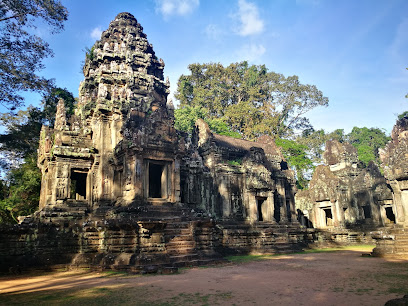
Thommanon
2.1 km
Discover the enchanting Thommanon temple in Siem Reap, a hidden gem of Khmer architecture showcasing intricate carvings and rich history.
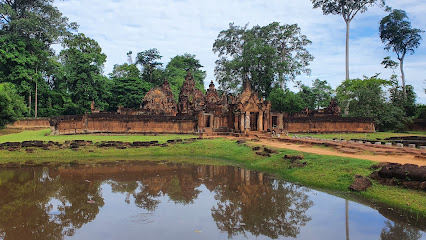
World Monuments Fund Visitor Center at Preah Khan
2.5 km
Experience the rich history and breathtaking architecture of Preah Khan Temple at the World Monuments Fund Visitor Center in Siem Reap, Cambodia.
Prasat Ta Keo
2.6 km
Discover the majestic Prasat Ta Keo, a captivating Hindu temple showcasing the grandeur of Khmer architecture in the heart of Cambodia.

Prasat Preah Khan
2.7 km
Discover the enchanting Prasat Preah Khan, a stunning Buddhist temple in Siem Reap, Cambodia, rich in history and archaeological wonders.
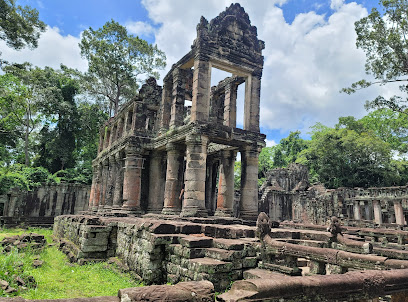
Prohm Kel Temple
2.8 km
Explore Prohm Kel Temple, an archaeological wonder in Angkor, where history and spirituality intertwine amidst stunning architecture.
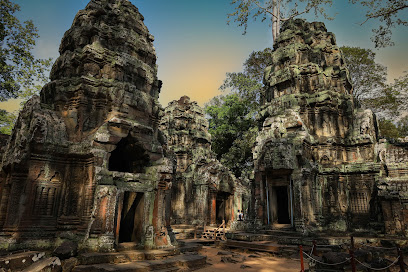
Ta Nei Temple
3.1 km
Explore the serene beauty and rich history of Ta Nei Temple, a hidden gem in Cambodia's Angkor Archaeological Park, perfect for quiet reflection and exploration.
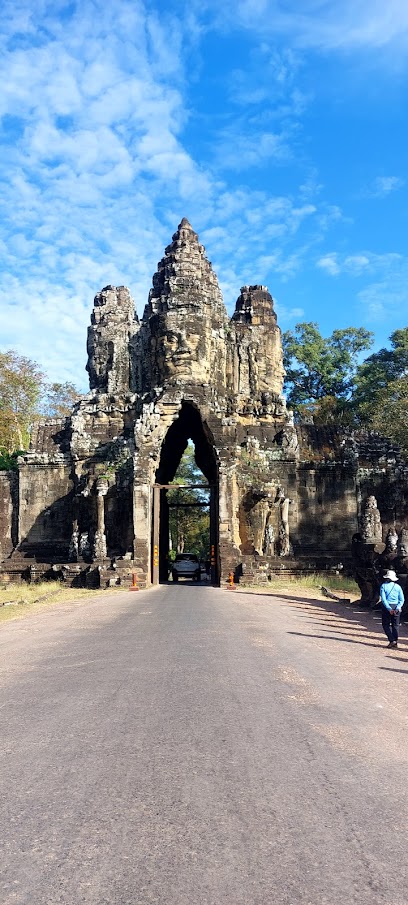
Rainbow Bridge
3.2 km
Experience the serene beauty of Rainbow Bridge in Krong Siem Reap, where nature and architecture unite for breathtaking views.
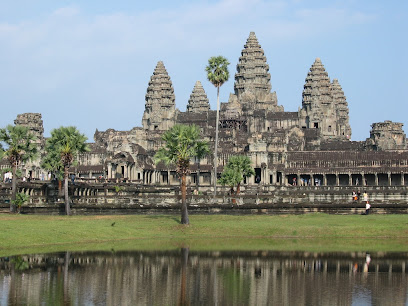
Northern Library
3.2 km
Discover the Northern Library in Siem Reap, a heritage building that showcases Cambodia's rich history and archaeological wonders in a serene setting.
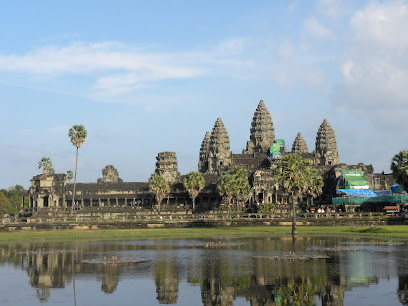
Battle of Lanka Gallery
3.2 km
Explore the Battle of Lanka Gallery, a captivating historical landmark and art gallery in Krong Siem Reap, showcasing Cambodia's vibrant cultural heritage and artistry.
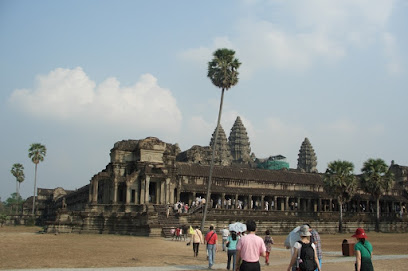
Terrace of Honor
3.3 km
Explore the Terrace of Honor, a historical landmark in Krong Siem Reap, showcasing the intricate artistry of Cambodia's ancient civilization in a serene setting.
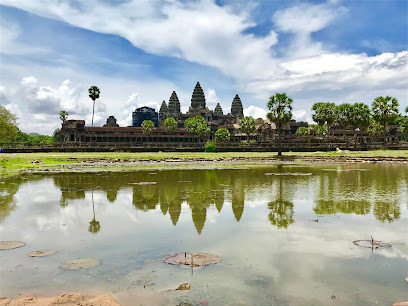
Angkor Wat
3.3 km
Discover the architectural marvel of Angkor Wat, a UNESCO World Heritage site, and the largest religious monument in the world, steeped in history and beauty.
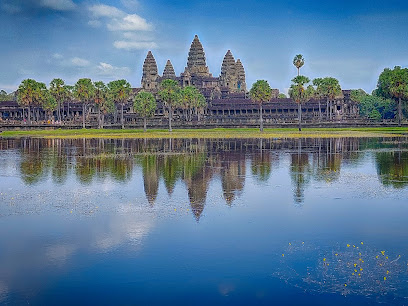
Chey Non Stupa
3.3 km
Discover the serene beauty and rich history of Chey Non Stupa in Siem Reap, a must-visit destination for cultural enthusiasts and spiritual seekers.
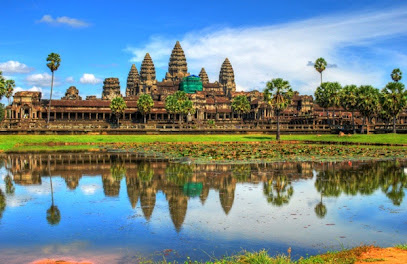
Ta Prohm Temple
3.4 km
Experience the enchanting beauty of Ta Prohm Temple, where nature and ancient Khmer architecture intertwine in perfect harmony.
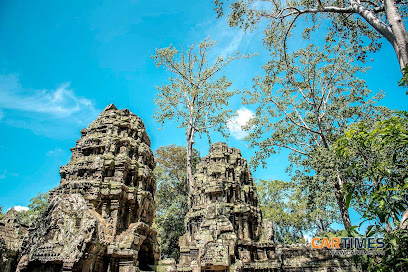
The Goddess Prajnaparamita
3.4 km
Discover the enchanting Goddess Prajnaparamita in Siem Reap, a profound archaeological site showcasing Khmer artistry and spiritual heritage.
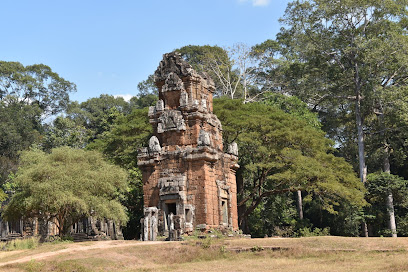
Banteay Thom Temple
3.9 km
Discover the serene beauty and intricate artistry of Banteay Thom Temple, a hidden gem in Krong Siem Reap that reveals Cambodia's ancient history.
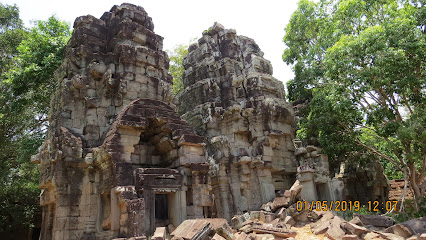
Unmissable attractions to see

Preah Ang Koke Thloke Shrine
0.1 km
Explore the serene beauty and cultural richness of Preah Ang Koke Thloke Shrine in Krong Siem Reap, a hidden gem for spiritual seekers and culture enthusiasts.
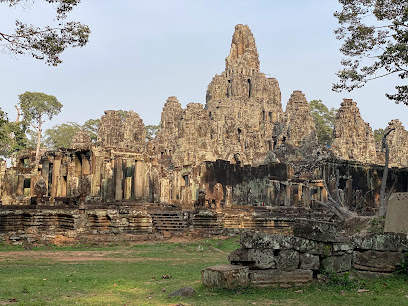
Wat Preah Ngok
0.2 km
Discover the tranquility of Wat Preah Ngok, a stunning Buddhist temple in Angkor, where spirituality and history intertwine in a serene setting.
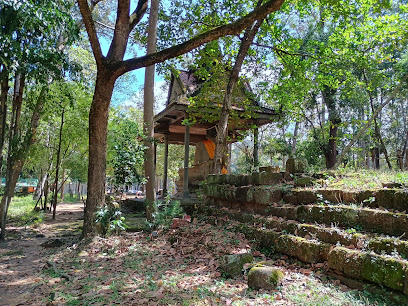
Jean Comaille funeral monument
0.2 km
Explore the Jean Comaille Funeral Monument in Krong Siem Reap, a tribute to Cambodia's rich history and cultural heritage.
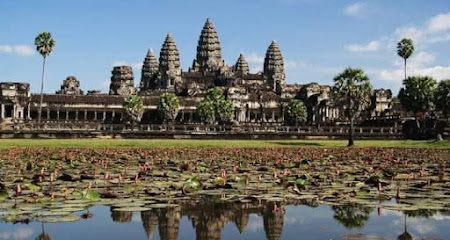
Baphuon
0.4 km
Explore Baphuon Temple, a stunning 11th-century Hindu temple in Angkor Archaeological Park, showcasing intricate carvings and breathtaking views.
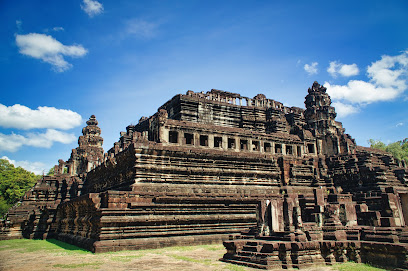
Suor Prat Tower
0.4 km
Explore the historical wonders of Suor Prat Tower, a captivating site in Siem Reap that showcases Cambodia's architectural brilliance and rich cultural heritage.
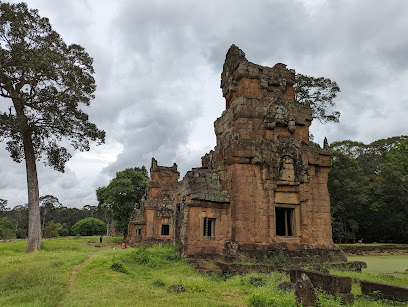
Terrace of the Elephants
0.5 km
Explore the grandeur of the Terrace of the Elephants, a historic site revealing the splendor of the Khmer Empire in Angkor, Siem Reap.
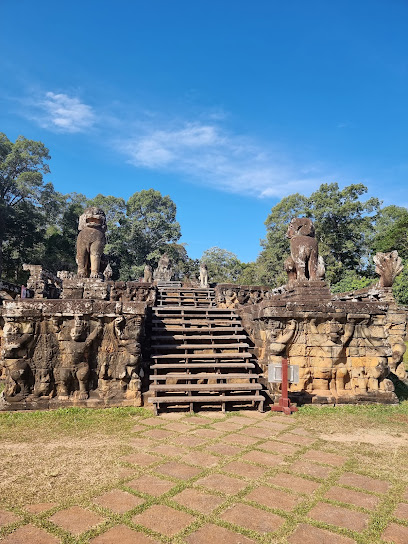
Preah Vihear Pram Pi Lveng
0.6 km
Discover the serene beauty and historical significance of Preah Vihear Pram Pi Lveng, a UNESCO World Heritage archaeological site in Siem Reap, Cambodia.
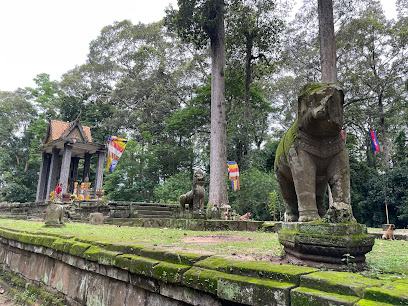
Phimeanakas
0.6 km
Discover Phimeanakas, a historical treasure in Angkor, where ancient Khmer architecture meets breathtaking jungle views.
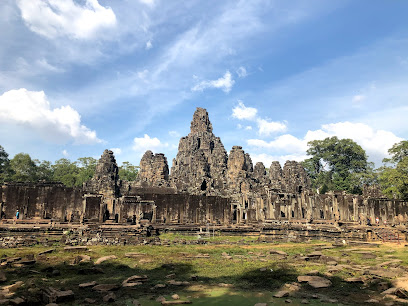
Phimeanakas Temple
0.6 km
Discover the historical marvel of Phimeanakas Temple, a royal site steeped in the legacy of the Khmer Empire amid the breathtaking Angkor complex.
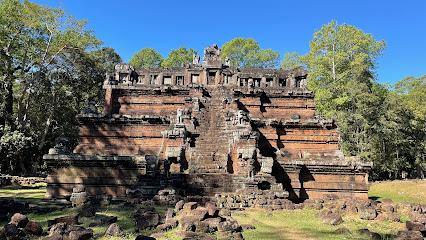
Prasat Suor Prat N1 (1 of 12 Towers)
0.6 km
Explore the historical marvel of Prasat Suor Prat N1, a stunning collection of ancient towers that showcase the beauty of Khmer architecture.
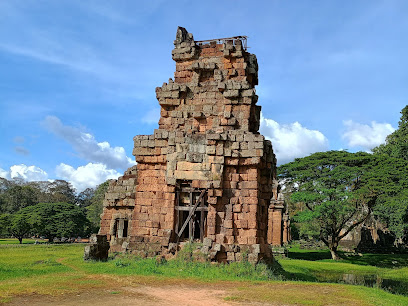
Prasat Khleang Khang Cheung (Prasat North Khleang)
0.7 km
Explore the ancient wonders of Prasat Khleang Khang Cheung, a historical gem in Angkor, showcasing the splendor of Khmer architecture and culture.
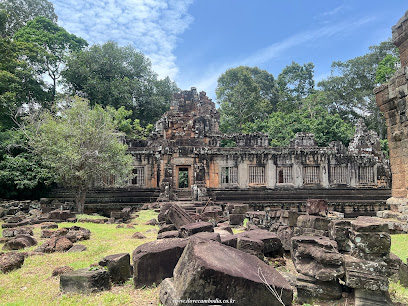
Preah Ponlea Sdach Komlong (Terrace Of The Leper King)
0.7 km
Explore the Historical Splendor of the Terrace of the Leper King, a Must-Visit Landmark in Siem Reap's Enriching Cultural Landscape.
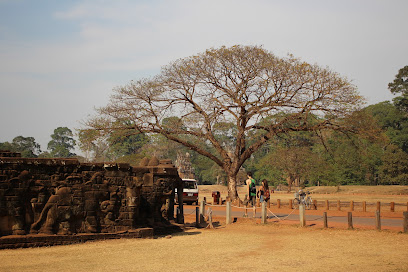
Prasat Top Khang Lech (Western Prasat Top)
0.8 km
Discover the ancient wonders of Prasat Top Khang Lech, a historical site revealing the beauty of the Khmer Empire in Krong Siem Reap, Cambodia.
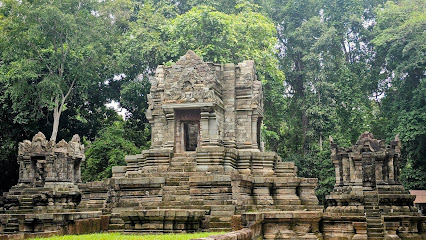
Tep Pranam
0.8 km
Discover Tep Pranam, a tranquil historical site in Angkor, Cambodia, teeming with ancient artistry and cultural significance.
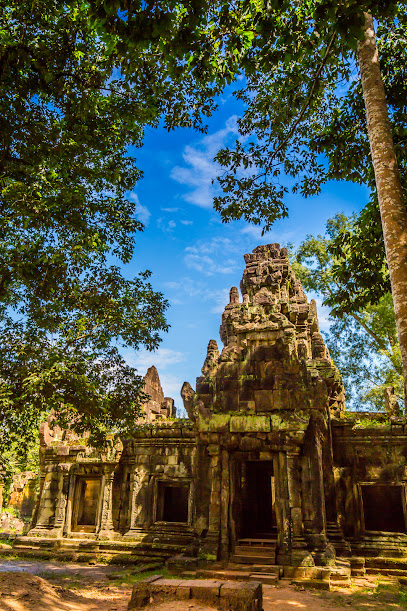
Prasat Preah Pithu Group
0.8 km
Discover the enchanting Prasat Preah Pithu Group, a hidden gem in Angkor Archaeological Park, showcasing Cambodia's rich cultural heritage and stunning architecture.
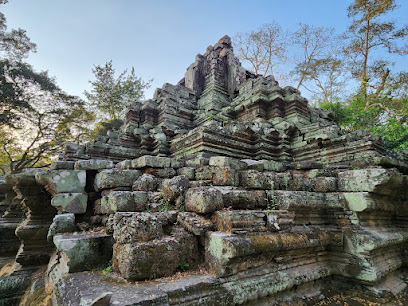
Essential places to dine

Triple K Angkor Restaurant
4.2 km
Experience authentic Cambodian cuisine at Triple K Angkor Restaurant in Siem Reap - where every dish tells a story.
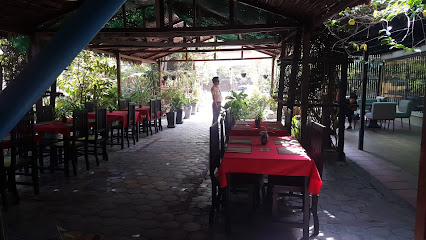
Chita’s cafe
4.9 km
Discover authentic Cambodian flavors and local crafts at Chita’s Cafe in Village 17255 – where every dish tells a story.
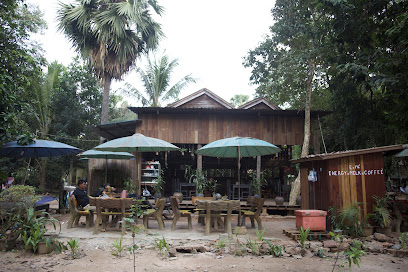
Khmer Family Restaurant
5.0 km
Experience authentic Cambodian flavors at Khmer Family Restaurant in Siem Reap—perfect for families and food enthusiasts.
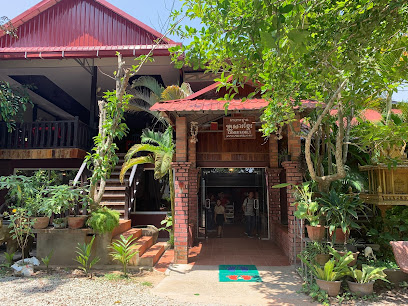
Khmer Village Restaurant
5.1 km
Experience authentic Cambodian cuisine at Khmer Village Restaurant in Siem Reap, where traditional flavors meet warm hospitality.
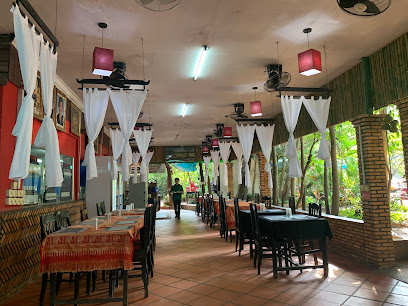
Ktom Sre Khmer Food - អាហារដ្ឋាន ខ្ទមស្រែ ស្រះស្រង់ខាងត្បូង
5.2 km
Discover the flavors of Cambodia at Ktom Sre - an organic family-friendly restaurant offering authentic Khmer dishes.
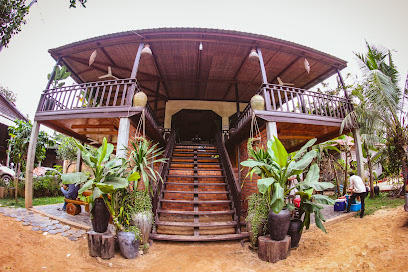
Ptes Borann Restaurant
5.3 km
Experience genuine Cambodian cuisine at Ptes Borann Restaurant in Srah Srang - where flavor meets tradition.
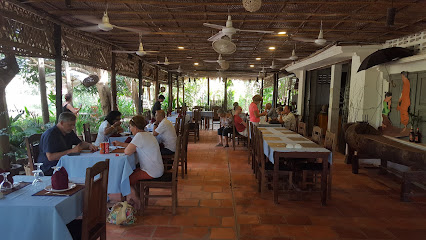
New Hope Restaurant
6.9 km
Discover New Hope Restaurant: Where Authentic Cambodian Cuisine Meets Community Empowerment in Siem Reap.
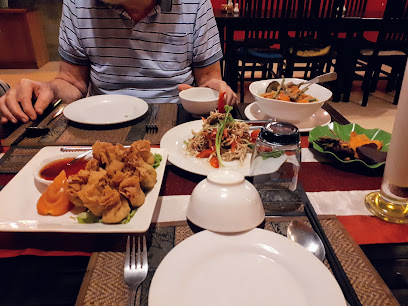
Buffet Phum Yerng
7.3 km
Experience the vibrant flavors of Cambodia at Buffet Phum Yerng, where family-friendly dining meets culinary delight in Krong Siem Reap.
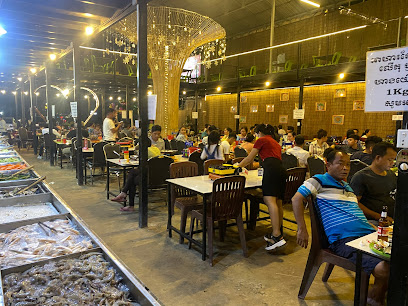
Mouhot's Dream
7.4 km
Discover the essence of French cuisine at Mouhot's Dream in Siem Reap – where elegance meets flavor in every delightful dish.
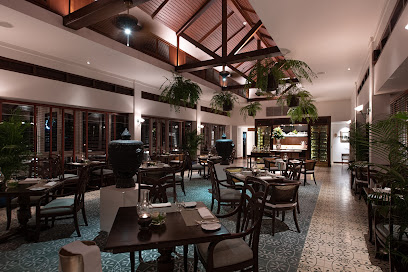
Mahob Cuisine
7.6 km
Experience the rich flavors of Cambodia at Mahob Cuisine – where tradition meets taste in an inviting atmosphere.
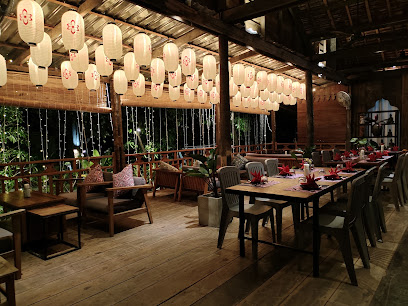
Changkran Khmer Restaurant
7.8 km
Experience authentic Cambodian cuisine at Changkran Khmer Restaurant - where tradition meets fine dining in an inviting atmosphere.
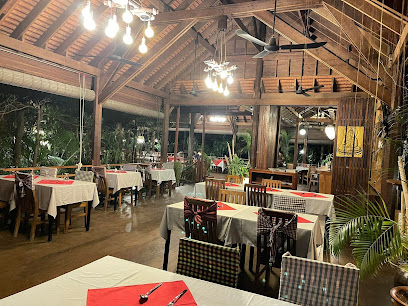
Sisters Yam
7.8 km
Experience exquisite seafood dining at Sisters Yam in Siem Reap - where fresh flavors meet Cambodian culinary traditions.
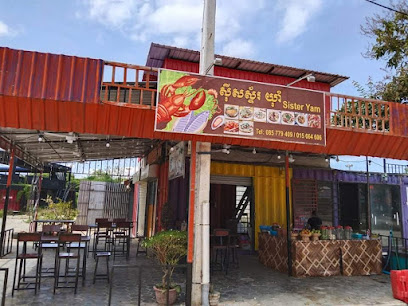
Butterfly Pea Restaurant
8.1 km
Experience the authentic taste of Cambodia at Butterfly Pea Restaurant in Siem Reap, where tradition meets flavor in every dish.
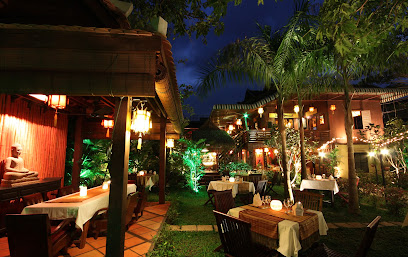
Pho Yong Restaurant
8.2 km
Discover authentic Vietnamese flavors at Pho Yong Restaurant in Krong Siem Reap - a culinary gem offering delightful Southeast Asian cuisine.
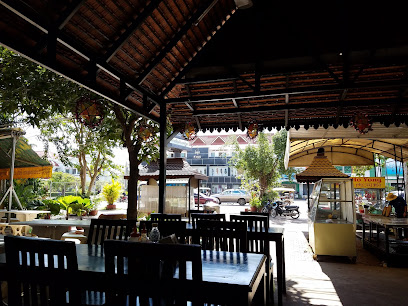
Nary Restaurant
8.2 km
Experience authentic Cambodian cuisine at Nary Restaurant in Krong Siem Reap - where every dish tells a story.
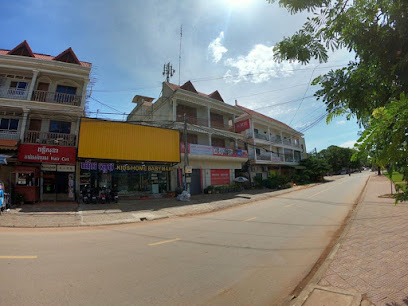
Markets, malls and hidden boutiques

Angkor Pavis Souvenir & Mart 2
3.4 km
Discover unique Cambodian gifts and souvenirs at Angkor Pavis Souvenir & Mart 2, a treasure trove in Siem Reap showcasing local craftsmanship.
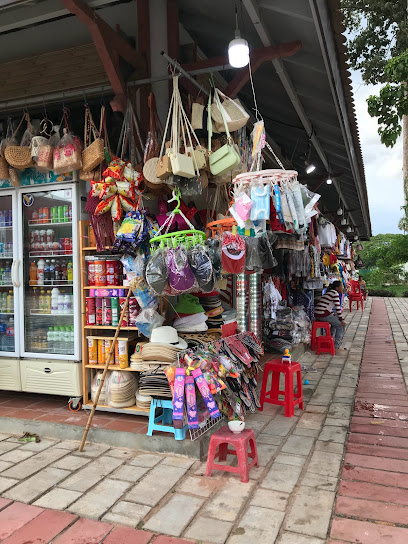
Jayav Art
6.9 km
Uncover the essence of Cambodia at Jayav Art, your go-to souvenir store for unique handmade crafts and cultural treasures in Siem Reap.
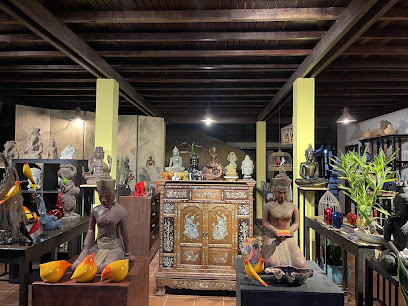
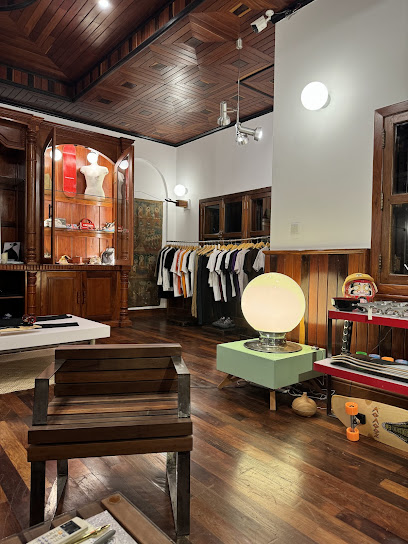
The Cocoon House Art Gallery, Concept Store, Skateshop and Vintage - by Cocoon Limited
6.9 km
Experience the creative fusion of art, fashion, and skate culture at The Cocoon House, a unique destination in Krong Siem Reap.
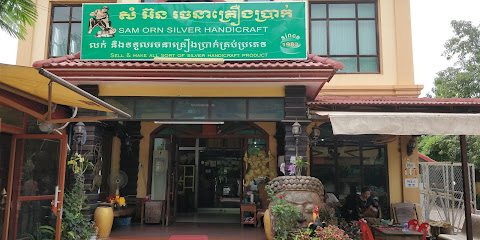
Sam Orn silver handicraft souvenir shop
7.5 km
Explore the craftsmanship of Cambodia at Sam Orn Silver Handicraft Souvenir Shop, where exquisite silver treasures await every traveler.
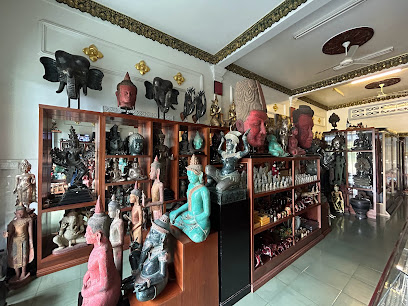
Angkor Wat Boutique
7.8 km
Explore Angkor Wat Boutique for authentic Cambodian souvenirs and crafts, capturing the essence of Cambodia's rich culture and artistry.
Chum Theany Angkor Souvenir Shop
8.0 km
Discover authentic Cambodian handicrafts and unique souvenirs at Chum Theany Angkor Souvenir Shop in Siem Reap, a treasure for every traveler.
Khmer Empire
8.0 km
Explore exquisite jewelry inspired by the rich cultural heritage of the Khmer Empire in Siem Reap, Cambodia.
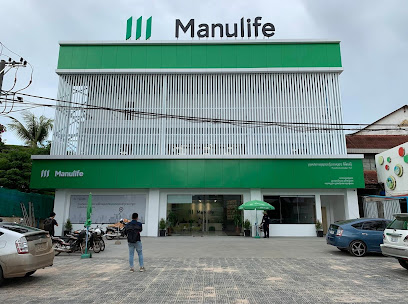
Cambodian cottage industries
8.1 km
Explore the rich craftsmanship of Cambodia at Cambodian Cottage Industries, your destination for unique gifts and authentic handicrafts.
Cartier Siem Reap
8.2 km
Experience luxury shopping at Cartier Siem Reap, home to exquisite jewelry, fashion accessories, and fine perfumes in the heart of Cambodia.

Coconut Street store
8.4 km
Explore the vibrant Coconut Street Store in Siem Reap for unique handicrafts and local delicacies that celebrate Cambodian culture.
SaStrey
8.7 km
Explore SaStrey in Siem Reap for authentic Cambodian souvenirs and support local artisans with every purchase.
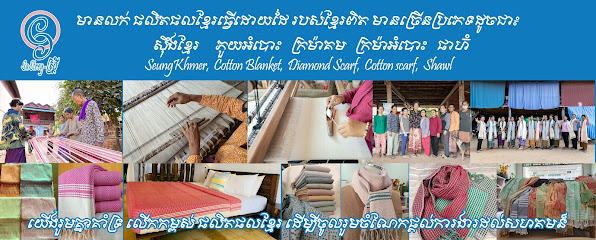
Vin Vin Shop2
8.7 km
Discover unique clothing that blends traditional Cambodian culture with modern fashion at Vin Vin Shop2 in Krong Siem Reap.
Level Store
8.7 km
Discover the best of Cambodian fashion at Level Store in Siem Reap, where tradition meets modern style in an unforgettable shopping experience.
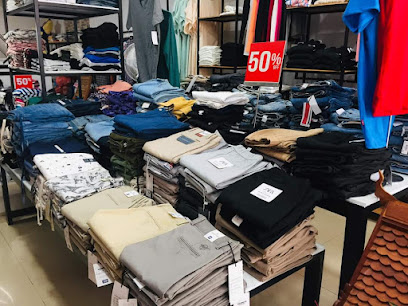
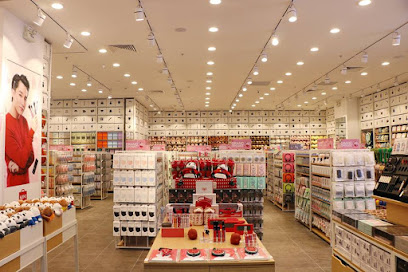
MINISO The Heritage Walk
8.7 km
Explore trendy fashion accessories and unique finds at MINISO The Heritage Walk in Krong Siem Reap, where style meets affordability.
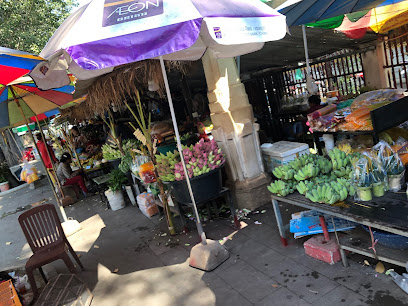
Flower Shop
8.7 km
Explore the serene Flower Shop in Krong Siem Reap for stunning blooms and unique Buddhist supplies, blending beauty and culture in one delightful stop.
Essential bars & hidden hideouts

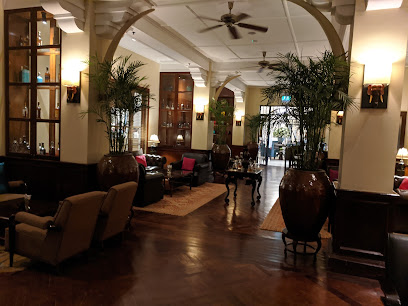
Elephant Bar
8.6 km
Indulge in handcrafted cocktails and a vibrant atmosphere at Elephant Bar, the ultimate cocktail destination in Siem Reap.
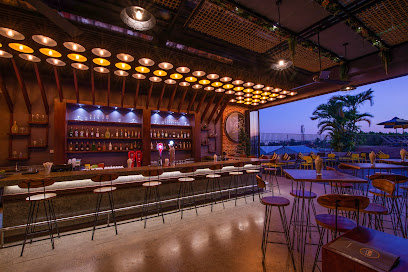
Akas Rooftop Sky Bar by The Twizt
9.2 km
Experience breathtaking views, exquisite cocktails, and a vibrant atmosphere at Akas Rooftop Sky Bar in Krong Siem Reap.
TREE bar
9.4 km
Experience the vibrant nightlife at TREE Bar in Krong Siem Reap, where eclectic drinks and lively ambiance create unforgettable memories.
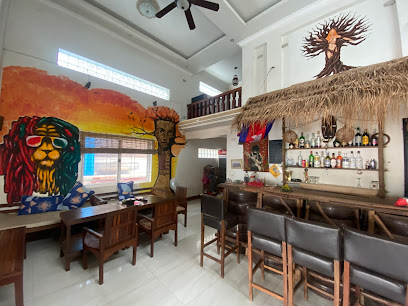
JD's Siem reap
9.4 km
Experience the vibrant nightlife at JD's Siem Reap, the ultimate bar for cocktails and local culture in the heart of Cambodia.
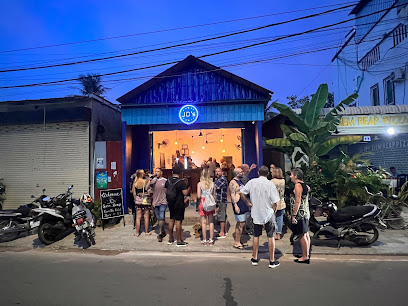
Barcode Bar Siem Reap
9.5 km
Unwind with a cocktail at Barcode Bar Siem Reap, where vibrant nightlife meets exceptional service in a lively atmosphere.
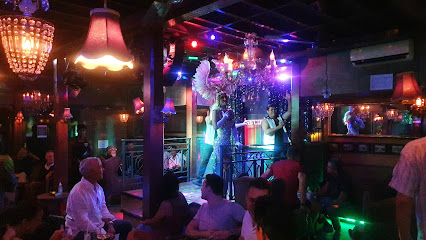
Homie Pub Siem Reap
9.5 km
Discover the lively atmosphere and refreshing drinks at Homie Pub, a favorite spot for travelers in Siem Reap's vibrant nightlife scene.
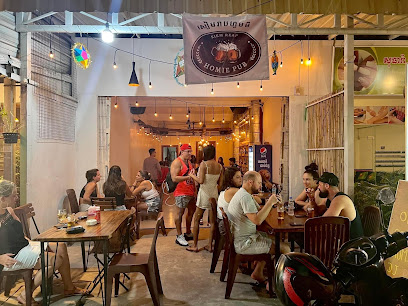
Long's Bar
9.5 km
Discover the vibrant atmosphere and unique cocktails at Long's Bar, a must-visit destination in Siem Reap for travelers and locals alike.
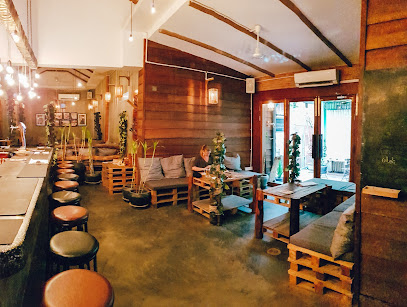
Silk Garden Bar and Restaurant
9.6 km
Indulge in scrumptious grilled dishes in a cozy setting at Silk Garden Bar and Restaurant, a true gem in Krong Siem Reap.
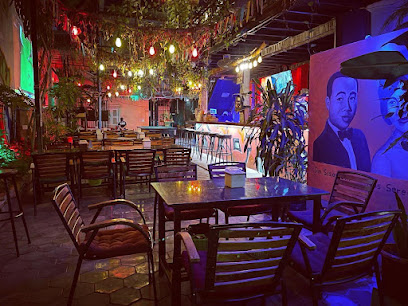
Cozy Bar
9.6 km
Discover the vibrant energy of Cozy Bar in Siem Reap, where affordable drinks and a friendly atmosphere await every traveler.
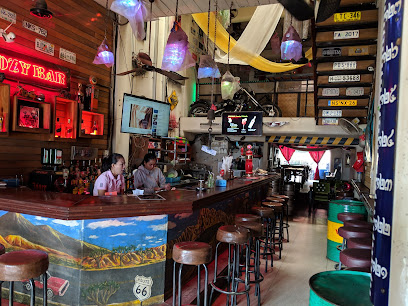
ASANA OLD WOODEN HOUSE Cocktail Bar
9.6 km
Experience the perfect blend of Asian flavors and crafted cocktails at ASANA OLD WOODEN HOUSE, a cozy bar in the heart of Siem Reap.
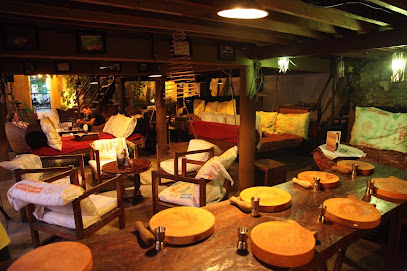
The Angkor What? Bar
9.6 km
Discover the vibrant nightlife at The Angkor What? Bar in Siem Reap, where fun meets affordable drinks and a lively atmosphere.
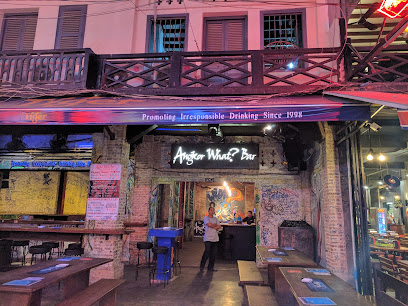
The Funky Courtyard
9.7 km
Experience the thrill of live sports and the vibrant nightlife at The Funky Courtyard, Siem Reap's premier sports bar, perfect for tourists and locals alike.
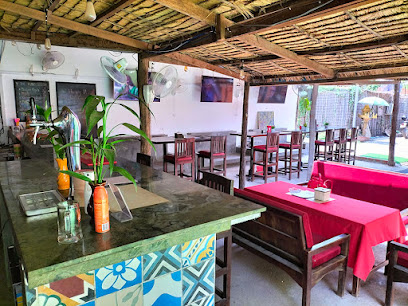
The Lounge Bar
9.7 km
Discover the vibrant nightlife of Krong Siem Reap at The Lounge Bar, where expertly crafted cocktails and a chic ambiance await.
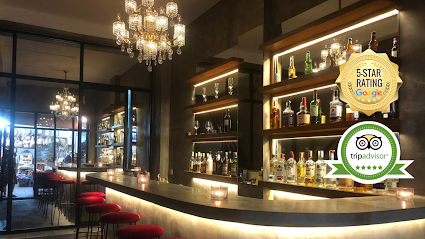
Beatnik Speakeasy
9.7 km
Experience the vibrant nightlife of Siem Reap at Beatnik Speakeasy, a hidden gem offering innovative cocktails and a cozy atmosphere.
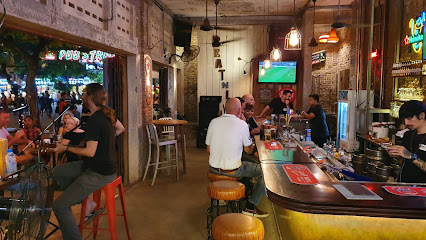
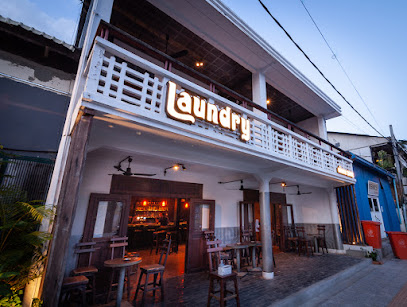
Laundry
9.7 km
Discover Siem Reap's lively music scene at Laundry, where great vibes, affordable drinks, and fantastic live performances come together.