

Donga River, East Region Travel Guide
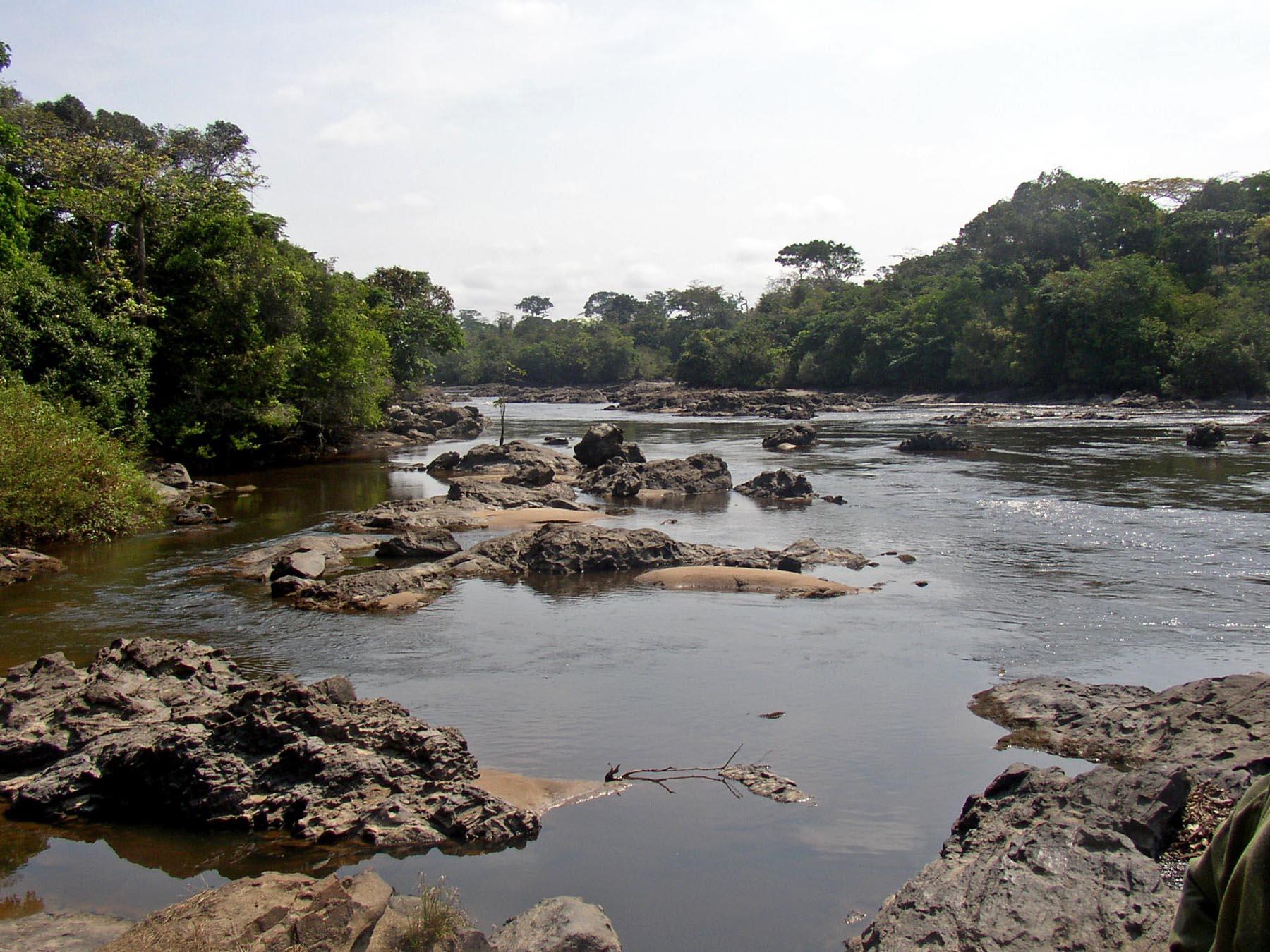
Discover the Donga River: A scenic waterway forming a natural border, rich in biodiversity and cultural significance.
The Donga River, arising from the Mambilla Plateau, serves as a natural border between Nigeria and Cameroon before merging with the Benue River. It supports diverse ecosystems and local communities, offering a tranquil escape and cultural insights.
A brief summary to Donga River
- CM

Know before you go
Hi, I'm Eve. Here are a few practical things to know before exploring Donga River.
- Engage with local communities to learn about the river's cultural significance and traditional fishing practices.
- Visit during the dry season for easier access to hiking trails and outdoor activities.
- Explore the nearby forest reserves of Baissa, Amboi, and Bissaula River for birdwatching and wildlife spotting.
Do you manage this location?
Take control to get all the benefits, like improved information, better appearance, and stronger visibility across AI-powered discovery. Learn more about listing your business on Evendo
Activate your presenceOther nearby places you may find interesting
The closest places of the same kind, if this one is not quite what you had in mind.

Explore Donga River on the Map
A handpicked selection of must-see spots near Donga River, mapped for you.
Getting There
-
Walking
From villages near the river, walking is often the most direct way to reach the Donga River's banks. Follow local paths and trails leading towards the river. Be mindful of the terrain, which can be hilly and rocky in certain areas. There are no specific costs associated with walking.
-
Public Transport
In larger towns or cities within the Donga River basin, local transportation options like taxis or buses can be used to reach villages closer to the river. From these villages, walking may be required to reach the river itself. Public transport costs within the region typically range from CFA100 to CFA500 for short trips.
Discover more about Donga River













Your all‑in‑one travel companion app
Explore expert travel guides, compare and book tours, experiences, hotels, and more—all from the palm of your hand. Download now for seamless trip planning wherever your wanderlust takes you.


Explore More of East Region
Looking beyond Donga River? Discover East Region for broader travel guides, local hot-spots, and regional highlights.
Explore East Region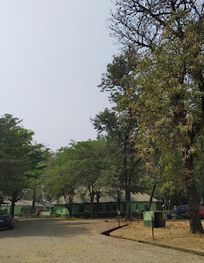
Experience the breathtaking beauty and diverse wildlife of Gashaka Gumti National Park Transit Camp in Taraba, Nigeria, a nature lover's paradise.
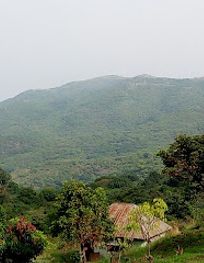
Discover Nigeria's hidden gem: Ngel Nyaki Forest Reserve, a haven for biodiversity and stunning natural beauty on the Mambilla Plateau.
