

Free East Region Travel Guide & Mobile App
Explore East Region with free travel guides. Discover regional history, expert tips, proposed trips, and audio guides on web or mobile app.


Explore Cameroon’s East Region for rainforest parks, river journeys, Baka-led experiences and frontier towns shaped by the Congo Basin.
Read more about East Region
When is the best time to visit East Region?
Best: December–February · 30–32°C| Month | High (°C) | Rainfall (mm) |
|---|---|---|
| January (best) | 30 | 30 |
| February (best) | 32 | 40 |
| March | 33 | 60 |
| April | 33 | 80 |
| May | 34 | 100 |
| June | 32 | 120 |
| July | 31 | 140 |
| August | 31 | 140 |
| September | 31 | 120 |
| October | 31 | 100 |
| November | 30 | 80 |
| December (best) | 30 | 60 |
Getting to and around East Region
How to get there
Transportation
Top city travel guides in East Region
The cities of East Region, and the easiest places to base yourself.

Swipe for more cities
Best attractions in East Region
The East Region’s attractions are primarily ecological, cultural and exploratory rather than concentrated in conventional sightseeing centres. Lobéké National Park is the best-known protected area, offering guided forest experiences, birdwatching, tracking and the possibility of observing large mammals in a demanding Congo Basin setting. Boumba-Bek and Nki national parks add extensive rainforest, rivers and low-density wildlife habitat, although access, permits and visitor infrastructure can be limited. The eastern approaches to the Dja forest landscape may also interest experienced nature travellers, but arrangements and exact access points need local confirmation. Around Bertoua, Abong-Mbang, Lomié and Yokadouma, visitors encounter markets, agricultural landscapes and community life rather than a dense sequence of formal attractions. Responsible cultural programmes can introduce Baka forest knowledge, music, crafts and foodways when designed and led with community consent. River excursions, forest walks, canoe journeys and research-oriented visits are possible through specialist arrangements. The defining attraction is the scale and complexity of the forest itself, so itineraries should allow for slow travel, changing weather and the realities of remote-country logistics.
-
Historical landmark
Rond-Point Deido
Discover the vibrant culture and history of Douala at Rond-Point Deido, a lively landmark that captures the spirit of Cameroon.
-
Park
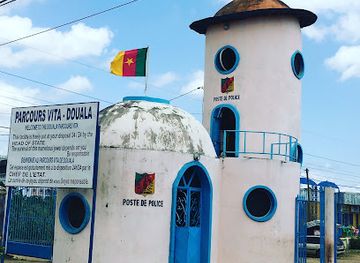
Parcours Vita
Experience the tranquility and fitness opportunities at Parcours Vita, a premier park in Douala, Cameroon, perfect for relaxation and outdoor activities.
-
National park
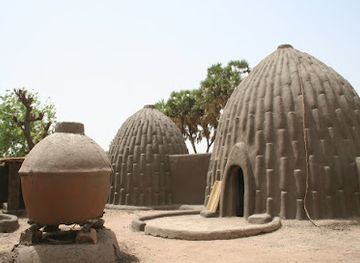
Waza National Park
Explore Waza National Park, a breathtaking wildlife sanctuary in Cameroon, offering diverse ecosystems and unforgettable adventures for nature lovers.
-
Amusement park
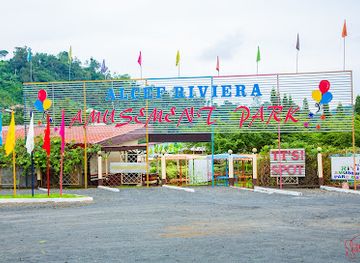
ALCEF PARK
Discover ALCEF PARK in Limbe, Cameroon: A vibrant amusement park perfect for family fun, adventure, and relaxation amidst beautiful landscapes.

Best landmarks in East Region
The East Region’s most significant landmarks are often landscapes and transport corridors rather than monumental urban buildings. Lobéké National Park is a major natural landmark, distinguished by its Congo Basin rainforest, forest clearings and position within the Sangha Trinational transboundary conservation landscape. The broader Boumba-Bek and Nki forest complexes represent some of Cameroon’s most substantial remaining rainforest environments, with the Boumba and Dja river systems helping define the terrain. Bélabo railway junction is an important symbol of the region’s modern integration, linking the forest interior with Yaoundé and northern Cameroon. Bertoua’s civic and religious buildings express its role as the regional capital, although its significance is principally administrative and commercial rather than monumental. In the south-east, the rivers and forest tracks around Moloundou and Yokadouma are physical markers of a borderland shaped by movement, trade and conservation. These places are best understood with local guides, who can explain seasonal conditions, community history and the limits of protected areas.
-
Museum
National Museum
Explore Cameroon's rich cultural heritage at the National Museum in Yaoundé, showcasing art, history, and traditions.
-
Restaurant
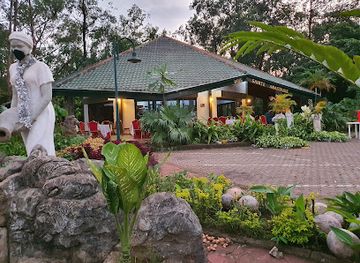
Bois Sainte Anastasie
Escape the city bustle in Yaoundé's serene Bois Sainte Anastasie, a green oasis with art, nature, and tranquility.
-
Cultural landmark
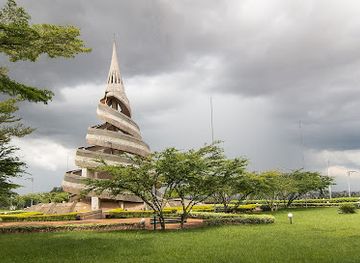
Cameroon Reunification Monument
A landmark in Yaoundé symbolizing Cameroon's reunification, unity, and cultural heritage, offering panoramic views and historical insights.
-
Apartment complex
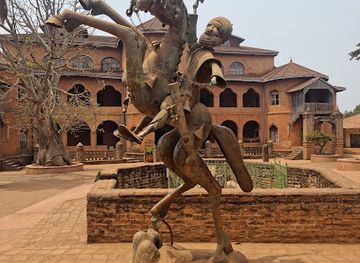
Ayos Centre
Immerse yourself in the art and culture of Foumban at Ayos Centre, a unique blend of accommodation and artistic expression.
Explore East Region on the map
Plan your trip on one map. See where the top cities, national parks and sights are, and book hotels and experiences in a few clicks.
Best hotels in East Region
Best restaurants in East Region
Dining in the East Region is shaped by Cameroonian home cooking, forest produce and the practical food culture of market towns. Bertoua offers the broadest choice of informal eateries, cafés and restaurants, while smaller settlements rely more heavily on local chop houses, roadside cooking and guesthouse meals. Plantain, cassava, cocoyam, rice and maize commonly accompany sauces prepared with vegetables, groundnuts, fish or meat; freshwater fish is especially relevant near river communities. Seasonal forest products may appear in markets, but visitors should avoid dishes involving protected wildlife or meat of uncertain origin. Chicken, goat and other domestic meats are more responsible choices where available. Local drinks and refreshments vary from town to town, and hygiene standards are uneven, so favour busy establishments, freshly cooked food and treated or sealed water. In remote forest areas, meals usually need to be included in an organised itinerary rather than sought spontaneously.
-
Restaurant
Le Safoutier Restaurant
Experience exquisite dining at Le Safoutier Restaurant in Yaoundé's Hilton Hotel, where local flavors meet international cuisine in an elegant setting.
-
Restaurant
Boukarou Lounge
Experience the culinary heartbeat of Yaoundé at Boukarou Lounge—where local flavors meet vibrant entertainment.
-
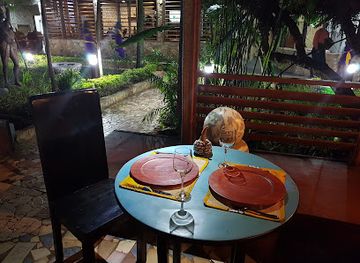
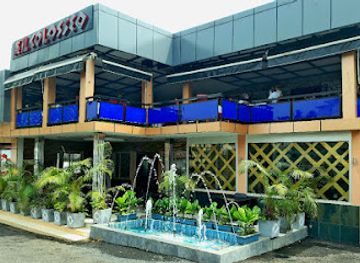
Restaurant
Restaurant "Le Colisée", Yaoundé
Experience the best of Cameroonian cuisine at Restaurant Le Colisée in Yaoundé - where tradition meets modern culinary artistry.
-
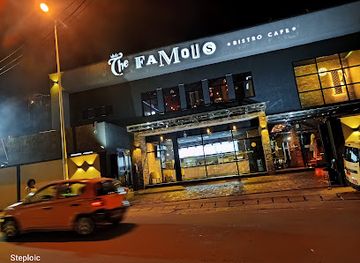
Restaurant
The Famous
Discover the exquisite flavors of Cameroon at The Famous, a top-tier restaurant offering a unique dining experience in Yaoundé.
Best bars in East Region
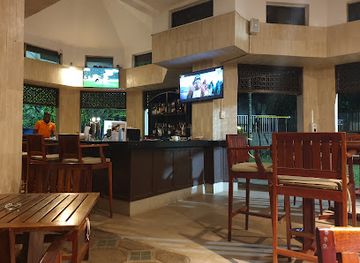
Evening life in the East Region is concentrated in Bertoua and other larger towns, where bars, beer gardens, small restaurants and music-led venues provide the main social settings. The atmosphere is generally informal, with conversation, televised sport and locally popular music more important than a large, specialised nightclub circuit. Yokadouma and other forest gateways have modest evening options, but opening arrangements and venue status can change, while remote settlements may have little organised nightlife at all. In rural areas, a communal meal or an early evening gathering is more typical than late-night entertainment. Visitors should return to accommodation with a trusted driver or guide after dark, avoid displaying valuables and drink responsibly. Forest lodges and community camps may offer quiet evening activities such as storytelling or listening for nocturnal wildlife, subject to local rules and conservation requirements.
-
Bar
The Rooftop Yaoundé
Discover breathtaking views and vibrant nightlife at The Rooftop Yaoundé, the perfect bar for relaxation in Cameroon's capital.
-
Restaurant
Cafe Hallal
Experience the authentic flavors of Cameroon at Cafe Hallal in Bertoua, where every meal is a celebration of local cuisine.
-
Lounge
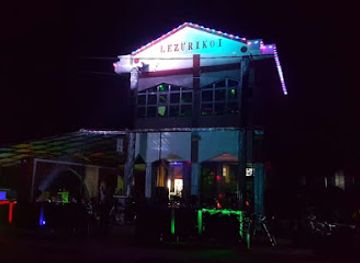
LE ZÜRIKOI DE BERTOUA
Discover the lively nightlife at Le Zürikoi de Bertoua, where relaxation meets entertainment in the heart of Bertoua.
-
Restaurant
Restaurant La Petite Pygmée
Experience the rich culinary heritage of Cameroon at Restaurant La Petite Pygmée, a dining destination in the heart of Bertoua.
Best nightclubs in East Region
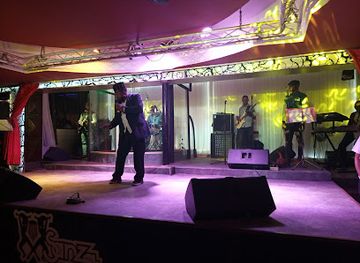
Evening life in the East Region is concentrated in Bertoua and other larger towns, where bars, beer gardens, small restaurants and music-led venues provide the main social settings. The atmosphere is generally informal, with conversation, televised sport and locally popular music more important than a large, specialised nightclub circuit. Yokadouma and other forest gateways have modest evening options, but opening arrangements and venue status can change, while remote settlements may have little organised nightlife at all. In rural areas, a communal meal or an early evening gathering is more typical than late-night entertainment. Visitors should return to accommodation with a trusted driver or guide after dark, avoid displaying valuables and drink responsibly. Forest lodges and community camps may offer quiet evening activities such as storytelling or listening for nocturnal wildlife, subject to local rules and conservation requirements.
-
Night club
Sanza Night Club, Yaoundé
Discover the lively atmosphere of Sanza Night Club in Yaoundé, where music, dance, and good vibes create unforgettable nightlife experiences.
-
Disco club
Le Penalty Lounge
Discover the heart of Yaoundé's nightlife at Le Penalty Lounge, where vibrant music and an energetic ambiance await your arrival.
-
Disco club
Katios Night Club Yaoundé
Discover the heartbeat of Yaoundé's nightlife at Katios Night Club, where music, dancing, and vibrant energy come together for an unforgettable experience.
-
Night club
MIDNYTE CLUB
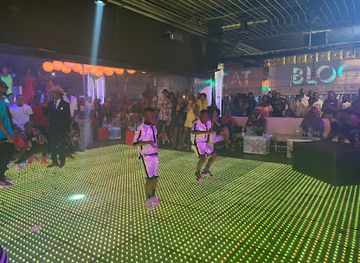
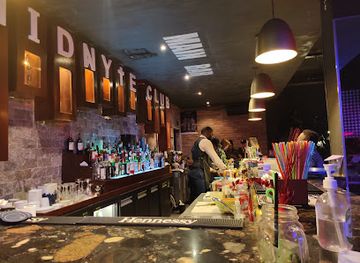
Dive into Douala's nightlife at MIDNYTE CLUB, where diverse music and vibrant atmosphere create unforgettable memories.

Best shops in East Region
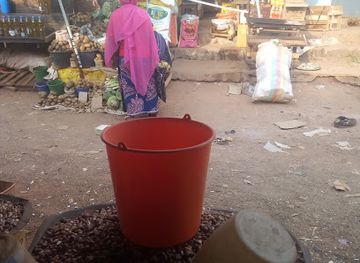
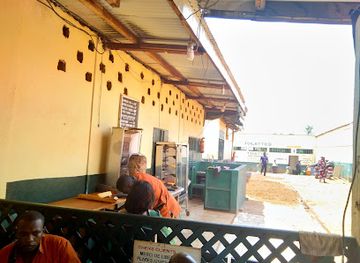
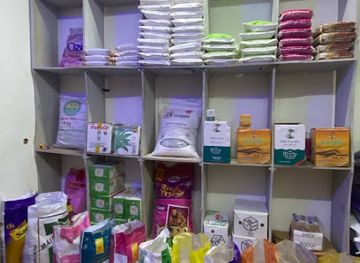
Shopping in the East Region is centred on markets and practical town commerce rather than large retail complexes. Bertoua has the broadest selection of food markets, clothing, household goods and locally traded products, while Abong-Mbang, Batouri, Yokadouma, Lomié and Moloundou serve their surrounding communities with smaller markets and independent shops. Visitors may find cassava products, plantains, spices, honey, forest-derived foods and handmade baskets, though availability is seasonal and quality varies. Locally made carvings, textiles and craftwork should be bought through fair, transparent channels, especially where designs or materials are associated with Baka or other communities. Ask about provenance and do not purchase archaeological objects, ivory, feathers, skins or other wildlife products. Basic travel supplies are easier to obtain in Bertoua than near remote parks, so buy medicines, batteries, toiletries and suitable provisions before travelling deeper into the forest.
-
Shopping mall
Marché Doumbi
Explore the vibrant Marché Doumbi in Bertoua, a shopping mall offering local flavors, unique crafts, and an immersive cultural experience.
-
Shopping mall
CANAL+ LA BOUTIQUE
Explore CANAL+ LA BOUTIQUE in Bertoua for a vibrant shopping experience filled with local culture and unique finds.
-
Dress store
Mirror nice shopping ️
Discover a diverse range of fashion options at Mirror Nice Shopping in Damas, Yaoundé, where style meets quality for the whole family.
-
Shopping mall
GTC
Discover GTC in Bertoua, a shopping haven blending local culture with international flair, perfect for every tourist's shopping spree.

Get your free copy of our complete guide to East Region, delivered straight to you.
Everything on this page, from attractions and restaurants to essentials and local phrases, in one PDF you can read offline, print or share.
Already have an account? Sign in
Your East Region guide is ready.
We'll send it to · Not you? Sign out

Getting your guide ready…
We are putting together a fresh copy of the East Region guide. This can take up to a minute.
This can take a few moments. If your browser asks, choose Allow so the download can start. You'll find the guide in your Downloads folder.
Nothing happened? Download it again
Sorry, the guide is taking longer than usual. Please try again in a minute, or get it by email instead.
East Region essentials
Currency and Payment
Safety
Emergency Situations
Do's and Don'ts
Local Tips
From Eve
Local phrases worth knowing
You don't need to get them perfect. A few words go a long way, and locals appreciate the effort.
Basics
| English | Local | Say it |
|---|---|---|
| Hello | Bonjour | [bɔ̃ʒuʁ] |
| Goodbye | Au revoir | [o ʁəvwaʁ] |
| Yes | Oui | [wi] |
| No | Non | [nɔ̃] |
| Please/You're welcome | S'il vous plaît | [sil vu ple] |
| Thank you | Merci | [mɛʁsi] |
| Excuse me/Sorry | Excusez-moi | [ɛkskyze mwa] |
| How are you? | Comment ça va? | [kɔmɑ̃ sa va] |
| Fine. And you? | Bien. Et vous? | [bjɛ̃ e vu] |
| Do you speak English? | Parlez-vous anglais? | [paʁle vu ɑ̃ɡlɛ] |
| I don't understand | Je ne comprends pas | [ʒə nə kɔ̃pʁɑ̃ pa] |
Eating & Drinking
| English | Local | Say it |
|---|---|---|
| I'd like to see the menu, please | Je voudrais voir le menu, s'il vous plaît | [ʒə vudʁɛ vwaʁ lə meny, sil vu ple] |
| I don't eat meat | Je ne mange pas de viande | [ʒə nə mɑ̃ʒ pa də vjɑ̃d] |
| Cheers! | Santé! | [sɑ̃te] |
| I would like to pay, please | Je voudrais payer, s'il vous plaît | [ʒə vudʁɛ peje, sil vu ple] |
Emergencies
| English | Local | Say it |
|---|---|---|
| Help! | Au secours! | [o səkuʁ] |
| Go away! | Allez-vous-en! | [ale vu zɑ̃] |
| Call the Police! | Appelez la police! | [apəle la pɔlis] |
| Call a doctor! | Appelez un médecin! | [apəle ɛ̃ mɛdəsɛ̃] |
| I'm lost | Je suis perdu | [ʒə sɥi pɛʁdy] |
| I'm ill | Je suis malade | [ʒə sɥi malad] |
Shopping
| English | Local | Say it |
|---|---|---|
| I'd like to buy... | Je voudrais acheter... | [ʒə vudʁɛ aʃte] |
| I'm just looking | Je regarde juste | [ʒə ʁəɡaʁd ʒyst] |
| How much is it? | C'est combien? | [se kɔ̃bjɛ̃] |
| That's too expensive | C'est trop cher | [se tʁo ʃɛʁ] |
| Can you lower the price? | Pouvez-vous baisser le prix? | [puve vu besɛ le pʁi] |
Time & Numbers
| English | Local | Say it |
|---|---|---|
| What time is it? | Quelle heure est-il? | [kɛl œʁ ɛ t'il] |
| It's one o'clock | Il est une heure | [il ɛ yn œʁ] |
| Half past (10) | Dix heures et demie | [di zœʁ e dəmi] |
| Morning | Matin | [matɛ̃] |
| Afternoon | Après-midi | [apʁɛ midi] |
| Evening | Soir | [swaʁ] |
| Yesterday | Hier | [jɛʁ] |
| Today | Aujourd'hui | [oʒuʁdʁi] |
| Tomorrow | Demain | [dəmɛ̃] |
| 1 | Un | [œ̃] |
| 2 | Deux | [dø] |
| 3 | Trois | [tʁwa] |
| 4 | Quatre | [katʁ] |
| 5 | Cinq | [sɛ̃k] |
| 6 | Six | [sis] |
| 7 | Sept | [sɛt] |
| 8 | Huit | [ɥit] |
| 9 | Neuf | [nœf] |
| 10 | Dix | [di] |
Transport & Directions
| English | Local | Say it |
|---|---|---|
| Where's a/the...? | Où est un/une...? | [u ɛ ɛ̃/yn] |
| What's the address? | Quelle est l'adresse? | [kɛl ɛ l'adʁɛs] |
| Can you show me (on the map)? | Pouvez-vous me montrer (sur la carte)? | [puve vu mə mɔ̃tʁe (syʁ la kaʁt)] |
| When's the next (bus)? | Quand est le prochain (bus)? | [kɑ̃ ɛ lə pʁɔʃɛ̃ (bys)] |
| A ticket (to ....) | Un billet (pour....) | [œ̃ bijɛ (puʁ....)] |
History of East Region
Early Forest Communities and Ironworking
The forests and savannah margins of eastern Cameroon have supported human communities for many centuries. Archaeological evidence from the wider region points to long histories of hunting, gathering, farming, fishing and ironworking, while oral traditions preserve knowledge of migration and settlement among groups including the Maka, Gbaya, Koonzime and Baka. Rather than representing an empty wilderness, the forest has been a lived landscape shaped by specialist ecological knowledge, seasonal movement and exchange. Many present-day cultural relationships with rivers, animals and forest plants have deep historical roots, even though contemporary communities also face pressure from land conversion, commercial logging and changing markets.
German Colonial Expansion, 1884–1916
The territory that became Cameroon was incorporated into the German colonial sphere from 1884. In the East, colonial authority was limited and uneven, but expeditions, trading posts, taxation and communications routes extended external control into the interior. German interests were closely tied to commercial resources and strategic movement rather than the creation of a dense urban network. The period introduced new administrative boundaries and forms of labour extraction that disrupted existing political and trading systems. Physical traces are relatively scattered in the East, but the colonial period helped establish the territorial framework later inherited by French Cameroon.
French Mandate and the Eastern Interior
After Germany’s defeat in the First World War, eastern Cameroon came under French administration as part of the League of Nations mandate and later the French trusteeship. Administrators expanded taxation, schooling, mission activity and road connections while relying on local intermediaries and labour systems. Commercial extraction increased, and the forest became more closely tied to external markets. The administration also reinforced boundaries that did not necessarily correspond to older cultural and trading geographies. Bertoua and other centres developed as administrative and commercial settlements, although most of the region remained rural and difficult for the colonial state to control directly.
Railways, Bélabo and Post-war Connectivity
The railway linking the southern part of Cameroon with the north transformed movement through the eastern interior during the twentieth century. Bélabo became a significant rail junction and a gateway for passengers, goods and timber, connecting the forest zone with Yaoundé and northern markets. Rail access did not eliminate the region’s geographical isolation, since many destinations remained far from stations and dependent on rough roads, but it changed the scale of trade and administration. The corridor also encouraged the growth of towns and helped integrate the East more closely into the economy of the wider country.
Independence and Regional Development
Cameroon became independent in 1960, and the former eastern administrative area developed within the federal and later unitary state. Bertoua became the regional capital and expanded as a centre for education, public administration, commerce and transport. Rural communities continued to depend on farming, hunting, fishing and forest products, while cross-border links with the Central African Republic and the Congo remained important. Government investment in roads and public services has improved access in some areas, but the size of the region, seasonal conditions and dispersed settlement continue to make infrastructure and healthcare difficult to provide evenly.
Logging, Conservation and the Congo Basin
From the late twentieth century, industrial logging and associated road building became major forces in the East Region, bringing employment and revenue but also disputes over access to land, forest resources and local benefits. Conservation policy developed alongside extraction. Lobéké, Boumba-Bek and Nki national parks now form part of a wider effort to protect Congo Basin ecosystems, with Lobéké included in the Sangha Trinational World Heritage landscape. Contemporary conservation increasingly recognises the importance of community rights and Indigenous knowledge, although balancing protection, livelihoods, commercial interests and tourism remains an ongoing challenge.
East Region in Photos
Browse through our photo collection highlighting the charm and character of the destination.
Neighbouring regions of East Region
The closest regions to East Region, if you have time for more than one.
-

-

-

-

-


Swipe for more regions
Explore more

Explore more of Cameroon
Discover Cameroon: A Land of Diverse Landscapes, Rich Cultural Heritage, and Unforgettable Adventures in the Heart of Africa.
Explore Cameroon